
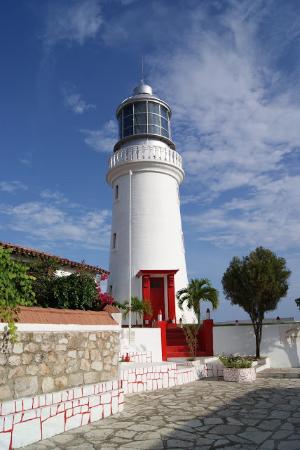
Faro del Morro
About Faro del Morro
Description
Standing proud against the endless Caribbean horizon, Faro del Morro represents one of those rare historical treasures that manages to capture both the rugged spirit of Cuba's colonial past and the timeless beauty of its coastline. This lighthouse isn't just another tourist stop—it's a genuine slice of maritime history that has been guiding ships safely through treacherous waters for well over a century. The lighthouse sits at a strategic point where land meets sea in dramatic fashion, and honestly, the first time you catch sight of it from a distance, there's something almost haunting about its silhouette against the sky. The structure itself tells stories of Spanish colonial engineering, of countless storms weathered, and of the dedicated lighthouse keepers who once maintained this beacon through thick and thin. What makes Faro del Morro particularly special is how it manages to feel both grand and intimate at the same time. Sure, it's an imposing structure when you're standing at its base, but there's also this welcoming quality to it that makes visitors feel like they've discovered something genuinely authentic rather than just another tourist trap. The weathered stones have character—you can almost feel the salt air that's been battering them for generations. And here's the thing about this place: it's genuinely kid-friendly, which isn't always the case with historical landmarks. Families find that children get genuinely excited about exploring the area, probably because it taps into that universal fascination kids have with lighthouses and the sea. The surrounding grounds offer enough space for younger visitors to explore safely while parents soak in the historical significance and those jaw-dropping ocean views. The lighthouse stands as a testament to an era when navigation depended on these coastal sentinels, and visiting it today gives you this weird time-traveling sensation. You're looking at technology that once meant the difference between life and death for sailors, yet you're viewing it through modern eyes with GPS satellites overhead. That contrast hits different when you're actually standing there.Key Features
The Faro del Morro offers visitors several distinctive elements that make the journey worthwhile:- Spectacular panoramic ocean views that stretch seemingly forever into the Caribbean, providing unmatched photo opportunities especially during golden hour
- Well-preserved colonial architecture that showcases Spanish engineering techniques from centuries past, with original stonework still visible throughout the structure
- Strategic coastal positioning that offers unique vantage points for watching ships pass by and observing local maritime traffic
- Family-friendly environment with safe exploring areas that engage visitors of all ages, particularly children who love the adventure of visiting a working historical site
- Relatively uncrowded atmosphere compared to other tourist destinations, allowing for peaceful contemplation and uninterrupted photography
- Walking paths around the lighthouse grounds that provide multiple viewing angles and perspectives of both the structure and surrounding seascape
- Historical significance as a functioning navigational aid that contributed to maritime safety throughout multiple centuries of operation
- Authentic cultural experience without heavy commercialization, maintaining its character as a genuine historical landmark rather than a themed attraction
Best Time to Visit
Timing your visit to Faro del Morro can really make or break your experience, and I've learned through conversations with travelers that getting this right matters more than you might initially think. The golden hours—early morning and late afternoon—are absolutely prime time for visiting this lighthouse. Between 7:00 AM and 9:00 AM, you'll catch that magical early light that photographers dream about, and the temperature is usually still comfortable before the Caribbean sun reaches its full intensity. Plus, you'll likely have the place mostly to yourself, which is invaluable for both photography and personal reflection. Late afternoon, particularly from around 4:30 PM until sunset, offers equally compelling reasons to visit. The light takes on this warm, almost amber quality that makes everything look like it's been dipped in honey. And watching the sunset from Faro del Morro? That's the kind of travel memory that sticks with you long after you've returned home. Seasonally speaking, the dry season from November through April generally provides the most consistently pleasant weather. You're less likely to encounter sudden tropical downpours, and the humidity is more manageable. But here's a contrarian take: visiting during the shoulder seasons or even early wet season can offer its own rewards. The landscape looks greener, there are fewer tourists, and if you don't mind the occasional rain shower, you might actually prefer the more dramatic skies and fewer crowds. Weekdays beat weekends hands down if you're trying to avoid groups and tour buses. Mid-week visits, particularly Tuesday through Thursday, tend to be quietest. Local holidays can bring more domestic tourists, so checking the Cuban holiday calendar before planning your visit isn't a bad idea. Weather-wise, keep an eye on wind conditions. The lighthouse sits in an exposed position, and when winds pick up, it can get pretty blustery out there. That's not necessarily a dealbreaker—some people love the dramatic feeling of standing at a lighthouse in strong winds—but it's worth knowing what you're getting into.How to Get There
Getting to Faro del Morro requires a bit of planning, but it's definitely manageable even for travelers who aren't particularly adventurous with navigation. The lighthouse isn't located in the middle of a major city center, which is part of its charm but also means you need to think through your transportation. Taxis remain one of the most straightforward options for most visitors. You can arrange for a taxi from nearby towns or cities, and it's worth negotiating a round-trip fare that includes waiting time. Drivers familiar with the area know exactly where to go, and you won't have to worry about finding your way back. Just make sure you establish the price clearly before departing to avoid any awkward conversations later. For the more independent-minded traveler, rental cars provide flexibility and freedom to explore at your own pace. The roads leading to the lighthouse are generally in reasonable condition, though you should be prepared for some sections that aren't quite up to highway standards. Having your own wheels means you can arrive early, leave late, or combine your lighthouse visit with other nearby attractions without being tied to taxi schedules. Some organized tours include Faro del Morro as part of broader itineraries covering multiple historical sites. These can be convenient if you prefer having everything arranged, though you'll obviously have less control over timing and how long you can stay. The tradeoff between convenience and flexibility is worth considering based on your personal travel style. Public transportation options exist but tend to be more complicated and time-consuming. If you're on a tight budget and have plenty of time, local buses can get you relatively close, but you might need to combine different routes and possibly do some walking. This approach definitely counts as the "adventurous" option and works better for travelers with solid Spanish language skills. Once you arrive in the general area, signage should guide you the final distance to the lighthouse itself. The structure is prominent enough that you can often spot it from a distance, which helps with navigation if you're finding your own way.Tips for Visiting
Making the most of your Faro del Morro experience comes down to preparing smartly and knowing what to expect when you arrive. First off, bring water—more than you think you'll need. The coastal position means you're often in direct sun with minimal shade, and the combination of heat and sea breeze can dehydrate you faster than you realize. I can't stress this enough because there's nothing that ruins a historical site visit quite like getting lightheaded from dehydration. Comfortable walking shoes are non-negotiable. You'll be on your feet exploring the grounds, potentially on uneven surfaces, and proper footwear makes a huge difference. Save the cute sandals for beach time and go with something that provides actual support. Sun protection deserves its own paragraph because the Caribbean sun doesn't mess around. Sunscreen, hats, sunglasses—bring all of it. The sea breeze can trick you into thinking you're not getting much sun exposure, but trust me, you are. Reapply sunscreen regularly, especially if you're planning to stay through midday hours. Camera equipment deserves careful consideration. This is obviously a phenomenal photography location, but if you're bringing expensive gear, pack it securely and be mindful of the salt air and occasional sea spray. A lens cloth for wiping away salt residue isn't a bad idea either. And don't forget to charge your batteries fully before arriving—you'll take way more photos than you anticipate. Modest cash is useful to have on hand, though this isn't a heavily commercialized site with vendors everywhere. Still, you might encounter someone selling drinks or snacks, and having small bills makes those transactions easier. Respectful behavior goes without saying, but it's worth mentioning anyway. This is a historical site with genuine significance, not an amusement park. Keep noise levels reasonable, don't climb on structures that are marked as off-limits, and be mindful of other visitors trying to enjoy the space. Timing your visit around weather conditions really matters. Check the forecast before heading out, particularly during months when afternoon rain showers are common. Getting caught in a downpour at an exposed coastal location isn't anyone's idea of fun, though having a light rain jacket as backup never hurts. If you're visiting with children (which many families do successfully), bring entertainment for any potential waiting time and snacks to keep energy levels up. The kid-friendly nature of the site means young visitors generally enjoy themselves, but a little preparation ensures everyone stays happy throughout the visit. Finally, give yourself more time than you think you'll need. There's something about places like Faro del Morro that rewards unhurried exploration. The longer you spend there, the more you notice—architectural details, changing light conditions, the rhythm of the waves. Rushing through defeats the purpose of visiting a place with this much atmospheric character.Key Features
- Spectacular panoramic ocean views that stretch seemingly forever into the Caribbean, providing unmatched photo opportunities especially during golden hour
- Well-preserved colonial architecture that showcases Spanish engineering techniques from centuries past, with original stonework still visible throughout the structure
- Strategic coastal positioning that offers unique vantage points for watching ships pass by and observing local maritime traffic
- Family-friendly environment with safe exploring areas that engage visitors of all ages, particularly children who love the adventure of visiting a working historical site
- Relatively uncrowded atmosphere compared to other tourist destinations, allowing for peaceful contemplation and uninterrupted photography
- Walking paths around the lighthouse grounds that provide multiple viewing angles and perspectives of both the structure and surrounding seascape
- Historical significance as a functioning navigational aid that contributed to maritime safety throughout multiple centuries of operation
- Authentic cultural experience without heavy commercialization, maintaining its character as a genuine historical landmark rather than a themed attraction
More Details
Updated January 17, 2026
Table of Contents
Description
Standing proud against the endless Caribbean horizon, Faro del Morro represents one of those rare historical treasures that manages to capture both the rugged spirit of Cuba’s colonial past and the timeless beauty of its coastline. This lighthouse isn’t just another tourist stop—it’s a genuine slice of maritime history that has been guiding ships safely through treacherous waters for well over a century.
The lighthouse sits at a strategic point where land meets sea in dramatic fashion, and honestly, the first time you catch sight of it from a distance, there’s something almost haunting about its silhouette against the sky. The structure itself tells stories of Spanish colonial engineering, of countless storms weathered, and of the dedicated lighthouse keepers who once maintained this beacon through thick and thin.
What makes Faro del Morro particularly special is how it manages to feel both grand and intimate at the same time. Sure, it’s an imposing structure when you’re standing at its base, but there’s also this welcoming quality to it that makes visitors feel like they’ve discovered something genuinely authentic rather than just another tourist trap. The weathered stones have character—you can almost feel the salt air that’s been battering them for generations.
And here’s the thing about this place: it’s genuinely kid-friendly, which isn’t always the case with historical landmarks. Families find that children get genuinely excited about exploring the area, probably because it taps into that universal fascination kids have with lighthouses and the sea. The surrounding grounds offer enough space for younger visitors to explore safely while parents soak in the historical significance and those jaw-dropping ocean views.
The lighthouse stands as a testament to an era when navigation depended on these coastal sentinels, and visiting it today gives you this weird time-traveling sensation. You’re looking at technology that once meant the difference between life and death for sailors, yet you’re viewing it through modern eyes with GPS satellites overhead. That contrast hits different when you’re actually standing there.
Key Features
The Faro del Morro offers visitors several distinctive elements that make the journey worthwhile:
- Spectacular panoramic ocean views that stretch seemingly forever into the Caribbean, providing unmatched photo opportunities especially during golden hour
- Well-preserved colonial architecture that showcases Spanish engineering techniques from centuries past, with original stonework still visible throughout the structure
- Strategic coastal positioning that offers unique vantage points for watching ships pass by and observing local maritime traffic
- Family-friendly environment with safe exploring areas that engage visitors of all ages, particularly children who love the adventure of visiting a working historical site
- Relatively uncrowded atmosphere compared to other tourist destinations, allowing for peaceful contemplation and uninterrupted photography
- Walking paths around the lighthouse grounds that provide multiple viewing angles and perspectives of both the structure and surrounding seascape
- Historical significance as a functioning navigational aid that contributed to maritime safety throughout multiple centuries of operation
- Authentic cultural experience without heavy commercialization, maintaining its character as a genuine historical landmark rather than a themed attraction
Best Time to Visit
Timing your visit to Faro del Morro can really make or break your experience, and I’ve learned through conversations with travelers that getting this right matters more than you might initially think.
The golden hours—early morning and late afternoon—are absolutely prime time for visiting this lighthouse. Between 7:00 AM and 9:00 AM, you’ll catch that magical early light that photographers dream about, and the temperature is usually still comfortable before the Caribbean sun reaches its full intensity. Plus, you’ll likely have the place mostly to yourself, which is invaluable for both photography and personal reflection.
Late afternoon, particularly from around 4:30 PM until sunset, offers equally compelling reasons to visit. The light takes on this warm, almost amber quality that makes everything look like it’s been dipped in honey. And watching the sunset from Faro del Morro? That’s the kind of travel memory that sticks with you long after you’ve returned home.
Seasonally speaking, the dry season from November through April generally provides the most consistently pleasant weather. You’re less likely to encounter sudden tropical downpours, and the humidity is more manageable. But here’s a contrarian take: visiting during the shoulder seasons or even early wet season can offer its own rewards. The landscape looks greener, there are fewer tourists, and if you don’t mind the occasional rain shower, you might actually prefer the more dramatic skies and fewer crowds.
Weekdays beat weekends hands down if you’re trying to avoid groups and tour buses. Mid-week visits, particularly Tuesday through Thursday, tend to be quietest. Local holidays can bring more domestic tourists, so checking the Cuban holiday calendar before planning your visit isn’t a bad idea.
Weather-wise, keep an eye on wind conditions. The lighthouse sits in an exposed position, and when winds pick up, it can get pretty blustery out there. That’s not necessarily a dealbreaker—some people love the dramatic feeling of standing at a lighthouse in strong winds—but it’s worth knowing what you’re getting into.
How to Get There
Getting to Faro del Morro requires a bit of planning, but it’s definitely manageable even for travelers who aren’t particularly adventurous with navigation. The lighthouse isn’t located in the middle of a major city center, which is part of its charm but also means you need to think through your transportation.
Taxis remain one of the most straightforward options for most visitors. You can arrange for a taxi from nearby towns or cities, and it’s worth negotiating a round-trip fare that includes waiting time. Drivers familiar with the area know exactly where to go, and you won’t have to worry about finding your way back. Just make sure you establish the price clearly before departing to avoid any awkward conversations later.
For the more independent-minded traveler, rental cars provide flexibility and freedom to explore at your own pace. The roads leading to the lighthouse are generally in reasonable condition, though you should be prepared for some sections that aren’t quite up to highway standards. Having your own wheels means you can arrive early, leave late, or combine your lighthouse visit with other nearby attractions without being tied to taxi schedules.
Some organized tours include Faro del Morro as part of broader itineraries covering multiple historical sites. These can be convenient if you prefer having everything arranged, though you’ll obviously have less control over timing and how long you can stay. The tradeoff between convenience and flexibility is worth considering based on your personal travel style.
Public transportation options exist but tend to be more complicated and time-consuming. If you’re on a tight budget and have plenty of time, local buses can get you relatively close, but you might need to combine different routes and possibly do some walking. This approach definitely counts as the “adventurous” option and works better for travelers with solid Spanish language skills.
Once you arrive in the general area, signage should guide you the final distance to the lighthouse itself. The structure is prominent enough that you can often spot it from a distance, which helps with navigation if you’re finding your own way.
Tips for Visiting
Making the most of your Faro del Morro experience comes down to preparing smartly and knowing what to expect when you arrive.
First off, bring water—more than you think you’ll need. The coastal position means you’re often in direct sun with minimal shade, and the combination of heat and sea breeze can dehydrate you faster than you realize. I can’t stress this enough because there’s nothing that ruins a historical site visit quite like getting lightheaded from dehydration.
Comfortable walking shoes are non-negotiable. You’ll be on your feet exploring the grounds, potentially on uneven surfaces, and proper footwear makes a huge difference. Save the cute sandals for beach time and go with something that provides actual support.
Sun protection deserves its own paragraph because the Caribbean sun doesn’t mess around. Sunscreen, hats, sunglasses—bring all of it. The sea breeze can trick you into thinking you’re not getting much sun exposure, but trust me, you are. Reapply sunscreen regularly, especially if you’re planning to stay through midday hours.
Camera equipment deserves careful consideration. This is obviously a phenomenal photography location, but if you’re bringing expensive gear, pack it securely and be mindful of the salt air and occasional sea spray. A lens cloth for wiping away salt residue isn’t a bad idea either. And don’t forget to charge your batteries fully before arriving—you’ll take way more photos than you anticipate.
Modest cash is useful to have on hand, though this isn’t a heavily commercialized site with vendors everywhere. Still, you might encounter someone selling drinks or snacks, and having small bills makes those transactions easier.
Respectful behavior goes without saying, but it’s worth mentioning anyway. This is a historical site with genuine significance, not an amusement park. Keep noise levels reasonable, don’t climb on structures that are marked as off-limits, and be mindful of other visitors trying to enjoy the space.
Timing your visit around weather conditions really matters. Check the forecast before heading out, particularly during months when afternoon rain showers are common. Getting caught in a downpour at an exposed coastal location isn’t anyone’s idea of fun, though having a light rain jacket as backup never hurts.
If you’re visiting with children (which many families do successfully), bring entertainment for any potential waiting time and snacks to keep energy levels up. The kid-friendly nature of the site means young visitors generally enjoy themselves, but a little preparation ensures everyone stays happy throughout the visit.
Finally, give yourself more time than you think you’ll need. There’s something about places like Faro del Morro that rewards unhurried exploration. The longer you spend there, the more you notice—architectural details, changing light conditions, the rhythm of the waves. Rushing through defeats the purpose of visiting a place with this much atmospheric character.
Key Highlights
- Spectacular panoramic ocean views that stretch seemingly forever into the Caribbean, providing unmatched photo opportunities especially during golden hour
- Well-preserved colonial architecture that showcases Spanish engineering techniques from centuries past, with original stonework still visible throughout the structure
- Strategic coastal positioning that offers unique vantage points for watching ships pass by and observing local maritime traffic
- Family-friendly environment with safe exploring areas that engage visitors of all ages, particularly children who love the adventure of visiting a working historical site
- Relatively uncrowded atmosphere compared to other tourist destinations, allowing for peaceful contemplation and uninterrupted photography
- Walking paths around the lighthouse grounds that provide multiple viewing angles and perspectives of both the structure and surrounding seascape
- Historical significance as a functioning navigational aid that contributed to maritime safety throughout multiple centuries of operation
- Authentic cultural experience without heavy commercialization, maintaining its character as a genuine historical landmark rather than a themed attraction
Location
Places to Stay Near Faro del Morro
Find and Book a Tour
Explore More Travel Guides
No reviews found! Be the first to review!
Traveler Reviews for Faro del Morro
There are no reviews yet. Be the first one to write one.
Have you visited Faro del Morro? Help other travelers by sharing your review.
You Might Also Like
Museo de La Imagen

Catedral de Nuestra Señora de la Asunción
Castillo del Morro
Find Accommodations Nearby
Recommended Tours & Activities
Visitor Reviews
There are no reviews yet. Be the first one to write one.
Share Your Experience
Have you visited Faro del Morro? Help other travelers by leaving a review.