

Museo Provincial Bacardí Moreau
About Museo Provincial Bacardí Moreau
Description
The Museo Provincial Bacardí Moreau stands as one of Cuba's oldest and most fascinating museums, holding stories that reach back through generations of Cuban history. Named after Emilio Bacardí Moreau—yes, that Bacardí family—this institution has been preserving the cultural heritage of Santiago de Cuba since 1899. And honestly, walking through its halls feels like stepping into a time capsule that someone actually bothered to organize properly. I've always found it remarkable how certain places manage to capture the essence of an entire region's story, and this museum does exactly that. The building itself is a neoclassical beauty that demands your attention even before you step inside. Once you're through those doors, you'll find yourself surrounded by an eclectic collection that spans everything from pre-Columbian artifacts to colonial-era paintings, revolutionary memorabilia, and natural history specimens. It's the kind of place where you might see an ancient Taíno axe in one room and a delicate European porcelain piece in the next. What makes this museum particularly special is its deeply personal connection to Santiago's past. Emilio Bacardí wasn't just a rum magnate—he was a passionate collector, historian, and someone who genuinely cared about preserving Cuban identity during turbulent times. His vision was to create a space where Cubans could see their own history reflected back at them, and that mission still resonates today. The museum houses over 50,000 pieces in its collection, though not everything is on display at once (which is probably for the best, or you'd need a week to see it all). The atmosphere inside strikes this interesting balance between formal museum reverence and a more intimate, almost personal feeling. You get the sense that real people curated these exhibits with genuine affection for the stories they're telling. The archaeological section is particularly impressive, showcasing artifacts from Cuba's indigenous populations that you won't easily find elsewhere. And the art gallery? It features works from both Cuban masters and international artists that somehow ended up in Santiago.Key Features
The museum offers visitors an impressive array of exhibits and amenities that make for a memorable visit:- Extensive archaeological collection featuring pre-Columbian Taíno artifacts, including tools, pottery, and ceremonial objects that provide rare insights into Cuba's indigenous cultures
- Art gallery displaying paintings and sculptures from Cuban artists spanning multiple periods, along with European works that reflect Santiago's historical connections to the wider world
- Natural history section with taxidermy specimens and geological samples from the region, perfect for understanding Cuba's biodiversity
- Revolutionary war memorabilia documenting Santiago's crucial role in Cuba's independence movements and 20th-century history
- Colonial-era furniture, weaponry, and household items that paint a vivid picture of daily life during Spanish rule
- Egyptian mummy in the collection—yes, really—which always surprises first-time visitors and speaks to Bacardí's wide-ranging collecting interests
- Wheelchair accessible restrooms and facilities, making the museum more welcoming to visitors with mobility needs
- Well-maintained restroom facilities throughout the building for visitor convenience
- Family-friendly exhibits and displays that engage younger visitors without dumbing down the historical content
- Bilingual signage in many areas, though Spanish predominates (brush up on your español before visiting)
- Climate-controlled galleries that protect the artifacts while keeping you comfortable in Santiago's tropical heat
- Photography permitted in most areas, allowing you to capture memories of your favorite pieces
Best Time to Visit
Timing your visit to the Museo Provincial Bacardí Moreau can significantly impact your experience, and I've learned this through both good and less-than-ideal museum visits over the years. The museum typically sees fewer crowds during weekday mornings, particularly Tuesday through Thursday between 9 AM and 11 AM. This gives you breathing room to actually contemplate the exhibits without someone's elbow in your peripheral vision. From a seasonal perspective, November through April represents the dry season in Santiago de Cuba, which means you'll be dealing with more pleasant weather overall. But here's the thing—the museum's climate control makes it a wonderful escape from Santiago's heat regardless of when you visit. I actually think there's something satisfying about ducking into a cool, quiet museum when it's sweltering outside. If you're planning around Cuban holidays and festivals, be aware that the museum may have modified hours or be closed entirely during major celebrations. July is particularly busy in Santiago because of Carnival, which means both the city and its attractions get crowded. On the flip side, visiting during Carnival season means you'll experience Santiago at its most energetic, even if the museum itself requires advance planning. The museum is generally closed on Mondays for maintenance and collections care, which is standard practice but worth noting when you're mapping out your itinerary. Weekends bring more local families, which creates a lovely community atmosphere but also means more noise and activity. School groups tend to visit during term time on weekday mornings, so if you prefer a quieter experience, aim for early afternoon visits instead. Weather-wise, Santiago can get seriously hot between June and September, with temperatures regularly hitting the high 80s and low 90s Fahrenheit. The museum becomes an even more attractive destination during these months as a refuge from the heat. Plus, tourist numbers dip slightly during the hottest months, which means you might have entire galleries to yourself.How to Get There
Getting to the Museo Provincial Bacardí Moreau requires a bit of navigation, but it's definitely manageable once you understand Santiago's layout. The museum sits in the heart of Santiago de Cuba's historic center, which means most accommodation options in the city center put you within reasonable walking distance. And honestly, walking through Santiago's colonial streets is half the adventure anyway. If you're staying in the historic district, you can likely reach the museum on foot in 10-20 minutes depending on your starting point. The building is located near Parque Céspedes, Santiago's main square, which serves as a useful landmark. Just ask locals for "el museo Bacardí" and you'll get pointed in the right direction—Cubans are generally helpful with directions, even if those directions sometimes include phrases like "past the blue house with the dog." Taxis are readily available throughout Santiago and represent a convenient option if you're coming from further afield or don't feel like walking in the heat. Both official yellow taxis and private taxis operate in the city. Agree on a price before getting in if you're using a private taxi, as meters aren't always used. The fare from most hotels in the tourist zones shouldn't be expensive by international standards, though prices can vary. Bici-taxis (bicycle taxis) offer another transport option that's both economical and gives you an open-air view of the city. They're slower than regular taxis but perfect for short trips, and drivers usually know the museum well. This is actually my preferred way to get around Santiago's center when I'm not in a rush—there's something charming about it. If you're coming from outside Santiago, you'll likely arrive at the Antonio Maceo International Airport, which sits about 7 kilometers south of the city center. From there, you can arrange a taxi to your accommodation and then make your way to the museum. The Viazul bus station, if you're arriving by bus from other Cuban cities, is located northwest of the city center and requires a taxi ride or longer walk to reach the museum. For those renting cars in Cuba—which is possible but requires patience and paperwork—parking near the museum can be challenging. The historic center has limited parking options, and streets are narrow. Your best bet is to park at your hotel and walk or take a taxi to the museum rather than trying to navigate and park in the immediate vicinity.Tips for Visiting
Making the most of your visit to the Museo Provincial Bacardí Moreau involves some practical preparation that'll save you frustration later. First and foremost, bring Cuban pesos (CUP) for the entrance fee, as credit cards aren't reliably accepted and currency exchange options inside the museum are limited. The admission price is quite reasonable by international museum standards, but having exact change makes everything smoother. Dress comfortably but respectfully—this is still a formal cultural institution. Lightweight, breathable clothing works best given Santiago's climate, but avoid beach attire. Good walking shoes are essential because you'll be on your feet exploring multiple floors and galleries. And those beautiful historic tile floors can get slippery, so watch your step. Photography is generally allowed, but flash photography may be restricted in certain galleries to protect light-sensitive artifacts. Pay attention to signage and ask staff if you're unsure. I've found that museum staff appreciate when visitors ask permission rather than assuming. Also, be mindful of other visitors when taking photos—nobody wants their museum experience interrupted by someone's impromptu photoshoot. Plan to spend at least 90 minutes to two hours here if you want to properly appreciate the collections. Rushing through defeats the purpose, and some exhibits deserve contemplation. The archaeological section alone could occupy a history enthusiast for 45 minutes. That said, if you're traveling with kids who have shorter attention spans, you can focus on specific sections that'll engage them most—the natural history displays and the Egyptian mummy usually capture young imaginations. Bring water with you, especially if you're visiting during warmer months. While the museum has restrooms, refreshment options inside are minimal. There's usually a small area near the entrance where you can leave bags if needed, though I'd recommend keeping valuables with you at all times. The museum staff generally speak Spanish, with some English capability depending on who's working. Learning a few basic Spanish phrases goes a long way in showing respect and making interactions smoother. Even a simple "buenos días" and "gracias" opens doors. Don't be shy about asking questions—the staff members are often knowledgeable and passionate about the collections. If you're a serious history buff or researcher, consider visiting during weekdays when staff might have more time to answer detailed questions. Some visitors don't realize that museums like this often have extensive archives and storage collections beyond what's displayed. Inquiring politely about specific research interests might lead to valuable information, though don't expect to access back-room collections without advance arrangements. Combine your museum visit with exploration of Santiago's historic center for a fuller experience. The surrounding architecture and nearby attractions like Parque Céspedes and the Cathedral create a natural circuit for understanding Santiago's heritage. There are also cafes and restaurants within walking distance where you can process what you've seen over a coffee or meal afterward. Finally, manage your expectations around amenities. This isn't a massive, ultra-modern museum with interactive digital displays and fancy gift shops. It's a historic institution with authentic charm and real artifacts that tell genuine stories. The slightly worn floors and older display cases are part of the authentic experience. You're visiting a piece of living history, not a theme park version of one, and that's exactly what makes it special.Key Features
- Founded in 1899 by Emilio Bacardí Moreau — Santiago’s prominent civic figure
- Diverse collections: paintings, costumes, weapons, decorative arts and ethnographic items
- Notable curiosities, including Santiago’s reported Egyptian mummy
- Historic neoclassical building and period interior rooms
- Close proximity to Parque Céspedes and other central Santiago landmarks
More Details
Updated January 17, 2026
Table of Contents
Description
The Museo Provincial Bacardí Moreau stands as one of Cuba’s oldest and most fascinating museums, holding stories that reach back through generations of Cuban history. Named after Emilio Bacardí Moreau—yes, that Bacardí family—this institution has been preserving the cultural heritage of Santiago de Cuba since 1899. And honestly, walking through its halls feels like stepping into a time capsule that someone actually bothered to organize properly.
I’ve always found it remarkable how certain places manage to capture the essence of an entire region’s story, and this museum does exactly that. The building itself is a neoclassical beauty that demands your attention even before you step inside. Once you’re through those doors, you’ll find yourself surrounded by an eclectic collection that spans everything from pre-Columbian artifacts to colonial-era paintings, revolutionary memorabilia, and natural history specimens. It’s the kind of place where you might see an ancient Taíno axe in one room and a delicate European porcelain piece in the next.
What makes this museum particularly special is its deeply personal connection to Santiago’s past. Emilio Bacardí wasn’t just a rum magnate—he was a passionate collector, historian, and someone who genuinely cared about preserving Cuban identity during turbulent times. His vision was to create a space where Cubans could see their own history reflected back at them, and that mission still resonates today. The museum houses over 50,000 pieces in its collection, though not everything is on display at once (which is probably for the best, or you’d need a week to see it all).
The atmosphere inside strikes this interesting balance between formal museum reverence and a more intimate, almost personal feeling. You get the sense that real people curated these exhibits with genuine affection for the stories they’re telling. The archaeological section is particularly impressive, showcasing artifacts from Cuba’s indigenous populations that you won’t easily find elsewhere. And the art gallery? It features works from both Cuban masters and international artists that somehow ended up in Santiago.
Key Features
The museum offers visitors an impressive array of exhibits and amenities that make for a memorable visit:
- Extensive archaeological collection featuring pre-Columbian Taíno artifacts, including tools, pottery, and ceremonial objects that provide rare insights into Cuba’s indigenous cultures
- Art gallery displaying paintings and sculptures from Cuban artists spanning multiple periods, along with European works that reflect Santiago’s historical connections to the wider world
- Natural history section with taxidermy specimens and geological samples from the region, perfect for understanding Cuba’s biodiversity
- Revolutionary war memorabilia documenting Santiago’s crucial role in Cuba’s independence movements and 20th-century history
- Colonial-era furniture, weaponry, and household items that paint a vivid picture of daily life during Spanish rule
- Egyptian mummy in the collection—yes, really—which always surprises first-time visitors and speaks to Bacardí’s wide-ranging collecting interests
- Wheelchair accessible restrooms and facilities, making the museum more welcoming to visitors with mobility needs
- Well-maintained restroom facilities throughout the building for visitor convenience
- Family-friendly exhibits and displays that engage younger visitors without dumbing down the historical content
- Bilingual signage in many areas, though Spanish predominates (brush up on your español before visiting)
- Climate-controlled galleries that protect the artifacts while keeping you comfortable in Santiago’s tropical heat
- Photography permitted in most areas, allowing you to capture memories of your favorite pieces
Best Time to Visit
Timing your visit to the Museo Provincial Bacardí Moreau can significantly impact your experience, and I’ve learned this through both good and less-than-ideal museum visits over the years. The museum typically sees fewer crowds during weekday mornings, particularly Tuesday through Thursday between 9 AM and 11 AM. This gives you breathing room to actually contemplate the exhibits without someone’s elbow in your peripheral vision.
From a seasonal perspective, November through April represents the dry season in Santiago de Cuba, which means you’ll be dealing with more pleasant weather overall. But here’s the thing—the museum’s climate control makes it a wonderful escape from Santiago’s heat regardless of when you visit. I actually think there’s something satisfying about ducking into a cool, quiet museum when it’s sweltering outside.
If you’re planning around Cuban holidays and festivals, be aware that the museum may have modified hours or be closed entirely during major celebrations. July is particularly busy in Santiago because of Carnival, which means both the city and its attractions get crowded. On the flip side, visiting during Carnival season means you’ll experience Santiago at its most energetic, even if the museum itself requires advance planning.
The museum is generally closed on Mondays for maintenance and collections care, which is standard practice but worth noting when you’re mapping out your itinerary. Weekends bring more local families, which creates a lovely community atmosphere but also means more noise and activity. School groups tend to visit during term time on weekday mornings, so if you prefer a quieter experience, aim for early afternoon visits instead.
Weather-wise, Santiago can get seriously hot between June and September, with temperatures regularly hitting the high 80s and low 90s Fahrenheit. The museum becomes an even more attractive destination during these months as a refuge from the heat. Plus, tourist numbers dip slightly during the hottest months, which means you might have entire galleries to yourself.
How to Get There
Getting to the Museo Provincial Bacardí Moreau requires a bit of navigation, but it’s definitely manageable once you understand Santiago’s layout. The museum sits in the heart of Santiago de Cuba’s historic center, which means most accommodation options in the city center put you within reasonable walking distance. And honestly, walking through Santiago’s colonial streets is half the adventure anyway.
If you’re staying in the historic district, you can likely reach the museum on foot in 10-20 minutes depending on your starting point. The building is located near Parque Céspedes, Santiago’s main square, which serves as a useful landmark. Just ask locals for “el museo Bacardí” and you’ll get pointed in the right direction—Cubans are generally helpful with directions, even if those directions sometimes include phrases like “past the blue house with the dog.”
Taxis are readily available throughout Santiago and represent a convenient option if you’re coming from further afield or don’t feel like walking in the heat. Both official yellow taxis and private taxis operate in the city. Agree on a price before getting in if you’re using a private taxi, as meters aren’t always used. The fare from most hotels in the tourist zones shouldn’t be expensive by international standards, though prices can vary.
Bici-taxis (bicycle taxis) offer another transport option that’s both economical and gives you an open-air view of the city. They’re slower than regular taxis but perfect for short trips, and drivers usually know the museum well. This is actually my preferred way to get around Santiago’s center when I’m not in a rush—there’s something charming about it.
If you’re coming from outside Santiago, you’ll likely arrive at the Antonio Maceo International Airport, which sits about 7 kilometers south of the city center. From there, you can arrange a taxi to your accommodation and then make your way to the museum. The Viazul bus station, if you’re arriving by bus from other Cuban cities, is located northwest of the city center and requires a taxi ride or longer walk to reach the museum.
For those renting cars in Cuba—which is possible but requires patience and paperwork—parking near the museum can be challenging. The historic center has limited parking options, and streets are narrow. Your best bet is to park at your hotel and walk or take a taxi to the museum rather than trying to navigate and park in the immediate vicinity.
Tips for Visiting
Making the most of your visit to the Museo Provincial Bacardí Moreau involves some practical preparation that’ll save you frustration later. First and foremost, bring Cuban pesos (CUP) for the entrance fee, as credit cards aren’t reliably accepted and currency exchange options inside the museum are limited. The admission price is quite reasonable by international museum standards, but having exact change makes everything smoother.
Dress comfortably but respectfully—this is still a formal cultural institution. Lightweight, breathable clothing works best given Santiago’s climate, but avoid beach attire. Good walking shoes are essential because you’ll be on your feet exploring multiple floors and galleries. And those beautiful historic tile floors can get slippery, so watch your step.
Photography is generally allowed, but flash photography may be restricted in certain galleries to protect light-sensitive artifacts. Pay attention to signage and ask staff if you’re unsure. I’ve found that museum staff appreciate when visitors ask permission rather than assuming. Also, be mindful of other visitors when taking photos—nobody wants their museum experience interrupted by someone’s impromptu photoshoot.
Plan to spend at least 90 minutes to two hours here if you want to properly appreciate the collections. Rushing through defeats the purpose, and some exhibits deserve contemplation. The archaeological section alone could occupy a history enthusiast for 45 minutes. That said, if you’re traveling with kids who have shorter attention spans, you can focus on specific sections that’ll engage them most—the natural history displays and the Egyptian mummy usually capture young imaginations.
Bring water with you, especially if you’re visiting during warmer months. While the museum has restrooms, refreshment options inside are minimal. There’s usually a small area near the entrance where you can leave bags if needed, though I’d recommend keeping valuables with you at all times.
The museum staff generally speak Spanish, with some English capability depending on who’s working. Learning a few basic Spanish phrases goes a long way in showing respect and making interactions smoother. Even a simple “buenos días” and “gracias” opens doors. Don’t be shy about asking questions—the staff members are often knowledgeable and passionate about the collections.
If you’re a serious history buff or researcher, consider visiting during weekdays when staff might have more time to answer detailed questions. Some visitors don’t realize that museums like this often have extensive archives and storage collections beyond what’s displayed. Inquiring politely about specific research interests might lead to valuable information, though don’t expect to access back-room collections without advance arrangements.
Combine your museum visit with exploration of Santiago’s historic center for a fuller experience. The surrounding architecture and nearby attractions like Parque Céspedes and the Cathedral create a natural circuit for understanding Santiago’s heritage. There are also cafes and restaurants within walking distance where you can process what you’ve seen over a coffee or meal afterward.
Finally, manage your expectations around amenities. This isn’t a massive, ultra-modern museum with interactive digital displays and fancy gift shops. It’s a historic institution with authentic charm and real artifacts that tell genuine stories. The slightly worn floors and older display cases are part of the authentic experience. You’re visiting a piece of living history, not a theme park version of one, and that’s exactly what makes it special.
Key Highlights
- Founded in 1899 by Emilio Bacardí Moreau — Santiago’s prominent civic figure
- Diverse collections: paintings, costumes, weapons, decorative arts and ethnographic items
- Notable curiosities, including Santiago’s reported Egyptian mummy
- Historic neoclassical building and period interior rooms
- Close proximity to Parque Céspedes and other central Santiago landmarks
Location
Places to Stay Near Museo Provincial Bacardí Moreau
Find and Book a Tour
Explore More Travel Guides
No reviews found! Be the first to review!
Traveler Reviews for Museo Provincial Bacardí Moreau
There are no reviews yet. Be the first one to write one.
Have you visited Museo Provincial Bacardí Moreau? Help other travelers by sharing your review.
Nearby Attractions
You Might Also Like
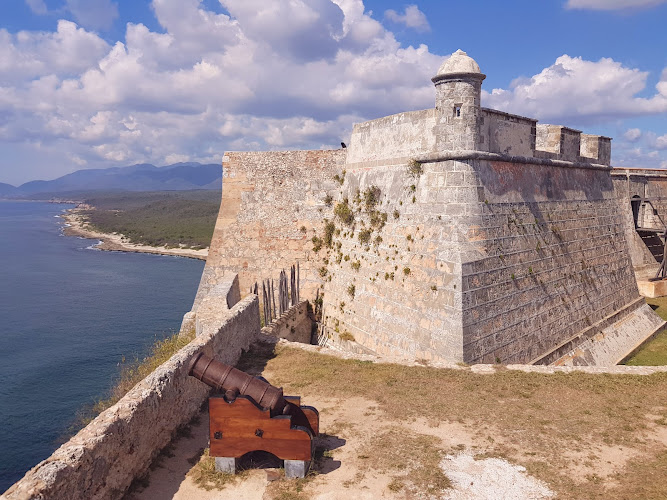
Castillo del Morro

Plaza de Dolores
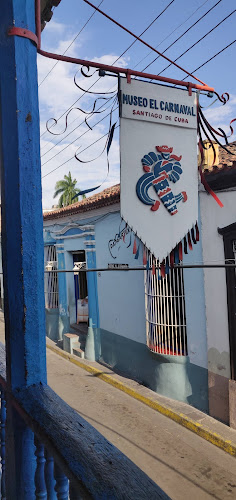
Museo del Carnaval
Find Accommodations Nearby
Recommended Tours & Activities
Visitor Reviews
There are no reviews yet. Be the first one to write one.
Share Your Experience
Have you visited Museo Provincial Bacardí Moreau? Help other travelers by leaving a review.