
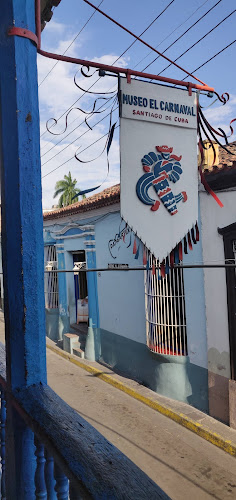
Museo del Carnaval
About Museo del Carnaval
Description
The Museo del Carnaval stands as a dedicated celebration of one of the most electrifying cultural traditions in Latin American history. This museum pulls back the curtain on the pageantry, artistry, and deep-rooted customs that make carnival season such an important part of regional identity. Walking through its doors feels like stepping into a world where sequins meet history, where elaborate costumes tell stories of generations past, and where the energy of street parades has been carefully preserved for those who want to understand the soul of carnival beyond the party atmosphere. What makes this museum particularly interesting is how it manages to capture something inherently dynamic and loud—carnival itself—and present it in a way that's thoughtful without losing that essential spark. You'll find yourself surrounded by the very costumes that once danced through crowded streets, the musical instruments that provided soundtracks to countless celebrations, and photographs that freeze moments of pure joy and cultural expression. It's not just about looking at pretty things behind glass; the museum does a solid job of explaining why carnival matters, how it evolved, and what it means to the communities that keep these traditions alive year after year. I've always thought museums about festivals face a unique challenge. How do you bottle lightning? How do you take something meant to be experienced in motion, sound, and sweat and make it work in a quiet exhibition space? The Museo del Carnaval tackles this head-on, and while it's not a massive institution, it punches above its weight in terms of substance. The collection showcases the incredible craftsmanship that goes into creating carnival regalia—something most people don't fully appreciate when they're watching a parade. Those feathered headdresses? They took months to make. Those intricate beaded bodices? Someone's grandmother probably spent countless hours perfecting every stitch. The museum works well for travelers trying to get context before or after experiencing carnival season themselves. But honestly, it's worth visiting any time of year because it offers insights you simply can't get from being in the crowd. You can actually examine the details up close, read about the symbolism embedded in different costume elements, and trace how carnival traditions shifted and adapted over decades of social change.Key Features
- Extensive costume collection featuring authentic carnival attire from different eras, allowing visitors to see how styles and materials evolved alongside cultural shifts
- Historical documentation through photographs and written accounts that contextualize carnival within broader social movements and community identity
- Musical instrument displays showcasing the drums, horns, and other tools that create carnival's distinctive soundscape
- Educational exhibits explaining the African, European, and indigenous influences that merged to create modern carnival traditions
- Restroom facilities available on-site, which is genuinely helpful since not all smaller museums remember this practical necessity
- Kid-friendly environment where families can explore together without worrying about overly restrictive rules or boring presentations that lose young attention spans
- Detailed information about specific carnival groups and their unique contributions to the festival's character over the years
- Rotating displays that sometimes feature contemporary carnival elements, keeping the museum fresh for repeat visitors
- Mask collections that reveal the theatrical and transformative aspects of carnival participation
- Archival materials including posters, programs, and ephemera that document carnival's commercial and organizational evolution
Best Time to Visit
Timing your visit to the Museo del Carnaval really depends on what kind of experience you're after. The obvious answer—and probably the most popular choice—is visiting during carnival season itself. The museum takes on extra energy when the festival is happening outside its walls. You can spend a morning learning about tradition and context, then head out into the streets to see it all come alive. That said, the museum can get pretty crowded during peak carnival weeks, and you might find yourself competing for space with tour groups and school trips. Here's my honest take: some of the best times to visit are actually during the shoulder seasons or off-peak months. You'll have more room to breathe, more time to linger over exhibits without feeling rushed, and the staff often has more availability to answer questions. And there's something almost poetic about experiencing carnival's artifacts when the streets outside are quiet. It creates this interesting contrast that maybe helps you appreciate the preparation and preservation work even more. If you're visiting during carnival season, try to go to the museum early in your trip—maybe your first or second day. It'll give you the background knowledge that makes watching actual carnival events so much richer. You'll spot references to things you learned, recognize certain traditional elements, and generally feel more connected to what's happening around you. Weather-wise, the museum is indoors, so that's less of a concern than it would be for outdoor attractions. But the general climate patterns in the region mean that certain months might make your overall trip more comfortable. The institution typically maintains standard museum hours throughout the year, though it's worth checking if they extend hours during carnival season (they sometimes do). For families with kids, weekday mornings often work well since they're less crowded and the little ones haven't hit their afternoon energy crash yet. The museum is good for kids, but they'll get more out of it when they can move around freely and aren't surrounded by dozens of other visitors.How to Get There
Getting to the Museo del Carnaval is relatively straightforward, though like many things in travel, a bit of advance research saves hassle later. The museum sits in an area that's accessible by multiple transportation methods, which is good news whether you're budget-conscious or prefer convenience above all else. Taxis remain one of the easiest options, especially if you're staying in the central tourist zones. Most drivers know the museum or can find it quickly with minimal direction. During carnival season specifically, though, traffic can turn into an absolute nightmare. What might normally be a ten-minute drive could stretch to thirty or forty minutes when parades and street closures happen. Just something to factor into your schedule. Public transportation works too, and honestly, it's what I'd recommend for travelers who want to experience how locals actually navigate the city. Buses run regularly to the area, and you'll save money compared to constant taxi rides. The trade-off is dealing with crowds during busy times and potentially figuring out routes if you don't speak the language fluently. But that's also part of the adventure, right? If you're the walking type and your accommodation is reasonably close, going on foot lets you see neighborhoods you'd otherwise miss from inside a vehicle. You'll stumble across street art, small shops, and daily life scenes that don't make it into guidebooks. Just pay attention to your surroundings and keep valuables secure, as you would in any urban environment. Driving yourself and parking is possible but probably more hassle than it's worth unless you're already renting a car for other parts of your trip. Parking in the vicinity can be limited, and navigating unfamiliar streets adds stress you probably don't need on vacation. During major carnival events, some streets near the museum might be closed or restricted, so checking current conditions before heading out saves frustration. Hotel staff or your accommodation hosts usually have up-to-date information about the best routes and any temporary changes to access.Tips for Visiting
Let me share some practical wisdom that'll make your museum visit smoother. First off, don't expect a full-day experience here. The Museo del Carnaval is more compact than, say, a major metropolitan art museum. Most visitors spend about an hour to ninety minutes exploring everything at a comfortable pace. That's actually perfect because it means you can combine it with other activities in the same afternoon without feeling rushed or exhausted. Photography policies vary, so check when you arrive whether you can take pictures. Some areas might allow it while others don't, especially if they're displaying particularly fragile or light-sensitive materials. And honestly? Sometimes it's worth just experiencing things without looking through a camera screen. I know, I know, if you didn't Instagram it, did it even happen? But try it. Bring cash for admission if possible. While payment systems are modernizing everywhere, smaller cultural institutions sometimes still operate primarily on cash transactions. You don't want to discover they can't process cards after you've traveled across town to get there. The museum is good for kids, which is mentioned in the amenities, but that doesn't automatically mean toddlers will love it. Older children who can engage with cultural content and appreciate costumes and colors will likely enjoy themselves. Really young kids might get bored unless you turn it into a game or interactive experience. Parents know their children best, so use your judgment. Since there's no restaurant on site, eat before you come or plan to grab food afterward in the surrounding neighborhood. Visiting hungry makes any museum experience worse—trust me on this. There's usually decent food options nearby where you can discuss what you saw over lunch. The restroom availability is clutch, especially if you're traveling with family or just have a small bladder like some of us do. Take advantage of it before leaving since not every attraction in the area necessarily has public facilities. If you're serious about understanding carnival culture, consider hiring a guide or joining a tour if the museum offers them. The context and stories they provide transform the experience from just looking at stuff to actually comprehending why it matters. Even just reading all the plaques and information cards makes a difference—too many visitors rush through without absorbing the actual educational content. Visit during weekdays if your schedule allows it, particularly outside carnival season. Weekends draw local families and tourists alike, which isn't necessarily bad but does mean more crowds and noise. Lastly, manage your expectations reasonably. This isn't the Louvre or the Smithsonian. It's a specialized museum focused on a specific cultural tradition. What it does, it does well, but don't arrive expecting endless halls of exhibits. Appreciate it for what it is: a thoughtful preservation of an important cultural heritage that deserves recognition and respect.Key Features
- Collection of original carnival costumes and masks
- Displays on conga and percussion instrument traditions
- Photographic and audiovisual archives of past parades
- Exhibits on the social and historical origins of Santiago’s carnival
- Hands-on or demonstrative programs (when available) with local artisans and musicians
More Details
Updated January 17, 2026
Table of Contents
Description
The Museo del Carnaval stands as a dedicated celebration of one of the most electrifying cultural traditions in Latin American history. This museum pulls back the curtain on the pageantry, artistry, and deep-rooted customs that make carnival season such an important part of regional identity. Walking through its doors feels like stepping into a world where sequins meet history, where elaborate costumes tell stories of generations past, and where the energy of street parades has been carefully preserved for those who want to understand the soul of carnival beyond the party atmosphere.
What makes this museum particularly interesting is how it manages to capture something inherently dynamic and loud—carnival itself—and present it in a way that’s thoughtful without losing that essential spark. You’ll find yourself surrounded by the very costumes that once danced through crowded streets, the musical instruments that provided soundtracks to countless celebrations, and photographs that freeze moments of pure joy and cultural expression. It’s not just about looking at pretty things behind glass; the museum does a solid job of explaining why carnival matters, how it evolved, and what it means to the communities that keep these traditions alive year after year.
I’ve always thought museums about festivals face a unique challenge. How do you bottle lightning? How do you take something meant to be experienced in motion, sound, and sweat and make it work in a quiet exhibition space? The Museo del Carnaval tackles this head-on, and while it’s not a massive institution, it punches above its weight in terms of substance. The collection showcases the incredible craftsmanship that goes into creating carnival regalia—something most people don’t fully appreciate when they’re watching a parade. Those feathered headdresses? They took months to make. Those intricate beaded bodices? Someone’s grandmother probably spent countless hours perfecting every stitch.
The museum works well for travelers trying to get context before or after experiencing carnival season themselves. But honestly, it’s worth visiting any time of year because it offers insights you simply can’t get from being in the crowd. You can actually examine the details up close, read about the symbolism embedded in different costume elements, and trace how carnival traditions shifted and adapted over decades of social change.
Key Features
- Extensive costume collection featuring authentic carnival attire from different eras, allowing visitors to see how styles and materials evolved alongside cultural shifts
- Historical documentation through photographs and written accounts that contextualize carnival within broader social movements and community identity
- Musical instrument displays showcasing the drums, horns, and other tools that create carnival’s distinctive soundscape
- Educational exhibits explaining the African, European, and indigenous influences that merged to create modern carnival traditions
- Restroom facilities available on-site, which is genuinely helpful since not all smaller museums remember this practical necessity
- Kid-friendly environment where families can explore together without worrying about overly restrictive rules or boring presentations that lose young attention spans
- Detailed information about specific carnival groups and their unique contributions to the festival’s character over the years
- Rotating displays that sometimes feature contemporary carnival elements, keeping the museum fresh for repeat visitors
- Mask collections that reveal the theatrical and transformative aspects of carnival participation
- Archival materials including posters, programs, and ephemera that document carnival’s commercial and organizational evolution
Best Time to Visit
Timing your visit to the Museo del Carnaval really depends on what kind of experience you’re after. The obvious answer—and probably the most popular choice—is visiting during carnival season itself. The museum takes on extra energy when the festival is happening outside its walls. You can spend a morning learning about tradition and context, then head out into the streets to see it all come alive. That said, the museum can get pretty crowded during peak carnival weeks, and you might find yourself competing for space with tour groups and school trips.
Here’s my honest take: some of the best times to visit are actually during the shoulder seasons or off-peak months. You’ll have more room to breathe, more time to linger over exhibits without feeling rushed, and the staff often has more availability to answer questions. And there’s something almost poetic about experiencing carnival’s artifacts when the streets outside are quiet. It creates this interesting contrast that maybe helps you appreciate the preparation and preservation work even more.
If you’re visiting during carnival season, try to go to the museum early in your trip—maybe your first or second day. It’ll give you the background knowledge that makes watching actual carnival events so much richer. You’ll spot references to things you learned, recognize certain traditional elements, and generally feel more connected to what’s happening around you.
Weather-wise, the museum is indoors, so that’s less of a concern than it would be for outdoor attractions. But the general climate patterns in the region mean that certain months might make your overall trip more comfortable. The institution typically maintains standard museum hours throughout the year, though it’s worth checking if they extend hours during carnival season (they sometimes do).
For families with kids, weekday mornings often work well since they’re less crowded and the little ones haven’t hit their afternoon energy crash yet. The museum is good for kids, but they’ll get more out of it when they can move around freely and aren’t surrounded by dozens of other visitors.
How to Get There
Getting to the Museo del Carnaval is relatively straightforward, though like many things in travel, a bit of advance research saves hassle later. The museum sits in an area that’s accessible by multiple transportation methods, which is good news whether you’re budget-conscious or prefer convenience above all else.
Taxis remain one of the easiest options, especially if you’re staying in the central tourist zones. Most drivers know the museum or can find it quickly with minimal direction. During carnival season specifically, though, traffic can turn into an absolute nightmare. What might normally be a ten-minute drive could stretch to thirty or forty minutes when parades and street closures happen. Just something to factor into your schedule.
Public transportation works too, and honestly, it’s what I’d recommend for travelers who want to experience how locals actually navigate the city. Buses run regularly to the area, and you’ll save money compared to constant taxi rides. The trade-off is dealing with crowds during busy times and potentially figuring out routes if you don’t speak the language fluently. But that’s also part of the adventure, right?
If you’re the walking type and your accommodation is reasonably close, going on foot lets you see neighborhoods you’d otherwise miss from inside a vehicle. You’ll stumble across street art, small shops, and daily life scenes that don’t make it into guidebooks. Just pay attention to your surroundings and keep valuables secure, as you would in any urban environment.
Driving yourself and parking is possible but probably more hassle than it’s worth unless you’re already renting a car for other parts of your trip. Parking in the vicinity can be limited, and navigating unfamiliar streets adds stress you probably don’t need on vacation.
During major carnival events, some streets near the museum might be closed or restricted, so checking current conditions before heading out saves frustration. Hotel staff or your accommodation hosts usually have up-to-date information about the best routes and any temporary changes to access.
Tips for Visiting
Let me share some practical wisdom that’ll make your museum visit smoother. First off, don’t expect a full-day experience here. The Museo del Carnaval is more compact than, say, a major metropolitan art museum. Most visitors spend about an hour to ninety minutes exploring everything at a comfortable pace. That’s actually perfect because it means you can combine it with other activities in the same afternoon without feeling rushed or exhausted.
Photography policies vary, so check when you arrive whether you can take pictures. Some areas might allow it while others don’t, especially if they’re displaying particularly fragile or light-sensitive materials. And honestly? Sometimes it’s worth just experiencing things without looking through a camera screen. I know, I know, if you didn’t Instagram it, did it even happen? But try it.
Bring cash for admission if possible. While payment systems are modernizing everywhere, smaller cultural institutions sometimes still operate primarily on cash transactions. You don’t want to discover they can’t process cards after you’ve traveled across town to get there.
The museum is good for kids, which is mentioned in the amenities, but that doesn’t automatically mean toddlers will love it. Older children who can engage with cultural content and appreciate costumes and colors will likely enjoy themselves. Really young kids might get bored unless you turn it into a game or interactive experience. Parents know their children best, so use your judgment.
Since there’s no restaurant on site, eat before you come or plan to grab food afterward in the surrounding neighborhood. Visiting hungry makes any museum experience worse—trust me on this. There’s usually decent food options nearby where you can discuss what you saw over lunch.
The restroom availability is clutch, especially if you’re traveling with family or just have a small bladder like some of us do. Take advantage of it before leaving since not every attraction in the area necessarily has public facilities.
If you’re serious about understanding carnival culture, consider hiring a guide or joining a tour if the museum offers them. The context and stories they provide transform the experience from just looking at stuff to actually comprehending why it matters. Even just reading all the plaques and information cards makes a difference—too many visitors rush through without absorbing the actual educational content.
Visit during weekdays if your schedule allows it, particularly outside carnival season. Weekends draw local families and tourists alike, which isn’t necessarily bad but does mean more crowds and noise.
Lastly, manage your expectations reasonably. This isn’t the Louvre or the Smithsonian. It’s a specialized museum focused on a specific cultural tradition. What it does, it does well, but don’t arrive expecting endless halls of exhibits. Appreciate it for what it is: a thoughtful preservation of an important cultural heritage that deserves recognition and respect.
Key Highlights
- Collection of original carnival costumes and masks
- Displays on conga and percussion instrument traditions
- Photographic and audiovisual archives of past parades
- Exhibits on the social and historical origins of Santiago’s carnival
- Hands-on or demonstrative programs (when available) with local artisans and musicians
Location
Find and Book a Tour
Explore More Travel Guides
No reviews found! Be the first to review!
There are no reviews yet. Be the first one to write one.
Have you visited Museo del Carnaval? Help other travelers by sharing your review.
Nearby Attractions
You Might Also Like
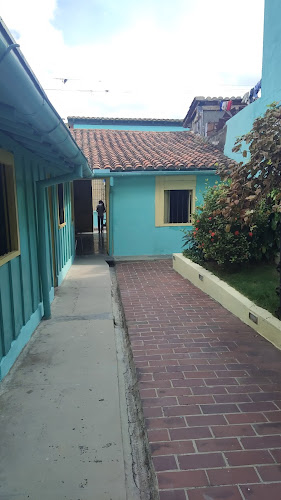
Casa Museo de Frank y Josue Pais
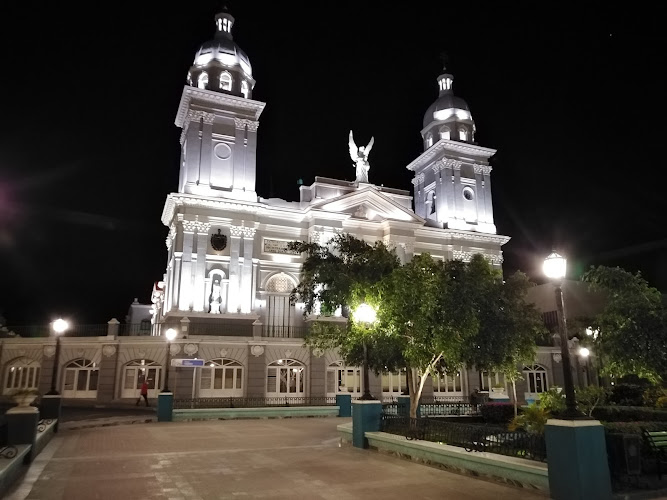
Santiago de Cuba
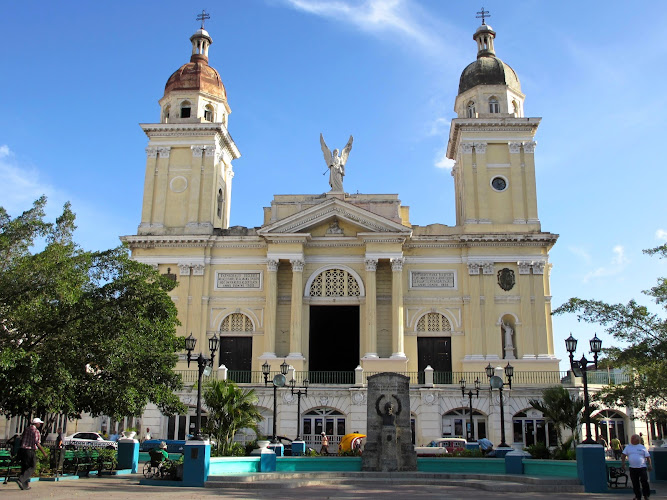
Catedral de Nuestra Señora de la Asunción
Find Accommodations Nearby
Recommended Tours & Activities
Visitor Reviews
There are no reviews yet. Be the first one to write one.
Share Your Experience
Have you visited Museo del Carnaval? Help other travelers by leaving a review.