
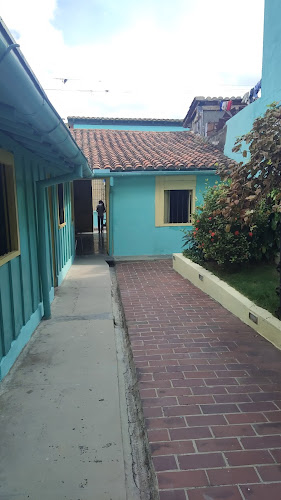
Casa Museo de Frank y Josue Pais
About Casa Museo de Frank y Josue Pais
Description
The Casa Museo de Frank y Josue Pais stands as a powerful testament to Cuba's revolutionary history, commemorating two brothers who played crucial roles in the struggle against the Batista regime during the 1950s. This museum occupies the actual home where Frank and Josué País lived with their family, transforming their personal space into a meaningful historical site that draws visitors interested in understanding Cuba's complex political past. Walking through this museum feels different than your typical historical attraction. It's not one of those massive, overwhelming institutions where you spend hours getting lost in endless corridors. Instead, you're stepping into someone's actual home, which creates this intimate atmosphere that larger museums just can't replicate. The Pais brothers weren't just footnotes in Cuban history - they were key figures in the revolutionary movement, with Frank País serving as a leader in the urban resistance in Santiago de Cuba before his assassination at just 22 years old. His younger brother Josué, who was only 20, died shortly after in what many consider retaliatory violence. The museum preserves the family's belongings, personal effects, and photographs that paint a picture of these young men who believed so strongly in their cause that they gave everything for it. You'll find original furniture, personal letters, and artifacts that belonged to the brothers and their family. What strikes most visitors is how ordinary everything looks - these weren't wealthy revolutionaries plotting from mansions, but regular people living in a modest home who decided to take a stand. And here's the thing that makes this museum particularly meaningful: it doesn't glorify violence or war in the way some revolutionary museums can. Instead, it humanizes these historical figures, showing them as sons, brothers, and students before they became martyrs. The displays include Frank's teaching materials since he worked as an educator, which adds another layer to understanding his character and motivations. The museum serves as an important educational resource for understanding Santiago de Cuba's role in the revolution. While Havana often gets most of the attention in Cuban history, Santiago was absolutely critical to the revolutionary movement, and the Pais brothers were at the heart of that effort.Key Features
- Original family home preserved with authentic furnishings and personal belongings that create an intimate historical experience
- Extensive collection of photographs documenting the Pais brothers' lives from childhood through their revolutionary activities
- Personal letters and documents written by Frank and Josué that provide insight into their thoughts and motivations
- Educational materials from Frank País's work as a teacher, showcasing his commitment to education and social improvement
- Artifacts related to the urban resistance movement in Santiago de Cuba during the 1950s
- Family photographs and memorabilia that humanize these historical figures beyond their revolutionary roles
- Displays explaining the political context of 1950s Cuba and the events leading to the revolution
- Memorial spaces dedicated to both brothers with information about their deaths and legacy
- Kid-friendly presentations that make revolutionary history accessible to younger visitors without being overwhelming
- Knowledgeable staff who can provide context and answer questions about the brothers' lives and the period
Best Time to Visit
Planning your visit to the Casa Museo de Frank y Josue Pais requires some consideration of Santiago de Cuba's climate and tourist patterns. The museum is open year-round, but your experience can vary significantly depending on when you choose to go. The most comfortable months for visiting are typically November through April, which is Cuba's dry season. During these months, you'll encounter temperatures that hover in the pleasant mid-70s to low 80s Fahrenheit, making the walk to and around the museum much more enjoyable. Santiago de Cuba can get seriously hot during summer months - we're talking temperatures in the 90s with humidity that'll have you sweating through your shirt before you even reach the museum's entrance. That said, visiting during the slightly less popular months of May or October can work in your favor if you don't mind occasional rain. You'll likely encounter fewer tourists, which means you can take your time examining exhibits without feeling rushed or crowded. The museum isn't enormous, so when tour groups arrive, it can feel a bit cramped. If you're particularly interested in Cuban history and revolutionary commemorations, visiting around July 26th adds special significance. This date marks the anniversary of the attack on the Moncada Barracks, a pivotal moment in revolutionary history, and Santiago de Cuba hosts various cultural events and ceremonies. The museum often sees increased local visitors during this time, which actually enhances the experience since you get to observe how Cubans themselves engage with this history. Time of day matters too. Morning visits, especially right when the museum opens, offer the best experience. You'll beat the heat, avoid most tour groups, and have better opportunities to interact with staff members who might share stories and details that aren't written on the placards. Late afternoon visits can work well too, though you'll want to check closing times carefully since they can vary. Avoid visiting on Mondays if possible, as many museums in Cuba follow the international convention of Monday closures for maintenance, though it's worth verifying current schedules before finalizing your plans.How to Get There
Getting to the Casa Museo de Frank y Josue Pais in Santiago de Cuba requires a bit of navigation, but it's definitely manageable even for first-time visitors to the city. Santiago isn't as sprawling as Havana, which works in your favor. If you're staying in central Santiago de Cuba, the museum is likely within walking distance from most hotels and casas particulares. The city's relatively compact layout makes walking a practical option, especially during cooler morning hours. You'll want to bring a good map or have offline maps downloaded on your phone since internet connectivity can be spotty. Ask your accommodation host for directions - locals are generally your best resource, and most people in Santiago know where the museum is located. Taxis represent the most convenient option if you prefer not to walk or if you're coming from further away. Both official taxis and private cars operating as taxis are readily available throughout Santiago. Negotiate the fare before getting in if you're using an unofficial taxi - this is standard practice in Cuba and not considered rude. The ride from central Santiago shouldn't cost much, and your driver will know exactly where the museum is if you mention "Casa Museo de los hermanos Pais." For the more adventurous, Santiago's local transportation system includes bici-taxis (bicycle taxis) and coco-taxis, which are those quirky yellow vehicles that look like coconuts on wheels. These options cost less than regular taxis and add a bit of local flavor to your journey. Just be aware that bici-taxis work better for shorter distances since, well, someone's pedaling you around. Public buses do run throughout Santiago, but honestly? Unless you're really familiar with the routes or traveling with someone who knows the system, they're more hassle than they're worth for tourists. The schedules can be unpredictable, and figuring out which bus to take takes more time than just walking or grabbing a taxi. If you've rented a car for exploring eastern Cuba, you can drive to the museum, though parking might require circling the block a few times to find a spot. Santiago's streets weren't designed for heavy car traffic, so be patient.Tips for Visiting
Making the most of your visit to the Casa Museo de Frank y Josue Pais involves some preparation and awareness of local customs. First things first - bring cash in Cuban pesos (CUP) or convertible pesos if they're still in circulation when you visit. The entrance fee is quite modest by international museum standards, but credit cards aren't accepted, and you won't find an ATM right outside. Photography policies vary, so ask before you start snapping pictures. Some areas might allow photos without flash, while others might restrict photography entirely to preserve delicate documents and fabrics. Respect these rules even if you're frustrated - these artifacts have survived decades and deserve protection. The museum is suitable for children, which is actually pretty cool. Cuban museums often do a better job than people expect at making history accessible to kids. But you know your children best - if they're at an age where they need to constantly move around and touch things, a small house museum might test everyone's patience. The visit typically takes about 45 minutes to an hour, which is a reasonable timeframe for most families. Learn a few basic Spanish phrases before visiting. While you might encounter English-speaking staff, you can't count on it. Being able to say "Can you explain this?" or "Thank you" in Spanish enhances your experience and shows respect. Plus, staff members often share incredible insights and stories if you can communicate with them, even haltingly. Dress respectfully but comfortably. This is a memorial to fallen revolutionaries, so showing up in beachwear wouldn't be appropriate, but you don't need to wear formal clothing either. Comfortable walking shoes are essential since you'll likely be walking around Santiago before or after your visit. Bring water with you, especially if you're visiting during warmer months. There aren't shops right next to the museum, and dehydration can sneak up on you in Santiago's climate. A small backpack with water, sunscreen, and maybe a snack for afterwards is smart planning. Take your time reading the displays and looking at photographs. This museum's strength lies in its details - the personal letters, the family photos, the small objects that belonged to the brothers. Rushing through defeats the purpose. And if something confuses you or you want more context, ask the staff. They're there to help, and most are genuinely passionate about sharing this history. Consider visiting other revolutionary sites in Santiago during the same trip. The Moncada Barracks, now a museum, is nearby, and seeing multiple sites helps you understand the broader historical context. The Cementerio Santa Ifigenia, where many revolutionary figures are buried, provides another perspective on this era. Finally, approach the museum with an open mind. Whether you agree with revolutionary politics or not, the Casa Museo de Frank y Josue Pais tells a human story about conviction, sacrifice, and the price of political change. These were real people who believed in something enough to risk everything, and their story deserves thoughtful consideration.Key Features
- Original family home preserved with authentic furnishings and personal belongings that create an intimate historical experience
- Extensive collection of photographs documenting the Pais brothers' lives from childhood through their revolutionary activities
- Personal letters and documents written by Frank and Josué that provide insight into their thoughts and motivations
- Educational materials from Frank País's work as a teacher, showcasing his commitment to education and social improvement
- Artifacts related to the urban resistance movement in Santiago de Cuba during the 1950s
- Family photographs and memorabilia that humanize these historical figures beyond their revolutionary roles
- Displays explaining the political context of 1950s Cuba and the events leading to the revolution
- Memorial spaces dedicated to both brothers with information about their deaths and legacy
More Details
Updated January 17, 2026
Table of Contents
Description
The Casa Museo de Frank y Josue Pais stands as a powerful testament to Cuba’s revolutionary history, commemorating two brothers who played crucial roles in the struggle against the Batista regime during the 1950s. This museum occupies the actual home where Frank and Josué País lived with their family, transforming their personal space into a meaningful historical site that draws visitors interested in understanding Cuba’s complex political past.
Walking through this museum feels different than your typical historical attraction. It’s not one of those massive, overwhelming institutions where you spend hours getting lost in endless corridors. Instead, you’re stepping into someone’s actual home, which creates this intimate atmosphere that larger museums just can’t replicate. The Pais brothers weren’t just footnotes in Cuban history – they were key figures in the revolutionary movement, with Frank País serving as a leader in the urban resistance in Santiago de Cuba before his assassination at just 22 years old. His younger brother Josué, who was only 20, died shortly after in what many consider retaliatory violence.
The museum preserves the family’s belongings, personal effects, and photographs that paint a picture of these young men who believed so strongly in their cause that they gave everything for it. You’ll find original furniture, personal letters, and artifacts that belonged to the brothers and their family. What strikes most visitors is how ordinary everything looks – these weren’t wealthy revolutionaries plotting from mansions, but regular people living in a modest home who decided to take a stand.
And here’s the thing that makes this museum particularly meaningful: it doesn’t glorify violence or war in the way some revolutionary museums can. Instead, it humanizes these historical figures, showing them as sons, brothers, and students before they became martyrs. The displays include Frank’s teaching materials since he worked as an educator, which adds another layer to understanding his character and motivations.
The museum serves as an important educational resource for understanding Santiago de Cuba’s role in the revolution. While Havana often gets most of the attention in Cuban history, Santiago was absolutely critical to the revolutionary movement, and the Pais brothers were at the heart of that effort.
Key Features
- Original family home preserved with authentic furnishings and personal belongings that create an intimate historical experience
- Extensive collection of photographs documenting the Pais brothers’ lives from childhood through their revolutionary activities
- Personal letters and documents written by Frank and Josué that provide insight into their thoughts and motivations
- Educational materials from Frank País’s work as a teacher, showcasing his commitment to education and social improvement
- Artifacts related to the urban resistance movement in Santiago de Cuba during the 1950s
- Family photographs and memorabilia that humanize these historical figures beyond their revolutionary roles
- Displays explaining the political context of 1950s Cuba and the events leading to the revolution
- Memorial spaces dedicated to both brothers with information about their deaths and legacy
- Kid-friendly presentations that make revolutionary history accessible to younger visitors without being overwhelming
- Knowledgeable staff who can provide context and answer questions about the brothers’ lives and the period
Best Time to Visit
Planning your visit to the Casa Museo de Frank y Josue Pais requires some consideration of Santiago de Cuba’s climate and tourist patterns. The museum is open year-round, but your experience can vary significantly depending on when you choose to go.
The most comfortable months for visiting are typically November through April, which is Cuba’s dry season. During these months, you’ll encounter temperatures that hover in the pleasant mid-70s to low 80s Fahrenheit, making the walk to and around the museum much more enjoyable. Santiago de Cuba can get seriously hot during summer months – we’re talking temperatures in the 90s with humidity that’ll have you sweating through your shirt before you even reach the museum’s entrance.
That said, visiting during the slightly less popular months of May or October can work in your favor if you don’t mind occasional rain. You’ll likely encounter fewer tourists, which means you can take your time examining exhibits without feeling rushed or crowded. The museum isn’t enormous, so when tour groups arrive, it can feel a bit cramped.
If you’re particularly interested in Cuban history and revolutionary commemorations, visiting around July 26th adds special significance. This date marks the anniversary of the attack on the Moncada Barracks, a pivotal moment in revolutionary history, and Santiago de Cuba hosts various cultural events and ceremonies. The museum often sees increased local visitors during this time, which actually enhances the experience since you get to observe how Cubans themselves engage with this history.
Time of day matters too. Morning visits, especially right when the museum opens, offer the best experience. You’ll beat the heat, avoid most tour groups, and have better opportunities to interact with staff members who might share stories and details that aren’t written on the placards. Late afternoon visits can work well too, though you’ll want to check closing times carefully since they can vary.
Avoid visiting on Mondays if possible, as many museums in Cuba follow the international convention of Monday closures for maintenance, though it’s worth verifying current schedules before finalizing your plans.
How to Get There
Getting to the Casa Museo de Frank y Josue Pais in Santiago de Cuba requires a bit of navigation, but it’s definitely manageable even for first-time visitors to the city. Santiago isn’t as sprawling as Havana, which works in your favor.
If you’re staying in central Santiago de Cuba, the museum is likely within walking distance from most hotels and casas particulares. The city’s relatively compact layout makes walking a practical option, especially during cooler morning hours. You’ll want to bring a good map or have offline maps downloaded on your phone since internet connectivity can be spotty. Ask your accommodation host for directions – locals are generally your best resource, and most people in Santiago know where the museum is located.
Taxis represent the most convenient option if you prefer not to walk or if you’re coming from further away. Both official taxis and private cars operating as taxis are readily available throughout Santiago. Negotiate the fare before getting in if you’re using an unofficial taxi – this is standard practice in Cuba and not considered rude. The ride from central Santiago shouldn’t cost much, and your driver will know exactly where the museum is if you mention “Casa Museo de los hermanos Pais.”
For the more adventurous, Santiago’s local transportation system includes bici-taxis (bicycle taxis) and coco-taxis, which are those quirky yellow vehicles that look like coconuts on wheels. These options cost less than regular taxis and add a bit of local flavor to your journey. Just be aware that bici-taxis work better for shorter distances since, well, someone’s pedaling you around.
Public buses do run throughout Santiago, but honestly? Unless you’re really familiar with the routes or traveling with someone who knows the system, they’re more hassle than they’re worth for tourists. The schedules can be unpredictable, and figuring out which bus to take takes more time than just walking or grabbing a taxi.
If you’ve rented a car for exploring eastern Cuba, you can drive to the museum, though parking might require circling the block a few times to find a spot. Santiago’s streets weren’t designed for heavy car traffic, so be patient.
Tips for Visiting
Making the most of your visit to the Casa Museo de Frank y Josue Pais involves some preparation and awareness of local customs. First things first – bring cash in Cuban pesos (CUP) or convertible pesos if they’re still in circulation when you visit. The entrance fee is quite modest by international museum standards, but credit cards aren’t accepted, and you won’t find an ATM right outside.
Photography policies vary, so ask before you start snapping pictures. Some areas might allow photos without flash, while others might restrict photography entirely to preserve delicate documents and fabrics. Respect these rules even if you’re frustrated – these artifacts have survived decades and deserve protection.
The museum is suitable for children, which is actually pretty cool. Cuban museums often do a better job than people expect at making history accessible to kids. But you know your children best – if they’re at an age where they need to constantly move around and touch things, a small house museum might test everyone’s patience. The visit typically takes about 45 minutes to an hour, which is a reasonable timeframe for most families.
Learn a few basic Spanish phrases before visiting. While you might encounter English-speaking staff, you can’t count on it. Being able to say “Can you explain this?” or “Thank you” in Spanish enhances your experience and shows respect. Plus, staff members often share incredible insights and stories if you can communicate with them, even haltingly.
Dress respectfully but comfortably. This is a memorial to fallen revolutionaries, so showing up in beachwear wouldn’t be appropriate, but you don’t need to wear formal clothing either. Comfortable walking shoes are essential since you’ll likely be walking around Santiago before or after your visit.
Bring water with you, especially if you’re visiting during warmer months. There aren’t shops right next to the museum, and dehydration can sneak up on you in Santiago’s climate. A small backpack with water, sunscreen, and maybe a snack for afterwards is smart planning.
Take your time reading the displays and looking at photographs. This museum’s strength lies in its details – the personal letters, the family photos, the small objects that belonged to the brothers. Rushing through defeats the purpose. And if something confuses you or you want more context, ask the staff. They’re there to help, and most are genuinely passionate about sharing this history.
Consider visiting other revolutionary sites in Santiago during the same trip. The Moncada Barracks, now a museum, is nearby, and seeing multiple sites helps you understand the broader historical context. The Cementerio Santa Ifigenia, where many revolutionary figures are buried, provides another perspective on this era.
Finally, approach the museum with an open mind. Whether you agree with revolutionary politics or not, the Casa Museo de Frank y Josue Pais tells a human story about conviction, sacrifice, and the price of political change. These were real people who believed in something enough to risk everything, and their story deserves thoughtful consideration.
Key Highlights
- Original family home preserved with authentic furnishings and personal belongings that create an intimate historical experience
- Extensive collection of photographs documenting the Pais brothers' lives from childhood through their revolutionary activities
- Personal letters and documents written by Frank and Josué that provide insight into their thoughts and motivations
- Educational materials from Frank País's work as a teacher, showcasing his commitment to education and social improvement
- Artifacts related to the urban resistance movement in Santiago de Cuba during the 1950s
- Family photographs and memorabilia that humanize these historical figures beyond their revolutionary roles
- Displays explaining the political context of 1950s Cuba and the events leading to the revolution
- Memorial spaces dedicated to both brothers with information about their deaths and legacy
Location
Places to Stay Near Casa Museo de Frank y Josue Pais
Find and Book a Tour
Explore More Travel Guides
No reviews found! Be the first to review!
Traveler Reviews for Casa Museo de Frank y Josue Pais
There are no reviews yet. Be the first one to write one.
Have you visited Casa Museo de Frank y Josue Pais? Help other travelers by sharing your review.
You Might Also Like
sueños Park

Museo Provincial Bacardí Moreau
Museo de La Imagen
Find Accommodations Nearby
Recommended Tours & Activities
Visitor Reviews
There are no reviews yet. Be the first one to write one.
Share Your Experience
Have you visited Casa Museo de Frank y Josue Pais? Help other travelers by leaving a review.