
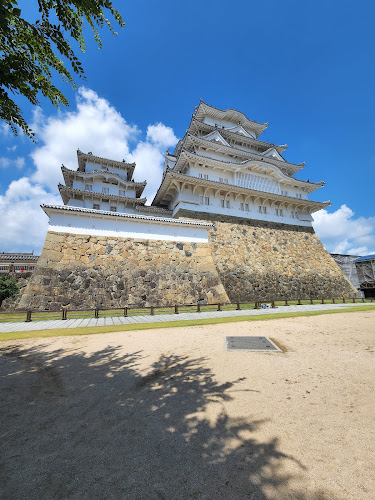
Bizenmaru (Main Bailey) Site
About Bizenmaru (Main Bailey) Site
Description
The Bizenmaru, or Main Bailey, represents one of those castle sites that doesn't always make it onto the typical tourist radar, but honestly, that's part of its charm. When I first learned about Japanese castle architecture, I was fascinated by how these fortifications weren't just single towers but complex systems of defensive zones, each with its own purpose and story. The Bizenmaru served as a critical defensive position within the greater castle structure, acting as an additional layer of protection for the main keep, or tenshu. Walking through this historical landmark today, you'll find yourself standing in what was essentially the backbone of feudal-era defense strategy. The Main Bailey wasn't just some decorative courtyard – it was a carefully planned military installation where samurai would have stationed themselves, ready to defend against any threat to the castle's inner sanctum. And while time has transformed the landscape, the spatial layout still speaks volumes about the ingenuity of Japanese castle designers who thought three steps ahead of any potential invader. What strikes most visitors is how the site manages to preserve its historical essence even though the original structures may have evolved over the centuries. The grounds themselves tell a story of strategic military planning, with carefully considered sight lines and defensive positions that made the Bizenmaru an almost impenetrable barrier when properly manned. It's the kind of place where you can close your eyes and almost hear the footsteps of guards making their rounds, checking defenses, and maintaining vigilance. For families traveling with children, the Bizenmaru site offers an educational experience that brings history textbooks to life. Kids seem to grasp the concept of castle defense much more readily when they can actually walk the grounds and see how these fortifications worked in practice. There's something about standing in an actual defensive position that makes the samurai era feel more real and less like ancient fairy tales.Key Features
The Bizenmaru site offers several distinctive characteristics that make it worth your time:- Authentic Historical Layout: The spatial arrangement of the Main Bailey remains largely true to its original defensive configuration, allowing visitors to understand medieval Japanese military architecture from a practical standpoint rather than just an aesthetic one
- Tenshu Connection: The direct relationship between this bailey and the main keep provides insight into how castle defenders created multiple layers of security, with the Bizenmaru serving as a crucial intermediate defensive zone
- Educational Value for All Ages: The site presents Japanese feudal history in a tangible way that resonates particularly well with younger visitors who benefit from hands-on historical experiences
- Preserved Strategic Elements: Original stone foundations and earthworks demonstrate the engineering prowess of castle builders who worked without modern machinery or materials
- Panoramic Perspectives: The bailey's elevated position offers views that were strategically important for defenders and remain visually impressive for modern visitors
- Accessible Historical Interpretation: Despite being a genuine historical site, the Bizenmaru doesn't overwhelm visitors with academic jargon, making it approachable for casual history enthusiasts
- Photographic Opportunities: The combination of historical architecture, landscaping, and sight lines creates compelling compositions for photography enthusiasts
Best Time to Visit
Timing your visit to the Bizenmaru can significantly impact your experience, and I've learned through my own travels that even the best historical sites can feel different depending on when you show up. Spring months, particularly late March through early May, offer comfortable temperatures and the possibility of cherry blossoms depending on the specific location and microclimate. There's something special about viewing historical fortifications framed by sakura blooms, even if it sounds a bit touristy. Autumn presents another excellent window for exploration. The months of October and November typically bring cooler temperatures and fall foliage that adds another layer of visual interest to the historical landscape. Plus, you'll often encounter fewer crowds than during the peak spring season, giving you more space to explore and photograph without feeling rushed or cramped. Early morning visits tend to be ideal regardless of season. The soft morning light creates beautiful conditions for photography, and you'll likely have more of the site to yourself before tour groups and school trips arrive. I've found that getting to historical sites right when they open gives you a completely different experience – almost meditative compared to mid-afternoon crowds. Summer can be quite hot and humid, which is something to consider if you're not accustomed to Japanese summers. But if that's when your schedule allows, go for it. Just bring water, wear appropriate sun protection, and maybe plan your visit for earlier or later in the day when temperatures are more manageable. Winter visits have their own appeal, particularly if you don't mind the cold. The starkness of winter can actually highlight the defensive architecture more clearly without foliage obscuring sight lines and structural elements. And honestly, there's something appropriately austere about viewing a military fortification in winter conditions. Weekdays generally see lighter visitor traffic than weekends, which can make a substantial difference in your ability to explore at your own pace and really absorb the historical atmosphere without distraction.How to Get There
Getting to the Bizenmaru site requires some planning, but it's definitely manageable for international travelers who might be worried about navigating Japan's transportation systems. The good news is that Japan's public transportation infrastructure is remarkably reliable and efficient, even when heading to historical sites that might seem off the beaten path. Train travel will likely be your primary mode of transportation to the general area. Japan's rail network connects major cities to smaller regional centers with impressive frequency and punctuality. Depending on where you're coming from, you might need to transfer between different rail lines, but station signage increasingly includes English, and smartphone translation apps work well for filling in gaps. Once you arrive at the nearest major station, local buses often provide connections to historical sites. Bus schedules in Japan tend to run like clockwork, so note your departure and return times carefully. Many travelers find it helpful to photograph bus schedules at the station or stop for reference rather than trying to memorize or scribble down times. Taxi services offer another option, particularly if you're traveling with family or in a small group where splitting the fare makes it economical. Japanese taxi drivers are professional and reliable, though English fluency varies. Having your destination written in Japanese characters on your phone or a card can eliminate communication barriers. For those comfortable with driving in Japan, rental cars provide flexibility for exploring multiple historical sites in a region. Be aware that international driving permits are required, traffic moves on the left, and navigation systems may primarily be in Japanese, though many newer vehicles offer English interface options. Walking from nearby transportation hubs is sometimes possible and can actually enhance the experience by letting you approach the site more gradually, as visitors would have centuries ago. Check distances beforehand though – what looks close on a map might be quite a hike in reality.Tips for Visiting
Wear comfortable walking shoes with good support. I can't stress this enough – historical sites in Japan often involve uneven surfaces, stone steps, and inclines that look gentle but can be tiring over the course of an exploration. Your feet will thank you for choosing comfort over style. Bring water and snacks, especially if you're visiting during warmer months. While Japan has excellent vending machines practically everywhere, you might not find them immediately adjacent to the historical site itself, and there's nothing worse than being thirsty while trying to focus on history and architecture. Download offline maps and information before you arrive. Cell service in Japan is generally excellent, but having offline access to maps and basic information about the site ensures you won't be stranded if connectivity drops. Plus, it saves your data plan if you're using an international roaming service. Consider bringing a small notebook or using your phone to jot down observations and questions as you explore. Historical sites often spark curiosity about specific architectural details or defensive strategies, and capturing those thoughts in the moment helps you research more effectively later. Respect any posted rules and restricted areas. Japanese historical sites maintain their condition through careful preservation efforts, and staying within designated visitor areas helps ensure these landmarks remain accessible for future generations. Plan extra time beyond what you think you'll need. Historical sites have a way of being more interesting than anticipated once you're actually standing there, and rushing through diminishes the experience significantly. If you're traveling with children, consider preparing them with age-appropriate information about castle defense and samurai history beforehand. Kids who have some context tend to engage more meaningfully with historical sites rather than just seeing them as outdoor playgrounds. Check weather forecasts and have contingency plans for rain. While light rain doesn't necessarily ruin a visit to an outdoor historical site, heavy weather can make exploration uncomfortable and even unsafe on stone surfaces that become slippery when wet. Photography is usually permitted, but be mindful of other visitors when framing shots. Nobody enjoys having their experience interrupted by someone monopolizing the best vantage points for extended photo sessions. Take time to simply sit and observe if the site has appropriate areas for that. Sometimes the best way to connect with a historical location is to pause the active exploration and just exist in the space for a few minutes, letting your imagination fill in what the bailey might have been like during its active military days.Key Features
- Expansive open plaza with visible stone foundations and terraces
- Historical site of the former lord’s residence (destroyed in the Meiji period)
- Framed views of Himeji Castle’s main keep (tenshu)
- Layered defensive earthworks and bailey layout illustrating feudal castle design
- Quieter, less-crowded area within the main Himeji Castle grounds
More Details
Updated March 30, 2026
Table of Contents
Description
The Bizenmaru, or Main Bailey, represents one of those castle sites that doesn’t always make it onto the typical tourist radar, but honestly, that’s part of its charm. When I first learned about Japanese castle architecture, I was fascinated by how these fortifications weren’t just single towers but complex systems of defensive zones, each with its own purpose and story. The Bizenmaru served as a critical defensive position within the greater castle structure, acting as an additional layer of protection for the main keep, or tenshu.
Walking through this historical landmark today, you’ll find yourself standing in what was essentially the backbone of feudal-era defense strategy. The Main Bailey wasn’t just some decorative courtyard – it was a carefully planned military installation where samurai would have stationed themselves, ready to defend against any threat to the castle’s inner sanctum. And while time has transformed the landscape, the spatial layout still speaks volumes about the ingenuity of Japanese castle designers who thought three steps ahead of any potential invader.
What strikes most visitors is how the site manages to preserve its historical essence even though the original structures may have evolved over the centuries. The grounds themselves tell a story of strategic military planning, with carefully considered sight lines and defensive positions that made the Bizenmaru an almost impenetrable barrier when properly manned. It’s the kind of place where you can close your eyes and almost hear the footsteps of guards making their rounds, checking defenses, and maintaining vigilance.
For families traveling with children, the Bizenmaru site offers an educational experience that brings history textbooks to life. Kids seem to grasp the concept of castle defense much more readily when they can actually walk the grounds and see how these fortifications worked in practice. There’s something about standing in an actual defensive position that makes the samurai era feel more real and less like ancient fairy tales.
Key Features
The Bizenmaru site offers several distinctive characteristics that make it worth your time:
- Authentic Historical Layout: The spatial arrangement of the Main Bailey remains largely true to its original defensive configuration, allowing visitors to understand medieval Japanese military architecture from a practical standpoint rather than just an aesthetic one
- Tenshu Connection: The direct relationship between this bailey and the main keep provides insight into how castle defenders created multiple layers of security, with the Bizenmaru serving as a crucial intermediate defensive zone
- Educational Value for All Ages: The site presents Japanese feudal history in a tangible way that resonates particularly well with younger visitors who benefit from hands-on historical experiences
- Preserved Strategic Elements: Original stone foundations and earthworks demonstrate the engineering prowess of castle builders who worked without modern machinery or materials
- Panoramic Perspectives: The bailey’s elevated position offers views that were strategically important for defenders and remain visually impressive for modern visitors
- Accessible Historical Interpretation: Despite being a genuine historical site, the Bizenmaru doesn’t overwhelm visitors with academic jargon, making it approachable for casual history enthusiasts
- Photographic Opportunities: The combination of historical architecture, landscaping, and sight lines creates compelling compositions for photography enthusiasts
Best Time to Visit
Timing your visit to the Bizenmaru can significantly impact your experience, and I’ve learned through my own travels that even the best historical sites can feel different depending on when you show up. Spring months, particularly late March through early May, offer comfortable temperatures and the possibility of cherry blossoms depending on the specific location and microclimate. There’s something special about viewing historical fortifications framed by sakura blooms, even if it sounds a bit touristy.
Autumn presents another excellent window for exploration. The months of October and November typically bring cooler temperatures and fall foliage that adds another layer of visual interest to the historical landscape. Plus, you’ll often encounter fewer crowds than during the peak spring season, giving you more space to explore and photograph without feeling rushed or cramped.
Early morning visits tend to be ideal regardless of season. The soft morning light creates beautiful conditions for photography, and you’ll likely have more of the site to yourself before tour groups and school trips arrive. I’ve found that getting to historical sites right when they open gives you a completely different experience – almost meditative compared to mid-afternoon crowds.
Summer can be quite hot and humid, which is something to consider if you’re not accustomed to Japanese summers. But if that’s when your schedule allows, go for it. Just bring water, wear appropriate sun protection, and maybe plan your visit for earlier or later in the day when temperatures are more manageable.
Winter visits have their own appeal, particularly if you don’t mind the cold. The starkness of winter can actually highlight the defensive architecture more clearly without foliage obscuring sight lines and structural elements. And honestly, there’s something appropriately austere about viewing a military fortification in winter conditions.
Weekdays generally see lighter visitor traffic than weekends, which can make a substantial difference in your ability to explore at your own pace and really absorb the historical atmosphere without distraction.
How to Get There
Getting to the Bizenmaru site requires some planning, but it’s definitely manageable for international travelers who might be worried about navigating Japan’s transportation systems. The good news is that Japan’s public transportation infrastructure is remarkably reliable and efficient, even when heading to historical sites that might seem off the beaten path.
Train travel will likely be your primary mode of transportation to the general area. Japan’s rail network connects major cities to smaller regional centers with impressive frequency and punctuality. Depending on where you’re coming from, you might need to transfer between different rail lines, but station signage increasingly includes English, and smartphone translation apps work well for filling in gaps.
Once you arrive at the nearest major station, local buses often provide connections to historical sites. Bus schedules in Japan tend to run like clockwork, so note your departure and return times carefully. Many travelers find it helpful to photograph bus schedules at the station or stop for reference rather than trying to memorize or scribble down times.
Taxi services offer another option, particularly if you’re traveling with family or in a small group where splitting the fare makes it economical. Japanese taxi drivers are professional and reliable, though English fluency varies. Having your destination written in Japanese characters on your phone or a card can eliminate communication barriers.
For those comfortable with driving in Japan, rental cars provide flexibility for exploring multiple historical sites in a region. Be aware that international driving permits are required, traffic moves on the left, and navigation systems may primarily be in Japanese, though many newer vehicles offer English interface options.
Walking from nearby transportation hubs is sometimes possible and can actually enhance the experience by letting you approach the site more gradually, as visitors would have centuries ago. Check distances beforehand though – what looks close on a map might be quite a hike in reality.
Tips for Visiting
Wear comfortable walking shoes with good support. I can’t stress this enough – historical sites in Japan often involve uneven surfaces, stone steps, and inclines that look gentle but can be tiring over the course of an exploration. Your feet will thank you for choosing comfort over style.
Bring water and snacks, especially if you’re visiting during warmer months. While Japan has excellent vending machines practically everywhere, you might not find them immediately adjacent to the historical site itself, and there’s nothing worse than being thirsty while trying to focus on history and architecture.
Download offline maps and information before you arrive. Cell service in Japan is generally excellent, but having offline access to maps and basic information about the site ensures you won’t be stranded if connectivity drops. Plus, it saves your data plan if you’re using an international roaming service.
Consider bringing a small notebook or using your phone to jot down observations and questions as you explore. Historical sites often spark curiosity about specific architectural details or defensive strategies, and capturing those thoughts in the moment helps you research more effectively later.
Respect any posted rules and restricted areas. Japanese historical sites maintain their condition through careful preservation efforts, and staying within designated visitor areas helps ensure these landmarks remain accessible for future generations.
Plan extra time beyond what you think you’ll need. Historical sites have a way of being more interesting than anticipated once you’re actually standing there, and rushing through diminishes the experience significantly.
If you’re traveling with children, consider preparing them with age-appropriate information about castle defense and samurai history beforehand. Kids who have some context tend to engage more meaningfully with historical sites rather than just seeing them as outdoor playgrounds.
Check weather forecasts and have contingency plans for rain. While light rain doesn’t necessarily ruin a visit to an outdoor historical site, heavy weather can make exploration uncomfortable and even unsafe on stone surfaces that become slippery when wet.
Photography is usually permitted, but be mindful of other visitors when framing shots. Nobody enjoys having their experience interrupted by someone monopolizing the best vantage points for extended photo sessions.
Take time to simply sit and observe if the site has appropriate areas for that. Sometimes the best way to connect with a historical location is to pause the active exploration and just exist in the space for a few minutes, letting your imagination fill in what the bailey might have been like during its active military days.
Key Highlights
- Expansive open plaza with visible stone foundations and terraces
- Historical site of the former lord’s residence (destroyed in the Meiji period)
- Framed views of Himeji Castle’s main keep (tenshu)
- Layered defensive earthworks and bailey layout illustrating feudal castle design
- Quieter, less-crowded area within the main Himeji Castle grounds
Location
Places to Stay Near Bizenmaru (Main Bailey) Site
Find and Book a Tour
Explore More Travel Guides
No reviews found! Be the first to review!
Bizenmaru (Main Bailey) Site is a prominent 史跡 located in Himeji.
Visit us at: 68 Honmachi, Himeji, Hyogo 670-0012, Japan.
Traveler Reviews for Bizenmaru (Main Bailey) Site
There are no reviews yet. Be the first one to write one.
Have you visited Bizenmaru (Main Bailey) Site? Help other travelers by sharing your review.
Nearby Attractions
You Might Also Like
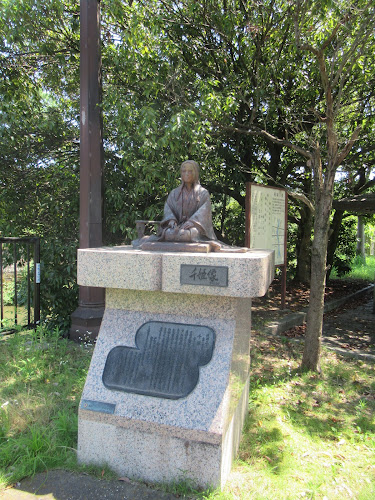
Princess Sen Sedentary Statue
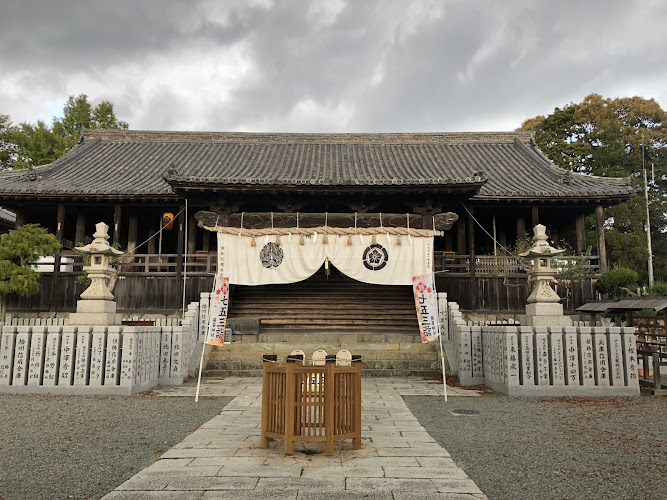
Hiromine Shrine

Tegarayama Heiwa Park
Find Accommodations Nearby
Recommended Tours & Activities
Visitor Reviews
There are no reviews yet. Be the first one to write one.
Share Your Experience
Have you visited Bizenmaru (Main Bailey) Site? Help other travelers by leaving a review.