

Bayerisches Polizeimuseum
About Bayerisches Polizeimuseum
Description
The Bayerisches Polizeimuseum is one of those places that surprises you the moment you step inside. At first glance, you might think it’s just another history museum, but it doesn’t take long to realize it’s much more layered. This museum dives into the complex and sometimes unsettling history of policing in Bavaria, from its early roots to its modern-day role. It’s not all shiny uniforms and badges either—there’s a real honesty in how the exhibits handle the darker chapters, like the role of police during the Nazi era, which I found both sobering and necessary.
The overall atmosphere is thoughtful, with plenty of detailed displays that appeal to both history buffs and casual travelers. Some folks might find the sheer amount of information overwhelming, but if you’re the kind of person who likes to linger and read every plaque, you’ll be in heaven. On the flip side, if you’re just skimming through, you might feel a bit bogged down. Personally, I found the balance between artifacts, interactive displays, and storytelling pretty engaging—though I’ll admit, I needed a coffee afterwards to process it all.
Families often bring kids here, and while not every section is designed with children in mind, there are enough visually striking pieces—like vintage police cars and uniforms—that younger visitors don’t get bored. Accessibility is clearly a priority too, with wheelchair-friendly entrances, restrooms, and parking, which makes it a welcoming stop for travelers with different needs. It’s not a flashy, touristy attraction, and that’s partly why it stands out. It feels genuine, a bit raw in places, and that authenticity is what makes it worth the visit.
Key Features
- Extensive collection of historical police uniforms, badges, and weapons
- Detailed exhibits covering the evolution of Bavarian policing through centuries
- Interactive displays that allow visitors to explore cases and investigative techniques
- Authentic police vehicles, including vintage patrol cars and motorcycles
- Special focus on the role of police during politically turbulent times in Germany
- Wheelchair accessible facilities, including restrooms and parking
- Family-friendly environment with visually engaging exhibits for children
Best Time to Visit
If you’re planning a trip, aim for weekdays in the morning. That’s when the museum tends to be quieter, giving you space to really take in the exhibits without feeling rushed. I once went on a Saturday afternoon, and while it wasn’t unbearable, the flow of groups made it harder to stop and enjoy the details. Spring and autumn are especially pleasant times to visit, since you can pair the museum with a stroll around the surrounding area without dealing with extreme weather. Winters can be a bit chilly, and although the museum itself is cozy, you’ll probably want to plan indoor activities for the rest of your day. Summer brings more tourists, so if you’re not a fan of crowds, keep that in mind.
How to Get There
Reaching the Bayerisches Polizeimuseum is fairly straightforward. If you’re already in Bavaria, regional trains and buses connect well, and the signage makes it easy to navigate once you’re close. For those driving, there’s accessible parking available, which is a relief if you’re traveling with family or have mobility needs. Personally, I prefer public transport when visiting museums like this—it saves the hassle of parking and lets you relax on the way back, especially if you’ve spent a few hours wandering through exhibits. If you’re staying in a nearby city, consider making a day trip out of it. The journey itself can be part of the experience, with scenic routes that give you a taste of Bavarian landscapes before diving into history.
Tips for Visiting
First and foremost, give yourself enough time. This isn’t the kind of museum you can breeze through in 30 minutes. I’d recommend at least two to three hours if you want to do it justice. Wear comfortable shoes—you’ll be on your feet quite a bit. And don’t forget to bring a bottle of water, since there isn’t a restaurant on-site. There are restrooms though, which is always a plus.
If you’re traveling with kids, prep them beforehand with a little context about what they’ll see. Some parts of the museum cover heavy topics, and while they’re handled responsibly, it helps to set the tone. For photography lovers, the vintage vehicles and uniforms make for great shots, but be respectful of the spaces that are more reflective in nature.
One last tip: pace yourself. It’s easy to get caught up in the detail and end up exhausted halfway through. Take breaks, maybe jot down notes if you’re a history nerd like me, and let the stories sink in. The museum doesn’t sugarcoat history, and that honesty is exactly why it leaves such a lasting impression. If you walk out feeling a mix of fascination and contemplation, then you’ve experienced it the way it was meant to be.
Key Features
- Extensive collection of historical police uniforms, badges, and weapons
- Detailed exhibits covering the evolution of Bavarian policing through centuries
- Interactive displays that allow visitors to explore cases and investigative techniques
- Authentic police vehicles, including vintage patrol cars and motorcycles
- Special focus on the role of police during politically turbulent times in Germany
- Wheelchair accessible facilities, including restrooms and parking
- Family-friendly environment with visually engaging exhibits for children
More Details
Updated September 9, 2025
Table of Contents
Description
The Bayerisches Polizeimuseum is one of those places that surprises you the moment you step inside. At first glance, you might think it’s just another history museum, but it doesn’t take long to realize it’s much more layered. This museum dives into the complex and sometimes unsettling history of policing in Bavaria, from its early roots to its modern-day role. It’s not all shiny uniforms and badges either—there’s a real honesty in how the exhibits handle the darker chapters, like the role of police during the Nazi era, which I found both sobering and necessary.
The overall atmosphere is thoughtful, with plenty of detailed displays that appeal to both history buffs and casual travelers. Some folks might find the sheer amount of information overwhelming, but if you’re the kind of person who likes to linger and read every plaque, you’ll be in heaven. On the flip side, if you’re just skimming through, you might feel a bit bogged down. Personally, I found the balance between artifacts, interactive displays, and storytelling pretty engaging—though I’ll admit, I needed a coffee afterwards to process it all.
Families often bring kids here, and while not every section is designed with children in mind, there are enough visually striking pieces—like vintage police cars and uniforms—that younger visitors don’t get bored. Accessibility is clearly a priority too, with wheelchair-friendly entrances, restrooms, and parking, which makes it a welcoming stop for travelers with different needs. It’s not a flashy, touristy attraction, and that’s partly why it stands out. It feels genuine, a bit raw in places, and that authenticity is what makes it worth the visit.
Key Features
- Extensive collection of historical police uniforms, badges, and weapons
- Detailed exhibits covering the evolution of Bavarian policing through centuries
- Interactive displays that allow visitors to explore cases and investigative techniques
- Authentic police vehicles, including vintage patrol cars and motorcycles
- Special focus on the role of police during politically turbulent times in Germany
- Wheelchair accessible facilities, including restrooms and parking
- Family-friendly environment with visually engaging exhibits for children
Best Time to Visit
If you’re planning a trip, aim for weekdays in the morning. That’s when the museum tends to be quieter, giving you space to really take in the exhibits without feeling rushed. I once went on a Saturday afternoon, and while it wasn’t unbearable, the flow of groups made it harder to stop and enjoy the details. Spring and autumn are especially pleasant times to visit, since you can pair the museum with a stroll around the surrounding area without dealing with extreme weather. Winters can be a bit chilly, and although the museum itself is cozy, you’ll probably want to plan indoor activities for the rest of your day. Summer brings more tourists, so if you’re not a fan of crowds, keep that in mind.
How to Get There
Reaching the Bayerisches Polizeimuseum is fairly straightforward. If you’re already in Bavaria, regional trains and buses connect well, and the signage makes it easy to navigate once you’re close. For those driving, there’s accessible parking available, which is a relief if you’re traveling with family or have mobility needs. Personally, I prefer public transport when visiting museums like this—it saves the hassle of parking and lets you relax on the way back, especially if you’ve spent a few hours wandering through exhibits. If you’re staying in a nearby city, consider making a day trip out of it. The journey itself can be part of the experience, with scenic routes that give you a taste of Bavarian landscapes before diving into history.
Tips for Visiting
First and foremost, give yourself enough time. This isn’t the kind of museum you can breeze through in 30 minutes. I’d recommend at least two to three hours if you want to do it justice. Wear comfortable shoes—you’ll be on your feet quite a bit. And don’t forget to bring a bottle of water, since there isn’t a restaurant on-site. There are restrooms though, which is always a plus.
If you’re traveling with kids, prep them beforehand with a little context about what they’ll see. Some parts of the museum cover heavy topics, and while they’re handled responsibly, it helps to set the tone. For photography lovers, the vintage vehicles and uniforms make for great shots, but be respectful of the spaces that are more reflective in nature.
One last tip: pace yourself. It’s easy to get caught up in the detail and end up exhausted halfway through. Take breaks, maybe jot down notes if you’re a history nerd like me, and let the stories sink in. The museum doesn’t sugarcoat history, and that honesty is exactly why it leaves such a lasting impression. If you walk out feeling a mix of fascination and contemplation, then you’ve experienced it the way it was meant to be.
Key Highlights
- Extensive collection of historical police uniforms, badges, and weapons
- Detailed exhibits covering the evolution of Bavarian policing through centuries
- Interactive displays that allow visitors to explore cases and investigative techniques
- Authentic police vehicles, including vintage patrol cars and motorcycles
- Special focus on the role of police during politically turbulent times in Germany
- Wheelchair accessible facilities, including restrooms and parking
- Family-friendly environment with visually engaging exhibits for children
Location
Places to Stay Near Bayerisches Polizeimuseum
Find and Book a Tour
Explore More Travel Guides
No reviews found! Be the first to review!
Traveler Reviews for Bayerisches Polizeimuseum
There are no reviews yet. Be the first one to write one.
Have you visited Bayerisches Polizeimuseum? Help other travelers by sharing your review.
You Might Also Like
Liebfrauenmünster
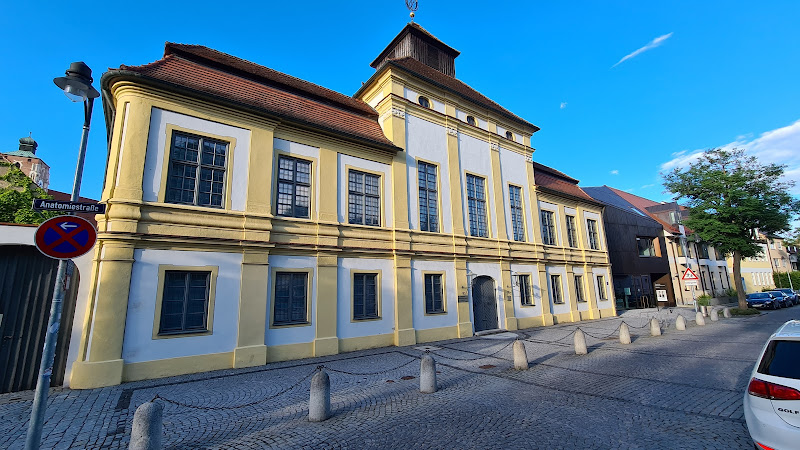
German Museum of Medicine History
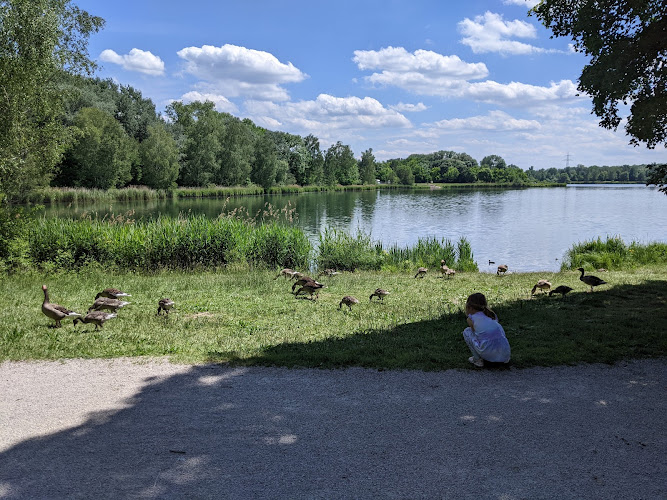
Wild Park at the lake
Find Accommodations Nearby
Recommended Tours & Activities
Visitor Reviews
There are no reviews yet. Be the first one to write one.
Share Your Experience
Have you visited Bayerisches Polizeimuseum? Help other travelers by leaving a review.