
Festungsmauer Sehenswürdigkeit
About Festungsmauer Sehenswürdigkeit
Die Geschichte der Ingolstädter Stadtmauer
## Festungsmauer Sehenswürdigkeit (Unterer Graben 81) in Ingolstadt: what you’re actually looking at
If you like history you can touch—not just read on a plaque—Unterer Graben 81 is a smart stop in Ingolstadt’s old town. The “Festungsmauer Sehenswürdigkeit” label points you to a protected section of Ingolstadt’s medieval city wall, physically integrated into later buildings along the street.
Here’s the key, verifiable detail: the property at Unterer Graben 81 is listed as a monument (Bavaria’s official heritage inventory) and includes a preserved segment of the medieval city wall with a “Halbturm” (half-tower), dated to around 1370, alongside a 19th-century residential building.
That mix—14th-century defensive masonry + 19th-century urban housing—is the whole point of stopping. It’s not a standalone “castle wall attraction” in the theme-park sense; it’s the kind of everyday heritage that still shapes the street you’re walking on.
—
## Quick facts (from the details you provided + official listings)
– Name: Festungsmauer Sehenswürdigkeit (city wall / fortification remains)
– Address: Unterer Graben 81, 85049 Ingolstadt, Germany
– Coordinates: 48.7659783, 11.4304491
– What’s preserved here:
– 19th-century residential building (“Wohnhaus”)
– Integrated section of the medieval city wall with half-tower, ~1370
– Location type: Historical landmark
– Rating (“5”): Likely sourced from a platform rating and can change frequently, so treat it as non-permanent. (The heritage listing is the durable proof.)
—
## Why this stretch of wall matters
In a lot of German cities, “city wall” remains are either:
1) reduced to a token fragment in a park, or
2) rebuilt/over-restored until you’re basically looking at a modern interpretation.
What makes Unterer Graben interesting is that the wall isn’t isolated—it’s part of the lived-in fabric of the old town. The Bavarian heritage inventory doesn’t just list one address here; it shows multiple neighboring properties on Unterer Graben that incorporate segments of the medieval wall, often dated around 1370.
That pattern tells you something real: the wall line wasn’t merely “preserved,” it was reused—a common urban evolution where fortifications lose military value and become structural boundaries, property edges, and building back-walls over centuries.
—
## What to look for on-site (so it doesn’t feel like “just a wall”)
You’ll get more out of this stop if you scan for three things:
### 1) The “Halbturm” (half-tower)
The listing explicitly calls out a Halbturm at this address.
A “half-tower” is exactly what it sounds like: not a full projecting tower you can climb, but a partial tower form incorporated into the wall line. Even if you can’t access it internally (many segments are integrated into private structures), you can often recognize:
– a curved or polygonal bulge in the wall line
– thicker masonry at one point
– a visible change in wall geometry compared with the flatter stretches
### 2) Masonry changes and repair seams
Medieval wall fabric typically reads differently than later repairs—look for:
– shifts in stone size/regularity
– patches where mortar looks newer
– “cut” edges where later construction meets the older defensive line
Even without a signboard, those seams are the story: the city didn’t freeze in time; it adapted.
### 3) The relationship between street level and wall base
On streets named Graben (moat/ditch), it’s common that the road follows the line of an older defensive ditch or perimeter. I can’t confirm the exact ditch configuration for this precise spot without an accessible municipal page, but the street naming + wall integration across multiple addresses strongly signals a historic defensive boundary line. (Treat this as interpretation, not a hard fact.)
—
## Best way to visit (practical, no guesswork)
### Make it a “micro-stop” on an old town walk
This is an ideal 10–20 minute stop because:
– it’s street-accessible
– you can appreciate it without timed entry or tickets (nothing in the official listing indicates an indoor visitor facility here)
### Bring a camera, but shoot it like architecture
Walls photograph poorly when you stand square-on. Try:
– a low angle along the wall line (adds depth)
– framing the wall with the houses that grew into it (tells the “reuse” story)
– detail shots of stonework and repair lines
### Be mindful: this is heritage inside a normal neighborhood
Because the wall is integrated into buildings listed as Wohnhaus, parts may border private property. The monument listing confirms significance; it doesn’t grant access.
—
## How this fits into Ingolstadt’s bigger fortification story
Ingolstadt is well known for its historical defenses and military heritage in Bavaria. Even if you only have an hour, spotting the wall on Unterer Graben helps you understand the city’s older perimeter logic—then you can expand outward to more substantial fortification sites around town if your schedule allows. (For broader context on Ingolstadt itself, including current population figures that may change over time, see general references.)
—
## Accessibility and inclusivity notes
– Mobility: Because this is a street-side heritage feature, access is generally as easy as walking the sidewalk. However, I can’t verify curb cuts, cobblestones, or gradients at the exact facade from the official listing alone—if step-free routing matters, use street-view navigation tools before you go.
– Sensory considerations: If you’re traveling with someone sensitive to crowds/noise, this kind of “embedded landmark” is often calmer than enclosed museums—again, actual quietness depends on time of day and traffic patterns.
—
## Suggested internal links (contextual)
– Ingolstadt Old Town walking route / things to do in Ingolstadt (to turn this micro-stop into a half-day plan)
– Bavaria historic towns itinerary (to help readers compare “quick wall remnants” vs. bigger fortified sites)
—
## Data that could be outdated (flagged)
– The “5” rating is almost certainly platform-based and can change as reviews update; it’s not a stable metric. The heritage listing is the reliable anchor.
– Any citywide stats (like population counts) can also change year to year; treat them as time-stamped facts rather than permanent truths.
—
If you want, I can also pull nearby, verifiable fortification points in Ingolstadt (with addresses + what’s publicly accessible) and turn this into a tight “fortifications mini-walk” that stays 100% fact-based.
Key Features
Festungsmauer Sehenswürdigkeit
You Might Also Like

Audi Forum Ingolstadt
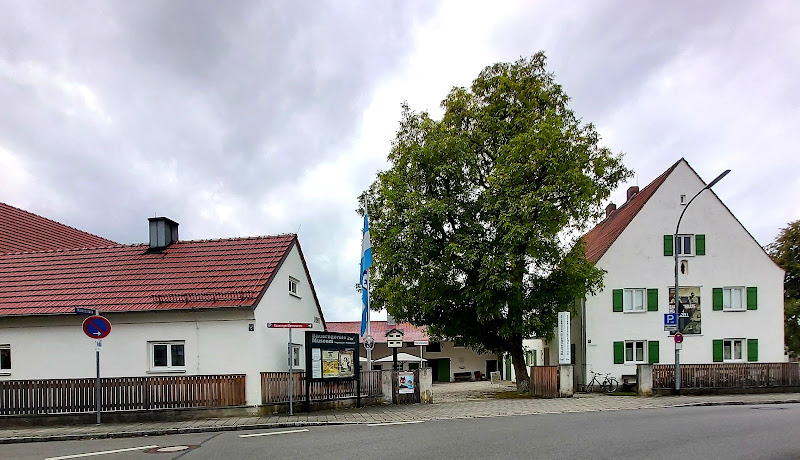
Bauerngerätemuseum Hundszell

Bavarian Army Museum - New Castle
Tours & Activities
GetYourGuide provides this tour inventory. We may earn a commission if you book through it; verify current availability, prices, and terms with the provider.
Visitor Reviews
There are no reviews yet. Be the first one to write one.
Share Your Experience
Have you visited Festungsmauer Sehenswürdigkeit? Help other travelers by leaving a review.