About Basilica di San Petronio

Description

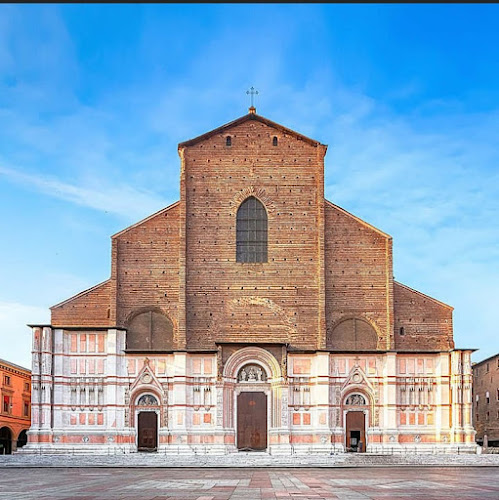
The Basilica di San Petronio isn’t shy. It sits there in Bologna’s main square, broad-shouldered and a little unfinished, like it got distracted halfway through getting dressed and just decided to own it. And honestly, that half-brick, half-marble façade is one of the reasons travelers remember it long after they’ve left the city. In a country full of perfectly polished churches, San Petronio feels refreshingly… human.

This Gothic basilica is enormous. It ranks among the largest churches in the world by volume, and when you walk inside, you feel that immediately. The ceiling seems to hover forever above your head, and your footsteps echo in a way that makes you lower your voice without thinking. Even if you’re not particularly religious (and plenty of visitors aren’t), the space has weight. It slows you down. And that’s kind of the point.

Built starting in the late 1300s and never fully completed, San Petronio was meant to be Bologna’s grand civic church rather than a purely ecclesiastical one. That backstory matters. You can sense the tension between ambition and reality in its walls. Some travelers adore this rawness; others feel a bit confused by it. Both reactions make sense. The basilica doesn’t spoon-feed you beauty—it asks you to meet it halfway.

Inside, the real treasures reveal themselves gradually. Twenty-two side chapels line the interior, each with its own artistic personality. Some are lavish and dramatic, others quieter and more contemplative. On my first visit, I remember ducking into one chapel just to rest my feet and accidentally spending twenty minutes staring at a fresco I hadn’t planned on caring about. That happens here. You wander in expecting a quick look and end up lingering.

One of the most talked-about features is the meridian line embedded in the floor, created in the 1600s. It’s essentially a massive astronomical instrument, used to measure the solar year with impressive accuracy. And yes, it’s as nerdy and fascinating as it sounds. Watching a beam of sunlight hit the line at just the right moment is strangely satisfying, even if you don’t fully understand the math behind it. Most people don’t. That’s fine.

The atmosphere inside San Petronio is usually calm but not sterile. You’ll hear whispers, the shuffle of shoes, maybe a distant organ rehearsal. It’s an active church, after all, not a museum pretending to be holy. That said, it’s also not flawless. Some visitors feel the lighting is uneven or that certain areas could use better explanations. Fair criticism. But for many travelers, those imperfections only add to the sense that this place is still alive, still evolving.

Key Features

  • Massive Gothic interior that feels more like a public square under a roof than a typical church
  • Unfinished façade combining brick and marble, a visual timeline of ambition and compromise
  • Twenty-two richly decorated side chapels, each sponsored by different families and guilds
  • The famous meridian line, one of the longest indoor sundials ever constructed
  • Notable artworks by Renaissance masters, though you have to look closely to find some of them
  • Wheelchair-accessible entrance, which makes a real difference for many travelers
  • A strong civic identity tied to Bologna’s history rather than purely Vatican influence

Best Time to Visit

The basilica is open year-round, but timing matters more than you might expect. Late morning is often ideal. Early enough that the crowds haven’t fully swelled, but late enough that natural light streams through the windows and brings the interior to life. And light matters here. On a gray afternoon, the church can feel a bit somber, almost heavy. On a sunny day, it’s a different story altogether.

If you’re interested in seeing the meridian line in action, visiting around midday is your best bet, especially during clearer months. There’s something quietly thrilling about watching science and faith intersect on a stone floor laid centuries ago. It’s one of those experiences that sticks with you, even if you can’t quite explain why.

High summer brings more visitors, obviously, and Bologna can get warm. The basilica’s interior stays relatively cool, which makes it a popular refuge. But that also means it can feel busy and a bit rushed. Personally, late spring or early fall feels just right. Fewer tour groups, gentler weather, and more space to wander without bumping into elbows.

And if you can, try stepping inside during a weekday rather than a weekend. Sundays can be beautiful with services and music, but if your goal is quiet exploration, midweek mornings win. Every time.

How to Get There

The Basilica di San Petronio is located right in the heart of Bologna, in the main square. And that’s good news for travelers. Most people reach it on foot, weaving through portico-lined streets that are half the fun of the city anyway. If you’re staying centrally, you’ll probably stumble upon the basilica without even trying.

Public transportation will get you close, but not right to the door. That’s intentional. The surrounding area is largely pedestrian, which keeps the square feeling open and communal. From the nearest stops, it’s just a short walk. And honestly, those final steps across the square, watching the basilica slowly grow larger in front of you, are part of the experience.

For travelers with mobility concerns, the accessible entrance makes a real difference, though it’s worth noting that not every area inside is equally easy to navigate. Still, compared to many historic churches, San Petronio does a decent job of balancing preservation with practicality. Not perfect, but trying. And that counts.

Tips for Visiting

Dress modestly. This isn’t just a rule; it’s a courtesy. Shoulders covered, shorts not too short. Nothing extreme, but worth remembering, especially in summer. I once watched a group argue about this at the entrance, and trust me, that’s not how you want to start your visit.

Give yourself time. This isn’t a five-minute stop, even if it looks like one from the outside. Plan at least an hour, more if you enjoy art or architecture. The side chapels alone can absorb you if you let them. And you should let them.

Don’t expect a glossy, over-explained experience. Some areas lack signage, and explanations can be minimal. Bring curiosity. Maybe read a little beforehand, or just allow yourself to observe without fully understanding everything. There’s freedom in that.

Photography rules can change depending on events or services, so be respectful. And maybe put the camera down once in a while. One of my favorite memories of San Petronio is just sitting on a bench, watching light move across the floor. No photo of that ever came out right anyway.

If you’re traveling with kids, focus on one or two features rather than trying to see it all. The meridian line is a great hook, as is the sheer size of the space. Let them look up. Kids are good at that.

Lastly, remember that this basilica reflects Bologna itself: learned, a little stubborn, proud of its history but not obsessed with perfection. If you walk in expecting a flawless postcard image, you might leave underwhelmed. But if you’re open to something layered, slightly messy, and deeply human, San Petronio has a way of sticking with you long after you’ve crossed the square and moved on.

Key Features

  • Massive Gothic interior that feels more like a public square under a roof than a typical church
  • Unfinished façade combining brick and marble, a visual timeline of ambition and compromise
  • Twenty-two richly decorated side chapels, each sponsored by different families and guilds
  • The famous meridian line, one of the longest indoor sundials ever constructed
  • Notable artworks by Renaissance masters, though you have to look closely to find some of them
  • Wheelchair-accessible entrance, which makes a real difference for many travelers
  • A strong civic identity tied to Bologna’s history rather than purely Vatican influence

More Details

Updated December 31, 2025

Description

The Basilica di San Petronio isn’t shy. It sits there in Bologna’s main square, broad-shouldered and a little unfinished, like it got distracted halfway through getting dressed and just decided to own it. And honestly, that half-brick, half-marble façade is one of the reasons travelers remember it long after they’ve left the city. In a country full of perfectly polished churches, San Petronio feels refreshingly… human.

This Gothic basilica is enormous. It ranks among the largest churches in the world by volume, and when you walk inside, you feel that immediately. The ceiling seems to hover forever above your head, and your footsteps echo in a way that makes you lower your voice without thinking. Even if you’re not particularly religious (and plenty of visitors aren’t), the space has weight. It slows you down. And that’s kind of the point.

Built starting in the late 1300s and never fully completed, San Petronio was meant to be Bologna’s grand civic church rather than a purely ecclesiastical one. That backstory matters. You can sense the tension between ambition and reality in its walls. Some travelers adore this rawness; others feel a bit confused by it. Both reactions make sense. The basilica doesn’t spoon-feed you beauty—it asks you to meet it halfway.

Inside, the real treasures reveal themselves gradually. Twenty-two side chapels line the interior, each with its own artistic personality. Some are lavish and dramatic, others quieter and more contemplative. On my first visit, I remember ducking into one chapel just to rest my feet and accidentally spending twenty minutes staring at a fresco I hadn’t planned on caring about. That happens here. You wander in expecting a quick look and end up lingering.

One of the most talked-about features is the meridian line embedded in the floor, created in the 1600s. It’s essentially a massive astronomical instrument, used to measure the solar year with impressive accuracy. And yes, it’s as nerdy and fascinating as it sounds. Watching a beam of sunlight hit the line at just the right moment is strangely satisfying, even if you don’t fully understand the math behind it. Most people don’t. That’s fine.

The atmosphere inside San Petronio is usually calm but not sterile. You’ll hear whispers, the shuffle of shoes, maybe a distant organ rehearsal. It’s an active church, after all, not a museum pretending to be holy. That said, it’s also not flawless. Some visitors feel the lighting is uneven or that certain areas could use better explanations. Fair criticism. But for many travelers, those imperfections only add to the sense that this place is still alive, still evolving.

Key Features

  • Massive Gothic interior that feels more like a public square under a roof than a typical church
  • Unfinished façade combining brick and marble, a visual timeline of ambition and compromise
  • Twenty-two richly decorated side chapels, each sponsored by different families and guilds
  • The famous meridian line, one of the longest indoor sundials ever constructed
  • Notable artworks by Renaissance masters, though you have to look closely to find some of them
  • Wheelchair-accessible entrance, which makes a real difference for many travelers
  • A strong civic identity tied to Bologna’s history rather than purely Vatican influence

Best Time to Visit

The basilica is open year-round, but timing matters more than you might expect. Late morning is often ideal. Early enough that the crowds haven’t fully swelled, but late enough that natural light streams through the windows and brings the interior to life. And light matters here. On a gray afternoon, the church can feel a bit somber, almost heavy. On a sunny day, it’s a different story altogether.

If you’re interested in seeing the meridian line in action, visiting around midday is your best bet, especially during clearer months. There’s something quietly thrilling about watching science and faith intersect on a stone floor laid centuries ago. It’s one of those experiences that sticks with you, even if you can’t quite explain why.

High summer brings more visitors, obviously, and Bologna can get warm. The basilica’s interior stays relatively cool, which makes it a popular refuge. But that also means it can feel busy and a bit rushed. Personally, late spring or early fall feels just right. Fewer tour groups, gentler weather, and more space to wander without bumping into elbows.

And if you can, try stepping inside during a weekday rather than a weekend. Sundays can be beautiful with services and music, but if your goal is quiet exploration, midweek mornings win. Every time.

How to Get There

The Basilica di San Petronio is located right in the heart of Bologna, in the main square. And that’s good news for travelers. Most people reach it on foot, weaving through portico-lined streets that are half the fun of the city anyway. If you’re staying centrally, you’ll probably stumble upon the basilica without even trying.

Public transportation will get you close, but not right to the door. That’s intentional. The surrounding area is largely pedestrian, which keeps the square feeling open and communal. From the nearest stops, it’s just a short walk. And honestly, those final steps across the square, watching the basilica slowly grow larger in front of you, are part of the experience.

For travelers with mobility concerns, the accessible entrance makes a real difference, though it’s worth noting that not every area inside is equally easy to navigate. Still, compared to many historic churches, San Petronio does a decent job of balancing preservation with practicality. Not perfect, but trying. And that counts.

Tips for Visiting

Dress modestly. This isn’t just a rule; it’s a courtesy. Shoulders covered, shorts not too short. Nothing extreme, but worth remembering, especially in summer. I once watched a group argue about this at the entrance, and trust me, that’s not how you want to start your visit.

Give yourself time. This isn’t a five-minute stop, even if it looks like one from the outside. Plan at least an hour, more if you enjoy art or architecture. The side chapels alone can absorb you if you let them. And you should let them.

Don’t expect a glossy, over-explained experience. Some areas lack signage, and explanations can be minimal. Bring curiosity. Maybe read a little beforehand, or just allow yourself to observe without fully understanding everything. There’s freedom in that.

Photography rules can change depending on events or services, so be respectful. And maybe put the camera down once in a while. One of my favorite memories of San Petronio is just sitting on a bench, watching light move across the floor. No photo of that ever came out right anyway.

If you’re traveling with kids, focus on one or two features rather than trying to see it all. The meridian line is a great hook, as is the sheer size of the space. Let them look up. Kids are good at that.

Lastly, remember that this basilica reflects Bologna itself: learned, a little stubborn, proud of its history but not obsessed with perfection. If you walk in expecting a flawless postcard image, you might leave underwhelmed. But if you’re open to something layered, slightly messy, and deeply human, San Petronio has a way of sticking with you long after you’ve crossed the square and moved on.

Key Highlights

  • Massive Gothic interior that feels more like a public square under a roof than a typical church
  • Unfinished façade combining brick and marble, a visual timeline of ambition and compromise
  • Twenty-two richly decorated side chapels, each sponsored by different families and guilds
  • The famous meridian line, one of the longest indoor sundials ever constructed
  • Notable artworks by Renaissance masters, though you have to look closely to find some of them
  • Wheelchair-accessible entrance, which makes a real difference for many travelers
  • A strong civic identity tied to Bologna’s history rather than purely Vatican influence

Location

Places to Stay Near Basilica di San Petronio

Find and Book a Tour

Explore More Travel Guides

No reviews found! Be the first to review!

Traveler Reviews for Basilica di San Petronio

There are no reviews yet. Be the first one to write one.

Share Your Experience

Have you visited Basilica di San Petronio? Help other travelers by sharing your review.

Find Accommodations Nearby

Recommended Tours & Activities

Visitor Reviews

There are no reviews yet. Be the first one to write one.

Share Your Experience

Have you visited Basilica di San Petronio? Help other travelers by leaving a review.