
Arènes de Lutèce
About Arènes de Lutèce
Description
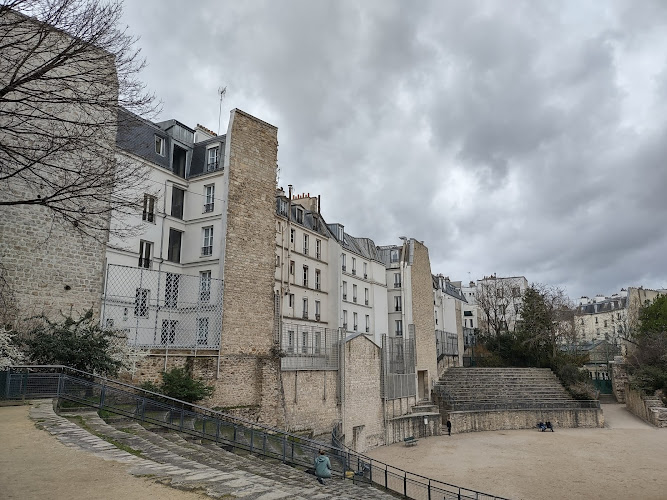
If you’re wandering around Paris and have a curiosity for history that goes beyond the usual Eiffel Tower or Louvre stops, the Arènes de Lutèce is a quiet gem you might appreciate. This place isn’t some flashy, perfectly preserved monument; nope, it’s a bit more rugged, with a partially destroyed Roman amphitheater vibe that leans toward ancient charm rather than touristy pomp.
Discovered in the 19th century after being buried under the city’s growth, the Arènes de Lutèce offers a rare glimpse into Roman times—when Paris wasn’t Paris and was known as Lutetia. Imagine, nearly 2,000 years ago, this became a spot where Romans gathered for gladiator fights, theatrical plays, and public events. While only parts of the original amphitheater remain, those remnants tell stories of a bustling ancient society long overshadowed but far from forgotten.
Today, the amphitheater feels like stepping into a different world. Surrounded by leafy gardens, it’s a peaceful escape from the city's mad rush. The stones are not polished; some sit cracked and weathered, but that authenticity brings a kind of raw intimacy to the experience, like you’re standing on ground where history actually happened. There’s a distinct calmness here—maybe because it’s off the beaten path—that lets you soak in the atmosphere without constant interruptions.
And here’s the kicker: it’s not just a historical relic but a living space. Locals often come to play pétanque—the French bocce ball game—right in the middle of the arena. It’s charming to watch, especially in the late afternoon light, seeing players of all ages hanging out, laughing, and making the most of the old stones and open air. Honestly, it’s a small slice of Parisian life that tourists almost never get to see, which makes your visit feel a bit privileged.
This spot is also surprisingly kid-friendly, so if you’re traveling with little ones, bring them along. They can run around, explore, and even imagine themselves as tiny gladiators or Roman citizens. Accessibility-wise, there’s a wheelchair-friendly entrance, which isn’t always a given for historical sites this old. So hats off to the city planners for making this ancient treasure more open to everyone.
While it’s not going to blow your mind with over-the-top displays or digital gimmicks, the raw history and the peaceful surroundings give the Arènes de Lutèce its own underrated kind of magic. If you’re the type who likes peeling back the layers of a city to find its quieter stories, this little amphitheater really delivers.
Key Features
- Partially destroyed Roman amphitheater dating back to the 1st century AD
- Surrounded by gentle, leafy gardens providing calm and shade
- Wheelchair accessible entrance, making it easier to explore for all visitors
- Popular spot for locals playing pétanque, adding a lively local vibe
- Good for families with children—space to run and learn about history
- Located in a historic Parisian neighborhood with a laid-back atmosphere
- Stone seating and ruins that give an authentic feel of ancient Roman entertainment sites
- Free entry, which is always a bonus when you’re splurging elsewhere in Paris
Best Time to Visit
Paris can get pretty packed, especially in the summer, but the Arènes de Lutèce is often overlooked, so you won't feel like sardines here even at peak times. That said, I’d recommend visiting in the spring or early fall—it’s just lovely then. The surrounding gardens burst with life, the weather is usually cooperative (not too hot, not too rainy), and the light makes the stones look even more evocative.
Early mornings work great too if you’re an early bird. It’s peaceful, and you can enjoy some quiet reflection without crowds. On weekends, the pétanque players really ramp up their game, which can be a fun slice of local culture to watch, but that also means a bit more noise and activity. If you like a calm vibe, weekdays might suit you better.
Avoid the cold winter months unless you have a real passion for historic ruins with frost. The stones can get slick and the place feels more deserted, which could be cool in its own way, but probably not optimal for a relaxed visit.
How to Get There
Getting here is pretty straightforward, which I appreciate because I’m not about to wrestle complicated routes on vacation. The Arènes de Lutèce is tucked away in the 5th arrondissement, so it’s easy to combine with other sights in the Latin Quarter—perfect if you want to layer your day with some delicious food or a stroll through quaint Parisian streets.
The nearest metro stop is pretty close and well connected, so you can hop on the metro from central spots like Châtelet or Saint-Michel. From there, it’s a quick walk, so pack your best walking shoes. If you prefer biking, Paris has some great rental systems, and the ride through the nearby streets is pretty nice—just watch out for the usual city traffic.
If you feel like being super local, just plug in the address to your map app and follow the footpath. Paris is fantastic for wandering, and you’ll probably stumble upon other little cafés or shops nearby that tempt you to pause and grab a coffee or a flaky croissant.
Tips for Visiting
Alright, here’s where I get to share some nuggets of wisdom from my own wanderings, so you don’t end up like me awkwardly trying to figure out whether to sit on the stone steps or not.
- Bring a picnic! The gardens are perfect for chilling out, and nothing beats munching on some cheese and baguette with a view of a 2,000-year-old amphitheater. Just be mindful of the usual Paris rules—clean up and respect the space.
- Wear comfortable shoes. The ground is uneven, and stones can be slippery after rain. I learned this the hard way—ouch, twisted ankle vibes.
- Don't expect a museum experience. This isn’t about guided tours or audio gadgets. It’s more about you soaking up the atmosphere and imagining the lively spectacles that once echoed here. If you want a deep dive, a trusty guidebook or some online reading beforehand will enrich your visit.
- Go during off-peak hours. The place is popular with locals but not exactly a popularity contest for tourists, so mornings or late afternoons are your best bet for a more personal vibe.
- Bring a petanque ball—if you’re feeling adventurous. You might find a group playing and get invited, which could be a hilarious way to break the ice and bond with locals.
- Camera at the ready! The light filtering through the trees onto ancient stones makes for some hauntingly beautiful photos. Just try not to get too distracted and trip over.
- Respect the site. It’s an archaeological treasure, so avoid climbing on the stones or otherwise damaging the ruins. It’s not just about rules—it’s about preserving a piece of history that belongs to everyone.
The Arènes de Lutèce isn’t the kind of place you can race through, so slow down and enjoy the feeling of tracing ancient footsteps beneath your own. For those who love feeling connected to the past—not just seeing it behind glass—this amphitheater offers a rare, almost tangible link to the Romans that once roamed these very streets.
Key Features
- Partially destroyed Roman amphitheater dating back to the 1st century AD
- Surrounded by gentle, leafy gardens providing calm and shade
- Wheelchair accessible entrance, making it easier to explore for all visitors
- Popular spot for locals playing pétanque, adding a lively local vibe
- Good for families with children—space to run and learn about history
- Located in a historic Parisian neighborhood with a laid-back atmosphere
- Stone seating and ruins that give an authentic feel of ancient Roman entertainment sites
- Free entry, which is always a bonus when you’re splurging elsewhere in Paris
More Details
Updated June 4, 2025
Table of Contents
Description
If you’re wandering around Paris and have a curiosity for history that goes beyond the usual Eiffel Tower or Louvre stops, the Arènes de Lutèce is a quiet gem you might appreciate. This place isn’t some flashy, perfectly preserved monument; nope, it’s a bit more rugged, with a partially destroyed Roman amphitheater vibe that leans toward ancient charm rather than touristy pomp.
Discovered in the 19th century after being buried under the city’s growth, the Arènes de Lutèce offers a rare glimpse into Roman times—when Paris wasn’t Paris and was known as Lutetia. Imagine, nearly 2,000 years ago, this became a spot where Romans gathered for gladiator fights, theatrical plays, and public events. While only parts of the original amphitheater remain, those remnants tell stories of a bustling ancient society long overshadowed but far from forgotten.
Today, the amphitheater feels like stepping into a different world. Surrounded by leafy gardens, it’s a peaceful escape from the city’s mad rush. The stones are not polished; some sit cracked and weathered, but that authenticity brings a kind of raw intimacy to the experience, like you’re standing on ground where history actually happened. There’s a distinct calmness here—maybe because it’s off the beaten path—that lets you soak in the atmosphere without constant interruptions.
And here’s the kicker: it’s not just a historical relic but a living space. Locals often come to play pétanque—the French bocce ball game—right in the middle of the arena. It’s charming to watch, especially in the late afternoon light, seeing players of all ages hanging out, laughing, and making the most of the old stones and open air. Honestly, it’s a small slice of Parisian life that tourists almost never get to see, which makes your visit feel a bit privileged.
This spot is also surprisingly kid-friendly, so if you’re traveling with little ones, bring them along. They can run around, explore, and even imagine themselves as tiny gladiators or Roman citizens. Accessibility-wise, there’s a wheelchair-friendly entrance, which isn’t always a given for historical sites this old. So hats off to the city planners for making this ancient treasure more open to everyone.
While it’s not going to blow your mind with over-the-top displays or digital gimmicks, the raw history and the peaceful surroundings give the Arènes de Lutèce its own underrated kind of magic. If you’re the type who likes peeling back the layers of a city to find its quieter stories, this little amphitheater really delivers.
Key Features
- Partially destroyed Roman amphitheater dating back to the 1st century AD
- Surrounded by gentle, leafy gardens providing calm and shade
- Wheelchair accessible entrance, making it easier to explore for all visitors
- Popular spot for locals playing pétanque, adding a lively local vibe
- Good for families with children—space to run and learn about history
- Located in a historic Parisian neighborhood with a laid-back atmosphere
- Stone seating and ruins that give an authentic feel of ancient Roman entertainment sites
- Free entry, which is always a bonus when you’re splurging elsewhere in Paris
Best Time to Visit
Paris can get pretty packed, especially in the summer, but the Arènes de Lutèce is often overlooked, so you won’t feel like sardines here even at peak times. That said, I’d recommend visiting in the spring or early fall—it’s just lovely then. The surrounding gardens burst with life, the weather is usually cooperative (not too hot, not too rainy), and the light makes the stones look even more evocative.
Early mornings work great too if you’re an early bird. It’s peaceful, and you can enjoy some quiet reflection without crowds. On weekends, the pétanque players really ramp up their game, which can be a fun slice of local culture to watch, but that also means a bit more noise and activity. If you like a calm vibe, weekdays might suit you better.
Avoid the cold winter months unless you have a real passion for historic ruins with frost. The stones can get slick and the place feels more deserted, which could be cool in its own way, but probably not optimal for a relaxed visit.
How to Get There
Getting here is pretty straightforward, which I appreciate because I’m not about to wrestle complicated routes on vacation. The Arènes de Lutèce is tucked away in the 5th arrondissement, so it’s easy to combine with other sights in the Latin Quarter—perfect if you want to layer your day with some delicious food or a stroll through quaint Parisian streets.
The nearest metro stop is pretty close and well connected, so you can hop on the metro from central spots like Châtelet or Saint-Michel. From there, it’s a quick walk, so pack your best walking shoes. If you prefer biking, Paris has some great rental systems, and the ride through the nearby streets is pretty nice—just watch out for the usual city traffic.
If you feel like being super local, just plug in the address to your map app and follow the footpath. Paris is fantastic for wandering, and you’ll probably stumble upon other little cafés or shops nearby that tempt you to pause and grab a coffee or a flaky croissant.
Tips for Visiting
Alright, here’s where I get to share some nuggets of wisdom from my own wanderings, so you don’t end up like me awkwardly trying to figure out whether to sit on the stone steps or not.
- Bring a picnic! The gardens are perfect for chilling out, and nothing beats munching on some cheese and baguette with a view of a 2,000-year-old amphitheater. Just be mindful of the usual Paris rules—clean up and respect the space.
- Wear comfortable shoes. The ground is uneven, and stones can be slippery after rain. I learned this the hard way—ouch, twisted ankle vibes.
- Don’t expect a museum experience. This isn’t about guided tours or audio gadgets. It’s more about you soaking up the atmosphere and imagining the lively spectacles that once echoed here. If you want a deep dive, a trusty guidebook or some online reading beforehand will enrich your visit.
- Go during off-peak hours. The place is popular with locals but not exactly a popularity contest for tourists, so mornings or late afternoons are your best bet for a more personal vibe.
- Bring a petanque ball—if you’re feeling adventurous. You might find a group playing and get invited, which could be a hilarious way to break the ice and bond with locals.
- Camera at the ready! The light filtering through the trees onto ancient stones makes for some hauntingly beautiful photos. Just try not to get too distracted and trip over.
- Respect the site. It’s an archaeological treasure, so avoid climbing on the stones or otherwise damaging the ruins. It’s not just about rules—it’s about preserving a piece of history that belongs to everyone.
The Arènes de Lutèce isn’t the kind of place you can race through, so slow down and enjoy the feeling of tracing ancient footsteps beneath your own. For those who love feeling connected to the past—not just seeing it behind glass—this amphitheater offers a rare, almost tangible link to the Romans that once roamed these very streets.
Key Highlights
- Partially destroyed Roman amphitheater dating back to the 1st century AD
- Surrounded by gentle, leafy gardens providing calm and shade
- Wheelchair accessible entrance, making it easier to explore for all visitors
- Popular spot for locals playing pétanque, adding a lively local vibe
- Good for families with children—space to run and learn about history
- Located in a historic Parisian neighborhood with a laid-back atmosphere
- Stone seating and ruins that give an authentic feel of ancient Roman entertainment sites
- Free entry, which is always a bonus when you’re splurging elsewhere in Paris
Location
Places to Stay Near Arènes de Lutèce
Find and Book a Tour
Explore More Travel Guides
No reviews found! Be the first to review!
Traveler Reviews for Arènes de Lutèce
There are no reviews yet. Be the first one to write one.
Have you visited Arènes de Lutèce? Help other travelers by sharing your review.
You Might Also Like
Abbé-Migne Square

Jardin des Plantes

Champ de Mars
Find Accommodations Nearby
Recommended Tours & Activities
Visitor Reviews
There are no reviews yet. Be the first one to write one.
Share Your Experience
Have you visited Arènes de Lutèce? Help other travelers by leaving a review.