
Palais Garnier
About Palais Garnier
Palais Garnier is an highly acclaimed opera house located in Paris, France. With a rating of 4.7 out of 5, it stands out as one of the top-rated opera houses in the area.
Location
You can find Palais Garnier at Pl. de l'Opéra.
Visiting Palais Garnier
Located in Paris, France, Palais Garnier is a opera house that visitors to the area may find worth exploring.
Planning Your Visit
The opera house is located at Pl. de l'Opéra. GPS coordinates: 48.871970, 2.331601. Check locally for current opening hours and any admission fees before visiting.
More Details
Updated April 5, 2026
Palais Garnier is an highly acclaimed opera house located in Paris, France. With a rating of 4.7 out of 5, it stands out as one of the top-rated opera houses in the area.
Table of Contents
- Location
- Visiting Palais Garnier
- Planning Your Visit
- Location
- Places to Stay Near Palais Garnier
- Find and Book a Tour
- Explore More Travel Guides
- Key Takeaways
- About Palais Garnier
- History and Significance
- What Makes It Special
- What to See and Do
- Main Attractions and Highlights
- Best Time to Visit
- Visitor Information
- Location and How to Get There
- Tips for Visitors
- Nearby Places You Might Like
- Traveler Reviews for Palais Garnier
- Share Your Experience
Location
You can find Palais Garnier at Pl. de l'Opéra.
Visiting Palais Garnier
Located in Paris, France, Palais Garnier is a opera house that visitors to the area may find worth exploring.
Planning Your Visit
The opera house is located at Pl. de l'Opéra. GPS coordinates: 48.871970, 2.331601. Check locally for current opening hours and any admission fees before visiting.
Location
Places to Stay Near Palais Garnier
Find and Book a Tour
Explore More Travel Guides
No reviews found! Be the first to review!
The Palais Garnier is honestly one of the world’s most jaw-dropping opera houses, fusing Second Empire architecture with layers of artistic tradition in the heart of Paris’s 9th arrondissement. Built from 1861 to 1875, this 1,979-seat theater sprang from Napoleon III’s wild vision for a more dazzling Paris. The architect, Charles Garnier, delivered a place that’s still considered the gold standard for theatrical grandeur.
When you walk in, you’ll quickly realize it isn’t just about seeing a show—though, trust me, that’s fantastic—but about losing yourself in a building that’s a work of art in its own right.
The experience here? It’s almost like the palace is guiding you through its own story. You’ll climb the Grand Staircase, feeling the ghost of old Parisian society swirling around you. Stand beneath Marc Chagall’s dreamy 1964 ceiling, which floats above all that 19th-century opulence. Then wander the Grand Foyer, where mirrors bounce golden chandeliers into endless reflections.
There’s easy lift access for wheelchair users, so more folks can soak it all in.
Locals know this as the setting for Gaston Leroux’s Phantom of the Opera, inspired by the very real underground cistern lurking beneath the stage. But honestly, the Palais Garnier is bigger than any legend—it’s how Paris likes to see itself: open, beautiful, and worth sharing with anyone curious enough to step inside.
Key Takeaways
- The Palais Garnier offers both daytime self-guided tours and evening performances. The building’s as impressive as the shows themselves.
- You can roam the Grand Staircase, Grand Foyer, and auditorium with its Chagall ceiling—even if you’re not seeing a performance.
- It’s right at Place de l’Opéra, with Galeries Lafayette and Paris’s grand boulevards just steps away.
About Palais Garnier
This 1,979-seat opera house is still one of the world’s most lavish. Built between 1861 and 1875, it was Napoleon III’s attempt to reshape Paris’s cultural heart. The mix of architectural styles and hidden details—think underground cisterns and even rooftop beehives—make it so much more than just a performance venue.
History and Significance
Charles Garnier was only 35 when he won the design competition in 1861. He ended up creating the defining monument of Second Empire Paris. Construction kicked off in 1862, but things didn’t go smoothly—unstable ground and groundwater meant engineers had to build a massive underground cistern beneath the stage.
That reservoir still works today, and it’s the real-life “lake” that inspired Phantom of the Opera.
The Franco-Prussian War and Paris Commune pretty much froze work from 1870-71. The building sat half-finished, exposed to the elements and the chaos of the city. When construction finally resumed, the world had changed, and the opera house took on a new symbolism.
It opened in 1875—Napoleon III long gone, but Garnier’s vision standing tall.
The building itself stretches 172 meters long and 124 wide, making it Europe’s biggest opera house by footprint. It was the main stage for Paris Opera until Opéra Bastille opened in 1989. These days, it’s mostly ballet, but honestly, most people come just to see the place.
What Makes It Special
Your visit starts with the Grand Staircase, a white marble sweep where Parisians once gathered more to see each other than to watch the opera. The 30-meter-long Grand Foyer is basically Versailles for the theater crowd—gilded mirrors, painted ceilings, and a sense of drama even when the stage is dark.
Here’s a detail I love: Marc Chagall’s ceiling in the auditorium, added in 1964. It’s a wild, colorful burst over the original 19th-century jewel box. Some purists grumble about mixing modern art and old-world glam, but I think it’s a perfect Parisian contradiction.
Materials matter here—Algerian onyx, Italian marble, bronze, and thousands of gold leaf sheets, all painstakingly applied by hand. If you come during the day (double-check opening hours; rehearsals can shut things down), you’ll see how sunlight shifts the mood compared to evening performances.
And up on the roof? There are beehives. The honey’s sold in the gift shop, courtesy of a beekeeper who tends his hives above one of Paris’s busiest boulevards. Only in Paris, right?
What to See and Do
The Palais Garnier is packed with architectural wonders and cultural treasures. It’s nothing like a typical museum. If you want to see the auditorium, plan ahead—it’s sometimes closed for rehearsals, and the best visits are when things are quiet. Trust me, timing matters.
Main Attractions and Highlights
The Grand Staircase is where you’ll probably stop and just stare. It’s a double-revolution staircase in creamy marble, with curves that practically demand a dramatic entrance. The ceiling’s covered in paintings that echo the golden sculptures along the balustrade.
But nothing beats that Chagall ceiling in the auditorium. Installed in 1964, it covers the original work and splashes the room with bold blues, reds, and yellows. The auditorium itself? Nearly 2,000 seats, all red velvet and gold trim.
Don’t miss the Grand Foyer—a 150-foot gallery dripping with gilded mosaics, painted ceilings, and huge mirrors. It was built for mingling during intermission, and you’ll feel it. There’s also a tucked-away library-museum inside, full of costumes and opera memorabilia. Most people walk right by it, which is a shame.
Heads up: Rehearsals can close the auditorium with zero notice. Your ticket doesn’t always guarantee access to every spot, so keep expectations flexible.
Best Time to Visit
If you want the place to yourself, go right when doors open in the morning. By midday, especially in summer or during school breaks, it’s packed.
Weekdays are usually quieter than weekends. If you’re after the auditorium, your best shot is outside performance and rehearsal times—but honestly, closures are unpredictable.
If you’re up for a splurge, book an after-hours guided tour. It’s pricier (€32-€42 depending on where you’re from), but you’ll get into spaces closed during the day, and the guides actually know their stuff. It’s a totally different vibe with the crowds gone.
Visitor Information
The Palais Garnier is right in the 9th arrondissement at Place de l’Opéra. Getting there’s a breeze on the metro. A few insider tips and a bit of planning make all the difference.
Location and How to Get There
You’ll find the Palais Garnier at Place de l’Opéra, smack in the middle of Paris’s 9th arrondissement. The metro’s your friend—lines 3, 7, or 8 to Opéra station drop you almost at the front steps.
Coming from elsewhere? The RER A line stops at Auber station, just a quick walk away. Buses 20, 21, 22, 27, 29, 42, 52, 66, 68, 81, and 95 all serve the area.
The building faces out onto several big boulevards, so you can easily combine your visit with a stroll down Boulevard Haussmann or Avenue de l’Opéra. If you’re staying anywhere near the center, it’s an easy walk from places like the Louvre or Grands Boulevards.
Tips for Visitors
The Palais Garnier opens its doors daily from 10:00 AM to 5:00 PM. But here’s the catch: the auditorium itself isn’t always accessible—sometimes it’s closed off for rehearsals or last-minute performance prep.
If you want a quieter experience, show up on a weekday morning. Arriving right at opening is your best bet to wander without the crowds.
Don’t forget, last entry is usually 45 to 60 minutes before closing. It’s easy to lose track of time here, so try not to push your luck.
During peak season, snagging tickets in advance is a must—same-day spots can vanish fast. There’s something magical about seeing those gold interiors and that wild Chagall ceiling under the soft winter morning light.
Oh, and if you’re a fan of hidden gems, step outside to Rue Scribe. That statue of Charles Garnier? Most folks miss it entirely, but it’s worth a quick detour.
Traveler Reviews for Palais Garnier
There are no reviews yet. Be the first one to write one.
Have you visited Palais Garnier? Help other travelers by sharing your review.
You Might Also Like
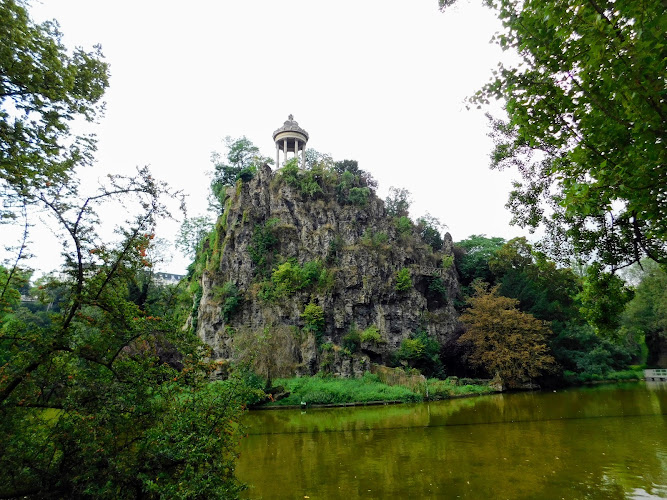
Temple de la Sybille
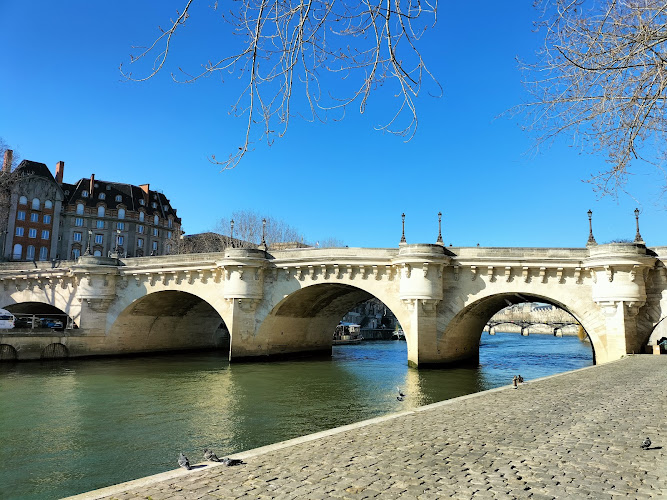
Pont Neuf
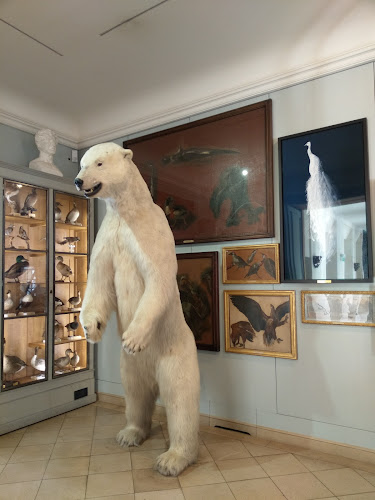
Museum of Hunting and Nature
Find Accommodations Nearby
Recommended Tours & Activities
Visitor Reviews
There are no reviews yet. Be the first one to write one.
Share Your Experience
Have you visited Palais Garnier? Help other travelers by leaving a review.