Is Zipperless Luggage Worth It for International Travel? 7 Key Facts All Travelers Must Know
Updated March 24, 2026
When you’re dragging your stuff across airports and strange cities, the last thing you want is a busted zipper leaving you stranded with a useless suitcase. Zipperless luggage is worth considering for international travel because it offers better security against theft, more durability for rough handling, and stronger protection for your belongings—though you’ll pay more and probably deal with a heavier bag. Honestly, zippers are the weak link on most bags, and thieves can pop them open way easier than most people realize.
But here’s the thing: zipperless suitcases use latch and lock systems that are just way harder to break into. These bags usually have aluminum or polycarbonate shells, so they can take a beating from baggage handlers and survive. If you travel internationally even a few times a year, the investment starts to make sense.
Key Takeaways
- Zipperless luggage gives you a real boost in security and durability, especially on international trips
- The downsides? Higher price and extra weight compared to regular zippered bags
- Think about how often you travel, where you’re going, and how you pack before deciding if zipperless luggage is for you
How Zipperless Luggage Works: Mechanism & Security
Zipperless suitcases ditch the zipper in favor of frame-lock systems and latches, creating a closure that clicks shut and locks in place. Most of them have TSA-approved locks built right into the latch, and their hard shells seal up tight against water and dust, much better than fabric zipper tracks.
Frame-Lock Systems and Latch Closures

Closing a zipperless suitcase feels totally different. The two halves of the hard shell meet at a reinforced frame, and you snap metal or heavy-duty plastic latches into place.
These latches hook into slots along the frame. Push them down and you get that satisfying click. Some bags use a single latch in the middle, others have two on the sides for extra security.
The frame is usually aluminum or tough polycarbonate, forming a solid border with no obvious weak spots. Unlike zippers, which you can pop open with a pen (seriously), these frame-lock systems only open if you release the latches.
Common latch types:
- Spring-loaded metal clasps that snap shut on their own
- Push-button releases that take a little effort to open
- Combination dial latches built into the closure
- Key-operated latches on the fancier models
Integration with TSA-Approved Locks
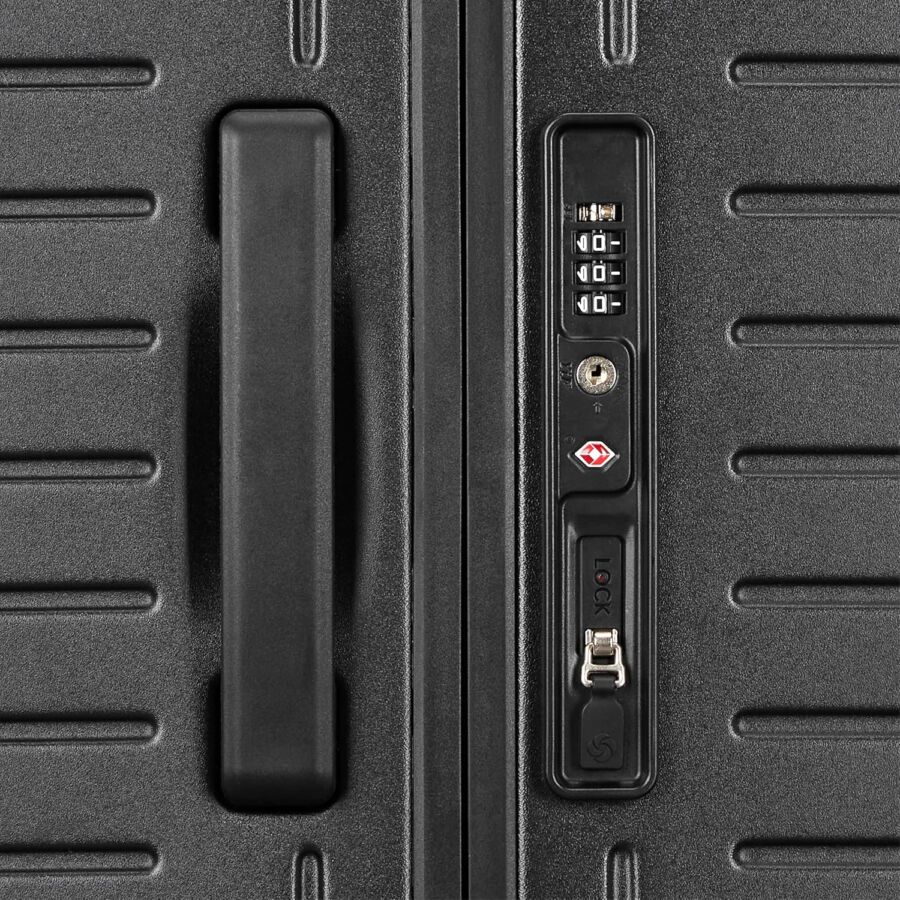
Most zipperless luggage comes with TSA-approved locks built right into the latch. No need to buy separate padlocks or figure out where to hang them.
These built-in locks let TSA agents inspect your bag with their master keys, so nothing gets broken. The lock is directly connected to the latches—when it’s locked, you just can’t open the bag.
You’ll usually set a three- or four-digit combo. Some high-end zipperless bags have fingerprint readers or even smart locks that sync to your phone, but honestly, most travelers are fine with the basic combo lock.
The big plus is the lock isn’t just dangling on the outside—it’s part of the closure itself. That makes zipperless bags way harder to mess with than a zippered bag with an external lock.
| Feature | Zippered Luggage | Zipperless Luggage |
|---|---|---|
| Lock placement | External, on zipper pulls | Built into frame and latches |
| TSA access | Through zipper or lock | Through integrated lock only |
| Tampering risk | High (zippers can be forced) | Low (solid shell and frame) |
Water-Resistant and Sealing Features
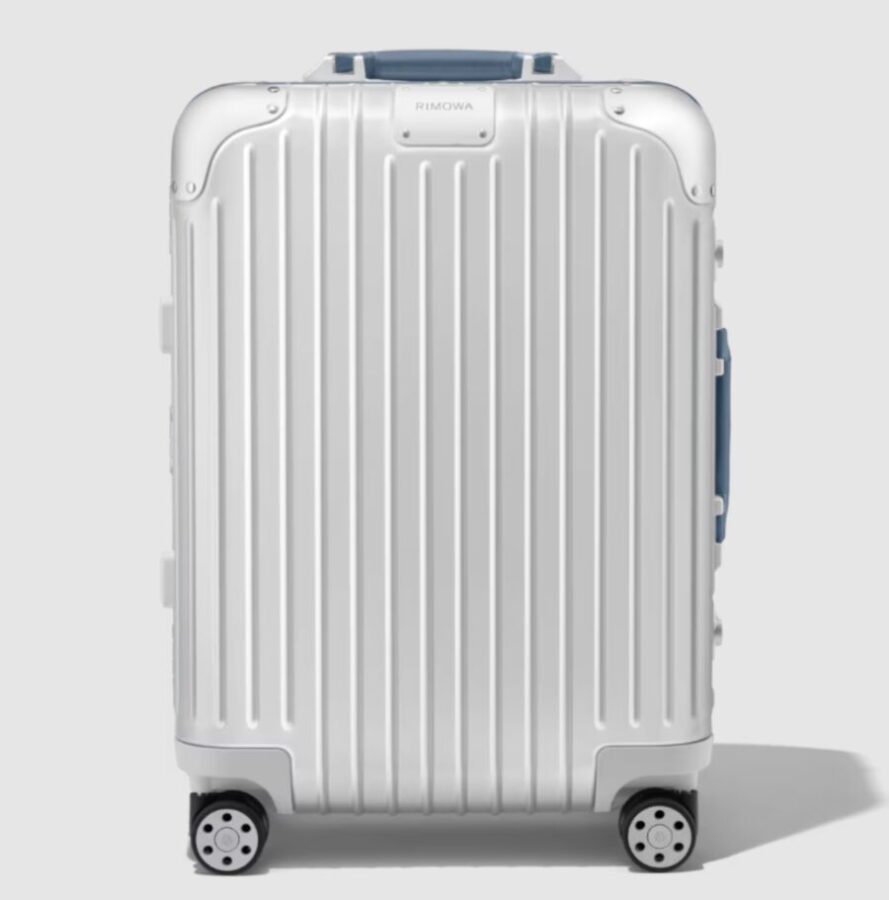
Zipperless suitcases seal up in a way that gives them a real edge against water and dust. The hard shells meet edge-to-edge, with rubber or silicone gaskets running along the frame.
When you lock the latches, the two halves compress together, squeezing the gasket into a tight seal all the way around. It’s kind of like how a quality food container keeps leftovers fresh.
You won’t get full-on waterproofing like a dive case, but your clothes will stay dry in the rain or if your bag sits on a wet airport floor. The seal also keeps out dust and grime that would otherwise sneak in through zipper teeth.
Some zipperless bags even have drainage ports at the bottom. If water somehow gets inside, it drains out instead of soaking your stuff.
No zipper track means no fabric for water to sneak through, and hard shells don’t soak up moisture like soft-sided bags. The compression seals really do make it tough for liquids to get in under normal travel conditions.
Key Advantages of Zipperless Luggage for International Travelers

Zipperless luggage changes the game when you’re hopping borders and juggling flights. The security, tough build, and sleek look really make these bags pop at baggage claim.
Enhanced Theft Protection and Tamper Resistance
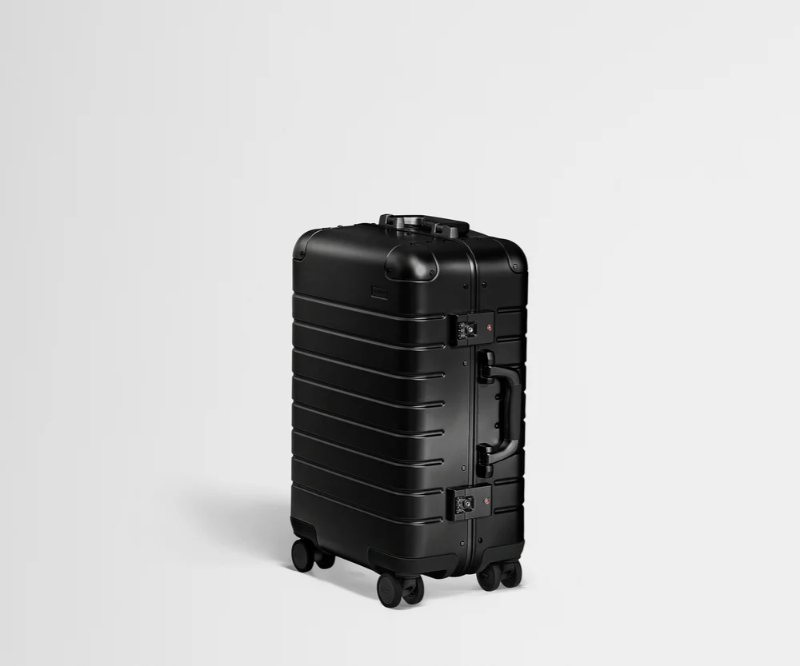
Airports and busy tourist spots attract thieves who know exactly how to get into zippered bags. A pen or paper clip can open a zipper in seconds, often without leaving a trace.
Latch systems and integrated locks on zipperless luggage close that security gap. These closures need real effort to open and show clear signs of tampering if someone tries to force them.
Most zipperless models pair a polycarbonate shell or anodized aluminum body with TSA-approved combo locks built right into the frame. No more weak zipper entry point.
Security features you get:
- Hard-shell barriers that resist knives and cutting tools
- Integrated locking mechanisms—no external padlocks needed
- Visible tamper evidence if someone tries to break in
- Reinforced closure points at the shell connection
International travel means your bag goes through a lot more hands and security checks. Having a durable suitcase with secure closures just gives you more peace of mind, especially in unfamiliar airports or hotels where bags sit unattended.
Durability in Demanding Travel Conditions

International trips put your luggage through a lot: multiple flights, rough baggage handlers, and unpredictable weather. Zippers just don’t hold up—they break, catch, or come off the track.
A polycarbonate suitcase or aluminum luggage frame skips the zipper problem completely. The hard shell takes hits that would rip fabric or wreck a zipper. Corner guards on good zipperless bags protect the spots that get banged up the most.
Water-resistant polycarbonate keeps your stuff dry in rain or on wet tarmacs. Zippered bags let water seep through the teeth and stitching.
Compression straps inside zipperless bags keep things in place, so your stuff stays organized even if the bag gets tossed around.
The reinforced hinge points where the two shell halves meet spread out the stress, instead of focusing it on a single zipper line.
Modern and Sleek Design Appeal
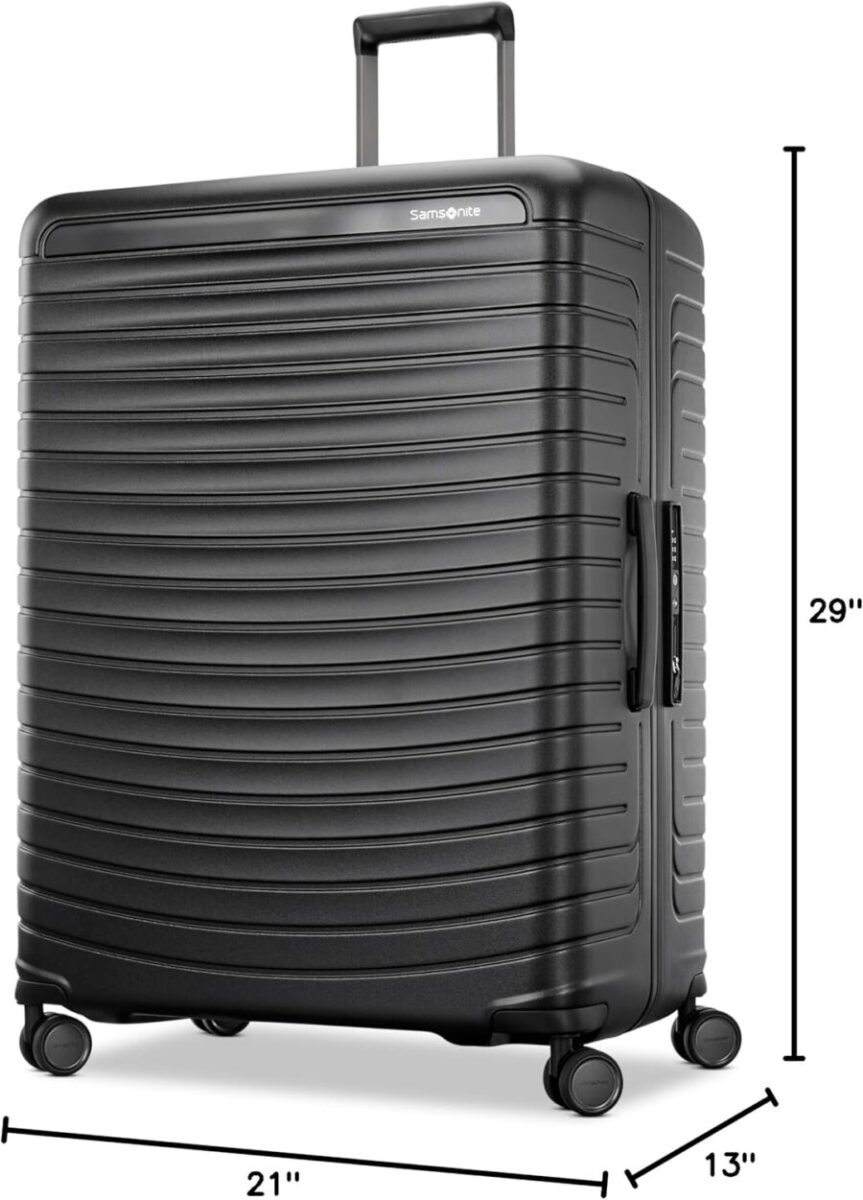
Zipperless luggage just looks different. The clean lines and smooth shell give it a premium vibe.
Anodized aluminum finishes on high-end models resist scratches and keep looking good, even after lots of trips. The metal catches the light differently than plastic, which honestly just looks sharp in business settings.
You’ll spot your polycarbonate shell bag faster on the carousel because it doesn’t have the busy look of zippers and external pockets. The streamlined design also means fewer places for straps or handles to snag in baggage systems.
That minimalist style appeals to travelers who want their gear to look intentional, not cluttered. Plus, fewer exterior features means less maintenance and fewer things that can break.
See Related: Hardside Luggage vs Softside Luggage: Ultimate Buyer’s Guide
Potential Drawbacks and Limitations to Consider
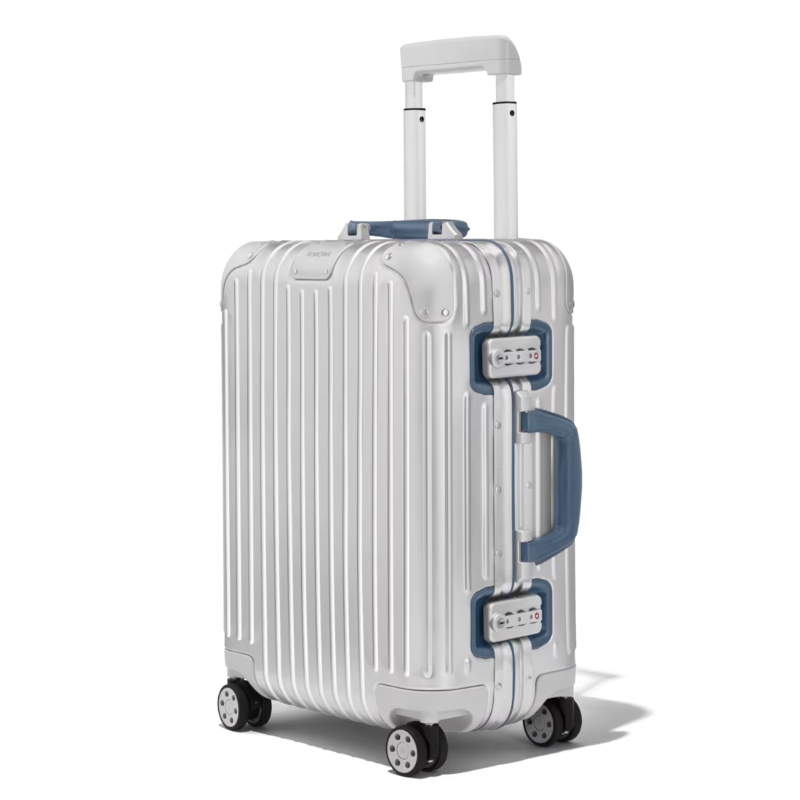
Zipperless luggage isn’t perfect, and the trade-offs can actually matter when you’re rushing through airports. The extra weight, rigid build, and tricky repairs are worth thinking about before you drop the cash.
Weight and Portability Concerns

Honestly, the weight surprises a lot of people: zipperless luggage usually weighs 2-4 pounds more than a similar zippered bag. That aluminum frame and those latches really add up. If you’re flying airlines with strict weight limits, this matters more than you’d expect.
I found out the hard way on a European budget airline—my zipperless carry-on weighed 11 pounds empty, while my friend’s zippered one was just 7 pounds. That extra weight meant less room for souvenirs and more stress at the check-in counter.
The hard shell also makes these bags bulkier to maneuver in narrow airplane aisles or packed train stations. Unlike soft-sided bags that squish a bit when you squeeze past someone, zipperless bags stay rigid. They don’t flex, which can be a pain in tight spaces.
Typical weight differences:
- Traditional zippered luggage: 7-9 pounds empty
- Zipperless hard-shell: 10-13 pounds empty
- Difference: 25-40% heavier
Limited Expandability Compared to Zippered Luggage
This one’s a biggie for a lot of travelers. Most zippered bags have expansion zippers that give you a couple extra inches of packing space. Zipperless bags can’t do that—the closure is rigid.
When you’re coming home with extra stuff, that extra space is a lifesaver. Expandable luggage lets you squeeze in more for the flight back. With zipperless bags, what you see is what you get.
The hard-shell design just isn’t forgiving. You can’t cram in one more shirt or use compression straps outside.
The latches only close if the halves meet up perfectly, and forcing them can break the lock. I’ve seen people at airports struggling to close overstuffed zipperless bags. It’s not fun.
What you lose:
- No expansion zippers for extra space
- Can’t use exterior compression straps
- Rigid frame doesn’t budge
- Harder to pack weird-shaped items
Repair and Maintenance Considerations
If a zipper breaks, most repair shops can replace it for $20-40. Zipperless luggage? Not so simple.
Latch mechanisms and aluminum frames aren’t easy fixes. Usually, you have to contact the manufacturer, ship the bag back, and then wait for repairs. Replacement parts can run $50-100, which stings if the bag cost $200 to start with.
I had a latch crack on a zipperless bag in Southeast Asia, and finding parts was impossible. With a zippered bag, I could’ve at least patched it up with a strap or safety pins.
If a hard shell cracks, you can’t patch it like soft-sided luggage. A tear in fabric can be sewn up, but a cracked polycarbonate shell usually means you’re shopping for a new bag. And honestly, tracking down an authorized repair center for some zipperless brands is a headache.
Zipperless vs Zippered Luggage: Which Is Better for You?

Zipperless luggage uses latches or frames instead of zippers, giving you more security and better weather protection. Zippered bags are lighter and easier to pack. It really comes down to whether you care more about durability and theft resistance or about weight and expandability.
Safety and Security Comparison

Zipperless luggage is just way better at keeping thieves out. I found this out the hard way in Barcelona when someone sliced my zippered bag while I was distracted at a café. Zippers can be forced open with a pen in seconds.
Hard-shell zipperless bags close with latches or combo locks right in the frame. There’s no easy entry point for a thief. The only way in is to break the shell, which is loud and obvious.
Security features you’ll see:
- Built-in TSA-approved locks
- Rigid polycarbonate or aluminum shells
- No fabric weak points to cut
- Latch mechanisms that really resist forced entry
Zippered luggage does have lockable pulls, which helps a little. But the zipper itself is still a vulnerability. If someone really wants in, they’ll get in.
Flexibility, Packing Volume, and Access

Here’s where zippered luggage really fights back. You can cram a zippered bag way past what it was designed for because the fabric stretches. I’ve jammed an extra sweater into my zippered carry-on more times than I’d like to admit.
Zipperless bags? They have a set volume. When the shell clicks shut, that’s your limit.
No squishing it down or stretching it out. This rigid structure does a better job protecting your stuff during rough baggage handling, but you have to pack smarter from the get-go.
Packing differences:
| Feature | Zippered | Zipperless |
|---|---|---|
| Expandability | High | None |
| Compression | Good | Limited |
| Access speed | Moderate | Fast |
| Weight when empty | 6-8 lbs | 8-11 lbs |
Zipperless luggage opens like a clamshell, so you get full access to everything at once. No digging through layers or wrestling with a stubborn zipper when you’re late for your flight.
Weather Resistance and Daily Use

Zipperless luggage keeps water out better than any zippered bag I’ve owned. That sealed hard shell just shrugs off rain. I once watched my zipperless suitcase sit in a downpour on the tarmac in Singapore, and everything inside stayed bone dry.
Zippered bags usually have some water-resistant coating, but water eventually sneaks in through the zipper teeth. Even those “waterproof” zippers let moisture in during heavy rain or if the bag sits in a puddle.
The downside? Weight and maneuverability. Zipperless bags are heavier because of their hard shells and metal latches.
If you’re hopping on trains and dragging your suitcase over cobblestones, those extra three pounds feel heavier with every step. Zippered soft-shell luggage flexes when you bump it against things, while hard zipperless cases can actually crack if you drop them hard enough.
Best Zipperless Luggage Brands and Models for International Travel

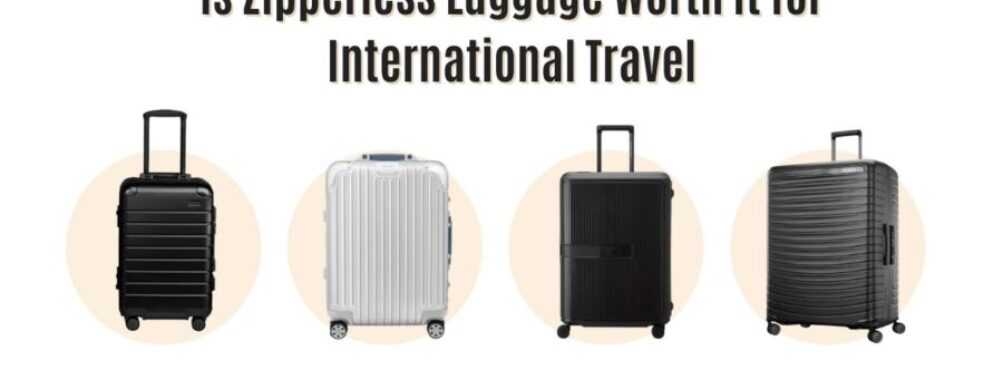
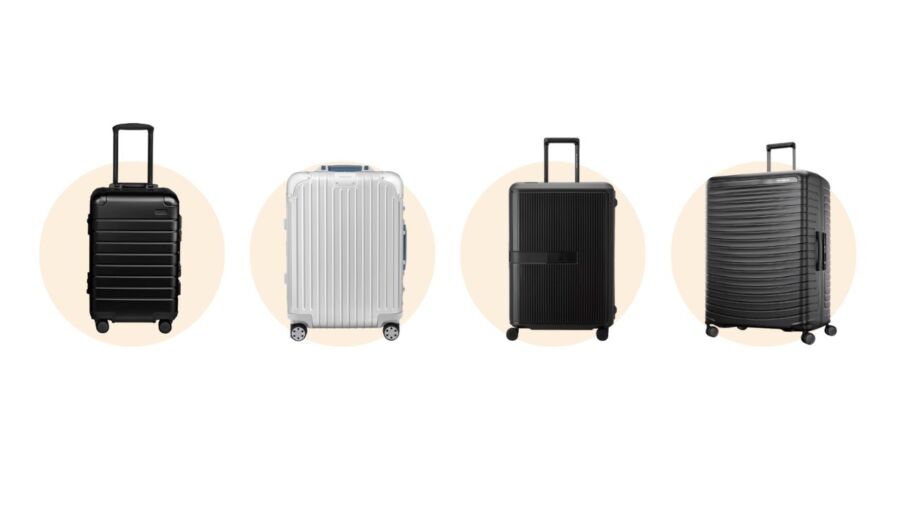
Some brands have really nailed zipperless luggage, offering everything from high-end aluminum cases to budget-friendly polycarbonate options. You’ll see established names like Tumi and Rimowa, plus newer brands like Away and Monos that mix quality with smart features.
Premium Brands: Samsonite, Rimowa, Away, Tumi, Delsey

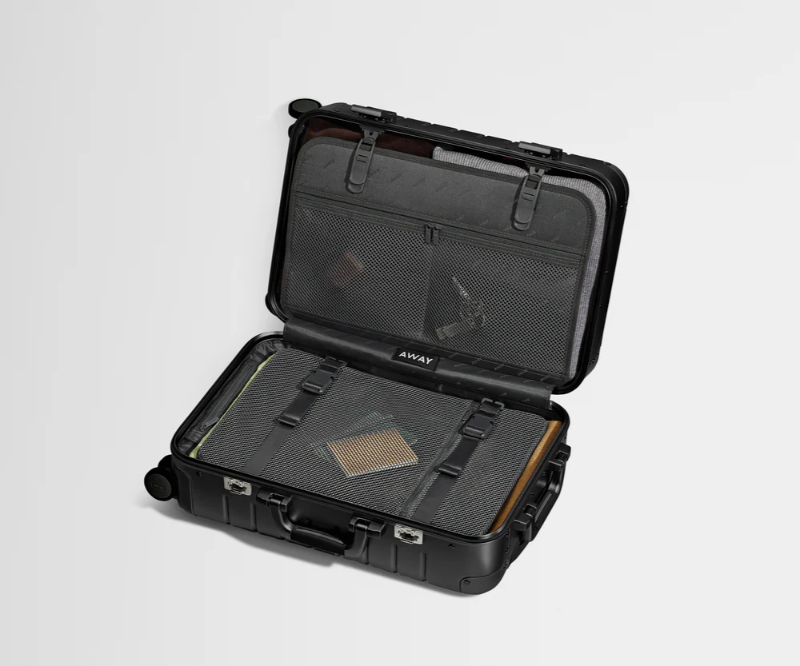
Away’s Aluminum Edge collection stands out for international travelers who want real organization. The Bigger Carry-on packs a removable compression pad and multiple pockets into its polycarbonate and aluminum frame. It weighs 10.8 pounds, which is heavier than some, but the pebbled texture hides those inevitable airport scratches.
Tumi delivers what you’d expect from a luxury brand. Their aluminum carry-ons have TSA-integrated locks and compression straps that work with fully zippered closures inside. You’re looking at 11 pounds and a 31-liter capacity, so it’s not the roomiest, but the craftsmanship is obvious, with just a few dents after tough durability tests.
Zero Halliburton makes luggage that could probably survive a bomb blast. Their aluminum carry-ons have six-position handles and auto-return grab handles that fall back slowly when you let go. At 11 pounds with 33 liters of space, it’s built like a tank.
Rimowa’s name alone carries weight in international airports, though their aluminum trunk cases come with premium price tags that reflect their iconic status among frequent flyers.
Budget-Friendly and Innovative Choices

Eastpak’s Resist’r Case proves you don’t have to empty your wallet for quality zipperless luggage. At 7.7 pounds, it’s actually the lightest option in its category. The metal latches click smoothly, and the brushed metallic exterior hides wear surprisingly well. You do trade a bit of wheel smoothness compared to pricier brands, but the 34-liter capacity works for international trips.
Level8 Gibraltar and Luggex offer solid middle-ground options with polycarbonate shells and reliable latch systems. The July Trunk has caught attention for its looks and practical design that doesn’t break the bank. Solgaard Carry-On Closet goes in a different direction with built-in shelving that keeps your clothes organized—no packing cubes needed.
Hybrid and Smart Luggage Options
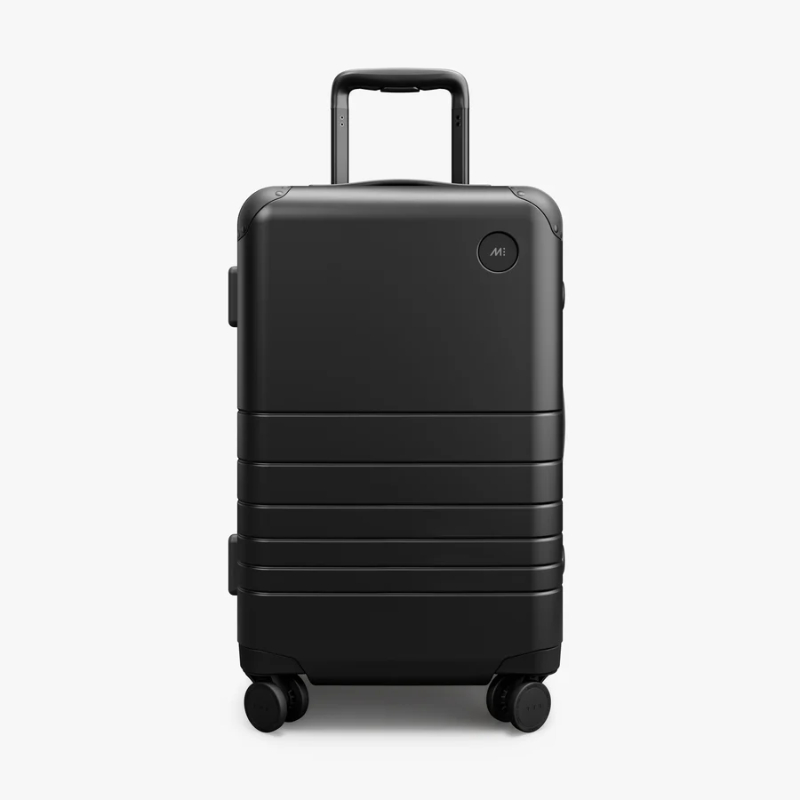
Monos Hybrid Carry-On mixes polycarbonate durability with aluminum detailing for travelers who want a minimalist look. Their design philosophy leans into clean lines without giving up the security of latch closures. The Monos Hybrid Check-In Large brings this same idea to longer trips.
Carl Friedrik’s The Carry-on X gives you a front laptop compartment with Velcro straps—something most zipperless bags just skip. It’s made from Makrolon polycarbonate with an aluminum frame, weighs 10.4 pounds, and gives you 45 liters of space. That tech pocket saves you from digging through your main compartment at security.
Nobl Travel and Ramverk Pro push into smart territory with integrated features beyond basic locks and handles. But let’s be honest, all that tech usually means more weight, which matters when airlines get strict about baggage.
See Related: Smart Rideable Luggage Review: Worth the Hype for Travelers?
Essential Features to Look For in Zipperless Luggage

When you’re shopping for zipperless luggage, focus on materials that actually protect your stuff, wheels that glide through airports, interior layouts that make sense, and warranties that truly back up the product. These details really impact how your luggage performs on international trips.
Exterior Materials: Polycarbonate, Aluminum, and Hybrids

Polycarbonate shell suitcases strike the best balance for most of us—light, yet tough. This material flexes a bit under pressure, which actually helps prevent cracks better than super rigid plastics. Polycarbonate also weighs less than aluminum, making it easier to avoid those dreaded overweight fees.
Aluminum luggage gives you max protection for fragile stuff like cameras or electronics. The metal shell resists crushing in overhead bins and baggage systems. But aluminum adds 2-3 pounds compared to polycarbonate in the same size.
Hybrid designs mix hard shell backs with softer fabric fronts. Some even have external pockets for things like passports or boarding passes. You lose a little weather protection, but you gain convenience.
Vegan leather luggage accents on handles and corners add grip without animal products. No matter what, look for reinforced corner guards—they take the brunt of drops and rough handling.
Mobility: Spinner Wheels, Telescopic Handle, and Maneuverability

Dual spinner wheels on each corner let you push your suitcase in any direction, no tilting needed. This is a lifesaver when you’re dodging people in busy terminals or squeezing down airplane aisles. Cheap wheels are usually the first thing to break, so invest in good ones.
360° spinner wheels allow true multidirectional movement. Hinomoto spinner wheels from Japan are top-notch—they roll smoother and last longer than generic ones. Some brands even make silent spinner wheels to cut down on that annoying airport clatter.
Your telescopic handle should have at least two height settings. Make sure it locks solidly at each one—nothing worse than a wobbly handle on a long walk. Aluminum handles outlast plastic, especially if you travel a lot.
How you pack affects how your luggage rolls. Top-heavy bags tip over easily. Look for wide wheel bases for better stability when loaded.
Interior Organization: Dividers, Accessories, and Compression

Good compression straps inside keep your clothes from shifting during transit. A Y-strap compression system anchors at three points for a better hold than a single strap. Some bags also include a compression pad that flattens over your stuff before you strap it down.
Built-in dividers help separate clean clothes from dirty ones. A hidden laundry bag tucked into the lining keeps worn items out of the way. It’s a small thing, but it keeps you organized on multi-stop trips.
Packing cubes work especially well with zipperless luggage because the rigid shell keeps its shape even when cubes compress your clothes. You can fit more by using cubes to sort different clothing types.
Tech features like a built-in charging port or FastCharge USB-C let you power up devices while moving through airports. External battery packs connect inside and route power through the shell. Just remember to pull batteries out before checking your bag.
Little things matter, too. A leather luggage tag or vegan leather luggage tag helps ID your bag and looks sharp. They’re sturdier than paper tags, which usually rip off somewhere between check-in and baggage claim.
Warranty, Customer Service, and Longevity

A lifetime warranty shows the company stands behind its product. But always check the fine print—some warranties only cover manufacturing flaws, not airline damage. A 10 year global warranty can be more practical for frequent travelers.
Limited lifetime warranty coverage usually skips wheels and handles, the parts that break first. See if the company offers affordable replacement parts. Fast, helpful customer service is a lifesaver when you need repairs between trips.
Brands with spare parts stocked worldwide make repairs easier when you’re abroad. You don’t want to wait weeks for a part to ship from another continent. Some companies have repair centers in major cities.
Test how quickly the brand responds before you buy. Send a question to support and see how fast they reply. If they’re slow before the sale, they’re probably slower after.
Price and longevity go hand in hand, but only up to a point. Mid-range zipperless luggage around $150-250 often holds up as well as premium $300+ options. Skip anything under $100—the materials just won’t survive rough handling. Browse quality travel gear that balances durability with price.
Zipperless Luggage for Different Types of International Travelers

Different travelers need different features, depending on trip length, destination, and how you pack. Zipperless options work great for carry-on travelers who want security, checked luggage users who need durability, and those after specialty features like closet systems or smart tech.
Carry-On Luggage: Compact and Secure Choices

A zipperless carry-on gives you solid protection in a compact package. Most airlines allow up to 22 inches, and zipperless models fit those limits while giving you hard-shell security.
Hard-shell zipperless carry-ons use latches or aluminum frames, not zippers. This makes them tougher to break into at security lines or in overhead bins. Many models include TSA-approved locks built right into the frame.
Popular zipperless carry-on features:
- Polycarbonate or aluminum shells that shrug off impacts
- Four spinner wheels for easy movement through crowded airports
- Built-in USB charging ports on some models
- Organized interior compartments
The Solgaard Carry-On Closet takes organization to the next level with shelves that pull out like a closet. You can pack clothes flat and grab what you need without unpacking everything. It’s especially handy for business travelers or anyone changing hotels a lot.
Weight is important for carry-ons since you’ll hoist them into overhead bins. Most zipperless carry-ons weigh 7 to 10 pounds empty—heavier than zippered ones, but still manageable.
Checked Luggage: Large and Heavy-Duty Solutions

Checked bags get tossed around by baggage handlers. Zipperless checked luggage takes this abuse better than zippered bags since there’s no weak zipper to fail.
A large suitcase with an aluminum frame protects your stuff on long flights. The frame creates a protective cage around your belongings, and the shell resists crushing even when other bags stack on top.
Benefits of zipperless checked luggage:
| Feature | Why It Matters |
|---|---|
| Hard shell exterior | Protects fragile items from impacts |
| Reinforced corners | Prevents damage from drops and throws |
| Weather-resistant seal | Keeps contents dry in rain or snow |
| Built-in locks | Secures valuables without extra padlocks |
Checked luggage sizes usually run from 24 to 30 inches. A 26-inch zipperless suitcase gives you enough space for two-week trips without going over most airlines’ 50-pound weight limits.
But keep in mind, the bag itself weighs more. An empty zipperless checked bag is 10 to 13 pounds, compared to 8 to 10 pounds for a zippered one. Factor that in so you don’t get hit with overweight fees.
Specialty Options: Trunks, Smart Features, and Closet Systems

Some travelers want more than basic luggage. Aluminum trunk-style cases offer max security for expensive gear like cameras or laptops. They open like a briefcase and have foam padding inside for delicate items.
Smart zipperless luggage comes with GPS tracking built into the frame. You can find your bag through a phone app if the airline loses it. Some models have removable batteries for charging devices and digital locks controlled from your phone.
Specialty zipperless features:
- Built-in weighing scales in the handle
- Removable garment bags inside hard shells
- Expandable sections that boost capacity by 20%
- Antimicrobial interior linings
Closet system designs work differently from standard packing. Instead of stacking clothes at the bottom, you hang or shelf them vertically. This cuts down on wrinkles and helps you see everything at a glance. It’s worth a look if you wear business clothes or need to dress up during your trip.
These specialty options cost more, usually starting around $250 and going up to $600 for the high-end brands. The extra investment makes sense if these features solve real problems for your international travel.
See Related: Packing Cubes vs Compression Bags: Ultimate Guide for Smarter Travel
Frequently Asked Questions

Zipperless luggage brings up a bunch of practical questions for anyone eyeing international travel. Hard-shell latches, aluminum frames, magnetic closures—they all do their thing differently than old-school zippers. Knowing these differences can help you pick what really matters: durability, security, and, of course, cost.
What are the top advantages of zipperless luggage for frequent international flyers?
Zipperless luggage gives you stronger protection against forced entry. Thieves know that traditional zippers are laughably easy to pop open with something as simple as a ballpoint pen. With hard-shell latches and aluminum frames, breaking in gets tricky and usually leaves some obvious damage.
You also skip the headache of zipper failure. Honestly, I’ve seen so many travelers at baggage claim wrestling with bags that burst open because a zipper gave out. It’s more common than you’d expect.
Weather resistance is another win. Rain and humidity? Zippers let that stuff in. Solid seals on zipperless bags keep your clothes dry, which is a game-changer if you’re bouncing between climates or have to leave your bag outside for a bit.
How does zipperless luggage enhance security during overseas trips?
Your stuff stays safer because the closure mechanisms are just harder to mess with. Latch systems need brute force to break, and that’s going to attract attention—not exactly what thieves want. Most zipperless bags have TSA-approved combination locks built right into the frame.
The hard shell adds another layer. Nobody’s going to just slice through it, unlike soft-sided zippered bags. And since airport baggage handlers aren’t exactly gentle, a rigid shell keeps your bag from popping open mid-journey.
Some zipperless luggage uses a clamshell design that seals all the way around, so there aren’t those weak spots you get with zippers.
What should travelers consider when choosing between zipper and zipperless carry-ons?
Weight is a real thing with zipperless luggage. The hard shells and metal frames add pounds—sometimes two or three—which can eat into what you’re allowed to bring. If you’re always trying to squeeze in one more thing, that extra weight stings.
Packing style matters too. Zipperless bags are rigid, so you can’t just cram in that last-minute sweater. Zippered bags flex a bit and let you overstuff if you need to.
Your travel habits should guide your pick. If you’re bouncing between budget airlines with strict weight limits, you might prefer a lighter zippered bag. But if security and durability are your top priorities, zipperless is the way to go.
There are budget-friendly zipperless options out there, but you’ll notice the difference in materials. Brands like LUGGEX have aluminum-frame carry-ons that won’t break the bank, though they’re probably not built for constant heavy use.
The trade-offs? Cheaper models usually skimp on interior features and wheel quality. You might get a solid shell and decent latches, but the organization inside is basic, and spinner wheels can wear down faster.
Honestly, mid-range options often hit the sweet spot. You get good polycarbonate shells and locks without paying for a fancy logo. Function over flash, right?
Can zipperless luggage withstand the rigors of various international baggage handling conditions?
Zipperless hard-shell luggage takes a beating better than most. I’ve watched baggage handlers toss these bags around, and the rigid construction shrugs off impacts that would destroy softer luggage.
Materials matter a lot. Polycarbonate and aluminum can handle some serious abuse without cracking. Cheaper plastics, though, might start to show stress fractures if you’re unlucky.
And here’s something I didn’t expect: extreme temperatures don’t mess with hard shells like they do with zippers. Metal zipper pulls can freeze or get too hot, but latches just keep working no matter what.
What innovative features set the best zipperless luggage options apart from traditional suitcases?
A lot of new zipperless luggage comes with built-in USB charging ports. Usually, you’ll spot these tucked into the handle, wired up to a battery pack inside. It’s pretty handy when you need to top off your phone in the middle of a crowded terminal.
Compression systems in zipperless models take a different approach. Instead of wrestling with zippers, you use internal straps and panels with quick-release buckles. You can cinch everything down or give yourself a bit more room—nice for that last-minute souvenir.
Organization gets a big upgrade, too. The better zipperless bags have removable dividers, mesh pockets, and separate spots for shoes or toiletries. That clamshell opening? It means you can see your stuff all at once, which honestly makes security checks way less of a hassle.