Last modified August 17, 2026
Planning an Alaska trip can be exciting, but the costs may seem daunting. You might wonder if you can afford this bucket-list adventure. Don’t worry – with some smart planning, you can make your Alaska dreams come true without breaking the bank. A typical 7-day trip to Alaska costs around $2,600 per person, but prices can vary widely based on your choices.
Alaska offers breathtaking landscapes, wildlife encounters, and unique cultural experiences. From towering glaciers to vast wilderness, it’s a place like no other. Your budget will depend on factors like when you visit, where you stay, and what activities you choose.
We’ll break down the costs for different budget levels, from thrifty to luxury. You’ll learn about saving money on flights, lodging, food, and excursions. With these tips, you can craft an amazing Alaska adventure that fits your wallet.
Key Takeaways
- Alaska trips average $2,600 per person for a week, but costs vary based on choices
- Timing your visit and booking early can lead to big savings on flights and accommodations
- Mixing free outdoor activities with paid tours helps balance your budget for a great experience
Understanding the Costs of an Alaskan Adventure
Planning a trip to Alaska can be exciting, but it’s important to know what you’re getting into financially. Let’s break down the typical costs you might face and compare different travel options. If you are weighing Alaska against another flagship US trip, the average Hawaii trip cost makes a useful side-by-side.
Average Costs of an Alaskan Vacation
A 10-day Alaska trip can set you back anywhere from $2,000 to $5,000 per person, depending on your choices. Here’s a rough breakdown:
- Accommodation: $275 per night for a standard hotel room
- Food: $50-$100 per day per person
- Transportation: $50-$100 per day (rental car or public transit)
- Sightseeing tours: $100-$300 per activity
Don’t forget about travel insurance! It’s a smart move and usually costs $50-$100 per person for a week-long trip.
Pro tip: Visit in May or September to save 10-18% on land tours. The weather’s still decent, and you’ll dodge the peak season crowds.
Price Comparison: Cruise vs. Land Tour
Cruises can be a budget-friendly way to see Alaska. A 7-day cruise might cost $600-$5,000 per person, depending on the cabin and cruise line. This usually covers your room, food, and transportation between ports.
Land tours give you more freedom but can be pricier. You’ll pay separately for hotels, meals, and getting around. But you’ll get to explore inland areas cruises can’t reach.
Remember, both options have extra costs. On cruises, you’ll pay for shore excursions and drinks. With land tours, you’ll need to budget for car rentals and possibly flights between cities.
Pre-Trip Expenses Breakdown

Planning your Alaska trip budget starts with understanding the major up-front costs. Airfare and accommodations typically eat up the biggest chunks of your travel funds. Let’s look at how to save on these key expenses.
Finding Competitive Airfare Deals
Flights to Alaska can be pricey, but there are ways to snag better rates. Aim to book your tickets 2-3 months in advance for the best prices. Summer is peak season, so flying in May or September could save you 10-18% on fares. Compare flight options across different airlines and dates to find the best deal. Consider flying into Anchorage, as it often has cheaper fares than smaller airports.
Be flexible with your travel dates if possible. Mid-week flights tend to be cheaper than weekends. Sign up for airline newsletters to catch flash sales. If you have credit card points or miles, now’s the time to use them! With some savvy planning, you can expect to pay around $560 per person for round-trip flights to Alaska.
Benefits of Early Reservations
Booking your Alaska trip well in advance does more than just save on airfare. Hotels fill up fast in popular areas, especially during the busy summer months. By reserving early, you’ll have a wider selection of accommodations and often at better rates. Aim to book at least 6 months ahead for prime locations and dates.
Tour operators also offer early bird discounts. Popular excursions like glacier cruises and bear-viewing trips can sell out quickly. Booking early ensures you get spots on your must-do activities, often at a lower price. Plus, having your big-ticket items sorted gives you time to budget for other expenses.
Accommodation Options in Alaska
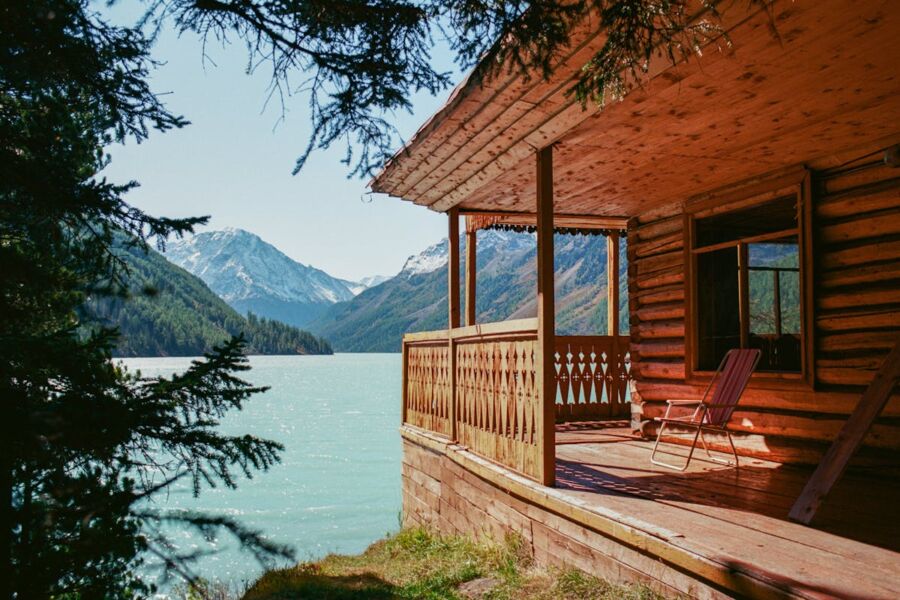
Alaska offers a variety of places to stay, from city hotels to remote wilderness lodges. You’ll find options to suit different budgets and preferences across the state.
Staying in Major Alaskan Cities
In Anchorage, Fairbanks, and Juneau, you’ll find familiar hotel chains and local accommodations. Anchorage has the most choices, with rooms averaging $275 per night in summer. You can save by booking economy hotels, which run about $100 less. Booking.com is a good place to compare prices.
Fairbanks offers cheaper options, with many hotels under $200 per night. Juneau’s prices fall between Anchorage and Fairbanks. B&Bs are popular in these cities too, often costing less than hotels.
Remember, prices jump in peak season (June-August). You can save 10-18% by visiting in May or September.
Wilderness Lodges and Remote Stays
For a true Alaskan experience, try a wilderness lodge. These range from basic cabins to luxury retreats. Prices vary widely, from $150 to over $1000 per night. Many include meals and activities in the price.
Remote lodges often require bush plane access, adding to the cost. But they offer unmatched views and wildlife spotting chances. Some popular areas for wilderness stays are Denali, Katmai, and the Kenai Peninsula.
Vacation rentals can be a good option for groups or longer stays. You’ll find cabins and homes in both cities and rural areas.
Transportation within Alaska
Getting around Alaska can be pricey, but with some planning you can keep costs down. You have several options for exploring this vast state, from renting a car to using public transit.
Car Rentals and Gasoline Costs
Renting a car gives you the most freedom to explore Alaska at your own pace. Expect to pay $50-100 per day for a standard vehicle, with 4x4s costing more. Finding cheap rentals in advance can save you money. Gas prices in Alaska tend to be higher than the lower 48, often $0.50-$1 more per gallon. Budget about $50-75 per day for gas if you’re doing a lot of driving.
Keep in mind Alaska’s vast distances – it’s over 350 miles from Anchorage to Fairbanks. Fill up when you can, as gas stations can be far apart in rural areas.
Public Transportation and Shuttle Services
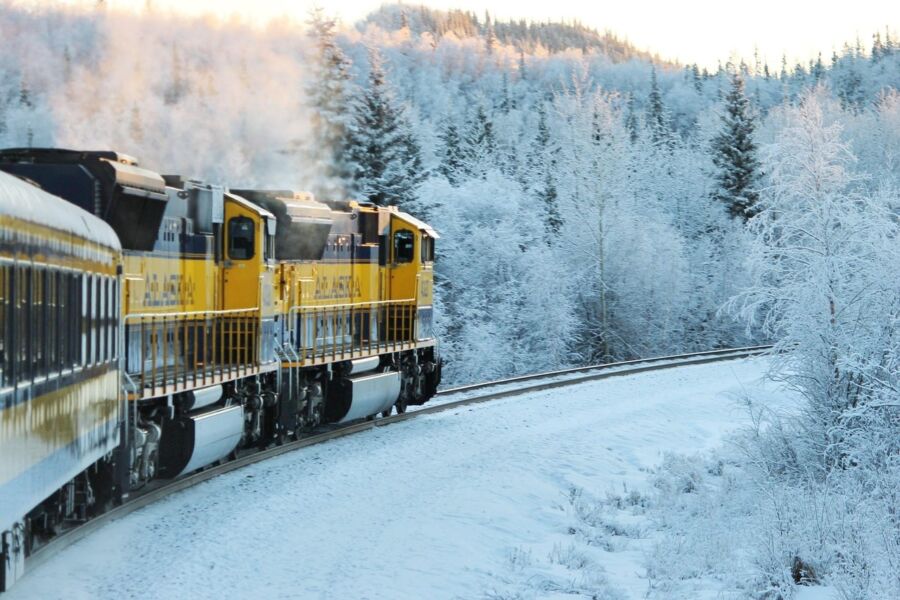
If you’d rather not drive, Alaska has some public transit options. The Alaska Railroad connects major cities like Anchorage, Fairbanks and Seward. One-way tickets range from $100-200 depending on the route. It’s scenic but can be pricey.
Bus services like the Park Connection run between popular spots for $50-100 one-way. Some areas have local shuttles too. Denali National Park has a bus system that’s included with your entry fee.
In cities, public buses are cheap at $2-3 per ride. Taxis and ride-shares are available but expensive for long trips.
Food and Dining Experiences

Alaska offers a range of tasty food options, from fresh seafood to hearty comfort dishes. Eating out can take a big bite out of your travel budget, so it’s smart to plan ahead and know what to expect.
Typical Meal Prices in Alaska
Breakfast at a local cafe might run you $12-15 for eggs, toast, and coffee. For lunch, a sandwich or burger with fries at a casual spot costs around $15-20. Dinner prices jump up, especially for seafood. A plate of grilled salmon or halibut can set you back $25-35 at a mid-range place.
Grocery stores are a budget-friendly option. You can grab supplies for sandwiches or snacks for much less than eating out every meal. A loaf of bread, some deli meat, and fruit could cover a few lunches for about $20 total.
Cost of Dining at Local Restaurants
Local joints often give you the best bang for your buck. A bowl of hearty moose stew might cost $18-22. Fish and chips made with fresh-caught cod go for $16-20 at casual seafood shacks.
Fancy spots in tourist areas charge more. Expect to pay $35-50 per person for dinner at upscale restaurants in Anchorage or Juneau. But the splurge can be worth it for king crab legs or a reindeer steak.
Don’t forget to budget for drinks. A local craft beer runs $6-8, while cocktails are often $10-15. Tipping 15-20% is standard, so factor that in too.
Activities and Sightseeing

Alaska offers a wealth of exciting activities and sights to explore. From outdoor adventures to cultural experiences, you’ll find plenty of options to fill your trip itinerary.
Outdoor Adventures and Excursions
Alaska’s natural beauty is perfect for outdoor enthusiasts. You can go fishing for salmon or halibut, with day trips costing around $200-$300 per person. Whale watching tours are popular, typically ranging from $100-$150. For a unique perspective, try flightseeing over glaciers and mountains. These trips start at about $250 but offer breathtaking views.
Hiking in Denali National Park is a must-do. The park entrance fee is $15 per person, good for 7 days. You can join guided hikes or explore on your own. Glacier walks and ice climbing are thrilling options, with prices from $100-$200 depending on the trip length.
Cultural and Historical Tours
To learn about Alaska’s rich history and diverse cultures, visit museums and cultural centers. The Alaska Native Heritage Center in Anchorage costs $29.95 for adults. Many towns offer walking tours led by locals, often priced at $20-$40 per person.
Gold panning experiences let you try your luck at striking it rich. These typically cost $20-$50. For a deeper dive into Alaska’s past, consider a historical tour of places like Skagway or Juneau. Prices vary but expect to pay $50-$100 for a comprehensive tour. Don’t miss the chance to see the northern lights if you’re visiting in winter – some hotels offer wake-up calls for aurora sightings at no extra cost.
Timing Your Visit for Best Value
Choosing when to visit Alaska can greatly impact your trip costs. Prices fluctuate based on season and weather, so smart timing can lead to big savings.
Off-peak vs. Peak Season Prices
The peak summer months of June to August are the priciest time to visit Alaska. Crowds flock to the state during this period, driving up costs. You’ll pay top dollar for flights, hotels, and activities.
To save money, plan your trip for the shoulder season in May or September. Prices can drop 10-25% compared to peak season. In September, you might snag the cheapest flights of the year. Hotels often offer discounts of 10-18% during these months.
Keep an eye on hotel rates before booking your flight. Prices can vary, so a bit of patience could pay off big time.
Weather and Seasonal Impacts
Weather plays a huge role in Alaska travel costs and experiences. Summer brings long days and milder temps, but also higher prices. May and September offer a mix of decent weather and better deals.
In May, spring blooms and wildlife become active. Meanwhile, September brings fall colors and a chance to see the Northern Lights. Both months have fewer bugs than mid-summer.
But be prepared for cooler temps and some rain. Pack layers and rain gear. Some tours and lodges close in the off-season, so check availability before booking.
If you’re set on seeing the midnight sun, you’ll need to visit near the summer solstice. For Northern Lights, plan a fall or winter trip above the Arctic Circle.
Packing and Preparation Tips

Getting ready for your Alaska trip means thinking ahead. Smart packing and budgeting can make your adventure smoother and more fun.
Essential Items to Pack
Don’t forget warm layers! Alaska’s weather can change fast. Pack a waterproof jacket, fleece, and thermal underwear. Bring sturdy hiking boots for outdoor treks. Toss in some bug spray too – those mosquitoes can be fierce!
Binoculars are a must for spotting wildlife. A good camera will help you capture those amazing views. Don’t forget a reusable water bottle and some snacks for your outings.
Pack everything in a sturdy backpack or suitcase. Use packing cubes or zip-top bags to keep things organized. This makes it easier if your luggage gets searched at the airport.
Budgeting for Unexpected Expenses
Set aside some extra cash for surprises. You might spot a cool souvenir or want to try a fancy local restaurant. Weather changes could mean buying an extra layer or two.
Plan for transportation costs. Taxis and shuttles in Alaska can add up quick. Maybe rent a car if you’re staying a while. It gives you more freedom to explore.
Don’t forget about tipping! It’s expected for tours and at restaurants. A good rule is 15-20% for good service. Having some cash on hand for tips is always smart.
Consider travel insurance. It can save you big if something goes wrong. Look for a policy that covers trip cancellation and medical emergencies.
Cost-Saving Strategies for Alaska Trips

Alaska trips can be pricey, but there are smart ways to cut costs without skimping on experiences. Planning ahead and being flexible with your travel dates can lead to big savings.
Discounts and Travel Deals
Look for package deals that bundle flights, hotels, and activities. Many Alaska tour companies offer early booking discounts if you reserve months in advance. Sign up for airline newsletters to catch flash sales on flights to Anchorage or Fairbanks. Consider traveling in May or September, the shoulder season, when prices drop but the weather is still good.
Don’t forget to check for military, senior, or student discounts. Some attractions offer cheaper rates if you book online. If you’re staying a while, an Alaska TourSaver coupon book can pay for itself with 2-for-1 deals on tours and lodging.
Economical Itinerary Planning
An Alaska road trip can be cheaper than flying between destinations. You can rent a car or RV and explore at your own pace. Stock up on groceries to cook your own meals instead of eating out every day. Camping is a budget-friendly lodging option, with sites in state parks costing $10-$25 per night.
Mix free activities like hiking and wildlife viewing with a few splurge-worthy tours. Instead of pricey helicopter rides, try a more affordable scenic train journey. Look into multi-day bus tours that cover several destinations for one set price. Balancing paid experiences with free natural wonders can help you see Alaska’s best without breaking the bank.


