
Last modified August 17, 2026
There’s just something magical about rounding a curve on the Adriatic and stumbling into a town you never even knew existed. Maybe it’s the warm, sun-drenched alleys, the creak of old fishing boats, or the way locals linger over coffee, swapping stories as if time doesn’t matter.
The Croatian coast is packed with hidden gem towns where you can dodge the crowds and really soak in that local vibe, all at your own pace. Sure, everyone’s heard of Dubrovnik, but honestly? It’s these smaller places that tend to stick in your mind long after you’ve left.
If the thought of wandering medieval lanes in Trogir or finding a quiet moment in Novigrad appeals to you, you’re in the right spot. From pebbly beaches along Dalmatia to tucked-away islands and the bright, colorful towns of Istria, every corner has its own story and flavor.
Key Takeaways
- Find quieter Croatian coastal towns far from the tourist throngs
- Dive into a blend of history, nature, and culture
- Get tips for real-deal local experiences along the Adriatic
What Makes Croatia’s Hidden Gem Towns Unique?

Croatia’s coast is so much more than just the classic tourist stops or busy beaches. The lesser-known towns let you wander peaceful streets, glimpse real Croatian life, and enjoy that jaw-dropping Mediterranean scenery without the crowds.
Escaping Mass Tourism
If you’ve ever found yourself dodging tour groups in Split or Dubrovnik, you’re definitely not alone. That’s what nudged me, years back, to start searching for quieter corners along the Adriatic. Grožnjan or Bale? Completely different energy—no lines, no cruise ship chaos. Just the gentle clatter of coffee cups and a salty breeze off the sea.
Here’s what makes these places stand out:
- Fewer tourists: You get to explore on your own terms.
- Genuine welcome: Locals actually have time for a real chat—no rush, no sales pitch.
- Calmer beaches: I still remember a lazy afternoon in a tiny Dugi Otok bay—just a handful of families, crystal-clear water, and nothing else.
You can slow down, listen, and really let the place sink in. Sometimes “off the beaten path” just means you finally have a place to yourself, and that’s kind of rare these days.
Authentic Croatian Culture
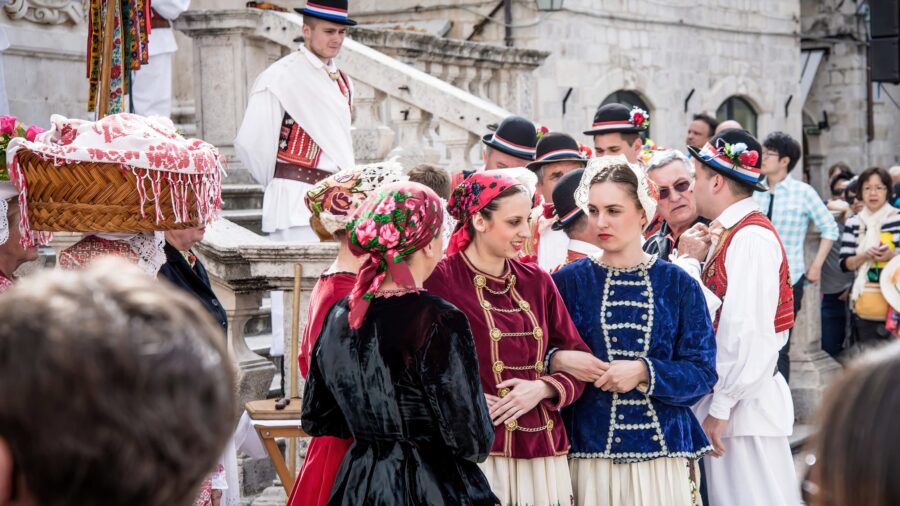
The daily rhythm in these hidden towns feels different—like you’re finally seeing Croatia without the tourist filter. Villages like Hum or Fazana surprised me with how strong the traditions still run, from fishermen heading out at sunrise to festivals that have nothing to do with social media.
One time in Vis, I wandered into a konoba (think cozy taverna), and the owner waved me over to share homemade wine while his friends grilled sardines right there. We barely spoke the same language, but the welcome was unmistakable.
You’ll spot old stone houses, laundry lines strung above alleyways, and locals playing cards at tiny café tables. Nobody’s putting on a show—they’re just living, and if you’re curious, ask questions! In these towns, Croatians usually love sharing stories and local legends.
Natural Wonders and Landscapes
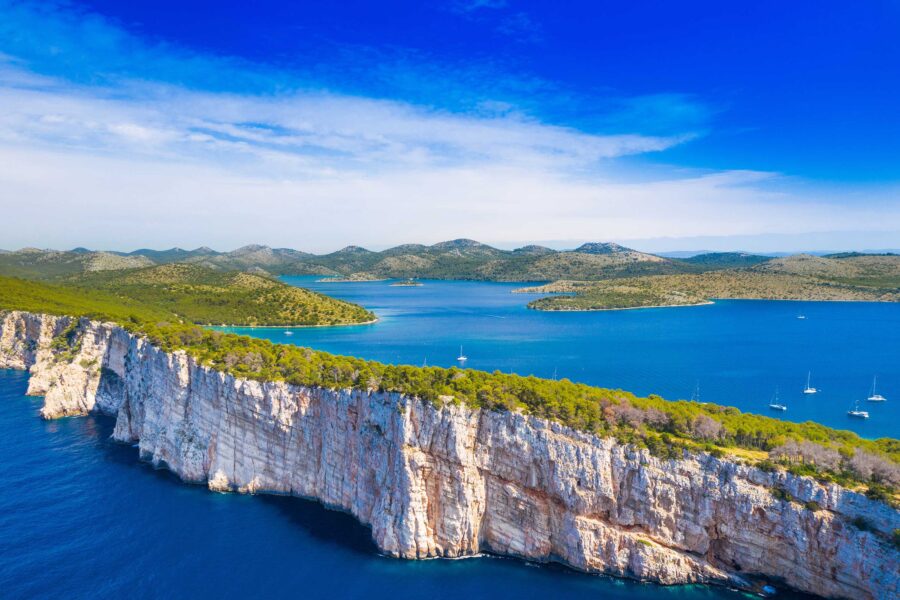
The first time you swim at a hidden Croatian beach—like a secret cove on Vis or the untouched bays of Dugi Otok—you’ll wonder why people aren’t shouting about these places from the rooftops. The water is almost too clear, shifting from electric turquoise to deep blue, and you get it all to yourself.
For me, the outdoors is where these towns really shine. Sometimes you’ll spot wild rosemary and figs growing beside old stone paths. Or you’ll stumble on pine forests and tiny waterfalls you’d never notice from the main road.
A few gems you might find:
- Secret Istrian hiking trails with sea views
- Quiet olive groves and rolling vineyards
- Rocky bays where fishermen still fix their nets
Nature here feels personal—like Croatia is sharing a secret, just with you. It’s understated, but it sticks with you long after you leave.
Top Hidden Gem Towns Along the Dalmatian Coast
Some of Dalmatia’s best spots fly right under the tourist radar. These little towns offer deep history, peaceful beaches, and the sort of local experiences that make a trip memorable.
Ston: Salt Pans and Medieval Walls

Most folks drive right past Ston, which honestly works in your favor. The first thing that hits you is the massive medieval wall—second-longest in the world, snaking up and around the hills. It looks straight out of fantasy, but it’s the real deal.
Ston’s salt pans have operated for centuries, and you can walk right beside them to see how locals still harvest salt by hand. It’s not just for tourists; people here take genuine pride in this tradition.
I’m a sucker for the fresh oysters—pull them straight from the bay, add a squeeze of lemon, and maybe a splash of local white wine. If you’re up for a walk, there are hiking trails and coastal paths with knockout views. For something different, check out guided day trips to Ston or the Pelješac Peninsula.
Primošten: Vineyard Views
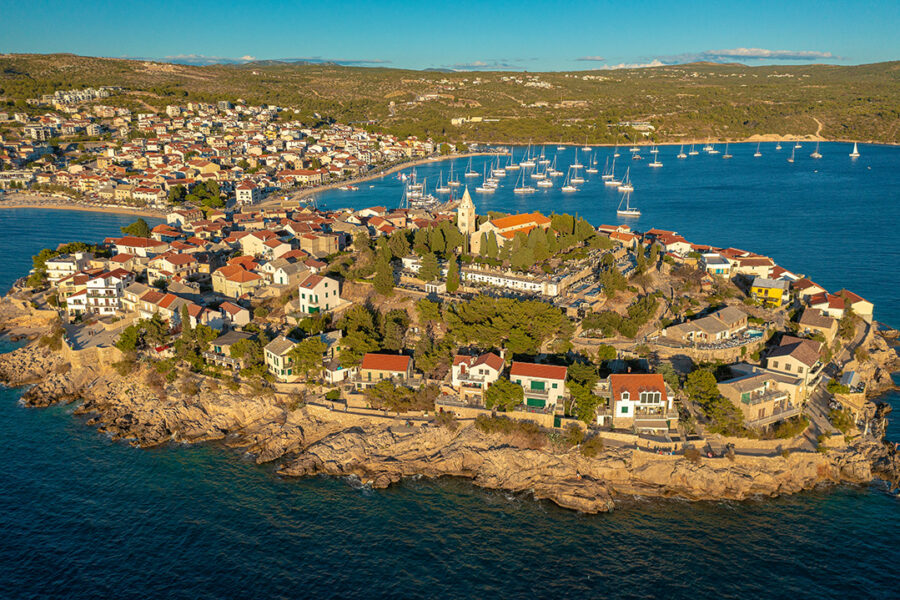
Primošten sits on a tiny peninsula, wrapped almost entirely by the Adriatic. The old town’s all winding stone streets and bursts of bougainvillea.
The vineyards here are the real showstopper—patches of green and gray climbing the hills above town. Local Babić wine grows in the rocky soil, and even if you’re not a wine lover, the view from up there is worth the trek. I once lost track of time just watching the sunlight shift over those old stone walls.
On hot days, the rocky beaches are a welcome retreat. The water is insanely clear, and there’s space to spread out, even in summer. You can wander, swim, or just grab a gelato and let the afternoon slip by. At night, duck into a fishing tavern for the day’s catch—odds are, it was swimming that morning.
Omiš: Adventure and History
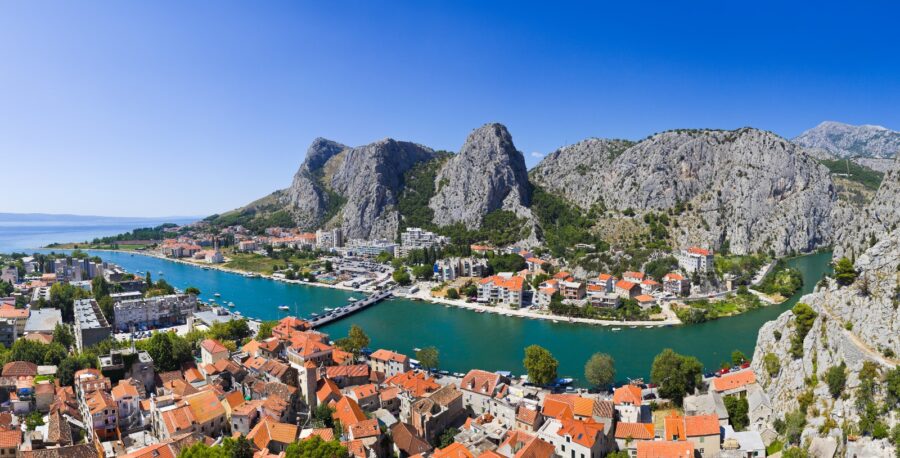
Omiš sits where the Cetina River meets the sea, and you can practically feel the history here. Once a pirate stronghold, the old fortress still looms over the rooftops. Hike up (bring water!) and you’ll get a wild panorama of the river and mountains.
But Omiš isn’t just about the past. If you’re into outdoor thrills, this place delivers. The Cetina offers rafting and kayaking for all levels—even if you’re a nervous newbie, you’ll have a blast. There are zip-lines, canyoning trips, and hiking routes—bookable with local guides—for a fresh look at Dalmatia’s wild side.
Fishermen still head out at dawn, just like their grandparents did. Stroll the market, check out the catch of the day, and soak in the town’s blend of old-school tradition and adrenaline.
Charming Istrian Peninsula Towns
Some of Istria’s most unforgettable places are the ones the tour buses skip. These towns have colorful streets, sleepy squares, and local wines you’ll want to smuggle home. The pace is slower than Pula’s city energy—and honestly, it’s a relief.
Grožnjan: Town of Artists
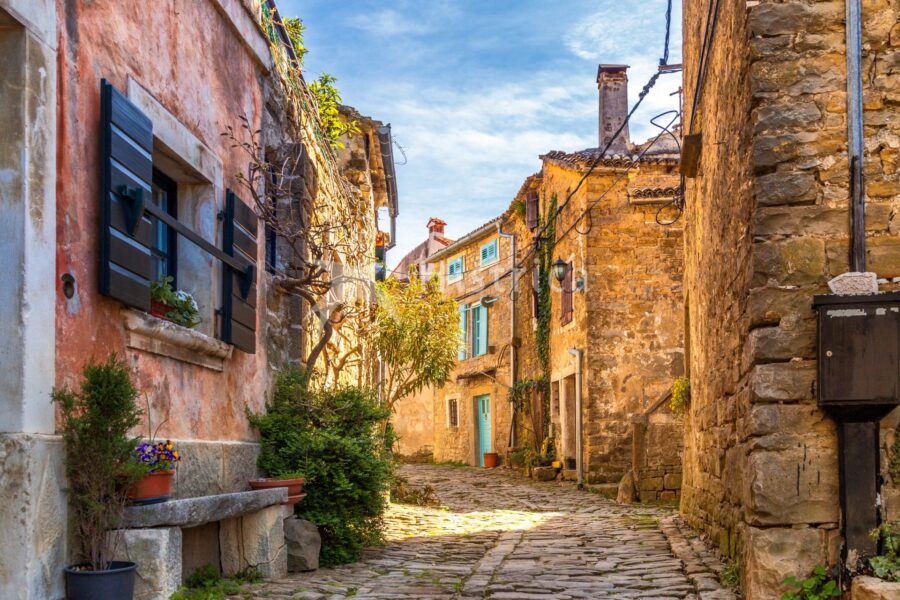
If you’ve ever wanted to wander cobblestone streets with jazz drifting from open windows, Grožnjan is your spot. The creative vibe here is almost contagious. Artists pack their studios into old stone houses, and you can feel the buzz everywhere.
Don’t skip the summer art and music festivals—the whole town turns into a stage, and you never know what you’ll stumble on. I’ve been lured into shops by the scent of fresh olive oil and Istrian truffles more times than I care to admit.
Motovun: Hilltop Views
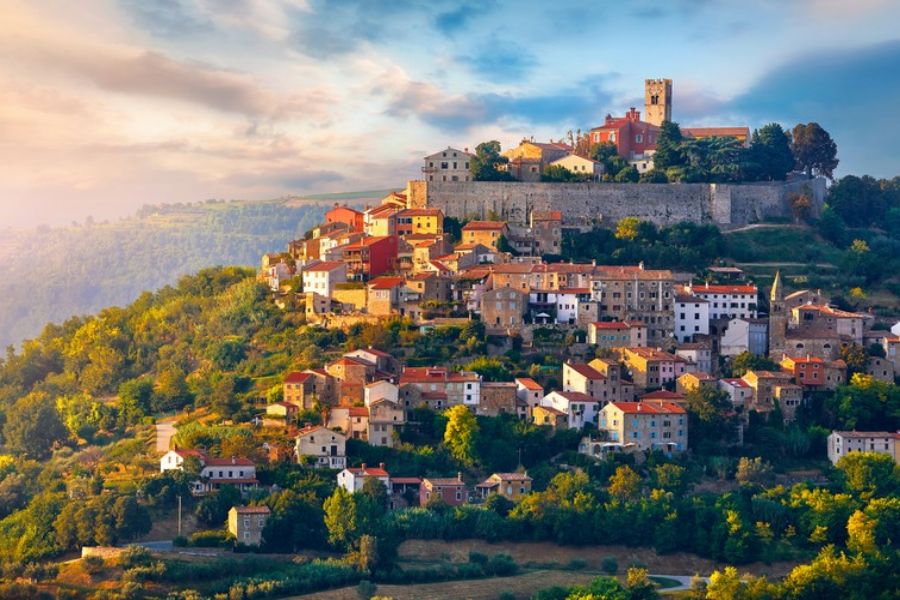
Motovun is classic Istrian countryside—perched high, surrounded by endless vineyards. The drive up is a little nerve-wracking (so many twists!), but the view from the top is worth every white-knuckle turn. The medieval walls still stand, and you can walk them for panoramic shots of the Mirna valley.
Truffles are the town’s claim to fame (I always wish I’d packed another jar). Stop at a wine cellar for a glass of Malvasia or Teran—both local favorites that go with just about anything.
If you catch the Motovun Film Festival, expect the narrow lanes to fill with movie buffs, food stalls, and live music. Even if you miss it, an early morning stroll lets you catch that golden light and the town’s real, sleepy charm.
Stay the night if you can swing it. The stars are unreal up here, and the misty sunrise over the valley is something you won’t forget.
Underrated Islands With Local Flavor
Away from the crowds, these islands offer quiet beaches, traditional food, and that slow, simple living most travelers never find. If you’re after the wilder, more genuine side of Croatia, you’ll want to check these out.
Lastovo: Seclusion and Nature

Tourists usually skip Lastovo, and frankly, that’s part of its charm. The island feels untouched—thick pine forests, sleepy stone villages, and neighbors still greeting each other in the street. I’ve swum in coves where I saw more dolphins than people.
Bring your curiosity and your appetite. Local restaurants serve seafood caught that morning. My favorite thing? Sitting at a tiny family-run konoba, trying whatever fish stew they’ve got, washed down with a cold white wine. And if you’re up for island hopping, Lastovo feels like the final adventure: ferry rides get quieter, the stars get brighter, and you end up feeling like a castaway—just with better food.
Highlights:
- Dense forests and rare wildlife
- Remote beaches where you can actually be alone
- Friendly locals and homemade rakija
Dugi Otok: Sakarun Beach
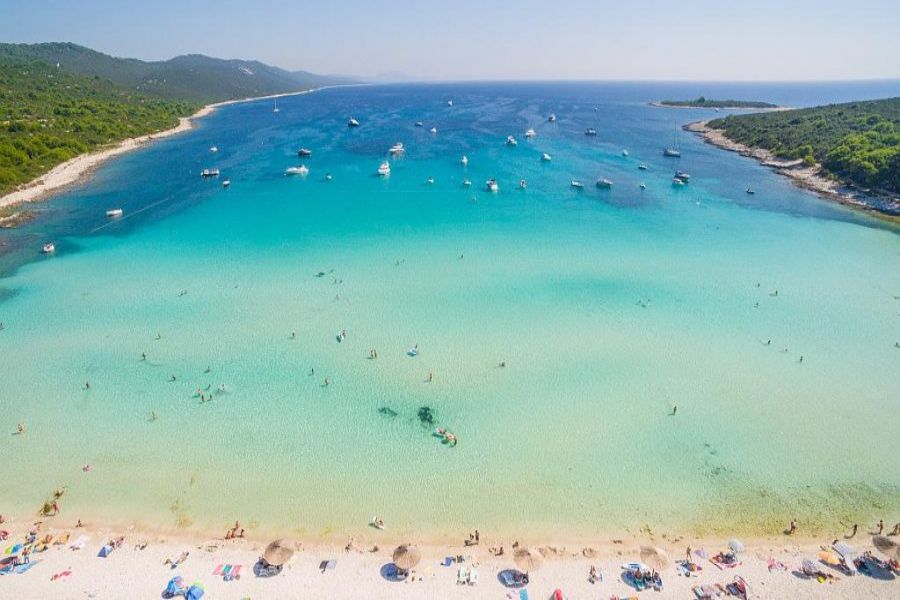
Dugi Otok means “Long Island,” and it definitely lives up to it. It doesn’t pull the crowds like Hvar or Brač, but it’s got Sakarun Beach—a crescent of soft white sand, clear water, and pine woods right up to the dunes. The sand is fine (a rarity in Croatia), and in summer, the sea turns that wild, postcard blue.
If you get restless, rent a bike or scooter and explore old lighthouses and fishing villages. There’s no rush here—nobody’s hurrying you, and you’ll probably end up swapping stories with a fisherman over fried squid.
What To Do:
- Swim and lounge at Sakarun Beach (shoes off, worries off)
- Cycle through olive groves and along the coast
- Taste simple, perfect food—grilled fish, homemade cheese, fresh bread
Dugi Otok isn’t flashy. It’s slow, peaceful, and all about enjoying the moment—and honestly, isn’t that what most of us are looking for?
Picturesque Fishing Villages Off the Beaten Path
Some Adriatic villages seem frozen in time, with fishing boats outnumbering tourists. These places move to their own rhythm, offering hidden coves, quiet harbors, and a splash of local color you just won’t find in the big cities.
Komiža: Gateway to the Blue Cave
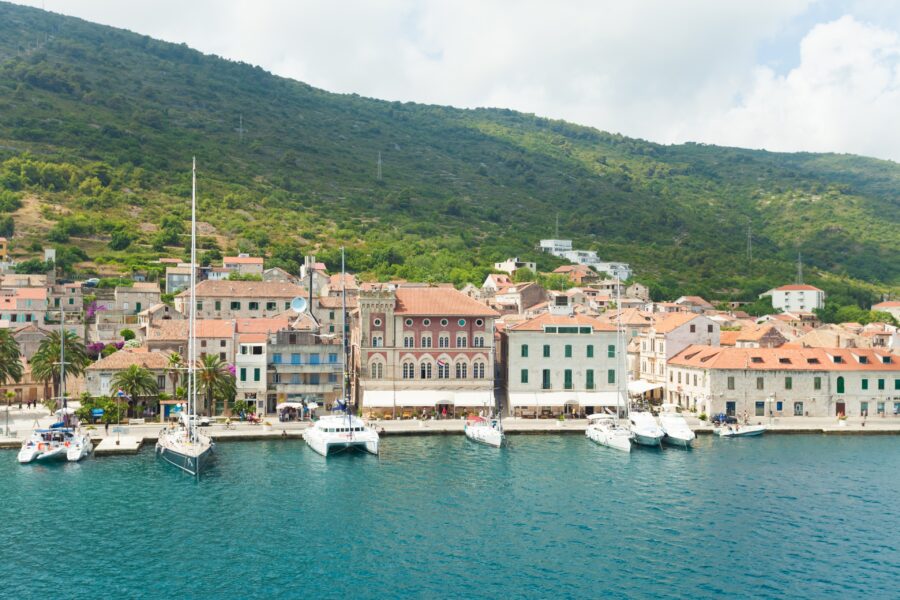
Komiža nestles on the western edge of Vis island, and honestly, it feels a world away from the “touristy Croatia” people talk about. Wander along the waterfront and you’ll probably catch locals repairing nets, wooden boats creaking in the sun, and houses with weathered shutters pressed right up to the sea.
You’ll hear more Croatian than English here, especially if you stroll around on a lazy afternoon. That’s rare these days, isn’t it?
The real draw? Komiža makes the ideal launch pad for the iconic Blue Cave (Modra špilja) on nearby Biševo island. Each morning, speedboats buzz out to the cave where sunlight turns the water a neon blue that just doesn’t look real in photos—seeing it with your own eyes is something else.
If you’re up for it, snorkel along the rocky shorelines or just meander through the village, sampling local salted anchovies with fresh bread. I’ve burned through entire afternoons here, just people-watching at tiny cafés. For me, it’s the spot to escape the crowds but still feel plugged into real island life.
Vrboska: The Little Venice
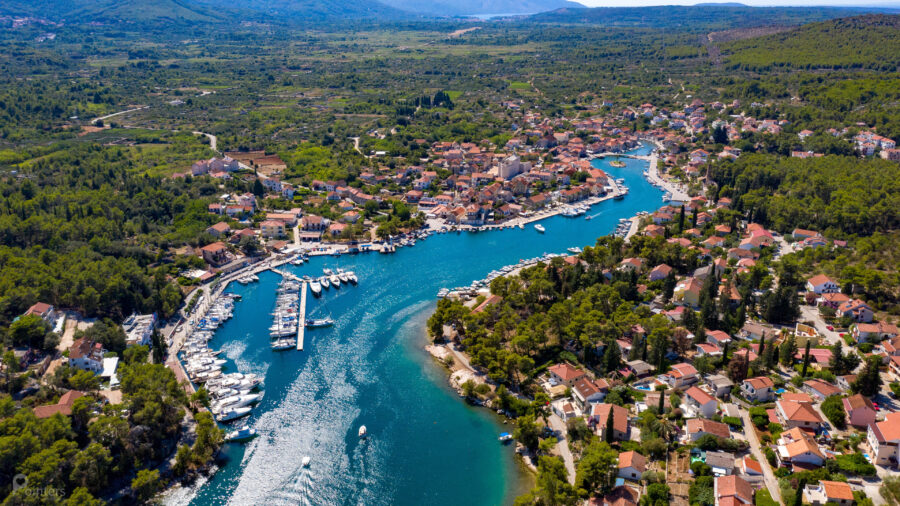
Vrboska isn’t the glitziest place on Hvar, but honestly, that’s exactly why I love it. Locals call it “Little Venice”—not because it’s grand, but because a skinny canal winds right through town, crossed by a handful of old stone bridges.
Fishing boats bob in the harbor, and you’ll see folks unloading their catch before most visitors even roll out of bed. If you love the water, pack your snorkel—some of the clearest spots hide near the pine woods just outside town.
There’s a tiny pebble beach where you can sprawl out and pretend you’ve found your own Adriatic hideaway. Stroll the main path and you’ll pass fortified churches and homes with cheerful flowers bursting from window boxes.
Even during the busiest Hvar weeks, it stays pretty chill here. Locals give you a nod, the town’s history feels alive, and you get this sense that you’ve stumbled onto a slice of the island that’s just for you.
Coastal Towns with Rich History
Croatia’s coastline is dotted with small towns that somehow feel suspended in time. Roman roads snake through them, medieval legends linger in the air, and every corner seems to hold a secret waiting for curious travelers.
Nin: Ancient Royal Capital
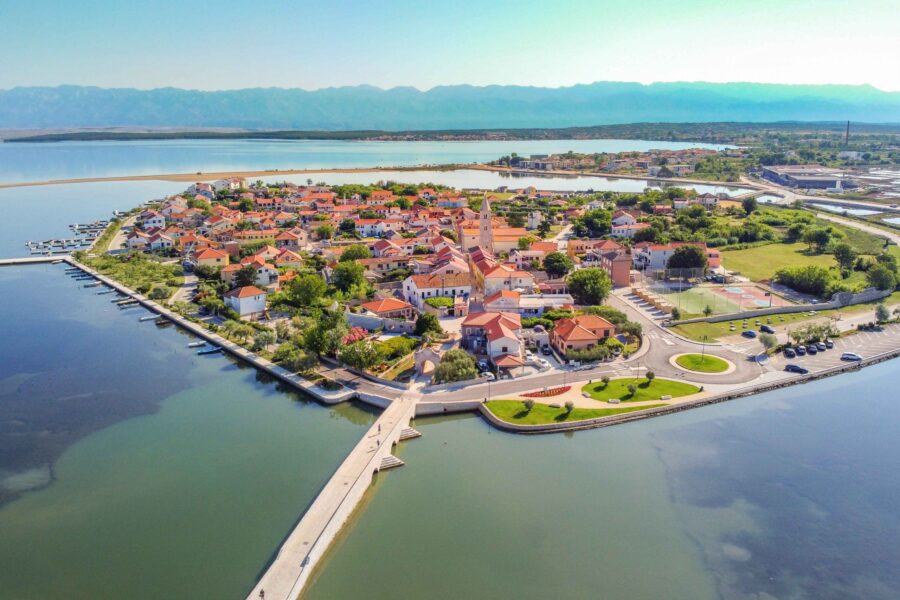
Nin is tiny, but honestly? It’s a little bit magical. Walk through the old stone gates and it feels like you’ve wandered onto a movie set—except it’s real, and you’re in it.
Once Croatia’s first royal capital, Nin now sits quietly on a small island linked by ancient stone bridges. Take a stroll and you’ll spot churches over a thousand years old—like the Church of the Holy Cross, which locals claim is the “smallest cathedral in the world.” It’s a quirky little place, and honestly, it’s hard not to smile at that.
If you’re a history buff, you’ll geek out over the Roman ruins, city walls, and statues of Croatian kings. There’s a fun tradition here—visitors rub the toe of King Branimir’s statue for luck. I did it, just in case.
Salt pans edge the town, and the way locals harvest salt hasn’t really changed in centuries. Climb up the earthen mounds for sweeping views of Nin and the glittering sea beyond. It really does feel like you’ve stumbled onto a secret the world forgot.
Korčula Town: Birthplace of Marco Polo
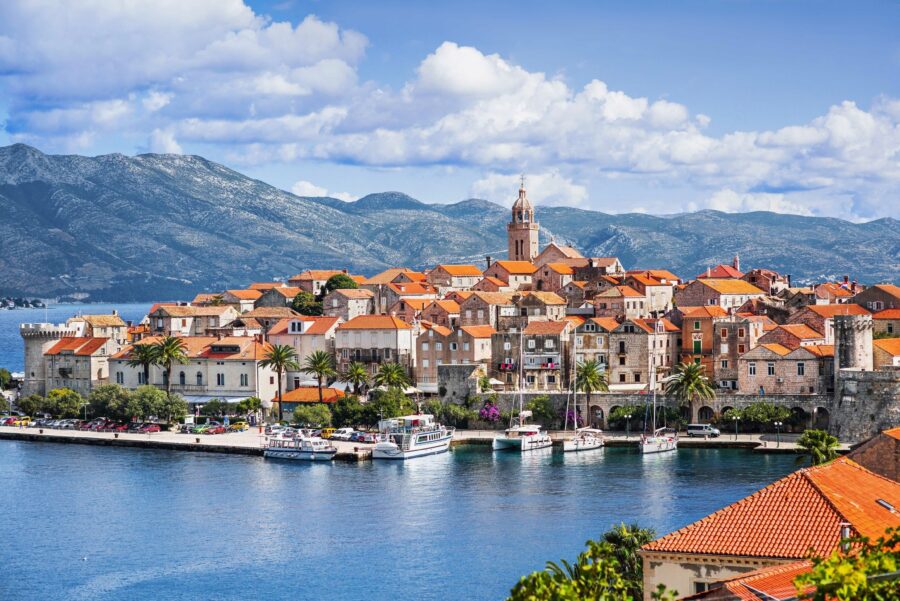
Korčula Town, perched on its own island, looks like something out of a fairy tale. Winding alleys, thick stone walls, and sun-drenched squares all add to the vibe. Most people here will tell you Marco Polo was born in town—whether that’s true or not, the legend is alive everywhere you look.
The old town is laid out in a fishbone pattern, supposedly to catch sea breezes and maybe fend off pirates. Tiny shops, cozy cafés, and some of the best sunsets you’ll ever see are tucked into every corner.
As dusk falls, the harbor glows and music drifts through the cobbled streets. Korčula Town feels slower, more local, and even a bit mysterious compared to Croatia’s busier spots.
Climb the bell tower at St. Mark’s Cathedral for a view that’s pure postcard—terra-cotta rooftops rolling out to the shimmering sea. Grab a coffee, sit by the old walls, and imagine Marco Polo himself plotting his next adventure. Maybe you’ll catch that explorer’s spark too.
Natural Wonders Near Croatia’s Hidden Towns
Some corners of Croatia’s coast truly feel like secrets. Tucked near these hidden towns, nature quietly shows off—rivers, saltwater lakes, and waterfalls are just waiting for anyone who’s willing to look past the obvious.
Krka National Park
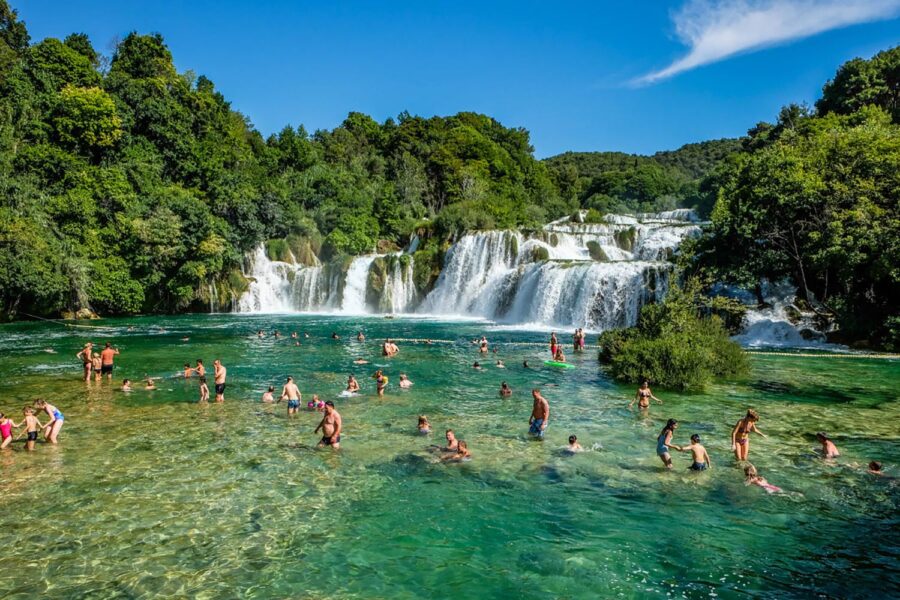
Krka National Park is paradise if you love the rush of waterfalls and the sound of rivers tumbling over limestone. Just a quick drive from quieter coastal towns, the park slices through central Dalmatia, following the Krka River as it leaps over gorges.
Skradinski Buk, the park’s showstopper, buzzes with birds and fish, and the air smells extra green after rain. When I’m tired of crowded beaches, I always find peace walking Krka’s wooden paths.
Swimming is allowed in summer, so bring your swimsuit if you fancy a dip. Boats will carry you upriver to places like Visovac Island, where you can snack under the trees and listen to the water and cicadas. Roški Slap is another gem—quieter, but just as lovely.
Plitvice Lakes National Park
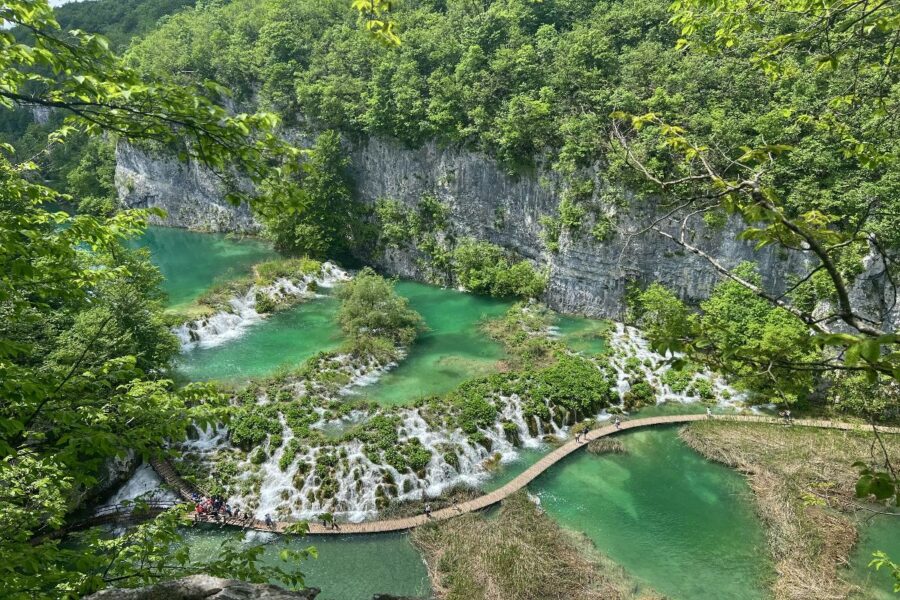
Plitvice Lakes National Park isn’t exactly on the coast, but it’s worth the detour inland. If you time your visit to dodge the tourist rush, you’ll feel like you’ve wandered into a private fairy tale.
The lakes stack one above the next, waterfalls tumbling from pool to pool, rivers bubbling through the woods. Those turquoise colors you see in pictures? They’re real, and somehow even brighter when you’re standing there.
Boardwalks float above the water, fish darting below your feet. Wear comfy shoes, bring snacks, and give yourself time to just sit and watch the sunlight on the spray. I’ve met locals here who look just as awestruck as I do.
Saltwater Lakes and Waterfalls
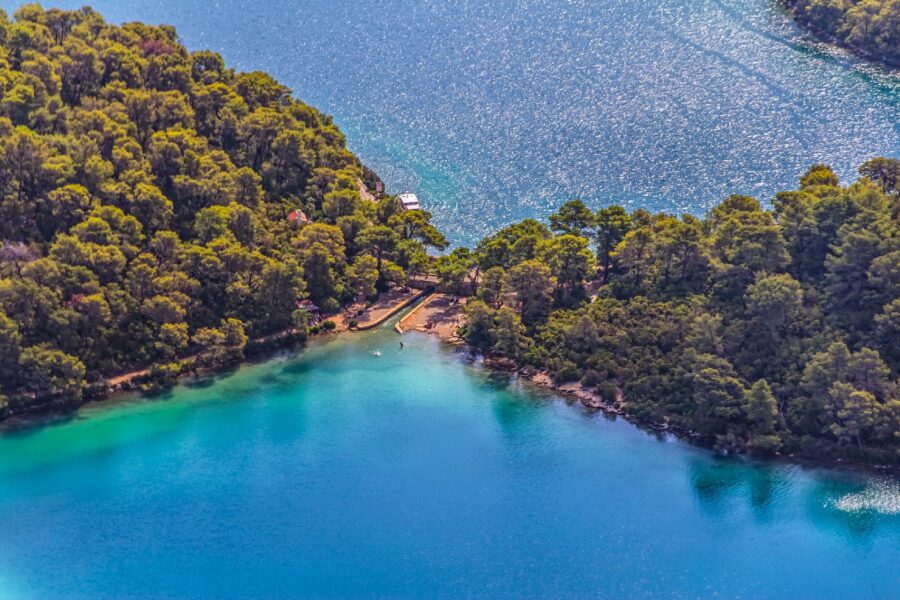
If you go a bit off the usual path, you’ll come across places like Mljet Island’s saltwater lakes or the hidden corners of Pelješac. I still remember my first time at Mljet’s Veliko Jezero—the way salt and fresh water mix is almost surreal.
Saltwater lakes here look and feel different from anything on the mainland. Pine forests hug the shores, and the air smells both briny and green. Rent a kayak or simply walk the trails, ducking into coves for a quiet swim.
Some lakes are fed by little-known waterfalls. Hike a bit and you might find yourself completely alone, surrounded by birdsong and the rush of water. Every now and then, you’ll stumble on a tiny stone chapel or a goat munching on grass by the shore. These are the kinds of places that stick with you, long after you leave.
Beautiful Beaches Away from the Crowds
Croatia’s coastline is packed with small towns where beaches are peaceful and nature still runs the show. You’ll find rocky coves, shockingly clear water, and more chances to explore by kayak or just float for hours than you’d expect.
Pebble Beaches and Crystal Waters
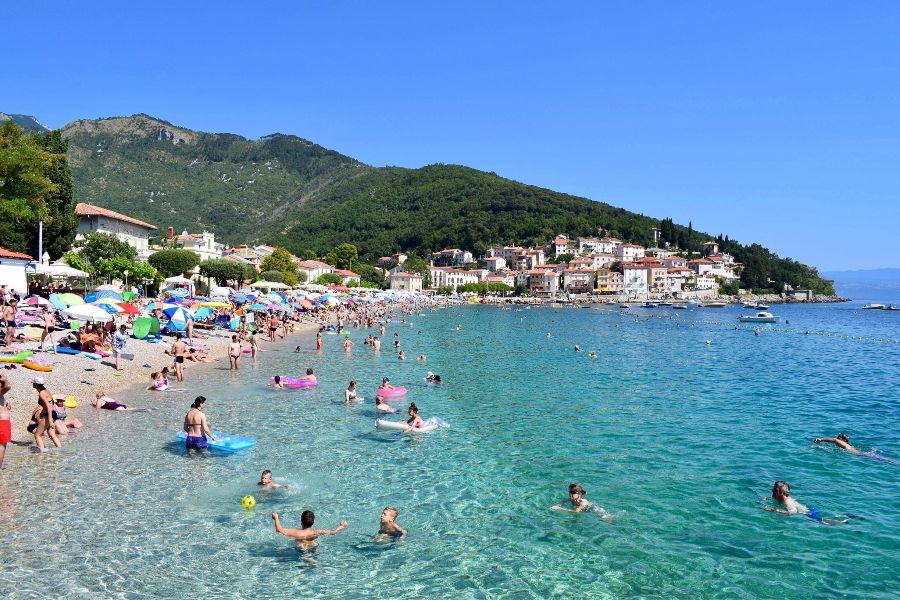
If you ask me, a pebble beach just feels different. Years ago, I tucked my feet into cool white stones near Lovran, and I still remember the feeling. It’s not like sinking into sand, but there’s something clean and grounding about it.
Hidden pebble beaches dot the Croatian coast—try Moscenicka Draga if you want space, or hunt for secret coves below the road where only locals swim. These aren’t the beaches where cruise ship crowds pile in by noon.
Instead, you’ll hear the waves slap against rocks and cicadas buzzing in the pines. And the water? It’s so clear you can see all the way to your toes, even waist-deep.
Pack water shoes—trust me, your feet will thank you. Snorkelers, you’re in luck: just dip your head underwater and you’ll spot schools of tiny fish, and sometimes even an octopus hiding in the rocks.
Secret Bays Ideal for Kayaking
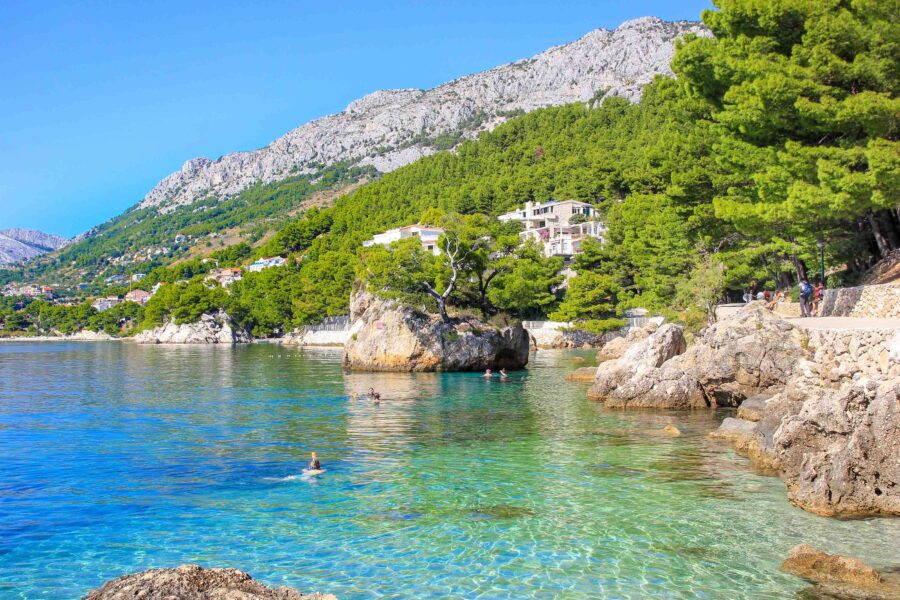
If I had to pick, kayaking is my favorite way to discover hidden beaches. Some of the best bays aren’t visible from the road—you just paddle in and suddenly, it’s you, the wild coastline, and maybe a couple of curious seabirds.
Villages like Brela or Igrane hide curved stone bays barely big enough for a handful of kayaks. Pull up, dive into crystal water, and let the world go quiet for a while.
One tip: go early, before the sun’s too strong. The sea looks extra glassy and blue, and sometimes local boaters will wave or point you toward secret coves you’d never find otherwise. You’ll finish salty-haired and sun-kissed, wishing you could keep these hidden places to yourself.
Architectural and Cultural Highlights
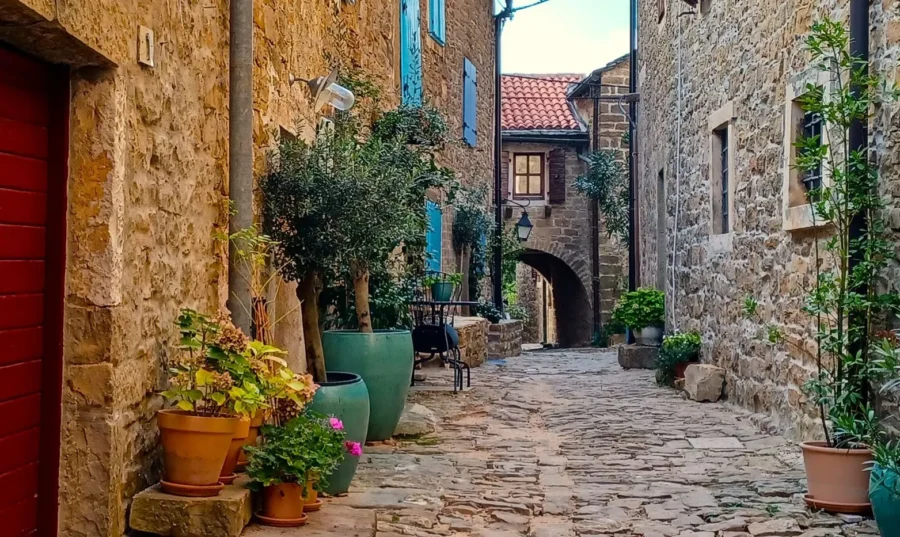
If you love old stone buildings, winding alleys, and that feeling of history baked right into the walls, Croatia’s lesser-known coastal towns are a gold mine. I always find these spots blend real daily life with architecture and cultural heritage you just don’t get in bigger cities.
Medieval Architecture
Walk through hidden towns like Trogir or Ston and you’ll see medieval touches everywhere. Trogir still keeps its original street plan—just a maze of alleys and squares that make you feel like you’ve landed on a movie set. (I’ll admit, I’ve daydreamed about medieval adventures here more than once.)
Old city walls, stone churches, and bell towers give these towns a charm that sticks with you. In Ston, you can actually climb the massive defensive walls—they’re surprisingly long for such a small place.
Houses are built from rough stone, with wooden shutters and red roofs. Sometimes you’ll end up chatting with locals over coffee in a square that hasn’t changed in centuries. That kind of everyday history makes you feel like you’re part of the story, not just a visitor passing through.
UNESCO Heritage Sites in Hidden Towns
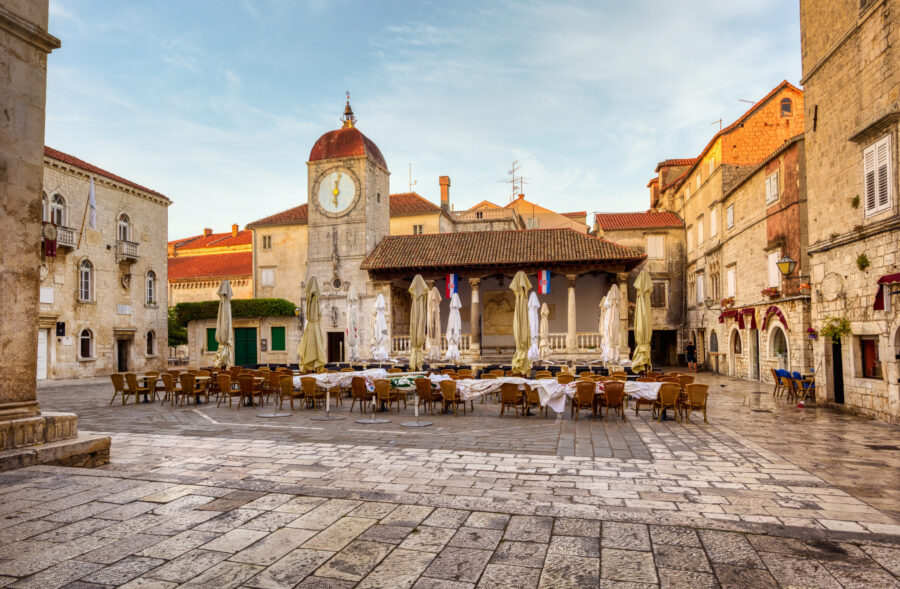
A few of these so-called “hidden” towns actually sit on the UNESCO World Heritage List, but you won’t find the swarms you’d see in Dubrovnik or Split. Take Trogir—its Romanesque and Renaissance architecture gets official protection, yet the place feels calm, even in summer.
You’ll wander past UNESCO sites tucked between bakeries and tiny local shops. One minute you’re staring up at an ancient cathedral; the next, you’re buying fresh fish right off the dock. No crowds, no jostling, just you and the town.
Why do I always nudge travelers toward these places? You experience local culture in a way that’s honestly hard to find elsewhere. There are street festivals, folk music echoing from courtyards, and sometimes even crafts made the same way for centuries.
Insider Tips for Visiting Croatia’s Lesser-Known Coastal Towns
Craving Croatia’s Adriatic coast without the chaos? Timing, food, and how you get around matter more than you might think. Don’t just breeze through—dig into local flavors and keep an eye on transport options if you want to uncover those tucked-away gems.
Best Times to Visit
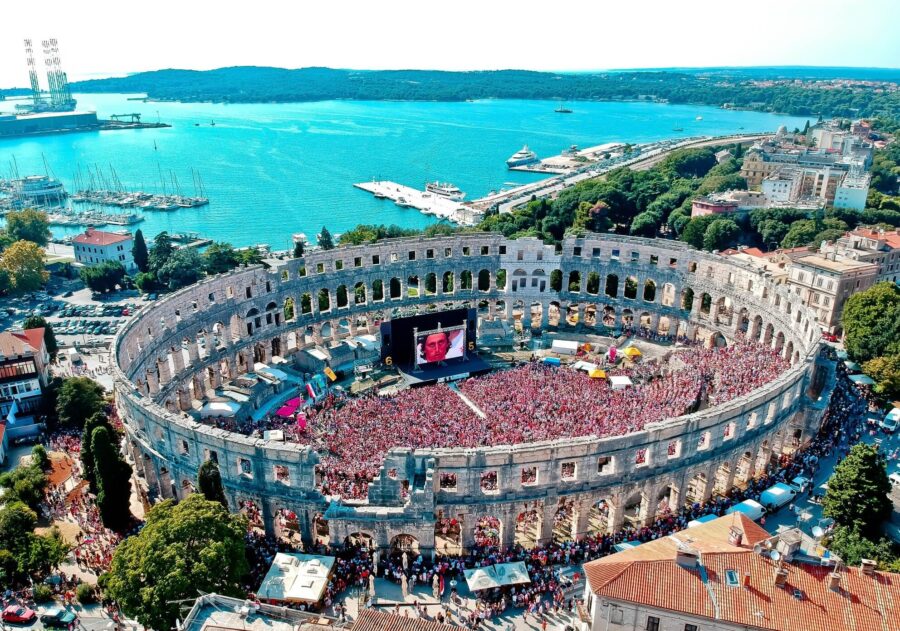
Honestly, small coastal towns like Trogir or Pula don’t shine brightest in the height of summer. If you want some breathing room and a gentler vibe, late May to mid-June or September are your golden windows.
During these months, the weather’s pleasant, crowds thin out, and prices for hotels and flights drop. You’ll get warm, clear water for swimming, and locals won’t feel worn out from a season of tourists. Looking for a place to stay? I usually scan Booking.com for guesthouses or apartments—often way cheaper than showing up and hoping for the best.
But the Adriatic can throw a curveball with sudden winds in spring or early fall. I never travel without a light jacket—learned that the chilly way. Early mornings by the sea? They can surprise you with a bit of a chill.
Local Cuisine and Wines

You’ll taste the difference in these out-of-the-way towns—trust me. Forget pizza and burgers; hunt down grilled fish, octopus salad, black cuttlefish risotto, or peka (that’s slow-cooked seafood or lamb under a bell-shaped lid). I still remember a konoba where the owner caught the fish that morning and served it for lunch.
The wine scene? Way better than most people expect. Try plavac mali reds or pošip whites—local vineyards hug the hills above the sea. Small taverns love to pour you a glass of their own. Menus shift with the catch and the season, which keeps things exciting. Always ask what’s fresh or for the “catch of the day.”
If you’re on the move, bakery snacks are lifesavers. Grab a burek for something savory, or fritule if you’re craving sweet. Oh, and the olive oil—locals take it seriously, and you’ll taste why.
Getting Around and Island Connections
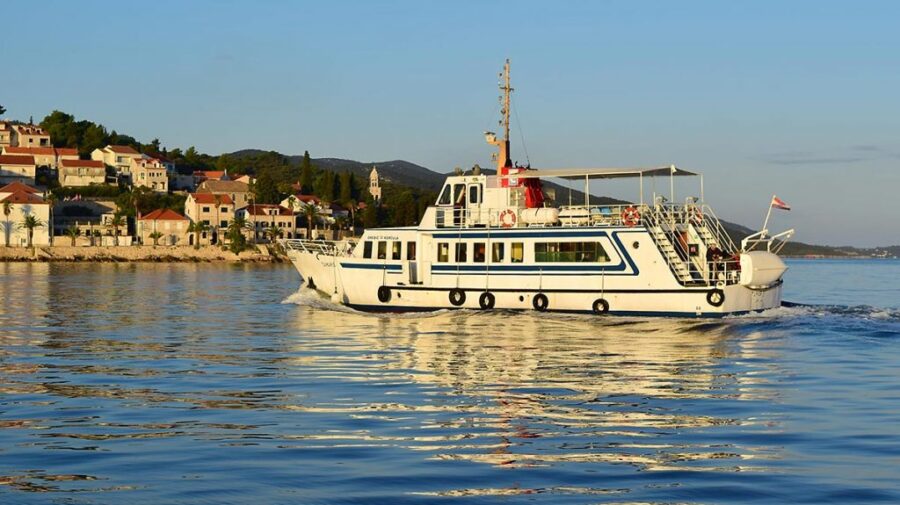
Trains? Forget it along the coast. You’ll rely on car, bus, or ferry. Renting a car gives you the most freedom for exploring at your own pace, but buses are cheap, reliable, and drop you right in the heart of old towns where cars can’t go anyway.
Ferries are the real heartbeat of island life—think Korčula, Brač, or Mljet. Schedules outside summer can get weird, so always double-check before you set off. I’ve missed a ferry and ended up spending hours sipping coffee with locals—honestly, not a bad way to wait.
Frequently Asked Questions
Croatia’s coast hides a patchwork of tiny villages and quiet towns with more heart than you might expect. If you’re ready to ditch the big-name crowds, these are the places where you can actually sink into real Croatian life.
What are some lesser-known picturesque towns along the Croatia coast for an authentic local experience?
Sure, Dubrovnik gets all the hype, but honestly, it’s the u003ca href=u0022https://www.realjourneytravels.com/tours/mostar-and-medjugorje-private-day-trip-from-dubrovnik/u0022u003elittle townsu003c/au003e that steal my heart. Primošten’s stone houses and winding alleys feel like a step back in time. Cavtat, just south of Dubrovnik, stays mellow and genuinely welcoming.u003cbru003eu003cbru003eSton’s another favorite—its u003ca href=u0022https://www.realjourneytravels.com/tours/kravice-waterfalls-and-mostar-private-day-trip-from-dubrovnik/u0022u003eancient wallsu003c/au003e and oyster farms are legendary. Here, the waiter might chat like you’re old friends, and the seafood travels about a mile from sea to plate.
Komiža, on the island of Vis, is a world apart. Fishermen sit on stone docks, mending nets, and they’ll give you a nod if you wander by. Spend a morning here, and you’ll pick up more about u003ca href=u0022https://www.realjourneytravels.com/tours/private-motor-boat-tour-to-national-park-mljet-from-dubrovnik/u0022u003elocal lifeu003c/au003e over coffee than any guidebook can teach.u003cbru003eu003cbru003eVrboska on Hvar island is another gem. Stone bridges, boats bobbing in the harbor, and a slow, easy pace—it’s the Dalmatian coast at its most relaxed.
Can you suggest some quiet coastal destinations in Croatia that are away from the usual tourist trails?
If you’re after true peace, head to Trpanj on the Pelješac Peninsula. I stumbled on it by accident and just couldn’t leave—pebble beaches, a couple of seafood shacks, and not a single tour bus.u003cbru003eu003cbru003eRabac in Istria isn’t totally off the map, but it stays under the radar. The water’s so clear you can see every pebble, and the bakeries fill the air with the smell of fresh bread by midday.
Where are the best spots to stay for a unique coastal experience in northern Croatia?
Up north, Opatija has those grand old hotels if you want a bit of glamour, but Lovran is my pick. It’s quieter, with leafy streets and a seaside promenade that’s perfect for early walks. The Lungomare walkway is peaceful at sunrise—sometimes you’ll have it all to yourself.u003cbru003eu003cbru003eMali Lošinj feels like a secret hideaway. Pastel houses line the harbor, dolphins play offshore, and the air smells like pine. It takes a ferry to get there, but it’s worth every minute.
Betina on Murter Island is a personal favorite. You’ll find old boatyards where locals still build wooden ships by hand, and the beaches never feel crowded.u003cbru003eu003cbru003eGrebaštica, tucked between Šibenik and Primošten, is another spot I love—small bays, fantastic swimming, and barely a souvenir stand in sight.
Could you recommend any unique local experiences in coastal towns across Croatia that travelers might not find on a typical itinerary?
Honestly, if you’re willing to wake up early, wander down to the harbor and chat with a few fishermen. Sometimes, they’ll let you tag along for the morning catch. There’s something special about watching the first light spill over the Adriatic from a tiny, slightly wobbly boat.u003cbru003eu003cbru003eSkip the touristy spots for dinner and hunt down a konoba—those family-run restaurants tucked away in side alleys. Locals love to gather there for evenings with live music, and if you’re lucky, someone will pour you a glass of homemade rakija. u003cbru003eTrust me, those nights aren’t on TripAdvisor, but they’re the ones you’ll remember.u003cbru003eu003cbru003eAnd if you spot a homemade fig cake on the counter, don’t hesitate. It’s a


