San Sebastián vs Trieste: Ultimate 2026 Guide to Travel, Culture & Costs
Updated September 5, 2025
Picking between San Sebastián and Trieste? Honestly, it’s not a straightforward choice—both cities have that magnetic pull, a sense of place you can’t fake, and food you’ll remember long after you leave. If you’re dreaming of legendary dining and buzzing beaches, San Sebastián probably wins out. But if you want a city with grand piazzas, a quirky blend of Italian and Austrian influences, and that chill Adriatic energy, Trieste is tough to beat. In the end, it really comes down to the kind of trip you want.
You’ll feel the difference the moment you arrive. San Sebastián is a paradise for foodies and surfers, with an easygoing but vibrant feel. Trieste, meanwhile, is all about lingering in cafés, exploring castles, and taking those long, thoughtful walks by the water.
Both cities are walkable, and honestly, they’re pretty affordable compared to the big European capitals. You can easily jump to nearby towns—just don’t forget the right travel gear.
Table of Contents
- Key Takeaways
- Overview: San Sebastián and Trieste Compared
- Location and Geography
- City Atmosphere and Vibe
- Historical Background
- Travel Routes and Connectivity
- Train and Bus Options
- Major Transit Hubs: Barcelona, Milan, and Nice
- Driving Between the Cities
- Cost of Living: San Sebastián vs Trieste
- Housing and Accommodation
- Food and Dining Expenses
- Transportation Costs
- Food Scene and Nightlife
- Basque Cuisine and Pintxos in San Sebastián
- Italian Gastronomy in Trieste
- Local Markets and Culinary Experiences
- Culture, Sights, and Activities
- Museums, Art, and Architecture
- Festivals and Events
- Outdoor and Beach Activities
- Accessibility and Day Trips
- Proximity to Major Cities: Bilbao, Bayonne, and Nice
- Regional Excursions and Hidden Gems
- Frequently Asked Questions
- What are the top attractions to visit in both San Sebastián and Trieste?
- How does the culinary scene compare between San Sebastián and Trieste?
- What unique cultural experiences can travelers expect in San Sebastián versus Trieste?
- Can you highlight the differences in the coastal landscapes of San Sebastián and Trieste?
- What are the best times of year to visit San Sebastián and Trieste for favorable weather?
- What hidden gems in San Sebastián and Trieste do locals recommend?
- Book Your Dream Experience
- More Travel Guides
Key Takeaways
- San Sebastián is a standout for food, nightlife, and beaches
- Trieste nails it with culture, history, and a scenic, slow-burn charm
- Both are compact, walkable, and make great bases for short hops
Overview: San Sebastián and Trieste Compared
San Sebastián in Spain and Trieste in Italy both hug the coast, but they offer totally different vibes once you’re on the ground. One city is all about food, surf, and resort life, while the other leans into old-world elegance, layered history, and a real sense of place.
Location and Geography
San Sebastián—locals call it Donostia—sits up in northern Spain, nestled along the Bay of Biscay. It’s surrounded by the Basque Country, with lush green hills rolling behind and the famous La Concha Bay wrapping right around the city. The beaches here are sandy and smack in the middle of everything, so you can stroll from the old town straight onto the sand.
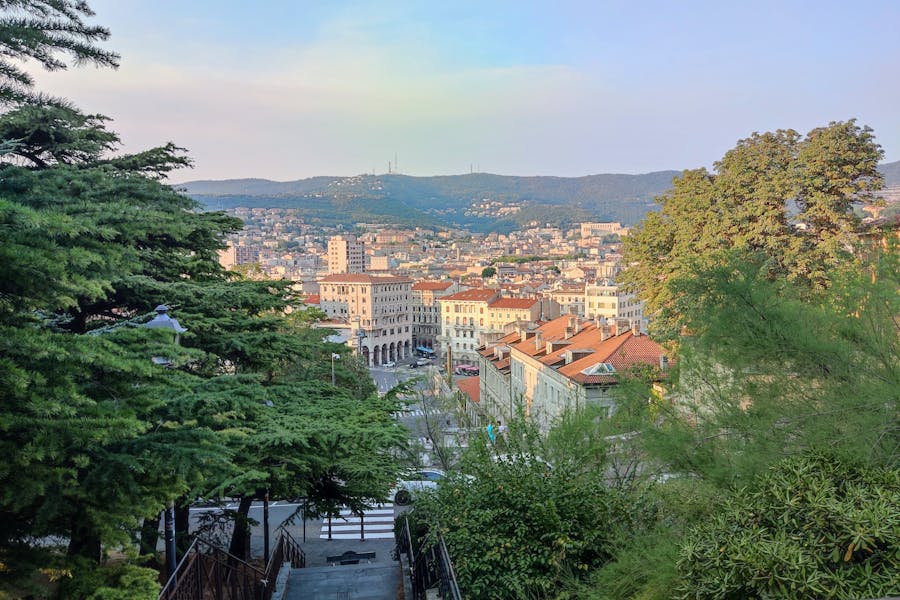
Trieste, meanwhile, is perched in Italy’s far northeast, right near Slovenia and Austria. The city faces the Adriatic, with dramatic limestone cliffs and karst landscapes. Instead of wide sandy beaches, Trieste’s coast is mostly rocky, with pebbly spots for sunbathing and swimming.
If you’re figuring out how to get there, both cities connect well by regional trains and buses. Sometimes you can snag cheap flights to bigger hubs like Venice or Bilbao, then finish the trip by land.
City Atmosphere and Vibe
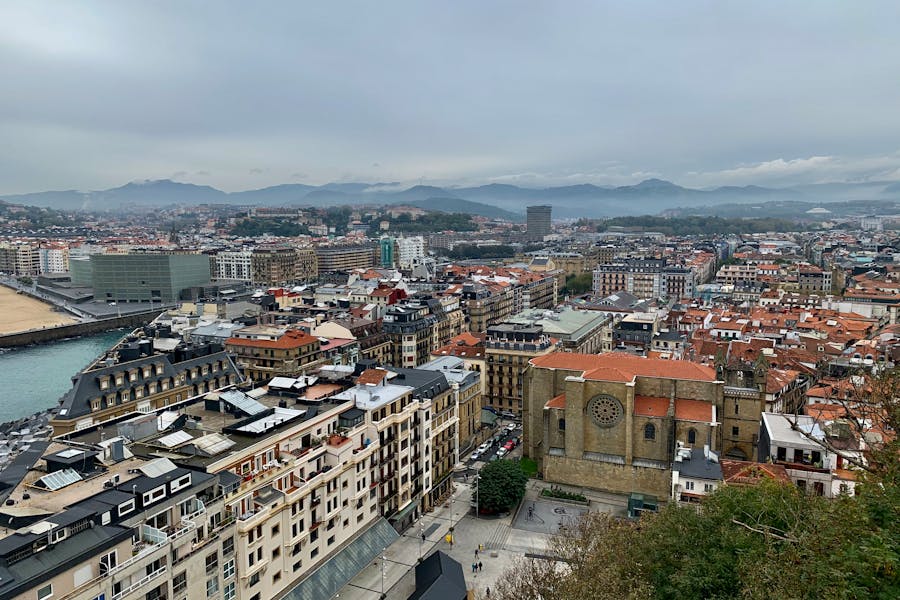
San Sebastián has this lively, almost festive energy, but it never feels rushed. Locals bounce between pintxo bars at dusk, surfers wander through town with boards under their arms, and families just seem to float along the promenade.
The city looks polished—think Belle Époque architecture, clean streets, and a steady flow of visitors from all over.
Trieste is a bit more low-key and, honestly, less touristy. You’ll hear a jumble of Italian, Slovenian, and German in the streets. Cafés spill out onto big piazzas, and there’s a literary air to the place—James Joyce lived here, and it kind of makes sense when you’re sitting with a coffee, watching the world go by.
If you’re after a city with buzzing nightlife, San Sebastián is your place. But if you want somewhere to linger in cafés and soak up the slower pace, Trieste is a treat.
Historical Background
San Sebastián’s story is wrapped up in Basque culture. It started as a fishing village, then transformed into a royal beach escape in the 1800s. You’ll spot old fortifications like Castillo de la Mota, but really, the city’s fame comes from how it’s reinvented itself as a food and beach destination.
Trieste’s past is way more layered. For ages, it belonged to the Habsburg Empire and served as Austria’s main port. That’s why the city feels more Central European than Italian, with neoclassical palaces and grand squares like Piazza Unità d’Italia.
As you wander Trieste, you can feel those mixed influences—Italian, Austrian, Slovenian, even a bit of Croatian. Borders have shifted, but the city’s character just keeps getting richer.
Travel Routes and Connectivity
Traveling between San Sebastián and Trieste isn’t exactly a breeze. You’ll wind through different countries, hop trains or buses, and probably pass through big hubs like Barcelona, Milan, or Nice.
Depending on your patience (and budget), you can mix trains, buses, flights, or throw in a road trip if you’re feeling adventurous.
Train and Bus Options
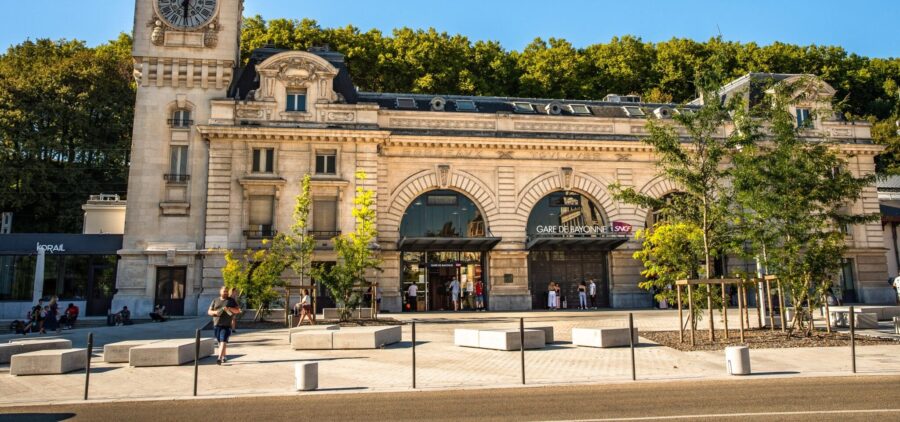
If you’re going by train, you’ll need to connect a few dots. Usually, you’ll start through Bayonne or Bilbao, then link up with the French and Italian rail networks. High-speed trains will zip you through northern Italy, and regional lines finish the trip to Trieste.
Buses are cheaper, but they take their time. Companies like ALSA handle the Spanish leg, then you swap to French or Italian operators. The ride is long—think 20+ hours—but you’ll save some serious cash compared to the trains.
One bonus with buses: some run overnight, so you can doze off and skip a hotel bill. If you don’t mind a marathon journey, it’s not the worst way to go.
Major Transit Hubs: Barcelona, Milan, and Nice
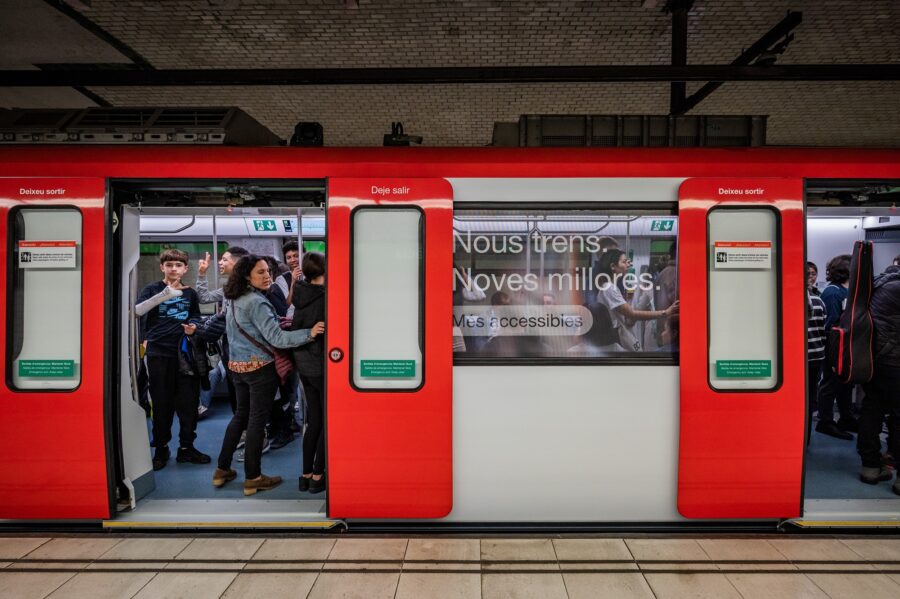
Most people end up passing through at least one big city. Barcelona is usually first up if you’re starting in San Sebastián, especially if you want more train or flight options. From there, a quick flight (use Skyscanner) to Milan or Venice can save you a ton of overland hassle.
Milan (Milano) is the main gateway to northern Italy. The central station connects you to Trieste in about five hours by train. If you’ve got a layover, sneak out for an espresso near the Duomo—there’s something about Milan that just resets your travel mood.
Nice is another possible stop, especially if you’re taking the scenic coastal route. It’s not the quickest, but the train ride along the French and Italian Riviera is honestly one of the prettiest I’ve ever done.
Driving Between the Cities
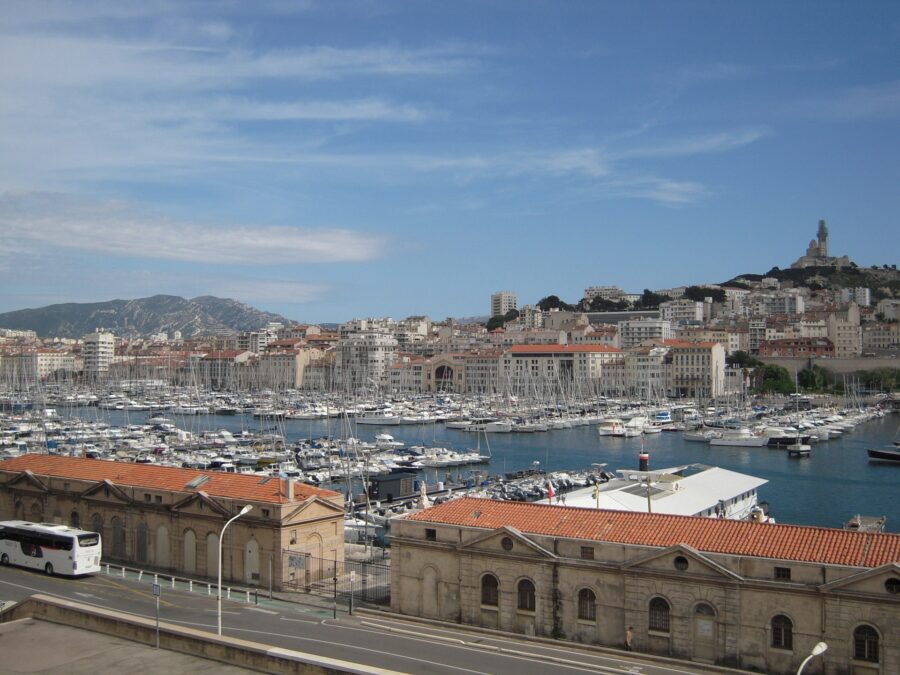
Driving gives you total freedom, but it’s a trek—about 1,300 kilometers. You’ll cross Spain, France, and northern Italy, and tolls do add up. If you’re okay with the cost, you get to pull off in random towns and chase your own curiosities.
Popular stops on the drive? Marseille, Genoa, Verona, and maybe Venice if you want to stretch things out. A road trip planner like ViaMichelin is handy for figuring out fuel and tolls.
Not up for the whole drive? You could always rent a car for part of the trip. KAYAK lets you compare rentals, flights, and hotels all in one spot. Sometimes splitting the journey—train to Milan, then car to Trieste—hits the sweet spot.
And if you’re the kind who likes to wander, the drive lets you stop in Turin or Bologna—both underrated cities that most travelers skip. That’s the magic of a road trip: you’re in charge.
Cost of Living: San Sebastián vs Trieste
Living in San Sebastián usually costs more than Trieste, especially for housing. Food is a bit pricier in Spain, while transport costs are pretty close in both places.
Housing and Accommodation

Housing is where San Sebastián really stings the wallet. Rent here is often 50–60% higher than in Trieste. Not shocking, since it’s one of Spain’s most in-demand coastal towns. Apartments near La Concha or the Old Town can get crazy expensive, especially in summer when everyone wants to be near the beach.
Trieste’s rentals are much more reasonable, even in the city center. You can find a one-bedroom for a few hundred less per month compared to San Sebastián. The catch? The buildings are older, and you might have to give up some modern comforts.
If you’re just visiting, you’ll see the price gap right away. Hotels and short-term rentals in San Sebastián are steeper, while Trieste is a bargain for budget travelers. Booking.com makes it easy to compare options in both cities.
Food and Dining Expenses

Food is a big deal in both cities, but you’ll spend more in San Sebastián. Groceries—especially fresh stuff—cost a bit more, and eating out adds up fast if you’re hopping pintxo bars every night. Even a casual meal can feel like a treat-yourself moment.
In Trieste, you get those hearty Italian meals at friendlier prices. Pasta or pizza at a local spot is usually cheaper than a sit-down dinner in San Sebastián. Coffee is also a steal in Italy—just grab an espresso at the bar and you’ll see what I mean.
Food quality is top-notch in both cities. If you hit the markets and cook at home, the price gap shrinks. But if you’re chasing San Sebastián’s restaurant scene, your budget will feel it.
Transportation Costs
Transport costs are pretty similar, but there are small differences. San Sebastián’s public transport is solid, but tickets cost a bit more than in Trieste. Monthly passes are pricier in Spain, but not by a huge margin.
Trieste gets a boost from Italy’s regional train network, making it cheap and easy to hop over to other towns or even Slovenia. San Sebastián, tucked up in northern Spain, feels more cut off in that sense.
Having a car in either city is an extra expense. Parking is a pain in San Sebastián—expect to pay more for spots and probably rack up a few fines if you’re not careful. Trieste isn’t perfect for parking either, but it’s less punishing on your wallet.
Food Scene and Nightlife
These two cities both take food seriously, but the experiences couldn’t be more different. San Sebastián is all about bold Basque flavors and late-night pintxo hopping. Trieste? Think Italian classics, a dash of Central European flair, and nightlife that’s more about conversation than chaos.
Basque Cuisine and Pintxos in San Sebastián
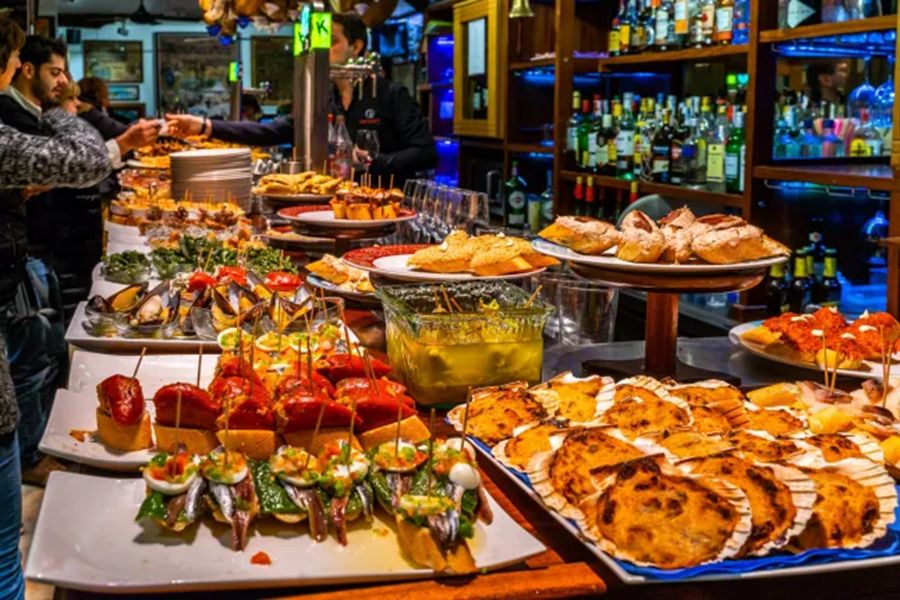
San Sebastián—Donostia if you want to sound like a local—has food culture running through its veins. Pintxos are the star: those bite-sized bar snacks you’ll find stacked on counters all over town. Locals hop from tavern to tavern, sipping txakoli or cider, and grabbing whatever looks best.
You’ll spot everything from anchovies with peppers to slow-cooked meats perched on bread. The best part? You don’t sit for one big meal. Instead, you wander, nibbling a little here, a little there. It’s like a moveable feast with friends—or strangers who might become friends by the end of the night.
If you’re into fine dining, San Sebastián punches way above its weight with a bunch of Michelin-starred restaurants. But honestly, the real magic is in the Old Town bars, where the food is ridiculously good for the price and the vibe is just plain fun.
Nightlife doesn’t really get going until late. The Parte Vieja buzzes around midnight, with people pouring into the streets, bars humming, and the sound of laughter and clinking glasses everywhere. You’ll hear Basque, Spanish, and who knows what else—everyone’s just out to have a good time.
Italian Gastronomy in Trieste
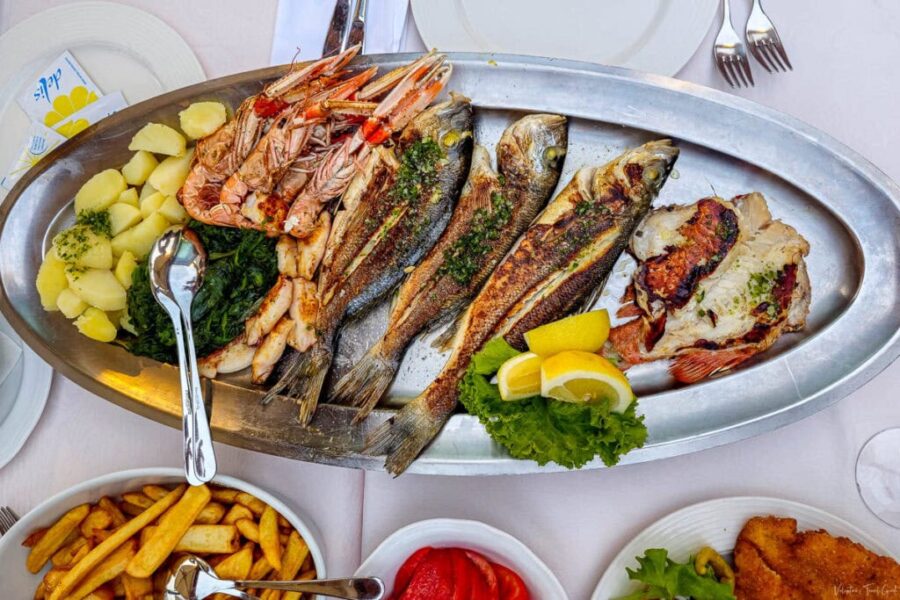
Trieste’s food scene beats to its own drum. Sure, you’re in Italy, but you’re also brushing up against Slovenia and Austria, so every meal feels like a crossroads. One night you’ll dig into pasta with truffles; the next, you’re spooning up goulash or sauerkraut soup, or maybe fresh seafood that’s just left the Adriatic. It’s hearty, surprising, and honestly, a little rebellious if you’re used to the usual Italian classics.
I’ll never forget a chilly evening at a tiny osteria near the port. I ordered jota, a bean and sauerkraut soup, and it just hit the spot—comfort food, Trieste-style. That’s the vibe here: filling, unfussy, and a bit off the tourist trail.
If you’re into seafood, you’ll eat well. Sardines, cuttlefish, and baccalà mantecato (that dreamy creamy cod spread) pop up everywhere. And please, don’t miss the local wines; Friuli Venezia Giulia turns out crisp whites that just work with anything from the sea.
When the sun sets, Trieste feels laid-back, almost like it’s exhaling. Instead of hopping from bar to bar, you’ll find yourself lingering at cafés or cozy wine bars. Aperitivo culture is alive and well—order a drink, and suddenly you’ve got a little plate of snacks, making even a glass of prosecco feel like a mini celebration.
Local Markets and Culinary Experiences
Dive into the markets if you want to get under a city’s skin. In San Sebastián, La Bretxa Market is the place to start. Local chefs shop there, and the stalls overflow with seafood, peppers, and cheese. Wandering through, you start to get why this city’s food scene has such a reputation.
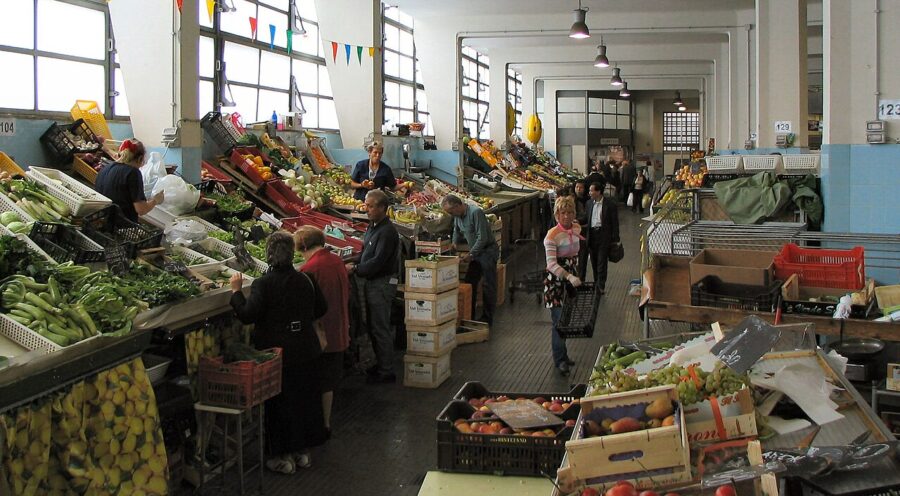
Trieste’s Mercato Coperto hums with its own energy. You’ll spot fresh fish, meats, veggies, and—because this is Trieste—Eastern European treats that nod to its crossroads past. Shopping here isn’t just about groceries; it’s a cultural snapshot.
If you’re curious, sign up for a guided food walk or a cooking class. You’ll meet locals, taste regional favorites, and hear stories that don’t show up in guidebooks. Booking these culinary tours ahead of time is a breeze.
Markets double as social hubs. People sip coffee, buy bread, or swap gossip with neighbors. Spending a morning here tells you more about daily life than any fancy restaurant ever could.
Culture, Sights, and Activities
San Sebastián and Trieste both squeeze a lot into a small footprint. One is all Basque pride and beachy fun, while the other leans into Austro-Hungarian grandeur and Italian flair.
Museums, Art, and Architecture
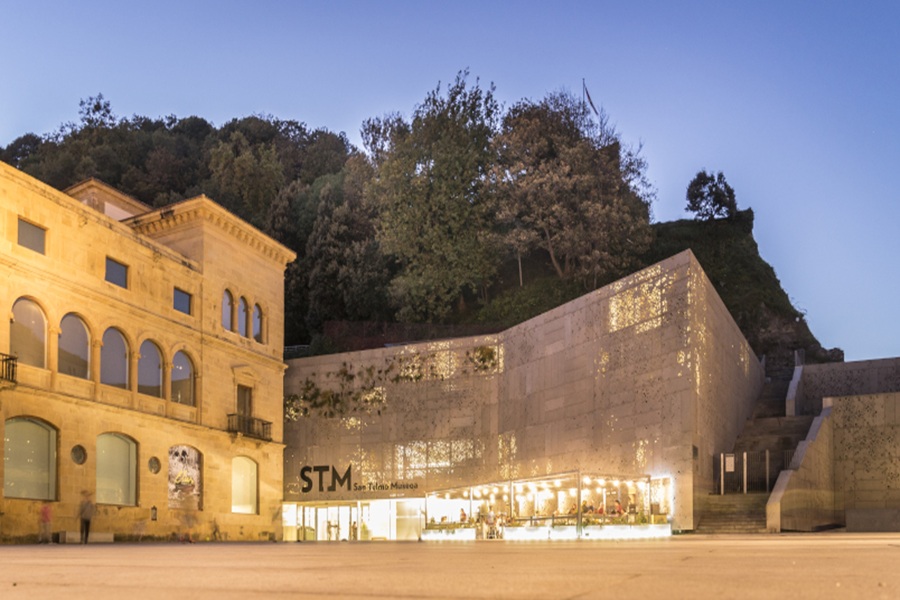
San Sebastián—locals call it Donostia—wears its Basque heart on its sleeve. The San Telmo Museum is the oldest in the region, and it really brings local history to life. If you’re into the sea, the Maritime Museum is small but packed with stories about the city’s relationship with the ocean.
You’ll see Belle Époque style everywhere. The Victoria Eugenia Theatre and the City Hall stand out, and there’s a definite French touch in those elegant facades.
Trieste flips the script. Miramare Castle perches right over the Adriatic, and the Revoltella Museum mixes modern art with 19th-century charm. Walk through Piazza Unità d’Italia and you’ll see neoclassical and baroque buildings that practically whisper, “Vienna by the sea.”
Festivals and Events

San Sebastián’s cultural calendar is packed. The San Sebastián International Film Festival is a big deal every September, pulling in film buffs from all over. And if you’re around in January, the Tamborrada is wild—drums pounding for a full day, the city shaking with energy.
Food sneaks into everything here. Pintxo festivals, cider house seasons, even cooking competitions—sometimes it feels like the whole city is eating together.
Trieste’s events have a different flavor. The Barcolana Regatta in October draws thousands of boats to the Gulf, turning the city into a sailor’s dream. The Teatro Verdi hosts opera and classical music, keeping the city’s old-world traditions alive. If you’re a bookworm, Trieste’s connection to James Joyce pops up in quirky literary events.
Outdoor and Beach Activities
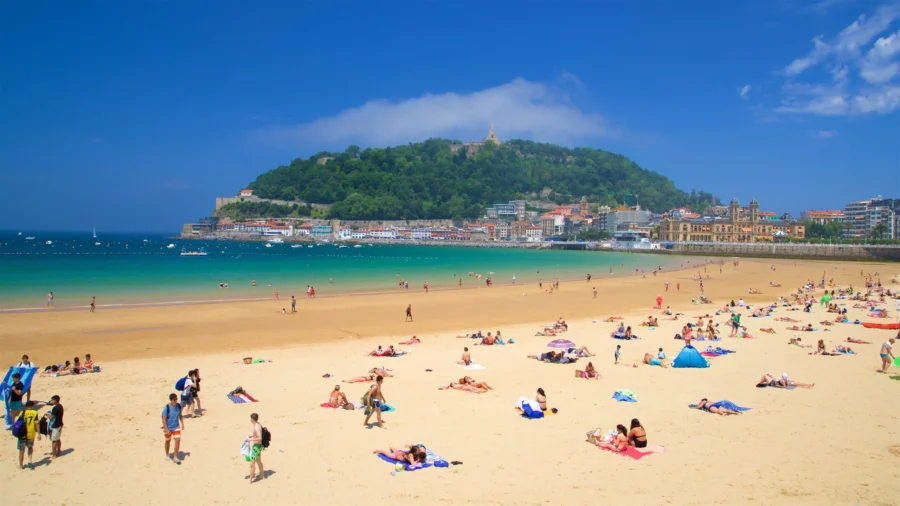
San Sebastián makes it easy to get outside. La Concha Beach is legendary—perfect for a swim or a lazy stroll. Surfers head to Zurriola Beach for proper waves, and if you hike up Monte Urgull, you’ll catch stunning bay views.
Trieste skips the sandy beaches but serves up dramatic coastlines. Locals swim from rocky platforms along the Barcola promenade, which buzzes on summer nights. The Karst Plateau just outside town is a playground for hikers and cyclists, with views stretching to Slovenia.
If you want to mix sightseeing with movement, both cities have guided walks, boat trips, and day tours you can book in advance. It’s a solid way to balance museums with a bit of fresh air.
Accessibility and Day Trips
Getting out of either city is a breeze. San Sebastián leans toward cross-border jaunts, while Trieste is all about foodie towns and coastal adventures.
Proximity to Major Cities: Bilbao, Bayonne, and Nice

San Sebastián spoils you for day trips. Hop on a bus and you’re in Bilbao, home to the Guggenheim and some of the best pintxos around. That alone is worth a detour.
Head north and you’ll slip into France. Bayonne and Biarritz are less than an hour away, blending French Basque culture with Atlantic beaches. I’ve taken that train before—super easy, and you’re back in San Sebastián in time for dinner.
Trieste plays by different rules. You’re close to Italy, Slovenia, and Croatia. Ljubljana is just a couple of hours away, and Zagreb isn’t much farther. If you’re feeling ambitious, Milano or even Barcelona are within reach by train or budget flight. And if you’re lugging bags, check out nearby luggage storage so you can roam hands-free.
Regional Excursions and Hidden Gems

San Sebastián’s nearby villages are tiny but full of personality. Getaria is all about grilled fish and Txakoli wine, while Zumaia has those wild Flysch cliffs. Both are a quick bus or train ride away, and honestly, they feel like a different planet compared to the city.
Trieste lets you flip between landscapes in no time. One minute you’re on the Adriatic, then you’re up in the Slovenian hills, or sipping wine in Friuli’s vineyards. I once hopped a bus up to the Carso plateau and ended up drinking homemade wine in a farmhouse with locals who barely spoke English. Those are the moments that stick.
If you want variety, Trieste’s got you covered. But if you’re craving food and seaside vibes, San Sebastián’s day trips might steal your heart. Either way, you can head out and be back by evening, still buzzing with energy.
Frequently Asked Questions
San Sebastián and Trieste both hug the sea, but they couldn’t feel more different. One is all about food and golden beaches; the other wins you over with history, coffee, and a slower pace that’s easy to love.
What are the top attractions to visit in both San Sebastián and Trieste?
In San Sebastián, you’ll probably spend ages around La Concha Bay—it’s just that pretty. Monte Igueldo gives you killer views, and the San Telmo Museum is a must if you’re curious about Basque culture.
Trieste brags about its Habsburg past with Miramare Castle, Piazza Unità d’Italia, and the Cathedral of San Giusto. Strolling along the waterfront, I honestly felt like I’d landed in Vienna with a sea breeze.
How does the culinary scene compare between San Sebastián and Trieste?
San Sebastián is a paradise for food lovers. Pintxo bars line the old streets, Michelin stars twinkle above, and the seafood tastes like it’s just left the boat.
Trieste is more eclectic. You’ll find goulash, sauerkraut, and pasta within a few blocks. It’s not fancy, but honestly, a bowl of jota and a strong espresso can be just as satisfying as any tasting menu.
What unique cultural experiences can travelers expect in San Sebastián versus Trieste?
In San Sebastián, culture is woven into everyday life. You’ll hear Basque spoken, catch traditional sports like pelota, and stumble into beachside festivals.
Trieste feels like a blend—Austrian, Slovenian, and Italian influences all swirl together. Even ordering coffee turns into a ritual you won’t see anywhere else in Italy.
Can you highlight the differences in the coastal landscapes of San Sebastián and Trieste?
San Sebastián’s coast is all curves and sand. Zurriola Beach draws surfers, while La Concha is calm enough for families and lazy afternoons.
Trieste skips the sand for rocky or pebbly stretches. Locals sprawl on concrete platforms and dive right into the Adriatic—it’s more about swimming than sunbathing.
What are the best times of year to visit San Sebastián and Trieste for favorable weather?
San Sebastián shines in late spring or early fall. July and August can get packed, but the city hums with festivals and the weather’s just right.
Trieste is at its best in September and October. The bora winds in winter are no joke—unless you love a good blast of cold, I’d steer clear of January.
In San Sebastián, locals will probably nudge you toward the quieter Ondarreta Beach or suggest a pintxo crawl in Gros instead of getting swept up in the tourist-packed old town. Honestly, I stumbled into a tiny cider house on the outskirts once—it totally stole the show for me.
Trieste feels like a treasure hunt too. Locals rave about Grotta Gigante, which stands as one of the largest caves you can actually visit.
If you’re up for wandering, lose yourself in the narrow alleys of the Cavana district and see where you end up.
Oh, and if you’re the type who likes to play it safe, maybe peek at travel insurance before you start going off the beaten path.