
Last modified March 16, 2026
Picking between Puglia and the Amalfi Coast for your Italian adventure? It’s honestly a tough call. Both are gorgeous, packed with charm, and the food—don’t even get me started. But wow, the vibe in each place couldn’t be more different.
Puglia is better for travelers looking for sandy beaches, authentic local culture, and fewer crowds. The Amalfi Coast is for those craving dramatic cliffs, luxury hotels, and easy access from big cities.
The Amalfi Coast gives you that polished, glamorous energy with villages stacked impossibly on cliffs. Puglia sprawls across Italy’s heel, dotted with whitewashed towns, endless olive groves, and a relaxed pace that Italians themselves seem to love for summer getaways.
Honestly, it comes down to what kind of trip you’re after. Got kids or want something budget-friendly with space to roam? Puglia’s your best bet. Dreaming of a romantic escape, don’t want to drive, and you’re cool with splurging? The Amalfi Coast is calling.
Key Takeaways
- Puglia: sandy beaches, local vibes, fewer crowds. Amalfi Coast: cliffs, luxury, and more tourists.
- You’ll need a car in Puglia. On the Amalfi Coast, just hop on buses or ferries.
- Puglia is easier for families and budget travelers who want space and authenticity.
Puglia vs Amalfi Coast: At a Glance
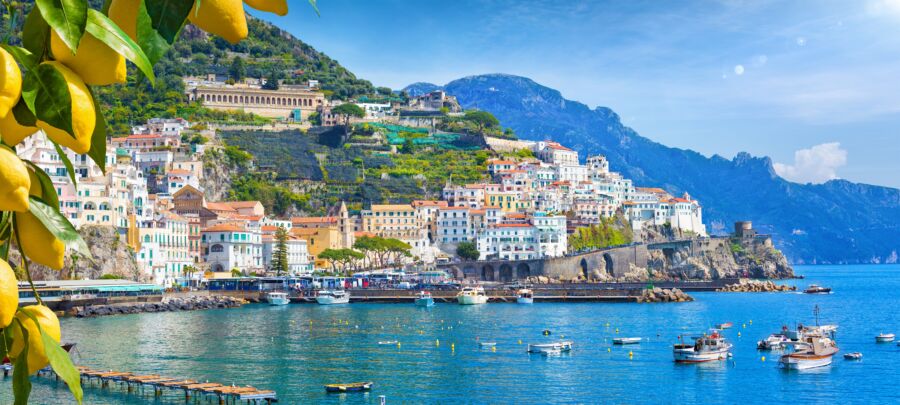
The Amalfi Coast crams jaw-dropping views into a short stretch of coast, while Puglia spreads out across the heel of Italy with a wild mix of landscapes—sandy beaches, rolling hills, white towns. These two southern Italian destinations attract totally different crowds, and knowing the basics makes picking one way easier.
Key Geographic Differences
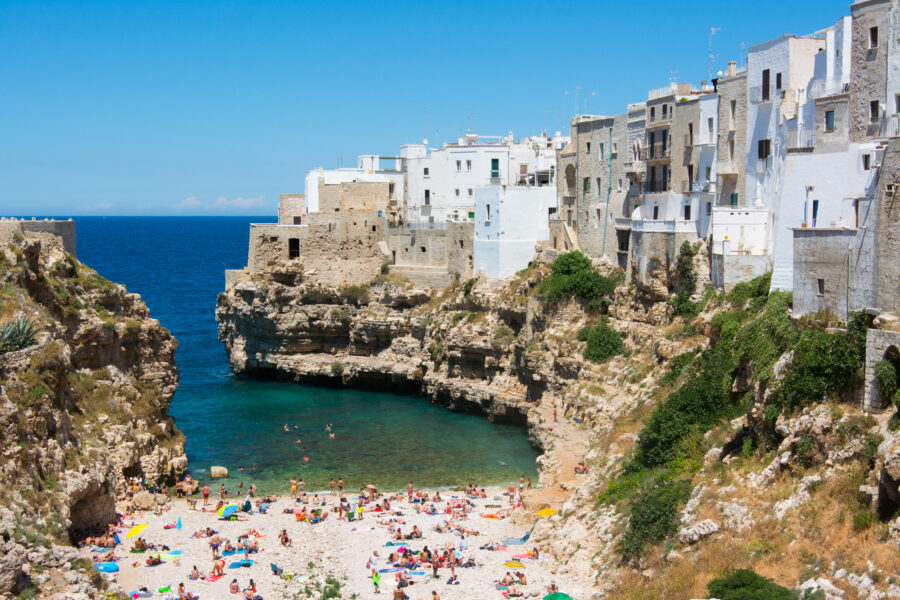
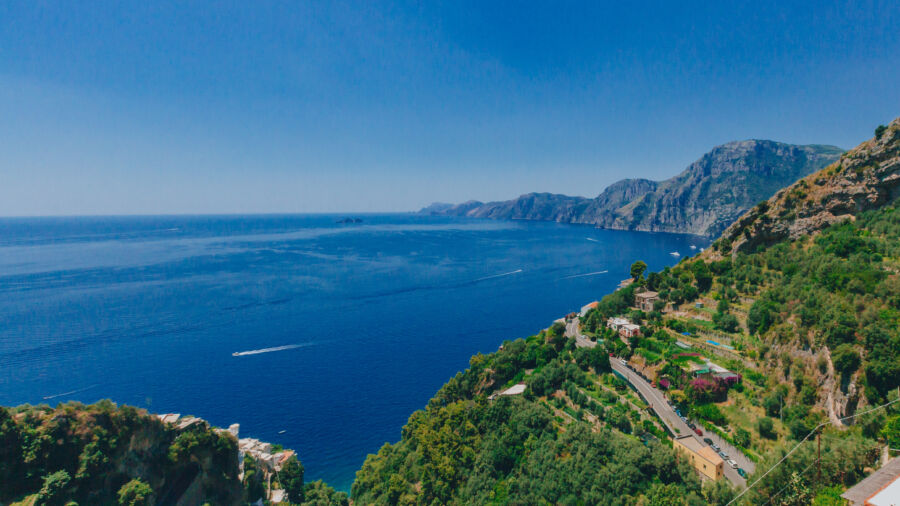
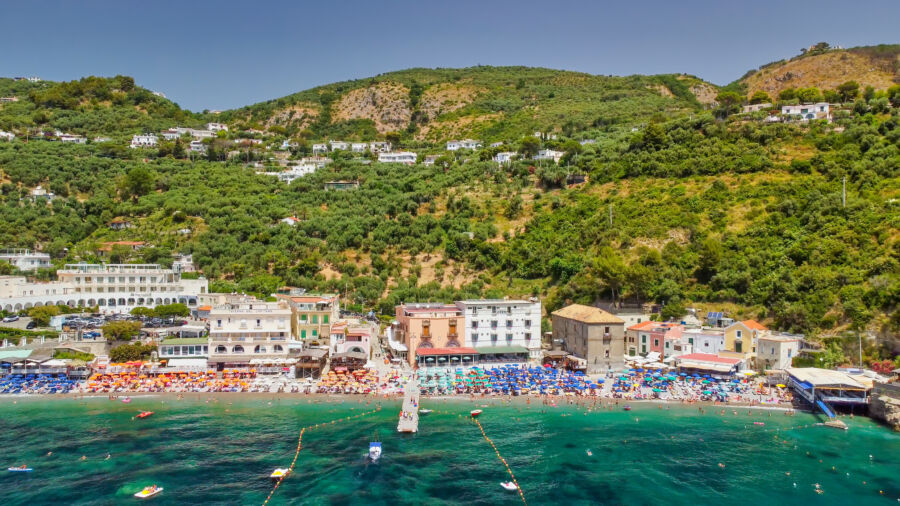
The Amalfi Coast hugs about 30 miles of cliffs in Campania. Think colorful towns like Positano and Amalfi, all clinging to hillsides, connected by a single, twisty road. Forget big sandy beaches—here it’s all pebbly coves tucked between rocks.
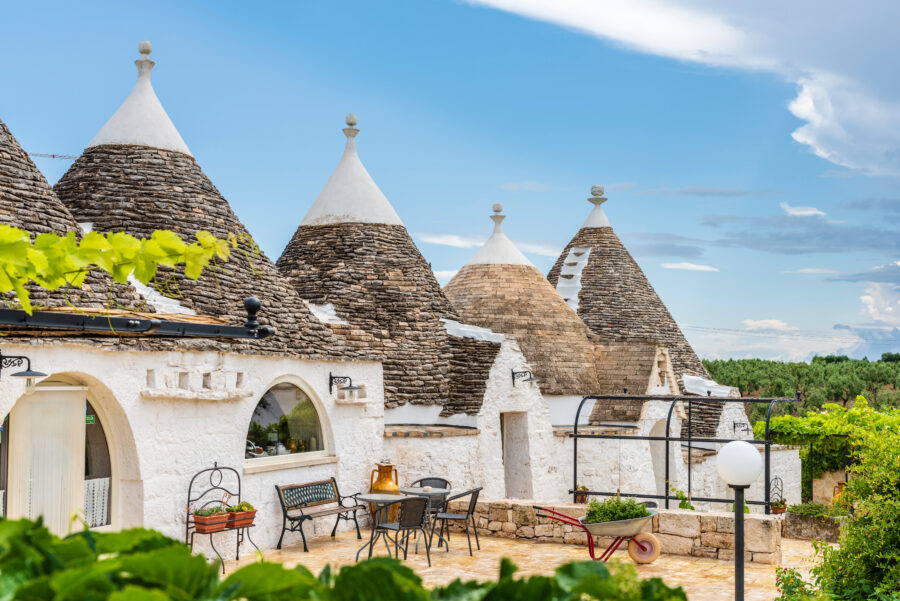
Puglia? It’s huge—about 7,500 square miles. The scenery switches up constantly: flat olive groves, rocky stretches, and then, suddenly, big sandy beaches (especially in Salento). You’ll stumble on baroque cities like Lecce and the storybook trulli houses in Alberobello.
Distance from Rome:
- Amalfi Coast (via Salerno): around 2 hours by train
- Northern Puglia (Bari): about 4 hours by train
- Southern Puglia (Lecce): closer to 5 hours by train
Distinct Vibes and Atmosphere
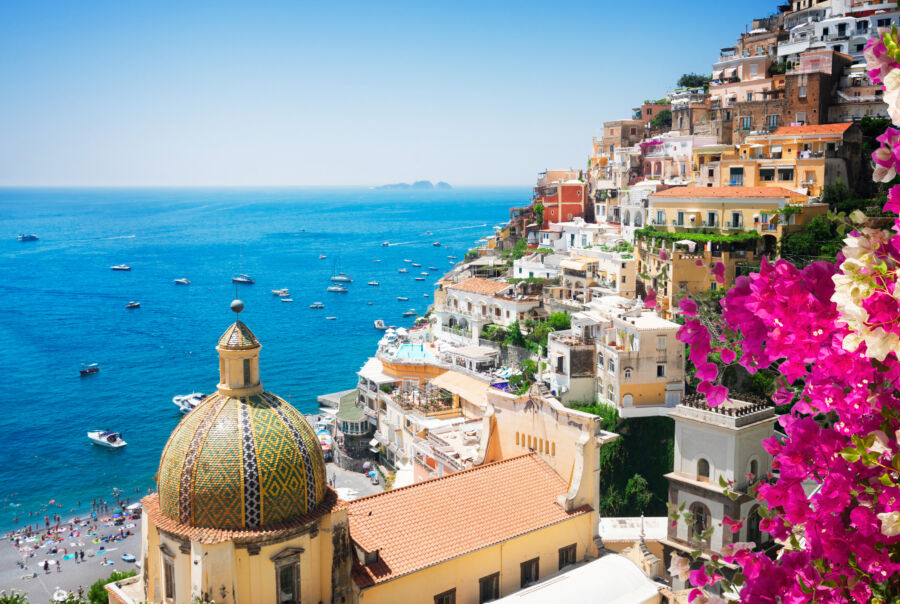
The Amalfi Coast has that old-school glamour. Think five-star hotels, fancy restaurants, and boat tours aimed at luxury travelers. In summer, Positano is packed, polished, and honestly, not super “local”—but hey, the service is top-notch.
Puglia feels like the Italy Italians actually visit. Sure, there’s tourism, but it doesn’t run the show. You’ll see family-run masserie, locals living their lives, and menus full of regional dishes you probably haven’t tried before.
Crowds? The Amalfi Coast gets swamped in high season. Puglia, being so much bigger, soaks up visitors without feeling suffocating.
What Makes Each Region Unique

Amalfi Coast strengths:
- Vertical landscapes and iconic views
- No car needed—buses and ferries go everywhere
- Close to Naples, Pompeii, Capri
- Fancy hotels and established luxury scene
Puglia strengths:
- Sandy beaches, great for families
- Authentic masserie stays
- Unique trulli houses, baroque towns
- More bang for your buck
- Easy trips to Matera (seriously ancient city)
The Amalfi Coast is perfect for a short, dramatic, and upscale escape. Puglia is for longer trips—exploring town after town, switching up the scenery, and really settling into the slow life. You’ll want a car in Puglia. On the Amalfi Coast, leave it behind.
1. Landscape and Scenery
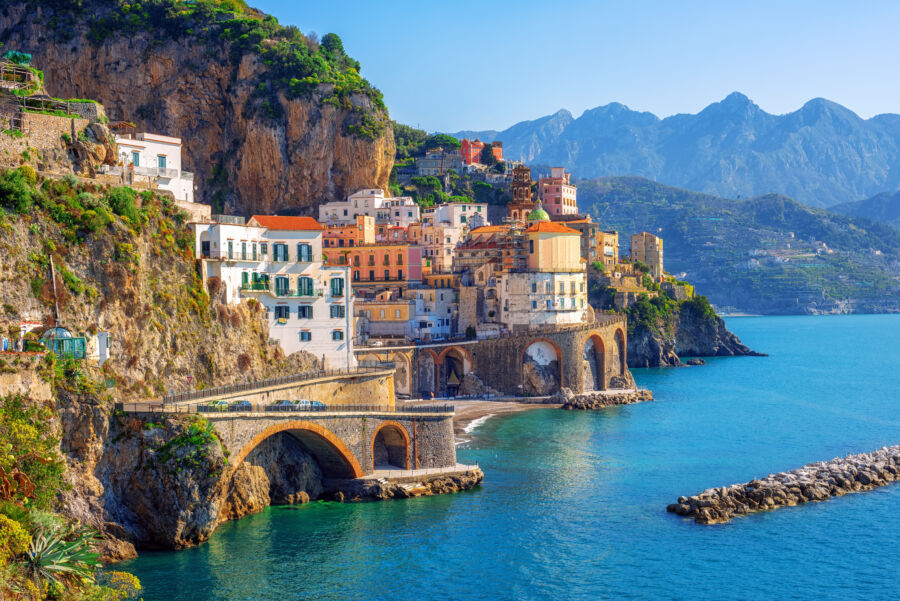
The Amalfi Coast grabs your attention with cliffs and cliffside villages. Puglia charms with whitewashed towns, ancient olive groves, and open countryside rolling down to the Adriatic.
Dramatic Cliffs and Seaside Towns of the Amalfi Coast
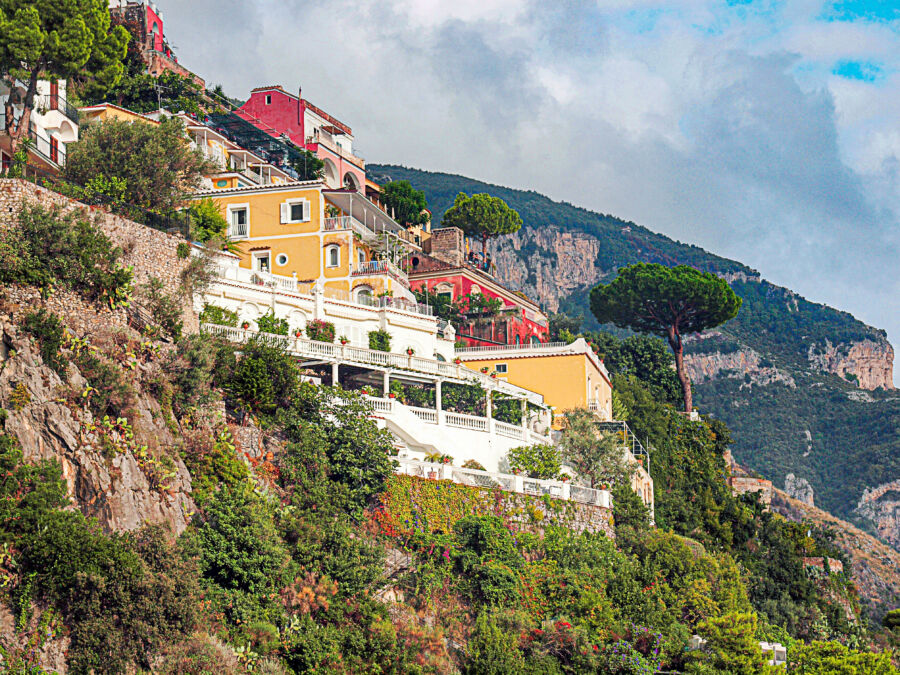
Subtle? The Amalfi Coast doesn’t know the meaning. This coastline rockets up from the Tyrrhenian Sea, with pastel houses stacked on terraces that look like they might slide off at any moment. Driving between Positano and Amalfi, every curve reveals another “wow” moment.
Positano tumbles down the hillside in peaches and yellows. Getting from your room to the beach? Prepare for a workout—stairs everywhere. Amalfi sits in a rare valley, its cathedral towering over the main square.
And then there’s Ravello, perched way above the sea. From Villa Cimbrone’s gardens, the views go on forever. But all this beauty comes at a price—crowds. In summer, the SS163 road is jammed with buses, and parking? Good luck.
The landscape is almost in-your-face. It’s not asking for attention—it’s demanding it.
Whitewashed Towns and Rolling Countryside in Puglia

Puglia’s not about vertical drama. It’s all about horizontal calm. The countryside rolls out under the sun, dotted with stone walls and those quirky trulli houses.
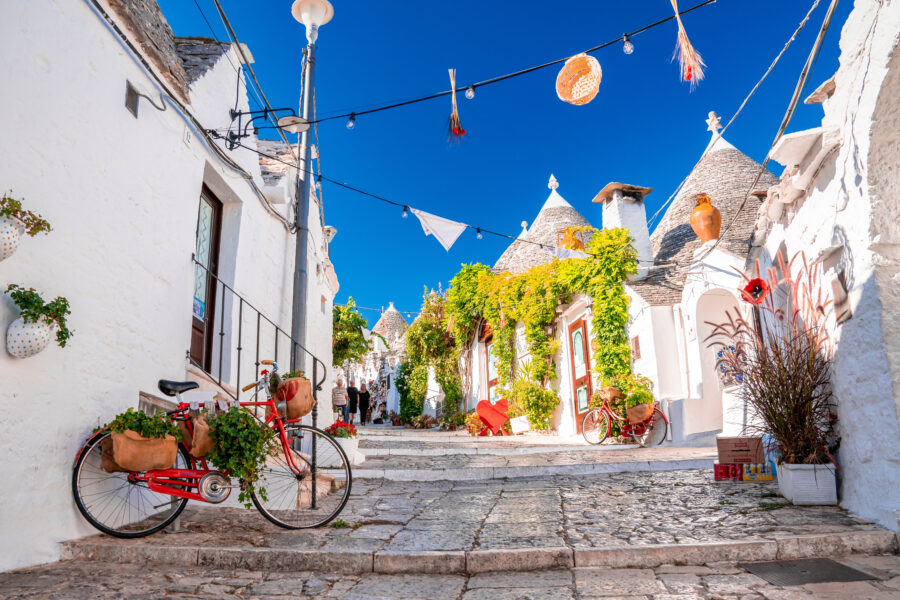
Ostuni, the “White City,” glows on its three hills. You can wander the lanes without worrying about falling off a cliff. Locorotondo has its own whitewashed magic, with circular streets tracing the old medieval walls.
Alberobello’s trulli look straight out of a storybook—those cone-shaped roofs are unique to this region. Some have stood since the 14th century.
The openness here is striking. You can actually see for miles.
Olive Groves and Vineyards Explained

Both regions grow olives and grapes, but Puglia takes it to another level. It churns out about 40% of Italy’s olive oil. Drive around and you’ll see endless groves, some trees over a thousand years old—gnarled and silver, survivors of centuries.
Vineyards dot the landscape, too, producing robust reds like Primitivo and Negroamaro. They blend with the olive groves, painting the countryside in greens and greys.
The Amalfi Coast? It’s famous for terraced lemon groves. The lemons are huge—really, you’ll see them everywhere, clinging to steep terraces.
There are vineyards here and there, with grapes like Falanghina and Aglianico, but on a much smaller scale. Everything’s squeezed onto the cliffs, so nothing’s easy.
See Related: Best Places to Visit in Italy This Year
2. Coastlines and Beaches
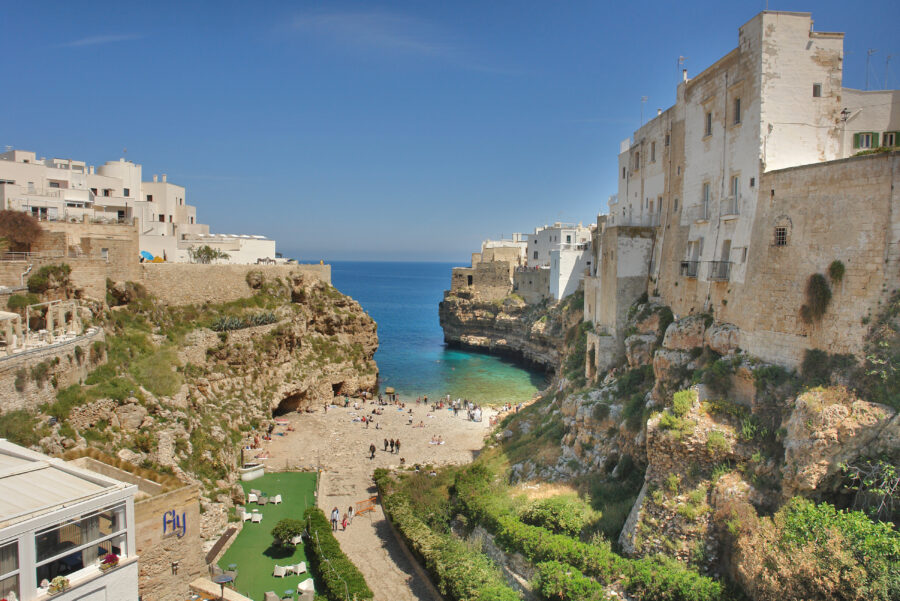
Puglia gives you long sandy beaches for lazy days. The Amalfi Coast offers cliffs and tiny pebbled coves—stunning, but you’ll have to work a bit to get there.
Sandy Shores and Hidden Coves in Puglia
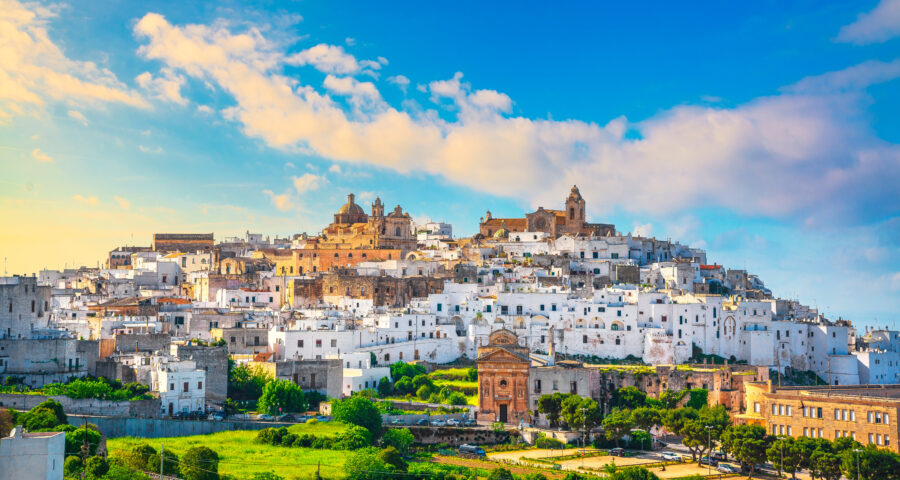
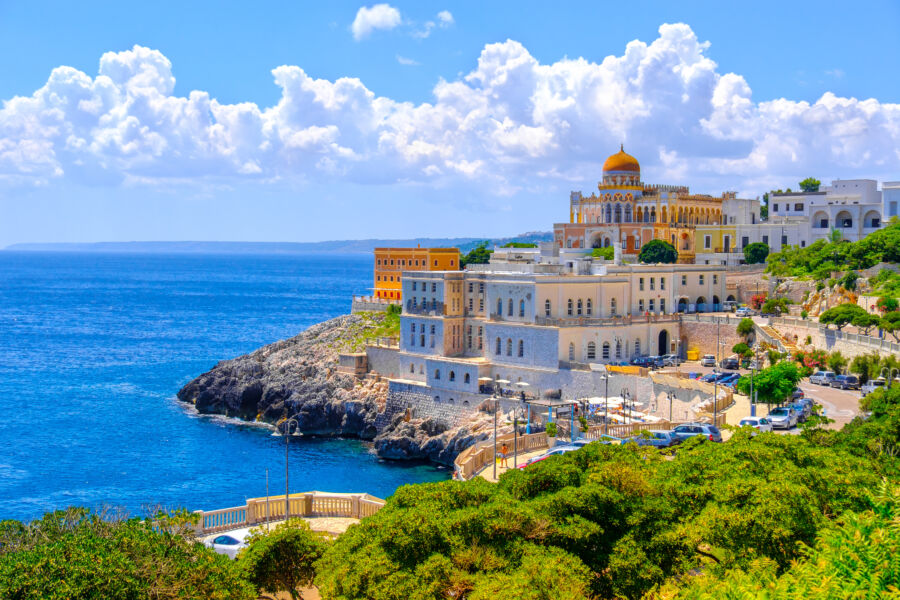
Puglia’s coastline runs along both the Adriatic Sea and the Ionian Sea, so you get a ton of beach choices. The sand here is real—soft, not pebbly. That’s a game changer if you want to actually relax by the water.
Down in the Salento Peninsula, you’ll find some of the best. Gallipoli has golden sand beaches that just keep going. No fighting for towel space like in other parts of Italy.
On the Adriatic, Polignano a Mare stands out—limestone cliffs, little beaches tucked into rocky nooks, and water so clear it looks fake. Italians themselves flock to Puglia for beach holidays, and honestly, that says something.
Willing to poke around? You’ll stumble on hidden coves, especially near Castro and Santa Maria di Leuca. Locals know them, tourists usually don’t.
Pebbled Beaches and Scenic Cliffs of the Amalfi Coast
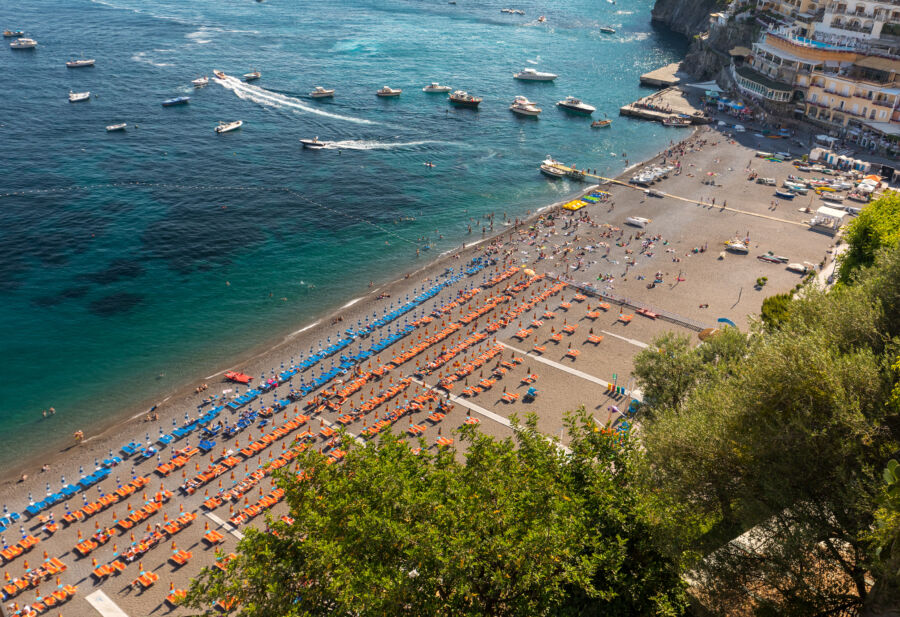
The Amalfi Coast isn’t about big sandy stretches. Most beaches are pebbly or rocky, squeezed between cliffs that drop right into the sea. Spiaggia Grande in Positano is probably the most famous, but in summer, it’s wall-to-wall umbrellas.
But for pure drama? Nowhere beats the Amalfi Coast. Cliffs, views, and beaches that look straight out of a movie. Just don’t expect much space—or sand.
Getting to many beaches means hiking down (and back up) hundreds of steps. Your legs will feel it. Some of the coolest spots are only reachable by boat, which is fun but can get pricey.
Beaches here are small and fill up fast. You’re really there for the view and that iconic moment, not for a quiet nap in the sun.
Swimming, Snorkeling, and Boat Access
Puglia’s beaches are easier to reach and better for swimming. The water stays shallow for a while—great for kids. The Adriatic side is usually calmer, while the Ionian can have a little more wave action.
Both regions have clear water for snorkeling. Puglia’s rocky spots around Polignano and Salento are fun for exploring underwater. The Amalfi Coast offers good snorkeling too, especially near Capri and the quieter coves.
On the Amalfi Coast, getting a boat is almost a must if you want to see the best spots. It’s part of the deal—boat tours, private rentals, or water taxis. In Puglia, boat trips are nice but not essential; you can just drive or walk to most beaches.
3. Cultural Immersion and Local Experiences
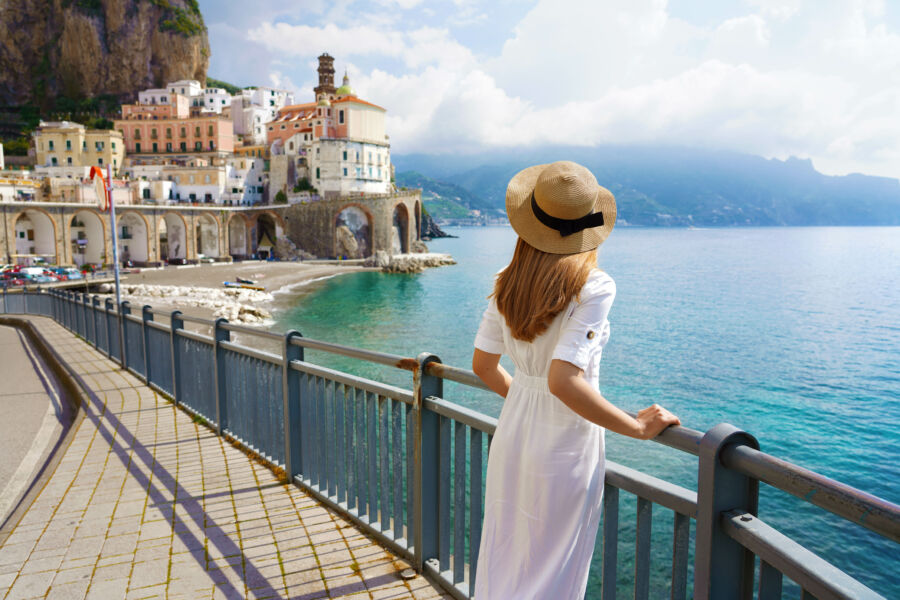
You’ll get a taste of Southern Italian culture in both places, but the flavor’s different. Puglia leans into grassroots authenticity—think grandmas making pasta in the street—while the Amalfi Coast is more about refined elegance, art galleries, and polished experiences.
Authentic Italian Experience in Puglia

There’s something in Puglia that’s getting hard to find in Italy’s touristy spots. Local nonnas still set up tables outside, rolling orecchiette by hand and chatting with neighbors. It feels real.
Each town brings its own personality. Alberobello draws you in with its trulli—UNESCO-listed, quirky, and unlike anything else. Lecce gets compared to Florence for its baroque architecture, but honestly, it’s got its own thing going on.
Matera, just across the border in Basilicata, links to Puglia by the Ferrovie Appulo Lucane railway and is one of the oldest cities around. The sassi cave dwellings have stories that reach back millennia.
Martina Franca is all baroque palaces and a summer opera festival that locals actually go to. Down in Otranto, you’ll find a cathedral with a wild 12th-century mosaic floor, waves crashing right outside ancient walls. These towns aren’t just for tourists—they’re lived in. You can join local tours and activities and actually meet people who call them home.
Glamour and Elegance Along the Amalfi Coast
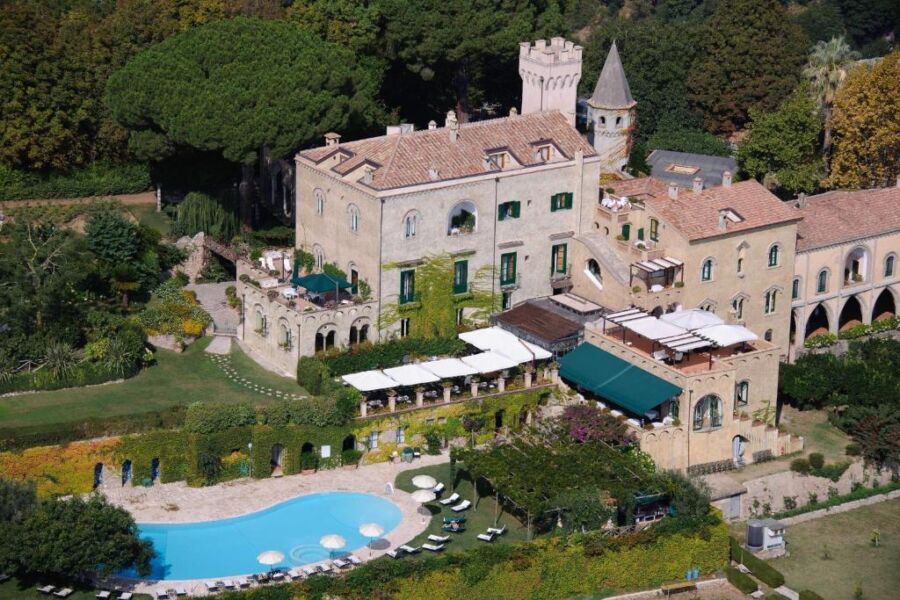
The Amalfi Coast brings a polished cultural vibe. Here, medieval churches stand beside upscale galleries and designer boutiques. It’s a place where you might wander from a centuries-old cathedral straight into a shop selling the latest Italian fashion.
Ravello’s Villa Cimbrone and Villa Rufolo put on classical music concerts with views that honestly might make you forget your phone exists. The gardens are reason enough to visit, and the concerts draw artists from all over.
Positano and Amalfi crowd their narrow streets with art galleries—some big names, some up-and-comers. Ceramics workshops still hand-paint traditional designs, though you’ll pay a premium compared to Puglia.
You’ll see grand cathedrals and elegant villas, not so much rustic charm. It’s all gorgeous, but you’re getting a version of Italian culture that’s curated for visitors. Many locals who work here actually live inland, since coastal rents have shot up.
Traditional Festivals and Folklore
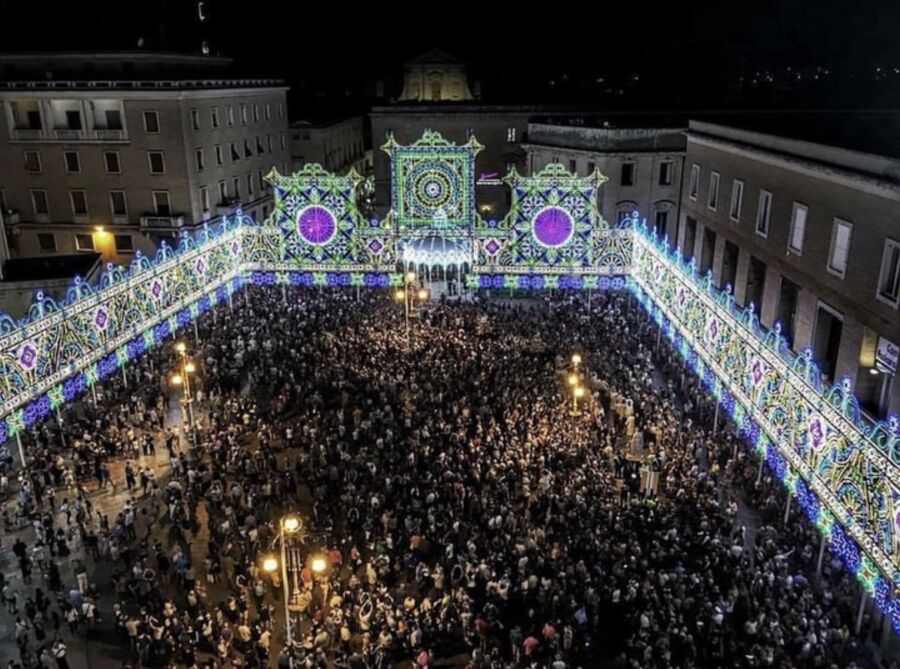
Puglia’s festivals feel like you’ve stumbled into someone’s family party. The Festa di Sant’Oronzo in Lecce turns the city into a big celebration every August—processions, fireworks, and street food that locals and tourists both line up for.
La Notte della Taranta brings traditional pizzica music alive in villages throughout Salento. This isn’t a polished folk show—it’s a revival of working-class dance traditions, and the energy feels real.
Harvest festivals in the Itria Valley celebrate olive oil and wine with farm visits and tastings hosted by the families who actually work the land. If you want to, you can get your hands dirty.
The Amalfi Coast’s festivals have shifted to handle the tourist crowds. The Feast of Sant’Andrea in Amalfi draws everyone to the harbor for fireworks. To get a good spot, you’ll need to show up early or pay for a restaurant view.
4. Food, Wine, and Culinary Traditions

Both regions take pride in simple, fresh ingredients. Puglia leans on wheat-based dishes and tons of vegetables. The Amalfi Coast? It’s all about seafood and those famous lemons.
Signature Dishes of Puglia
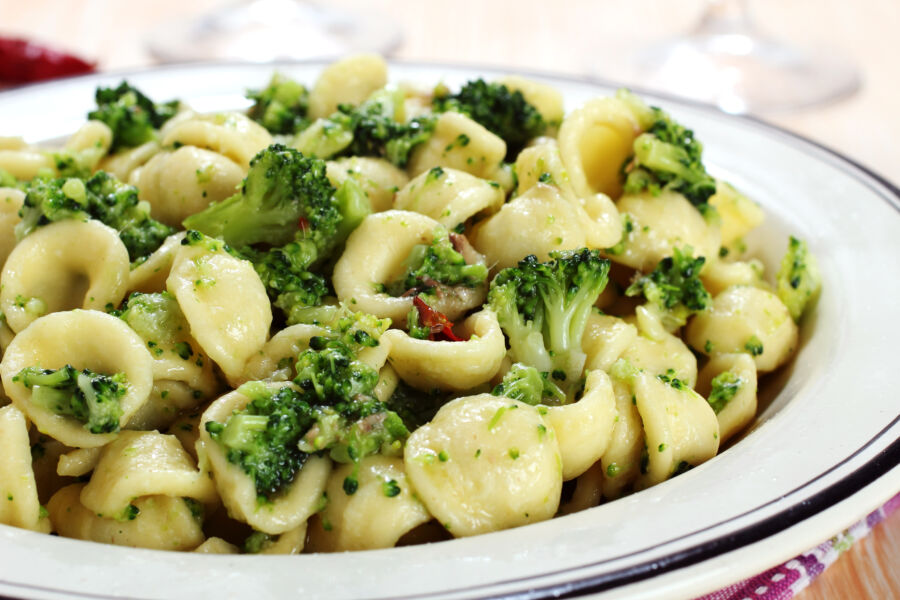
You’ll see orecchiette pasta everywhere. Locals roll these little ear-shaped pastas by hand and serve them with cime di rapa (turnip greens), garlic, and a hint of anchovy. It’s humble, sunny food.
Burrata started here, and honestly, it’s a whole different thing in Puglia. The creamy cheese has a mozzarella shell with a soft, buttery middle that just spills out when you cut it. Order it with fresh tomatoes and good olive oil.
Panzerotti are fried dough pockets stuffed with mozzarella and tomato. Messy, delicious, and totally worth it. Some places fill them with other things, but the classic is still the top choice.
You’ll also find focaccia barese with tomatoes and olives, and bombette—little meat rolls stuffed with cheese.
Iconic Flavors of the Amalfi Coast
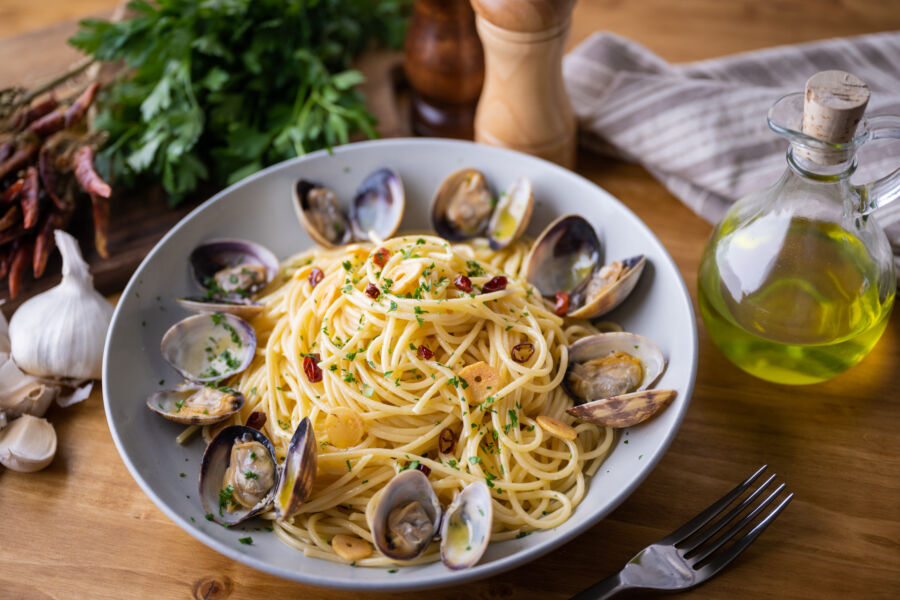
Seafood rules the menus here. Scialatielli ai frutti di mare is a thick, fresh pasta served with mixed shellfish in a light tomato or white wine sauce. Every place tweaks the recipe, but the chewy pasta stands out.
Spaghetti alle vongole (spaghetti with clams) shows up everywhere. The best versions use tiny, sweet clams and just a bit of garlic, white wine, parsley, and olive oil.
For dessert, try delizia al limone. It’s a dome-shaped sponge cake soaked in limoncello syrup and covered with lemon cream. Sweet, boozy, and basically the Amalfi Coast in dessert form.
And about that limoncello—it’s different here. The local sfusato lemons are huge, fragrant, and not as acidic. You’ll get offered limoncello after almost every meal.
Wines to Savor: Negroamaro and Beyond

Negroamaro is Puglia’s signature red. The name means “black bitter,” but don’t let that put you off. These wines are full-bodied, loaded with dark fruit, and go great with the region’s meat dishes and cheeses.
Primitivo is another Puglian star. It’s related to California’s Zinfandel and gives you rich, jammy wines that work well with grilled meats. Salento produces some fantastic bottles, and prices are pretty reasonable.
The Amalfi Coast doesn’t have the same wine reputation, but you’ll find some interesting whites. Falanghina and Fiano grapes make crisp, mineral wines that pair perfectly with seafood. Most restaurants serve local bottles you probably won’t see outside the region.
Regional Specialties to Try

In Puglia, try fave e cicoria (fava bean puree with chicory greens). It’s simple, peasant food, and locals still eat it all the time. Creamy beans and bitter greens just work together.
Octopus pops up on lots of menus, usually boiled and served with potatoes and olive oil. If you’re feeling brave, coastal towns serve raw sea urchins too.
On the Amalfi Coast, look for alici di cetara (anchovies from Cetara). They’re meatier and not as salty as you might expect. Cetara also makes colatura di alici, an anchovy sauce that goes back to Roman times.
Both regions have their own taralli (crunchy ring-shaped crackers) and use olive oil generously. Puglia’s olive oil production is huge, and you’ll taste the difference.
See Related: Hidden Boutique Hotels in Europe That Redefine Luxury in 2026
5. Accessibility and Transportation
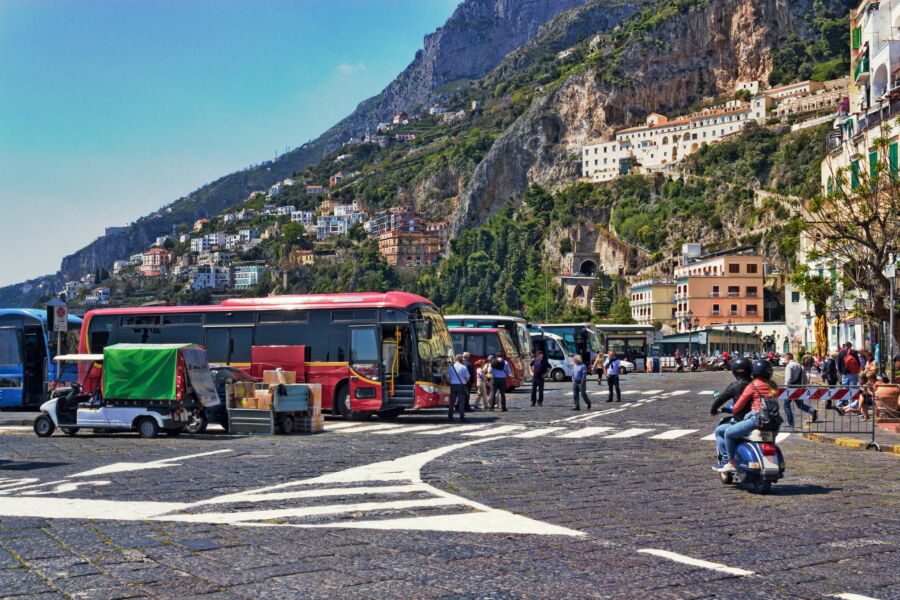
The Amalfi Coast offers better public transport, but the roads are wild. Puglia is easier to drive and the sights are more spread out. It really depends on whether you prefer buses and boats or a classic road trip.
Getting to and Around the Amalfi Coast
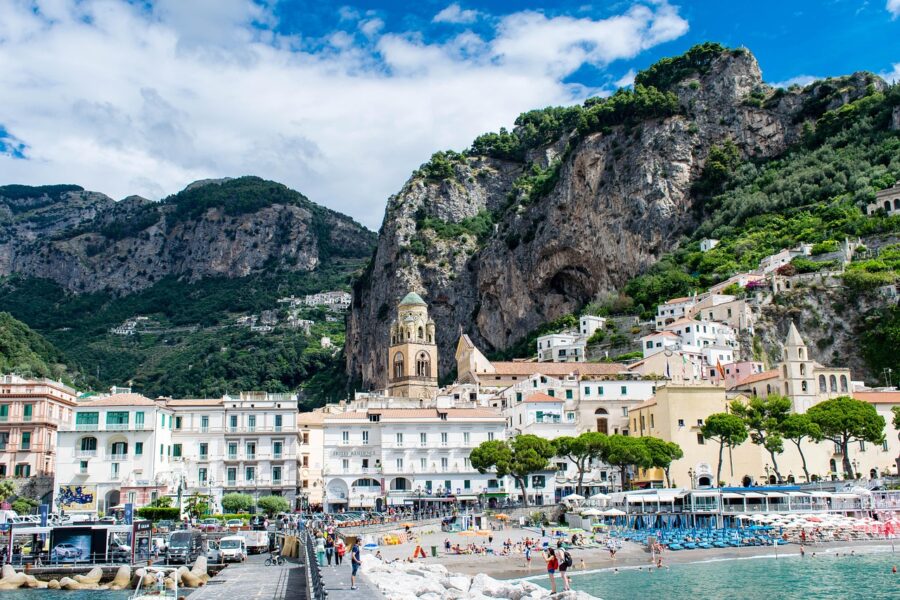
You’ll probably land at Naples International Airport, about 40 kilometers from the coast. From there, hop a bus or private transfer to your base town. The SITA bus connects the towns, but expect packed rides in summer.
Driving here is not for the faint of heart. The cliffside roads barely fit two cars, and tourists often freeze up on the hairpin turns. Locals zip around like it’s nothing, but most visitors end up gripping the wheel for dear life.
Boats are way more relaxing in warm months. You can hop from Positano to Amalfi to Capri and skip the traffic. Plus, the views from the water are unbeatable.
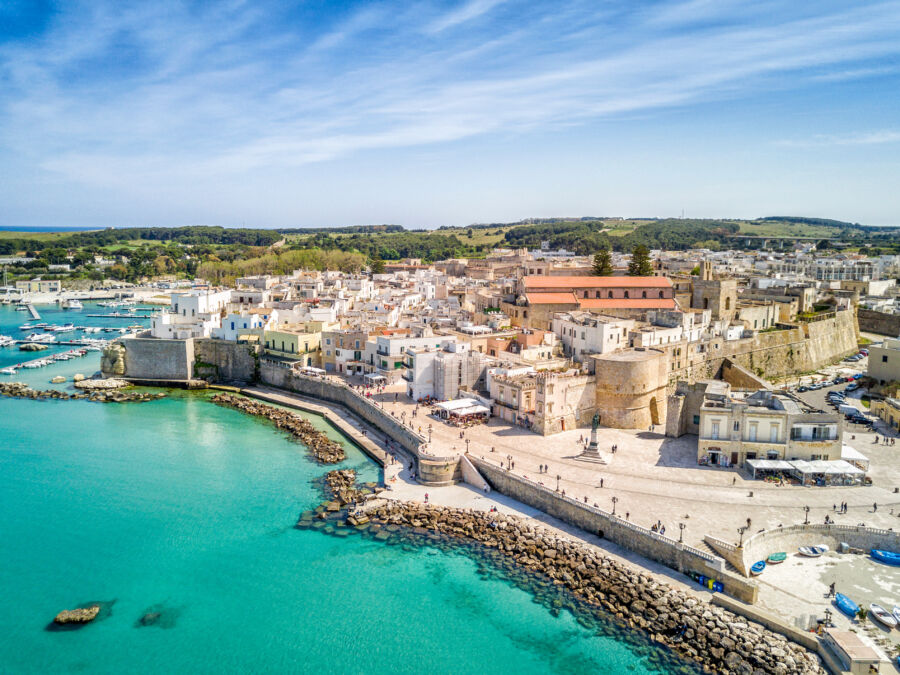
Puglia covers a big area, so renting a car is almost a must unless you’re sticking to one or two towns. The roads are wider, less crowded, and driving is less stressful than the Amalfi Coast.
Trains connect bigger cities like Bari, Lecce, and Brindisi pretty well. But those postcard-perfect hill towns? Places like Ostuni, Locorotondo, or Polignano a Mare are tough to reach without your own car. Buses exist, but they’re spotty outside peak season.
Most people grab their rental car right at Bari or Brindisi airport. You can compare prices on booking platforms before you go. Gas stations are easy to find, and parking in smaller towns costs less than on the Amalfi Coast.
Airport Connections and Transfers
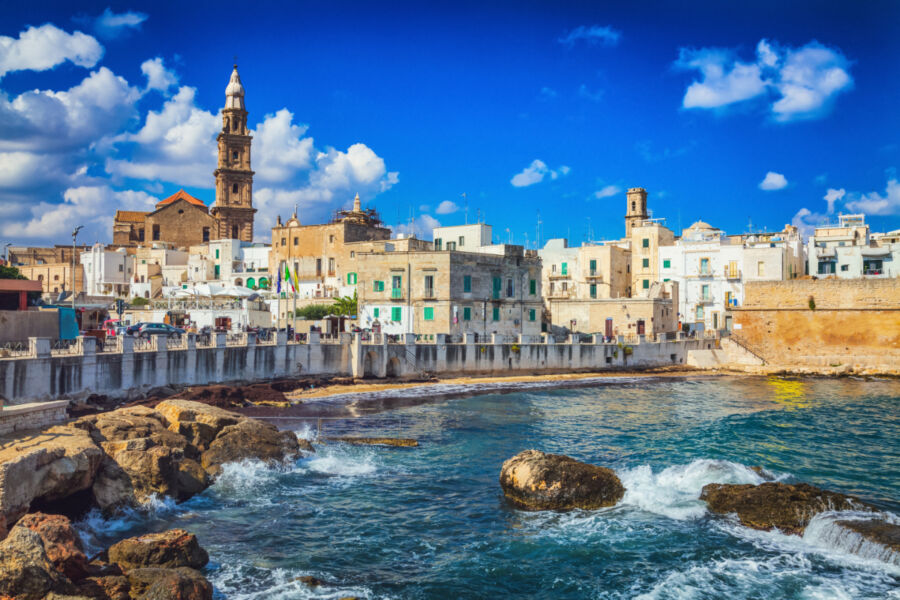
Both regions have decent airport options. Naples works best for the Amalfi Coast. Puglia has Bari and Brindisi. Bari handles more international flights and is closer to the north; Brindisi is better for Lecce or Salento.
Rome’s Fiumicino Airport is an option for both, but expect a 2-3 hour drive at least. Private transfers are pricey but save you the headache of juggling luggage. Shared shuttles split the difference between buses and private cars.
6. Where to Stay: Best Towns and Accommodations
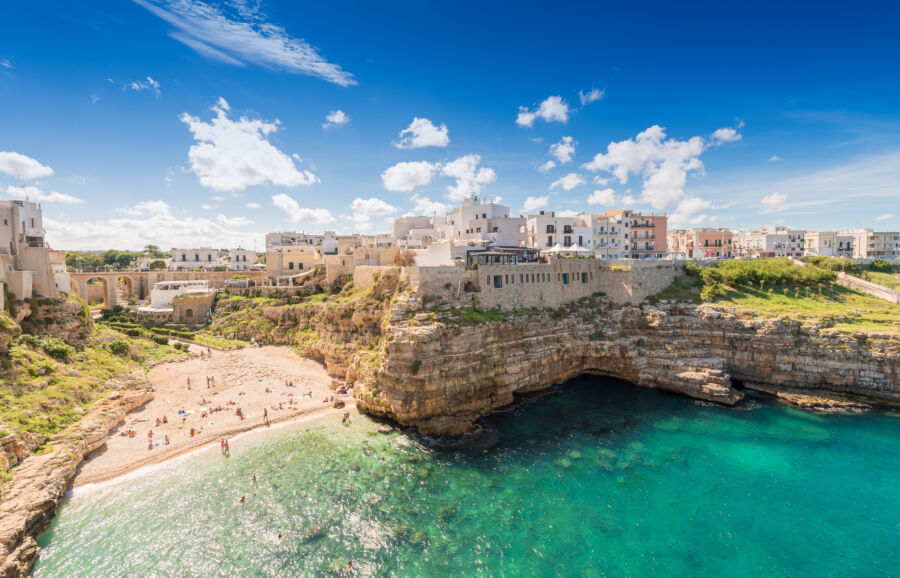
Where you stay really shapes your trip. Puglia has charming coastal towns and countryside escapes for less money. The Amalfi Coast squeezes dramatic cliffside villages into a smaller space, but prices go up fast.
Best Places to Stay in Puglia
Puglia’s big, so your base depends on what you want to see. Polignano a Mare sits on cliffs over the Adriatic and has stunning beaches, plus the famous Grotta Palazzese restaurant built into a cave.
Ostuni, the white city, is a great inland base. You’ll see traditional trulli houses and get a real taste of local life. The town glows at sunset—it’s pretty magical.
For beaches, Monopoli is a working fishing port with fewer tourists than Polignano. You can stay in converted masserie (old fortified farmhouses) in the countryside. These places often have pools and lots of character.
Lecce is perfect if you’re into baroque architecture and want a city vibe. People call it the “Florence of the South,” and the food scene is excellent without breaking the bank.
Where to Stay in Positano and the Amalfi Coast

Positano is the postcard spot—gorgeous, expensive, and full of stairs. If you stay here, try to book close to the beach and harbor to avoid hauling luggage up endless steps. Views from hillside hotels are jaw-dropping, but you’ll earn them.
Amalfi town is a more practical base, with a flatter center, better ferry connections, and a bigger beach. Hotels are still pricey, but a bit less than Positano.
Ravello sits high above the coast. No beach, but the views and gardens are incredible. It’s perfect if you have a car or don’t mind taking buses down to the water.
Minori and Vietri sul Mare offer better value. Minori has a solid beach and feels like a real Italian town. Vietri sul Mare, at the eastern end, is famous for ceramics.
Unique Accommodation Options
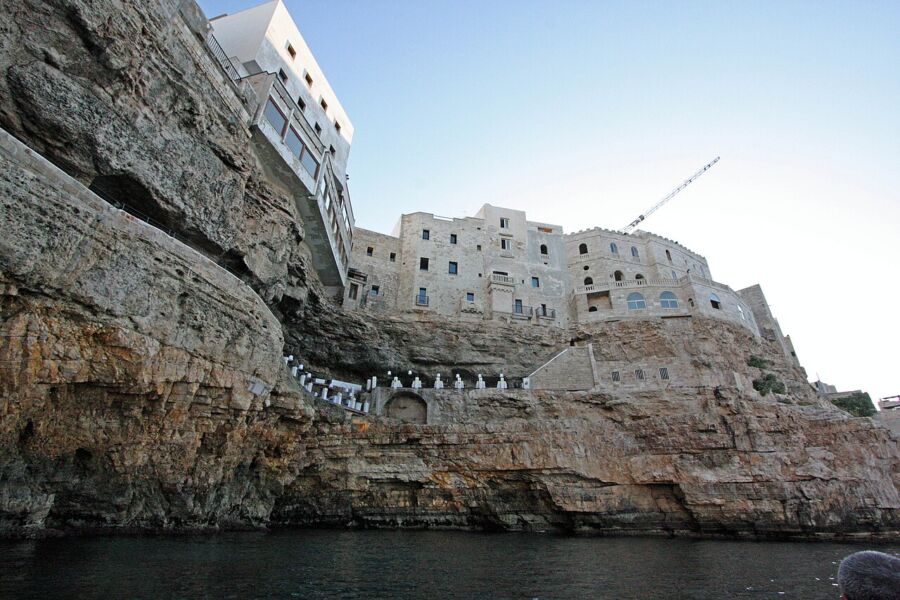
Puglia’s masserie are something special. These old stone farmhouses turned boutique hotels have olive groves, stone walls, and pools. Prices are lower than similar spots on the Amalfi Coast.
The Amalfi Coast has cave hotels and cliffside rooms you won’t find anywhere else. Some places are literally carved into the rock. Grotta Palazzese in Polignano a Mare is technically in Puglia but has a dramatic setting too.
Budget travelers should look at agriturismos in Puglia or apartments in smaller Amalfi Coast towns. Both regions get expensive in July and August, so if you can, visit in May, June, or September—prices drop and the weather’s still great.
7. Planning Your Puglia or Amalfi Coast Itinerary
Choosing between these two regions really comes down to your time and what you want. You can dive deep into one area or, if you’ve got at least 10 days, try to do both.
Recommended Itineraries for Each Region
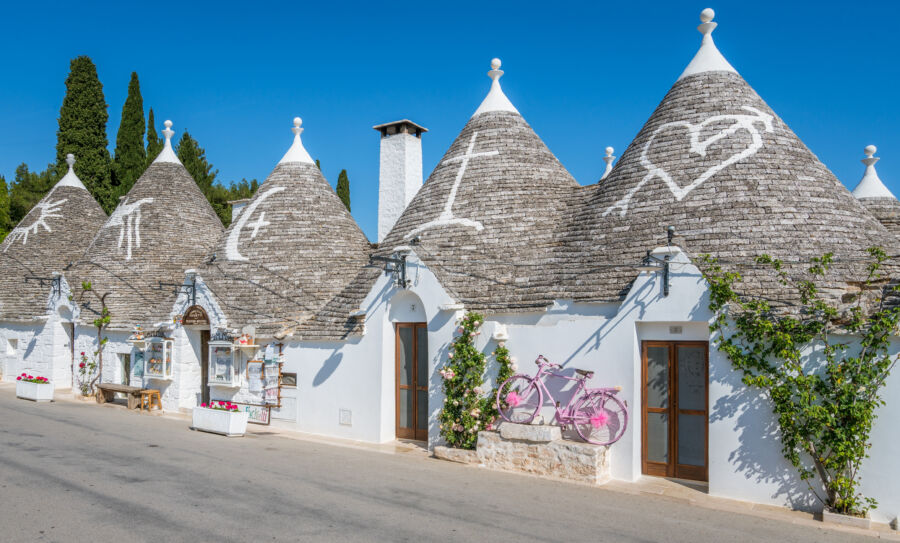
If you’re heading to Puglia, it’s smart to base yourself in a few different towns as you go. Start off in Bari—wander the old town for a day, grab a coffee in a tucked-away piazza, and then move on to Alberobello to check out the famous trulli houses. After that, Polignano a Mare and Monopoli are a must for their cliffside views and those irresistible beaches.
Lecce in the Salento region is a feast for the eyes with its baroque architecture. Ostuni, the white city perched on a hill, is worth a stop.
And don’t leave without hitting a few of Puglia’s beaches. Honestly, you’ll want at least 7-10 days if you don’t want to feel like you’re sprinting through it all.
For the Amalfi Coast, picking one or two base towns makes things easier (and less exhausting). Sorrento is a practical pick—easy day trips to Capri, Positano, and Amalfi. Spend a day in Positano climbing those endless, colorful stairs and soaking up the beach scene.
Ravello’s gardens and views are gorgeous, and Amalfi town is small enough for a half-day wander. If you’re nearby, squeeze in a day trip to Pompeii. Figure on 5-7 days to see the main sights without feeling like you’re on a tour bus schedule.
How Much Time to Spend
Got just a week? Pick one region and do it justice. The Amalfi Coast fits into 5-7 days, hitting the highlights and maybe an island or two. Puglia’s towns are more spread out, so 7-10 days gives you a better shot at seeing what makes it special.
If you have two weeks, you can finally slow down and, you know, actually enjoy yourself. Book a few activities and tours ahead of time if you want to skip some planning headaches.
Combining Both Regions in One Trip
Trying to do both Amalfi Coast and Puglia? You’ll need at least 10-14 days to not lose your mind. A common route is to fly into Naples, explore the Amalfi Coast, then drive through Matera on the way to Puglia, and fly out of Bari. Or flip it if Bari has better flight deals.
Driving from Sorrento to Bari takes about 3.5-4 hours if you don’t stop. But honestly, why rush? Matera is right there—spend a night or two.
Renting a car just makes sense for this combo. You get the freedom to pull over in tiny villages or take a detour to that random bakery someone told you about. Just brace yourself for narrow Amalfi Coast roads and parking drama.
See Related: Hidden Medieval Streets in Europe: From Cobblestone to Castle Walls
Frequently Asked Questions
Travelers always ask similar things when weighing these regions. It usually comes down to beaches, food, where you’ll stay, how to get around, what you’ll see, and just how “touristy” it’ll feel.
What are the essential differences in tourist attractions between Puglia and the Amalfi Coast?
The Amalfi Coast packs a ton of attractions into a tight stretch of dramatic cliffs. Towns like Positano and Ravello cling to the mountainsides, and the views? Unreal.
Puglia is more spread out and gives you a lot more variety. You get the trulli houses in Alberobello, whitewashed towns that almost feel Greek, and baroque cities like Lecce. Matera is close enough for a day trip, and it’s wild to see in person.
On the Amalfi Coast, you’re near Pompeii, Herculaneum, Naples, and the islands of Capri and Ischia—some of Italy’s most iconic spots, all pretty easy to reach.
How does the dining and culinary experience compare in Puglia with that of the Amalfi Coast?
Both regions have fantastic food, but they’re different. The Amalfi Coast is all about lemons—limoncello, lemon pasta, you name it.
Seafood dominates, usually cooked simply so the fresh flavors pop. And pizza? You’re close enough to Naples that it’s basically a rite of passage.
Puglia’s food is rustic and hearty. The region pumps out most of Italy’s olive oil, so every dish seems to have a drizzle.
Orecchiette pasta is everywhere, often with turnip greens or tomato sauce. Burrata cheese comes from here, and it’s ridiculously creamy.
The bread in Puglia? Amazing. I’d argue it’s some of the best in Italy. And the local wines—Primitivo, Negroamaro—just work with the food.
Can you highlight the variances in accommodation options when choosing between Puglia and the Amalfi Coast?
On the Amalfi Coast, hotels are the main game—from charming family-run spots to five-star places with infinity pools. There are vacation rentals, but parking gets tricky if you’re in the center of town.
The area is popular for weddings and boutique hotels, especially at the luxury end. Prices are high, sometimes eye-watering, compared to other parts of Italy.
Puglia gives you more choices. Sure, there are hotels, but you can also stay in a masseria (a converted farmhouse)—some are basic, some are seriously upscale.
There are family resorts, beachside campsites, and even trulli you can rent for a night or two. Prices in Puglia usually run lower than what you’ll pay on the Amalfi Coast for the same quality.
What travel considerations should one take into account when planning transportation between the Amalfi Coast and Puglia?
On the Amalfi Coast, a car is more hassle than help, especially in summer. The roads are narrow and twisty, and parking is a pain and costs a fortune.
Buses run up and down the coast, and ferries link the main towns from spring through fall. It’s much less stressful than trying to drive.
Puglia is the opposite—you pretty much need a car. Public transport is there, but it skips a lot of the best beaches and small towns.
The distances are bigger, and with a car, you can actually set your own pace. Driving is easier here—flatter roads, less traffic.
Getting to both regions is different too. The Amalfi Coast is about two hours from Rome by train to Salerno, then a bus or ferry.
Puglia takes longer—four to five hours by train from Rome, depending where you’re headed. Both regions have airports. Naples is best for Amalfi; Bari or Brindisi are your Puglia options, but they don’t cover the whole region as well.
In terms of cultural and historical sites, how do Puglia and the Amalfi Coast differ?
The Amalfi Coast’s history is all about the sea. Towns were built to keep pirates out, with winding streets meant to trip up invaders.
You’ll see churches with colorful majolica-tiled domes—there’s a mix of Arab and Byzantine vibes. Being here puts you close to Pompeii and Herculaneum, two of the world’s most famous ruins.
Vesuvius looms in the background, and Naples is packed with museums, castles, and layers of history from ancient Greece onward.
Puglia’s history goes way back. Greeks, Romans, Byzantines, Normans, Spanish—they all left their fingerprints.
You’ll stumble across ancient Greek temples, Norman castles, and jaw-dropping baroque buildings in Lecce. The trulli of Alberobello are just… weird and wonderful. Where else do you find cone-shaped stone houses that look straight out of a storybook?
Matera, just over the border in Basilicata, has cave dwellings people used for thousands of years. The historical sites in Puglia feel a bit rougher around the edges, less polished than what you’ll see on the Amalfi Coast, but that’s part of their charm.
Which region offers a more authentic Italian experience for travelers seeking less tourist-centric activities, Puglia or the Amalfi Coast?
Puglia wins this one, hands down. The region still feels like it belongs to Italians first and tourists second.
Locals go about their daily lives in most towns. Markets sell produce to residents, not just souvenirs to visitors.
The Amalfi Coast has drawn tourists for decades—especially Positano. In summer, visitors flood the area, and plenty of businesses focus mainly on tourists.
That doesn’t mean you shouldn’t go, but finding those genuine local experiences takes some effort. You have to figure out which towns to visit and which restaurants locals actually like.
Puglia’s size really helps. Even the busy spots don’t feel nearly as packed as the Amalfi Coast during high season.
You can wander into small towns and sometimes feel like one of the only foreign visitors. The masserie give you a peek into traditional rural life—honestly, that’s getting rare in Italy now.


