
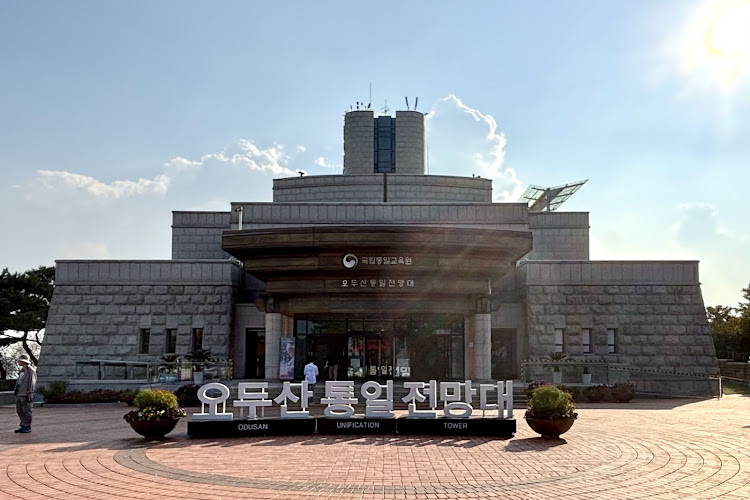
Odusan Unification Observation Deck
About Odusan Unification Observation Deck
Description
The Odusan Unification Observation Deck is one of those places that quietly sticks with you. It’s not loud or flashy, and it doesn’t try too hard to impress. Instead, it invites you to slow down, look outward, and think a little deeper than you planned to. This tourist attraction combines a lookout deck with powerful telescopes and a series of exhibits focused on the unification of the Korean Peninsula. And yes, it’s heavier in theme than your average viewpoint, but that’s exactly why it works.
From the observation deck, visitors can gaze across the landscape toward North Korea on a clear day. It’s a strange, humbling experience. You’re standing there, coffee still lingering on your breath from breakfast, and suddenly history doesn’t feel like something in a book anymore. It’s right there in front of you. I remember the first time I looked through one of the telescopes here. I expected drama, maybe something cinematic. Instead, it was quiet. Almost too quiet. And that silence said more than any exhibit panel could.
Inside, the unification exhibits try to explain decades of tension, hope, fear, and stubborn optimism. Some displays feel dated, others surprisingly personal. There are maps, photographs, and stories that frame unification not as a political buzzword, but as something that would affect real families, real homes, real daily routines. It doesn’t sugarcoat things either, which I appreciate. Travelers who enjoy places that make them think (and maybe feel a little conflicted) will find this especially rewarding.
That said, it’s not perfect. Some visitors find the exhibits a bit repetitive or wish for more interactive elements. Fair enough. But taken as a whole, the Odusan Unification Observation Deck delivers a meaningful experience that goes beyond just snapping a few photos and moving on.
Key Features
- Observation deck equipped with telescopes offering long-distance views toward North Korea
- Educational exhibits explaining the history, challenges, and hopes surrounding Korean unification
- Clear signage and displays suitable for international travelers
- Wheelchair accessible entrance, restrooms, and parking, which is honestly refreshing to see done right
- Onsite restrooms, because no one enjoys cutting a visit short for that reason
- Payment options including credit cards, debit cards, and NFC mobile payments
- Family-friendly layout, making it manageable and educational for kids without overwhelming them
Best Time to Visit
Timing matters more here than you might think. The observation deck lives and dies by visibility. On a clear day, the views are crisp and surprisingly expansive. On a hazy day, well… you’ll still learn something inside, but the emotional punch of seeing across the border fades a bit.
Late autumn is a personal favorite. The air tends to be clearer, the crowds thin out, and the surrounding scenery takes on muted tones that somehow fit the mood of the place. Spring can also be lovely, though occasional dust or mist may interfere with visibility. Summer brings lush greenery, but humidity can make the deck feel stuffy, and the distant views aren’t always cooperative.
As for time of day, aim for late morning or early afternoon. Early mornings can be hit or miss with fog, and late afternoons sometimes bring glare that makes telescope viewing less satisfying. Weekdays are calmer, especially if you want space to read the exhibits without feeling rushed. Weekends draw families and tour groups, which adds energy but also noise. Neither is bad, just different vibes. Pick your poison.
How to Get There
Getting to the Odusan Unification Observation Deck requires a bit of intention. It’s not something you just stumble upon while wandering a city center. Most travelers combine it with a broader day trip exploring nearby attractions, and that’s a smart move.
Public transportation will get you close, but expect a short walk or transfer toward the end. The route is generally straightforward, though signage can be inconsistent depending on where you’re coming from. If you’re not confident navigating buses or local transit, a taxi or rideshare might save you time and a mild headache. I once tried to be stubborn and do the whole thing by bus, missed a stop, and ended up walking way more than planned. It was fine, but my legs remembered it the next day.
For those driving, parking is available and accessible, which makes things easier for families or travelers with mobility concerns. The approach to the site is calm, almost rural-feeling, and that gradual shift away from urban noise sets the tone nicely.
Tips for Visiting
First tip: manage expectations. This isn’t a thrill ride or a flashy museum. It’s reflective, educational, and at times emotionally heavy. Go in with that mindset and you’ll get much more out of it.
Second, spend time with the telescopes. Don’t rush it. Adjust the focus, look again, then step back and try another angle. Even if you don’t see much detail on a given day, the act of looking itself is kind of the point. And if you’re visiting with kids, this is usually the part that hooks them. I’ve watched children lose interest in the exhibits, only to light up the moment they peer through a lens.
Third, read more than you think you should. Some panels look long-winded, sure, but buried in there are small human stories that bring everything into focus. Skimming won’t do them justice. Give it an hour, maybe a bit more, and let the place breathe.
Comfort matters too. Wear shoes you can stand in for a while. The deck encourages lingering, and hard floors have a way of reminding you of poor footwear choices. Bring water, especially in warmer months, though restrooms are available onsite.
If you’re sensitive to political topics or traveling with someone who is, it helps to talk about expectations beforehand. The exhibits present a clear perspective on unification, and while they aim to educate rather than provoke, emotions can sneak up on people. That’s not a bad thing, just something to be aware of.
Lastly, don’t rush off immediately after. Take a few minutes outside, even if the view didn’t blow you away. Sometimes it’s the quiet moments after the information overload that really sink in. I’ve left this place feeling thoughtful, slightly unsettled, and oddly grateful. Not many attractions do that, and fewer do it without trying too hard.
For travelers interested in Korean history, geopolitics, or simply seeing a place that offers a different kind of perspective, the Odusan Unification Observation Deck earns its spot on the itinerary. It may not be universally loved, and that’s okay. The conversations it sparks, both internal and out loud, are what make it worth the trip.
Key Features
- Observation deck equipped with telescopes offering long-distance views toward North Korea
- Educational exhibits explaining the history, challenges, and hopes surrounding Korean unification
- Clear signage and displays suitable for international travelers
- Wheelchair accessible entrance, restrooms, and parking, which is honestly refreshing to see done right
- Onsite restrooms, because no one enjoys cutting a visit short for that reason
- Payment options including credit cards, debit cards, and NFC mobile payments
- Family-friendly layout, making it manageable and educational for kids without overwhelming them
More Details
Updated January 1, 2026
Table of Contents
- Description
- Key Features
- Best Time to Visit
- How to Get There
- Tips for Visiting
- Key Highlights
- Location
- Places to Stay Near Odusan Unification Observation Deck
- Find and Book a Tour
- Explore More Travel Guides
- Nearby Places You Might Like
- Traveler Reviews for Odusan Unification Observation Deck
- Share Your Experience
Description
The Odusan Unification Observation Deck is one of those places that quietly sticks with you. It’s not loud or flashy, and it doesn’t try too hard to impress. Instead, it invites you to slow down, look outward, and think a little deeper than you planned to. This tourist attraction combines a lookout deck with powerful telescopes and a series of exhibits focused on the unification of the Korean Peninsula. And yes, it’s heavier in theme than your average viewpoint, but that’s exactly why it works.
From the observation deck, visitors can gaze across the landscape toward North Korea on a clear day. It’s a strange, humbling experience. You’re standing there, coffee still lingering on your breath from breakfast, and suddenly history doesn’t feel like something in a book anymore. It’s right there in front of you. I remember the first time I looked through one of the telescopes here. I expected drama, maybe something cinematic. Instead, it was quiet. Almost too quiet. And that silence said more than any exhibit panel could.
Inside, the unification exhibits try to explain decades of tension, hope, fear, and stubborn optimism. Some displays feel dated, others surprisingly personal. There are maps, photographs, and stories that frame unification not as a political buzzword, but as something that would affect real families, real homes, real daily routines. It doesn’t sugarcoat things either, which I appreciate. Travelers who enjoy places that make them think (and maybe feel a little conflicted) will find this especially rewarding.
That said, it’s not perfect. Some visitors find the exhibits a bit repetitive or wish for more interactive elements. Fair enough. But taken as a whole, the Odusan Unification Observation Deck delivers a meaningful experience that goes beyond just snapping a few photos and moving on.
Key Features
- Observation deck equipped with telescopes offering long-distance views toward North Korea
- Educational exhibits explaining the history, challenges, and hopes surrounding Korean unification
- Clear signage and displays suitable for international travelers
- Wheelchair accessible entrance, restrooms, and parking, which is honestly refreshing to see done right
- Onsite restrooms, because no one enjoys cutting a visit short for that reason
- Payment options including credit cards, debit cards, and NFC mobile payments
- Family-friendly layout, making it manageable and educational for kids without overwhelming them
Best Time to Visit
Timing matters more here than you might think. The observation deck lives and dies by visibility. On a clear day, the views are crisp and surprisingly expansive. On a hazy day, well… you’ll still learn something inside, but the emotional punch of seeing across the border fades a bit.
Late autumn is a personal favorite. The air tends to be clearer, the crowds thin out, and the surrounding scenery takes on muted tones that somehow fit the mood of the place. Spring can also be lovely, though occasional dust or mist may interfere with visibility. Summer brings lush greenery, but humidity can make the deck feel stuffy, and the distant views aren’t always cooperative.
As for time of day, aim for late morning or early afternoon. Early mornings can be hit or miss with fog, and late afternoons sometimes bring glare that makes telescope viewing less satisfying. Weekdays are calmer, especially if you want space to read the exhibits without feeling rushed. Weekends draw families and tour groups, which adds energy but also noise. Neither is bad, just different vibes. Pick your poison.
How to Get There
Getting to the Odusan Unification Observation Deck requires a bit of intention. It’s not something you just stumble upon while wandering a city center. Most travelers combine it with a broader day trip exploring nearby attractions, and that’s a smart move.
Public transportation will get you close, but expect a short walk or transfer toward the end. The route is generally straightforward, though signage can be inconsistent depending on where you’re coming from. If you’re not confident navigating buses or local transit, a taxi or rideshare might save you time and a mild headache. I once tried to be stubborn and do the whole thing by bus, missed a stop, and ended up walking way more than planned. It was fine, but my legs remembered it the next day.
For those driving, parking is available and accessible, which makes things easier for families or travelers with mobility concerns. The approach to the site is calm, almost rural-feeling, and that gradual shift away from urban noise sets the tone nicely.
Tips for Visiting
First tip: manage expectations. This isn’t a thrill ride or a flashy museum. It’s reflective, educational, and at times emotionally heavy. Go in with that mindset and you’ll get much more out of it.
Second, spend time with the telescopes. Don’t rush it. Adjust the focus, look again, then step back and try another angle. Even if you don’t see much detail on a given day, the act of looking itself is kind of the point. And if you’re visiting with kids, this is usually the part that hooks them. I’ve watched children lose interest in the exhibits, only to light up the moment they peer through a lens.
Third, read more than you think you should. Some panels look long-winded, sure, but buried in there are small human stories that bring everything into focus. Skimming won’t do them justice. Give it an hour, maybe a bit more, and let the place breathe.
Comfort matters too. Wear shoes you can stand in for a while. The deck encourages lingering, and hard floors have a way of reminding you of poor footwear choices. Bring water, especially in warmer months, though restrooms are available onsite.
If you’re sensitive to political topics or traveling with someone who is, it helps to talk about expectations beforehand. The exhibits present a clear perspective on unification, and while they aim to educate rather than provoke, emotions can sneak up on people. That’s not a bad thing, just something to be aware of.
Lastly, don’t rush off immediately after. Take a few minutes outside, even if the view didn’t blow you away. Sometimes it’s the quiet moments after the information overload that really sink in. I’ve left this place feeling thoughtful, slightly unsettled, and oddly grateful. Not many attractions do that, and fewer do it without trying too hard.
For travelers interested in Korean history, geopolitics, or simply seeing a place that offers a different kind of perspective, the Odusan Unification Observation Deck earns its spot on the itinerary. It may not be universally loved, and that’s okay. The conversations it sparks, both internal and out loud, are what make it worth the trip.
Key Highlights
- Observation deck equipped with telescopes offering long-distance views toward North Korea
- Educational exhibits explaining the history, challenges, and hopes surrounding Korean unification
- Clear signage and displays suitable for international travelers
- Wheelchair accessible entrance, restrooms, and parking, which is honestly refreshing to see done right
- Onsite restrooms, because no one enjoys cutting a visit short for that reason
- Payment options including credit cards, debit cards, and NFC mobile payments
- Family-friendly layout, making it manageable and educational for kids without overwhelming them
Location
Places to Stay Near Odusan Unification Observation Deck
Find and Book a Tour
Explore More Travel Guides
No reviews found! Be the first to review!
Traveler Reviews for Odusan Unification Observation Deck
There are no reviews yet. Be the first one to write one.
Have you visited Odusan Unification Observation Deck? Help other travelers by sharing your review.
You Might Also Like
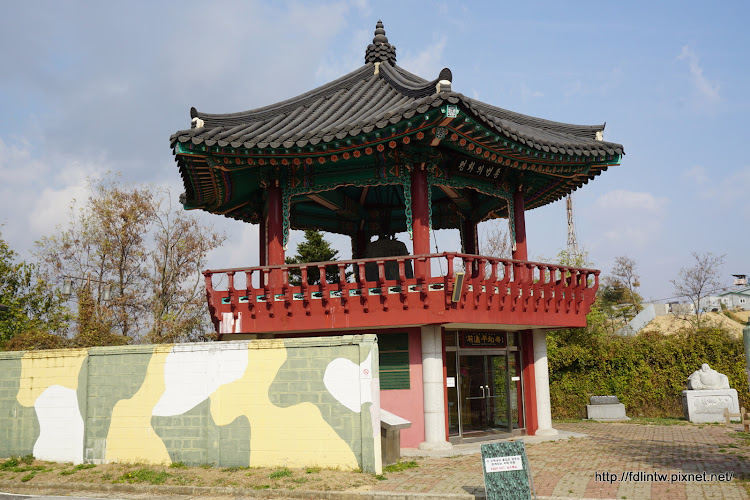
Dora Observatory
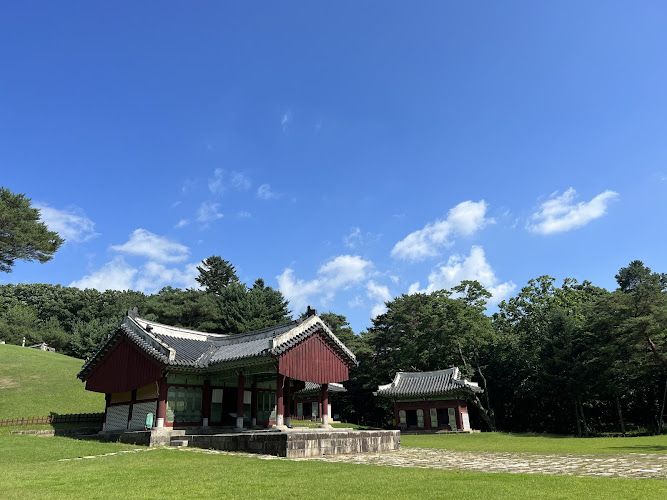
Yeongneung (Tomb of Crown Prince Hyojang & Crown Princess Hyosun)
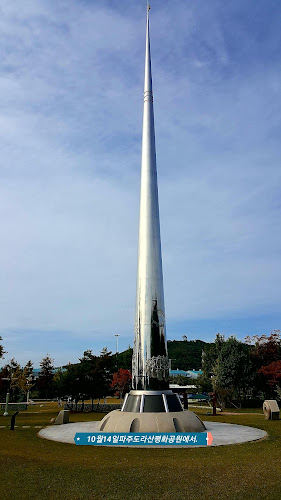
Dorasan Peace Park
Find Accommodations Nearby
Recommended Tours & Activities
Visitor Reviews
There are no reviews yet. Be the first one to write one.
Share Your Experience
Have you visited Odusan Unification Observation Deck? Help other travelers by leaving a review.