
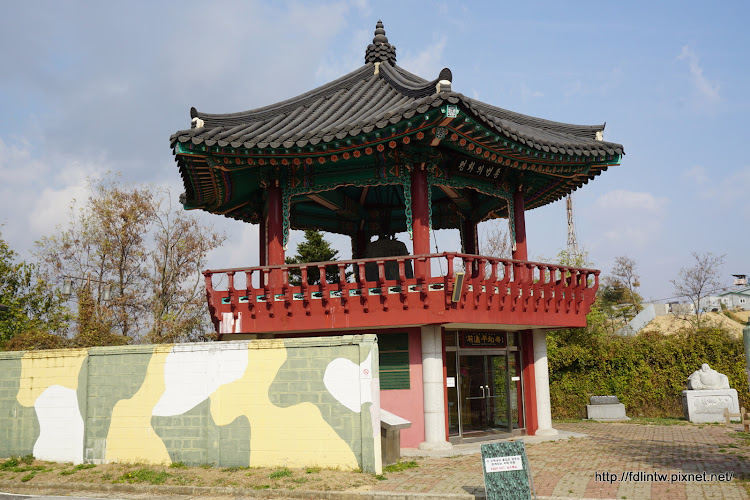
Dora Observatory
About Dora Observatory
Description
Dora Observatory is one of those places that sits quietly in your memory long after you’ve left. It’s a hilltop observation post facing one of the most politically tense borders on Earth, the Korean Demilitarized Zone. From up there, on a clear day, you can look straight into North Korea with the help of fixed telescopes and coin-operated binoculars. It sounds dramatic, and honestly, it is. But it’s also strangely calm, almost too calm, which is what makes the experience hit harder.
The observatory itself isn’t flashy. It doesn’t try to impress with modern architecture or glossy exhibits. Instead, it lets the view do the talking. Across the DMZ, you’ll see mountains, farmland, and buildings that feel frozen in another time. There’s something sobering about standing there, coffee in hand, tourists quietly murmuring around you, while realizing that a few hundred meters away life operates under a completely different system. I remember my first visit, squinting through the binoculars and feeling a knot in my stomach. Not fear exactly. More like awareness. You’re not just sightseeing; you’re witnessing history that’s still unfinished.
Dora Observatory is often included as part of guided DMZ tours, which helps add context. Without that background, the view might feel a bit flat. But once you understand what you’re seeing, the guard posts, the propaganda village, the flagpoles, it all starts to carry weight. And yes, there are days when clouds roll in and visibility drops. That’s part of the deal. This isn’t a theme park; it’s real life, weather and all.
The atmosphere tends to be respectful, even subdued. Kids are welcome and do surprisingly well here, especially when adults take the time to explain why this place matters. Wheelchair accessibility is solid, which is something I always notice and appreciate when traveling with friends who need it. Overall, Dora Observatory isn’t about entertainment. It’s about perspective. And you don’t get that every day.
Key Features
- Hilltop vantage point overlooking the DMZ and into North Korea
- Fixed telescopes and pay binoculars for detailed viewing
- Clear sightlines to key landmarks across the border on good weather days
- Indoor observation area with large windows, helpful in winter
- Outdoor observation deck for unobstructed views and photos
- Wheelchair accessible entrance and viewing areas
- Free parking available for tour buses and private vehicles
- Family-friendly environment with educational value for kids
- Staff and signage that explain what you’re seeing, without overdoing it
Best Time to Visit
Timing matters more than people expect here. The best time to visit Dora Observatory is during spring and autumn. Spring brings clearer skies after the winter haze, and the surrounding landscape starts to soften with green. Autumn is even better, in my opinion. Crisp air, long visibility, and fewer bugs. Plus, the colors on the South Korean side are gorgeous, which makes the contrast across the border even more striking.
Summer can be hit or miss. It’s hot, humid, and visibility often suffers because of haze. I once went in July and could barely make out anything across the DMZ. It was still meaningful, sure, but slightly frustrating. Winter, on the other hand, can be brutally cold, especially on the outdoor deck. But winter days often offer the clearest views. If you can handle the cold and dress properly, it can be incredibly rewarding.
Weekdays are usually calmer than weekends. On weekends, especially during peak travel seasons, the observatory can feel crowded, with tour groups moving in waves. Early mornings tend to be quieter, and the light is better for photos. And yes, weather forecasts matter. Check them. A cloudy day can really dull the experience.
How to Get There
Dora Observatory isn’t somewhere you casually wander into. Most travelers reach it as part of an organized DMZ tour departing from Seoul. These tours handle transportation, security procedures, and scheduling, which makes life easier. And frankly, the explanations you get along the way are worth it. Going with a guide helped me understand what I was looking at instead of just snapping photos and moving on.
If you’re driving as part of an approved itinerary, parking is available and free, which is a nice surprise given how regulated the area is. Access is controlled, so showing up without proper arrangements usually doesn’t work. This isn’t the kind of place where spontaneity pays off. Planning ahead does.
Public transportation alone won’t get you all the way there. It’ll get you close, but not close enough. That’s why most independent travelers still opt for tours. And honestly, after doing it both ways, I’d recommend the tour unless you really know what you’re doing.
Tips for Visiting
First tip: manage your expectations. Dora Observatory isn’t about thrill or excitement. It’s subtle, reflective, and sometimes a little uncomfortable. That’s part of its power. If you go in expecting dramatic moments every five minutes, you might walk away underwhelmed.
Bring some cash or coins for the binoculars. It sounds old-school, and it is, but you’ll want to use them. The difference between naked-eye viewing and binoculars is huge. I skipped it once, thinking I’d save a few coins, and immediately regretted it.
Dress in layers. Even in warmer months, the wind on the hilltop can surprise you. In winter, gloves are non-negotiable. I’ve seen people try to tough it out and last about three minutes outside.
Photography is allowed, but there are rules. Listen to your guide or read the posted signs. Some angles or directions may be restricted. It’s not about ruining your fun; it’s about safety and diplomacy. And honestly, sometimes it’s better to put the camera down and just look.
If you’re traveling with kids, prep them a bit beforehand. Explain what the DMZ is in simple terms. Kids are curious, and this place sparks questions. That’s a good thing. I once overheard a child asking why there were no people visible across the border, and the conversation that followed was thoughtful and surprisingly deep.
Accessibility is good, but if you need assistance, arrive a bit earlier to avoid crowds. Staff are generally helpful, but during peak times they’re busy managing flow.
Lastly, give yourself space afterward. This might sound odd, but Dora Observatory can be emotionally heavy. When I first visited, I felt quiet for the rest of the day. Not sad exactly. Just thoughtful. Maybe you’ll feel the same. Or maybe not. Either way, it’s okay. Travel isn’t just about ticking boxes. Sometimes it’s about standing still and letting a place say what it needs to say.
Key Features
- Hilltop vantage point overlooking the DMZ and into North Korea
- Fixed telescopes and pay binoculars for detailed viewing
- Clear sightlines to key landmarks across the border on good weather days
- Indoor observation area with large windows, helpful in winter
- Outdoor observation deck for unobstructed views and photos
- Wheelchair accessible entrance and viewing areas
- Free parking available for tour buses and private vehicles
- Family-friendly environment with educational value for kids
More Details
Updated January 1, 2026
Table of Contents
Description
Dora Observatory is one of those places that sits quietly in your memory long after you’ve left. It’s a hilltop observation post facing one of the most politically tense borders on Earth, the Korean Demilitarized Zone. From up there, on a clear day, you can look straight into North Korea with the help of fixed telescopes and coin-operated binoculars. It sounds dramatic, and honestly, it is. But it’s also strangely calm, almost too calm, which is what makes the experience hit harder.
The observatory itself isn’t flashy. It doesn’t try to impress with modern architecture or glossy exhibits. Instead, it lets the view do the talking. Across the DMZ, you’ll see mountains, farmland, and buildings that feel frozen in another time. There’s something sobering about standing there, coffee in hand, tourists quietly murmuring around you, while realizing that a few hundred meters away life operates under a completely different system. I remember my first visit, squinting through the binoculars and feeling a knot in my stomach. Not fear exactly. More like awareness. You’re not just sightseeing; you’re witnessing history that’s still unfinished.
Dora Observatory is often included as part of guided DMZ tours, which helps add context. Without that background, the view might feel a bit flat. But once you understand what you’re seeing, the guard posts, the propaganda village, the flagpoles, it all starts to carry weight. And yes, there are days when clouds roll in and visibility drops. That’s part of the deal. This isn’t a theme park; it’s real life, weather and all.
The atmosphere tends to be respectful, even subdued. Kids are welcome and do surprisingly well here, especially when adults take the time to explain why this place matters. Wheelchair accessibility is solid, which is something I always notice and appreciate when traveling with friends who need it. Overall, Dora Observatory isn’t about entertainment. It’s about perspective. And you don’t get that every day.
Key Features
- Hilltop vantage point overlooking the DMZ and into North Korea
- Fixed telescopes and pay binoculars for detailed viewing
- Clear sightlines to key landmarks across the border on good weather days
- Indoor observation area with large windows, helpful in winter
- Outdoor observation deck for unobstructed views and photos
- Wheelchair accessible entrance and viewing areas
- Free parking available for tour buses and private vehicles
- Family-friendly environment with educational value for kids
- Staff and signage that explain what you’re seeing, without overdoing it
Best Time to Visit
Timing matters more than people expect here. The best time to visit Dora Observatory is during spring and autumn. Spring brings clearer skies after the winter haze, and the surrounding landscape starts to soften with green. Autumn is even better, in my opinion. Crisp air, long visibility, and fewer bugs. Plus, the colors on the South Korean side are gorgeous, which makes the contrast across the border even more striking.
Summer can be hit or miss. It’s hot, humid, and visibility often suffers because of haze. I once went in July and could barely make out anything across the DMZ. It was still meaningful, sure, but slightly frustrating. Winter, on the other hand, can be brutally cold, especially on the outdoor deck. But winter days often offer the clearest views. If you can handle the cold and dress properly, it can be incredibly rewarding.
Weekdays are usually calmer than weekends. On weekends, especially during peak travel seasons, the observatory can feel crowded, with tour groups moving in waves. Early mornings tend to be quieter, and the light is better for photos. And yes, weather forecasts matter. Check them. A cloudy day can really dull the experience.
How to Get There
Dora Observatory isn’t somewhere you casually wander into. Most travelers reach it as part of an organized DMZ tour departing from Seoul. These tours handle transportation, security procedures, and scheduling, which makes life easier. And frankly, the explanations you get along the way are worth it. Going with a guide helped me understand what I was looking at instead of just snapping photos and moving on.
If you’re driving as part of an approved itinerary, parking is available and free, which is a nice surprise given how regulated the area is. Access is controlled, so showing up without proper arrangements usually doesn’t work. This isn’t the kind of place where spontaneity pays off. Planning ahead does.
Public transportation alone won’t get you all the way there. It’ll get you close, but not close enough. That’s why most independent travelers still opt for tours. And honestly, after doing it both ways, I’d recommend the tour unless you really know what you’re doing.
Tips for Visiting
First tip: manage your expectations. Dora Observatory isn’t about thrill or excitement. It’s subtle, reflective, and sometimes a little uncomfortable. That’s part of its power. If you go in expecting dramatic moments every five minutes, you might walk away underwhelmed.
Bring some cash or coins for the binoculars. It sounds old-school, and it is, but you’ll want to use them. The difference between naked-eye viewing and binoculars is huge. I skipped it once, thinking I’d save a few coins, and immediately regretted it.
Dress in layers. Even in warmer months, the wind on the hilltop can surprise you. In winter, gloves are non-negotiable. I’ve seen people try to tough it out and last about three minutes outside.
Photography is allowed, but there are rules. Listen to your guide or read the posted signs. Some angles or directions may be restricted. It’s not about ruining your fun; it’s about safety and diplomacy. And honestly, sometimes it’s better to put the camera down and just look.
If you’re traveling with kids, prep them a bit beforehand. Explain what the DMZ is in simple terms. Kids are curious, and this place sparks questions. That’s a good thing. I once overheard a child asking why there were no people visible across the border, and the conversation that followed was thoughtful and surprisingly deep.
Accessibility is good, but if you need assistance, arrive a bit earlier to avoid crowds. Staff are generally helpful, but during peak times they’re busy managing flow.
Lastly, give yourself space afterward. This might sound odd, but Dora Observatory can be emotionally heavy. When I first visited, I felt quiet for the rest of the day. Not sad exactly. Just thoughtful. Maybe you’ll feel the same. Or maybe not. Either way, it’s okay. Travel isn’t just about ticking boxes. Sometimes it’s about standing still and letting a place say what it needs to say.
Key Highlights
- Hilltop vantage point overlooking the DMZ and into North Korea
- Fixed telescopes and pay binoculars for detailed viewing
- Clear sightlines to key landmarks across the border on good weather days
- Indoor observation area with large windows, helpful in winter
- Outdoor observation deck for unobstructed views and photos
- Wheelchair accessible entrance and viewing areas
- Free parking available for tour buses and private vehicles
- Family-friendly environment with educational value for kids
Location
Places to Stay Near Dora Observatory
Find and Book a Tour
Explore More Travel Guides
No reviews found! Be the first to review!
Traveler Reviews for Dora Observatory
There are no reviews yet. Be the first one to write one.
Have you visited Dora Observatory? Help other travelers by sharing your review.
You Might Also Like
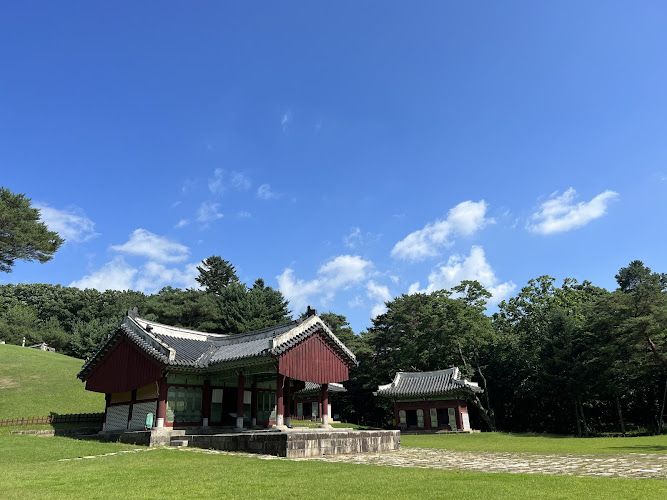
Yeongneung (Tomb of Crown Prince Hyojang & Crown Princess Hyosun)
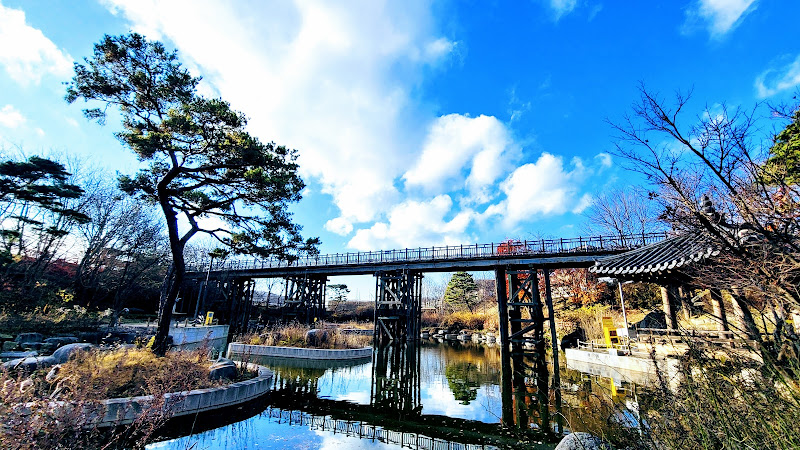
Majeong-ri
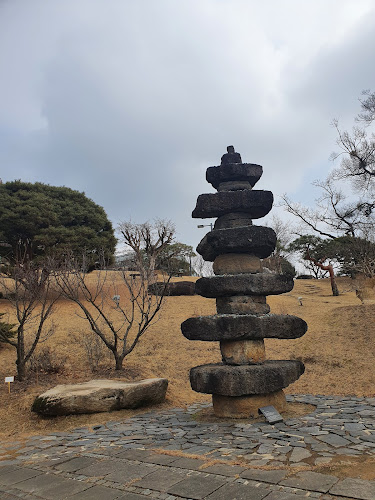
Soulone Botanical garden
Find Accommodations Nearby
Recommended Tours & Activities
Visitor Reviews
There are no reviews yet. Be the first one to write one.
Share Your Experience
Have you visited Dora Observatory? Help other travelers by leaving a review.