
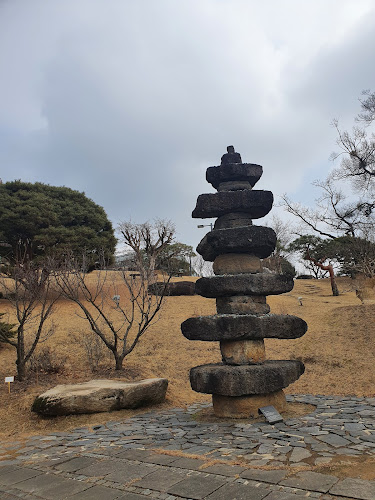
Soulone Botanical garden
About Soulone Botanical garden
Description
Soulone Botanical Garden is the kind of place that doesn’t shout for attention. It’s quieter than the blockbuster gardens you see plastered all over social media, and honestly, that’s part of its charm. This garden leans into calm, into observation, into the slow art of letting plants be plants. Travelers who enjoy thoughtful wandering, rather than rushing from photo spot to photo spot, usually get the most out of a visit here.
The garden appears to be curated with intention rather than spectacle. Paths feel organic, sometimes a little uneven, like they were shaped around the land instead of imposed on it. And I’ll admit, the first time I walked through a place like this, I thought, is that it? Then ten minutes passed, then twenty, and suddenly I was noticing leaf shapes, subtle scent changes in the air, and the way light filtered differently under each cluster of trees. Soulone works on you slowly.
What stands out is the sense of experimentation. This isn’t a frozen-in-time botanical display. Some sections feel established and confident, while others are clearly evolving. For travelers who like seeing projects in progress, that can be refreshing. It gives the garden a human quality, like someone is still learning, still adjusting, still paying attention.
There’s also a noticeable absence of heavy crowds. You might cross paths with a handful of other visitors, but long stretches of solitude are common. If you’re the type who enjoys hearing your own footsteps or the sound of wind through leaves, you’ll appreciate that. And yes, if you’re expecting polished facilities everywhere, you may find it a bit understated. But if you’re okay trading perfection for authenticity, Soulone Botanical Garden has a lot to say.
Key Features
Rather than overwhelming visitors with endless zones and labels, the garden focuses on a few thoughtful elements that reward attention. Here’s what tends to stick with people after they leave:
- Curated plant groupings that emphasize natural growth patterns instead of rigid symmetry.
- Walking paths that encourage slow exploration and occasional detours.
- Quiet corners ideal for sitting, sketching, journaling, or just staring into space (which I personally recommend).
- Seasonal changes that noticeably alter the look and feel of the garden throughout the year.
- Minimal commercial presence, meaning fewer distractions and more focus on the plants themselves.
- Subtle educational elements that inform without lecturing.
- Natural landscaping that blends cultivated and semi-wild sections together.
One thing I liked, and this is a small detail, was that nothing felt overly labeled. You’re encouraged to look first, read second. That might frustrate visitors who want instant facts, but for travelers who enjoy discovery, it feels respectful.
Best Time to Visit
The best time to visit Soulone Botanical Garden depends a lot on what you want from the experience. For most travelers, late morning to early afternoon works well, when the light is strong enough to show off textures and colors without being harsh. Early mornings can be magical too, especially if you like cooler air and fewer people, but some areas may feel a bit sleepy before the day fully wakes up.
Season-wise, transitional periods are where this garden shines. Spring brings fresh growth and subtle fragrances that creep up on you. Autumn, on the other hand, adds depth and contrast, with leaves changing tone and the overall atmosphere turning more introspective. Summer visits can be rewarding, but you’ll want to pace yourself and take breaks, especially if the day runs hot.
Rainy or overcast days shouldn’t be dismissed either. I once visited a botanical garden during a light drizzle, and it completely changed how I experienced it. Colors deepened, sounds softened, and suddenly everything felt more intimate. Soulone seems like the kind of place that benefits from that mood shift.
How to Get There
Getting to Soulone Botanical Garden is generally straightforward, though it helps to plan ahead. Most travelers reach the area via main roads and then transition to smaller local routes as they get closer. If you’re driving, allow a bit of extra time, as signage may be modest and the last stretch can feel quieter than expected. That’s usually a good sign you’re close.
Public transportation can work, depending on where you’re coming from, but it may involve a short walk at the end. Personally, I don’t mind that. A little walk helps reset your pace before entering a garden space. Ride services or taxis are another option if you’d rather not navigate unfamiliar roads.
However you arrive, my advice is not to rush. This isn’t a place that pairs well with a tight schedule. Build in buffer time, maybe grab a coffee beforehand, and treat the journey as part of the experience rather than a hurdle to clear.
Tips for Visiting
If you want to get the most out of your visit to Soulone Botanical Garden, a little preparation goes a long way. This isn’t a high-maintenance destination, but it does reward thoughtfulness.
Wear comfortable shoes. Paths may vary in texture, and you’ll likely walk more than you expect. I’ve made the mistake of wearing “cute but impractical” footwear to gardens before. Regret sets in fast.
Bring water and maybe a light snack. Especially if you plan to linger. Time has a funny way of stretching here.
Slow down. This sounds obvious, but it’s worth saying. Don’t treat it like a checklist. Pick a bench. Watch how the light moves. Let yourself be bored for a minute. Something interesting usually follows.
Respect the space. The garden feels cared for, and that care relies on visitors being mindful. Stay on paths, avoid touching delicate plants, and keep noise to a minimum.
Visit with intention. Whether you’re a traveler seeking a break from city energy, a plant lover, or someone who just needs an hour of quiet, knowing why you’re there helps shape the experience.
One last personal note: I’ve found that gardens like Soulone often reveal more on a second visit. The first time, you’re orienting yourself. The second time, you’re actually seeing. If your travels allow it, consider coming back at a different season or time of day. It’s surprising how much can change.
Soulone Botanical Garden may not be the loudest stop on your itinerary, but it has a steady, thoughtful presence that stays with you. For travelers who value calm, curiosity, and a bit of unpolished honesty, it’s a place worth giving your time.
Key Features
- Key Features
- Best Time to Visit
- How to Get There
- Tips for Visiting
More Details
Updated January 1, 2026
Table of Contents
Description
Soulone Botanical Garden is the kind of place that doesn’t shout for attention. It’s quieter than the blockbuster gardens you see plastered all over social media, and honestly, that’s part of its charm. This garden leans into calm, into observation, into the slow art of letting plants be plants. Travelers who enjoy thoughtful wandering, rather than rushing from photo spot to photo spot, usually get the most out of a visit here.
The garden appears to be curated with intention rather than spectacle. Paths feel organic, sometimes a little uneven, like they were shaped around the land instead of imposed on it. And I’ll admit, the first time I walked through a place like this, I thought, is that it? Then ten minutes passed, then twenty, and suddenly I was noticing leaf shapes, subtle scent changes in the air, and the way light filtered differently under each cluster of trees. Soulone works on you slowly.
What stands out is the sense of experimentation. This isn’t a frozen-in-time botanical display. Some sections feel established and confident, while others are clearly evolving. For travelers who like seeing projects in progress, that can be refreshing. It gives the garden a human quality, like someone is still learning, still adjusting, still paying attention.
There’s also a noticeable absence of heavy crowds. You might cross paths with a handful of other visitors, but long stretches of solitude are common. If you’re the type who enjoys hearing your own footsteps or the sound of wind through leaves, you’ll appreciate that. And yes, if you’re expecting polished facilities everywhere, you may find it a bit understated. But if you’re okay trading perfection for authenticity, Soulone Botanical Garden has a lot to say.
Key Features
Rather than overwhelming visitors with endless zones and labels, the garden focuses on a few thoughtful elements that reward attention. Here’s what tends to stick with people after they leave:
- Curated plant groupings that emphasize natural growth patterns instead of rigid symmetry.
- Walking paths that encourage slow exploration and occasional detours.
- Quiet corners ideal for sitting, sketching, journaling, or just staring into space (which I personally recommend).
- Seasonal changes that noticeably alter the look and feel of the garden throughout the year.
- Minimal commercial presence, meaning fewer distractions and more focus on the plants themselves.
- Subtle educational elements that inform without lecturing.
- Natural landscaping that blends cultivated and semi-wild sections together.
One thing I liked, and this is a small detail, was that nothing felt overly labeled. You’re encouraged to look first, read second. That might frustrate visitors who want instant facts, but for travelers who enjoy discovery, it feels respectful.
Best Time to Visit
The best time to visit Soulone Botanical Garden depends a lot on what you want from the experience. For most travelers, late morning to early afternoon works well, when the light is strong enough to show off textures and colors without being harsh. Early mornings can be magical too, especially if you like cooler air and fewer people, but some areas may feel a bit sleepy before the day fully wakes up.
Season-wise, transitional periods are where this garden shines. Spring brings fresh growth and subtle fragrances that creep up on you. Autumn, on the other hand, adds depth and contrast, with leaves changing tone and the overall atmosphere turning more introspective. Summer visits can be rewarding, but you’ll want to pace yourself and take breaks, especially if the day runs hot.
Rainy or overcast days shouldn’t be dismissed either. I once visited a botanical garden during a light drizzle, and it completely changed how I experienced it. Colors deepened, sounds softened, and suddenly everything felt more intimate. Soulone seems like the kind of place that benefits from that mood shift.
How to Get There
Getting to Soulone Botanical Garden is generally straightforward, though it helps to plan ahead. Most travelers reach the area via main roads and then transition to smaller local routes as they get closer. If you’re driving, allow a bit of extra time, as signage may be modest and the last stretch can feel quieter than expected. That’s usually a good sign you’re close.
Public transportation can work, depending on where you’re coming from, but it may involve a short walk at the end. Personally, I don’t mind that. A little walk helps reset your pace before entering a garden space. Ride services or taxis are another option if you’d rather not navigate unfamiliar roads.
However you arrive, my advice is not to rush. This isn’t a place that pairs well with a tight schedule. Build in buffer time, maybe grab a coffee beforehand, and treat the journey as part of the experience rather than a hurdle to clear.
Tips for Visiting
If you want to get the most out of your visit to Soulone Botanical Garden, a little preparation goes a long way. This isn’t a high-maintenance destination, but it does reward thoughtfulness.
Wear comfortable shoes. Paths may vary in texture, and you’ll likely walk more than you expect. I’ve made the mistake of wearing “cute but impractical” footwear to gardens before. Regret sets in fast.
Bring water and maybe a light snack. Especially if you plan to linger. Time has a funny way of stretching here.
Slow down. This sounds obvious, but it’s worth saying. Don’t treat it like a checklist. Pick a bench. Watch how the light moves. Let yourself be bored for a minute. Something interesting usually follows.
Respect the space. The garden feels cared for, and that care relies on visitors being mindful. Stay on paths, avoid touching delicate plants, and keep noise to a minimum.
Visit with intention. Whether you’re a traveler seeking a break from city energy, a plant lover, or someone who just needs an hour of quiet, knowing why you’re there helps shape the experience.
One last personal note: I’ve found that gardens like Soulone often reveal more on a second visit. The first time, you’re orienting yourself. The second time, you’re actually seeing. If your travels allow it, consider coming back at a different season or time of day. It’s surprising how much can change.
Soulone Botanical Garden may not be the loudest stop on your itinerary, but it has a steady, thoughtful presence that stays with you. For travelers who value calm, curiosity, and a bit of unpolished honesty, it’s a place worth giving your time.
Key Highlights
- Key Features
- Best Time to Visit
- How to Get There
- Tips for Visiting
Location
Places to Stay Near Soulone Botanical garden
Find and Book a Tour
Explore More Travel Guides
No reviews found! Be the first to review!
Traveler Reviews for Soulone Botanical garden
There are no reviews yet. Be the first one to write one.
Have you visited Soulone Botanical garden? Help other travelers by sharing your review.
You Might Also Like
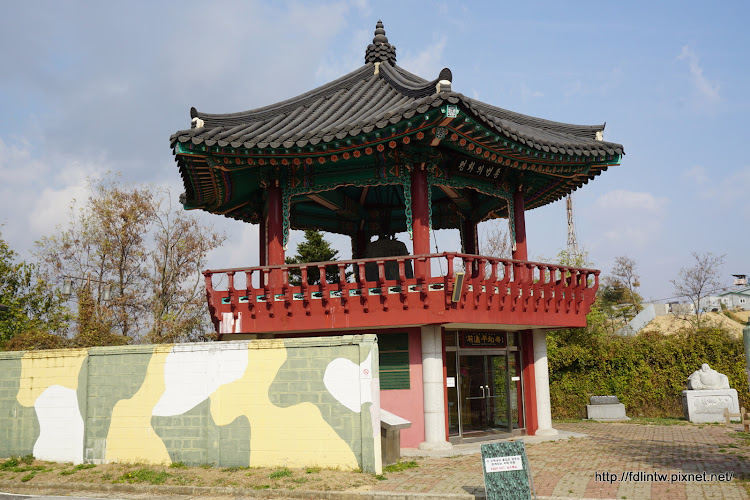
Dora Observatory
260 Tapsakgol-gil
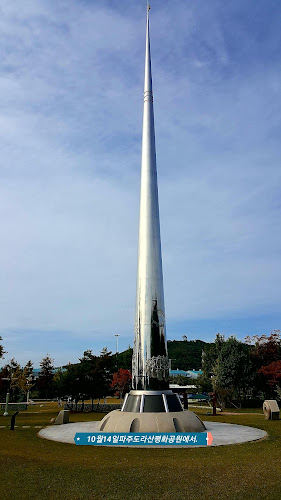
Dorasan Peace Park
Find Accommodations Nearby
Recommended Tours & Activities
Visitor Reviews
There are no reviews yet. Be the first one to write one.
Share Your Experience
Have you visited Soulone Botanical garden? Help other travelers by leaving a review.