
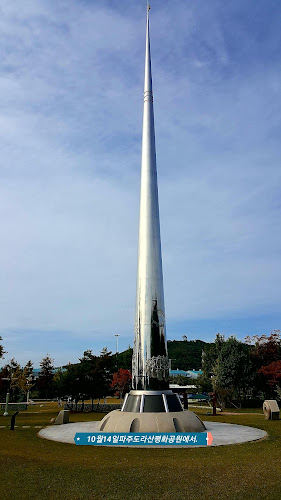
Dorasan Peace Park
About Dorasan Peace Park
Description
If you’re the kind of traveler who’s curious about history and the complex dance of politics, Dorasan Peace Park is a spot that’ll stick with you. It’s not just a park; it’s a symbol—a quiet, reflective space perched near the Demilitarized Zone (DMZ) between North and South Korea. Standing there, you can almost feel the weight of decades of tension and hope hanging in the air. It’s a place where the past and future collide in a way that’s both sobering and oddly inspiring.
Now, I won’t sugarcoat it: this isn’t your typical amusement park or nature trail. It’s a solemn place, meant for contemplation. But don’t let that scare you off. The park is thoughtfully designed with accessibility in mind—wheelchair-friendly entrances and parking, plus clean public restrooms that make the visit smoother for everyone. And if you’re traveling with kids, you’ll find it surprisingly kid-friendly, which is a nice bonus considering the heavier themes. It’s a spot that invites you to slow down and think about Korean reunification, a topic that’s as alive today as ever.
Walking through Dorasan Peace Park, you’ll notice the blend of serene natural beauty and powerful historical markers. The park’s layout encourages visitors to wander and absorb the significance of the place at their own pace. There’s an almost tangible sense of hope here, despite the heavy history. You might catch yourself staring out toward the border, imagining what peace might look like someday. It’s a quiet kind of awe, the kind that sneaks up on you.
Key Features
- Wheelchair accessible entrances and parking, making it inclusive for all visitors.
- Public restrooms available on-site, which is a relief after a long day of exploring.
- Credit and debit card payments accepted, so no need to stress about cash.
- Family-friendly atmosphere with areas suitable for children to learn and explore.
- Informational displays and monuments focused on Korean reunification and peace efforts.
- Peaceful walking paths that encourage reflection and offer scenic views near the DMZ.
- Opportunities to spot the iconic Dorasan Station, a symbol of hope and connection.
Best Time to Visit
Honestly, timing your trip to Dorasan Peace Park can make a big difference in how you experience it. Spring and autumn are absolute winners here. The weather is mild, the skies are often clear, and the surrounding landscape puts on a stunning show—think cherry blossoms or fiery fall foliage. I remember visiting in early October once, and the crisp air combined with the golden leaves made the whole place feel even more poignant.
Summer can get pretty hot and humid, which might make wandering the outdoor spaces a bit uncomfortable, especially if you’re not used to the heat. Winters, on the other hand, are cold and can be bleak, but if you like quiet solitude and don’t mind bundling up, it’s a unique experience—almost like the park itself is hibernating, waiting for peace to bloom.
How to Get There
Getting to Dorasan Peace Park requires a bit of planning but it’s totally doable, even if you’re not a seasoned traveler in Korea. Most visitors start from Seoul, which is about an hour and a half away by car or bus. If you’re feeling adventurous, taking the train towards Dorasan Station is a neat way to go—it’s the northernmost stop on South Korea’s railway line and carries a lot of symbolic weight.
Once you arrive near the DMZ area, local buses or taxis can get you straight to the park. Just a heads-up: public transport schedules might be a bit limited, so double-check times ahead of your trip. Renting a car is another option if you want more freedom to explore the region at your own pace. Honestly, I’ve found that having your own wheels lets you soak up the surroundings without rushing.
Tips for Visiting
Here’s the deal: Dorasan Peace Park isn’t your typical tourist trap, so it pays to come prepared. First off, bring your patience. Some parts of the visit might feel slow or quiet, but that’s kind of the point. Take your time to read the plaques, chat with any guides if available, and really soak in the atmosphere.
Dress comfortably and wear good walking shoes because, even though it’s not a hike, you’ll be on your feet quite a bit. And don’t forget a hat or sunscreen in the warmer months—there’s not a ton of shade out there. Oh, and if you’re a bit of a history buff, consider brushing up on the Korean War and reunification efforts before you go. It’ll make the experience hit home even harder.
Also, keep in mind that photography is a mixed bag here. Some areas allow it, others don’t, especially near sensitive zones. So, be respectful and follow any posted rules. And if you get a chance, try to visit early in the day to avoid the crowds. The park’s vibe in the quiet morning light is something special.
Finally, don’t rush out once you’re done. There are nearby cafes and small museums that offer more context and some tasty local snacks. Trust me, ending your visit with a warm cup of tea and some reflection time is the perfect way to wrap things up.
Key Features
- Wheelchair accessible entrances and parking, making it inclusive for all visitors.
- Public restrooms available on-site, which is a relief after a long day of exploring.
- Credit and debit card payments accepted, so no need to stress about cash.
- Family-friendly atmosphere with areas suitable for children to learn and explore.
- Informational displays and monuments focused on Korean reunification and peace efforts.
- Peaceful walking paths that encourage reflection and offer scenic views near the DMZ.
- Opportunities to spot the iconic Dorasan Station, a symbol of hope and connection.
More Details
Updated August 2, 2025
Table of Contents
Description
If you’re the kind of traveler who’s curious about history and the complex dance of politics, Dorasan Peace Park is a spot that’ll stick with you. It’s not just a park; it’s a symbol—a quiet, reflective space perched near the Demilitarized Zone (DMZ) between North and South Korea. Standing there, you can almost feel the weight of decades of tension and hope hanging in the air. It’s a place where the past and future collide in a way that’s both sobering and oddly inspiring.
Now, I won’t sugarcoat it: this isn’t your typical amusement park or nature trail. It’s a solemn place, meant for contemplation. But don’t let that scare you off. The park is thoughtfully designed with accessibility in mind—wheelchair-friendly entrances and parking, plus clean public restrooms that make the visit smoother for everyone. And if you’re traveling with kids, you’ll find it surprisingly kid-friendly, which is a nice bonus considering the heavier themes. It’s a spot that invites you to slow down and think about Korean reunification, a topic that’s as alive today as ever.
Walking through Dorasan Peace Park, you’ll notice the blend of serene natural beauty and powerful historical markers. The park’s layout encourages visitors to wander and absorb the significance of the place at their own pace. There’s an almost tangible sense of hope here, despite the heavy history. You might catch yourself staring out toward the border, imagining what peace might look like someday. It’s a quiet kind of awe, the kind that sneaks up on you.
Key Features
- Wheelchair accessible entrances and parking, making it inclusive for all visitors.
- Public restrooms available on-site, which is a relief after a long day of exploring.
- Credit and debit card payments accepted, so no need to stress about cash.
- Family-friendly atmosphere with areas suitable for children to learn and explore.
- Informational displays and monuments focused on Korean reunification and peace efforts.
- Peaceful walking paths that encourage reflection and offer scenic views near the DMZ.
- Opportunities to spot the iconic Dorasan Station, a symbol of hope and connection.
Best Time to Visit
Honestly, timing your trip to Dorasan Peace Park can make a big difference in how you experience it. Spring and autumn are absolute winners here. The weather is mild, the skies are often clear, and the surrounding landscape puts on a stunning show—think cherry blossoms or fiery fall foliage. I remember visiting in early October once, and the crisp air combined with the golden leaves made the whole place feel even more poignant.
Summer can get pretty hot and humid, which might make wandering the outdoor spaces a bit uncomfortable, especially if you’re not used to the heat. Winters, on the other hand, are cold and can be bleak, but if you like quiet solitude and don’t mind bundling up, it’s a unique experience—almost like the park itself is hibernating, waiting for peace to bloom.
How to Get There
Getting to Dorasan Peace Park requires a bit of planning but it’s totally doable, even if you’re not a seasoned traveler in Korea. Most visitors start from Seoul, which is about an hour and a half away by car or bus. If you’re feeling adventurous, taking the train towards Dorasan Station is a neat way to go—it’s the northernmost stop on South Korea’s railway line and carries a lot of symbolic weight.
Once you arrive near the DMZ area, local buses or taxis can get you straight to the park. Just a heads-up: public transport schedules might be a bit limited, so double-check times ahead of your trip. Renting a car is another option if you want more freedom to explore the region at your own pace. Honestly, I’ve found that having your own wheels lets you soak up the surroundings without rushing.
Tips for Visiting
Here’s the deal: Dorasan Peace Park isn’t your typical tourist trap, so it pays to come prepared. First off, bring your patience. Some parts of the visit might feel slow or quiet, but that’s kind of the point. Take your time to read the plaques, chat with any guides if available, and really soak in the atmosphere.
Dress comfortably and wear good walking shoes because, even though it’s not a hike, you’ll be on your feet quite a bit. And don’t forget a hat or sunscreen in the warmer months—there’s not a ton of shade out there. Oh, and if you’re a bit of a history buff, consider brushing up on the Korean War and reunification efforts before you go. It’ll make the experience hit home even harder.
Also, keep in mind that photography is a mixed bag here. Some areas allow it, others don’t, especially near sensitive zones. So, be respectful and follow any posted rules. And if you get a chance, try to visit early in the day to avoid the crowds. The park’s vibe in the quiet morning light is something special.
Finally, don’t rush out once you’re done. There are nearby cafes and small museums that offer more context and some tasty local snacks. Trust me, ending your visit with a warm cup of tea and some reflection time is the perfect way to wrap things up.
Key Highlights
- Wheelchair accessible entrances and parking, making it inclusive for all visitors.
- Public restrooms available on-site, which is a relief after a long day of exploring.
- Credit and debit card payments accepted, so no need to stress about cash.
- Family-friendly atmosphere with areas suitable for children to learn and explore.
- Informational displays and monuments focused on Korean reunification and peace efforts.
- Peaceful walking paths that encourage reflection and offer scenic views near the DMZ.
- Opportunities to spot the iconic Dorasan Station, a symbol of hope and connection.
Location
Places to Stay Near Dorasan Peace Park
Find and Book a Tour
Explore More Travel Guides
No reviews found! Be the first to review!
Traveler Reviews for Dorasan Peace Park
There are no reviews yet. Be the first one to write one.
Have you visited Dorasan Peace Park? Help other travelers by sharing your review.
You Might Also Like
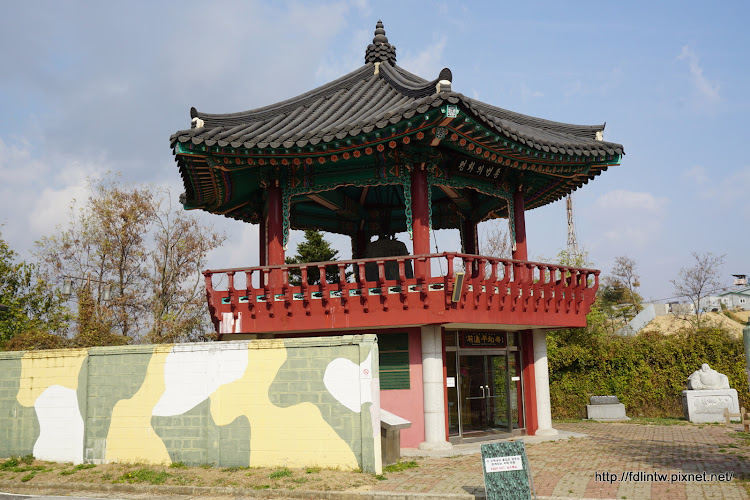
Dora Observatory
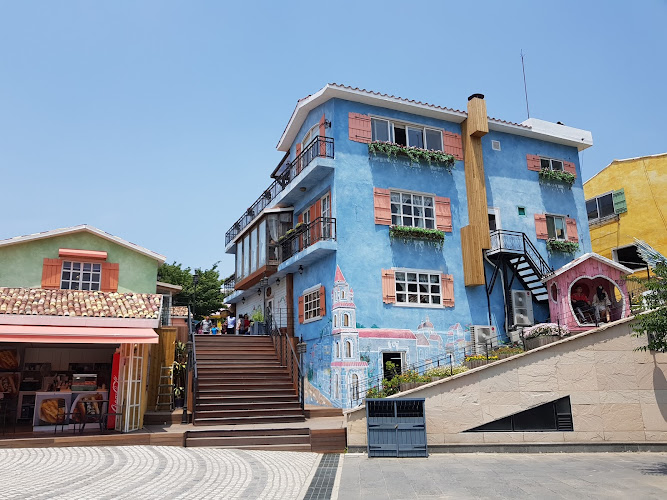
Provence Village
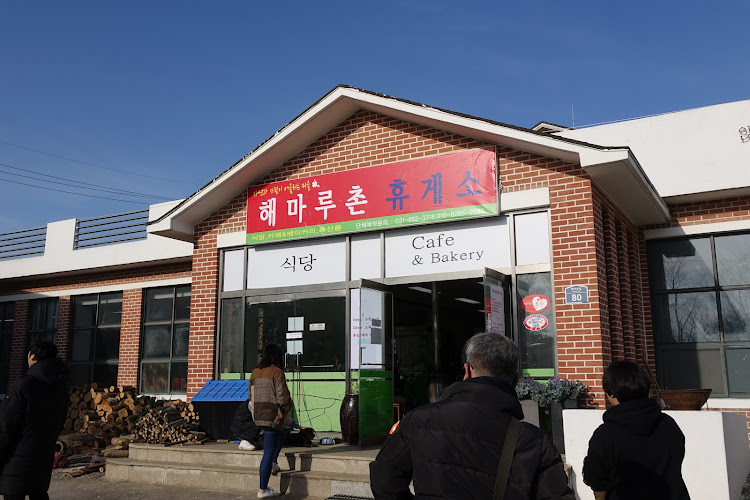
DMZ Haemaru Village
Find Accommodations Nearby
Recommended Tours & Activities
Visitor Reviews
There are no reviews yet. Be the first one to write one.
Share Your Experience
Have you visited Dorasan Peace Park? Help other travelers by leaving a review.