

DMZ Haemaru Village
About DMZ Haemaru Village
Description
DMZ Haemaru Village is one of those places that quietly messes with your expectations. You arrive thinking it’s going to be heavy, historical, maybe even a bit grim. And yes, the Korean Demilitarized Zone is serious business. But this village, sitting close to one of the most guarded borders on Earth, somehow manages to mix reflection, everyday life, and tourism in a way that feels… human. Real. Slightly awkward at times. Which, honestly, I appreciate.
The village was developed to help visitors understand life near the DMZ without turning it into a theme park. And that balance mostly works. You’ll see exhibitions explaining the division of the Korean Peninsula, hear local stories about families separated by war, and then, oddly enough, find yourself eating lunch or watching kids run around laughing. That contrast sticks with you long after you leave.
I remember standing near one of the viewing areas, listening to a guide talk about the border just a few kilometers away. And right behind me, a couple was arguing quietly about what to eat at the buffet. It felt strange, but also very honest. Life goes on, even in places shaped by conflict. Haemaru Village doesn’t hide that tension, and it shouldn’t.
The layout is easy to navigate, even if you’re not on a guided tour. Clear paths, accessible facilities, and enough open space so you never feel rushed or boxed in. It’s designed for families, solo travelers, and curious wanderers who don’t want a rushed, checkbox-style DMZ experience. And yes, it’s generally calm, though weekends can get busy with domestic tourists.
Sentiment-wise, visitors tend to walk away with mixed but thoughtful impressions. Some find it deeply moving, others feel parts of it are a bit too polished. Personally, I think that mix is inevitable. Turning history into a place people can visit without overwhelming them is a tough line to walk. Haemaru Village doesn’t always get it perfect, but it tries, and that counts for something.
Key Features
- Educational exhibitions explaining the history and ongoing reality of the DMZ, presented in plain language
- Observation areas offering a tangible sense of proximity to the border
- Local storytelling elements that focus on civilian life rather than just military facts
- On-site buffet and dining options that make longer visits comfortable (and surprisingly decent)
- Family-friendly layout with open spaces and clear signage, good for kids and grandparents alike
- Wheelchair accessible parking and restrooms, which is still not a given at all Korean attractions
- Restroom facilities that are clean and easy to find, small detail but important
- Payment convenience with both credit and debit cards accepted
Best Time to Visit
If you ask me, timing matters more here than at many other tourist attractions. Spring and autumn are the sweet spots. In spring, the surrounding landscape softens the seriousness of the place, with mild weather and clear skies that make outdoor exhibits more comfortable. Autumn is even better, in my opinion. Crisp air, golden fields, and fewer bugs. And somehow, the quieter mood fits the setting.
Summer can be tough. It gets hot, humid, and the emotional weight of the history plus the weather can wear you down faster than expected. Winter, on the other hand, has its own strange appeal. Cold winds, bare trees, and fewer crowds make the experience feel starker, more raw. But you’ll need layers. Lots of them.
Weekdays are calmer, especially in the morning. I once arrived just after opening and had whole sections nearly to myself. That made a huge difference. You hear your own footsteps, your own thoughts. Weekends bring tour buses, families, and a more social atmosphere. Neither is wrong, but they feel like two different places.
If you’re sensitive to crowds or want time to reflect, aim for early weekday mornings. If you enjoy energy and conversation, late mornings on weekends might suit you better. Just don’t rush it. This isn’t a 30-minute stop-and-go attraction.
How to Get There
Getting to DMZ Haemaru Village requires a bit of planning, but nothing too intimidating. Most travelers start from Seoul, and that’s your best bet unless you’re already exploring the northern parts of Gyeonggi Province. Public transportation will get you part of the way, but many visitors choose guided tours or private transport for convenience.
If you’re using public transit, expect a combination of train or subway followed by a local bus or taxi. It’s doable, but you’ll want to double-check schedules, especially on weekdays. Services can be less frequent the closer you get to the DMZ area. I learned that the hard way once and spent a solid 25 minutes wondering if my bus had simply vanished from existence.
Driving gives you more flexibility, and the roads are well-marked. Parking is available and accessible, which is a relief. Just remember that this is a sensitive area. Follow instructions, respect signage, and don’t wander off on a whim. This isn’t the place for spontaneous detours.
Guided tours remain popular for a reason. They handle logistics, provide context, and often include multiple stops in the DMZ region. If it’s your first visit, that might actually enhance the experience rather than limit it.
Tips for Visiting
First tip, and I say this gently: come with an open mind. Don’t expect a dramatic, movie-style DMZ experience. And don’t expect a lighthearted village outing either. It sits somewhere in between, and that in-between space is where it gets interesting.
Dress for the weather and for walking. Comfortable shoes are non-negotiable. There’s more ground to cover than you might think, and some paths are exposed. Bring water, especially in warmer months, even though food options are available.
If you’re visiting with kids, take advantage of the open spaces and keep explanations age-appropriate. The village does a decent job of presenting information without being too graphic, but parents know their kids best. I’ve seen children handle it thoughtfully, asking surprisingly deep questions.
Photography is usually allowed in designated areas, but always check signs and listen to staff. And please, don’t treat it like a backdrop for goofy poses. This place carries weight. A little respect goes a long way.
Plan to eat on-site or nearby. The buffet isn’t fancy, but it’s filling and convenient, especially if you’re spending several hours exploring. And honestly, there’s something grounding about sitting down to a normal meal after absorbing heavy history. It helps you process.
Lastly, give yourself time afterward. Don’t schedule something loud or hectic immediately after your visit. I once made the mistake of heading straight into a busy shopping district, and my brain just wasn’t ready. DMZ Haemaru Village stays with you, in quiet ways. Let it.
Key Features
- Educational exhibitions explaining the history and ongoing reality of the DMZ, presented in plain language
- Observation areas offering a tangible sense of proximity to the border
- Local storytelling elements that focus on civilian life rather than just military facts
- On-site buffet and dining options that make longer visits comfortable (and surprisingly decent)
- Family-friendly layout with open spaces and clear signage, good for kids and grandparents alike
- Wheelchair accessible parking and restrooms, which is still not a given at all Korean attractions
- Restroom facilities that are clean and easy to find, small detail but important
- Payment convenience with both credit and debit cards accepted
More Details
Updated January 1, 2026
Table of Contents
Description
DMZ Haemaru Village is one of those places that quietly messes with your expectations. You arrive thinking it’s going to be heavy, historical, maybe even a bit grim. And yes, the Korean Demilitarized Zone is serious business. But this village, sitting close to one of the most guarded borders on Earth, somehow manages to mix reflection, everyday life, and tourism in a way that feels… human. Real. Slightly awkward at times. Which, honestly, I appreciate.
The village was developed to help visitors understand life near the DMZ without turning it into a theme park. And that balance mostly works. You’ll see exhibitions explaining the division of the Korean Peninsula, hear local stories about families separated by war, and then, oddly enough, find yourself eating lunch or watching kids run around laughing. That contrast sticks with you long after you leave.
I remember standing near one of the viewing areas, listening to a guide talk about the border just a few kilometers away. And right behind me, a couple was arguing quietly about what to eat at the buffet. It felt strange, but also very honest. Life goes on, even in places shaped by conflict. Haemaru Village doesn’t hide that tension, and it shouldn’t.
The layout is easy to navigate, even if you’re not on a guided tour. Clear paths, accessible facilities, and enough open space so you never feel rushed or boxed in. It’s designed for families, solo travelers, and curious wanderers who don’t want a rushed, checkbox-style DMZ experience. And yes, it’s generally calm, though weekends can get busy with domestic tourists.
Sentiment-wise, visitors tend to walk away with mixed but thoughtful impressions. Some find it deeply moving, others feel parts of it are a bit too polished. Personally, I think that mix is inevitable. Turning history into a place people can visit without overwhelming them is a tough line to walk. Haemaru Village doesn’t always get it perfect, but it tries, and that counts for something.
Key Features
- Educational exhibitions explaining the history and ongoing reality of the DMZ, presented in plain language
- Observation areas offering a tangible sense of proximity to the border
- Local storytelling elements that focus on civilian life rather than just military facts
- On-site buffet and dining options that make longer visits comfortable (and surprisingly decent)
- Family-friendly layout with open spaces and clear signage, good for kids and grandparents alike
- Wheelchair accessible parking and restrooms, which is still not a given at all Korean attractions
- Restroom facilities that are clean and easy to find, small detail but important
- Payment convenience with both credit and debit cards accepted
Best Time to Visit
If you ask me, timing matters more here than at many other tourist attractions. Spring and autumn are the sweet spots. In spring, the surrounding landscape softens the seriousness of the place, with mild weather and clear skies that make outdoor exhibits more comfortable. Autumn is even better, in my opinion. Crisp air, golden fields, and fewer bugs. And somehow, the quieter mood fits the setting.
Summer can be tough. It gets hot, humid, and the emotional weight of the history plus the weather can wear you down faster than expected. Winter, on the other hand, has its own strange appeal. Cold winds, bare trees, and fewer crowds make the experience feel starker, more raw. But you’ll need layers. Lots of them.
Weekdays are calmer, especially in the morning. I once arrived just after opening and had whole sections nearly to myself. That made a huge difference. You hear your own footsteps, your own thoughts. Weekends bring tour buses, families, and a more social atmosphere. Neither is wrong, but they feel like two different places.
If you’re sensitive to crowds or want time to reflect, aim for early weekday mornings. If you enjoy energy and conversation, late mornings on weekends might suit you better. Just don’t rush it. This isn’t a 30-minute stop-and-go attraction.
How to Get There
Getting to DMZ Haemaru Village requires a bit of planning, but nothing too intimidating. Most travelers start from Seoul, and that’s your best bet unless you’re already exploring the northern parts of Gyeonggi Province. Public transportation will get you part of the way, but many visitors choose guided tours or private transport for convenience.
If you’re using public transit, expect a combination of train or subway followed by a local bus or taxi. It’s doable, but you’ll want to double-check schedules, especially on weekdays. Services can be less frequent the closer you get to the DMZ area. I learned that the hard way once and spent a solid 25 minutes wondering if my bus had simply vanished from existence.
Driving gives you more flexibility, and the roads are well-marked. Parking is available and accessible, which is a relief. Just remember that this is a sensitive area. Follow instructions, respect signage, and don’t wander off on a whim. This isn’t the place for spontaneous detours.
Guided tours remain popular for a reason. They handle logistics, provide context, and often include multiple stops in the DMZ region. If it’s your first visit, that might actually enhance the experience rather than limit it.
Tips for Visiting
First tip, and I say this gently: come with an open mind. Don’t expect a dramatic, movie-style DMZ experience. And don’t expect a lighthearted village outing either. It sits somewhere in between, and that in-between space is where it gets interesting.
Dress for the weather and for walking. Comfortable shoes are non-negotiable. There’s more ground to cover than you might think, and some paths are exposed. Bring water, especially in warmer months, even though food options are available.
If you’re visiting with kids, take advantage of the open spaces and keep explanations age-appropriate. The village does a decent job of presenting information without being too graphic, but parents know their kids best. I’ve seen children handle it thoughtfully, asking surprisingly deep questions.
Photography is usually allowed in designated areas, but always check signs and listen to staff. And please, don’t treat it like a backdrop for goofy poses. This place carries weight. A little respect goes a long way.
Plan to eat on-site or nearby. The buffet isn’t fancy, but it’s filling and convenient, especially if you’re spending several hours exploring. And honestly, there’s something grounding about sitting down to a normal meal after absorbing heavy history. It helps you process.
Lastly, give yourself time afterward. Don’t schedule something loud or hectic immediately after your visit. I once made the mistake of heading straight into a busy shopping district, and my brain just wasn’t ready. DMZ Haemaru Village stays with you, in quiet ways. Let it.
Key Highlights
- Educational exhibitions explaining the history and ongoing reality of the DMZ, presented in plain language
- Observation areas offering a tangible sense of proximity to the border
- Local storytelling elements that focus on civilian life rather than just military facts
- On-site buffet and dining options that make longer visits comfortable (and surprisingly decent)
- Family-friendly layout with open spaces and clear signage, good for kids and grandparents alike
- Wheelchair accessible parking and restrooms, which is still not a given at all Korean attractions
- Restroom facilities that are clean and easy to find, small detail but important
- Payment convenience with both credit and debit cards accepted
Location
Places to Stay Near DMZ Haemaru Village
Find and Book a Tour
Explore More Travel Guides
No reviews found! Be the first to review!
Traveler Reviews for DMZ Haemaru Village
There are no reviews yet. Be the first one to write one.
Have you visited DMZ Haemaru Village? Help other travelers by sharing your review.
You Might Also Like
260 Tapsakgol-gil
211 Munbal-dong
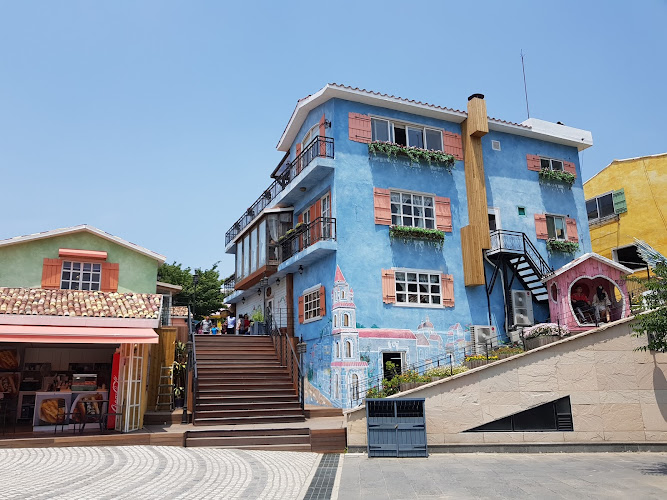
Provence Village
Find Accommodations Nearby
Recommended Tours & Activities
Visitor Reviews
There are no reviews yet. Be the first one to write one.
Share Your Experience
Have you visited DMZ Haemaru Village? Help other travelers by leaving a review.