
Sulleung Royal Tomb, Paju
About Sulleung Royal Tomb, Paju
Description
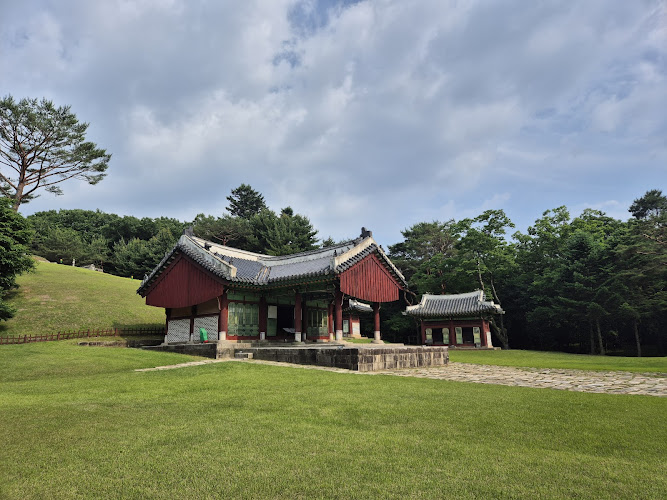
The Sulleung Royal Tomb in Paju is one of those places that sneaks up on you. At first glance, it looks like a gentle hill wrapped in grass and old trees, quiet to the point where you can hear your own footsteps. But the longer you stay, the more it reveals itself. This is a Joseon-era royal tomb, built with strict Confucian principles in mind, and it carries a weight that’s hard to explain unless you’ve stood there yourself. I remember thinking, on my first visit, that it felt less like a tourist attraction and more like being a guest in someone else’s carefully kept memory.
Located in Paju, a city often associated with bookstores, the DMZ, and modern cafés, Sulleung Royal Tomb feels like a pause button. Time slows down here. The site honors a royal figure from the Joseon Dynasty, and while the details of court politics may blur together for many travelers, the physical space communicates something universal: respect for ancestors, balance with nature, and order in the afterlife. And honestly, you don’t need to be a history buff to appreciate it. You just need curiosity and maybe a willingness to walk quietly for a bit.
What stands out is how well-preserved the tomb grounds are. The stone guardians, ceremonial paths, and gentle slopes haven’t been over-restored into something glossy and fake. There’s a kind of humility to the place. And yes, it’s peaceful, but not in that staged, overly curated way. It’s peaceful because people still treat it with care. Families stroll respectfully, older visitors pause to read the signs, and solo travelers (like me that one autumn afternoon) just wander and think.
For travelers exploring Paju beyond the usual checklist, Sulleung Royal Tomb offers depth. It’s not flashy. It doesn’t shout for attention. But it lingers with you. I left feeling calmer than when I arrived, which is more than I can say for most attractions. And if you’re the type who enjoys places that feel meaningful rather than busy, this one quietly earns its spot on your itinerary.
Key Features
- Authentic Joseon Dynasty royal tomb architecture, following Confucian burial principles
- Wide ceremonial pathways lined with stone figures and markers
- Natural landscape design that blends the tomb into surrounding hills and forest
- Wheelchair accessible entrance and parking lot, which is still rare for historical sites like this
- Informational signage in clear language, helpful even if your Korean history is rusty
- Calm atmosphere with enough space to explore without feeling crowded
- Seasonal changes that dramatically alter the mood, from lush greens to bare winter lines
Best Time to Visit
If you ask me, autumn wins. Hands down. Late September through October brings cooler air and golden leaves, and the tomb grounds feel almost cinematic. The grass mounds glow softly, and the stone statues seem more expressive somehow, like they’re enjoying the weather too. Spring is a close second, especially when cherry blossoms and fresh greens soften the geometry of the site.
Summer is doable, but it can be hot and humid. There’s shade, yes, but the walking paths are long and open in places. I once visited in August and spent more time looking for breezes than reading the signs. Winter, on the other hand, is quiet in a different way. Snow, if you’re lucky enough to catch it, turns the tomb into something almost otherworldly. Just bundle up and watch your step.
As for time of day, mornings are best. The light is gentle, and there are fewer visitors. By early afternoon, especially on weekends, you’ll see more families and tour groups. Not overwhelming, but noticeable. If you’re after that reflective, almost meditative experience, go early. Bring a coffee, take your time. No one’s rushing you here.
How to Get There
Getting to Sulleung Royal Tomb is fairly straightforward if you’re already in Paju or coming from Seoul. Public transportation will get you close, usually involving a combination of subway and bus. The last stretch often requires a short walk, which I actually liked. It gives you time to mentally shift gears from city noise to historical calm.
If you’re driving, it’s even easier. The site has a wheelchair accessible parking lot, which also means clear signage and well-maintained access roads. Parking is not the stress-inducing puzzle it can be at more famous heritage sites. And that alone feels like a small win.
One thing to note: navigation apps sometimes lag when it comes to lesser-known historical attractions. Double-check the name in Korean if you can, or ask locally. People in Paju are generally helpful, and mentioning the royal tomb usually gets a knowing nod. It’s one of those places locals quietly take pride in.
Tips for Visiting
First, wear comfortable shoes. This sounds obvious, but I’ve seen people struggle in dress shoes or flimsy sandals. The paths are well-kept, but they’re still outdoor paths, with gentle slopes and occasional uneven ground.
Second, slow down. This isn’t a place to rush through in 20 minutes just to tick a box. Give yourself at least an hour, more if you enjoy reading historical context or just sitting on a bench watching the light change. I once spent a good ten minutes staring at one stone guardian, wondering about the craftsman who carved it centuries ago. No regrets.
Photography is allowed, but be respectful. Avoid climbing on structures or stepping onto restricted areas for a better angle. It’s tempting, I know. But part of what makes Sulleung Royal Tomb special is that it still feels honored, not exploited.
If you’re traveling with someone who has mobility needs, you’ll appreciate the accessible entrance and parking. Still, some areas are more natural and may require assistance. Plan accordingly, and don’t hesitate to ask staff if you need help. In my experience, they’re kind and patient.
Bring water, especially in warmer months. There aren’t many vendors inside the grounds, which is actually a good thing for preserving the atmosphere, but it means you need to be prepared. Snacks are fine, just remember to take your trash with you. This place stays clean because visitors care.
And finally, read a little before or after your visit. Understanding even a bit about Joseon royal burial customs adds layers to what you’re seeing. The placement of the tomb, the direction it faces, the order of the stone figures, none of it is random. Once you know that, the site feels like a story written into the land.
Sulleung Royal Tomb in Paju may not shout for your attention the way bigger attractions do. But if you let it, it will speak to you in a quieter, more lasting way. And sometimes, especially when traveling, that’s exactly what you need.
Key Features
- Authentic Joseon Dynasty royal tomb architecture, following Confucian burial principles
- Wide ceremonial pathways lined with stone figures and markers
- Natural landscape design that blends the tomb into surrounding hills and forest
- Wheelchair accessible entrance and parking lot, which is still rare for historical sites like this
- Informational signage in clear language, helpful even if your Korean history is rusty
- Calm atmosphere with enough space to explore without feeling crowded
- Seasonal changes that dramatically alter the mood, from lush greens to bare winter lines
More Details
Updated January 1, 2026
Table of Contents
Description
The Sulleung Royal Tomb in Paju is one of those places that sneaks up on you. At first glance, it looks like a gentle hill wrapped in grass and old trees, quiet to the point where you can hear your own footsteps. But the longer you stay, the more it reveals itself. This is a Joseon-era royal tomb, built with strict Confucian principles in mind, and it carries a weight that’s hard to explain unless you’ve stood there yourself. I remember thinking, on my first visit, that it felt less like a tourist attraction and more like being a guest in someone else’s carefully kept memory.
Located in Paju, a city often associated with bookstores, the DMZ, and modern cafés, Sulleung Royal Tomb feels like a pause button. Time slows down here. The site honors a royal figure from the Joseon Dynasty, and while the details of court politics may blur together for many travelers, the physical space communicates something universal: respect for ancestors, balance with nature, and order in the afterlife. And honestly, you don’t need to be a history buff to appreciate it. You just need curiosity and maybe a willingness to walk quietly for a bit.
What stands out is how well-preserved the tomb grounds are. The stone guardians, ceremonial paths, and gentle slopes haven’t been over-restored into something glossy and fake. There’s a kind of humility to the place. And yes, it’s peaceful, but not in that staged, overly curated way. It’s peaceful because people still treat it with care. Families stroll respectfully, older visitors pause to read the signs, and solo travelers (like me that one autumn afternoon) just wander and think.
For travelers exploring Paju beyond the usual checklist, Sulleung Royal Tomb offers depth. It’s not flashy. It doesn’t shout for attention. But it lingers with you. I left feeling calmer than when I arrived, which is more than I can say for most attractions. And if you’re the type who enjoys places that feel meaningful rather than busy, this one quietly earns its spot on your itinerary.
Key Features
- Authentic Joseon Dynasty royal tomb architecture, following Confucian burial principles
- Wide ceremonial pathways lined with stone figures and markers
- Natural landscape design that blends the tomb into surrounding hills and forest
- Wheelchair accessible entrance and parking lot, which is still rare for historical sites like this
- Informational signage in clear language, helpful even if your Korean history is rusty
- Calm atmosphere with enough space to explore without feeling crowded
- Seasonal changes that dramatically alter the mood, from lush greens to bare winter lines
Best Time to Visit
If you ask me, autumn wins. Hands down. Late September through October brings cooler air and golden leaves, and the tomb grounds feel almost cinematic. The grass mounds glow softly, and the stone statues seem more expressive somehow, like they’re enjoying the weather too. Spring is a close second, especially when cherry blossoms and fresh greens soften the geometry of the site.
Summer is doable, but it can be hot and humid. There’s shade, yes, but the walking paths are long and open in places. I once visited in August and spent more time looking for breezes than reading the signs. Winter, on the other hand, is quiet in a different way. Snow, if you’re lucky enough to catch it, turns the tomb into something almost otherworldly. Just bundle up and watch your step.
As for time of day, mornings are best. The light is gentle, and there are fewer visitors. By early afternoon, especially on weekends, you’ll see more families and tour groups. Not overwhelming, but noticeable. If you’re after that reflective, almost meditative experience, go early. Bring a coffee, take your time. No one’s rushing you here.
How to Get There
Getting to Sulleung Royal Tomb is fairly straightforward if you’re already in Paju or coming from Seoul. Public transportation will get you close, usually involving a combination of subway and bus. The last stretch often requires a short walk, which I actually liked. It gives you time to mentally shift gears from city noise to historical calm.
If you’re driving, it’s even easier. The site has a wheelchair accessible parking lot, which also means clear signage and well-maintained access roads. Parking is not the stress-inducing puzzle it can be at more famous heritage sites. And that alone feels like a small win.
One thing to note: navigation apps sometimes lag when it comes to lesser-known historical attractions. Double-check the name in Korean if you can, or ask locally. People in Paju are generally helpful, and mentioning the royal tomb usually gets a knowing nod. It’s one of those places locals quietly take pride in.
Tips for Visiting
First, wear comfortable shoes. This sounds obvious, but I’ve seen people struggle in dress shoes or flimsy sandals. The paths are well-kept, but they’re still outdoor paths, with gentle slopes and occasional uneven ground.
Second, slow down. This isn’t a place to rush through in 20 minutes just to tick a box. Give yourself at least an hour, more if you enjoy reading historical context or just sitting on a bench watching the light change. I once spent a good ten minutes staring at one stone guardian, wondering about the craftsman who carved it centuries ago. No regrets.
Photography is allowed, but be respectful. Avoid climbing on structures or stepping onto restricted areas for a better angle. It’s tempting, I know. But part of what makes Sulleung Royal Tomb special is that it still feels honored, not exploited.
If you’re traveling with someone who has mobility needs, you’ll appreciate the accessible entrance and parking. Still, some areas are more natural and may require assistance. Plan accordingly, and don’t hesitate to ask staff if you need help. In my experience, they’re kind and patient.
Bring water, especially in warmer months. There aren’t many vendors inside the grounds, which is actually a good thing for preserving the atmosphere, but it means you need to be prepared. Snacks are fine, just remember to take your trash with you. This place stays clean because visitors care.
And finally, read a little before or after your visit. Understanding even a bit about Joseon royal burial customs adds layers to what you’re seeing. The placement of the tomb, the direction it faces, the order of the stone figures, none of it is random. Once you know that, the site feels like a story written into the land.
Sulleung Royal Tomb in Paju may not shout for your attention the way bigger attractions do. But if you let it, it will speak to you in a quieter, more lasting way. And sometimes, especially when traveling, that’s exactly what you need.
Key Highlights
- Authentic Joseon Dynasty royal tomb architecture, following Confucian burial principles
- Wide ceremonial pathways lined with stone figures and markers
- Natural landscape design that blends the tomb into surrounding hills and forest
- Wheelchair accessible entrance and parking lot, which is still rare for historical sites like this
- Informational signage in clear language, helpful even if your Korean history is rusty
- Calm atmosphere with enough space to explore without feeling crowded
- Seasonal changes that dramatically alter the mood, from lush greens to bare winter lines
Location
Places to Stay Near Sulleung Royal Tomb, Paju
Find and Book a Tour
Explore More Travel Guides
No reviews found! Be the first to review!
Traveler Reviews for Sulleung Royal Tomb, Paju
There are no reviews yet. Be the first one to write one.
Have you visited Sulleung Royal Tomb, Paju? Help other travelers by sharing your review.
You Might Also Like
139 Jeoksipja-ro, Gunnae-myeon
89 Samneung-ro, Jori-eup
Gamaksan Suspension Bridge
Find Accommodations Nearby
Recommended Tours & Activities
Visitor Reviews
There are no reviews yet. Be the first one to write one.
Share Your Experience
Have you visited Sulleung Royal Tomb, Paju? Help other travelers by leaving a review.