Yeongneung (Tomb of Crown Prince Hyojang & Crown Princess Hyosun)
About Yeongneung (Tomb of Crown Prince Hyojang & Crown Princess Hyosun)
Description
Yeongneung represents a poignant chapter in Korean royal history that many travelers overlook when visiting the country's more famous palaces and monuments. This tomb complex houses Crown Prince Hyojang, who died tragically young in 1728, along with his wife Crown Princess Hyosun. Unlike the grand royal tombs of kings and queens that typically draw massive crowds, Yeongneung offers something more intimate and contemplative—a chance to connect with the human side of the Joseon Dynasty's royal family. The tomb sits within the broader Donggureung cluster, which is actually one of the largest groupings of Joseon royal tombs in existence. But here's where things get interesting. Crown Prince Hyojang was the son of King Yeongjo, and his early death at just ten years old devastated the royal court. The king's grief was so profound that he ordered an exceptionally elaborate tomb constructed for his beloved son, one that rivals many actual royal burial sites in its beauty and scale. When you walk through the forested pathways leading to Yeongneung, there's this almost otherworldly quietness that settles around you. The designers really understood how to create spaces that encourage reflection. And honestly, that's what makes this place special—it's not just about looking at old structures, but actually feeling transported to another era where royal protocol and familial love intersected in complex ways. The architecture here follows traditional Joseon tomb design principles, but with some unique touches that reflect the crown prince's status. You'll notice the stone statues, the carefully manicured grassy mounds, and the ritual spaces that were used for ceremonies honoring the deceased. The craftsmanship on display is remarkable, especially when you consider these structures have weathered centuries of Korean summers and winters.Key Features
The distinctive elements of Yeongneung create an experience that goes beyond your typical historical site visit: • Twin burial mounds that house both Crown Prince Hyojang and Crown Princess Hyosun, designed with the traditional grassy covering that characterizes Joseon royal tombs • Intricately carved stone guardian figures including military officials, civil officials, and mythical animals that line the sacred pathway leading to the tombs • A T-shaped shrine building called Jeongjagak where memorial rites were traditionally performed, showcasing classic Joseon architectural elements with its curved rooflines and wooden beam construction • Red-painted spirit gates that mark the boundary between the earthly realm and the sacred burial ground, representing traditional Korean spiritual beliefs • Stone lanterns and incense burners positioned strategically throughout the complex, each carved from single blocks of granite • UNESCO World Heritage Site designation as part of the Royal Tombs of the Joseon Dynasty, recognizing its outstanding universal value • Well-preserved stone inscriptions detailing the lives and accomplishments of those interred here • Ancient pine trees surrounding the complex that have stood guard for hundreds of years, some dating back to when the tomb was first constructed • Wheelchair accessible pathways and parking facilities making it possible for visitors of all mobility levels to experience this historical treasure • Family-friendly grounds with gentle walking paths suitable for children, though parents should prepare for educational opportunities rather than playground equipmentBest Time to Visit
Timing your visit to Yeongneung can dramatically affect your experience, and I'll be straight with you—some seasons are just better than others for tomb exploration. Spring, particularly late April through early May, transforms the grounds into something almost magical. The cherry blossoms and azaleas bloom throughout the complex, creating this stunning contrast against the solemn gray stone statues and emerald grass mounds. Temperature-wise, you're looking at comfortable ranges between 15-20°C (59-68°F), which makes walking the grounds genuinely pleasant rather than an endurance test. Autumn rivals spring for the best visiting season. September through early November brings those famous Korean fall colors, and the maple trees scattered throughout Yeongneung explode in reds, oranges, and golds. There's something profoundly moving about witnessing the cycle of seasons in a place dedicated to remembrance. Plus, the slightly cooler temperatures mean fewer crowds and more opportunities for quiet contemplation. Summer? Well, it's doable but challenging. Korean summers bring intense heat and humidity that can make walking the grounds feel like moving through soup. If you must visit between June and August, go early morning right when they open or late afternoon. Bring more water than you think you'll need—seriously, double whatever you packed. The forest canopy provides some relief, but the open areas around the tombs offer zero shade. Winter visits have their own appeal if you can handle the cold. Snow-covered tomb mounds create an ethereal atmosphere that photographers absolutely love. But temperatures can drop well below freezing, and some pathways might get icy. The site sees very few visitors during winter months, which means you might have entire sections to yourself. That solitude can be either wonderfully meditative or slightly eerie, depending on your perspective. Weekday visits trump weekends year-round. Korean school groups and tour buses tend to concentrate on weekends and holidays, which can disrupt that contemplative atmosphere that makes Yeongneung special. Tuesday through Thursday typically sees the lightest crowds in my experience.How to Get There
Getting to Yeongneung requires a bit more effort than visiting Seoul's central attractions, but the journey is absolutely manageable even if you don't speak Korean. The tomb complex sits in Guri city, which is technically part of Gyeonggi Province but remains well-connected to Seoul's public transportation network. Your best bet involves taking the subway followed by a local bus—yes, it's a two-step process, but don't let that intimidate you. Start by taking Seoul's Subway Line 5 to Sangil-dong Station. This line runs through major areas including Yeouido, Gwanghwamun, and Dongdaemun, so most travelers can access it fairly easily from their accommodations. The ride takes anywhere from 30 to 60 minutes depending on your starting point. From Sangil-dong Station, head to Exit 2—this is important because different exits put you in completely different areas. Once you've emerged from Exit 2, look for the bus stops serving routes 9 and 202. Both buses will get you to Donggureung, the larger tomb complex that includes Yeongneung. The bus ride takes roughly 20-25 minutes, and you'll want to get off at the Donggureung stop (the driver announcements are in Korean and English, but the stop name is pretty distinctive). Alternatively, taxis from central Seoul cost between 25,000-35,000 won depending on traffic and your exact starting location. If you're traveling with a group of three or four people, splitting a taxi actually becomes cost-competitive with public transit while saving significant time. Just show the driver "동구릉" (Donggureung) written down or on your phone. For those renting cars, parking facilities are available on-site and accessible for wheelchair users. The drive from central Seoul typically takes 40-50 minutes outside rush hour, though morning and evening commute times can extend that to 90 minutes. Navigation apps like KakaoMap or Naver work better than Google Maps in Korea, so download one of those before your trip.Tips for Visiting
Let me share some practical wisdom that'll make your Yeongneung experience smoother and more meaningful. Arrive equipped with comfortable walking shoes—and I mean really comfortable. You'll cover more ground than you expect, and fashionable sneakers that seem fine for city walking might start causing problems after thirty minutes on uneven forest paths. The terrain isn't particularly difficult, but it's also not paved sidewalk the entire way. Bring your own snacks and water because facilities near the tombs are minimal at best. There's a small visitor center with basic amenities, but don't expect cafes or restaurants within walking distance. I learned this the hard way during a summer visit that left me parched and cranky by the midpoint. Download or screenshot information about Crown Prince Hyojang before arriving. English signage exists but remains somewhat limited, and understanding the historical context enriches the experience immensely. Knowing that this young prince was mourned so deeply by his father that his tomb rivals those of actual kings adds emotional weight to what you're seeing. Photography is permitted and even encouraged, but remain respectful of the sacred nature of the site. These are actual graves, not just photogenic historical props. I've seen tourists climb on stone statues for selfies, which is both disrespectful and potentially damaging to centuries-old artifacts. Admire, photograph, but don't touch or climb. Insect repellent during warm months isn't optional—it's essential. The forested setting means mosquitoes and other bugs consider you an all-you-can-eat buffet. Apply before you arrive and reapply during your visit. Consider hiring a cultural heritage guide if your budget allows. Several services offer English-speaking guides who can explain nuances in architecture, ritual practices, and royal history that you'd otherwise miss. The stories they share about court intrigue and royal family dynamics bring the stone and grass mounds to life in unexpected ways. Plan for 90 minutes to two hours to properly explore Yeongneung along with nearby tombs in the Donggureung complex. Rushing through in 30 minutes means you'll miss the atmosphere that makes this place special. And that atmosphere—that sense of stepping back through centuries—is really why you came all this way. Check the weather forecast obsessively before your visit. Rain makes pathways slippery and generally creates a miserable experience. But light overcast skies? Actually perfect for avoiding harsh shadows in photos while keeping temperatures comfortable.Key Features
- Pair of royal burial mounds for Crown Prince Hyojang and Crown Princess Hyosun
- Stone spirit road lined with carved animal and human guardian statues
- Ritual shrine and altar area used for ancestral rites
- Well-preserved Joseon-era funerary layout and landscaping
- Peaceful wooded setting within the Samneung royal tomb cluster (UNESCO-listed)
More Details
Updated January 5, 2026
Table of Contents
- Description
- Key Features
- Best Time to Visit
- How to Get There
- Tips for Visiting
- Key Highlights
- Location
- Places to Stay Near Yeongneung (Tomb of Crown Prince Hyojang & Crown Princess Hyosun)
- Find and Book a Tour
- Explore More Travel Guides
- Nearby Places You Might Like
- Traveler Reviews for Yeongneung (Tomb of Crown Prince Hyojang & Crown Princess Hyosun)
- Share Your Experience
Description
Yeongneung represents a poignant chapter in Korean royal history that many travelers overlook when visiting the country’s more famous palaces and monuments. This tomb complex houses Crown Prince Hyojang, who died tragically young in 1728, along with his wife Crown Princess Hyosun. Unlike the grand royal tombs of kings and queens that typically draw massive crowds, Yeongneung offers something more intimate and contemplative—a chance to connect with the human side of the Joseon Dynasty’s royal family.
The tomb sits within the broader Donggureung cluster, which is actually one of the largest groupings of Joseon royal tombs in existence. But here’s where things get interesting. Crown Prince Hyojang was the son of King Yeongjo, and his early death at just ten years old devastated the royal court. The king’s grief was so profound that he ordered an exceptionally elaborate tomb constructed for his beloved son, one that rivals many actual royal burial sites in its beauty and scale.
When you walk through the forested pathways leading to Yeongneung, there’s this almost otherworldly quietness that settles around you. The designers really understood how to create spaces that encourage reflection. And honestly, that’s what makes this place special—it’s not just about looking at old structures, but actually feeling transported to another era where royal protocol and familial love intersected in complex ways.
The architecture here follows traditional Joseon tomb design principles, but with some unique touches that reflect the crown prince’s status. You’ll notice the stone statues, the carefully manicured grassy mounds, and the ritual spaces that were used for ceremonies honoring the deceased. The craftsmanship on display is remarkable, especially when you consider these structures have weathered centuries of Korean summers and winters.
Key Features
The distinctive elements of Yeongneung create an experience that goes beyond your typical historical site visit:
• Twin burial mounds that house both Crown Prince Hyojang and Crown Princess Hyosun, designed with the traditional grassy covering that characterizes Joseon royal tombs
• Intricately carved stone guardian figures including military officials, civil officials, and mythical animals that line the sacred pathway leading to the tombs
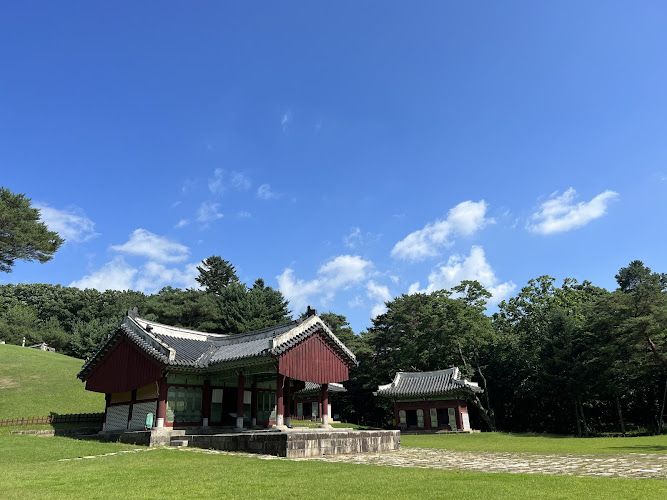
• A T-shaped shrine building called Jeongjagak where memorial rites were traditionally performed, showcasing classic Joseon architectural elements with its curved rooflines and wooden beam construction
• Red-painted spirit gates that mark the boundary between the earthly realm and the sacred burial ground, representing traditional Korean spiritual beliefs
• Stone lanterns and incense burners positioned strategically throughout the complex, each carved from single blocks of granite
• UNESCO World Heritage Site designation as part of the Royal Tombs of the Joseon Dynasty, recognizing its outstanding universal value
• Well-preserved stone inscriptions detailing the lives and accomplishments of those interred here
• Ancient pine trees surrounding the complex that have stood guard for hundreds of years, some dating back to when the tomb was first constructed
• Wheelchair accessible pathways and parking facilities making it possible for visitors of all mobility levels to experience this historical treasure
• Family-friendly grounds with gentle walking paths suitable for children, though parents should prepare for educational opportunities rather than playground equipment
Best Time to Visit
Timing your visit to Yeongneung can dramatically affect your experience, and I’ll be straight with you—some seasons are just better than others for tomb exploration.
Spring, particularly late April through early May, transforms the grounds into something almost magical. The cherry blossoms and azaleas bloom throughout the complex, creating this stunning contrast against the solemn gray stone statues and emerald grass mounds. Temperature-wise, you’re looking at comfortable ranges between 15-20°C (59-68°F), which makes walking the grounds genuinely pleasant rather than an endurance test.
Autumn rivals spring for the best visiting season. September through early November brings those famous Korean fall colors, and the maple trees scattered throughout Yeongneung explode in reds, oranges, and golds. There’s something profoundly moving about witnessing the cycle of seasons in a place dedicated to remembrance. Plus, the slightly cooler temperatures mean fewer crowds and more opportunities for quiet contemplation.
Summer? Well, it’s doable but challenging. Korean summers bring intense heat and humidity that can make walking the grounds feel like moving through soup. If you must visit between June and August, go early morning right when they open or late afternoon. Bring more water than you think you’ll need—seriously, double whatever you packed. The forest canopy provides some relief, but the open areas around the tombs offer zero shade.
Winter visits have their own appeal if you can handle the cold. Snow-covered tomb mounds create an ethereal atmosphere that photographers absolutely love. But temperatures can drop well below freezing, and some pathways might get icy. The site sees very few visitors during winter months, which means you might have entire sections to yourself. That solitude can be either wonderfully meditative or slightly eerie, depending on your perspective.
Weekday visits trump weekends year-round. Korean school groups and tour buses tend to concentrate on weekends and holidays, which can disrupt that contemplative atmosphere that makes Yeongneung special. Tuesday through Thursday typically sees the lightest crowds in my experience.
How to Get There
Getting to Yeongneung requires a bit more effort than visiting Seoul’s central attractions, but the journey is absolutely manageable even if you don’t speak Korean.
The tomb complex sits in Guri city, which is technically part of Gyeonggi Province but remains well-connected to Seoul’s public transportation network. Your best bet involves taking the subway followed by a local bus—yes, it’s a two-step process, but don’t let that intimidate you.
Start by taking Seoul’s Subway Line 5 to Sangil-dong Station. This line runs through major areas including Yeouido, Gwanghwamun, and Dongdaemun, so most travelers can access it fairly easily from their accommodations. The ride takes anywhere from 30 to 60 minutes depending on your starting point. From Sangil-dong Station, head to Exit 2—this is important because different exits put you in completely different areas.
Once you’ve emerged from Exit 2, look for the bus stops serving routes 9 and 202. Both buses will get you to Donggureung, the larger tomb complex that includes Yeongneung. The bus ride takes roughly 20-25 minutes, and you’ll want to get off at the Donggureung stop (the driver announcements are in Korean and English, but the stop name is pretty distinctive).
Alternatively, taxis from central Seoul cost between 25,000-35,000 won depending on traffic and your exact starting location. If you’re traveling with a group of three or four people, splitting a taxi actually becomes cost-competitive with public transit while saving significant time. Just show the driver “동구릉” (Donggureung) written down or on your phone.
For those renting cars, parking facilities are available on-site and accessible for wheelchair users. The drive from central Seoul typically takes 40-50 minutes outside rush hour, though morning and evening commute times can extend that to 90 minutes. Navigation apps like KakaoMap or Naver work better than Google Maps in Korea, so download one of those before your trip.
Tips for Visiting
Let me share some practical wisdom that’ll make your Yeongneung experience smoother and more meaningful.
Arrive equipped with comfortable walking shoes—and I mean really comfortable. You’ll cover more ground than you expect, and fashionable sneakers that seem fine for city walking might start causing problems after thirty minutes on uneven forest paths. The terrain isn’t particularly difficult, but it’s also not paved sidewalk the entire way.
Bring your own snacks and water because facilities near the tombs are minimal at best. There’s a small visitor center with basic amenities, but don’t expect cafes or restaurants within walking distance. I learned this the hard way during a summer visit that left me parched and cranky by the midpoint.
Download or screenshot information about Crown Prince Hyojang before arriving. English signage exists but remains somewhat limited, and understanding the historical context enriches the experience immensely. Knowing that this young prince was mourned so deeply by his father that his tomb rivals those of actual kings adds emotional weight to what you’re seeing.
Photography is permitted and even encouraged, but remain respectful of the sacred nature of the site. These are actual graves, not just photogenic historical props. I’ve seen tourists climb on stone statues for selfies, which is both disrespectful and potentially damaging to centuries-old artifacts. Admire, photograph, but don’t touch or climb.
Insect repellent during warm months isn’t optional—it’s essential. The forested setting means mosquitoes and other bugs consider you an all-you-can-eat buffet. Apply before you arrive and reapply during your visit.
Consider hiring a cultural heritage guide if your budget allows. Several services offer English-speaking guides who can explain nuances in architecture, ritual practices, and royal history that you’d otherwise miss. The stories they share about court intrigue and royal family dynamics bring the stone and grass mounds to life in unexpected ways.
Plan for 90 minutes to two hours to properly explore Yeongneung along with nearby tombs in the Donggureung complex. Rushing through in 30 minutes means you’ll miss the atmosphere that makes this place special. And that atmosphere—that sense of stepping back through centuries—is really why you came all this way.
Check the weather forecast obsessively before your visit. Rain makes pathways slippery and generally creates a miserable experience. But light overcast skies? Actually perfect for avoiding harsh shadows in photos while keeping temperatures comfortable.
Key Highlights
- Pair of royal burial mounds for Crown Prince Hyojang and Crown Princess Hyosun
- Stone spirit road lined with carved animal and human guardian statues
- Ritual shrine and altar area used for ancestral rites
- Well-preserved Joseon-era funerary layout and landscaping
- Peaceful wooded setting within the Samneung royal tomb cluster (UNESCO-listed)
Location
Places to Stay Near Yeongneung (Tomb of Crown Prince Hyojang & Crown Princess Hyosun)
Find and Book a Tour
Explore More Travel Guides
No reviews found! Be the first to review!
Traveler Reviews for Yeongneung (Tomb of Crown Prince Hyojang & Crown Princess Hyosun)
There are no reviews yet. Be the first one to write one.
Have you visited Yeongneung (Tomb of Crown Prince Hyojang & Crown Princess Hyosun)? Help other travelers by sharing your review.
Nearby Attractions
Find Accommodations Nearby
Recommended Tours & Activities
Visitor Reviews
There are no reviews yet. Be the first one to write one.
Share Your Experience
Have you visited Yeongneung (Tomb of Crown Prince Hyojang & Crown Princess Hyosun)? Help other travelers by leaving a review.
