
Yong-Yeon
About Yong-Yeon
Description
Yong-Yeon stands as one of those remarkable natural formations that makes you stop and question how geology manages to create such unexpected beauty. This waterfall presents itself not as the typical cascading torrent you might picture, but as something altogether more subtle and atmospheric. The water doesn't crash dramatically from great heights - instead, it flows with a gentle persistence that's almost meditative in quality. What strikes most travelers upon arrival is the intimate scale of the experience. You're not standing hundreds of feet away from a massive spectacle here. Instead, Yong-Yeon brings you close to the action, allowing you to feel the cool mist on your face and hear the soft murmur of water against rock. I've visited plenty of waterfalls in my time, and there's something to be said for the ones that don't require you to crane your neck upward or squint into the distance to appreciate their beauty. The surrounding environment plays a huge role in what makes this spot special. The rock formations have been carved over thousands of years, creating interesting pockets and pools where the water gathers before continuing its journey. And the vegetation that clings to the surrounding cliffs adds layers of green that shift with the seasons, giving each visit a slightly different character depending on when you show up.Key Features
The defining characteristics of Yong-Yeon create an experience that differs substantially from your typical tourist waterfall destination:- A close-up viewing experience that puts you right in the action rather than keeping you at a distant observation point
- Unique rock formations shaped by persistent water erosion over millennia, creating natural sculptures worth studying
- Accessible pathways that don't require extreme hiking abilities, making it suitable for various fitness levels
- Natural pools where water collects, offering photo opportunities and chances to observe the water's interaction with stone
- Seasonal variations in water flow that transform the character of the falls throughout the year
- Surrounding vegetation that provides shade during warmer months and creates a microclimate around the waterfall area
- Relatively peaceful atmosphere compared to more famous waterfall destinations, particularly during weekday visits
- Geological features that demonstrate clear examples of water erosion patterns for those interested in natural processes
Best Time to Visit
Timing your visit to Yong-Yeon really depends on what kind of experience you're after. The waterfall shows different personalities depending on the season, and honestly, there isn't one objectively "best" time - just different times for different preferences. Spring brings increased water flow from snowmelt and seasonal rains. You'll see the waterfall at its most energetic during these months, typically from late March through May. The surrounding vegetation bursts into fresh growth, and everything feels renewed. But you'll also encounter more visitors during this period, particularly on weekends when locals take advantage of the pleasant weather. Summer months see the heaviest tourist traffic. The area around the waterfall stays cooler than surrounding regions, which makes it appealing when temperatures climb. However, this is when you'll have the least solitude. If you don't mind sharing the space with other travelers and families on outings, the refreshing mist feels particularly welcome during July and August heat. Autumn presents what I'd argue is the most photogenic season. The foliage takes on those warm tones that make every photo look like it's been professionally edited, and the water flow remains consistent enough to maintain the waterfall's presence without being overwhelming. September through November offers comfortable temperatures and generally clearer skies. Winter transforms Yong-Yeon into something completely different. The water flow decreases, sometimes to just a trickle, and ice formations can develop around the edges depending on how cold it gets. You'll practically have the place to yourself during these months. Just watch your footing because icy patches make the pathways trickier to navigate. Early morning visits during any season offer the best lighting and smallest crowds. I've learned over years of travel that getting to natural attractions right when they open beats showing up at midday every single time.How to Get There
Getting to Yong-Yeon requires a bit of planning, but it's far from impossible even if you're not familiar with the area. The waterfall sits in a location that's accessible by multiple transportation methods, though having your own vehicle definitely simplifies matters. If you're driving, navigation apps will get you to the general vicinity without much trouble. Parking availability varies by season - you'll find it easiest during off-peak months and more challenging on popular visiting days. Look for designated parking areas rather than creating your own spot along the roadside, both for safety and to avoid any potential fines. Public transportation works but requires more coordination. Local bus routes service the area, though schedules can be infrequent depending on the day of the week. Plan your return journey carefully because missing the last bus of the day creates complications. Check current schedules before you head out since they change seasonally. Some travelers arrange taxi services, which offers flexibility without the commitment of renting a car. This works particularly well if you're combining Yong-Yeon with other nearby attractions in a single day trip. The fare might seem steep initially, but split among a small group it becomes quite reasonable. From the parking area or bus stop, you'll walk approximately fifteen to twenty minutes to reach the waterfall itself. The path is established and maintained, though it includes some uneven terrain and steps. Proper footwear makes a significant difference - save the flip-flops for the beach and wear shoes with actual traction.Tips for Visiting
A successful visit to Yong-Yeon comes down to proper preparation and realistic expectations. This isn't a highly developed tourist site with extensive facilities, so self-sufficiency matters. Bring water and snacks with you. You won't find vendors or vending machines at the waterfall itself, and dehydration ruins outdoor experiences faster than just about anything else. I always pack more water than I think I'll need because I've been caught short too many times in the past. Wear layers even if the forecast looks warm. The area around the waterfall stays noticeably cooler than surrounding regions, and that mist can leave you feeling chilly even on summer days. A light jacket stuffed in your bag weighs almost nothing but provides options when you need them. Camera equipment needs protection from moisture. That fine mist looks beautiful but it'll coat your lens if you're not careful. Bring a microfiber cloth for wiping down gear, and consider a waterproof camera bag if you're carrying expensive equipment. Phone cameras work perfectly fine here too - don't feel like you need professional gear to capture good shots. The rocks around the waterfall get slippery. This seems obvious but people underestimate it constantly. Take your time moving around, especially if you want to get close to the water. One slip can end your trip pretty quickly and emergency services aren't exactly around the corner. Respect the environment by packing out everything you bring in. Trash receptacles are limited, so plan to carry your waste with you. Leave the rocks and plants where you find them - it keeps the area beautiful for future visitors and prevents ecological damage. Check weather conditions before you go, particularly if rain is in the forecast. Heavy rain can make the paths more challenging and increases water levels in ways that might limit your access to certain viewing areas. Light rain actually creates an atmospheric experience, but there's a line between atmospheric and just plain miserable. Weekday visits offer a markedly different experience than weekend trips. If your schedule allows flexibility, choosing a Tuesday or Wednesday over a Saturday transforms the feel of the place entirely. You'll have more space for photography, more quiet for contemplation, and generally more breathing room. Consider the physical requirements honestly. While Yong-Yeon doesn't demand extreme fitness, it does involve walking on uneven surfaces and potentially navigating steps. If you're traveling with elderly companions or very young children, factor in extra time and possibly reconsider if mobility limitations exist.Key Features
- A close-up viewing experience that puts you right in the action rather than keeping you at a distant observation point
- Unique rock formations shaped by persistent water erosion over millennia, creating natural sculptures worth studying
- Accessible pathways that don't require extreme hiking abilities, making it suitable for various fitness levels
- Natural pools where water collects, offering photo opportunities and chances to observe the water's interaction with stone
- Seasonal variations in water flow that transform the character of the falls throughout the year
- Surrounding vegetation that provides shade during warmer months and creates a microclimate around the waterfall area
- Relatively peaceful atmosphere compared to more famous waterfall destinations, particularly during weekday visits
- Geological features that demonstrate clear examples of water erosion patterns for those interested in natural processes
More Details
Updated January 17, 2026
Table of Contents
Description
Yong-Yeon stands as one of those remarkable natural formations that makes you stop and question how geology manages to create such unexpected beauty. This waterfall presents itself not as the typical cascading torrent you might picture, but as something altogether more subtle and atmospheric. The water doesn’t crash dramatically from great heights – instead, it flows with a gentle persistence that’s almost meditative in quality.
What strikes most travelers upon arrival is the intimate scale of the experience. You’re not standing hundreds of feet away from a massive spectacle here. Instead, Yong-Yeon brings you close to the action, allowing you to feel the cool mist on your face and hear the soft murmur of water against rock. I’ve visited plenty of waterfalls in my time, and there’s something to be said for the ones that don’t require you to crane your neck upward or squint into the distance to appreciate their beauty.
The surrounding environment plays a huge role in what makes this spot special. The rock formations have been carved over thousands of years, creating interesting pockets and pools where the water gathers before continuing its journey. And the vegetation that clings to the surrounding cliffs adds layers of green that shift with the seasons, giving each visit a slightly different character depending on when you show up.
Key Features
The defining characteristics of Yong-Yeon create an experience that differs substantially from your typical tourist waterfall destination:
- A close-up viewing experience that puts you right in the action rather than keeping you at a distant observation point
- Unique rock formations shaped by persistent water erosion over millennia, creating natural sculptures worth studying
- Accessible pathways that don’t require extreme hiking abilities, making it suitable for various fitness levels
- Natural pools where water collects, offering photo opportunities and chances to observe the water’s interaction with stone
- Seasonal variations in water flow that transform the character of the falls throughout the year
- Surrounding vegetation that provides shade during warmer months and creates a microclimate around the waterfall area
- Relatively peaceful atmosphere compared to more famous waterfall destinations, particularly during weekday visits
- Geological features that demonstrate clear examples of water erosion patterns for those interested in natural processes
Best Time to Visit
Timing your visit to Yong-Yeon really depends on what kind of experience you’re after. The waterfall shows different personalities depending on the season, and honestly, there isn’t one objectively “best” time – just different times for different preferences.
Spring brings increased water flow from snowmelt and seasonal rains. You’ll see the waterfall at its most energetic during these months, typically from late March through May. The surrounding vegetation bursts into fresh growth, and everything feels renewed. But you’ll also encounter more visitors during this period, particularly on weekends when locals take advantage of the pleasant weather.
Summer months see the heaviest tourist traffic. The area around the waterfall stays cooler than surrounding regions, which makes it appealing when temperatures climb. However, this is when you’ll have the least solitude. If you don’t mind sharing the space with other travelers and families on outings, the refreshing mist feels particularly welcome during July and August heat.
Autumn presents what I’d argue is the most photogenic season. The foliage takes on those warm tones that make every photo look like it’s been professionally edited, and the water flow remains consistent enough to maintain the waterfall’s presence without being overwhelming. September through November offers comfortable temperatures and generally clearer skies.
Winter transforms Yong-Yeon into something completely different. The water flow decreases, sometimes to just a trickle, and ice formations can develop around the edges depending on how cold it gets. You’ll practically have the place to yourself during these months. Just watch your footing because icy patches make the pathways trickier to navigate.
Early morning visits during any season offer the best lighting and smallest crowds. I’ve learned over years of travel that getting to natural attractions right when they open beats showing up at midday every single time.
How to Get There
Getting to Yong-Yeon requires a bit of planning, but it’s far from impossible even if you’re not familiar with the area. The waterfall sits in a location that’s accessible by multiple transportation methods, though having your own vehicle definitely simplifies matters.
If you’re driving, navigation apps will get you to the general vicinity without much trouble. Parking availability varies by season – you’ll find it easiest during off-peak months and more challenging on popular visiting days. Look for designated parking areas rather than creating your own spot along the roadside, both for safety and to avoid any potential fines.
Public transportation works but requires more coordination. Local bus routes service the area, though schedules can be infrequent depending on the day of the week. Plan your return journey carefully because missing the last bus of the day creates complications. Check current schedules before you head out since they change seasonally.
Some travelers arrange taxi services, which offers flexibility without the commitment of renting a car. This works particularly well if you’re combining Yong-Yeon with other nearby attractions in a single day trip. The fare might seem steep initially, but split among a small group it becomes quite reasonable.
From the parking area or bus stop, you’ll walk approximately fifteen to twenty minutes to reach the waterfall itself. The path is established and maintained, though it includes some uneven terrain and steps. Proper footwear makes a significant difference – save the flip-flops for the beach and wear shoes with actual traction.
Tips for Visiting
A successful visit to Yong-Yeon comes down to proper preparation and realistic expectations. This isn’t a highly developed tourist site with extensive facilities, so self-sufficiency matters.
Bring water and snacks with you. You won’t find vendors or vending machines at the waterfall itself, and dehydration ruins outdoor experiences faster than just about anything else. I always pack more water than I think I’ll need because I’ve been caught short too many times in the past.
Wear layers even if the forecast looks warm. The area around the waterfall stays noticeably cooler than surrounding regions, and that mist can leave you feeling chilly even on summer days. A light jacket stuffed in your bag weighs almost nothing but provides options when you need them.
Camera equipment needs protection from moisture. That fine mist looks beautiful but it’ll coat your lens if you’re not careful. Bring a microfiber cloth for wiping down gear, and consider a waterproof camera bag if you’re carrying expensive equipment. Phone cameras work perfectly fine here too – don’t feel like you need professional gear to capture good shots.
The rocks around the waterfall get slippery. This seems obvious but people underestimate it constantly. Take your time moving around, especially if you want to get close to the water. One slip can end your trip pretty quickly and emergency services aren’t exactly around the corner.
Respect the environment by packing out everything you bring in. Trash receptacles are limited, so plan to carry your waste with you. Leave the rocks and plants where you find them – it keeps the area beautiful for future visitors and prevents ecological damage.
Check weather conditions before you go, particularly if rain is in the forecast. Heavy rain can make the paths more challenging and increases water levels in ways that might limit your access to certain viewing areas. Light rain actually creates an atmospheric experience, but there’s a line between atmospheric and just plain miserable.
Weekday visits offer a markedly different experience than weekend trips. If your schedule allows flexibility, choosing a Tuesday or Wednesday over a Saturday transforms the feel of the place entirely. You’ll have more space for photography, more quiet for contemplation, and generally more breathing room.
Consider the physical requirements honestly. While Yong-Yeon doesn’t demand extreme fitness, it does involve walking on uneven surfaces and potentially navigating steps. If you’re traveling with elderly companions or very young children, factor in extra time and possibly reconsider if mobility limitations exist.
Key Highlights
- A close-up viewing experience that puts you right in the action rather than keeping you at a distant observation point
- Unique rock formations shaped by persistent water erosion over millennia, creating natural sculptures worth studying
- Accessible pathways that don't require extreme hiking abilities, making it suitable for various fitness levels
- Natural pools where water collects, offering photo opportunities and chances to observe the water's interaction with stone
- Seasonal variations in water flow that transform the character of the falls throughout the year
- Surrounding vegetation that provides shade during warmer months and creates a microclimate around the waterfall area
- Relatively peaceful atmosphere compared to more famous waterfall destinations, particularly during weekday visits
- Geological features that demonstrate clear examples of water erosion patterns for those interested in natural processes
Location
Places to Stay Near Yongyeon Pond
Find and Book a Tour
Explore More Travel Guides
No reviews found! Be the first to review!
Traveler Reviews for Yong-Yeon
There are no reviews yet. Be the first one to write one.
Have you visited Yong-Yeon? Help other travelers by sharing your review.
You Might Also Like
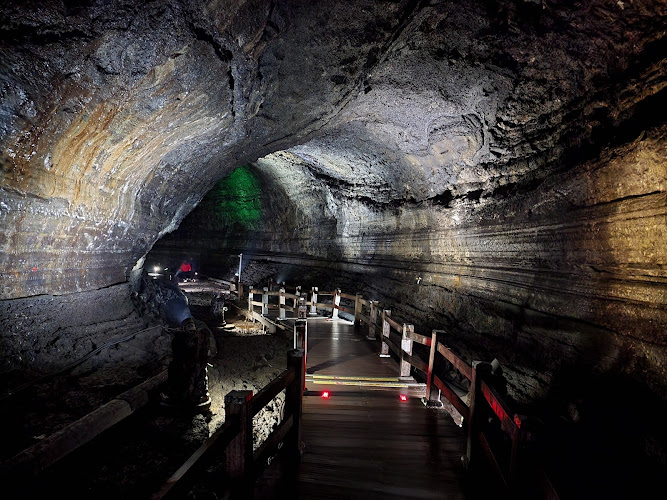
Manjanggul Lava Tube
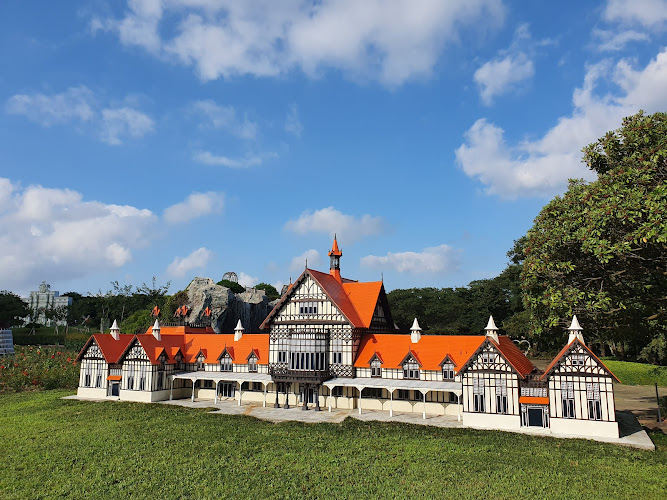
Jeju Mini Land
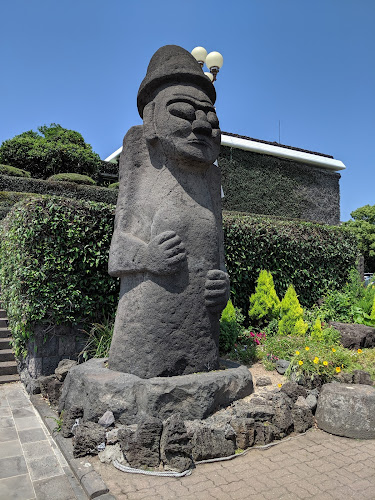
Jeju Folklore and Natural History Museum
Find Accommodations Nearby
Recommended Tours & Activities
Visitor Reviews
There are no reviews yet. Be the first one to write one.
Share Your Experience
Have you visited Yong-Yeon? Help other travelers by leaving a review.