Bijarim Forest
About Bijarim Forest
Description
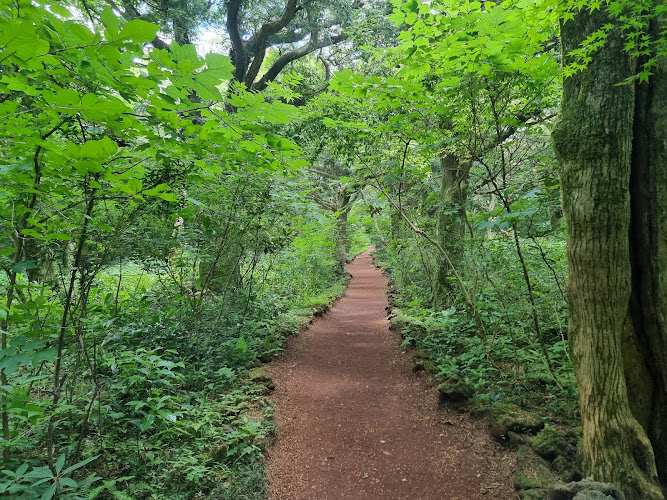
The Bijarim Forest represents one of those rare places on earth where time seems to have paused somewhere between the medieval period and now. I've walked through plenty of forests in my travels, but there's something genuinely otherworldly about standing beneath trees that were already ancient when Columbus set sail. This isn't your typical woodland stroll—it's basically a living museum where thousands of Korean nutmeg trees have been growing for anywhere between 500 and 800 years. Located on Jeju Island, South Korea, the forest covers roughly 2.9 square kilometers and houses approximately 2,800 nutmeg trees, some with trunks so massive you'd need several people linking hands to encircle them. The Korean name "Bijarim" literally translates to "Nutmeg Forest," though these aren't the nutmeg trees you're thinking of from your spice rack. These are Torreya nucifera trees, and they've been designated as a Natural Monument by the South Korean government, which tells you something about how special this place really is. What makes Bijarim particularly fascinating is the concentration of phytoncides in the air—those are organic compounds that trees release which actually have health benefits for humans. Walking through this forest, you're literally breathing in what some researchers believe can boost your immune system and reduce stress. The Japanese have a practice called "forest bathing" or shinrin-yoku, and if there was ever a perfect place for that, Bijarim would be it. The air here feels different, thicker somehow, alive with that distinctive scent of ancient wood and earth. The forest floor is covered with moss and ferns that create this almost fairy-tale atmosphere, especially on foggy days when visibility drops and the trees seem to emerge from nowhere like silent guardians. And yes, it can get crowded during peak tourist season, but even then there's enough space among these giants that you can find your own quiet corner to just... exist for a while.Key Features
The Bijarim Forest offers visitors several distinctive characteristics that set it apart from other natural attractions:- Ancient Korean nutmeg trees aged between 500-800 years, with some specimens exceeding 25 meters in height and 6 meters in circumference
- A well-maintained 2.8-kilometer walking trail that winds through the heart of the forest, taking approximately 1-1.5 hours to complete at a leisurely pace
- High concentration of phytoncides released by the ancient trees, creating an atmosphere believed to have therapeutic benefits for respiratory health and stress reduction
- Complete wheelchair accessibility including entrance ramps, paved pathways, designated parking areas, and accessible restroom facilities
- Kid-friendly hiking trails with gentle slopes and educational markers explaining the forest's ecological significance
- A canopy so dense that it creates a natural cooling effect during summer months, with temperatures inside the forest typically 3-5 degrees Celsius lower than outside
- Unique biodiversity including rare ferns, mosses, and understory plants that thrive in the shade of the ancient nutmeg trees
- Photography opportunities that change dramatically with seasons and weather conditions, from misty mornings to dappled sunlight filtering through leaves
- Educational displays and information boards detailing the cultural and historical significance of the forest to Jeju Island
- Modern amenities including clean public restrooms, rest areas, and acceptance of various payment methods including credit cards and mobile payments
Best Time to Visit
Here's where I'm gonna be straight with you—there's no universally "perfect" time to visit Bijarim because each season offers something completely different, and what you're looking for matters more than any general recommendation. Spring, particularly late March through May, brings new growth and that bright green color that only fresh leaves can produce. The forest wakes up from winter, and if you hit it right in early April, you might catch cherry blossoms in the surrounding areas of Jeju. Temperature-wise, you're looking at pleasant weather in the 15-20°C range, though spring can be unpredictable with occasional rain showers. Personally, I find spring crowds manageable except during Korean holidays when domestic tourism spikes significantly. Summer—specifically June through August—transforms the forest into a natural air conditioning unit. While outside temperatures on Jeju can reach 30°C and the humidity makes you feel like you're walking through soup, inside Bijarim it's noticeably cooler and more breathable. The canopy is at its thickest, blocking out harsh sunlight and creating this emerald-tinted atmosphere. But fair warning, this is peak tourist season. Weekends can get properly busy, and you'll be sharing those trails with lots of other people who've had the same idea about escaping the heat. Autumn, running from September through November, is what many locals will tell you is the ideal time. And honestly? They might be onto something. The temperatures drop to comfortable levels, the humidity finally breaks, and while the nutmeg trees themselves don't change color dramatically (they're evergreens), the surrounding deciduous trees create this patchwork of golds and reds that contrasts beautifully with the deep green of the ancient nutmegs. October is particularly gorgeous if you can manage it. Winter is the wildcard. December through February sees fewer tourists—like, significantly fewer—which means you might have sections of the trail almost to yourself. The temperatures hover around 5-10°C, cold enough that you'll want layers but not so frigid that it's unpleasant. The forest takes on this stark, contemplative quality in winter. Occasionally, though rarely, Jeju gets snow, and Bijarim under snow is absolutely magical. I won't guarantee you'll see it, but if you happen to be there during a snowfall, you're in for something special. Weekday mornings, regardless of season, tend to be quietest. If you can arrive right when they open around 9 AM, you'll beat most tour groups who typically show up mid-morning or after lunch.How to Get There
Getting to Bijarim requires a bit of planning since it's not located near Jeju's main population centers, but the journey is straightforward enough once you know your options. Most visitors to Jeju Island rent a car, and honestly, that's your best bet for reaching Bijarim with maximum flexibility. From Jeju City, you're looking at roughly a 40-minute drive heading northeast. Take Route 1132, and the forest is well-signposted in both Korean and English. The drive itself is pleasant, taking you through Jeju's countryside with views of volcanic rock walls and traditional villages. Parking is available on-site and can accommodate a decent number of vehicles, though it fills up during peak times on weekends and holidays. Public transportation exists but requires patience and planning. Bus number 710 runs from Jeju City to the Bijarim area, though service isn't particularly frequent—you're looking at buses roughly every 1-2 hours depending on the season. The journey takes about an hour, maybe more depending on traffic and stops. From the bus stop, it's a short walk to the entrance. Check the return bus schedule before you start your forest walk because missing the last bus would leave you in a bit of a predicament. Taxis are another option, though they'll cost you more than most budget travelers want to spend. A taxi from Jeju City to Bijarim runs somewhere in the 30,000-40,000 won range one way. Some visitors take a taxi there and arrange for pickup, or use taxi apps to call for a ride when they're ready to leave. It works, but it's definitely pricier than other options. Tour buses include Bijarim as part of eastern Jeju tour packages. If you're staying at a hotel in one of the main tourist areas, the concierge can usually book you onto a day tour that includes Bijarim along with other attractions like Seongsan Ilchulbong or Manjanggul Cave. This takes the navigation stress out of the equation, though you'll be on someone else's schedule and won't have as much flexibility for how long you spend in the forest. Cycling is technically possible for the adventurous since Jeju has been developing its cycling infrastructure, but it's a solid 30+ kilometer ride from Jeju City with some hills involved. Only consider this if you're a confident cyclist comfortable with Korean traffic patterns.Tips for Visiting
Let me share some practical wisdom that'll make your Bijarim experience better, stuff that doesn't always make it into the official tourist information but really matters when you're actually there. Wear proper footwear. I can't stress this enough. The main trail is paved and well-maintained, sure, but it's still a forest with roots, occasional wet spots, and uneven surfaces. Those cute sandals or brand-new shoes you haven't broken in yet? Leave them at your accommodation. Comfortable walking shoes with good traction are what you want. If it's rained recently, parts of the trail can be slippery despite the paving. The forest is cooler than surrounding areas, sometimes significantly so. Even if it's hot when you arrive, bring a light jacket or long-sleeved shirt, especially if you're visiting during shoulder seasons or tend to get cold easily. The temperature difference under that canopy is real. Insect repellent during warmer months isn't absolutely necessary but also isn't a bad idea. The forest is home to various insects, and while they're generally not aggressive, mosquitoes do exist. Some visitors are bothered, others aren't—depends on your particular appeal to bugs, I suppose. Take your time on that trail. Too many people rush through trying to "complete" the forest like it's a checklist item. The whole point is slowing down, breathing that phytoncide-rich air, actually looking at these ancient trees. There are benches along the route for a reason. Use them. Sit. Listen to the forest sounds. That's when Bijarim really gets under your skin in the best way. Photography enthusiasts should know that the lighting inside the forest is tricky. It's quite dim under the canopy, so you'll need to adjust your camera settings accordingly. Early morning or late afternoon provides the best light when sun rays occasionally break through the canopy creating those dramatic god-ray effects. Foggy conditions, while they might seem disappointing at first, actually create incredibly atmospheric photos. Respect the designated paths. I know it's tempting to wander off and get up close to those massive tree trunks, but the forest floor is fragile and the root systems are shallow. Hundreds of thousands of visitors walk through Bijarim annually, and if everyone went off-trail, the damage would compound quickly. The trees have survived for centuries; help them survive a few more by staying on the paths. Bring water, especially during summer. There's a small shop near the entrance where you can purchase drinks and snacks, but once you're on the trail, there's nowhere to buy refreshments. Staying hydrated is important, particularly if you're walking slowly and taking your time as you should be. The restrooms at the entrance are clean and well-maintained, but there aren't facilities along the trail itself. Plan accordingly before you start walking. For families with young children, the trail is genuinely kid-friendly despite being nearly 3 kilometers long. The path is wide enough for strollers if needed, though a baby carrier might be more comfortable for you. Kids often find the enormous trees fascinating—encourage them to compare their arm span to the tree circumference, or count growth rings on fallen logs when they're visible. Make it interactive rather than just a walk. Consider visiting twice if you have multiple days on Jeju—once on a clear day and once if you get lucky with fog or mist. The forest has completely different personalities depending on weather conditions. I've been on sunny days when the green seems impossibly vibrant, and foggy days when the trees emerge from white mist like something from a fantasy film. Both experiences are valuable. Don't expect dramatic Instagram moments around every corner. Bijarim's beauty is subtle, ancient, and quiet. It rewards observation and patience rather than quick photo opportunities. That's not a criticism—it's actually refreshing in an age where everything is designed for maximum visual impact. This place makes you work a little harder for appreciation, and that's part of what makes it special.Key Features
- Ancient bijas (nutmeg yew) trees, some centuries old
- Accessible, shaded boardwalks and paths suitable for wheelchairs and strollers
- Rich understory with rare orchids and endemic plant species
- Interpretive signage and occasional guided/exploration programs
- Close proximity to other major Jeju attractions, making it easy to combine visits
More Details
Updated January 17, 2026
Table of Contents
Description
The Bijarim Forest represents one of those rare places on earth where time seems to have paused somewhere between the medieval period and now. I’ve walked through plenty of forests in my travels, but there’s something genuinely otherworldly about standing beneath trees that were already ancient when Columbus set sail. This isn’t your typical woodland stroll—it’s basically a living museum where thousands of Korean nutmeg trees have been growing for anywhere between 500 and 800 years.
Located on Jeju Island, South Korea, the forest covers roughly 2.9 square kilometers and houses approximately 2,800 nutmeg trees, some with trunks so massive you’d need several people linking hands to encircle them. The Korean name “Bijarim” literally translates to “Nutmeg Forest,” though these aren’t the nutmeg trees you’re thinking of from your spice rack. These are Torreya nucifera trees, and they’ve been designated as a Natural Monument by the South Korean government, which tells you something about how special this place really is.
What makes Bijarim particularly fascinating is the concentration of phytoncides in the air—those are organic compounds that trees release which actually have health benefits for humans. Walking through this forest, you’re literally breathing in what some researchers believe can boost your immune system and reduce stress. The Japanese have a practice called “forest bathing” or shinrin-yoku, and if there was ever a perfect place for that, Bijarim would be it. The air here feels different, thicker somehow, alive with that distinctive scent of ancient wood and earth.
The forest floor is covered with moss and ferns that create this almost fairy-tale atmosphere, especially on foggy days when visibility drops and the trees seem to emerge from nowhere like silent guardians. And yes, it can get crowded during peak tourist season, but even then there’s enough space among these giants that you can find your own quiet corner to just… exist for a while.
Key Features
The Bijarim Forest offers visitors several distinctive characteristics that set it apart from other natural attractions:
- Ancient Korean nutmeg trees aged between 500-800 years, with some specimens exceeding 25 meters in height and 6 meters in circumference
- A well-maintained 2.8-kilometer walking trail that winds through the heart of the forest, taking approximately 1-1.5 hours to complete at a leisurely pace
- High concentration of phytoncides released by the ancient trees, creating an atmosphere believed to have therapeutic benefits for respiratory health and stress reduction
- Complete wheelchair accessibility including entrance ramps, paved pathways, designated parking areas, and accessible restroom facilities
- Kid-friendly hiking trails with gentle slopes and educational markers explaining the forest’s ecological significance
- A canopy so dense that it creates a natural cooling effect during summer months, with temperatures inside the forest typically 3-5 degrees Celsius lower than outside
- Unique biodiversity including rare ferns, mosses, and understory plants that thrive in the shade of the ancient nutmeg trees
- Photography opportunities that change dramatically with seasons and weather conditions, from misty mornings to dappled sunlight filtering through leaves
- Educational displays and information boards detailing the cultural and historical significance of the forest to Jeju Island
- Modern amenities including clean public restrooms, rest areas, and acceptance of various payment methods including credit cards and mobile payments
Best Time to Visit
Here’s where I’m gonna be straight with you—there’s no universally “perfect” time to visit Bijarim because each season offers something completely different, and what you’re looking for matters more than any general recommendation.
Spring, particularly late March through May, brings new growth and that bright green color that only fresh leaves can produce. The forest wakes up from winter, and if you hit it right in early April, you might catch cherry blossoms in the surrounding areas of Jeju. Temperature-wise, you’re looking at pleasant weather in the 15-20°C range, though spring can be unpredictable with occasional rain showers. Personally, I find spring crowds manageable except during Korean holidays when domestic tourism spikes significantly.
Summer—specifically June through August—transforms the forest into a natural air conditioning unit. While outside temperatures on Jeju can reach 30°C and the humidity makes you feel like you’re walking through soup, inside Bijarim it’s noticeably cooler and more breathable. The canopy is at its thickest, blocking out harsh sunlight and creating this emerald-tinted atmosphere. But fair warning, this is peak tourist season. Weekends can get properly busy, and you’ll be sharing those trails with lots of other people who’ve had the same idea about escaping the heat.
Autumn, running from September through November, is what many locals will tell you is the ideal time. And honestly? They might be onto something. The temperatures drop to comfortable levels, the humidity finally breaks, and while the nutmeg trees themselves don’t change color dramatically (they’re evergreens), the surrounding deciduous trees create this patchwork of golds and reds that contrasts beautifully with the deep green of the ancient nutmegs. October is particularly gorgeous if you can manage it.
Winter is the wildcard. December through February sees fewer tourists—like, significantly fewer—which means you might have sections of the trail almost to yourself. The temperatures hover around 5-10°C, cold enough that you’ll want layers but not so frigid that it’s unpleasant. The forest takes on this stark, contemplative quality in winter. Occasionally, though rarely, Jeju gets snow, and Bijarim under snow is absolutely magical. I won’t guarantee you’ll see it, but if you happen to be there during a snowfall, you’re in for something special.
Weekday mornings, regardless of season, tend to be quietest. If you can arrive right when they open around 9 AM, you’ll beat most tour groups who typically show up mid-morning or after lunch.
How to Get There
Getting to Bijarim requires a bit of planning since it’s not located near Jeju’s main population centers, but the journey is straightforward enough once you know your options.
Most visitors to Jeju Island rent a car, and honestly, that’s your best bet for reaching Bijarim with maximum flexibility. From Jeju City, you’re looking at roughly a 40-minute drive heading northeast. Take Route 1132, and the forest is well-signposted in both Korean and English. The drive itself is pleasant, taking you through Jeju’s countryside with views of volcanic rock walls and traditional villages. Parking is available on-site and can accommodate a decent number of vehicles, though it fills up during peak times on weekends and holidays.
Public transportation exists but requires patience and planning. Bus number 710 runs from Jeju City to the Bijarim area, though service isn’t particularly frequent—you’re looking at buses roughly every 1-2 hours depending on the season. The journey takes about an hour, maybe more depending on traffic and stops. From the bus stop, it’s a short walk to the entrance. Check the return bus schedule before you start your forest walk because missing the last bus would leave you in a bit of a predicament.
Taxis are another option, though they’ll cost you more than most budget travelers want to spend. A taxi from Jeju City to Bijarim runs somewhere in the 30,000-40,000 won range one way. Some visitors take a taxi there and arrange for pickup, or use taxi apps to call for a ride when they’re ready to leave. It works, but it’s definitely pricier than other options.
Tour buses include Bijarim as part of eastern Jeju tour packages. If you’re staying at a hotel in one of the main tourist areas, the concierge can usually book you onto a day tour that includes Bijarim along with other attractions like Seongsan Ilchulbong or Manjanggul Cave. This takes the navigation stress out of the equation, though you’ll be on someone else’s schedule and won’t have as much flexibility for how long you spend in the forest.
Cycling is technically possible for the adventurous since Jeju has been developing its cycling infrastructure, but it’s a solid 30+ kilometer ride from Jeju City with some hills involved. Only consider this if you’re a confident cyclist comfortable with Korean traffic patterns.
Tips for Visiting
Let me share some practical wisdom that’ll make your Bijarim experience better, stuff that doesn’t always make it into the official tourist information but really matters when you’re actually there.
Wear proper footwear. I can’t stress this enough. The main trail is paved and well-maintained, sure, but it’s still a forest with roots, occasional wet spots, and uneven surfaces. Those cute sandals or brand-new shoes you haven’t broken in yet? Leave them at your accommodation. Comfortable walking shoes with good traction are what you want. If it’s rained recently, parts of the trail can be slippery despite the paving.
The forest is cooler than surrounding areas, sometimes significantly so. Even if it’s hot when you arrive, bring a light jacket or long-sleeved shirt, especially if you’re visiting during shoulder seasons or tend to get cold easily. The temperature difference under that canopy is real.
Insect repellent during warmer months isn’t absolutely necessary but also isn’t a bad idea. The forest is home to various insects, and while they’re generally not aggressive, mosquitoes do exist. Some visitors are bothered, others aren’t—depends on your particular appeal to bugs, I suppose.
Take your time on that trail. Too many people rush through trying to “complete” the forest like it’s a checklist item. The whole point is slowing down, breathing that phytoncide-rich air, actually looking at these ancient trees. There are benches along the route for a reason. Use them. Sit. Listen to the forest sounds. That’s when Bijarim really gets under your skin in the best way.
Photography enthusiasts should know that the lighting inside the forest is tricky. It’s quite dim under the canopy, so you’ll need to adjust your camera settings accordingly. Early morning or late afternoon provides the best light when sun rays occasionally break through the canopy creating those dramatic god-ray effects. Foggy conditions, while they might seem disappointing at first, actually create incredibly atmospheric photos.
Respect the designated paths. I know it’s tempting to wander off and get up close to those massive tree trunks, but the forest floor is fragile and the root systems are shallow. Hundreds of thousands of visitors walk through Bijarim annually, and if everyone went off-trail, the damage would compound quickly. The trees have survived for centuries; help them survive a few more by staying on the paths.
Bring water, especially during summer. There’s a small shop near the entrance where you can purchase drinks and snacks, but once you’re on the trail, there’s nowhere to buy refreshments. Staying hydrated is important, particularly if you’re walking slowly and taking your time as you should be.
The restrooms at the entrance are clean and well-maintained, but there aren’t facilities along the trail itself. Plan accordingly before you start walking.
For families with young children, the trail is genuinely kid-friendly despite being nearly 3 kilometers long. The path is wide enough for strollers if needed, though a baby carrier might be more comfortable for you. Kids often find the enormous trees fascinating—encourage them to compare their arm span to the tree circumference, or count growth rings on fallen logs when they’re visible. Make it interactive rather than just a walk.
Consider visiting twice if you have multiple days on Jeju—once on a clear day and once if you get lucky with fog or mist. The forest has completely different personalities depending on weather conditions. I’ve been on sunny days when the green seems impossibly vibrant, and foggy days when the trees emerge from white mist like something from a fantasy film. Both experiences are valuable.
Don’t expect dramatic Instagram moments around every corner. Bijarim’s beauty is subtle, ancient, and quiet. It rewards observation and patience rather than quick photo opportunities. That’s not a criticism—it’s actually refreshing in an age where everything is designed for maximum visual impact. This place makes you work a little harder for appreciation, and that’s part of what makes it special.
Key Highlights
- Ancient bijas (nutmeg yew) trees, some centuries old
- Accessible, shaded boardwalks and paths suitable for wheelchairs and strollers
- Rich understory with rare orchids and endemic plant species
- Interpretive signage and occasional guided/exploration programs
- Close proximity to other major Jeju attractions, making it easy to combine visits
Location
Places to Stay Near Bijarim Forest
Find and Book a Tour
Explore More Travel Guides
No reviews found! Be the first to review!
Traveler Reviews for Bijarim Forest
There are no reviews yet. Be the first one to write one.
Have you visited Bijarim Forest? Help other travelers by sharing your review.
Nearby Attractions
Find Accommodations Nearby
Recommended Tours & Activities
Visitor Reviews
There are no reviews yet. Be the first one to write one.
Share Your Experience
Have you visited Bijarim Forest? Help other travelers by leaving a review.
