
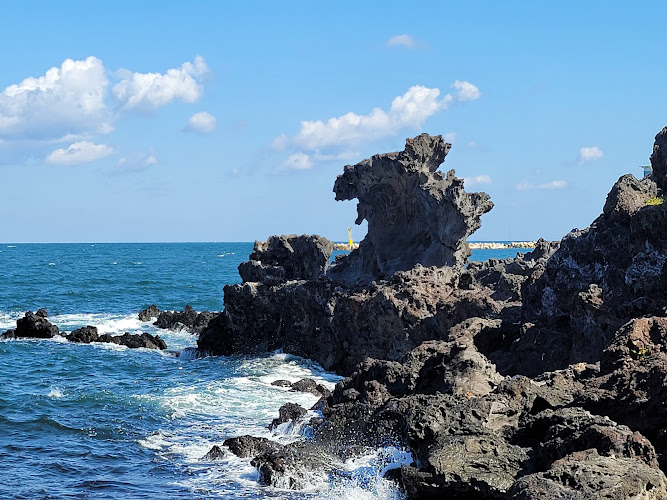
Yongduam Rock
About Yongduam Rock
Description
Yongduam Rock stands as one of Jeju Island's most photographed natural landmarks, and honestly, I get why tourists flock here. This volcanic rock formation juts out from the coastline like an ancient dragon emerging from the sea, which is exactly what its name suggests - "Yongduam" literally translates to "Dragon Head Rock" in Korean. The resemblance is pretty striking once you see it from the right angle, though I'll admit some visitors need to squint a bit and use their imagination. What makes this geological wonder particularly special is its origin story. Around two million years ago, lava from Hallasan Mountain flowed down to the coast and met the cold ocean waters. The rapid cooling and erosion over countless centuries carved out this dragon-shaped masterpiece. Nature's got quite the artistic touch when given enough time to work. The formation sits along Jeju's northern coastline, where waves crash dramatically against the black volcanic rocks, creating that perfect postcard moment travelers crave. But here's the thing - this isn't just another rock to tick off your bucket list. The surrounding area has been developed into a pleasant coastal park where you can actually spend a couple hours exploring if you're not rushing from one attraction to another.Key Features
The experience at Yongduam Rock offers several distinctive elements that set it apart from other Jeju attractions:- The dragon head formation itself measures approximately 10 meters in height and extends about 30 meters in length, making it an impressive sight especially during high tide when waves crash against its base
- Multiple viewing platforms positioned at different angles allow photographers to capture the rock from various perspectives, and trust me, you'll want to walk around to find that perfect shot where the dragon profile really pops
- A pleasant coastal walking path stretches along the shoreline, connecting to nearby cafes and seafood restaurants where locals actually eat (not just tourist traps)
- The surrounding park features well-maintained gardens and sitting areas where older visitors often gather in the early mornings for exercise and socializing
- Wheelchair accessible facilities including parking and pathways make this one of Jeju's more inclusive natural attractions
- Public restrooms are available onsite, which seasoned travelers know is always worth mentioning
- The area remains open 24 hours, so sunrise and sunset chasers can plan their visits accordingly without worrying about gate times
- Street vendors selling hotteok (Korean sweet pancakes) and other snacks often set up nearby, especially on weekends
- The proximity to Jeju International Airport makes it an easy first or last stop on your island itinerary
Best Time to Visit
I've learned through various travel experiences that timing can make or break a destination visit, and Yongduam Rock is no exception to this rule. The site technically welcomes visitors year-round, but certain periods definitely offer better experiences than others. Early morning visits, particularly around sunrise between 6 and 8 AM, provide the most peaceful atmosphere. The lighting during golden hour makes the volcanic rock glow in warm tones that just don't appear at midday. Plus you'll mostly encounter local residents during these hours rather than tour buses full of selfie-stick wielding crowds. I'm not judging the selfie sticks, by the way - just noting that quieter visits tend to be more memorable. Weather-wise, spring months from March through May bring mild temperatures and blooming flora in the surrounding park areas. The ocean looks particularly blue during this season when visibility is high. Autumn, specifically September through November, offers similar advantages with the added bonus of fewer tourists compared to peak summer months. Summer can be crowded and hot, but if that's when your schedule allows, aim for weekday visits. The area gets absolutely packed on weekends during July and August when Korean families take their vacations. Nothing wrong with crowds if you don't mind them, but be prepared for limited parking and queues at the best photo spots. Winter visits have their own charm despite the cold winds whipping off the ocean. The dramatic waves during this season create spectacular splashing against the rocks, though you'll want to dress warmly in layers. January and February see the fewest visitors, which means you might have extended periods with the dragon all to yourself. Regarding time of day, sunset visits between 5 and 7 PM (depending on season) offer beautiful golden light, though you'll share the experience with other sunset chasers. Midday visits from 11 AM to 2 PM tend to have the harshest lighting for photographs and the largest crowds, so I'd suggest avoiding this window if possible.How to Get There
Getting to Yongduam Rock is refreshingly straightforward compared to some of Jeju's more remote attractions. The formation sits just a few kilometers from Jeju International Airport, making it incredibly convenient for travelers with tight schedules or those wanting to maximize their first or last day on the island. For those renting a car, which I highly recommend for exploring Jeju properly, the drive from the airport takes roughly 10 to 15 minutes depending on traffic. You'll head northwest along the coastal road, and parking is available in designated lots near the site. The parking accepts credit cards, and spaces fill up quickly during peak seasons, so arriving earlier rather than later makes sense. Public transportation works perfectly fine too. Several city buses stop near Yongduam Rock, including routes 200, 246, 247, and 282. The bus system on Jeju is actually pretty reliable once you figure out the routes. You'll want to get off at Yongduam Rock bus stop (the signs are in Korean and English), and from there it's just a short walk to the viewing areas. Taxis from Jeju City center or the airport are another option, though they'll obviously cost more than buses. The fare from the airport typically runs between 6,000 to 8,000 won, which isn't terrible for the convenience. Many taxi drivers speak limited English, but showing them "용두암" (Yongduam in Korean) on your phone usually does the trick. For budget travelers or those who enjoy walking, the rock sits within a reasonable distance from central Jeju City accommodations. A 30 to 40 minute walk along the coast can actually be quite pleasant if weather permits and you're not dragging heavy luggage around. Tour buses include Yongduam Rock on many Jeju island circuits, which works if you prefer organized travel, though you'll typically only get 20 to 30 minutes at the site before being herded back onto the bus. That's enough time for photos but not much else.Tips for Visiting
After piecing together information from frequent visitors and common-sense travel practices, here are the insights that'll help you make the most of your Yongduam Rock experience. Wear appropriate footwear - and I can't stress this enough. The coastal paths get slippery, especially after rain or during misty mornings when ocean spray coats everything. Those cute sandals might look great in photos, but they're not ideal for navigating potentially slick volcanic rock surfaces. Sneakers or hiking shoes make way more sense. Check the tide schedule before visiting. High tide brings dramatic waves crashing against the dragon's head, creating that powerful natural spectacle you've seen in photos. Low tide reveals more of the rock formation and nearby tide pools worth exploring if you're into marine life. Both have their appeal, so it depends on what kind of experience you're after. Bring layers regardless of season because coastal winds can be deceivingly strong and chilly even on seemingly warm days. I've watched too many unprepared tourists shivering through their visit when a simple light jacket would've solved the problem. The lighting changes drastically throughout the day, so if photography is important to you, visit during golden hours or bring appropriate camera equipment for midday shooting. Your smartphone will work fine, but enthusiast photographers will want their DSLRs or mirrorless cameras. Don't skip the walking paths beyond the main dragon head viewing platform. Many visitors snap their photos and leave immediately, missing the pleasant coastal trail that extends in both directions. A leisurely stroll reveals additional rock formations and quieter spots for contemplation or snacking. Local cafes and restaurants near the site often have better views than the designated viewing platforms, and ordering a drink or meal gives you a comfortable seat to enjoy the scenery. The fish cake soup at some of these spots honestly hits different when you're eating it while watching waves crash against ancient volcanic rock. Free parking can be tricky during peak hours, so having small bills or a credit card ready for paid lots saves time and frustration. Some travelers report finding street parking slightly further away and walking, which works if you don't mind the extra steps. If you're traveling with elderly family members or anyone with mobility concerns, stick to the main paved areas which are well-maintained and accessible. The side trails can get rocky and uneven pretty quickly. Visit on weekdays when possible to avoid the weekend rush, especially if you value peaceful experiences over crowd energy. The difference in visitor numbers between Tuesday morning and Saturday afternoon is substantial. Bring snacks and water, though vendors nearby sell refreshments if you forget. Prices aren't outrageously inflated like at some tourist spots, but they're not bargain basement either. The area lacks shade, so sunscreen and hats are essential during warmer months. Sunburn doesn't care that you're on vacation, and Jeju's sun can be surprisingly intense when you're focused on sightseeing rather than sun protection. For families with young children, keep a close eye on little ones near the water edges. The rocks can be tempting to climb, but safety should always trump adventurous photo opportunities. Consider combining your Yongduam Rock visit with nearby attractions like Jeju Folk Village Museum or Dongmun Traditional Market to maximize your time in this part of the island. The compact geography around Jeju City makes multiple stops in one afternoon totally feasible.Key Features
- Distinctive dragon-head-shaped volcanic rock formation
- Coastal setting with dramatic waves and sea spray
- Close proximity to Jeju City and Jeju International Airport
- Local legends and cultural significance tied to Jeju folklore
- Stalls and eateries nearby offering fresh seafood and snacks
More Details
Updated January 17, 2026
Table of Contents
Description
Yongduam Rock stands as one of Jeju Island’s most photographed natural landmarks, and honestly, I get why tourists flock here. This volcanic rock formation juts out from the coastline like an ancient dragon emerging from the sea, which is exactly what its name suggests – “Yongduam” literally translates to “Dragon Head Rock” in Korean. The resemblance is pretty striking once you see it from the right angle, though I’ll admit some visitors need to squint a bit and use their imagination.
What makes this geological wonder particularly special is its origin story. Around two million years ago, lava from Hallasan Mountain flowed down to the coast and met the cold ocean waters. The rapid cooling and erosion over countless centuries carved out this dragon-shaped masterpiece. Nature’s got quite the artistic touch when given enough time to work.
The formation sits along Jeju’s northern coastline, where waves crash dramatically against the black volcanic rocks, creating that perfect postcard moment travelers crave. But here’s the thing – this isn’t just another rock to tick off your bucket list. The surrounding area has been developed into a pleasant coastal park where you can actually spend a couple hours exploring if you’re not rushing from one attraction to another.
Key Features
The experience at Yongduam Rock offers several distinctive elements that set it apart from other Jeju attractions:
- The dragon head formation itself measures approximately 10 meters in height and extends about 30 meters in length, making it an impressive sight especially during high tide when waves crash against its base
- Multiple viewing platforms positioned at different angles allow photographers to capture the rock from various perspectives, and trust me, you’ll want to walk around to find that perfect shot where the dragon profile really pops
- A pleasant coastal walking path stretches along the shoreline, connecting to nearby cafes and seafood restaurants where locals actually eat (not just tourist traps)
- The surrounding park features well-maintained gardens and sitting areas where older visitors often gather in the early mornings for exercise and socializing
- Wheelchair accessible facilities including parking and pathways make this one of Jeju’s more inclusive natural attractions
- Public restrooms are available onsite, which seasoned travelers know is always worth mentioning
- The area remains open 24 hours, so sunrise and sunset chasers can plan their visits accordingly without worrying about gate times
- Street vendors selling hotteok (Korean sweet pancakes) and other snacks often set up nearby, especially on weekends
- The proximity to Jeju International Airport makes it an easy first or last stop on your island itinerary
Best Time to Visit
I’ve learned through various travel experiences that timing can make or break a destination visit, and Yongduam Rock is no exception to this rule. The site technically welcomes visitors year-round, but certain periods definitely offer better experiences than others.
Early morning visits, particularly around sunrise between 6 and 8 AM, provide the most peaceful atmosphere. The lighting during golden hour makes the volcanic rock glow in warm tones that just don’t appear at midday. Plus you’ll mostly encounter local residents during these hours rather than tour buses full of selfie-stick wielding crowds. I’m not judging the selfie sticks, by the way – just noting that quieter visits tend to be more memorable.
Weather-wise, spring months from March through May bring mild temperatures and blooming flora in the surrounding park areas. The ocean looks particularly blue during this season when visibility is high. Autumn, specifically September through November, offers similar advantages with the added bonus of fewer tourists compared to peak summer months.
Summer can be crowded and hot, but if that’s when your schedule allows, aim for weekday visits. The area gets absolutely packed on weekends during July and August when Korean families take their vacations. Nothing wrong with crowds if you don’t mind them, but be prepared for limited parking and queues at the best photo spots.
Winter visits have their own charm despite the cold winds whipping off the ocean. The dramatic waves during this season create spectacular splashing against the rocks, though you’ll want to dress warmly in layers. January and February see the fewest visitors, which means you might have extended periods with the dragon all to yourself.
Regarding time of day, sunset visits between 5 and 7 PM (depending on season) offer beautiful golden light, though you’ll share the experience with other sunset chasers. Midday visits from 11 AM to 2 PM tend to have the harshest lighting for photographs and the largest crowds, so I’d suggest avoiding this window if possible.
How to Get There
Getting to Yongduam Rock is refreshingly straightforward compared to some of Jeju’s more remote attractions. The formation sits just a few kilometers from Jeju International Airport, making it incredibly convenient for travelers with tight schedules or those wanting to maximize their first or last day on the island.
For those renting a car, which I highly recommend for exploring Jeju properly, the drive from the airport takes roughly 10 to 15 minutes depending on traffic. You’ll head northwest along the coastal road, and parking is available in designated lots near the site. The parking accepts credit cards, and spaces fill up quickly during peak seasons, so arriving earlier rather than later makes sense.
Public transportation works perfectly fine too. Several city buses stop near Yongduam Rock, including routes 200, 246, 247, and 282. The bus system on Jeju is actually pretty reliable once you figure out the routes. You’ll want to get off at Yongduam Rock bus stop (the signs are in Korean and English), and from there it’s just a short walk to the viewing areas.
Taxis from Jeju City center or the airport are another option, though they’ll obviously cost more than buses. The fare from the airport typically runs between 6,000 to 8,000 won, which isn’t terrible for the convenience. Many taxi drivers speak limited English, but showing them “용두암” (Yongduam in Korean) on your phone usually does the trick.
For budget travelers or those who enjoy walking, the rock sits within a reasonable distance from central Jeju City accommodations. A 30 to 40 minute walk along the coast can actually be quite pleasant if weather permits and you’re not dragging heavy luggage around.
Tour buses include Yongduam Rock on many Jeju island circuits, which works if you prefer organized travel, though you’ll typically only get 20 to 30 minutes at the site before being herded back onto the bus. That’s enough time for photos but not much else.
Tips for Visiting
After piecing together information from frequent visitors and common-sense travel practices, here are the insights that’ll help you make the most of your Yongduam Rock experience.
Wear appropriate footwear – and I can’t stress this enough. The coastal paths get slippery, especially after rain or during misty mornings when ocean spray coats everything. Those cute sandals might look great in photos, but they’re not ideal for navigating potentially slick volcanic rock surfaces. Sneakers or hiking shoes make way more sense.
Check the tide schedule before visiting. High tide brings dramatic waves crashing against the dragon’s head, creating that powerful natural spectacle you’ve seen in photos. Low tide reveals more of the rock formation and nearby tide pools worth exploring if you’re into marine life. Both have their appeal, so it depends on what kind of experience you’re after.
Bring layers regardless of season because coastal winds can be deceivingly strong and chilly even on seemingly warm days. I’ve watched too many unprepared tourists shivering through their visit when a simple light jacket would’ve solved the problem.
The lighting changes drastically throughout the day, so if photography is important to you, visit during golden hours or bring appropriate camera equipment for midday shooting. Your smartphone will work fine, but enthusiast photographers will want their DSLRs or mirrorless cameras.
Don’t skip the walking paths beyond the main dragon head viewing platform. Many visitors snap their photos and leave immediately, missing the pleasant coastal trail that extends in both directions. A leisurely stroll reveals additional rock formations and quieter spots for contemplation or snacking.
Local cafes and restaurants near the site often have better views than the designated viewing platforms, and ordering a drink or meal gives you a comfortable seat to enjoy the scenery. The fish cake soup at some of these spots honestly hits different when you’re eating it while watching waves crash against ancient volcanic rock.
Free parking can be tricky during peak hours, so having small bills or a credit card ready for paid lots saves time and frustration. Some travelers report finding street parking slightly further away and walking, which works if you don’t mind the extra steps.
If you’re traveling with elderly family members or anyone with mobility concerns, stick to the main paved areas which are well-maintained and accessible. The side trails can get rocky and uneven pretty quickly.
Visit on weekdays when possible to avoid the weekend rush, especially if you value peaceful experiences over crowd energy. The difference in visitor numbers between Tuesday morning and Saturday afternoon is substantial.
Bring snacks and water, though vendors nearby sell refreshments if you forget. Prices aren’t outrageously inflated like at some tourist spots, but they’re not bargain basement either.
The area lacks shade, so sunscreen and hats are essential during warmer months. Sunburn doesn’t care that you’re on vacation, and Jeju’s sun can be surprisingly intense when you’re focused on sightseeing rather than sun protection.
For families with young children, keep a close eye on little ones near the water edges. The rocks can be tempting to climb, but safety should always trump adventurous photo opportunities.
Consider combining your Yongduam Rock visit with nearby attractions like Jeju Folk Village Museum or Dongmun Traditional Market to maximize your time in this part of the island. The compact geography around Jeju City makes multiple stops in one afternoon totally feasible.
Key Highlights
- Distinctive dragon-head-shaped volcanic rock formation
- Coastal setting with dramatic waves and sea spray
- Close proximity to Jeju City and Jeju International Airport
- Local legends and cultural significance tied to Jeju folklore
- Stalls and eateries nearby offering fresh seafood and snacks
Location
Places to Stay Near Yongduam Rock
Find and Book a Tour
Explore More Travel Guides
No reviews found! Be the first to review!
Traveler Reviews for Yongduam Rock
There are no reviews yet. Be the first one to write one.
Have you visited Yongduam Rock? Help other travelers by sharing your review.
Nearby Attractions
You Might Also Like
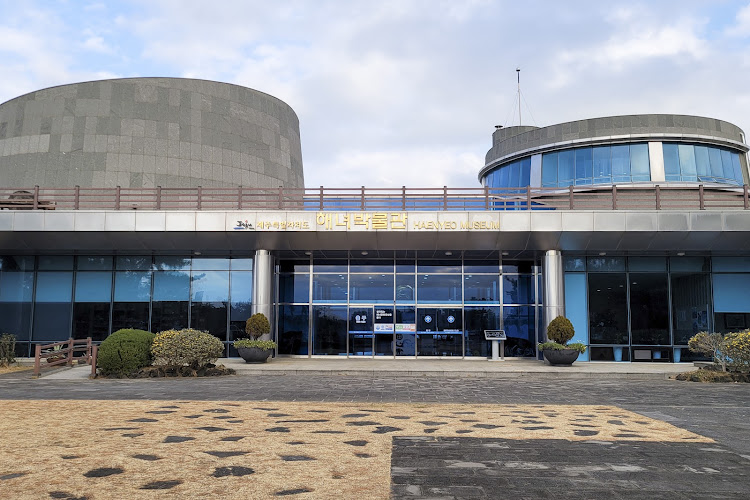
Jeju Haenyeo Museum
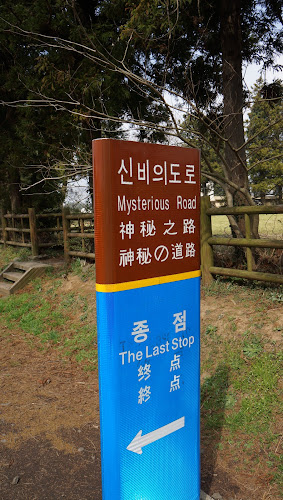
Mysterious Road
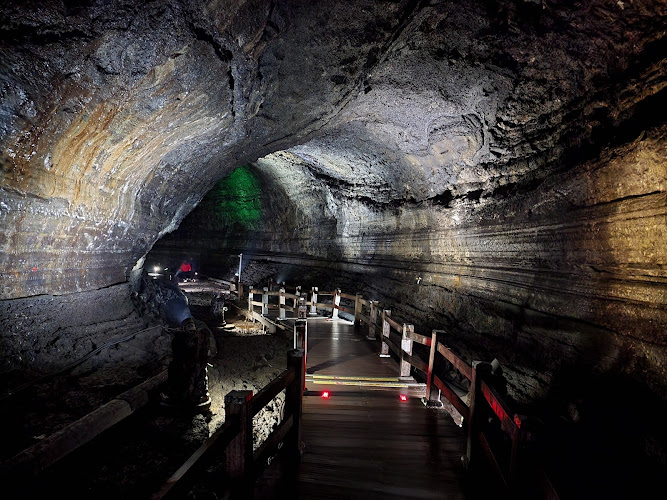
Manjanggul Lava Tube
Find Accommodations Nearby
Recommended Tours & Activities
Visitor Reviews
There are no reviews yet. Be the first one to write one.
Share Your Experience
Have you visited Yongduam Rock? Help other travelers by leaving a review.