Eoseungsaengak Trail
About Eoseungsaengak Trail
Description
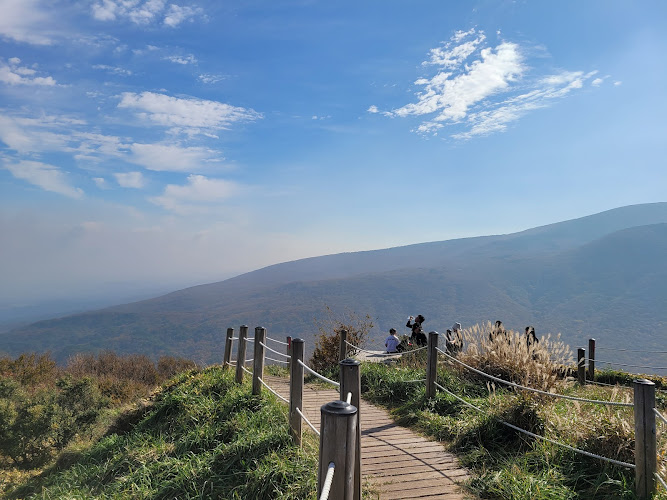
Eoseungsaengak Trail offers one of those perfect quick hikes that doesn't demand your entire day but still delivers knockout views that'll have you reaching for your camera more times than you'd probably like to admit. This volcanic cone sits on Jeju Island, and honestly, it's become something of a local favorite for good reason. The trail winds up through a landscape that tells the story of Jeju's fiery geological past, with that distinctive volcanic rock peeking through at every turn. What makes this spot particularly appealing is how it manages to pack so much visual punch into such a manageable hike. You're not committing to some grueling all-day expedition here – this is more of a "hey, we've got a couple hours before lunch" kind of adventure. And yet, when you reach that summit, you're treated to sweeping panoramas of Mount Hallasan dominating the inland horizon while Jeju city sprawls out toward the coast below. It's the kind of view that makes you understand why people keep coming back. The volcanic cone itself rises with enough personality to keep the climb interesting without being intimidating. I've always found there's something special about volcanic landscapes – they've got this raw, almost otherworldly quality that flat hiking trails just can't match. The trail has been developed enough that you're not bushwhacking through undergrowth, but it still maintains that sense of being out in nature rather than walking through an overly manicured park. For travelers exploring Jeju Island, Eoseungsaengak presents an excellent opportunity to experience the island's volcanic heritage up close without needing specialized hiking gear or days of preparation. The relatively short distance means families with kids can tackle it together, and the reward-to-effort ratio honestly can't be beat. On clear days, the visibility stretches far enough that you can really appreciate Jeju's unique position as this volcanic island rising dramatically from the sea.Key Features
- Quick ascent to the summit makes this ideal for travelers with limited time or those not looking for an all-day commitment
- Commanding views of Mount Hallasan, South Korea's highest peak, providing excellent photo opportunities particularly during sunrise and sunset hours
- Panoramic vistas overlooking Jeju city and the surrounding coastal areas, offering perspective on the island's layout and geography
- Volcanic cone formation that gives hikers a tangible connection to Jeju's geological history and formation through volcanic activity
- Well-maintained trail system that balances accessibility with preserving the natural volcanic landscape character
- Wheelchair accessible parking facilities making the trailhead reachable for visitors with mobility considerations
- Restroom facilities available at the site, which honestly makes a bigger difference than people realize when planning outdoor activities
- Family-friendly terrain suitable for children, opening up the experience to multi-generational groups
- Less crowded than some of Jeju's more famous hiking destinations, particularly during weekday visits
- Distinctive volcanic rock formations along the path that showcase the unique geological processes that shaped Jeju Island
Best Time to Visit
Timing your visit to Eoseungsaengak can honestly make or break the experience, and I've learned this the hard way through various trips to volcanic hiking spots. Spring months from April through early June bring arguably the most pleasant conditions – temperatures hover in that comfortable range where you're not freezing at the top but not dripping with sweat halfway up either. The vegetation comes alive during this period too, adding splashes of color against that dark volcanic rock. Autumn, particularly October and early November, runs a close second for ideal visiting conditions. The air tends to be crisp and clear, which means those summit views stretch even farther than usual. There's something about fall light that makes landscape photography particularly rewarding, and if you're someone who enjoys capturing travel memories through photos, this season won't disappoint. But let's talk about what to avoid. Summer on Jeju can get surprisingly humid and hot, and while the trail isn't terribly long, climbing even a modest volcanic cone under the blazing sun with humidity clinging to everything gets uncomfortable fast. If summer is your only option, aim for early morning starts – we're talking before 8 AM if possible. You'll beat both the heat and the crowds. Winter visits present their own unique appeal, though they come with caveats. The cold weather means fewer tourists, and there's something almost meditative about having a trail mostly to yourself. Snow occasionally dusts the volcanic cone, creating striking contrasts in the landscape. However, icy conditions can make the trail trickier to navigate, and those summit winds cut right through you. Bundle up properly if you're visiting between December and February. Regarding time of day, sunrise and sunset visits offer the most dramatic lighting, though getting there for sunrise requires some serious commitment and advance planning for transportation. Late afternoon visits, maybe starting around 3 or 4 PM, give you that beautiful golden hour light without the pre-dawn wake-up call. Weekdays see significantly lighter foot traffic than weekends, particularly avoiding Korean holidays when domestic tourism spikes considerably.How to Get There
Getting to Eoseungsaengak requires a bit of planning since Jeju's public transportation, while improving, doesn't necessarily get you everywhere with perfect convenience. Most travelers find renting a car provides the most flexibility for exploring the island, and this trail definitely falls into the category of spots that are just easier to reach with your own wheels. The drive from Jeju city takes roughly 20 to 30 minutes depending on traffic and exactly where you're starting from. If you're staying in the downtown Jeju city area, you'll head generally eastward, following the main coastal roads before turning inland toward the volcanic cone. GPS navigation works reliably on the island, so plugging in the trail name should get you there without too much confusion. Parking facilities at the trailhead include wheelchair accessible spots, and there's generally adequate space though it can fill up during peak weekend hours. For those relying on public transportation, buses do run in the general area, but you'll need to check current routes and schedules carefully. The walk from the nearest bus stop to the trailhead adds extra time and distance to your journey. Honestly, if you're committed to the bus option, allow yourself plenty of buffer time and double-check the return schedule before you start hiking – missing the last bus back would definitely put a damper on your day. Taxis offer another alternative, though arranging a return pickup requires coordination since you won't find cabs just waiting around at the trailhead. Some travelers arrange for their taxi to return at a specific time, while others use ride-hailing apps if service coverage is reliable in that area. Tour companies operating on Jeju sometimes include Eoseungsaengak as part of broader itineraries, which solves the transportation puzzle but commits you to a group schedule. The trailhead itself is clearly marked once you arrive, with signage in both Korean and English. Restroom facilities near the parking area mean you can take care of necessities before starting your hike, which I always appreciate more than perhaps sounds exciting but matters practically.Tips for Visiting
Wear proper footwear – this isn't optional. The volcanic terrain includes uneven surfaces and loose rocks in sections, so those cute sandals or fashion sneakers really aren't going to cut it. Hiking shoes or at least athletic shoes with good tread make the experience significantly safer and more comfortable. I've seen too many people struggling in inappropriate footwear, and it just turns an enjoyable hike into an uncomfortable ordeal. Bring water, even though the hike is relatively short. Dehydration sneaks up on you, especially on warmer days, and there aren't water sources along the trail. A standard reusable water bottle per person should suffice, but don't skip this. Carrying a small backpack also gives you space for an extra layer – summit temperatures and winds can differ noticeably from conditions at the base, particularly during shoulder seasons. Start earlier rather than later when possible. Morning hours typically offer better visibility and fewer crowds, plus temperatures stay more moderate. The lighting for photography tends to be more flattering before the harsh midday sun takes over. And honestly, finishing your hike with most of the day still ahead gives you flexibility for whatever else you've got planned on Jeju. Check weather conditions before heading out. Jeju's weather can be unpredictable, and fog sometimes rolls in quickly, potentially obscuring those summit views entirely. While hiking in light rain is certainly doable with proper gear, summiting in heavy fog means missing out on the main attraction. Weather apps and forecasts for Jeju are generally reliable, so take a few minutes to check before committing to the drive. Respect the natural environment and stay on marked trails. Volcanic ecosystems can be surprisingly fragile despite looking rocky and tough. Trampling vegetation or creating new paths contributes to erosion and damages the landscape for future visitors. This probably sounds preachy, but I genuinely believe we've got a responsibility to maintain these places. Bring sun protection – sunscreen, hat, sunglasses. The sun exposure during the ascent and especially at the summit is more significant than the short hiking time might suggest. Volcanic landscapes often lack substantial tree cover, meaning you're in direct sunlight for most of the journey. Getting sunburned during the first activity of your Jeju trip sets a miserable tone for the rest of your vacation. Allow about 1.5 to 2 hours total for the round trip experience, including time at the summit to actually enjoy the views rather than immediately turning around. Rushing through defeats the purpose. This is meant to be enjoyable, not a timed fitness challenge. The restroom facilities are at the base, not along the trail or at the summit, so plan accordingly before starting your hike. This seems obvious but bears mentioning. If you're visiting with children, bring some snacks to keep energy levels up and provide little rewards for reaching certain points. Kids handle these moderate hikes quite well generally, but strategic snacking certainly helps maintain enthusiasm. Don't forget your camera or phone with adequate battery. The summit views absolutely warrant documentation, and you'll regret not capturing the panoramas of Mount Hallasan and Jeju city spread out below you. Just remember to actually experience the moment with your own eyes too, not only through a screen. Consider bringing a light jacket even if the base temperature feels comfortable. Summit winds can be surprisingly brisk, and standing around taking photos while cooling down from the climb means you might get chilly faster than expected. Finally, adjust your expectations appropriately. This is a wonderful short hike with excellent views, but it's not some remote wilderness expedition. Other hikers will likely be present, particularly during popular visiting times. The trail shows signs of human development and maintenance. That's not a criticism – it's simply the reality of a popular, accessible tourist attraction, and knowing this in advance prevents disappointment.Key Features
- Quick ascent to the summit makes this ideal for travelers with limited time or those not looking for an all-day commitment
- Commanding views of Mount Hallasan, South Korea's highest peak, providing excellent photo opportunities particularly during sunrise and sunset hours
- Panoramic vistas overlooking Jeju city and the surrounding coastal areas, offering perspective on the island's layout and geography
- Volcanic cone formation that gives hikers a tangible connection to Jeju's geological history and formation through volcanic activity
- Well-maintained trail system that balances accessibility with preserving the natural volcanic landscape character
- Wheelchair accessible parking facilities making the trailhead reachable for visitors with mobility considerations
- Restroom facilities available at the site, which honestly makes a bigger difference than people realize when planning outdoor activities
- Family-friendly terrain suitable for children, opening up the experience to multi-generational groups
More Details
Updated January 17, 2026
Table of Contents
Description
Eoseungsaengak Trail offers one of those perfect quick hikes that doesn’t demand your entire day but still delivers knockout views that’ll have you reaching for your camera more times than you’d probably like to admit. This volcanic cone sits on Jeju Island, and honestly, it’s become something of a local favorite for good reason. The trail winds up through a landscape that tells the story of Jeju’s fiery geological past, with that distinctive volcanic rock peeking through at every turn.
What makes this spot particularly appealing is how it manages to pack so much visual punch into such a manageable hike. You’re not committing to some grueling all-day expedition here – this is more of a “hey, we’ve got a couple hours before lunch” kind of adventure. And yet, when you reach that summit, you’re treated to sweeping panoramas of Mount Hallasan dominating the inland horizon while Jeju city sprawls out toward the coast below. It’s the kind of view that makes you understand why people keep coming back.
The volcanic cone itself rises with enough personality to keep the climb interesting without being intimidating. I’ve always found there’s something special about volcanic landscapes – they’ve got this raw, almost otherworldly quality that flat hiking trails just can’t match. The trail has been developed enough that you’re not bushwhacking through undergrowth, but it still maintains that sense of being out in nature rather than walking through an overly manicured park.
For travelers exploring Jeju Island, Eoseungsaengak presents an excellent opportunity to experience the island’s volcanic heritage up close without needing specialized hiking gear or days of preparation. The relatively short distance means families with kids can tackle it together, and the reward-to-effort ratio honestly can’t be beat. On clear days, the visibility stretches far enough that you can really appreciate Jeju’s unique position as this volcanic island rising dramatically from the sea.
Key Features
- Quick ascent to the summit makes this ideal for travelers with limited time or those not looking for an all-day commitment
- Commanding views of Mount Hallasan, South Korea’s highest peak, providing excellent photo opportunities particularly during sunrise and sunset hours
- Panoramic vistas overlooking Jeju city and the surrounding coastal areas, offering perspective on the island’s layout and geography
- Volcanic cone formation that gives hikers a tangible connection to Jeju’s geological history and formation through volcanic activity
- Well-maintained trail system that balances accessibility with preserving the natural volcanic landscape character
- Wheelchair accessible parking facilities making the trailhead reachable for visitors with mobility considerations
- Restroom facilities available at the site, which honestly makes a bigger difference than people realize when planning outdoor activities
- Family-friendly terrain suitable for children, opening up the experience to multi-generational groups
- Less crowded than some of Jeju’s more famous hiking destinations, particularly during weekday visits
- Distinctive volcanic rock formations along the path that showcase the unique geological processes that shaped Jeju Island
Best Time to Visit
Timing your visit to Eoseungsaengak can honestly make or break the experience, and I’ve learned this the hard way through various trips to volcanic hiking spots. Spring months from April through early June bring arguably the most pleasant conditions – temperatures hover in that comfortable range where you’re not freezing at the top but not dripping with sweat halfway up either. The vegetation comes alive during this period too, adding splashes of color against that dark volcanic rock.
Autumn, particularly October and early November, runs a close second for ideal visiting conditions. The air tends to be crisp and clear, which means those summit views stretch even farther than usual. There’s something about fall light that makes landscape photography particularly rewarding, and if you’re someone who enjoys capturing travel memories through photos, this season won’t disappoint.
But let’s talk about what to avoid. Summer on Jeju can get surprisingly humid and hot, and while the trail isn’t terribly long, climbing even a modest volcanic cone under the blazing sun with humidity clinging to everything gets uncomfortable fast. If summer is your only option, aim for early morning starts – we’re talking before 8 AM if possible. You’ll beat both the heat and the crowds.
Winter visits present their own unique appeal, though they come with caveats. The cold weather means fewer tourists, and there’s something almost meditative about having a trail mostly to yourself. Snow occasionally dusts the volcanic cone, creating striking contrasts in the landscape. However, icy conditions can make the trail trickier to navigate, and those summit winds cut right through you. Bundle up properly if you’re visiting between December and February.
Regarding time of day, sunrise and sunset visits offer the most dramatic lighting, though getting there for sunrise requires some serious commitment and advance planning for transportation. Late afternoon visits, maybe starting around 3 or 4 PM, give you that beautiful golden hour light without the pre-dawn wake-up call. Weekdays see significantly lighter foot traffic than weekends, particularly avoiding Korean holidays when domestic tourism spikes considerably.
How to Get There
Getting to Eoseungsaengak requires a bit of planning since Jeju’s public transportation, while improving, doesn’t necessarily get you everywhere with perfect convenience. Most travelers find renting a car provides the most flexibility for exploring the island, and this trail definitely falls into the category of spots that are just easier to reach with your own wheels. The drive from Jeju city takes roughly 20 to 30 minutes depending on traffic and exactly where you’re starting from.
If you’re staying in the downtown Jeju city area, you’ll head generally eastward, following the main coastal roads before turning inland toward the volcanic cone. GPS navigation works reliably on the island, so plugging in the trail name should get you there without too much confusion. Parking facilities at the trailhead include wheelchair accessible spots, and there’s generally adequate space though it can fill up during peak weekend hours.
For those relying on public transportation, buses do run in the general area, but you’ll need to check current routes and schedules carefully. The walk from the nearest bus stop to the trailhead adds extra time and distance to your journey. Honestly, if you’re committed to the bus option, allow yourself plenty of buffer time and double-check the return schedule before you start hiking – missing the last bus back would definitely put a damper on your day.
Taxis offer another alternative, though arranging a return pickup requires coordination since you won’t find cabs just waiting around at the trailhead. Some travelers arrange for their taxi to return at a specific time, while others use ride-hailing apps if service coverage is reliable in that area. Tour companies operating on Jeju sometimes include Eoseungsaengak as part of broader itineraries, which solves the transportation puzzle but commits you to a group schedule.
The trailhead itself is clearly marked once you arrive, with signage in both Korean and English. Restroom facilities near the parking area mean you can take care of necessities before starting your hike, which I always appreciate more than perhaps sounds exciting but matters practically.
Tips for Visiting
Wear proper footwear – this isn’t optional. The volcanic terrain includes uneven surfaces and loose rocks in sections, so those cute sandals or fashion sneakers really aren’t going to cut it. Hiking shoes or at least athletic shoes with good tread make the experience significantly safer and more comfortable. I’ve seen too many people struggling in inappropriate footwear, and it just turns an enjoyable hike into an uncomfortable ordeal.
Bring water, even though the hike is relatively short. Dehydration sneaks up on you, especially on warmer days, and there aren’t water sources along the trail. A standard reusable water bottle per person should suffice, but don’t skip this. Carrying a small backpack also gives you space for an extra layer – summit temperatures and winds can differ noticeably from conditions at the base, particularly during shoulder seasons.
Start earlier rather than later when possible. Morning hours typically offer better visibility and fewer crowds, plus temperatures stay more moderate. The lighting for photography tends to be more flattering before the harsh midday sun takes over. And honestly, finishing your hike with most of the day still ahead gives you flexibility for whatever else you’ve got planned on Jeju.
Check weather conditions before heading out. Jeju’s weather can be unpredictable, and fog sometimes rolls in quickly, potentially obscuring those summit views entirely. While hiking in light rain is certainly doable with proper gear, summiting in heavy fog means missing out on the main attraction. Weather apps and forecasts for Jeju are generally reliable, so take a few minutes to check before committing to the drive.
Respect the natural environment and stay on marked trails. Volcanic ecosystems can be surprisingly fragile despite looking rocky and tough. Trampling vegetation or creating new paths contributes to erosion and damages the landscape for future visitors. This probably sounds preachy, but I genuinely believe we’ve got a responsibility to maintain these places.
Bring sun protection – sunscreen, hat, sunglasses. The sun exposure during the ascent and especially at the summit is more significant than the short hiking time might suggest. Volcanic landscapes often lack substantial tree cover, meaning you’re in direct sunlight for most of the journey. Getting sunburned during the first activity of your Jeju trip sets a miserable tone for the rest of your vacation.
Allow about 1.5 to 2 hours total for the round trip experience, including time at the summit to actually enjoy the views rather than immediately turning around. Rushing through defeats the purpose. This is meant to be enjoyable, not a timed fitness challenge.
The restroom facilities are at the base, not along the trail or at the summit, so plan accordingly before starting your hike. This seems obvious but bears mentioning.
If you’re visiting with children, bring some snacks to keep energy levels up and provide little rewards for reaching certain points. Kids handle these moderate hikes quite well generally, but strategic snacking certainly helps maintain enthusiasm.
Don’t forget your camera or phone with adequate battery. The summit views absolutely warrant documentation, and you’ll regret not capturing the panoramas of Mount Hallasan and Jeju city spread out below you. Just remember to actually experience the moment with your own eyes too, not only through a screen.
Consider bringing a light jacket even if the base temperature feels comfortable. Summit winds can be surprisingly brisk, and standing around taking photos while cooling down from the climb means you might get chilly faster than expected.
Finally, adjust your expectations appropriately. This is a wonderful short hike with excellent views, but it’s not some remote wilderness expedition. Other hikers will likely be present, particularly during popular visiting times. The trail shows signs of human development and maintenance. That’s not a criticism – it’s simply the reality of a popular, accessible tourist attraction, and knowing this in advance prevents disappointment.
Key Highlights
- Quick ascent to the summit makes this ideal for travelers with limited time or those not looking for an all-day commitment
- Commanding views of Mount Hallasan, South Korea's highest peak, providing excellent photo opportunities particularly during sunrise and sunset hours
- Panoramic vistas overlooking Jeju city and the surrounding coastal areas, offering perspective on the island's layout and geography
- Volcanic cone formation that gives hikers a tangible connection to Jeju's geological history and formation through volcanic activity
- Well-maintained trail system that balances accessibility with preserving the natural volcanic landscape character
- Wheelchair accessible parking facilities making the trailhead reachable for visitors with mobility considerations
- Restroom facilities available at the site, which honestly makes a bigger difference than people realize when planning outdoor activities
- Family-friendly terrain suitable for children, opening up the experience to multi-generational groups
Location
Places to Stay Near Eoseungsaengak Trail
Find and Book a Tour
Explore More Travel Guides
No reviews found! Be the first to review!
Traveler Reviews for Eoseungsaengak Trail
There are no reviews yet. Be the first one to write one.
Have you visited Eoseungsaengak Trail? Help other travelers by sharing your review.
Find Accommodations Nearby
Recommended Tours & Activities
Visitor Reviews
There are no reviews yet. Be the first one to write one.
Share Your Experience
Have you visited Eoseungsaengak Trail? Help other travelers by leaving a review.
