
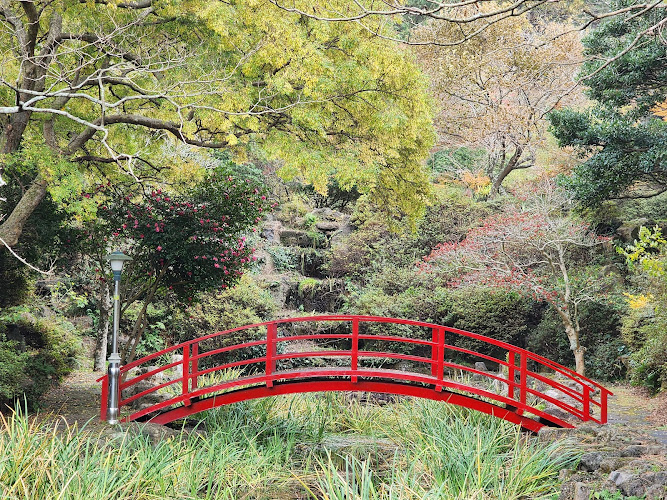
Halla Arboretum, Jeju Island,S.Korea
About Halla Arboretum, Jeju Island,S.Korea
Description
Halla Arboretum stands as one of Jeju Island's most enchanting botanical destinations, though it doesn't always get the attention it deserves compared to the island's more famous attractions. And honestly, that's part of its charm. This sprawling green sanctuary houses over 1,100 species of local and subtropical plants, creating an immersive experience that feels worlds away from the typical tourist trail. The arboretum serves as both a conservation center and a peaceful retreat where visitors can lose themselves among carefully curated gardens and winding pathways. What makes Halla Arboretum particularly special is how it showcases the unique biodiversity of Jeju Island itself. The curators have done remarkable work preserving native species alongside subtropical varieties that thrive in the island's distinctive climate. Walking through the grounds, visitors encounter everything from towering subtropical trees to delicate wildflowers that bloom in unexpected bursts of color throughout the seasons. The experience feels less like visiting a manicured tourist attraction and more like discovering a carefully protected ecosystem that happens to welcome curious travelers. The grounds span a generous area that encourages slow, mindful exploration rather than rushed sightseeing. Multiple walking trails wind through different themed sections, each offering its own character and atmosphere. Some visitors spend just an hour here, while others find themselves lingering for half a day, particularly those who appreciate botanical diversity or simply need a break from Jeju's busier attractions. The space manages to feel expansive without being overwhelming, which is no small feat for an arboretum of this caliber.Key Features
The arboretum presents several distinctive characteristics that enhance the visitor experience:- Over 1,100 species of local and subtropical plants carefully organized across themed garden sections
- Well-maintained scenic walking trails suitable for various fitness levels and mobility needs
- Wheelchair accessible throughout, including entrances, parking areas, and restroom facilities
- Designated picnic areas with tables where families can enjoy packed lunches surrounded by nature
- Kid-friendly hiking paths that make botanical exploration accessible for younger visitors
- Educational displays and plant identification markers that help visitors learn while they walk
- Seasonal blooms that transform the landscape dramatically depending on when you visit
- Native Jeju flora that you won't easily find elsewhere, even on the island itself
- Quiet zones perfect for photography enthusiasts or those seeking meditation in nature
- Clean public restrooms and onsite services that make extended visits comfortable
- Modern payment options including credit cards, debit cards, and NFC mobile payments
Best Time to Visit
Timing your visit to Halla Arboretum can dramatically affect your experience, and I've learned through conversations with seasoned Jeju travelers that each season offers something distinct. Spring, particularly late March through May, brings an explosion of blooms that transforms the grounds into a botanical showcase. The azaleas and cherry blossoms create stunning photo opportunities, though you'll encounter more visitors during this peak period. If you don't mind sharing the pathways with other plant enthusiasts, spring delivers unforgettable scenery. Summer presents a different proposition entirely. The subtropical plants absolutely thrive during the warmer months, displaying their full glory with lush foliage and verdant growth. But let's be honest - Jeju summers can get humid and occasionally rainy. Early morning visits between 9-10 AM offer the best conditions before the midday heat settles in. The advantage of summer visiting is that the trees provide substantial shade along most trails, creating natural cooling as you explore. Autumn might actually be the secret sweet spot that doesn't get talked about enough. September through November brings comfortable temperatures and the changing foliage creates a completely different color palette across the grounds. The crowds thin out considerably after the summer rush, giving you more space to explore at your own pace. I've heard from multiple visitors who stumbled upon the arboretum during autumn and considered it the highlight of their Jeju trip precisely because of the peaceful atmosphere. Winter visiting requires a different mindset. Many plants enter dormancy, and the overall aesthetic shifts to more muted tones. However, this season reveals the structural beauty of the gardens and allows you to appreciate the landscape design itself. Plus, you'll practically have the place to yourself on weekdays. If you're someone who appreciates quiet contemplation over Instagram-worthy blooms, winter visits can be surprisingly rewarding. Regardless of season, weekday mornings offer the most serene experience. Weekend afternoons tend to attract local families, which creates a lovely community atmosphere but less solitude for those seeking it. The arboretum opens early enough that you can build it into a morning itinerary before heading to other Jeju attractions.How to Get There
Reaching Halla Arboretum requires a bit of planning since it's not located in the most central part of Jeju City, but the journey is straightforward once you understand your options. Most visitors arriving at Jeju International Airport will need to arrange transportation, and you've got several viable approaches depending on your travel style and budget. Renting a car remains the most flexible option for exploring Jeju Island generally, and it certainly makes accessing the arboretum easiest. The drive from Jeju City center takes approximately 15-20 minutes depending on traffic conditions. Parking facilities are readily available onsite, including designated wheelchair accessible spots close to the entrance. Navigation apps work reliably on Jeju, though having the Korean name of the destination programmed helps avoid confusion. Taxis offer a convenient alternative if you're not comfortable driving in Korea. The ride from central Jeju City won't break the bank, and drivers generally know the arboretum well. The challenge comes with arranging return transportation, since taxis don't typically wait around the arboretum grounds. Having a translation app or the arboretum's information in Korean helps when calling for a pickup after your visit. Public buses do service the area, though the system can feel intimidating for international visitors unfamiliar with Korean transit networks. Bus routes connect the arboretum to major points in Jeju City, but schedules may not align perfectly with your preferred visiting times. If you're comfortable navigating public transportation in foreign countries, this option works and costs considerably less than taxis or car rentals. Some organized Jeju tour packages include the arboretum as a stop, which solves the transportation puzzle entirely. However, these tours typically allocate only an hour or so at the location, which many plant enthusiasts find insufficient. The trade-off between convenience and time deserves consideration when planning your approach.Tips for Visiting
Walking into Halla Arboretum unprepared means potentially missing some of its best features or finding yourself uncomfortable during what should be an enjoyable experience. Comfortable walking shoes top the essential list - this isn't the place for fashion-forward footwear unless your stylish shoes also happen to provide excellent support. The trails cover varied terrain, and you'll likely walk more than initially planned once you start discovering interesting plant specimens. Bring water and snacks, especially if visiting during warmer months. While the arboretum provides basic amenities, having your own supplies gives you freedom to explore at whatever pace suits you. The picnic areas actually encourage bringing food, and there's something genuinely pleasant about eating lunch surrounded by carefully cultivated botanical collections. Just remember to pack out whatever you pack in - the arboretum's cleanliness depends on visitor cooperation. Photography equipment deserves space in your bag, even if that just means ensuring your phone has adequate battery and storage. The plant diversity creates endless photo opportunities, from wide landscape shots of the themed gardens to macro photography of individual specimens. Morning light provides the best conditions for capturing the grounds, while avoiding the harsh shadows that midday sun creates. The arboretum's wheelchair accessibility is genuinely comprehensive, not just a token gesture. Visitors with mobility challenges can access nearly all major areas, though some narrower trails might present difficulties. Families with strollers will find the main pathways easily navigable, making this an excellent choice for traveling with young children who might struggle with more demanding Jeju hiking trails. Speaking of kids, the arboretum works surprisingly well for families despite seeming like it might only appeal to adult plant enthusiasts. The kid-friendly trails offer manageable distances, and children often enjoy the scavenger-hunt aspect of spotting different plant species. That said, this isn't an interactive playground - parents should set appropriate expectations about the quieter, observational nature of the experience. Check the admission fees and hours before arriving, as these can vary seasonally. The arboretum accepts modern payment methods including credit cards and mobile payments, so carrying excessive cash isn't necessary. But having some Korean won for potential small purchases or emergency needs never hurts when traveling around Jeju. Weather preparation matters more than you might assume. Jeju's climate can shift quickly, and the arboretum provides limited shelter during sudden rain showers. A lightweight rain jacket or umbrella belongs in your bag year-round. Summer visitors should apply sunscreen even on overcast days, as UV exposure accumulates during outdoor walking regardless of visible sunshine. Don't rush your visit. The arboretum rewards slow observation rather than hurried sightseeing. Allow at least two hours if you genuinely want to appreciate the botanical diversity and walk the main trails properly. Better yet, treat the arboretum as a half-day activity where you can truly disconnect from the typical tourist rush and engage with nature at a human pace rather than an itinerary-driven one. The educational aspects enhance the experience significantly if you take time to read the plant identification markers and informational displays. Even without extensive botanical knowledge, understanding which species are native to Jeju versus imported subtropical varieties adds context that enriches your walk through the grounds. Finally, manage your expectations based on what botanical gardens typically offer rather than comparing the arboretum to Jeju's dramatic waterfalls or volcanic landscapes. Halla Arboretum excels at what it's designed to be - a carefully curated collection of plant life presented in accessible, peaceful surroundings. Visitors who appreciate that purpose tend to leave satisfied, while those expecting adventure-tourism thrills might find it underwhelming. Knowing which type of traveler you are helps determine whether this attraction deserves a spot on your Jeju itinerary.Key Features
- Over 1,100 species of local and subtropical plants carefully organized across themed garden sections
- Well-maintained scenic walking trails suitable for various fitness levels and mobility needs
- Wheelchair accessible throughout, including entrances, parking areas, and restroom facilities
- Designated picnic areas with tables where families can enjoy packed lunches surrounded by nature
- Kid-friendly hiking paths that make botanical exploration accessible for younger visitors
- Educational displays and plant identification markers that help visitors learn while they walk
- Seasonal blooms that transform the landscape dramatically depending on when you visit
- Native Jeju flora that you won't easily find elsewhere, even on the island itself
More Details
Updated January 17, 2026
Table of Contents
- Description
- Key Features
- Best Time to Visit
- How to Get There
- Tips for Visiting
- Key Highlights
- Location
- Places to Stay Near Halla Arboretum, Jeju Island,S.Korea
- Find and Book a Tour
- Explore More Travel Guides
- Nearby Places You Might Like
- Traveler Reviews for Halla Arboretum, Jeju Island,S.Korea
- Share Your Experience
Description
Halla Arboretum stands as one of Jeju Island’s most enchanting botanical destinations, though it doesn’t always get the attention it deserves compared to the island’s more famous attractions. And honestly, that’s part of its charm. This sprawling green sanctuary houses over 1,100 species of local and subtropical plants, creating an immersive experience that feels worlds away from the typical tourist trail. The arboretum serves as both a conservation center and a peaceful retreat where visitors can lose themselves among carefully curated gardens and winding pathways.
What makes Halla Arboretum particularly special is how it showcases the unique biodiversity of Jeju Island itself. The curators have done remarkable work preserving native species alongside subtropical varieties that thrive in the island’s distinctive climate. Walking through the grounds, visitors encounter everything from towering subtropical trees to delicate wildflowers that bloom in unexpected bursts of color throughout the seasons. The experience feels less like visiting a manicured tourist attraction and more like discovering a carefully protected ecosystem that happens to welcome curious travelers.
The grounds span a generous area that encourages slow, mindful exploration rather than rushed sightseeing. Multiple walking trails wind through different themed sections, each offering its own character and atmosphere. Some visitors spend just an hour here, while others find themselves lingering for half a day, particularly those who appreciate botanical diversity or simply need a break from Jeju’s busier attractions. The space manages to feel expansive without being overwhelming, which is no small feat for an arboretum of this caliber.
Key Features
The arboretum presents several distinctive characteristics that enhance the visitor experience:
- Over 1,100 species of local and subtropical plants carefully organized across themed garden sections
- Well-maintained scenic walking trails suitable for various fitness levels and mobility needs
- Wheelchair accessible throughout, including entrances, parking areas, and restroom facilities
- Designated picnic areas with tables where families can enjoy packed lunches surrounded by nature
- Kid-friendly hiking paths that make botanical exploration accessible for younger visitors
- Educational displays and plant identification markers that help visitors learn while they walk
- Seasonal blooms that transform the landscape dramatically depending on when you visit
- Native Jeju flora that you won’t easily find elsewhere, even on the island itself
- Quiet zones perfect for photography enthusiasts or those seeking meditation in nature
- Clean public restrooms and onsite services that make extended visits comfortable
- Modern payment options including credit cards, debit cards, and NFC mobile payments
Best Time to Visit
Timing your visit to Halla Arboretum can dramatically affect your experience, and I’ve learned through conversations with seasoned Jeju travelers that each season offers something distinct. Spring, particularly late March through May, brings an explosion of blooms that transforms the grounds into a botanical showcase. The azaleas and cherry blossoms create stunning photo opportunities, though you’ll encounter more visitors during this peak period. If you don’t mind sharing the pathways with other plant enthusiasts, spring delivers unforgettable scenery.
Summer presents a different proposition entirely. The subtropical plants absolutely thrive during the warmer months, displaying their full glory with lush foliage and verdant growth. But let’s be honest – Jeju summers can get humid and occasionally rainy. Early morning visits between 9-10 AM offer the best conditions before the midday heat settles in. The advantage of summer visiting is that the trees provide substantial shade along most trails, creating natural cooling as you explore.
Autumn might actually be the secret sweet spot that doesn’t get talked about enough. September through November brings comfortable temperatures and the changing foliage creates a completely different color palette across the grounds. The crowds thin out considerably after the summer rush, giving you more space to explore at your own pace. I’ve heard from multiple visitors who stumbled upon the arboretum during autumn and considered it the highlight of their Jeju trip precisely because of the peaceful atmosphere.
Winter visiting requires a different mindset. Many plants enter dormancy, and the overall aesthetic shifts to more muted tones. However, this season reveals the structural beauty of the gardens and allows you to appreciate the landscape design itself. Plus, you’ll practically have the place to yourself on weekdays. If you’re someone who appreciates quiet contemplation over Instagram-worthy blooms, winter visits can be surprisingly rewarding.
Regardless of season, weekday mornings offer the most serene experience. Weekend afternoons tend to attract local families, which creates a lovely community atmosphere but less solitude for those seeking it. The arboretum opens early enough that you can build it into a morning itinerary before heading to other Jeju attractions.
How to Get There
Reaching Halla Arboretum requires a bit of planning since it’s not located in the most central part of Jeju City, but the journey is straightforward once you understand your options. Most visitors arriving at Jeju International Airport will need to arrange transportation, and you’ve got several viable approaches depending on your travel style and budget.
Renting a car remains the most flexible option for exploring Jeju Island generally, and it certainly makes accessing the arboretum easiest. The drive from Jeju City center takes approximately 15-20 minutes depending on traffic conditions. Parking facilities are readily available onsite, including designated wheelchair accessible spots close to the entrance. Navigation apps work reliably on Jeju, though having the Korean name of the destination programmed helps avoid confusion.
Taxis offer a convenient alternative if you’re not comfortable driving in Korea. The ride from central Jeju City won’t break the bank, and drivers generally know the arboretum well. The challenge comes with arranging return transportation, since taxis don’t typically wait around the arboretum grounds. Having a translation app or the arboretum’s information in Korean helps when calling for a pickup after your visit.
Public buses do service the area, though the system can feel intimidating for international visitors unfamiliar with Korean transit networks. Bus routes connect the arboretum to major points in Jeju City, but schedules may not align perfectly with your preferred visiting times. If you’re comfortable navigating public transportation in foreign countries, this option works and costs considerably less than taxis or car rentals.
Some organized Jeju tour packages include the arboretum as a stop, which solves the transportation puzzle entirely. However, these tours typically allocate only an hour or so at the location, which many plant enthusiasts find insufficient. The trade-off between convenience and time deserves consideration when planning your approach.
Tips for Visiting
Walking into Halla Arboretum unprepared means potentially missing some of its best features or finding yourself uncomfortable during what should be an enjoyable experience. Comfortable walking shoes top the essential list – this isn’t the place for fashion-forward footwear unless your stylish shoes also happen to provide excellent support. The trails cover varied terrain, and you’ll likely walk more than initially planned once you start discovering interesting plant specimens.
Bring water and snacks, especially if visiting during warmer months. While the arboretum provides basic amenities, having your own supplies gives you freedom to explore at whatever pace suits you. The picnic areas actually encourage bringing food, and there’s something genuinely pleasant about eating lunch surrounded by carefully cultivated botanical collections. Just remember to pack out whatever you pack in – the arboretum’s cleanliness depends on visitor cooperation.
Photography equipment deserves space in your bag, even if that just means ensuring your phone has adequate battery and storage. The plant diversity creates endless photo opportunities, from wide landscape shots of the themed gardens to macro photography of individual specimens. Morning light provides the best conditions for capturing the grounds, while avoiding the harsh shadows that midday sun creates.
The arboretum’s wheelchair accessibility is genuinely comprehensive, not just a token gesture. Visitors with mobility challenges can access nearly all major areas, though some narrower trails might present difficulties. Families with strollers will find the main pathways easily navigable, making this an excellent choice for traveling with young children who might struggle with more demanding Jeju hiking trails.
Speaking of kids, the arboretum works surprisingly well for families despite seeming like it might only appeal to adult plant enthusiasts. The kid-friendly trails offer manageable distances, and children often enjoy the scavenger-hunt aspect of spotting different plant species. That said, this isn’t an interactive playground – parents should set appropriate expectations about the quieter, observational nature of the experience.
Check the admission fees and hours before arriving, as these can vary seasonally. The arboretum accepts modern payment methods including credit cards and mobile payments, so carrying excessive cash isn’t necessary. But having some Korean won for potential small purchases or emergency needs never hurts when traveling around Jeju.
Weather preparation matters more than you might assume. Jeju’s climate can shift quickly, and the arboretum provides limited shelter during sudden rain showers. A lightweight rain jacket or umbrella belongs in your bag year-round. Summer visitors should apply sunscreen even on overcast days, as UV exposure accumulates during outdoor walking regardless of visible sunshine.
Don’t rush your visit. The arboretum rewards slow observation rather than hurried sightseeing. Allow at least two hours if you genuinely want to appreciate the botanical diversity and walk the main trails properly. Better yet, treat the arboretum as a half-day activity where you can truly disconnect from the typical tourist rush and engage with nature at a human pace rather than an itinerary-driven one.
The educational aspects enhance the experience significantly if you take time to read the plant identification markers and informational displays. Even without extensive botanical knowledge, understanding which species are native to Jeju versus imported subtropical varieties adds context that enriches your walk through the grounds.
Finally, manage your expectations based on what botanical gardens typically offer rather than comparing the arboretum to Jeju’s dramatic waterfalls or volcanic landscapes. Halla Arboretum excels at what it’s designed to be – a carefully curated collection of plant life presented in accessible, peaceful surroundings. Visitors who appreciate that purpose tend to leave satisfied, while those expecting adventure-tourism thrills might find it underwhelming. Knowing which type of traveler you are helps determine whether this attraction deserves a spot on your Jeju itinerary.
Key Highlights
- Over 1,100 species of local and subtropical plants carefully organized across themed garden sections
- Well-maintained scenic walking trails suitable for various fitness levels and mobility needs
- Wheelchair accessible throughout, including entrances, parking areas, and restroom facilities
- Designated picnic areas with tables where families can enjoy packed lunches surrounded by nature
- Kid-friendly hiking paths that make botanical exploration accessible for younger visitors
- Educational displays and plant identification markers that help visitors learn while they walk
- Seasonal blooms that transform the landscape dramatically depending on when you visit
- Native Jeju flora that you won't easily find elsewhere, even on the island itself
Location
Places to Stay Near Halla Arboretum, Jeju Island,S.Korea
Find and Book a Tour
Explore More Travel Guides
No reviews found! Be the first to review!
Traveler Reviews for Halla Arboretum, Jeju Island,S.Korea
There are no reviews yet. Be the first one to write one.
Have you visited Halla Arboretum, Jeju Island,S.Korea? Help other travelers by sharing your review.
You Might Also Like

Gimnyeong Maze Park
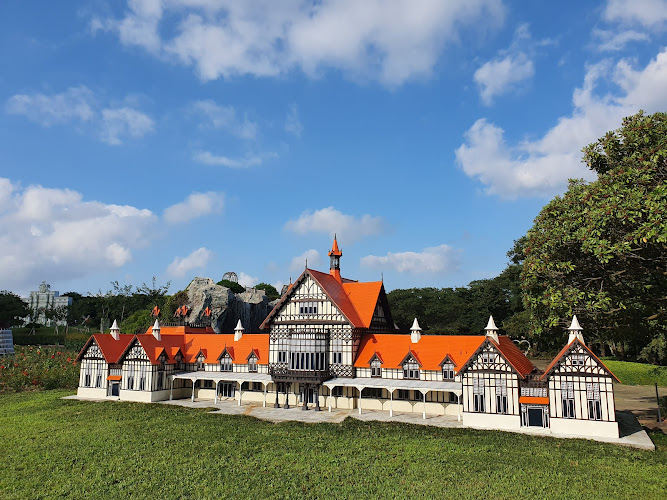
Jeju Mini Land
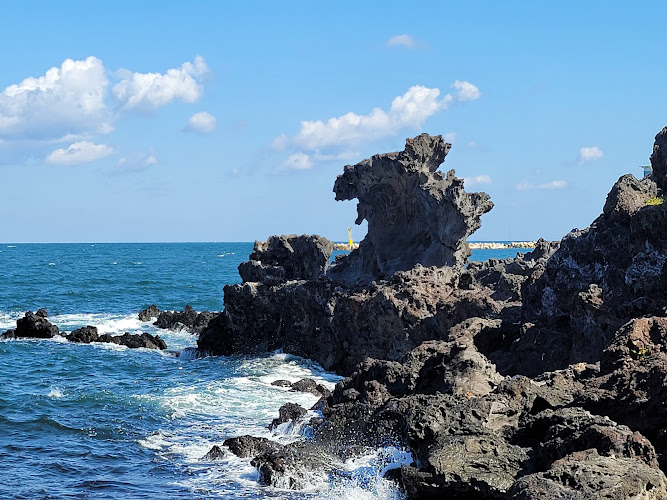
Yongduam Rock
Find Accommodations Nearby
Recommended Tours & Activities
Visitor Reviews
There are no reviews yet. Be the first one to write one.
Share Your Experience
Have you visited Halla Arboretum, Jeju Island,S.Korea? Help other travelers by leaving a review.