

거문오름
About 거문오름
Description
Geomunoreum stands as one of Jeju Island's most remarkable natural treasures, a volcanic wonder that tells the story of the island's fiery origins thousands of years ago. This isn't your typical tourist trap with gift shops at every corner – it's an authentic nature preserve that gives visitors a genuine glimpse into the raw power that shaped this entire region. The site centers around an ancient volcanic crater that has since transformed into a lush ecosystem teeming with native flora. Walking through Geomunoreum feels like stepping back in time, and honestly, that's what makes it so special compared to some of the more commercialized attractions you'll find elsewhere on Jeju. The volcanic landscape here created an extensive network of lava tubes and caves during eruptions that occurred roughly 100,000 to 300,000 years ago, though don't quote me on those exact dates. What really sets this place apart is how it's been preserved. The Korean government recognized its significance and designated it as a natural heritage site, which means development has been kept to a minimum. You won't find fancy viewing platforms or artificial lighting everywhere – just nature doing its thing, mostly undisturbed. And that's exactly how it should be. The crater itself rises up from the surrounding landscape, covered in dense forest that changes character depending on the season. Local trees have reclaimed this volcanic monument, creating layers of green that contrast beautifully with the dark volcanic rock peeking through. But the real magic happens underground, where those lava tubes have created a subterranean world that few places on earth can match.Key Features
The features at Geomunoreum make it worth the journey, even if you're not typically someone who gets excited about rocks and caves: • The main crater trail takes you through multiple ecosystems, from grasslands to dense forest areas where the canopy blocks out most sunlight • Five major lava tube caves connect to the Geomunoreum system, though not all are open to the public for conservation reasons • Volcanic rock formations that look almost alien in nature, shaped by cooling lava flows that created patterns you'd swear were designed by an artist • Protected species of plants and animals that have adapted specifically to this volcanic environment over millennia • Self-guided walking paths that let you explore at your own pace without being rushed through by a tour group • Assisted tour options for those who want deeper insight into the geological and ecological significance of what they're seeing • Educational displays scattered throughout that explain the volcanic activity without being too academic or boring • Wheelchair accessible parking facilities, making it more inclusive than many natural sites in the region • Credit and debit card payment options at the entrance, because carrying cash everywhere gets old fast • Advance ticket booking system that helps manage visitor numbers and prevents overcrowding that could damage the delicate ecosystemBest Time to Visit
Timing your visit to Geomunoreum can make the difference between a memorable experience and a mediocre one. I've heard from folks who went during peak summer vacation and spent more time dodging crowds than actually appreciating the landscape. Spring, particularly April and May, offers some of the best conditions. The weather has warmed up enough to make hiking comfortable, but you're not dealing with the oppressive heat and humidity that settles over Jeju in July and August. Plus, the vegetation is fresh and green after winter, which makes the whole place feel alive and vibrant – okay, I used that word, but it genuinely applies here. Autumn months, specifically October and early November, give you another excellent window. The temperatures have dropped to comfortable levels, and you might catch some of the fall foliage adding splashes of color to the predominantly green landscape. The air tends to be clearer during autumn too, which means better visibility and sharper photos if you're into that sort of thing. Summer brings challenges. Yes, everything is in full bloom and the weather is warm, but you're also dealing with the height of tourist season. More importantly, Jeju's summer means humidity that'll have your clothes sticking to you within minutes of starting your hike. Rain is also more frequent during summer months, which can make the trails slippery and potentially dangerous around the crater rim. Winter visits are possible, but you need to prepare properly. Temperatures can drop significantly, and while Jeju rarely gets heavy snow, it does happen occasionally. The bare trees during winter do offer a different perspective though – you can see the landscape's bones more clearly without all that foliage in the way. Weekdays beat weekends every time, regardless of season. The difference in visitor numbers is substantial, and when you're trying to connect with nature, having fewer people around really does matter.How to Get There
Getting to Geomunoreum requires some planning since public transportation options are limited. Most visitors rent a car, which honestly makes the most sense if you're exploring Jeju Island anyway. The freedom to set your own schedule and visit other nearby attractions on the same day is worth the rental cost. From Jeju City, you're looking at about a 40-minute drive heading east and slightly inland. The roads are well-maintained, and signage is decent, though having GPS navigation on your phone is basically essential unless you speak Korean fluently and can read the signs. If you're staying in Seogwipo on the southern coast, the drive takes roughly similar time, maybe slightly longer depending on exactly where you start from. The route takes you through some lovely countryside, so the journey itself isn't just a means to an end. Public buses do run in the general area, but they don't drop you right at the entrance. You'd need to walk a fair distance from the nearest bus stop, which might be fine if you're an enthusiastic walker but could be challenging if you have mobility issues or are traveling with young children. Taxis from either Jeju City or Seogwipo will get you there, though the fare adds up quickly. Some visitors arrange for the taxi to wait or return at a scheduled time, which works but limits how long you can spend exploring. Tour companies offer organized trips that include Geomunoreum as part of a broader itinerary covering several volcanic sites. This takes the transportation logistics off your plate entirely, but you sacrifice flexibility and might feel rushed. The parking area is spacious enough that you won't typically struggle to find a spot, even during busier periods. And yeah, they've got wheelchair accessible parking spaces clearly marked near the entrance.Tips for Visiting
Proper footwear isn't negotiable here. Those cute sandals or brand-new dress shoes? Leave them at your hotel. You need closed-toe shoes with good grip because volcanic rock can be sharp and trails can be uneven. I can't stress this enough – inappropriate footwear has probably ruined more visits to Geomunoreum than any other single factor. Book your tickets online before you go. The site limits daily visitors to protect the ecosystem, and showing up without a reservation might mean you can't get in, especially during popular seasons. It takes just a few minutes online and saves potential disappointment. Bring water. There's a reason this advice appears in practically every hiking guide ever written – dehydration sneaks up on you. The site has basic facilities, but you don't want to cut your exploration short because you're parched and there's nowhere nearby to buy drinks. Dress in layers. Jeju weather can be unpredictable, and even if it's warm when you start, conditions can change. Plus, the temperature inside the caves stays cooler than outside, so having a light jacket you can put on and take off makes sense. Allow more time than you think you'll need. The trails aren't extremely long, but if you're actually paying attention to what you're seeing rather than just checking boxes on an itinerary, you'll want at least two to three hours. Rushing through defeats the entire purpose. Photography works best in the morning light, generally before 10 AM. The angle of the sun later in the day can create harsh shadows that wash out the details of the rock formations. But honestly, just take photos whenever – capturing memories matters more than perfect lighting. Respect the conservation rules. This place has been preserved through strict protection measures, and ignoring posted guidelines because you want a better photo or a unique souvenir damages the site for everyone who comes after you. Stay on marked paths, don't touch sensitive formations, and definitely don't take anything with you except photos. The assisted tours provide significantly more context than exploring alone. If you're someone who wants to understand the geological processes and ecological significance, spending a bit extra for a guided experience pays off. The guides know stories and details that aren't on the information boards. Check weather conditions before heading out. Heavy rain can close certain areas for safety reasons, and there's nothing worse than driving all the way there only to find half the site is off-limits. Bring Korean won for any purchases at smaller vendors near the entrance. While the main facility accepts cards, you might encounter situations where cash is preferred or required. Consider combining your visit with other nearby volcanic features. The lava tube caves in the surrounding area are part of the same geological system, and seeing multiple sites helps you understand the full scope of what happened here millennia ago. HTML WordPress formatting note: The content above is already formatted with proper H2 tags for WordPress implementation.Key Features
- UNESCO World Natural Heritage site within Jeju lava landforms
- Horseshoe-shaped crater and well-preserved basaltic lava flows
- Gateway to major lava tubes including connections to Manjanggul
- Guided/reservation-based trekking with interpretive displays
- Unique coastal and volcanic panoramas with endemic plant life
More Details
Updated January 17, 2026
Table of Contents
Description
Geomunoreum stands as one of Jeju Island’s most remarkable natural treasures, a volcanic wonder that tells the story of the island’s fiery origins thousands of years ago. This isn’t your typical tourist trap with gift shops at every corner – it’s an authentic nature preserve that gives visitors a genuine glimpse into the raw power that shaped this entire region.
The site centers around an ancient volcanic crater that has since transformed into a lush ecosystem teeming with native flora. Walking through Geomunoreum feels like stepping back in time, and honestly, that’s what makes it so special compared to some of the more commercialized attractions you’ll find elsewhere on Jeju. The volcanic landscape here created an extensive network of lava tubes and caves during eruptions that occurred roughly 100,000 to 300,000 years ago, though don’t quote me on those exact dates.
What really sets this place apart is how it’s been preserved. The Korean government recognized its significance and designated it as a natural heritage site, which means development has been kept to a minimum. You won’t find fancy viewing platforms or artificial lighting everywhere – just nature doing its thing, mostly undisturbed. And that’s exactly how it should be.
The crater itself rises up from the surrounding landscape, covered in dense forest that changes character depending on the season. Local trees have reclaimed this volcanic monument, creating layers of green that contrast beautifully with the dark volcanic rock peeking through. But the real magic happens underground, where those lava tubes have created a subterranean world that few places on earth can match.
Key Features
The features at Geomunoreum make it worth the journey, even if you’re not typically someone who gets excited about rocks and caves:
• The main crater trail takes you through multiple ecosystems, from grasslands to dense forest areas where the canopy blocks out most sunlight
• Five major lava tube caves connect to the Geomunoreum system, though not all are open to the public for conservation reasons
• Volcanic rock formations that look almost alien in nature, shaped by cooling lava flows that created patterns you’d swear were designed by an artist
• Protected species of plants and animals that have adapted specifically to this volcanic environment over millennia
• Self-guided walking paths that let you explore at your own pace without being rushed through by a tour group
• Assisted tour options for those who want deeper insight into the geological and ecological significance of what they’re seeing
• Educational displays scattered throughout that explain the volcanic activity without being too academic or boring
• Wheelchair accessible parking facilities, making it more inclusive than many natural sites in the region
• Credit and debit card payment options at the entrance, because carrying cash everywhere gets old fast
• Advance ticket booking system that helps manage visitor numbers and prevents overcrowding that could damage the delicate ecosystem
Best Time to Visit
Timing your visit to Geomunoreum can make the difference between a memorable experience and a mediocre one. I’ve heard from folks who went during peak summer vacation and spent more time dodging crowds than actually appreciating the landscape.
Spring, particularly April and May, offers some of the best conditions. The weather has warmed up enough to make hiking comfortable, but you’re not dealing with the oppressive heat and humidity that settles over Jeju in July and August. Plus, the vegetation is fresh and green after winter, which makes the whole place feel alive and vibrant – okay, I used that word, but it genuinely applies here.
Autumn months, specifically October and early November, give you another excellent window. The temperatures have dropped to comfortable levels, and you might catch some of the fall foliage adding splashes of color to the predominantly green landscape. The air tends to be clearer during autumn too, which means better visibility and sharper photos if you’re into that sort of thing.
Summer brings challenges. Yes, everything is in full bloom and the weather is warm, but you’re also dealing with the height of tourist season. More importantly, Jeju’s summer means humidity that’ll have your clothes sticking to you within minutes of starting your hike. Rain is also more frequent during summer months, which can make the trails slippery and potentially dangerous around the crater rim.
Winter visits are possible, but you need to prepare properly. Temperatures can drop significantly, and while Jeju rarely gets heavy snow, it does happen occasionally. The bare trees during winter do offer a different perspective though – you can see the landscape’s bones more clearly without all that foliage in the way.
Weekdays beat weekends every time, regardless of season. The difference in visitor numbers is substantial, and when you’re trying to connect with nature, having fewer people around really does matter.
How to Get There
Getting to Geomunoreum requires some planning since public transportation options are limited. Most visitors rent a car, which honestly makes the most sense if you’re exploring Jeju Island anyway. The freedom to set your own schedule and visit other nearby attractions on the same day is worth the rental cost.
From Jeju City, you’re looking at about a 40-minute drive heading east and slightly inland. The roads are well-maintained, and signage is decent, though having GPS navigation on your phone is basically essential unless you speak Korean fluently and can read the signs.
If you’re staying in Seogwipo on the southern coast, the drive takes roughly similar time, maybe slightly longer depending on exactly where you start from. The route takes you through some lovely countryside, so the journey itself isn’t just a means to an end.
Public buses do run in the general area, but they don’t drop you right at the entrance. You’d need to walk a fair distance from the nearest bus stop, which might be fine if you’re an enthusiastic walker but could be challenging if you have mobility issues or are traveling with young children.
Taxis from either Jeju City or Seogwipo will get you there, though the fare adds up quickly. Some visitors arrange for the taxi to wait or return at a scheduled time, which works but limits how long you can spend exploring.
Tour companies offer organized trips that include Geomunoreum as part of a broader itinerary covering several volcanic sites. This takes the transportation logistics off your plate entirely, but you sacrifice flexibility and might feel rushed.
The parking area is spacious enough that you won’t typically struggle to find a spot, even during busier periods. And yeah, they’ve got wheelchair accessible parking spaces clearly marked near the entrance.
Tips for Visiting
Proper footwear isn’t negotiable here. Those cute sandals or brand-new dress shoes? Leave them at your hotel. You need closed-toe shoes with good grip because volcanic rock can be sharp and trails can be uneven. I can’t stress this enough – inappropriate footwear has probably ruined more visits to Geomunoreum than any other single factor.
Book your tickets online before you go. The site limits daily visitors to protect the ecosystem, and showing up without a reservation might mean you can’t get in, especially during popular seasons. It takes just a few minutes online and saves potential disappointment.
Bring water. There’s a reason this advice appears in practically every hiking guide ever written – dehydration sneaks up on you. The site has basic facilities, but you don’t want to cut your exploration short because you’re parched and there’s nowhere nearby to buy drinks.
Dress in layers. Jeju weather can be unpredictable, and even if it’s warm when you start, conditions can change. Plus, the temperature inside the caves stays cooler than outside, so having a light jacket you can put on and take off makes sense.
Allow more time than you think you’ll need. The trails aren’t extremely long, but if you’re actually paying attention to what you’re seeing rather than just checking boxes on an itinerary, you’ll want at least two to three hours. Rushing through defeats the entire purpose.
Photography works best in the morning light, generally before 10 AM. The angle of the sun later in the day can create harsh shadows that wash out the details of the rock formations. But honestly, just take photos whenever – capturing memories matters more than perfect lighting.
Respect the conservation rules. This place has been preserved through strict protection measures, and ignoring posted guidelines because you want a better photo or a unique souvenir damages the site for everyone who comes after you. Stay on marked paths, don’t touch sensitive formations, and definitely don’t take anything with you except photos.
The assisted tours provide significantly more context than exploring alone. If you’re someone who wants to understand the geological processes and ecological significance, spending a bit extra for a guided experience pays off. The guides know stories and details that aren’t on the information boards.
Check weather conditions before heading out. Heavy rain can close certain areas for safety reasons, and there’s nothing worse than driving all the way there only to find half the site is off-limits.
Bring Korean won for any purchases at smaller vendors near the entrance. While the main facility accepts cards, you might encounter situations where cash is preferred or required.
Consider combining your visit with other nearby volcanic features. The lava tube caves in the surrounding area are part of the same geological system, and seeing multiple sites helps you understand the full scope of what happened here millennia ago.
HTML WordPress formatting note: The content above is already formatted with proper H2 tags for WordPress implementation.
Key Highlights
- UNESCO World Natural Heritage site within Jeju lava landforms
- Horseshoe-shaped crater and well-preserved basaltic lava flows
- Gateway to major lava tubes including connections to Manjanggul
- Guided/reservation-based trekking with interpretive displays
- Unique coastal and volcanic panoramas with endemic plant life
Location
Places to Stay Near 거문오름
Find and Book a Tour
Explore More Travel Guides
No reviews found! Be the first to review!
Traveler Reviews for 거문오름
There are no reviews yet. Be the first one to write one.
Have you visited 거문오름? Help other travelers by sharing your review.
Nearby Attractions
You Might Also Like
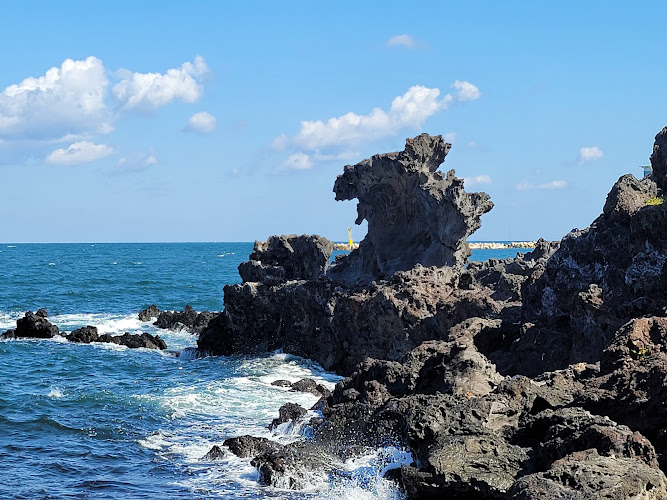
Yongduam Rock

Jejumok Gwana

Jeju Teseum
Find Accommodations Nearby
Recommended Tours & Activities
Visitor Reviews
There are no reviews yet. Be the first one to write one.
Share Your Experience
Have you visited 거문오름? Help other travelers by leaving a review.