

Jejumok Gwana
About Jejumok Gwana
Description
Jejumok Gwana stands as a remarkable window into Korea's administrative past, offering travelers a chance to step back into the 14th century when Jeju Island was governed under a very different system. This reconstructed government office complex isn't just another historical building—it's a carefully crafted recreation that honors the original architectural plans and gives visitors an authentic sense of how local governance functioned during the Joseon Dynasty. When you walk through the grounds, you're essentially exploring what was once the nerve center of Jeju's administrative machinery. The original structure served as the main government office where the Jejumok, or the island's governor, would have made decisions affecting thousands of islanders' lives. I remember my first visit there, and honestly, I was struck by how modest yet purposeful the buildings felt compared to grand palaces on the mainland. And that's actually part of what makes this place special—it wasn't built to intimidate or show off royal power but rather to function as a working administrative center on what was then considered a remote island. The reconstruction effort deserves real appreciation because the team behind it worked meticulously with historical documents and architectural records to ensure accuracy. Unlike some historical sites that take creative liberties, Jejumok Gwana stays true to the original design principles and layout. This attention to detail means you're getting a genuine education about 14th-century Korean architecture and governmental structure, not just a prettified tourist version of history. What makes this place particularly valuable for travelers is its educational component without being overly academic or boring. The buildings themselves tell stories through their construction methods, spatial arrangements, and the way different rooms were designated for specific governmental functions. You can actually see where officials would have conducted their daily business, where records were kept, and how the hierarchy of the administrative system was reflected in the physical layout of the complex.Key Features
The features at Jejumok Gwana make it accessible and worthwhile for pretty much any type of traveler:- Wheelchair accessible entrance, parking, and restrooms throughout the complex, which is honestly refreshing for a historical site
- Authentic reconstruction based on original 14th-century architectural plans rather than modern interpretations
- Multiple buildings showcasing different aspects of Joseon Dynasty administrative functions
- Traditional Korean architectural elements including curved rooflines and wooden beam construction
- Educational displays explaining the role of Jejumok in island governance
- Well-maintained grounds that reflect traditional Korean landscaping principles
- Family-friendly environment suitable for children with safe walking paths
- Modern payment options including credit cards, debit cards, and mobile payments
- Onsite services available during operating hours
- Clean restroom facilities maintained throughout the day
- Photogenic architecture perfect for travelers documenting their journey
- Relatively compact size that doesn't require hours of walking, ideal for those with limited time
Best Time to Visit
Timing your visit to Jejumok Gwana can really enhance your experience, though honestly it's worth visiting year-round. Spring months from late March through May bring comfortable temperatures and the surrounding trees begin showing new growth, creating a pleasant backdrop for your exploration. But here's the thing—spring also attracts more tour groups, especially in April. Summer can get quite warm and humid on Jeju Island, and walking around the grounds under the July or August sun might leave you pretty sweaty. However, the traditional architecture actually provides some natural shade, and if you don't mind the heat, you'll encounter fewer crowds during weekday mornings in summer. I'd suggest bringing water and maybe a small fan if you're visiting during these months. Fall, particularly October and early November, offers what many consider the ideal visiting conditions. The weather cools down nicely, the humidity drops, and you get these beautiful autumn colors around the complex. The lighting during fall afternoons is also fantastic for photography, with that golden hour glow making the traditional wooden structures look absolutely stunning. Winter visits have their own charm, though temperatures can dip quite low. The architectural lines of the buildings stand out more starkly against winter skies, and you'll definitely have the place more to yourself. Just bundle up appropriately because traditional Korean buildings weren't exactly designed with modern insulation in mind. Regarding time of day, early morning visits right when the site opens tend to be quietest. Late afternoon can also work well, though you'll want to check closing times which vary by season. Weekdays generally see fewer visitors than weekends, especially avoiding Korean holidays when domestic tourism spikes considerably.How to Get There
Getting to Jejumok Gwana is fairly straightforward once you understand Jeju's transportation layout. The site sits in Jeju City, making it accessible whether you're staying in the city itself or exploring from elsewhere on the island. If you've rented a car, which many travelers do on Jeju Island, you'll find the drive simple with available parking onsite. The parking lot accommodates wheelchair users and is equipped to handle the moderate visitor flow the site receives. GPS navigation works reliably in this area, and honestly, driving gives you the most flexibility to combine this visit with other nearby attractions in Jeju City. Public transportation is definitely an option, though it requires a bit more planning. Several bus routes service the area around Jejumok Gwana. You can use the local bus system which is surprisingly efficient, though announcements might primarily be in Korean. Having a translation app handy helps if you're not familiar with the language. The bus stops are within reasonable walking distance of the entrance. Taxis are readily available throughout Jeju City and can drop you directly at the entrance. The ride from Jeju International Airport takes about 15-20 minutes depending on traffic, making it convenient for travelers who want to visit early in their trip or just before departing. Taxi drivers generally know the location, though showing them the name in Korean characters can help avoid any confusion. For those staying in Jeju City's downtown area, the site might even be within walking distance depending on your hotel location. It's situated in a part of the city that's reasonably pedestrian-friendly, though do check the actual distance from your accommodation first.Tips for Visiting
Wear comfortable walking shoes even though the grounds aren't massive. The pathways include some traditional stone surfaces that can be uneven, and you'll want stable footwear to fully explore without worrying about your footing. I learned this the hard way wearing new shoes on my first visit—not my smartest decision. Bring some cash even though the site accepts various payment methods. Sometimes smaller purchases or optional donations work better with cash, and you might want to grab something from nearby vendors after your visit. Plan to spend about 45 minutes to an hour for a thorough visit. You could rush through in 30 minutes, but that would miss the point. The value here comes from taking time to appreciate the architectural details and imagine how this place functioned centuries ago. Sitting on one of the benches and just observing the structures can be more rewarding than rushing from building to building snapping photos. Photography is generally allowed, so charge your camera or phone beforehand. The traditional architecture photographs beautifully, and different times of day offer different lighting opportunities. And don't just photograph the buildings—details like roof tiles, wooden joints, and stone foundations tell their own stories. Consider combining your visit with other nearby Jeju City attractions to maximize your time. The location works well as part of a half-day itinerary exploring the historical and cultural aspects of Jeju's capital. If you're traveling with children, prepare some basic historical context beforehand in age-appropriate terms. Kids can enjoy the space more when they understand they're exploring an actual government office from hundreds of years ago rather than just looking at old buildings. Making it into a kind of treasure hunt for architectural features can keep younger visitors engaged. Check the weather forecast before visiting since much of the experience involves outdoor walking. Rain doesn't necessarily ruin the visit—traditional Korean architecture in rain has its own aesthetic—but you'll want appropriate gear. Respect the historical nature of the site by not touching structural elements unnecessarily or climbing on anything not designated for visitor interaction. These reconstructions deserve care to preserve them for future travelers. Allow yourself to wander a bit without following a strict path. Some of the most interesting observations come from exploring at your own pace rather than following a predetermined route. The complex layout reveals different perspectives depending on where you stand and how you move through the space.Key Features
- Wheelchair accessible entrance, parking, and restrooms throughout the complex, which is honestly refreshing for a historical site
- Authentic reconstruction based on original 14th-century architectural plans rather than modern interpretations
- Multiple buildings showcasing different aspects of Joseon Dynasty administrative functions
- Traditional Korean architectural elements including curved rooflines and wooden beam construction
- Educational displays explaining the role of Jejumok in island governance
- Well-maintained grounds that reflect traditional Korean landscaping principles
- Family-friendly environment suitable for children with safe walking paths
- Modern payment options including credit cards, debit cards, and mobile payments
More Details
Updated January 17, 2026
Table of Contents
Description
Jejumok Gwana stands as a remarkable window into Korea’s administrative past, offering travelers a chance to step back into the 14th century when Jeju Island was governed under a very different system. This reconstructed government office complex isn’t just another historical building—it’s a carefully crafted recreation that honors the original architectural plans and gives visitors an authentic sense of how local governance functioned during the Joseon Dynasty.
When you walk through the grounds, you’re essentially exploring what was once the nerve center of Jeju’s administrative machinery. The original structure served as the main government office where the Jejumok, or the island’s governor, would have made decisions affecting thousands of islanders’ lives. I remember my first visit there, and honestly, I was struck by how modest yet purposeful the buildings felt compared to grand palaces on the mainland. And that’s actually part of what makes this place special—it wasn’t built to intimidate or show off royal power but rather to function as a working administrative center on what was then considered a remote island.
The reconstruction effort deserves real appreciation because the team behind it worked meticulously with historical documents and architectural records to ensure accuracy. Unlike some historical sites that take creative liberties, Jejumok Gwana stays true to the original design principles and layout. This attention to detail means you’re getting a genuine education about 14th-century Korean architecture and governmental structure, not just a prettified tourist version of history.
What makes this place particularly valuable for travelers is its educational component without being overly academic or boring. The buildings themselves tell stories through their construction methods, spatial arrangements, and the way different rooms were designated for specific governmental functions. You can actually see where officials would have conducted their daily business, where records were kept, and how the hierarchy of the administrative system was reflected in the physical layout of the complex.
Key Features
The features at Jejumok Gwana make it accessible and worthwhile for pretty much any type of traveler:
- Wheelchair accessible entrance, parking, and restrooms throughout the complex, which is honestly refreshing for a historical site
- Authentic reconstruction based on original 14th-century architectural plans rather than modern interpretations
- Multiple buildings showcasing different aspects of Joseon Dynasty administrative functions
- Traditional Korean architectural elements including curved rooflines and wooden beam construction
- Educational displays explaining the role of Jejumok in island governance
- Well-maintained grounds that reflect traditional Korean landscaping principles
- Family-friendly environment suitable for children with safe walking paths
- Modern payment options including credit cards, debit cards, and mobile payments
- Onsite services available during operating hours
- Clean restroom facilities maintained throughout the day
- Photogenic architecture perfect for travelers documenting their journey
- Relatively compact size that doesn’t require hours of walking, ideal for those with limited time
Best Time to Visit
Timing your visit to Jejumok Gwana can really enhance your experience, though honestly it’s worth visiting year-round. Spring months from late March through May bring comfortable temperatures and the surrounding trees begin showing new growth, creating a pleasant backdrop for your exploration. But here’s the thing—spring also attracts more tour groups, especially in April.
Summer can get quite warm and humid on Jeju Island, and walking around the grounds under the July or August sun might leave you pretty sweaty. However, the traditional architecture actually provides some natural shade, and if you don’t mind the heat, you’ll encounter fewer crowds during weekday mornings in summer. I’d suggest bringing water and maybe a small fan if you’re visiting during these months.
Fall, particularly October and early November, offers what many consider the ideal visiting conditions. The weather cools down nicely, the humidity drops, and you get these beautiful autumn colors around the complex. The lighting during fall afternoons is also fantastic for photography, with that golden hour glow making the traditional wooden structures look absolutely stunning.
Winter visits have their own charm, though temperatures can dip quite low. The architectural lines of the buildings stand out more starkly against winter skies, and you’ll definitely have the place more to yourself. Just bundle up appropriately because traditional Korean buildings weren’t exactly designed with modern insulation in mind.
Regarding time of day, early morning visits right when the site opens tend to be quietest. Late afternoon can also work well, though you’ll want to check closing times which vary by season. Weekdays generally see fewer visitors than weekends, especially avoiding Korean holidays when domestic tourism spikes considerably.
How to Get There
Getting to Jejumok Gwana is fairly straightforward once you understand Jeju’s transportation layout. The site sits in Jeju City, making it accessible whether you’re staying in the city itself or exploring from elsewhere on the island.
If you’ve rented a car, which many travelers do on Jeju Island, you’ll find the drive simple with available parking onsite. The parking lot accommodates wheelchair users and is equipped to handle the moderate visitor flow the site receives. GPS navigation works reliably in this area, and honestly, driving gives you the most flexibility to combine this visit with other nearby attractions in Jeju City.
Public transportation is definitely an option, though it requires a bit more planning. Several bus routes service the area around Jejumok Gwana. You can use the local bus system which is surprisingly efficient, though announcements might primarily be in Korean. Having a translation app handy helps if you’re not familiar with the language. The bus stops are within reasonable walking distance of the entrance.
Taxis are readily available throughout Jeju City and can drop you directly at the entrance. The ride from Jeju International Airport takes about 15-20 minutes depending on traffic, making it convenient for travelers who want to visit early in their trip or just before departing. Taxi drivers generally know the location, though showing them the name in Korean characters can help avoid any confusion.
For those staying in Jeju City’s downtown area, the site might even be within walking distance depending on your hotel location. It’s situated in a part of the city that’s reasonably pedestrian-friendly, though do check the actual distance from your accommodation first.
Tips for Visiting
Wear comfortable walking shoes even though the grounds aren’t massive. The pathways include some traditional stone surfaces that can be uneven, and you’ll want stable footwear to fully explore without worrying about your footing. I learned this the hard way wearing new shoes on my first visit—not my smartest decision.
Bring some cash even though the site accepts various payment methods. Sometimes smaller purchases or optional donations work better with cash, and you might want to grab something from nearby vendors after your visit.
Plan to spend about 45 minutes to an hour for a thorough visit. You could rush through in 30 minutes, but that would miss the point. The value here comes from taking time to appreciate the architectural details and imagine how this place functioned centuries ago. Sitting on one of the benches and just observing the structures can be more rewarding than rushing from building to building snapping photos.
Photography is generally allowed, so charge your camera or phone beforehand. The traditional architecture photographs beautifully, and different times of day offer different lighting opportunities. And don’t just photograph the buildings—details like roof tiles, wooden joints, and stone foundations tell their own stories.
Consider combining your visit with other nearby Jeju City attractions to maximize your time. The location works well as part of a half-day itinerary exploring the historical and cultural aspects of Jeju’s capital.
If you’re traveling with children, prepare some basic historical context beforehand in age-appropriate terms. Kids can enjoy the space more when they understand they’re exploring an actual government office from hundreds of years ago rather than just looking at old buildings. Making it into a kind of treasure hunt for architectural features can keep younger visitors engaged.
Check the weather forecast before visiting since much of the experience involves outdoor walking. Rain doesn’t necessarily ruin the visit—traditional Korean architecture in rain has its own aesthetic—but you’ll want appropriate gear.
Respect the historical nature of the site by not touching structural elements unnecessarily or climbing on anything not designated for visitor interaction. These reconstructions deserve care to preserve them for future travelers.
Allow yourself to wander a bit without following a strict path. Some of the most interesting observations come from exploring at your own pace rather than following a predetermined route. The complex layout reveals different perspectives depending on where you stand and how you move through the space.
Key Highlights
- Wheelchair accessible entrance, parking, and restrooms throughout the complex, which is honestly refreshing for a historical site
- Authentic reconstruction based on original 14th-century architectural plans rather than modern interpretations
- Multiple buildings showcasing different aspects of Joseon Dynasty administrative functions
- Traditional Korean architectural elements including curved rooflines and wooden beam construction
- Educational displays explaining the role of Jejumok in island governance
- Well-maintained grounds that reflect traditional Korean landscaping principles
- Family-friendly environment suitable for children with safe walking paths
- Modern payment options including credit cards, debit cards, and mobile payments
Location
Places to Stay Near Jejumok Gwana
Find and Book a Tour
Explore More Travel Guides
No reviews found! Be the first to review!
Traveler Reviews for Jejumok Gwana
There are no reviews yet. Be the first one to write one.
Have you visited Jejumok Gwana? Help other travelers by sharing your review.
You Might Also Like
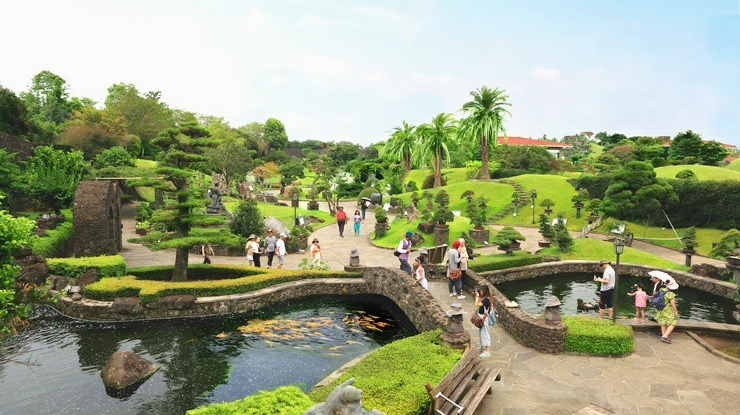
Spirited Garden
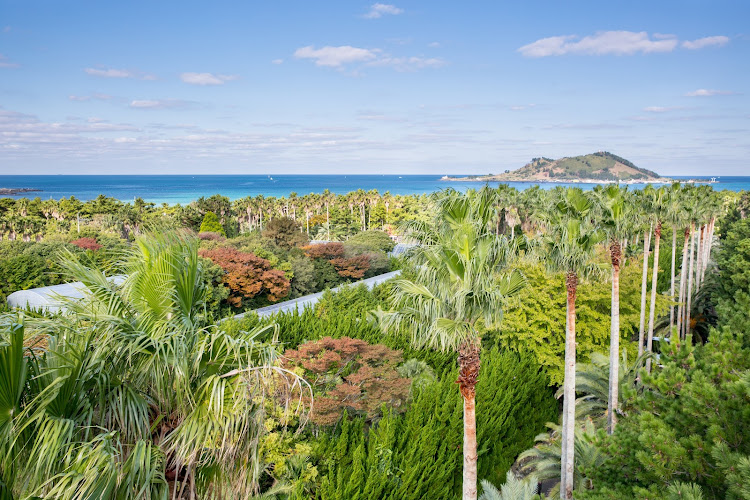
Hallim Park
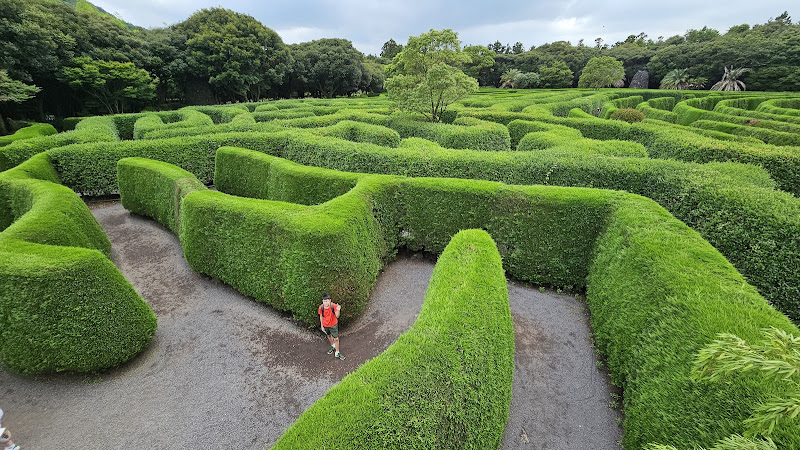
Maze Land
Find Accommodations Nearby
Recommended Tours & Activities
Visitor Reviews
There are no reviews yet. Be the first one to write one.
Share Your Experience
Have you visited Jejumok Gwana? Help other travelers by leaving a review.