
Manjanggul Lava Tube
About Manjanggul Lava Tube
Description
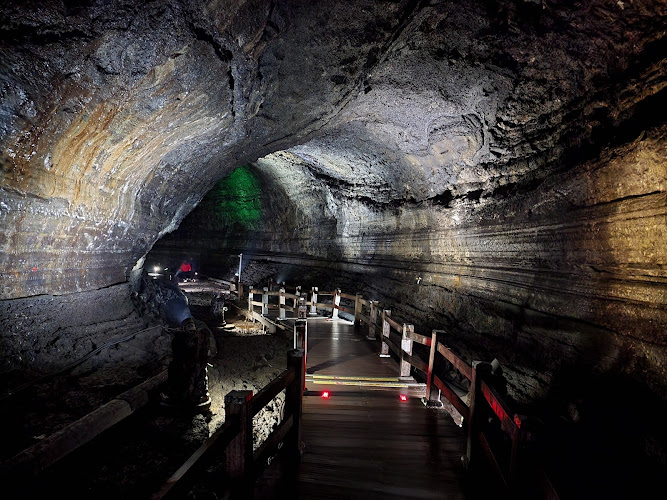
Walking through Manjanggul Lava Tube feels like stepping into another world entirely—one that was forged by fire and time roughly 250,000 years ago. This isn't your typical tourist spot where everything's polished and predictable. Instead, visitors find themselves wandering through a genuine geological wonder on Jeju Island that stretches over 13 kilometers in total length, though only about one kilometer is accessible to the public. And honestly? That one kilometer is more than enough to leave most people absolutely speechless. The tube was created during volcanic eruptions when molten lava flowed beneath already-hardened surfaces, eventually draining away and leaving behind these massive underground corridors. I've been to quite a few caves in my travels, but there's something distinctly different about lava tubes—the walls are smooth in places, almost glassy, while other sections look rough and jagged like frozen waves of stone. The temperature inside hovers around 11-21 degrees Celsius year-round, which makes it this strange natural air conditioner in summer and a relatively warm refuge in winter. What sets Manjanggul apart from other volcanic formations isn't just its impressive size but the sheer variety of lava-formed structures inside. The UNESCO World Heritage designation it received in 2007 as part of the Jeju Volcanic Island and Lava Tubes wasn't handed out lightly. This place represents one of the finest lava tube systems in the entire world, and geologists still study it to understand volcanic processes better. But here's what they don't always tell you in the brochures—this isn't some heavily commercialized attraction. Sure, there are lights along the pathway and handrails for safety, but the experience remains relatively raw and authentic. You'll get wet from the constant dripping. Your shoes might get muddy. The stairs can be slippery. And that's precisely what makes it remarkable.Key Features
- The Lava Column: Standing at 7.6 meters tall, this is the world's largest known lava column, formed when lava dripped from the ceiling and built up layer upon layer over thousands of years. It's become the unofficial symbol of Manjanggul and makes for quite the dramatic finale at the end of the accessible route.
- Lava Stalactites and Stalagmites: Unlike limestone caves where water creates formations over millennia, these structures were formed by dripping lava. They're darker, more angular, and frankly more intimidating than their limestone cousins. Some hang like stone icicles from the ceiling while others rise from the floor in twisted shapes.
- Multi-colored Lava Walls: The walls display various colors—reds, browns, grays, and even hints of yellow—depending on the minerals present when the lava cooled. It's like reading the chemical composition of ancient volcanic eruptions just by looking at the stripes and patterns.
- Wildlife Habitat: Despite the darkness and seemingly inhospitable environment, Manjanggul supports a delicate ecosystem. Bats roost in the darker recesses, and various insects have adapted to life in perpetual darkness. Small pools of water support even more specialized creatures.
- Lava Rafts and Shelves: These are chunks of solidified lava that floated on top of still-molten flows, eventually freezing in place along the walls. They create these bizarre ledges that look almost deliberately constructed.
- The Ceiling Heights: Some sections soar up to 23 meters high, creating cathedral-like spaces that dwarf visitors. Other areas force you to duck slightly, creating an ever-changing sense of scale and space.
- Natural Ventilation Shafts: Several openings in the tube's ceiling allow air circulation and let in occasional shafts of natural light, creating atmospheric moments when the outside world feels both close and impossibly far away.
Best Time to Visit
Here's where things get interesting because unlike most attractions, Manjanggul's appeal doesn't fluctuate dramatically with seasons. The underground environment remains consistent regardless of what's happening on the surface. But that doesn't mean all times are created equal for visiting. Summer months from June through August bring the biggest crowds, partly because the cool interior offers relief from Jeju's humid heat. I'd estimate wait times can stretch to 30-40 minutes during peak afternoon hours in July and August. However, summer also coincides with Korea's rainy season, which means the roads getting there might be wet and the areas around the entrance can get slippery. The increased moisture does make the formations inside glisten beautifully under the lighting though. Spring (April to May) and autumn (September to November) represent the sweet spot for most travelers. The weather outside is pleasant for exploring other parts of Jeju, and crowd levels drop noticeably compared to summer peaks. October is particularly gorgeous because the surrounding forests display fall colors, making the entire area around the tube entrance quite photogenic. Winter visits have their own charm. From December through February, you'll encounter the smallest crowds, sometimes finding yourself practically alone in certain sections of the tube. The contrast between the cold outside air and the relatively stable temperature inside creates this interesting fog effect near the entrance. Just be prepared for icy conditions on the stairs and pathways. Timing your visit during weekdays rather than weekends makes a substantial difference regardless of season. The tube opens at 9 AM, and arriving right at opening time or later in the afternoon around 4 PM tends to mean fewer people in the tube itself. The last entry is typically at 5:40 PM, with closing at 6 PM, though these times can vary seasonally. One thing I learned the hard way—avoid Korean national holidays if possible. Places like Manjanggul can see visitor numbers triple during these periods, and the experience of shuffling through in a dense crowd diminishes the sense of exploration considerably.How to Get There
Getting to Manjanggul requires a bit of planning since it's located on the northeastern part of Jeju Island, about 30 kilometers from Jeju City. Most visitors arrive by rental car, which remains the most flexible option for exploring Jeju generally. From Jeju International Airport, the drive takes roughly 40-50 minutes depending on traffic. You'll take Route 1132 heading northeast, and the roads are well-maintained and clearly marked. Parking at the site is free and usually plentiful except during peak summer weekends. Public transportation exists but requires patience and planning. Bus routes 201, 211, and 212 from Jeju City pass near Manjanggul, though you'll need to walk about 15-20 minutes from the bus stop to the actual entrance. The bus journey itself takes around 70-90 minutes. Check the schedule carefully because buses don't run frequently, especially later in the day. Missing your return bus could mean a long wait or an expensive taxi ride. Taxis from Jeju City cost approximately 35,000-45,000 won one way, which becomes economical if you're traveling in a group of three or four people. Some taxi drivers offer to wait for you, which can be convenient but expect to pay for their waiting time. Many tourists opt for organized tours that combine Manjanggul with other northeastern Jeju attractions like Seongsan Ilchulbong or Gimnyeong Beach. These tours handle all transportation and timing, though they naturally limit how long you can spend at each location. If you're short on time or uncomfortable driving in Korea, tour packages make practical sense. The entrance itself requires a short walk from the parking area—about 5-10 minutes along a paved path through pine forests. It's an easy walk but worth noting for those with mobility concerns.Tips for Visiting
Wear proper footwear, and I can't stress this enough. Those cute sandals or brand-new white sneakers? Leave them at your hotel. The floor inside Manjanggul is uneven, often wet, and sometimes slippery. Water drips constantly from the ceiling, creating puddles and streams along the walkway. Waterproof hiking boots or sturdy walking shoes with good tread make the experience infinitely more comfortable and safe. I watched someone in flip-flops struggle through the entire route, and it looked miserable. Bring a light jacket even in summer. That temperature difference between the outside heat and the cave's cool interior can be shocking. Your body will thank you for having an extra layer, especially if you tend to get cold easily. Conversely, don't overdress—you'll be walking continuously, and some people do work up a bit of warmth from the exercise. The lighting inside is functional but dim in places, creating atmosphere but also making photography challenging. If you're serious about photos, bring a camera that handles low light well. Phone cameras struggle with the conditions. And honestly? Sometimes it's better to just experience the place rather than trying to capture it through a lens. The formations don't photograph as dramatically as they appear in person anyway. Watch your head in certain sections, particularly if you're taller than average. While most of the pathway offers plenty of clearance, a few spots have lower ceilings or protruding formations. The handrails are there for good reason—use them, especially on the stairs. Plan for about 60-90 minutes total for your visit. This includes the walk to the entrance, time inside the tube, and the return walk. Some people rush through in 45 minutes, but that seems like missing the point. Take time to stop, look around, and actually absorb where you are. The tube is a one-way route, meaning you'll walk in and then turn around and walk back out the same entrance. There's no loop or alternative exit. The accessible portion ends at that impressive lava column, and then you retrace your steps. Some people find this disappointing, but it also means you notice different details on the return journey. Photography is allowed, but flash photography should be used carefully as it can disturb the bats and other wildlife. Be respectful of the ecosystem you're visiting. Admission fees are quite reasonable—typically around 4,000 won for adults—making this one of the better values among Jeju's attractions. Youth and children pay reduced rates. Accessibility is limited for wheelchairs and strollers due to the stairs and uneven surfaces. The management has tried to improve access, but the natural formation of the tube creates inherent challenges. Anyone with significant mobility issues should research current accessibility features before planning a visit. The surrounding area has minimal facilities—there's a small visitor center and restrooms, but don't expect restaurants or shops. Bring water and snacks if you need them, though eating inside the tube itself is prohibited to protect the formations and ecosystem. Finally, manage your expectations based on your cave experience level. If you've explored extensive cave systems elsewhere, Manjanggul might feel somewhat limited since only that one kilometer is accessible. But if you're new to geological tourism or specifically interested in volcanic formations, this place delivers something genuinely special. The reviews speak for themselves—more people leave impressed than disappointed, though those expecting Disneyland-level production will miss the point entirely.Key Features
- Extensive lava tube length (part of the Geomunoreum system)
- World’s tallest known lava column (~7.6 m) within the tourist section
- Diverse lava formations: stalactites, stalagmites, flowstones, lava shelves and rafts
- Well-maintained, accessible walkways through a naturally preserved tunnel
- Recognized for scientific importance and as part of Jeju’s UNESCO-listed sites
More Details
Updated January 17, 2026
Table of Contents
Description
Walking through Manjanggul Lava Tube feels like stepping into another world entirely—one that was forged by fire and time roughly 250,000 years ago. This isn’t your typical tourist spot where everything’s polished and predictable. Instead, visitors find themselves wandering through a genuine geological wonder on Jeju Island that stretches over 13 kilometers in total length, though only about one kilometer is accessible to the public. And honestly? That one kilometer is more than enough to leave most people absolutely speechless.
The tube was created during volcanic eruptions when molten lava flowed beneath already-hardened surfaces, eventually draining away and leaving behind these massive underground corridors. I’ve been to quite a few caves in my travels, but there’s something distinctly different about lava tubes—the walls are smooth in places, almost glassy, while other sections look rough and jagged like frozen waves of stone. The temperature inside hovers around 11-21 degrees Celsius year-round, which makes it this strange natural air conditioner in summer and a relatively warm refuge in winter.
What sets Manjanggul apart from other volcanic formations isn’t just its impressive size but the sheer variety of lava-formed structures inside. The UNESCO World Heritage designation it received in 2007 as part of the Jeju Volcanic Island and Lava Tubes wasn’t handed out lightly. This place represents one of the finest lava tube systems in the entire world, and geologists still study it to understand volcanic processes better.
But here’s what they don’t always tell you in the brochures—this isn’t some heavily commercialized attraction. Sure, there are lights along the pathway and handrails for safety, but the experience remains relatively raw and authentic. You’ll get wet from the constant dripping. Your shoes might get muddy. The stairs can be slippery. And that’s precisely what makes it remarkable.
Key Features
- The Lava Column: Standing at 7.6 meters tall, this is the world’s largest known lava column, formed when lava dripped from the ceiling and built up layer upon layer over thousands of years. It’s become the unofficial symbol of Manjanggul and makes for quite the dramatic finale at the end of the accessible route.
- Lava Stalactites and Stalagmites: Unlike limestone caves where water creates formations over millennia, these structures were formed by dripping lava. They’re darker, more angular, and frankly more intimidating than their limestone cousins. Some hang like stone icicles from the ceiling while others rise from the floor in twisted shapes.
- Multi-colored Lava Walls: The walls display various colors—reds, browns, grays, and even hints of yellow—depending on the minerals present when the lava cooled. It’s like reading the chemical composition of ancient volcanic eruptions just by looking at the stripes and patterns.
- Wildlife Habitat: Despite the darkness and seemingly inhospitable environment, Manjanggul supports a delicate ecosystem. Bats roost in the darker recesses, and various insects have adapted to life in perpetual darkness. Small pools of water support even more specialized creatures.
- Lava Rafts and Shelves: These are chunks of solidified lava that floated on top of still-molten flows, eventually freezing in place along the walls. They create these bizarre ledges that look almost deliberately constructed.
- The Ceiling Heights: Some sections soar up to 23 meters high, creating cathedral-like spaces that dwarf visitors. Other areas force you to duck slightly, creating an ever-changing sense of scale and space.
- Natural Ventilation Shafts: Several openings in the tube’s ceiling allow air circulation and let in occasional shafts of natural light, creating atmospheric moments when the outside world feels both close and impossibly far away.
Best Time to Visit
Here’s where things get interesting because unlike most attractions, Manjanggul’s appeal doesn’t fluctuate dramatically with seasons. The underground environment remains consistent regardless of what’s happening on the surface. But that doesn’t mean all times are created equal for visiting.
Summer months from June through August bring the biggest crowds, partly because the cool interior offers relief from Jeju’s humid heat. I’d estimate wait times can stretch to 30-40 minutes during peak afternoon hours in July and August. However, summer also coincides with Korea’s rainy season, which means the roads getting there might be wet and the areas around the entrance can get slippery. The increased moisture does make the formations inside glisten beautifully under the lighting though.
Spring (April to May) and autumn (September to November) represent the sweet spot for most travelers. The weather outside is pleasant for exploring other parts of Jeju, and crowd levels drop noticeably compared to summer peaks. October is particularly gorgeous because the surrounding forests display fall colors, making the entire area around the tube entrance quite photogenic.
Winter visits have their own charm. From December through February, you’ll encounter the smallest crowds, sometimes finding yourself practically alone in certain sections of the tube. The contrast between the cold outside air and the relatively stable temperature inside creates this interesting fog effect near the entrance. Just be prepared for icy conditions on the stairs and pathways.
Timing your visit during weekdays rather than weekends makes a substantial difference regardless of season. The tube opens at 9 AM, and arriving right at opening time or later in the afternoon around 4 PM tends to mean fewer people in the tube itself. The last entry is typically at 5:40 PM, with closing at 6 PM, though these times can vary seasonally.
One thing I learned the hard way—avoid Korean national holidays if possible. Places like Manjanggul can see visitor numbers triple during these periods, and the experience of shuffling through in a dense crowd diminishes the sense of exploration considerably.
How to Get There
Getting to Manjanggul requires a bit of planning since it’s located on the northeastern part of Jeju Island, about 30 kilometers from Jeju City. Most visitors arrive by rental car, which remains the most flexible option for exploring Jeju generally. From Jeju International Airport, the drive takes roughly 40-50 minutes depending on traffic. You’ll take Route 1132 heading northeast, and the roads are well-maintained and clearly marked. Parking at the site is free and usually plentiful except during peak summer weekends.
Public transportation exists but requires patience and planning. Bus routes 201, 211, and 212 from Jeju City pass near Manjanggul, though you’ll need to walk about 15-20 minutes from the bus stop to the actual entrance. The bus journey itself takes around 70-90 minutes. Check the schedule carefully because buses don’t run frequently, especially later in the day. Missing your return bus could mean a long wait or an expensive taxi ride.
Taxis from Jeju City cost approximately 35,000-45,000 won one way, which becomes economical if you’re traveling in a group of three or four people. Some taxi drivers offer to wait for you, which can be convenient but expect to pay for their waiting time.
Many tourists opt for organized tours that combine Manjanggul with other northeastern Jeju attractions like Seongsan Ilchulbong or Gimnyeong Beach. These tours handle all transportation and timing, though they naturally limit how long you can spend at each location. If you’re short on time or uncomfortable driving in Korea, tour packages make practical sense.
The entrance itself requires a short walk from the parking area—about 5-10 minutes along a paved path through pine forests. It’s an easy walk but worth noting for those with mobility concerns.
Tips for Visiting
Wear proper footwear, and I can’t stress this enough. Those cute sandals or brand-new white sneakers? Leave them at your hotel. The floor inside Manjanggul is uneven, often wet, and sometimes slippery. Water drips constantly from the ceiling, creating puddles and streams along the walkway. Waterproof hiking boots or sturdy walking shoes with good tread make the experience infinitely more comfortable and safe. I watched someone in flip-flops struggle through the entire route, and it looked miserable.
Bring a light jacket even in summer. That temperature difference between the outside heat and the cave’s cool interior can be shocking. Your body will thank you for having an extra layer, especially if you tend to get cold easily. Conversely, don’t overdress—you’ll be walking continuously, and some people do work up a bit of warmth from the exercise.
The lighting inside is functional but dim in places, creating atmosphere but also making photography challenging. If you’re serious about photos, bring a camera that handles low light well. Phone cameras struggle with the conditions. And honestly? Sometimes it’s better to just experience the place rather than trying to capture it through a lens. The formations don’t photograph as dramatically as they appear in person anyway.
Watch your head in certain sections, particularly if you’re taller than average. While most of the pathway offers plenty of clearance, a few spots have lower ceilings or protruding formations. The handrails are there for good reason—use them, especially on the stairs.
Plan for about 60-90 minutes total for your visit. This includes the walk to the entrance, time inside the tube, and the return walk. Some people rush through in 45 minutes, but that seems like missing the point. Take time to stop, look around, and actually absorb where you are.
The tube is a one-way route, meaning you’ll walk in and then turn around and walk back out the same entrance. There’s no loop or alternative exit. The accessible portion ends at that impressive lava column, and then you retrace your steps. Some people find this disappointing, but it also means you notice different details on the return journey.
Photography is allowed, but flash photography should be used carefully as it can disturb the bats and other wildlife. Be respectful of the ecosystem you’re visiting.
Admission fees are quite reasonable—typically around 4,000 won for adults—making this one of the better values among Jeju’s attractions. Youth and children pay reduced rates.
Accessibility is limited for wheelchairs and strollers due to the stairs and uneven surfaces. The management has tried to improve access, but the natural formation of the tube creates inherent challenges. Anyone with significant mobility issues should research current accessibility features before planning a visit.
The surrounding area has minimal facilities—there’s a small visitor center and restrooms, but don’t expect restaurants or shops. Bring water and snacks if you need them, though eating inside the tube itself is prohibited to protect the formations and ecosystem.
Finally, manage your expectations based on your cave experience level. If you’ve explored extensive cave systems elsewhere, Manjanggul might feel somewhat limited since only that one kilometer is accessible. But if you’re new to geological tourism or specifically interested in volcanic formations, this place delivers something genuinely special. The reviews speak for themselves—more people leave impressed than disappointed, though those expecting Disneyland-level production will miss the point entirely.
Key Highlights
- Extensive lava tube length (part of the Geomunoreum system)
- World’s tallest known lava column (~7.6 m) within the tourist section
- Diverse lava formations: stalactites, stalagmites, flowstones, lava shelves and rafts
- Well-maintained, accessible walkways through a naturally preserved tunnel
- Recognized for scientific importance and as part of Jeju’s UNESCO-listed sites
Location
Places to Stay Near Manjanggul Lava Tube
Find and Book a Tour
Explore More Travel Guides
No reviews found! Be the first to review!
Traveler Reviews for Manjanggul Lava Tube
There are no reviews yet. Be the first one to write one.
Have you visited Manjanggul Lava Tube? Help other travelers by sharing your review.
Nearby Attractions
You Might Also Like
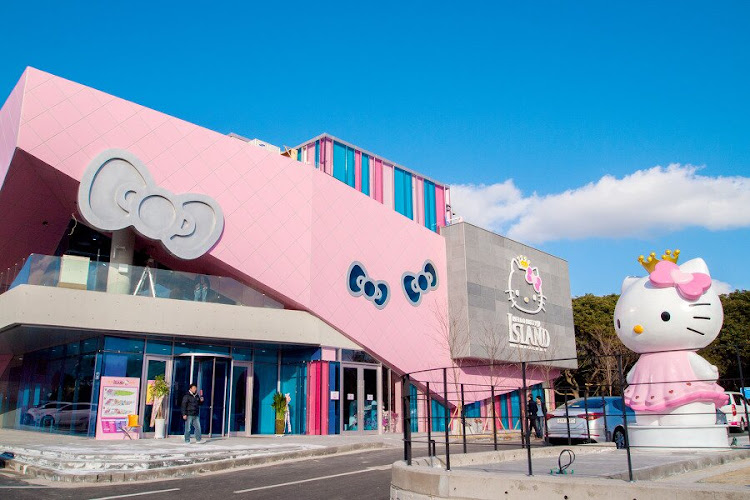
Hello Kitty Island
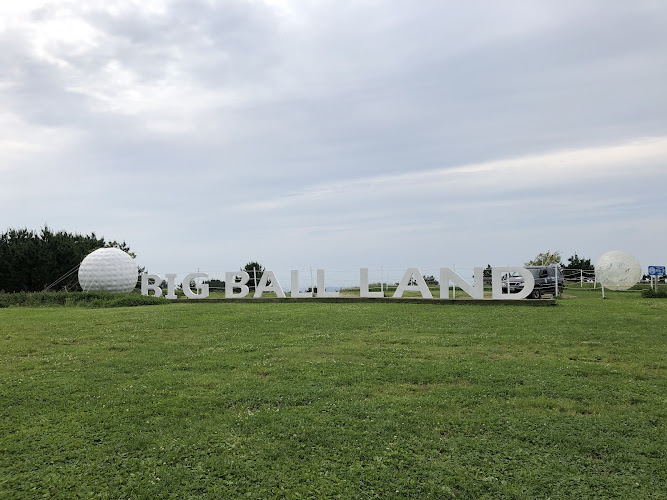
제주빅볼랜드
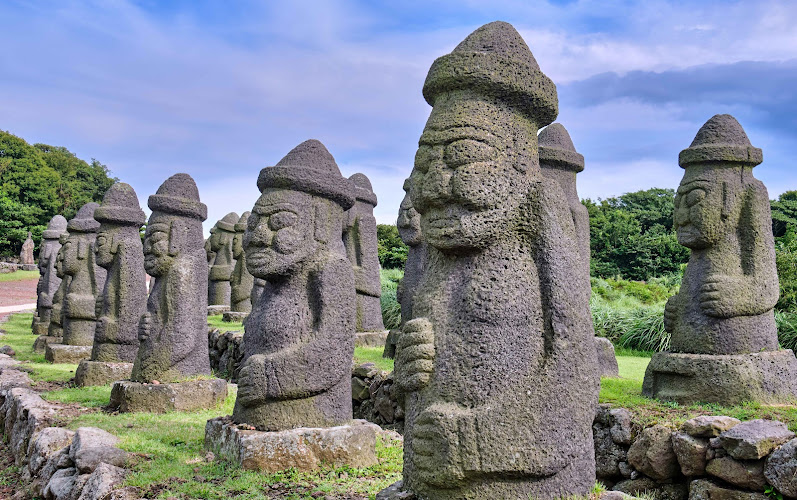
Jeju Stone Park
Find Accommodations Nearby
Recommended Tours & Activities
Visitor Reviews
There are no reviews yet. Be the first one to write one.
Share Your Experience
Have you visited Manjanggul Lava Tube? Help other travelers by leaving a review.