
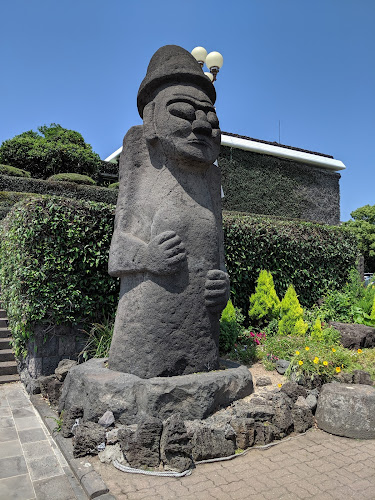
Jeju Folklore and Natural History Museum
About Jeju Folklore and Natural History Museum
Description
The Jeju Folklore and Natural History Museum stands as one of those places that genuinely surprised me when I first learned about it - and I think it'll surprise you too. Most travelers heading to Jeju Island are laser-focused on the beaches, the volcanic landscapes, and maybe some K-drama filming locations. But this museum? It's where you'll actually understand what makes Jeju so fundamentally different from mainland Korea. Spread across four distinct exhibition halls, the museum does something pretty remarkable. It doesn't just throw artifacts behind glass and call it a day. Instead, it weaves together the island's natural formation, its unique ecosystems, and the incredibly resilient culture that developed here over centuries. You know how sometimes museums feel like they're checking boxes? This one feels more like someone's passionate about telling you a story they really care about. The facility itself covers quite a bit of ground, and honestly, that's necessary when you're trying to capture everything from volcanic geology to traditional haenyeo (female diver) culture. I've noticed that travelers often underestimate how much time they'll want to spend here - they pop in thinking it'll be a quick hour, and suddenly three hours have passed because they're captivated by dioramas showing traditional thatched-roof houses or models explaining how Jeju's unique lava tubes formed. What makes this museum particularly valuable is its focus on context. Jeju developed in relative isolation for much of its history, which meant the people here had to be incredibly creative and resourceful. The museum shows you exactly how that happened - from the stone statues (dol hareubang) that have become island symbols to the agricultural practices that worked with volcanic soil rather than against it.Key Features
The museum's offerings extend well beyond what you might expect from a regional natural history museum. Here's what makes it worth your time:- Four specialized exhibition halls covering natural history, folklore, marine life, and island geology with each hall offering completely different perspectives on Jeju's character
- Extensive collection of artifacts from traditional Jeju life including farming tools, fishing equipment, and household items that show how islanders adapted to their environment
- Detailed dioramas and life-size recreations of traditional Jeju homes complete with thatched roofs and stone walls that let you visualize daily life from centuries past
- Comprehensive displays on the haenyeo culture featuring actual diving equipment and explaining why these women free-divers became such an integral part of island identity
- Geological exhibits that break down Jeju's volcanic origins in ways that actually make sense even if you slept through earth science class
- Marine life section showcasing the incredible biodiversity in the waters surrounding Jeju including species found nowhere else
- Models and explanatory materials about Jeju's famous lava tubes and how they formed over millions of years
- Traditional costume displays showing the distinctive clothing styles that developed on the island
- Agricultural exhibits demonstrating how Jeju farmers worked with challenging volcanic soil and harsh weather conditions
- Religious and shamanistic artifacts reflecting the unique spiritual practices that flourished here
- Wheelchair accessible throughout with ramps, accessible restrooms, and designated parking making it genuinely inclusive for all visitors
- Excellent for families with children as the displays incorporate interactive elements and visual storytelling that keeps younger visitors engaged
Best Time to Visit
Here's the thing about museum visits in Jeju - weather doesn't really matter in the same way it does for hiking Hallasan or exploring the coastline. And that's actually strategic information for your trip planning. The absolute best time to visit the Jeju Folklore and Natural History Museum is during inclement weather days. Jeju's weather can be unpredictable, particularly during spring and fall when you might wake up to rain or heavy winds. Instead of sulking in your hotel room, this museum becomes the perfect Plan B. I'd actually argue it's better experienced when the weather's rough because you're not feeling guilty about being indoors while the sun shines outside. Weekday mornings tend to be quietest, especially if you can get there right when it opens. You'll have space to really examine exhibits without crowds pushing past you, and if you're someone who likes to read all the plaques and information cards (guilty as charged), you won't feel rushed. Summer months, particularly July and August, bring school vacation crowds. It's not unbearable by any means, but expect more families with children. The upside? The energy level is higher and kids asking questions sometimes makes you notice things you might have walked past. Winter visits have their own charm. January and February see fewer tourists on Jeju overall, which means you might find yourself with entire exhibition halls nearly to yourself. There's something almost meditative about exploring a museum when it's quiet like that. Plus, ticket prices don't fluctuate seasonally at museums the way hotel rates do - you're getting the same experience for the same price regardless of when you visit. If you're trying to optimize your Jeju itinerary, I'd suggest keeping this museum as your "flexible" activity. Schedule outdoor adventures for your good weather days, and keep this in your back pocket for when the forecast goes sideways. Trust me, having a solid indoor option you're genuinely interested in visiting makes weather disappointments way less frustrating.How to Get There
Getting to the museum requires a bit of planning since Jeju's public transportation, while improving, isn't quite as extensive as what you'd find in Seoul or Busan. But don't let that intimidate you. The most straightforward option is renting a car, which honestly, I'd recommend for any Jeju trip lasting more than a day or two. The museum has ample parking including designated accessible parking spaces, and you won't be tied to bus schedules. Jeju's roads are generally well-maintained and signage includes English, though GPS is your friend here. If you're relying on public transportation, buses do service the area, but you'll need to do some homework on routes and schedules. The bus system on Jeju operates differently than major cities - frequencies can be lower and last buses run earlier than you might expect. Download a Korean navigation app like Naver Maps or KakaoMap before your trip, as these provide real-time bus information and are generally more accurate than Google Maps in Korea. Taxis are another viable option, particularly if you're traveling with a group and can split the fare. Jeju taxis are relatively affordable compared to Seoul, and most drivers know major tourist attractions including this museum. Having your destination written in Korean on your phone helps, even though many drivers are accustomed to foreign visitors. Some tour packages include the museum as part of eastern or central Jeju circuits. This can be convenient if you prefer structured itineraries, though you'll obviously have less flexibility in how much time you spend there. The museum's location makes it easy to combine with other nearby attractions, so consider planning a route that hits multiple sites in one day if you're trying to maximize your time on the island. Just make sure you're not rushing through - this place deserves at least two to three hours of your attention.Tips for Visiting
Let me share some practical wisdom that'll improve your experience considerably. First off, don't underestimate how much time you'll want here. I mentioned this earlier, but it bears repeating - budget at least two to three hours. The museum's layout encourages you to move chronologically through Jeju's story, and rushing through means missing connections between exhibits that actually make the experience meaningful. Wear comfortable shoes. I know this sounds obvious, but you'll be doing more walking and standing than you might anticipate. The floors are hard, and if you're the type who reads everything (which you should be, honestly), your feet will thank you for choosing sneakers over those stylish but impractical shoes. The museum is genuinely wheelchair accessible, which unfortunately isn't always the case at Korean attractions. If you or someone in your group has mobility concerns, this is one place where you won't face frustrating barriers or "accessible" routes that aren't actually helpful. Bring a light jacket or sweater regardless of outside temperature. Museums keep things cool for artifact preservation, and after an hour or two, some people find it chilly. Better to have layers you can adjust than spending your visit uncomfortable. Photography is generally allowed in most areas, but be respectful of any posted restrictions. And here's a thought - while getting photos for your Instagram is fine, don't experience the entire museum through your phone screen. Some moments are better absorbed directly. If you're visiting with children, take advantage of the interactive elements throughout the exhibits. The museum does a solid job of making educational content engaging for younger visitors, but kids will get more out of it if adults help connect what they're seeing to the island they're experiencing outside. Consider visiting the museum early in your Jeju trip rather than at the end. The context you gain here will actually enhance your appreciation of other sites on the island. When you visit a traditional village or walk through a lava tube later, you'll understand the significance better because of what you learned here. The museum doesn't have a restaurant, but restrooms are available and well-maintained. Plan your meals accordingly - there are dining options in the surrounding area, but you won't find a cafe inside. Finally, don't skip the later exhibition halls because you're tired. I've seen people power through the first couple halls then rush through the rest, and they miss some of the best material. If you need a break, take one, but make sure you give each section adequate attention. The curators arranged things deliberately, and the payoff comes from seeing the complete picture of how Jeju's natural history and human culture intertwined over millennia. This museum won't make your Jeju highlight reel in the way a sunset at Seongsan Ilchulbong might, but it'll give you something equally valuable - understanding. And sometimes that's worth more than another pretty photo.Key Features
- Natural History Hall with geology, flora and fauna exhibits
- Folklore Exhibition Halls showcasing traditional Jeju life and artifacts
- Large marine displays including a Bryde's whale skeleton exhibit
- Detailed dioramas and animated/interactive displays for visitors
- Outdoor exhibition area with additional folk artifacts and displays
More Details
Updated January 17, 2026
Table of Contents
- Description
- Key Features
- Best Time to Visit
- How to Get There
- Tips for Visiting
- Key Highlights
- Location
- Places to Stay Near Jeju Folklore and Natural History Museum
- Find and Book a Tour
- Explore More Travel Guides
- Nearby Places You Might Like
- Traveler Reviews for Jeju Folklore and Natural History Museum
- Share Your Experience
Description
The Jeju Folklore and Natural History Museum stands as one of those places that genuinely surprised me when I first learned about it – and I think it’ll surprise you too. Most travelers heading to Jeju Island are laser-focused on the beaches, the volcanic landscapes, and maybe some K-drama filming locations. But this museum? It’s where you’ll actually understand what makes Jeju so fundamentally different from mainland Korea.
Spread across four distinct exhibition halls, the museum does something pretty remarkable. It doesn’t just throw artifacts behind glass and call it a day. Instead, it weaves together the island’s natural formation, its unique ecosystems, and the incredibly resilient culture that developed here over centuries. You know how sometimes museums feel like they’re checking boxes? This one feels more like someone’s passionate about telling you a story they really care about.
The facility itself covers quite a bit of ground, and honestly, that’s necessary when you’re trying to capture everything from volcanic geology to traditional haenyeo (female diver) culture. I’ve noticed that travelers often underestimate how much time they’ll want to spend here – they pop in thinking it’ll be a quick hour, and suddenly three hours have passed because they’re captivated by dioramas showing traditional thatched-roof houses or models explaining how Jeju’s unique lava tubes formed.
What makes this museum particularly valuable is its focus on context. Jeju developed in relative isolation for much of its history, which meant the people here had to be incredibly creative and resourceful. The museum shows you exactly how that happened – from the stone statues (dol hareubang) that have become island symbols to the agricultural practices that worked with volcanic soil rather than against it.
Key Features
The museum’s offerings extend well beyond what you might expect from a regional natural history museum. Here’s what makes it worth your time:
- Four specialized exhibition halls covering natural history, folklore, marine life, and island geology with each hall offering completely different perspectives on Jeju’s character
- Extensive collection of artifacts from traditional Jeju life including farming tools, fishing equipment, and household items that show how islanders adapted to their environment
- Detailed dioramas and life-size recreations of traditional Jeju homes complete with thatched roofs and stone walls that let you visualize daily life from centuries past
- Comprehensive displays on the haenyeo culture featuring actual diving equipment and explaining why these women free-divers became such an integral part of island identity
- Geological exhibits that break down Jeju’s volcanic origins in ways that actually make sense even if you slept through earth science class
- Marine life section showcasing the incredible biodiversity in the waters surrounding Jeju including species found nowhere else
- Models and explanatory materials about Jeju’s famous lava tubes and how they formed over millions of years
- Traditional costume displays showing the distinctive clothing styles that developed on the island
- Agricultural exhibits demonstrating how Jeju farmers worked with challenging volcanic soil and harsh weather conditions
- Religious and shamanistic artifacts reflecting the unique spiritual practices that flourished here
- Wheelchair accessible throughout with ramps, accessible restrooms, and designated parking making it genuinely inclusive for all visitors
- Excellent for families with children as the displays incorporate interactive elements and visual storytelling that keeps younger visitors engaged
Best Time to Visit
Here’s the thing about museum visits in Jeju – weather doesn’t really matter in the same way it does for hiking Hallasan or exploring the coastline. And that’s actually strategic information for your trip planning.
The absolute best time to visit the Jeju Folklore and Natural History Museum is during inclement weather days. Jeju’s weather can be unpredictable, particularly during spring and fall when you might wake up to rain or heavy winds. Instead of sulking in your hotel room, this museum becomes the perfect Plan B. I’d actually argue it’s better experienced when the weather’s rough because you’re not feeling guilty about being indoors while the sun shines outside.
Weekday mornings tend to be quietest, especially if you can get there right when it opens. You’ll have space to really examine exhibits without crowds pushing past you, and if you’re someone who likes to read all the plaques and information cards (guilty as charged), you won’t feel rushed.
Summer months, particularly July and August, bring school vacation crowds. It’s not unbearable by any means, but expect more families with children. The upside? The energy level is higher and kids asking questions sometimes makes you notice things you might have walked past.
Winter visits have their own charm. January and February see fewer tourists on Jeju overall, which means you might find yourself with entire exhibition halls nearly to yourself. There’s something almost meditative about exploring a museum when it’s quiet like that. Plus, ticket prices don’t fluctuate seasonally at museums the way hotel rates do – you’re getting the same experience for the same price regardless of when you visit.
If you’re trying to optimize your Jeju itinerary, I’d suggest keeping this museum as your “flexible” activity. Schedule outdoor adventures for your good weather days, and keep this in your back pocket for when the forecast goes sideways. Trust me, having a solid indoor option you’re genuinely interested in visiting makes weather disappointments way less frustrating.
How to Get There
Getting to the museum requires a bit of planning since Jeju’s public transportation, while improving, isn’t quite as extensive as what you’d find in Seoul or Busan. But don’t let that intimidate you.
The most straightforward option is renting a car, which honestly, I’d recommend for any Jeju trip lasting more than a day or two. The museum has ample parking including designated accessible parking spaces, and you won’t be tied to bus schedules. Jeju’s roads are generally well-maintained and signage includes English, though GPS is your friend here.
If you’re relying on public transportation, buses do service the area, but you’ll need to do some homework on routes and schedules. The bus system on Jeju operates differently than major cities – frequencies can be lower and last buses run earlier than you might expect. Download a Korean navigation app like Naver Maps or KakaoMap before your trip, as these provide real-time bus information and are generally more accurate than Google Maps in Korea.
Taxis are another viable option, particularly if you’re traveling with a group and can split the fare. Jeju taxis are relatively affordable compared to Seoul, and most drivers know major tourist attractions including this museum. Having your destination written in Korean on your phone helps, even though many drivers are accustomed to foreign visitors.
Some tour packages include the museum as part of eastern or central Jeju circuits. This can be convenient if you prefer structured itineraries, though you’ll obviously have less flexibility in how much time you spend there.
The museum’s location makes it easy to combine with other nearby attractions, so consider planning a route that hits multiple sites in one day if you’re trying to maximize your time on the island. Just make sure you’re not rushing through – this place deserves at least two to three hours of your attention.
Tips for Visiting
Let me share some practical wisdom that’ll improve your experience considerably. First off, don’t underestimate how much time you’ll want here. I mentioned this earlier, but it bears repeating – budget at least two to three hours. The museum’s layout encourages you to move chronologically through Jeju’s story, and rushing through means missing connections between exhibits that actually make the experience meaningful.
Wear comfortable shoes. I know this sounds obvious, but you’ll be doing more walking and standing than you might anticipate. The floors are hard, and if you’re the type who reads everything (which you should be, honestly), your feet will thank you for choosing sneakers over those stylish but impractical shoes.
The museum is genuinely wheelchair accessible, which unfortunately isn’t always the case at Korean attractions. If you or someone in your group has mobility concerns, this is one place where you won’t face frustrating barriers or “accessible” routes that aren’t actually helpful.
Bring a light jacket or sweater regardless of outside temperature. Museums keep things cool for artifact preservation, and after an hour or two, some people find it chilly. Better to have layers you can adjust than spending your visit uncomfortable.
Photography is generally allowed in most areas, but be respectful of any posted restrictions. And here’s a thought – while getting photos for your Instagram is fine, don’t experience the entire museum through your phone screen. Some moments are better absorbed directly.
If you’re visiting with children, take advantage of the interactive elements throughout the exhibits. The museum does a solid job of making educational content engaging for younger visitors, but kids will get more out of it if adults help connect what they’re seeing to the island they’re experiencing outside.
Consider visiting the museum early in your Jeju trip rather than at the end. The context you gain here will actually enhance your appreciation of other sites on the island. When you visit a traditional village or walk through a lava tube later, you’ll understand the significance better because of what you learned here.
The museum doesn’t have a restaurant, but restrooms are available and well-maintained. Plan your meals accordingly – there are dining options in the surrounding area, but you won’t find a cafe inside.
Finally, don’t skip the later exhibition halls because you’re tired. I’ve seen people power through the first couple halls then rush through the rest, and they miss some of the best material. If you need a break, take one, but make sure you give each section adequate attention. The curators arranged things deliberately, and the payoff comes from seeing the complete picture of how Jeju’s natural history and human culture intertwined over millennia.
This museum won’t make your Jeju highlight reel in the way a sunset at Seongsan Ilchulbong might, but it’ll give you something equally valuable – understanding. And sometimes that’s worth more than another pretty photo.
Key Highlights
- Natural History Hall with geology, flora and fauna exhibits
- Folklore Exhibition Halls showcasing traditional Jeju life and artifacts
- Large marine displays including a Bryde’s whale skeleton exhibit
- Detailed dioramas and animated/interactive displays for visitors
- Outdoor exhibition area with additional folk artifacts and displays
Location
Places to Stay Near Jeju Folklore and Natural History Museum
Find and Book a Tour
Explore More Travel Guides
No reviews found! Be the first to review!
Traveler Reviews for Jeju Folklore and Natural History Museum
There are no reviews yet. Be the first one to write one.
Have you visited Jeju Folklore and Natural History Museum? Help other travelers by sharing your review.
Nearby Attractions
You Might Also Like
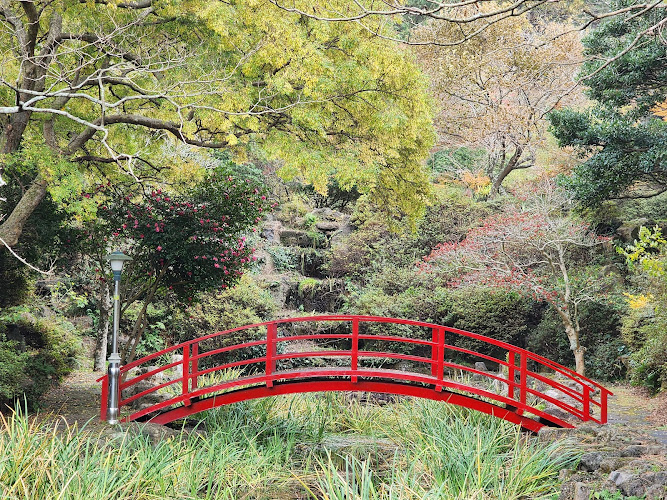
Halla Arboretum, Jeju Island,S.Korea
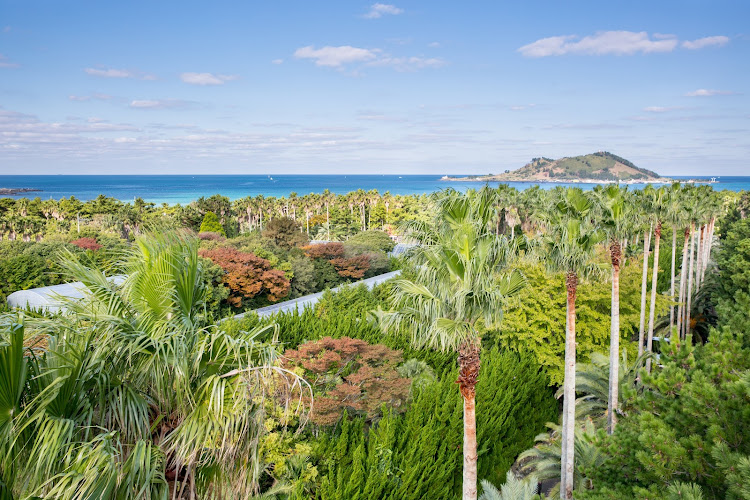
Hallim Park
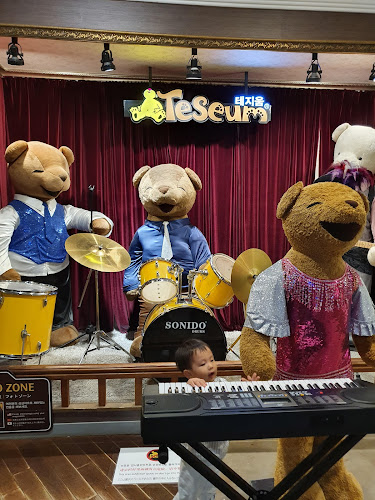
Jeju Teseum
Find Accommodations Nearby
Recommended Tours & Activities
Visitor Reviews
There are no reviews yet. Be the first one to write one.
Share Your Experience
Have you visited Jeju Folklore and Natural History Museum? Help other travelers by leaving a review.