
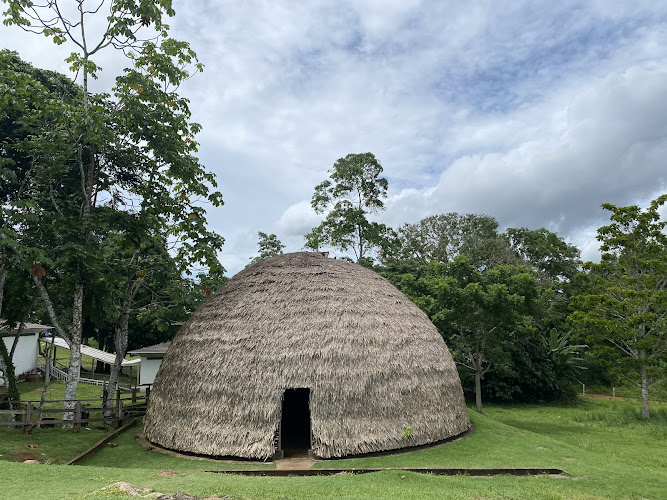
Memorial Rondon
About Memorial Rondon
Description
Memorial Rondon stands as a tribute to one of Brazil's most remarkable historical figures, Marshal Cândido Rondon, whose dedication to indigenous peoples and exploration of the Brazilian interior left an indelible mark on the nation's development. This tourist attraction offers visitors a chance to step back in time and understand the complexities of Brazil's expansion into its remote territories during the early 20th century. The memorial serves both as an educational center and a place of reflection, drawing history enthusiasts and curious travelers who want to understand the often-overlooked chapters of Brazilian exploration. Marshal Rondon's story is fascinating, really. He was this incredible military engineer who dedicated over 40 years of his life to mapping unknown territories and establishing telegraph lines across Brazil's vast wilderness. But what made him truly special was his revolutionary approach to indigenous communities – at a time when many viewed these populations as obstacles, Rondon insisted on peaceful contact and respect for their cultures. The memorial captures this spirit through its exhibits and historical documentation. Walking through the memorial, you'll discover how one person's vision could shape an entire nation's approach to indigenous rights and territorial development. The facility doesn't just celebrate Rondon's achievements; it also presents the complicated realities of colonization, technological progress, and cultural preservation. And honestly, that's what makes it worth visiting – it doesn't shy away from the harder conversations about Brazil's past.Key Features
The Memorial Rondon provides visitors with several distinctive elements that make the experience both educational and emotionally engaging: • Historical exhibits showcasing Marshal Rondon's expeditions through Brazil's interior, including original maps, photographs, and telegraph equipment that tell the story of connecting a vast nation • Comprehensive documentation of the Rondon Commission's work, which established thousands of kilometers of telegraph lines while making first contact with numerous indigenous tribes • Educational displays explaining Rondon's philosophy of peaceful contact with indigenous peoples, summarized in his famous directive: "Die if necessary, but never kill" • Artifacts and materials related to the establishment of the Indian Protection Service, Brazil's first governmental agency dedicated to indigenous affairs • Wheelchair accessible facilities throughout the memorial, ensuring all visitors can engage with the historical content • Dedicated parking areas with accessibility features for visitors with mobility challenges • Family-friendly exhibits that help younger visitors understand this important period of Brazilian history • Clean restroom facilities available on-site for visitor convenience • Informational materials that contextualize Rondon's work within broader Brazilian and South American history • Quiet spaces for reflection on the complex legacy of territorial expansion and indigenous rightsBest Time to Visit
Timing your visit to Memorial Rondon can significantly impact your experience, though the memorial maintains consistent operations throughout the year. The facility welcomes visitors during standard business hours, and honestly, weekday mornings tend to offer the most peaceful atmosphere for absorbing the historical content without crowds. If you're traveling during Brazil's school holiday periods – typically December through February and July – expect larger groups of families and student tours. While this creates a more energetic atmosphere, it might mean sharing exhibit spaces with enthusiastic kids who are learning about Rondon for the first time. But there's something kinda nice about seeing younger generations engage with this history. The cooler months from May through September provide comfortable weather for exploring the memorial and surrounding areas. Brazilian summers can get pretty intense, so if you're visiting between December and March, plan your visit during morning hours when temperatures are more manageable. The memorial's indoor exhibits offer climate-controlled comfort regardless of season. Consider visiting during less popular times of day – typically mid-morning on weekdays – when you'll have more personal space to read exhibits carefully and really absorb the historical significance. The memorial staff tends to be more available for questions during these quieter periods too. Special commemorations occasionally take place honoring Rondon's birthday in May or indigenous peoples' days throughout the year. These events can provide additional context and cultural programming, though you'll want to check ahead for specific scheduling.How to Get There
Reaching Memorial Rondon requires some planning, but the journey itself becomes part of understanding Rondon's legacy of connecting Brazil's far-flung regions. The memorial's location reflects its subject matter – it's not always in the most convenient spot, which somehow feels appropriate for a tribute to someone who spent decades in remote areas. For travelers arriving by car, the memorial provides accessible parking facilities that accommodate visitors with various mobility needs. GPS navigation systems generally provide accurate directions, though it's worth confirming your route beforehand since some mapping applications can get confused in certain areas. The parking area includes designated spaces for wheelchair users and those requiring additional access accommodations. Public transportation options vary depending on your starting point. Local bus services sometimes run near the memorial, though schedules can be inconsistent. If you're relying on buses, allow extra time for potential delays and check current routes with local transit authorities or your hotel concierge. Taxi services and ride-sharing apps offer more reliable transportation, particularly if you're unfamiliar with the area or traveling with family members who might find public transit challenging. For international visitors, the memorial typically lies within reasonable distance from regional airports, though you'll likely need ground transportation to complete your journey. Renting a car provides maximum flexibility for exploring both the memorial and surrounding historical sites related to Rondon's work. Walking from nearby accommodations is sometimes possible depending on where you're staying, though distances can be deceiving. Check maps carefully and consider local weather conditions before attempting lengthy walks, especially with children or during hot weather.Tips for Visiting
Making the most of your Memorial Rondon experience requires some preparation and realistic expectations. This isn't a flashy, high-tech museum with interactive displays and virtual reality experiences – it's a thoughtful historical memorial that rewards patient, engaged visitors who want to really understand this chapter of Brazilian history. Allocate at least two hours for your visit, maybe more if you're a history buff who likes reading every placard and examining artifacts closely. Rushing through defeats the purpose. I've found that bringing a small notebook helps for jotting down interesting facts or questions that arise while exploring – there's honestly too much information to retain in one visit. The memorial is genuinely accessible for wheelchair users, which isn't always the case with historical sites. Families will appreciate the kid-friendly approach to presenting complex historical topics, though very young children might lose interest in the more detailed exhibits. Bringing some quiet activities for little ones ensures everyone can enjoy the visit without stress. Restroom facilities are available on-site, which is definitely worth knowing before you arrive. The memorial staff generally speaks Portuguese primarily, so having translation apps ready or brushing up on basic Portuguese phrases can enhance your experience. That said, the visual exhibits communicate much of Rondon's story even without perfect language comprehension. Photography policies vary, so check with staff upon arrival. Capturing images for personal use is typically permitted, but flash photography might be restricted to protect historical materials. Respectful behavior around exhibits ensures preservation for future visitors. Consider complementing your memorial visit with research beforehand about Rondon's expeditions and indigenous peoples of Brazil. This background knowledge transforms the exhibits from interesting historical footnotes into deeply meaningful narratives. Several documentaries and books explore Rondon's life in detail, providing context that makes the physical artifacts more impactful. Dress comfortably and practically. While the memorial is climate-controlled, you might explore outdoor areas or walk from parking areas. Comfortable shoes make a difference when you're standing and reading exhibits for extended periods. Bring water and snacks, especially if traveling with children. While restrooms are available, dedicated dining facilities might not be on-site. Staying hydrated and maintaining energy levels helps everyone appreciate the experience fully. The memorial's review statistics suggest most visitors leave satisfied with their experience – it's clearly resonating with people who make the effort to visit. But managing expectations matters. This isn't entertainment; it's education and commemoration. Visitors seeking superficial attractions might feel disappointed, while those genuinely interested in Brazilian history, indigenous rights, or exploration narratives will find the memorial deeply rewarding. Take time in the quieter corners of the memorial for reflection. Rondon's legacy raises important questions about progress, cultural preservation, and how societies treat indigenous populations. These aren't simple topics with easy answers, and the memorial provides space for considering these complexities thoughtfully. Finally, consider how Rondon's story connects to contemporary issues facing indigenous communities throughout Brazil and beyond. The memorial isn't just about the past – it's about understanding ongoing struggles for indigenous rights, land preservation, and cultural survival. Approaching your visit with this broader perspective transforms it from a simple tourist stop into a meaningful educational experience that might just change how you think about colonization, progress, and cultural respect.Key Features
- Key Features
- Best Time to Visit
- How to Get There
- Tips for Visiting
More Details
Updated January 17, 2026
Table of Contents
Description
Memorial Rondon stands as a tribute to one of Brazil’s most remarkable historical figures, Marshal Cândido Rondon, whose dedication to indigenous peoples and exploration of the Brazilian interior left an indelible mark on the nation’s development. This tourist attraction offers visitors a chance to step back in time and understand the complexities of Brazil’s expansion into its remote territories during the early 20th century. The memorial serves both as an educational center and a place of reflection, drawing history enthusiasts and curious travelers who want to understand the often-overlooked chapters of Brazilian exploration.
Marshal Rondon’s story is fascinating, really. He was this incredible military engineer who dedicated over 40 years of his life to mapping unknown territories and establishing telegraph lines across Brazil’s vast wilderness. But what made him truly special was his revolutionary approach to indigenous communities – at a time when many viewed these populations as obstacles, Rondon insisted on peaceful contact and respect for their cultures. The memorial captures this spirit through its exhibits and historical documentation.
Walking through the memorial, you’ll discover how one person’s vision could shape an entire nation’s approach to indigenous rights and territorial development. The facility doesn’t just celebrate Rondon’s achievements; it also presents the complicated realities of colonization, technological progress, and cultural preservation. And honestly, that’s what makes it worth visiting – it doesn’t shy away from the harder conversations about Brazil’s past.
Key Features
The Memorial Rondon provides visitors with several distinctive elements that make the experience both educational and emotionally engaging:
• Historical exhibits showcasing Marshal Rondon’s expeditions through Brazil’s interior, including original maps, photographs, and telegraph equipment that tell the story of connecting a vast nation
• Comprehensive documentation of the Rondon Commission’s work, which established thousands of kilometers of telegraph lines while making first contact with numerous indigenous tribes
• Educational displays explaining Rondon’s philosophy of peaceful contact with indigenous peoples, summarized in his famous directive: “Die if necessary, but never kill”
• Artifacts and materials related to the establishment of the Indian Protection Service, Brazil’s first governmental agency dedicated to indigenous affairs
• Wheelchair accessible facilities throughout the memorial, ensuring all visitors can engage with the historical content
• Dedicated parking areas with accessibility features for visitors with mobility challenges
• Family-friendly exhibits that help younger visitors understand this important period of Brazilian history
• Clean restroom facilities available on-site for visitor convenience
• Informational materials that contextualize Rondon’s work within broader Brazilian and South American history
• Quiet spaces for reflection on the complex legacy of territorial expansion and indigenous rights
Best Time to Visit
Timing your visit to Memorial Rondon can significantly impact your experience, though the memorial maintains consistent operations throughout the year. The facility welcomes visitors during standard business hours, and honestly, weekday mornings tend to offer the most peaceful atmosphere for absorbing the historical content without crowds.
If you’re traveling during Brazil’s school holiday periods – typically December through February and July – expect larger groups of families and student tours. While this creates a more energetic atmosphere, it might mean sharing exhibit spaces with enthusiastic kids who are learning about Rondon for the first time. But there’s something kinda nice about seeing younger generations engage with this history.
The cooler months from May through September provide comfortable weather for exploring the memorial and surrounding areas. Brazilian summers can get pretty intense, so if you’re visiting between December and March, plan your visit during morning hours when temperatures are more manageable. The memorial’s indoor exhibits offer climate-controlled comfort regardless of season.
Consider visiting during less popular times of day – typically mid-morning on weekdays – when you’ll have more personal space to read exhibits carefully and really absorb the historical significance. The memorial staff tends to be more available for questions during these quieter periods too.
Special commemorations occasionally take place honoring Rondon’s birthday in May or indigenous peoples’ days throughout the year. These events can provide additional context and cultural programming, though you’ll want to check ahead for specific scheduling.
How to Get There
Reaching Memorial Rondon requires some planning, but the journey itself becomes part of understanding Rondon’s legacy of connecting Brazil’s far-flung regions. The memorial’s location reflects its subject matter – it’s not always in the most convenient spot, which somehow feels appropriate for a tribute to someone who spent decades in remote areas.
For travelers arriving by car, the memorial provides accessible parking facilities that accommodate visitors with various mobility needs. GPS navigation systems generally provide accurate directions, though it’s worth confirming your route beforehand since some mapping applications can get confused in certain areas. The parking area includes designated spaces for wheelchair users and those requiring additional access accommodations.
Public transportation options vary depending on your starting point. Local bus services sometimes run near the memorial, though schedules can be inconsistent. If you’re relying on buses, allow extra time for potential delays and check current routes with local transit authorities or your hotel concierge. Taxi services and ride-sharing apps offer more reliable transportation, particularly if you’re unfamiliar with the area or traveling with family members who might find public transit challenging.
For international visitors, the memorial typically lies within reasonable distance from regional airports, though you’ll likely need ground transportation to complete your journey. Renting a car provides maximum flexibility for exploring both the memorial and surrounding historical sites related to Rondon’s work.
Walking from nearby accommodations is sometimes possible depending on where you’re staying, though distances can be deceiving. Check maps carefully and consider local weather conditions before attempting lengthy walks, especially with children or during hot weather.
Tips for Visiting
Making the most of your Memorial Rondon experience requires some preparation and realistic expectations. This isn’t a flashy, high-tech museum with interactive displays and virtual reality experiences – it’s a thoughtful historical memorial that rewards patient, engaged visitors who want to really understand this chapter of Brazilian history.
Allocate at least two hours for your visit, maybe more if you’re a history buff who likes reading every placard and examining artifacts closely. Rushing through defeats the purpose. I’ve found that bringing a small notebook helps for jotting down interesting facts or questions that arise while exploring – there’s honestly too much information to retain in one visit.
The memorial is genuinely accessible for wheelchair users, which isn’t always the case with historical sites. Families will appreciate the kid-friendly approach to presenting complex historical topics, though very young children might lose interest in the more detailed exhibits. Bringing some quiet activities for little ones ensures everyone can enjoy the visit without stress.
Restroom facilities are available on-site, which is definitely worth knowing before you arrive. The memorial staff generally speaks Portuguese primarily, so having translation apps ready or brushing up on basic Portuguese phrases can enhance your experience. That said, the visual exhibits communicate much of Rondon’s story even without perfect language comprehension.
Photography policies vary, so check with staff upon arrival. Capturing images for personal use is typically permitted, but flash photography might be restricted to protect historical materials. Respectful behavior around exhibits ensures preservation for future visitors.
Consider complementing your memorial visit with research beforehand about Rondon’s expeditions and indigenous peoples of Brazil. This background knowledge transforms the exhibits from interesting historical footnotes into deeply meaningful narratives. Several documentaries and books explore Rondon’s life in detail, providing context that makes the physical artifacts more impactful.
Dress comfortably and practically. While the memorial is climate-controlled, you might explore outdoor areas or walk from parking areas. Comfortable shoes make a difference when you’re standing and reading exhibits for extended periods.
Bring water and snacks, especially if traveling with children. While restrooms are available, dedicated dining facilities might not be on-site. Staying hydrated and maintaining energy levels helps everyone appreciate the experience fully.
The memorial’s review statistics suggest most visitors leave satisfied with their experience – it’s clearly resonating with people who make the effort to visit. But managing expectations matters. This isn’t entertainment; it’s education and commemoration. Visitors seeking superficial attractions might feel disappointed, while those genuinely interested in Brazilian history, indigenous rights, or exploration narratives will find the memorial deeply rewarding.
Take time in the quieter corners of the memorial for reflection. Rondon’s legacy raises important questions about progress, cultural preservation, and how societies treat indigenous populations. These aren’t simple topics with easy answers, and the memorial provides space for considering these complexities thoughtfully.
Finally, consider how Rondon’s story connects to contemporary issues facing indigenous communities throughout Brazil and beyond. The memorial isn’t just about the past – it’s about understanding ongoing struggles for indigenous rights, land preservation, and cultural survival. Approaching your visit with this broader perspective transforms it from a simple tourist stop into a meaningful educational experience that might just change how you think about colonization, progress, and cultural respect.
Key Highlights
- Key Features
- Best Time to Visit
- How to Get There
- Tips for Visiting
Location
Places to Stay Near Memorial Rondon
Find and Book a Tour
Explore More Travel Guides
No reviews found! Be the first to review!
Traveler Reviews for Memorial Rondon
There are no reviews yet. Be the first one to write one.
Have you visited Memorial Rondon? Help other travelers by sharing your review.
You Might Also Like
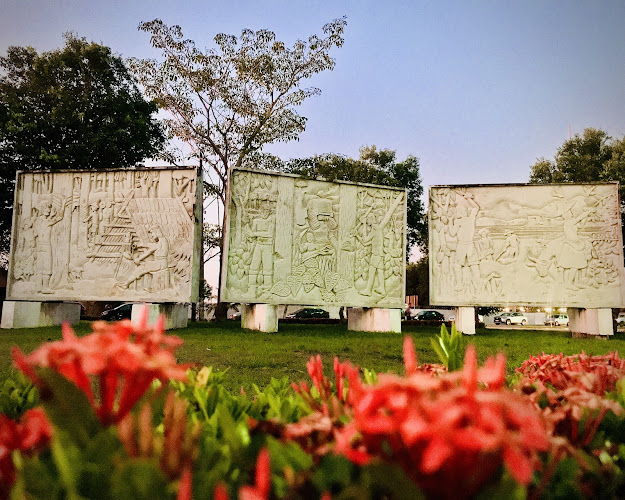
Monumento Pôrto Velho
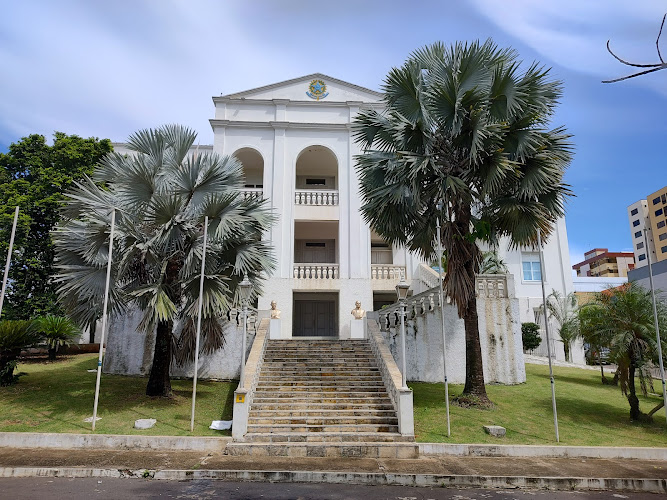
Palácio Presidente Getúlio Vargas
Porto Velho City
Find Accommodations Nearby
Recommended Tours & Activities
Visitor Reviews
There are no reviews yet. Be the first one to write one.
Share Your Experience
Have you visited Memorial Rondon? Help other travelers by leaving a review.