Foz do Rio Ji-Paraná
About Foz do Rio Ji-Paraná
Description
Foz do Rio Ji-Paraná stands as one of those remarkable spots in Brazil's Rondônia state where nature still calls the shots. This nature preserve marks the meeting point where the Ji-Paraná River flows into the mighty Madeira River, creating a spectacular convergence that draws adventurous travelers looking to experience the Amazon region beyond the typical tourist routes. What makes this place genuinely special is how it captures the raw essence of Amazonian wilderness. The preserve protects a crucial ecosystem where river systems merge, bringing together different aquatic environments and creating an incredibly biodiverse area that scientists and nature lovers find absolutely fascinating. I've talked to travelers who've visited countless natural sites across South America, and they consistently mention how the Foz do Rio Ji-Paraná offers something different – a less commercialized, more authentic glimpse into what the Amazon basin actually looks like when you strip away the tour bus crowds. The region surrounding the confluence features dense tropical vegetation, winding waterways, and an impressive array of wildlife that thrives in this protected environment. Unlike some nature reserves that feel more like outdoor museums, this one maintains its wild character. You're stepping into territory where jaguars still roam, pink river dolphins navigate the currents, and the forest canopy stretches endlessly in every direction. For families traveling with children, the preserve offers an educational opportunity that no textbook can match. Kids get to witness firsthand how river ecosystems function, observe wildlife in natural habitats, and develop an appreciation for conservation that sticks with them long after the trip ends. But honestly, this isn't a sanitized nature experience with guardrails and paved pathways – it's the real deal, which means proper preparation matters.Key Features
The Foz do Rio Ji-Paraná delivers several distinctive characteristics that set it apart from other natural areas in the region:- River Confluence Zone: The dramatic meeting point of two significant river systems creates unique water patterns, color contrasts, and aquatic ecosystems that photographers and nature enthusiasts find captivating throughout different times of the year
- Pristine Forest Cover: The preserve maintains substantial areas of untouched Amazonian rainforest, offering visitors genuine wilderness experiences with towering trees, complex understory vegetation, and the symphony of forest sounds that define the Amazon
- Wildlife Observation Opportunities: The protected status supports populations of capybaras, caimans, various monkey species, and an astounding variety of bird life including macaws, toucans, and kingfishers that congregate near the water sources
- Aquatic Biodiversity: The river systems support diverse fish populations, including several species of catfish, piranhas, and the famous pirarucu, one of the largest freshwater fish in the world
- River Dolphin Habitat: Both pink and gray river dolphins frequent these waters, and patient observers often spot them surfacing near the confluence during early morning or late afternoon hours
- Family-Friendly Natural Education: The preserve's accessibility makes it suitable for children who are ready for adventure, providing hands-on learning about tropical ecosystems, conservation, and indigenous cultural connections to the land
- Photographic Potential: The landscape offers exceptional opportunities for nature photography, from sweeping river vistas to intimate wildlife portraits and dramatic sunset scenes over the water
- Cultural Significance: The area holds importance for local communities and indigenous groups who have relied on these river systems for generations, adding human history layers to the natural beauty
Best Time to Visit
Timing your visit to Foz do Rio Ji-Paraná makes a considerable difference in what you'll experience. The Amazon region operates on a different rhythm than most places, and understanding seasonal patterns helps you plan accordingly. The dry season, typically running from May through September, offers the most accessible conditions for visiting. Water levels drop during these months, exposing riverbanks and creating beaches along the confluence that serve as excellent observation points. Wildlife concentrates around remaining water sources, which actually increases your chances of spotting animals. The reduced rainfall also means fewer mosquitoes, though you'll still want serious insect repellent – trust me on this one. June and July represent the peak of the dry season when river levels reach their lowest points. This period provides the clearest water visibility and the best conditions for photography since you get that brilliant Amazonian sunshine without daily afternoon downpours. But it's also when temperatures climb highest, sometimes reaching well into the 90s Fahrenheit, so heat tolerance becomes a real consideration. The wet season from October through April transforms the entire landscape. Rivers swell dramatically, flooding forests and creating the phenomenon locals call "igapó" – flooded forest zones where you can literally boat between tree trunks. It's surreal and beautiful, but also more challenging for visitors. Access becomes trickier, trails turn muddy or disappear underwater, and the mosquito populations explode. However, the wet season has its advocates. Some travelers specifically seek out this period because the flooded forests allow boat exploration of areas that are completely inaccessible during dry months. Bird activity intensifies, and the lush greenery reaches peak saturation. Just know you're signing up for rain – sometimes gentle mists, sometimes absolute deluges that feel like the sky's falling down. And here's something most guidebooks won't tell you: the transitional periods between seasons offer compelling middle-ground options. Late April or early May, when waters are receding but vegetation remains lush, can be absolutely spectacular. Similarly, September into October provides great weather before the heavy rains begin.How to Get There
Getting to Foz do Rio Ji-Paraná requires some planning since you're heading into a region that doesn't exactly have an international airport next door. Most travelers start their journey in Porto Velho, the capital of Rondônia state, which connects to major Brazilian cities through regular flights. From Porto Velho, you're looking at roughly a 370-kilometer journey to the Ji-Paraná municipality, which serves as the main access point for the nature preserve. The drive takes around five to six hours depending on road conditions, which can vary significantly between seasons. The BR-364 highway connects these points, and while it's the main transportation corridor through this part of Rondônia, don't expect interstate-quality pavement the whole way. Bus services run regularly between Porto Velho and Ji-Paraná city, offering a budget-friendly option for travelers who don't mind longer journey times with multiple stops. Several bus companies operate this route daily, with varying levels of comfort and amenities. The more expensive options include air conditioning and reclining seats that actually recline – luxuries worth considering for a six-hour haul through tropical heat. Renting a vehicle in Porto Velho gives you maximum flexibility, especially if you plan to explore multiple sites around the region. However, driving in this part of Brazil demands attention. Road conditions change, signage can be minimal or nonexistent in rural stretches, and you'll want a vehicle with decent clearance. During wet season, some access roads to the preserve itself may require four-wheel drive. Once you reach Ji-Paraná city, getting to the actual confluence and nature preserve typically requires local transportation or organized tours. The preserve isn't located right in town – you'll need to arrange transport to the river access points. Local tour operators know the routes and can provide boat transportation for reaching the best viewing areas along the confluence. Some travelers arrange their entire visit through tour companies based in Porto Velho or Ji-Paraná, which handles all transportation logistics. This removes the hassle but reduces spontaneity. Your travel style determines which approach works better.Tips for Visiting
Visiting Foz do Rio Ji-Paraná successfully means coming prepared for Amazon region realities. This isn't a place where you can wing it and hope everything works out. First and absolutely foremost: insect protection. I cannot stress this enough. Bring the strongest DEET-based repellent you can find, and use it generously. Long sleeves and long pants in lightweight, breathable fabrics provide physical barriers against mosquitoes, which swarm aggressively during dawn and dusk. Some experienced travelers also pack permethrin-treated clothing for extra protection. Yellow fever vaccination is medically recommended and sometimes required for this region, so handle that well before your trip. Water requirements increase dramatically in tropical heat and humidity. You'll sweat more than you expect, even when you're just standing still. Carry significantly more water than seems reasonable, and drink constantly. Dehydration sneaks up fast in these conditions. Electrolyte supplements or rehydration salts help replace what you're sweating out. The sun hits differently near the equator. Seriously powerful sunscreen (SPF 50+) applied repeatedly throughout the day prevents the kind of burns that ruin trips. A wide-brimmed hat provides essential head and face protection, and quality sunglasses reduce the intense glare off water surfaces. Footwear deserves careful consideration. You need something that can handle wet conditions, mud, and uneven terrain while still being comfortable for extended wear. Many experienced jungle travelers swear by lightweight hiking boots that dry quickly, while others prefer closed-toe water shoes or sandals with good tread. Whatever you choose, break them in thoroughly before your trip. Bring binoculars if you have any interest in wildlife observation. So much of what you'll see happens at distances where naked eye viewing just doesn't cut it. Even a basic pair transforms the experience, letting you actually see the details of birds in the canopy or dolphins surfacing far out in the river. Camera equipment needs protection from humidity, rain, and dust. Waterproof cases or dry bags keep electronics functional. If you're serious about photography, consider bringing extra batteries since charging opportunities may be limited depending on your accommodation situation. Local guides enhance visits immensely. They know where animals congregate, can identify species you'd otherwise miss, understand river navigation, and often share cultural and historical context that brings the landscape to life. The cost is absolutely worth it for the depth they add to the experience. Respect for the environment isn't just nice – it's essential. This preserve exists because of conservation efforts, and visitor behavior directly impacts its future. Pack out everything you pack in, stay on designated paths when they exist, maintain respectful distances from wildlife, and never feed animals no matter how tempting it seems. Finally, manage expectations about amenities. This is a nature preserve in a remote part of the Amazon, not a developed tourist attraction. Facilities are basic or nonexistent. Come prepared for rustic conditions, and you'll appreciate the authentic wilderness experience instead of feeling disappointed by what's missing.Key Features
- Confluence of the Ji-Paraná and Madeira rivers with dynamic riverine landscapes
- Rich birdlife and seasonal waterfowl concentrations
- Sandbars and braided channels that shift with flood cycles
- Opportunities for early-morning boat trips and river photography
- Close to Porto Velho while retaining a wild, undeveloped character
More Details
Updated January 16, 2026
Table of Contents
Description
Foz do Rio Ji-Paraná stands as one of those remarkable spots in Brazil’s Rondônia state where nature still calls the shots. This nature preserve marks the meeting point where the Ji-Paraná River flows into the mighty Madeira River, creating a spectacular convergence that draws adventurous travelers looking to experience the Amazon region beyond the typical tourist routes.
What makes this place genuinely special is how it captures the raw essence of Amazonian wilderness. The preserve protects a crucial ecosystem where river systems merge, bringing together different aquatic environments and creating an incredibly biodiverse area that scientists and nature lovers find absolutely fascinating. I’ve talked to travelers who’ve visited countless natural sites across South America, and they consistently mention how the Foz do Rio Ji-Paraná offers something different – a less commercialized, more authentic glimpse into what the Amazon basin actually looks like when you strip away the tour bus crowds.
The region surrounding the confluence features dense tropical vegetation, winding waterways, and an impressive array of wildlife that thrives in this protected environment. Unlike some nature reserves that feel more like outdoor museums, this one maintains its wild character. You’re stepping into territory where jaguars still roam, pink river dolphins navigate the currents, and the forest canopy stretches endlessly in every direction.
For families traveling with children, the preserve offers an educational opportunity that no textbook can match. Kids get to witness firsthand how river ecosystems function, observe wildlife in natural habitats, and develop an appreciation for conservation that sticks with them long after the trip ends. But honestly, this isn’t a sanitized nature experience with guardrails and paved pathways – it’s the real deal, which means proper preparation matters.
Key Features
The Foz do Rio Ji-Paraná delivers several distinctive characteristics that set it apart from other natural areas in the region:
- River Confluence Zone: The dramatic meeting point of two significant river systems creates unique water patterns, color contrasts, and aquatic ecosystems that photographers and nature enthusiasts find captivating throughout different times of the year
- Pristine Forest Cover: The preserve maintains substantial areas of untouched Amazonian rainforest, offering visitors genuine wilderness experiences with towering trees, complex understory vegetation, and the symphony of forest sounds that define the Amazon
- Wildlife Observation Opportunities: The protected status supports populations of capybaras, caimans, various monkey species, and an astounding variety of bird life including macaws, toucans, and kingfishers that congregate near the water sources
- Aquatic Biodiversity: The river systems support diverse fish populations, including several species of catfish, piranhas, and the famous pirarucu, one of the largest freshwater fish in the world
- River Dolphin Habitat: Both pink and gray river dolphins frequent these waters, and patient observers often spot them surfacing near the confluence during early morning or late afternoon hours
- Family-Friendly Natural Education: The preserve’s accessibility makes it suitable for children who are ready for adventure, providing hands-on learning about tropical ecosystems, conservation, and indigenous cultural connections to the land
- Photographic Potential: The landscape offers exceptional opportunities for nature photography, from sweeping river vistas to intimate wildlife portraits and dramatic sunset scenes over the water
- Cultural Significance: The area holds importance for local communities and indigenous groups who have relied on these river systems for generations, adding human history layers to the natural beauty
Best Time to Visit
Timing your visit to Foz do Rio Ji-Paraná makes a considerable difference in what you’ll experience. The Amazon region operates on a different rhythm than most places, and understanding seasonal patterns helps you plan accordingly.
The dry season, typically running from May through September, offers the most accessible conditions for visiting. Water levels drop during these months, exposing riverbanks and creating beaches along the confluence that serve as excellent observation points. Wildlife concentrates around remaining water sources, which actually increases your chances of spotting animals. The reduced rainfall also means fewer mosquitoes, though you’ll still want serious insect repellent – trust me on this one.
June and July represent the peak of the dry season when river levels reach their lowest points. This period provides the clearest water visibility and the best conditions for photography since you get that brilliant Amazonian sunshine without daily afternoon downpours. But it’s also when temperatures climb highest, sometimes reaching well into the 90s Fahrenheit, so heat tolerance becomes a real consideration.
The wet season from October through April transforms the entire landscape. Rivers swell dramatically, flooding forests and creating the phenomenon locals call “igapó” – flooded forest zones where you can literally boat between tree trunks. It’s surreal and beautiful, but also more challenging for visitors. Access becomes trickier, trails turn muddy or disappear underwater, and the mosquito populations explode.
However, the wet season has its advocates. Some travelers specifically seek out this period because the flooded forests allow boat exploration of areas that are completely inaccessible during dry months. Bird activity intensifies, and the lush greenery reaches peak saturation. Just know you’re signing up for rain – sometimes gentle mists, sometimes absolute deluges that feel like the sky’s falling down.
And here’s something most guidebooks won’t tell you: the transitional periods between seasons offer compelling middle-ground options. Late April or early May, when waters are receding but vegetation remains lush, can be absolutely spectacular. Similarly, September into October provides great weather before the heavy rains begin.
How to Get There
Getting to Foz do Rio Ji-Paraná requires some planning since you’re heading into a region that doesn’t exactly have an international airport next door. Most travelers start their journey in Porto Velho, the capital of Rondônia state, which connects to major Brazilian cities through regular flights.
From Porto Velho, you’re looking at roughly a 370-kilometer journey to the Ji-Paraná municipality, which serves as the main access point for the nature preserve. The drive takes around five to six hours depending on road conditions, which can vary significantly between seasons. The BR-364 highway connects these points, and while it’s the main transportation corridor through this part of Rondônia, don’t expect interstate-quality pavement the whole way.
Bus services run regularly between Porto Velho and Ji-Paraná city, offering a budget-friendly option for travelers who don’t mind longer journey times with multiple stops. Several bus companies operate this route daily, with varying levels of comfort and amenities. The more expensive options include air conditioning and reclining seats that actually recline – luxuries worth considering for a six-hour haul through tropical heat.
Renting a vehicle in Porto Velho gives you maximum flexibility, especially if you plan to explore multiple sites around the region. However, driving in this part of Brazil demands attention. Road conditions change, signage can be minimal or nonexistent in rural stretches, and you’ll want a vehicle with decent clearance. During wet season, some access roads to the preserve itself may require four-wheel drive.
Once you reach Ji-Paraná city, getting to the actual confluence and nature preserve typically requires local transportation or organized tours. The preserve isn’t located right in town – you’ll need to arrange transport to the river access points. Local tour operators know the routes and can provide boat transportation for reaching the best viewing areas along the confluence.
Some travelers arrange their entire visit through tour companies based in Porto Velho or Ji-Paraná, which handles all transportation logistics. This removes the hassle but reduces spontaneity. Your travel style determines which approach works better.
Tips for Visiting
Visiting Foz do Rio Ji-Paraná successfully means coming prepared for Amazon region realities. This isn’t a place where you can wing it and hope everything works out.
First and absolutely foremost: insect protection. I cannot stress this enough. Bring the strongest DEET-based repellent you can find, and use it generously. Long sleeves and long pants in lightweight, breathable fabrics provide physical barriers against mosquitoes, which swarm aggressively during dawn and dusk. Some experienced travelers also pack permethrin-treated clothing for extra protection. Yellow fever vaccination is medically recommended and sometimes required for this region, so handle that well before your trip.
Water requirements increase dramatically in tropical heat and humidity. You’ll sweat more than you expect, even when you’re just standing still. Carry significantly more water than seems reasonable, and drink constantly. Dehydration sneaks up fast in these conditions. Electrolyte supplements or rehydration salts help replace what you’re sweating out.
The sun hits differently near the equator. Seriously powerful sunscreen (SPF 50+) applied repeatedly throughout the day prevents the kind of burns that ruin trips. A wide-brimmed hat provides essential head and face protection, and quality sunglasses reduce the intense glare off water surfaces.
Footwear deserves careful consideration. You need something that can handle wet conditions, mud, and uneven terrain while still being comfortable for extended wear. Many experienced jungle travelers swear by lightweight hiking boots that dry quickly, while others prefer closed-toe water shoes or sandals with good tread. Whatever you choose, break them in thoroughly before your trip.
Bring binoculars if you have any interest in wildlife observation. So much of what you’ll see happens at distances where naked eye viewing just doesn’t cut it. Even a basic pair transforms the experience, letting you actually see the details of birds in the canopy or dolphins surfacing far out in the river.
Camera equipment needs protection from humidity, rain, and dust. Waterproof cases or dry bags keep electronics functional. If you’re serious about photography, consider bringing extra batteries since charging opportunities may be limited depending on your accommodation situation.
Local guides enhance visits immensely. They know where animals congregate, can identify species you’d otherwise miss, understand river navigation, and often share cultural and historical context that brings the landscape to life. The cost is absolutely worth it for the depth they add to the experience.
Respect for the environment isn’t just nice – it’s essential. This preserve exists because of conservation efforts, and visitor behavior directly impacts its future. Pack out everything you pack in, stay on designated paths when they exist, maintain respectful distances from wildlife, and never feed animals no matter how tempting it seems.
Finally, manage expectations about amenities. This is a nature preserve in a remote part of the Amazon, not a developed tourist attraction. Facilities are basic or nonexistent. Come prepared for rustic conditions, and you’ll appreciate the authentic wilderness experience instead of feeling disappointed by what’s missing.
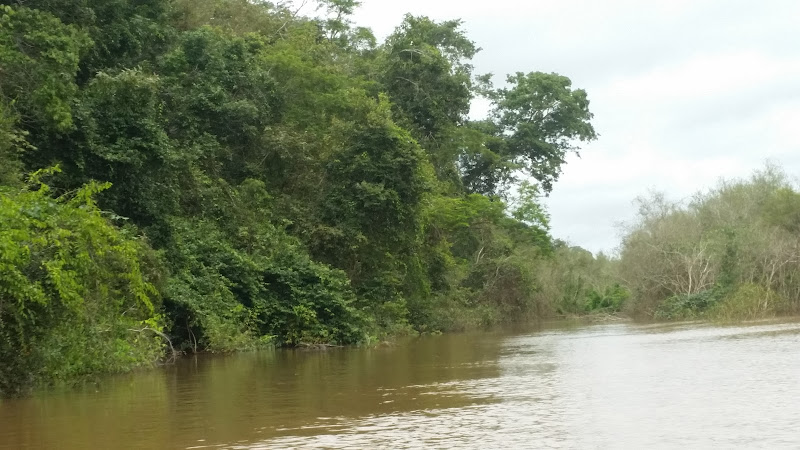
Key Highlights
- Confluence of the Ji-Paraná and Madeira rivers with dynamic riverine landscapes
- Rich birdlife and seasonal waterfowl concentrations
- Sandbars and braided channels that shift with flood cycles
- Opportunities for early-morning boat trips and river photography
- Close to Porto Velho while retaining a wild, undeveloped character
Location
Places to Stay Near Foz do Rio Ji-Paraná
Find and Book a Tour
Explore More Travel Guides
No reviews found! Be the first to review!
Traveler Reviews for Foz do Rio Ji-Paraná
There are no reviews yet. Be the first one to write one.
Have you visited Foz do Rio Ji-Paraná? Help other travelers by sharing your review.
Nearby Attractions
Find Accommodations Nearby
Recommended Tours & Activities
Visitor Reviews
There are no reviews yet. Be the first one to write one.
Share Your Experience
Have you visited Foz do Rio Ji-Paraná? Help other travelers by leaving a review.
