Monumento Pôrto Velho
About Monumento Pôrto Velho
Description
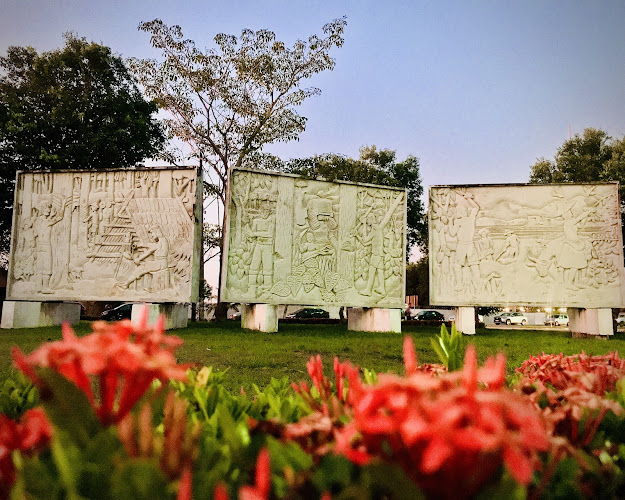
The Monumento Pôrto Velho stands as a testament to one of the most ambitious and tragically fascinating chapters in Brazilian history. When travelers think about museums in Brazil, their minds usually drift to the grand institutions of Rio or São Paulo. But this museum offers something different—something raw and profoundly moving that you won't find in those polished metropolitan spaces. This place tells the story of the Madeira-Mamoré Railway, often called the "Railway to Nowhere" or the "Devil's Railway." And honestly, those nicknames aren't exaggerated. The construction of this railway line in the early 20th century claimed thousands of lives, with workers succumbing to malaria, yellow fever, and the brutal conditions of the Amazon rainforest. The museum preserves locomotives, railway cars, and artifacts from that era, creating a powerful memorial to those who sacrificed everything in the name of progress. What strikes visitors most is the authenticity of the experience. You're not looking at replicas or sanitized historical interpretations. These are the actual machines that ran through impossible terrain, the real tools used by workers who faced unimaginable hardships. The outdoor setting adds another layer to the experience—you can feel the humidity, imagine the mosquitoes, and get just a tiny sense of what those railway builders endured. I've always found that the best historical sites are the ones that make you feel something beyond intellectual curiosity. This monument does exactly that. It's educational, sure, but it's also deeply emotional. You walk away understanding that every piece of track laid came at an enormous human cost.Key Features
- Original steam locomotives from the early 1900s, remarkably preserved despite decades exposed to Amazon weather conditions
- Vintage railway cars that once transported rubber and other goods through the jungle, now standing as silent witnesses to history
- Outdoor exhibition space that allows visitors to walk among the machinery and really appreciate the scale of these engineering marvels
- Historical documentation and photographs showing the construction process and the diverse workforce that built the railway
- Family-friendly environment that's particularly good for kids who love trains and mechanical things
- Memorial aspects honoring the estimated 6,000 to 30,000 workers who died during construction—numbers that vary depending on historical sources
- Accessible layout that doesn't require extensive walking, making it manageable for visitors with different mobility levels
- Free or very affordable admission, depending on current policies, making it an accessible cultural experience
- Educational plaques and information boards providing context about the rubber boom era and the railway's role in regional development
- Photo opportunities that history buffs and railway enthusiasts absolutely love—these machines photograph beautifully
Best Time to Visit
Timing your visit to Pôrto Velho requires thinking about Amazon climate patterns, which can be pretty intense if you're not prepared. The dry season runs roughly from June through September, and that's when most travelers choose to visit. The weather's more predictable, there's less rain to contend with, and honestly, walking around an outdoor museum is just more pleasant when you're not getting soaked. But here's the thing—the wet season has its own appeal. From December through March, the rain transforms everything. The greenery becomes even more lush, and you get a more authentic sense of what those railway workers faced. Just be prepared for afternoon downpours and bring appropriate rain gear. The museum's displays are mostly hardy metal and can handle getting wet, though you'll want to protect your camera and phone. Temperature-wise, Pôrto Velho doesn't really do "cool." You're looking at averages between 25-32°C (77-90°F) year-round. The humidity is what really gets you, especially if you're from a drier climate. Early morning visits, right when the museum opens, offer the most comfortable temperatures. By midday, the sun can be pretty brutal, and there's not a ton of shade among the railway exhibits. Weekdays tend to be quieter than weekends, which matters if you prefer a more contemplative experience. There's something special about having the space mostly to yourself, being able to spend time with each locomotive without crowds. And let me tell you, when you're standing next to these massive machines in relative solitude, the historical weight of the place really hits different. School holidays bring more families, which creates a different energy. Kids running around, asking questions, pointing at the big wheels and whistles—it reminds you that history isn't just about somber reflection. It's also about sparking curiosity in the next generation.How to Get There
Getting to Monumento Pôrto Velho is relatively straightforward once you're in the city itself. The monument sits within the urban area of Porto Velho, making it accessible by various transportation methods. Most travelers will arrive in Porto Velho by air, landing at Governador Jorge Teixeira de Oliveira International Airport, which connects to major Brazilian cities like São Paulo, Brasília, and Manaus. From the airport, you're looking at about a 20-30 minute drive to reach the monument, depending on traffic conditions. Taxis are readily available and represent the most convenient option for travelers with luggage or those unfamiliar with the city. Ride-sharing apps operate in Porto Velho too, often providing competitive rates compared to traditional taxis. If you're staying in the city center, the monument becomes even more accessible. Many hotels and guesthouses sit within a few kilometers of the site. Local buses run throughout Porto Velho, though navigating the bus system requires some Portuguese language skills and patience. Ask your accommodation staff for specific route numbers and stop locations—they'll usually write down the information for you. For the adventurous traveler, walking might be an option if your hotel is nearby and you don't mind the heat. Just remember that Porto Velho's sidewalk infrastructure can be inconsistent, and the sun doesn't mess around. Bring water and sunscreen if you're planning to hoof it. Renting a car gives you maximum flexibility, especially if you're planning to explore other attractions around Porto Velho. The monument isn't difficult to find, and parking is generally available. Just be aware that driving in Brazilian cities requires confidence and defensive driving skills—traffic patterns might differ from what you're used to back home.Tips for Visiting
Preparation makes all the difference when visiting this monument. First things first—sun protection is non-negotiable. We're talking strong sunscreen, a hat with a brim, and sunglasses. The Amazon sun is fierce, and since much of the exhibition is outdoors with limited shade, you'll be exposed for extended periods. I learned this lesson the hard way during my travels in the region, and trust me, sunburn in that humidity is miserable. Bring water. Actually, bring more water than you think you'll need. There might not be vendors right at the monument, and staying hydrated in that climate is essential. A refillable bottle works great since many facilities in Brazil have drinking water available. Insect repellent is another must-have. You're in the Amazon basin, after all, and mosquitoes consider tourists a delicacy. Apply it before you arrive and reapply as needed. The last thing you want is to spend your visit swatting bugs instead of appreciating the history. Photography enthusiasts should plan for the lighting conditions. Early morning and late afternoon provide the best natural light for capturing the locomotives and railway cars. The metal surfaces can create harsh reflections during midday, making photography trickier. Bring a polarizing filter if you've got one. Give yourself more time than you might initially think. While the monument might not seem huge on paper, there's a lot to absorb. Each locomotive has its own story, and if you're someone who likes to read the information boards and really engage with the history, you could easily spend two hours or more here. Wear comfortable, closed-toe shoes. You'll be walking on uneven ground around railway equipment, and proper footwear matters for both comfort and safety. Sandals might seem appealing in the heat, but they're not ideal for this environment. Language considerations are worth mentioning. Most signage is in Portuguese, and staff members might have limited English. Having a translation app on your phone can help, but honestly, the visual nature of the exhibits means you'll still get a lot from the experience even with language barriers. The monument works well as part of a larger day of exploration. Porto Velho has several other attractions related to the railway and rubber boom era, and combining them creates a more comprehensive understanding of the region's history. Plan your route efficiently to make the most of your time. Finally, approach this place with respect. It's not just a collection of old trains—it's a memorial to thousands of people who died building something they believed mattered. Taking a moment to reflect on that human cost adds depth to the visit and honors the memory of those workers who never made it home.Key Features
- Original steam locomotives from the early 1900s, remarkably preserved despite decades exposed to Amazon weather conditions
- Vintage railway cars that once transported rubber and other goods through the jungle, now standing as silent witnesses to history
- Outdoor exhibition space that allows visitors to walk among the machinery and really appreciate the scale of these engineering marvels
- Historical documentation and photographs showing the construction process and the diverse workforce that built the railway
- Family-friendly environment that's particularly good for kids who love trains and mechanical things
- Memorial aspects honoring the estimated 6,000 to 30,000 workers who died during construction—numbers that vary depending on historical sources
- Accessible layout that doesn't require extensive walking, making it manageable for visitors with different mobility levels
- Free or very affordable admission, depending on current policies, making it an accessible cultural experience
More Details
Updated January 5, 2026
Table of Contents
Description
The Monumento Pôrto Velho stands as a testament to one of the most ambitious and tragically fascinating chapters in Brazilian history. When travelers think about museums in Brazil, their minds usually drift to the grand institutions of Rio or São Paulo. But this museum offers something different—something raw and profoundly moving that you won’t find in those polished metropolitan spaces.
This place tells the story of the Madeira-Mamoré Railway, often called the “Railway to Nowhere” or the “Devil’s Railway.” And honestly, those nicknames aren’t exaggerated. The construction of this railway line in the early 20th century claimed thousands of lives, with workers succumbing to malaria, yellow fever, and the brutal conditions of the Amazon rainforest. The museum preserves locomotives, railway cars, and artifacts from that era, creating a powerful memorial to those who sacrificed everything in the name of progress.
What strikes visitors most is the authenticity of the experience. You’re not looking at replicas or sanitized historical interpretations. These are the actual machines that ran through impossible terrain, the real tools used by workers who faced unimaginable hardships. The outdoor setting adds another layer to the experience—you can feel the humidity, imagine the mosquitoes, and get just a tiny sense of what those railway builders endured.
I’ve always found that the best historical sites are the ones that make you feel something beyond intellectual curiosity. This monument does exactly that. It’s educational, sure, but it’s also deeply emotional. You walk away understanding that every piece of track laid came at an enormous human cost.
Key Features
- Original steam locomotives from the early 1900s, remarkably preserved despite decades exposed to Amazon weather conditions
- Vintage railway cars that once transported rubber and other goods through the jungle, now standing as silent witnesses to history
- Outdoor exhibition space that allows visitors to walk among the machinery and really appreciate the scale of these engineering marvels
- Historical documentation and photographs showing the construction process and the diverse workforce that built the railway
- Family-friendly environment that’s particularly good for kids who love trains and mechanical things
- Memorial aspects honoring the estimated 6,000 to 30,000 workers who died during construction—numbers that vary depending on historical sources
- Accessible layout that doesn’t require extensive walking, making it manageable for visitors with different mobility levels
- Free or very affordable admission, depending on current policies, making it an accessible cultural experience
- Educational plaques and information boards providing context about the rubber boom era and the railway’s role in regional development
- Photo opportunities that history buffs and railway enthusiasts absolutely love—these machines photograph beautifully
Best Time to Visit
Timing your visit to Pôrto Velho requires thinking about Amazon climate patterns, which can be pretty intense if you’re not prepared. The dry season runs roughly from June through September, and that’s when most travelers choose to visit. The weather’s more predictable, there’s less rain to contend with, and honestly, walking around an outdoor museum is just more pleasant when you’re not getting soaked.
But here’s the thing—the wet season has its own appeal. From December through March, the rain transforms everything. The greenery becomes even more lush, and you get a more authentic sense of what those railway workers faced. Just be prepared for afternoon downpours and bring appropriate rain gear. The museum’s displays are mostly hardy metal and can handle getting wet, though you’ll want to protect your camera and phone.
Temperature-wise, Pôrto Velho doesn’t really do “cool.” You’re looking at averages between 25-32°C (77-90°F) year-round. The humidity is what really gets you, especially if you’re from a drier climate. Early morning visits, right when the museum opens, offer the most comfortable temperatures. By midday, the sun can be pretty brutal, and there’s not a ton of shade among the railway exhibits.
Weekdays tend to be quieter than weekends, which matters if you prefer a more contemplative experience. There’s something special about having the space mostly to yourself, being able to spend time with each locomotive without crowds. And let me tell you, when you’re standing next to these massive machines in relative solitude, the historical weight of the place really hits different.
School holidays bring more families, which creates a different energy. Kids running around, asking questions, pointing at the big wheels and whistles—it reminds you that history isn’t just about somber reflection. It’s also about sparking curiosity in the next generation.
How to Get There
Getting to Monumento Pôrto Velho is relatively straightforward once you’re in the city itself. The monument sits within the urban area of Porto Velho, making it accessible by various transportation methods. Most travelers will arrive in Porto Velho by air, landing at Governador Jorge Teixeira de Oliveira International Airport, which connects to major Brazilian cities like São Paulo, Brasília, and Manaus.
From the airport, you’re looking at about a 20-30 minute drive to reach the monument, depending on traffic conditions. Taxis are readily available and represent the most convenient option for travelers with luggage or those unfamiliar with the city. Ride-sharing apps operate in Porto Velho too, often providing competitive rates compared to traditional taxis.
If you’re staying in the city center, the monument becomes even more accessible. Many hotels and guesthouses sit within a few kilometers of the site. Local buses run throughout Porto Velho, though navigating the bus system requires some Portuguese language skills and patience. Ask your accommodation staff for specific route numbers and stop locations—they’ll usually write down the information for you.
For the adventurous traveler, walking might be an option if your hotel is nearby and you don’t mind the heat. Just remember that Porto Velho’s sidewalk infrastructure can be inconsistent, and the sun doesn’t mess around. Bring water and sunscreen if you’re planning to hoof it.
Renting a car gives you maximum flexibility, especially if you’re planning to explore other attractions around Porto Velho. The monument isn’t difficult to find, and parking is generally available. Just be aware that driving in Brazilian cities requires confidence and defensive driving skills—traffic patterns might differ from what you’re used to back home.
Tips for Visiting
Preparation makes all the difference when visiting this monument. First things first—sun protection is non-negotiable. We’re talking strong sunscreen, a hat with a brim, and sunglasses. The Amazon sun is fierce, and since much of the exhibition is outdoors with limited shade, you’ll be exposed for extended periods. I learned this lesson the hard way during my travels in the region, and trust me, sunburn in that humidity is miserable.
Bring water. Actually, bring more water than you think you’ll need. There might not be vendors right at the monument, and staying hydrated in that climate is essential. A refillable bottle works great since many facilities in Brazil have drinking water available.
Insect repellent is another must-have. You’re in the Amazon basin, after all, and mosquitoes consider tourists a delicacy. Apply it before you arrive and reapply as needed. The last thing you want is to spend your visit swatting bugs instead of appreciating the history.
Photography enthusiasts should plan for the lighting conditions. Early morning and late afternoon provide the best natural light for capturing the locomotives and railway cars. The metal surfaces can create harsh reflections during midday, making photography trickier. Bring a polarizing filter if you’ve got one.
Give yourself more time than you might initially think. While the monument might not seem huge on paper, there’s a lot to absorb. Each locomotive has its own story, and if you’re someone who likes to read the information boards and really engage with the history, you could easily spend two hours or more here.
Wear comfortable, closed-toe shoes. You’ll be walking on uneven ground around railway equipment, and proper footwear matters for both comfort and safety. Sandals might seem appealing in the heat, but they’re not ideal for this environment.
Language considerations are worth mentioning. Most signage is in Portuguese, and staff members might have limited English. Having a translation app on your phone can help, but honestly, the visual nature of the exhibits means you’ll still get a lot from the experience even with language barriers.
The monument works well as part of a larger day of exploration. Porto Velho has several other attractions related to the railway and rubber boom era, and combining them creates a more comprehensive understanding of the region’s history. Plan your route efficiently to make the most of your time.
Finally, approach this place with respect. It’s not just a collection of old trains—it’s a memorial to thousands of people who died building something they believed mattered. Taking a moment to reflect on that human cost adds depth to the visit and honors the memory of those workers who never made it home.
Key Highlights
- Original steam locomotives from the early 1900s, remarkably preserved despite decades exposed to Amazon weather conditions
- Vintage railway cars that once transported rubber and other goods through the jungle, now standing as silent witnesses to history
- Outdoor exhibition space that allows visitors to walk among the machinery and really appreciate the scale of these engineering marvels
- Historical documentation and photographs showing the construction process and the diverse workforce that built the railway
- Family-friendly environment that's particularly good for kids who love trains and mechanical things
- Memorial aspects honoring the estimated 6,000 to 30,000 workers who died during construction—numbers that vary depending on historical sources
- Accessible layout that doesn't require extensive walking, making it manageable for visitors with different mobility levels
- Free or very affordable admission, depending on current policies, making it an accessible cultural experience
Location
Places to Stay Near Monumento Pôrto Velho
Find and Book a Tour
Explore More Travel Guides
No reviews found! Be the first to review!
Traveler Reviews for Monumento Pôrto Velho
There are no reviews yet. Be the first one to write one.
Have you visited Monumento Pôrto Velho? Help other travelers by sharing your review.
Find Accommodations Nearby
Recommended Tours & Activities
Visitor Reviews
There are no reviews yet. Be the first one to write one.
Share Your Experience
Have you visited Monumento Pôrto Velho? Help other travelers by leaving a review.
