About Encontro Rio Ji-Paraná com Rio Preto

Description

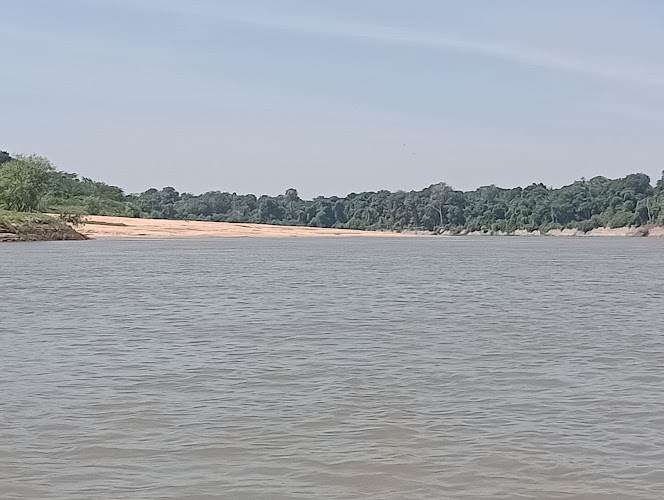
The Encontro Rio Ji-Paraná com Rio Preto represents one of those natural phenomena that most travelers don't even know exists until they stumble upon it—and then they can't stop talking about it. This striking river confluence sits in the heart of Rondônia state in Brazil's Amazon region, where two completely different waterways merge to create a visual spectacle that photographers and nature enthusiasts dream about. What makes this meeting of waters so remarkable isn't just that two rivers come together—it's the dramatic contrast between them. The Rio Ji-Paraná carries darker, sediment-rich waters that look almost tea-colored under the Brazilian sun, while the Rio Preto lives up to its name with its own distinct character. When these two rivers meet, they don't immediately blend. Instead, they flow side by side for a considerable distance, creating a natural boundary line that's visible from various vantage points along the riverbanks. I've talked with travelers who've visited similar river confluences around the world, and what they always mention is how humbling these natural meeting points feel. There's something profound about watching two separate journeys merge into one, each river maintaining its identity even as it joins forces with another. And this particular confluence offers that experience in a setting that's far less touristy than you'd find at more famous river meetings. The surrounding area gives visitors a genuine taste of Amazonian life without the overwhelming crowds that plague better-known destinations. Local communities have maintained their traditional relationships with these rivers, using them for transportation, fishing, and daily life much as they have for generations. This authenticity creates an atmosphere where you're not just observing nature—you're witnessing the ongoing relationship between people and the waterways that sustain them.

Key Features

The Encontro Rio Ji-Paraná com Rio Preto offers several distinctive characteristics that set it apart as a destination worth adding to your Brazilian itinerary: • Striking visual contrast where two rivers with different water compositions meet and flow alongside each other before gradually mixing downstream • Family-friendly viewing opportunities that make this natural attraction accessible for travelers with children, though supervision near water is always essential • Photographic possibilities throughout different times of day as changing light conditions alter the appearance of both rivers and their meeting point • Less commercialized environment compared to more famous Amazonian tourist destinations, allowing for a more authentic experience • Wildlife observation potential including various bird species, fish, and occasionally river mammals that inhabit these waterways • Cultural immersion opportunities through interaction with local communities whose lives revolve around these rivers • Boat access options that allow visitors to experience the confluence from water level rather than just observing from shore • Fishing possibilities for those interested in angling, as the mixing waters create ecosystems that support diverse fish populations • Educational value for understanding how different geological and environmental factors create distinct river characteristics

Best Time to Visit

Timing your visit to the Encontro Rio Ji-Paraná com Rio Preto can genuinely make or break your experience. The Amazon region operates on a different schedule than most places, with water levels and weather patterns that dramatically affect what you'll see and do. The dry season, running roughly from May through September, offers the most reliable conditions for viewing the confluence. During these months, river levels drop, making the contrast between the two waterways even more pronounced. You'll have clearer skies for photography, easier access to viewing points, and more comfortable conditions for spending time outdoors. But here's the thing—"dry season" in the Amazon doesn't mean no rain. It means less rain, and you should still pack accordingly. Between June and August, you'll encounter peak viewing conditions. The rivers maintain stable levels, the weather patterns become more predictable, and you can plan activities with reasonable confidence they won't get washed out. These months also coincide with Brazilian winter, which sounds dramatic but really just means slightly cooler temperatures that make daytime exploration more pleasant. The wet season from October through April presents a different kind of experience. Water levels rise substantially, sometimes flooding low-lying areas and changing the dynamics of how the rivers meet. The visual contrast might be less striking, but you'll witness the raw power of these waterways at their most forceful. And honestly, there's something spectacular about seeing the Amazon in full flood, even if it complicates logistics. If you're bringing kids, definitely lean toward the dry season. Access becomes simpler, conditions are safer, and you won't spend your entire trip negotiating muddy trails or dealing with weather-related cancellations. One factor many travelers overlook is local festival schedules. The communities around these rivers celebrate various events throughout the year, and timing your visit to coincide with these can add tremendous cultural richness to your trip. Just be aware that accommodation might be scarcer during popular festivals.

How to Get There

Getting to the Encontro Rio Ji-Paraná com Rio Preto requires some planning—this isn't the kind of place you'll accidentally stumble upon during a casual stroll. But the journey itself becomes part of the adventure, taking you through parts of Rondônia that most international travelers never see. Your journey typically begins in the city of Ji-Paraná, which serves as the regional hub for this area. Most visitors fly into Porto Velho, Rondônia's capital, then make their way overland to Ji-Paraná. The drive takes around four hours on BR-364, the main highway connecting these cities. Road conditions vary depending on season—dry months offer smoother passage while wet season can make things unpredictable. From Ji-Paraná, reaching the confluence requires local knowledge. This isn't like following signs to a national park entrance. You'll need to connect with local guides or drivers who know the rural roads and river access points. Some visitors arrange transportation through their accommodation, while others hire guides directly upon arrival in Ji-Paraná. Boat access represents another approach, particularly if you want to experience the confluence from water level. Local boat operators can arrange trips from various points along either river. These excursions range from brief viewing trips to longer explorations that incorporate fishing or visits to riverside communities. I won't sugarcoat it—public transportation won't get you all the way to the confluence viewing areas. You'll need private transportation, whether that's a rental vehicle (which requires comfort with rural Brazilian roads and Portuguese language skills) or hired transport with a driver-guide who knows the area. The lack of extensive tourist infrastructure actually works in your favor if you value authentic experiences over convenience. You're visiting a working river landscape, not a manufactured attraction, which means flexibility and patience become valuable travel assets.

Tips for Visiting

Approaching your visit to the Encontro Rio Ji-Paraná com Rio Preto with the right preparation makes an enormous difference in the quality of your experience. First and foremost, connect with local guides before you arrive. Facebook groups focused on Rondônia tourism or contacting pousadas in Ji-Paraná can help you find reliable people who know the confluence and can facilitate your visit. These guides don't just provide transportation—they explain what you're seeing, share local ecological knowledge, and ensure you access the best viewing points safely. Language preparation matters here. English isn't widely spoken in this region, and you'll connect better with locals if you've got at least basic Portuguese phrases ready. Download offline translation apps and learn essential terms related to rivers, directions, and negotiations. Your efforts will be appreciated and will open doors that remain closed to tourists who expect everyone to speak English. Pack for river conditions even if you're not planning to get in the water. The humidity near these waterways affects everything, so quick-dry clothing, waterproof bags for electronics, and extra layers make sense. Sunscreen and insect repellent aren't optional—they're survival tools. And bring more water than you think you'll need, because the combination of heat and humidity drains you faster than you'd expect. Photography equipment deserves special consideration. The contrast between the rivers creates compelling images, but you'll need to protect cameras from moisture and spray. A polarizing filter helps cut glare off the water surfaces, and shooting during golden hour—early morning or late afternoon—produces the most dramatic results. Respect local river usage. These waterways aren't recreational spaces for tourism—they're working rivers that communities depend on for livelihood and sustenance. If you see fishing operations, give them wide berth. If locals are using river areas for bathing or washing, choose different locations for your activities. Common courtesy goes a long way toward maintaining positive relationships between visitors and residents. Bring cash in small denominations. Card payment systems don't reliably function in remote areas, and you'll need reais for guide fees, boat rentals, and any purchases from local communities. ATMs in Ji-Paraná should be your last reliable access point. Check current conditions before committing to specific dates. River levels, road conditions, and accessibility can change rapidly, particularly during seasonal transitions. What was easily accessible three weeks ago might require completely different approaches today. Local guides can provide current intelligence that general travel websites simply can't match. And here's something most guidebooks won't tell you—spend time just sitting quietly near the confluence. Not taking photos, not checking your phone, just watching the rivers meet. There's a meditative quality to observing this natural process, and rushing through it means missing the entire point. The rivers have been meeting here long before tourists arrived, and they'll continue long after we're gone. Taking time to actually experience that continuity rather than just documenting it creates memories that photos never quite capture.

Key Features

  • Key Features
  • Best Time to Visit
  • How to Get There
  • Tips for Visiting

More Details

Updated January 5, 2026

Description

The Encontro Rio Ji-Paraná com Rio Preto represents one of those natural phenomena that most travelers don’t even know exists until they stumble upon it—and then they can’t stop talking about it. This striking river confluence sits in the heart of Rondônia state in Brazil’s Amazon region, where two completely different waterways merge to create a visual spectacle that photographers and nature enthusiasts dream about.

What makes this meeting of waters so remarkable isn’t just that two rivers come together—it’s the dramatic contrast between them. The Rio Ji-Paraná carries darker, sediment-rich waters that look almost tea-colored under the Brazilian sun, while the Rio Preto lives up to its name with its own distinct character. When these two rivers meet, they don’t immediately blend. Instead, they flow side by side for a considerable distance, creating a natural boundary line that’s visible from various vantage points along the riverbanks.

I’ve talked with travelers who’ve visited similar river confluences around the world, and what they always mention is how humbling these natural meeting points feel. There’s something profound about watching two separate journeys merge into one, each river maintaining its identity even as it joins forces with another. And this particular confluence offers that experience in a setting that’s far less touristy than you’d find at more famous river meetings.

The surrounding area gives visitors a genuine taste of Amazonian life without the overwhelming crowds that plague better-known destinations. Local communities have maintained their traditional relationships with these rivers, using them for transportation, fishing, and daily life much as they have for generations. This authenticity creates an atmosphere where you’re not just observing nature—you’re witnessing the ongoing relationship between people and the waterways that sustain them.

Key Features

The Encontro Rio Ji-Paraná com Rio Preto offers several distinctive characteristics that set it apart as a destination worth adding to your Brazilian itinerary:

Striking visual contrast where two rivers with different water compositions meet and flow alongside each other before gradually mixing downstream

Family-friendly viewing opportunities that make this natural attraction accessible for travelers with children, though supervision near water is always essential

Photographic possibilities throughout different times of day as changing light conditions alter the appearance of both rivers and their meeting point

Less commercialized environment compared to more famous Amazonian tourist destinations, allowing for a more authentic experience

Wildlife observation potential including various bird species, fish, and occasionally river mammals that inhabit these waterways

Cultural immersion opportunities through interaction with local communities whose lives revolve around these rivers

Boat access options that allow visitors to experience the confluence from water level rather than just observing from shore

Fishing possibilities for those interested in angling, as the mixing waters create ecosystems that support diverse fish populations

Educational value for understanding how different geological and environmental factors create distinct river characteristics

Best Time to Visit

Timing your visit to the Encontro Rio Ji-Paraná com Rio Preto can genuinely make or break your experience. The Amazon region operates on a different schedule than most places, with water levels and weather patterns that dramatically affect what you’ll see and do.

The dry season, running roughly from May through September, offers the most reliable conditions for viewing the confluence. During these months, river levels drop, making the contrast between the two waterways even more pronounced. You’ll have clearer skies for photography, easier access to viewing points, and more comfortable conditions for spending time outdoors. But here’s the thing—”dry season” in the Amazon doesn’t mean no rain. It means less rain, and you should still pack accordingly.

Between June and August, you’ll encounter peak viewing conditions. The rivers maintain stable levels, the weather patterns become more predictable, and you can plan activities with reasonable confidence they won’t get washed out. These months also coincide with Brazilian winter, which sounds dramatic but really just means slightly cooler temperatures that make daytime exploration more pleasant.

The wet season from October through April presents a different kind of experience. Water levels rise substantially, sometimes flooding low-lying areas and changing the dynamics of how the rivers meet. The visual contrast might be less striking, but you’ll witness the raw power of these waterways at their most forceful. And honestly, there’s something spectacular about seeing the Amazon in full flood, even if it complicates logistics.

If you’re bringing kids, definitely lean toward the dry season. Access becomes simpler, conditions are safer, and you won’t spend your entire trip negotiating muddy trails or dealing with weather-related cancellations.

One factor many travelers overlook is local festival schedules. The communities around these rivers celebrate various events throughout the year, and timing your visit to coincide with these can add tremendous cultural richness to your trip. Just be aware that accommodation might be scarcer during popular festivals.

How to Get There

Getting to the Encontro Rio Ji-Paraná com Rio Preto requires some planning—this isn’t the kind of place you’ll accidentally stumble upon during a casual stroll. But the journey itself becomes part of the adventure, taking you through parts of Rondônia that most international travelers never see.

Your journey typically begins in the city of Ji-Paraná, which serves as the regional hub for this area. Most visitors fly into Porto Velho, Rondônia’s capital, then make their way overland to Ji-Paraná. The drive takes around four hours on BR-364, the main highway connecting these cities. Road conditions vary depending on season—dry months offer smoother passage while wet season can make things unpredictable.

From Ji-Paraná, reaching the confluence requires local knowledge. This isn’t like following signs to a national park entrance. You’ll need to connect with local guides or drivers who know the rural roads and river access points. Some visitors arrange transportation through their accommodation, while others hire guides directly upon arrival in Ji-Paraná.

Boat access represents another approach, particularly if you want to experience the confluence from water level. Local boat operators can arrange trips from various points along either river. These excursions range from brief viewing trips to longer explorations that incorporate fishing or visits to riverside communities.

I won’t sugarcoat it—public transportation won’t get you all the way to the confluence viewing areas. You’ll need private transportation, whether that’s a rental vehicle (which requires comfort with rural Brazilian roads and Portuguese language skills) or hired transport with a driver-guide who knows the area.

The lack of extensive tourist infrastructure actually works in your favor if you value authentic experiences over convenience. You’re visiting a working river landscape, not a manufactured attraction, which means flexibility and patience become valuable travel assets.

Tips for Visiting

Approaching your visit to the Encontro Rio Ji-Paraná com Rio Preto with the right preparation makes an enormous difference in the quality of your experience.

First and foremost, connect with local guides before you arrive. Facebook groups focused on Rondônia tourism or contacting pousadas in Ji-Paraná can help you find reliable people who know the confluence and can facilitate your visit. These guides don’t just provide transportation—they explain what you’re seeing, share local ecological knowledge, and ensure you access the best viewing points safely.

Language preparation matters here. English isn’t widely spoken in this region, and you’ll connect better with locals if you’ve got at least basic Portuguese phrases ready. Download offline translation apps and learn essential terms related to rivers, directions, and negotiations. Your efforts will be appreciated and will open doors that remain closed to tourists who expect everyone to speak English.

Pack for river conditions even if you’re not planning to get in the water. The humidity near these waterways affects everything, so quick-dry clothing, waterproof bags for electronics, and extra layers make sense. Sunscreen and insect repellent aren’t optional—they’re survival tools. And bring more water than you think you’ll need, because the combination of heat and humidity drains you faster than you’d expect.

Photography equipment deserves special consideration. The contrast between the rivers creates compelling images, but you’ll need to protect cameras from moisture and spray. A polarizing filter helps cut glare off the water surfaces, and shooting during golden hour—early morning or late afternoon—produces the most dramatic results.

Respect local river usage. These waterways aren’t recreational spaces for tourism—they’re working rivers that communities depend on for livelihood and sustenance. If you see fishing operations, give them wide berth. If locals are using river areas for bathing or washing, choose different locations for your activities. Common courtesy goes a long way toward maintaining positive relationships between visitors and residents.

Bring cash in small denominations. Card payment systems don’t reliably function in remote areas, and you’ll need reais for guide fees, boat rentals, and any purchases from local communities. ATMs in Ji-Paraná should be your last reliable access point.

Check current conditions before committing to specific dates. River levels, road conditions, and accessibility can change rapidly, particularly during seasonal transitions. What was easily accessible three weeks ago might require completely different approaches today. Local guides can provide current intelligence that general travel websites simply can’t match.

And here’s something most guidebooks won’t tell you—spend time just sitting quietly near the confluence. Not taking photos, not checking your phone, just watching the rivers meet. There’s a meditative quality to observing this natural process, and rushing through it means missing the entire point. The rivers have been meeting here long before tourists arrived, and they’ll continue long after we’re gone. Taking time to actually experience that continuity rather than just documenting it creates memories that photos never quite capture.

Key Highlights

  • Key Features
  • Best Time to Visit
  • How to Get There
  • Tips for Visiting

Location

Places to Stay Near Encontro Rio Ji-Paraná com Rio Preto

Find and Book a Tour

Explore More Travel Guides

No reviews found! Be the first to review!

Traveler Reviews for Encontro Rio Ji-Paraná com Rio Preto

There are no reviews yet. Be the first one to write one.

Share Your Experience

Have you visited Encontro Rio Ji-Paraná com Rio Preto? Help other travelers by sharing your review.

Find Accommodations Nearby

Recommended Tours & Activities

Visitor Reviews

There are no reviews yet. Be the first one to write one.

Share Your Experience

Have you visited Encontro Rio Ji-Paraná com Rio Preto? Help other travelers by leaving a review.