
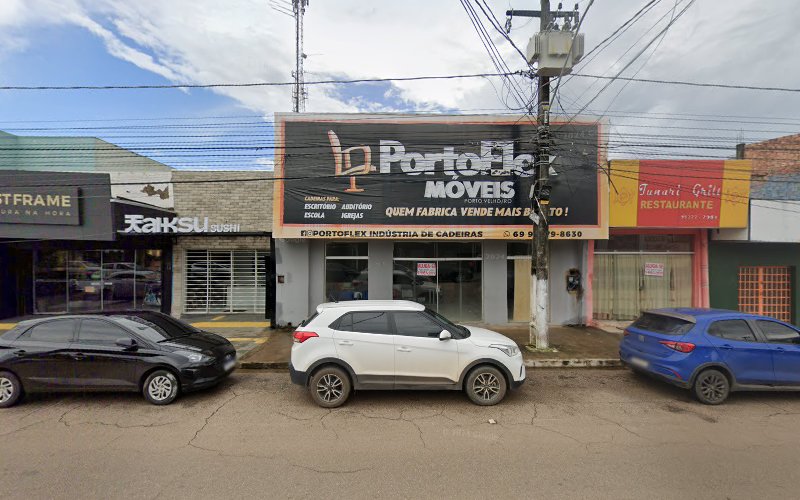
Porto Velho City
About Porto Velho City
Description
Porto Velho City stands as one of Brazil's most intriguing urban landscapes, positioned in the heart of Rondônia state where the Amazon rainforest meets modern civilization. The city carries an unusual distinction - while it functions as a living, breathing capital, certain abandoned sectors and forgotten neighborhoods have earned it a reputation that borders on the spectral. And honestly? That's what makes it so fascinating for travelers who want something beyond the typical tourist trail. I've always been drawn to places with contradictions, and Porto Velho delivers that in spades. On one hand, you've got a functioning city of roughly half a million people going about their daily lives. On the other, there are these pockets - old railway stations, abandoned colonial buildings, and forgotten riverside structures - that tell stories of boom-and-bust cycles that defined this region's past. The Madeira-Mamoré Railway, once called the "Devil's Railroad" due to the thousands who died during its construction, left behind stations and structures that now sit silent, slowly being reclaimed by jungle vegetation. The city sits along the Madeira River, which is one of the Amazon's major tributaries, and this geographic positioning has shaped everything about Porto Velho's character. Founded in 1907 during the rubber boom, it experienced rapid growth followed by equally rapid decline, creating layers of history that visitors can still explore today. What's particularly striking is how the natural environment seems to be in constant competition with human development - you'll see buildings from the early 20th century with trees growing through their roofs, nature's way of reminding everyone who's really in charge here in the Amazon.Key Features
Porto Velho offers travelers a unique blend of historical intrigue and natural beauty that you won't find replicated anywhere else in Brazil. Here's what makes this destination worth your attention: • The Madeira-Mamoré Railway Museum houses vintage locomotives and tells the harrowing story of the railway's construction, where malaria and other tropical diseases claimed an estimated 6,000 workers' lives • Abandoned railway stations dotting the outskirts create an eerie landscape perfect for photography enthusiasts and history buffs • The Santo Antônio Hydroelectric Dam, one of the world's largest run-of-river projects, demonstrates the region's continuing importance in Brazil's development • River beaches along the Madeira appear during dry season, offering unexpected sandy retreats in the middle of the Amazon • The Three Borders Landmark (Marco das Três Fronteiras) where Rondônia, Amazonas, and Acre states meet provides a unique geographic talking point • Old colonial architecture in various states of decay throughout the city creates an atmospheric backdrop for exploration • The Mercado Cultural, housed in a restored riverside building, showcases local artisans and regional cuisine • Dense rainforest beginning literally at the city's edges allows for easy access to Amazon experiences without extensive travel • Indigenous cultural centers preserve the heritage of local tribes and offer insight into pre-colonial life in the regionBest Time to Visit
Timing your visit to Porto Velho requires understanding the Amazon's two distinct seasons, and let me tell you, they're dramatically different from each other. The dry season, running from May through September, is generally when most travelers should plan their trips. During these months, temperatures hover around 32°C (90°F), and rainfall decreases significantly, making exploration of abandoned sites and outdoor areas much more manageable. But here's where it gets interesting - the dry season also reveals those river beaches I mentioned earlier. From June to September, the Madeira River's water level drops, exposing white sand beaches that locals flock to on weekends. It's surreal, really, lounging on a beach in the middle of the Amazon, but that's Porto Velho for you. The wet season, from October through April, transforms the landscape entirely. Heavy rains can dump several inches in a single day, and humidity reaches almost oppressive levels. However - and this is a big however - if you're specifically interested in the ghostly aspects of certain neighborhoods, the wet season adds an extra layer of atmosphere. Abandoned buildings shrouded in mist, empty streets reflecting rainfall, overgrown vegetation dripping with moisture... it's moody and memorable. Just be prepared for muddy conditions and limited accessibility to some areas. Temperature-wise, Porto Velho stays warm year-round. There's no "winter" as temperate-climate dwellers would recognize it. The coolest it typically gets is around 24°C (75°F) at night during the dry season. I'd personally recommend June or July for first-time visitors. You get the benefits of drier weather, beach access, and comfortable conditions for walking around exploring historical sites without the peak wetness that makes some locations inaccessible.How to Get There
Getting to Porto Velho requires a bit more effort than reaching Brazil's coastal cities, but it's definitely doable with proper planning. Governador Jorge Teixeira de Oliveira International Airport (PVH) serves as the city's main gateway, and it handles flights from major Brazilian cities including São Paulo, Brasília, and Manaus. Most international travelers will need to connect through São Paulo or another major hub. The flight from São Paulo to Porto Velho takes approximately four hours, which gives you plenty of time to finish that book you've been reading or catch up on sleep. From Manaus, you're looking at about 90 minutes in the air. Now, if you're the adventurous type, there's also the option of arriving by boat. The Madeira River connects Porto Velho to Manaus, and cargo-passenger boats make this journey regularly. It takes anywhere from three to five days depending on the vessel and river conditions, but talk about an authentic Amazon experience! You'll sleep in hammocks strung up on deck, eat meals with crew members and other passengers, and watch the rainforest slide past on both shores. I've spoken with travelers who said this river journey was actually the highlight of their entire Brazilian adventure. The BR-364 highway connects Porto Velho to other parts of Brazil by road, though I'll be honest - this isn't a trip for the faint of heart. The road conditions can be rough, especially during wet season, and distances are enormous. From Cuiabá, you're looking at about 1,500 kilometers of driving. But if you're already road-tripping through Brazil's interior, it's certainly an option. Once in Porto Velho itself, getting around requires planning. The city has local buses, but they're not particularly tourist-friendly. Most visitors rent cars or use taxi services and ride-sharing apps to navigate between sites. Renting a car gives you freedom to explore abandoned areas on the outskirts that public transportation doesn't reach.Tips for Visiting
Porto Velho isn't your typical tourist destination, which means you'll need to approach it differently than you would Rio or Salvador. First and foremost - and I can't stress this enough - bring serious mosquito repellent. We're talking DEET, high concentration, reapply frequently. Malaria and dengue fever exist in this region, and while major outbreaks are rare in the city proper, prevention is absolutely worth the effort. Yellow fever vaccination is technically required for visiting Rondônia state, and you should carry your vaccination certificate with you. Beyond legal requirements, it's just smart health practice for any Amazon region travel. When exploring abandoned buildings and ghost-town sections of Porto Velho, go during daylight hours and preferably with a local guide. These areas aren't maintained, which means structural hazards, wildlife (including snakes), and potential security concerns. I'm all for independent exploration, but not at the expense of safety. Portuguese language skills will serve you well here. English isn't widely spoken outside of formal tourism operations, and Porto Velho doesn't have extensive formal tourism infrastructure anyway. Download a translation app at minimum, or better yet, learn some basic Portuguese phrases before arrival. The local cuisine deserves your attention - try tambaqui fish, a Amazon species that's absolutely delicious when grilled. Street food vendors around the Mercado Cultural offer regional specialties you won't find elsewhere in Brazil. And yes, the food is safe to eat from reputable-looking stalls, despite what your overly cautious travel companions might say. Bring cash. While cities in southern Brazil have embraced card payments enthusiastically, Porto Velho still operates largely on cash, especially at smaller establishments and markets. ATMs are available but can run out of bills on weekends. Photography enthusiasts should bring extra memory cards and batteries. The combination of decaying architecture, rainforest encroachment, and unique lighting conditions creates incredible photo opportunities, and you'll fill up storage faster than you expect. For accommodation, book in advance during Brazilian holiday periods, as options are limited compared to major tourist centers. The city has decent hotels, but availability can become tight. Finally, adjust your expectations about pace and efficiency. Things move differently in the Amazon. Businesses might close unexpectedly, schedules are flexible concepts, and what was supposed to take an hour might take three. That's not a bug - it's a feature of life here. Embrace it, slow down, and you'll have a much better experience than if you fight against the local rhythm.Key Features
- Riverside location on the Madeira River with active boat traffic
- Historic ties to the Madeira-Mamoré Railway and rubber boom
- Local markets and handicraft traditions reflecting indigenous influences
- Gateway city for Amazon rainforest and upstream eco-tours
- Museums and colonial-era architecture fragments
More Details
Updated January 16, 2026
Table of Contents
Description
Porto Velho City stands as one of Brazil’s most intriguing urban landscapes, positioned in the heart of Rondônia state where the Amazon rainforest meets modern civilization. The city carries an unusual distinction – while it functions as a living, breathing capital, certain abandoned sectors and forgotten neighborhoods have earned it a reputation that borders on the spectral. And honestly? That’s what makes it so fascinating for travelers who want something beyond the typical tourist trail.
I’ve always been drawn to places with contradictions, and Porto Velho delivers that in spades. On one hand, you’ve got a functioning city of roughly half a million people going about their daily lives. On the other, there are these pockets – old railway stations, abandoned colonial buildings, and forgotten riverside structures – that tell stories of boom-and-bust cycles that defined this region’s past. The Madeira-Mamoré Railway, once called the “Devil’s Railroad” due to the thousands who died during its construction, left behind stations and structures that now sit silent, slowly being reclaimed by jungle vegetation.
The city sits along the Madeira River, which is one of the Amazon’s major tributaries, and this geographic positioning has shaped everything about Porto Velho’s character. Founded in 1907 during the rubber boom, it experienced rapid growth followed by equally rapid decline, creating layers of history that visitors can still explore today. What’s particularly striking is how the natural environment seems to be in constant competition with human development – you’ll see buildings from the early 20th century with trees growing through their roofs, nature’s way of reminding everyone who’s really in charge here in the Amazon.
Key Features
Porto Velho offers travelers a unique blend of historical intrigue and natural beauty that you won’t find replicated anywhere else in Brazil. Here’s what makes this destination worth your attention:
• The Madeira-Mamoré Railway Museum houses vintage locomotives and tells the harrowing story of the railway’s construction, where malaria and other tropical diseases claimed an estimated 6,000 workers’ lives
• Abandoned railway stations dotting the outskirts create an eerie landscape perfect for photography enthusiasts and history buffs
• The Santo Antônio Hydroelectric Dam, one of the world’s largest run-of-river projects, demonstrates the region’s continuing importance in Brazil’s development
• River beaches along the Madeira appear during dry season, offering unexpected sandy retreats in the middle of the Amazon
• The Three Borders Landmark (Marco das Três Fronteiras) where Rondônia, Amazonas, and Acre states meet provides a unique geographic talking point
• Old colonial architecture in various states of decay throughout the city creates an atmospheric backdrop for exploration
• The Mercado Cultural, housed in a restored riverside building, showcases local artisans and regional cuisine
• Dense rainforest beginning literally at the city’s edges allows for easy access to Amazon experiences without extensive travel
• Indigenous cultural centers preserve the heritage of local tribes and offer insight into pre-colonial life in the region
Best Time to Visit
Timing your visit to Porto Velho requires understanding the Amazon’s two distinct seasons, and let me tell you, they’re dramatically different from each other. The dry season, running from May through September, is generally when most travelers should plan their trips. During these months, temperatures hover around 32°C (90°F), and rainfall decreases significantly, making exploration of abandoned sites and outdoor areas much more manageable.
But here’s where it gets interesting – the dry season also reveals those river beaches I mentioned earlier. From June to September, the Madeira River’s water level drops, exposing white sand beaches that locals flock to on weekends. It’s surreal, really, lounging on a beach in the middle of the Amazon, but that’s Porto Velho for you.
The wet season, from October through April, transforms the landscape entirely. Heavy rains can dump several inches in a single day, and humidity reaches almost oppressive levels. However – and this is a big however – if you’re specifically interested in the ghostly aspects of certain neighborhoods, the wet season adds an extra layer of atmosphere. Abandoned buildings shrouded in mist, empty streets reflecting rainfall, overgrown vegetation dripping with moisture… it’s moody and memorable. Just be prepared for muddy conditions and limited accessibility to some areas.
Temperature-wise, Porto Velho stays warm year-round. There’s no “winter” as temperate-climate dwellers would recognize it. The coolest it typically gets is around 24°C (75°F) at night during the dry season.
I’d personally recommend June or July for first-time visitors. You get the benefits of drier weather, beach access, and comfortable conditions for walking around exploring historical sites without the peak wetness that makes some locations inaccessible.
How to Get There
Getting to Porto Velho requires a bit more effort than reaching Brazil’s coastal cities, but it’s definitely doable with proper planning. Governador Jorge Teixeira de Oliveira International Airport (PVH) serves as the city’s main gateway, and it handles flights from major Brazilian cities including São Paulo, Brasília, and Manaus.
Most international travelers will need to connect through São Paulo or another major hub. The flight from São Paulo to Porto Velho takes approximately four hours, which gives you plenty of time to finish that book you’ve been reading or catch up on sleep. From Manaus, you’re looking at about 90 minutes in the air.
Now, if you’re the adventurous type, there’s also the option of arriving by boat. The Madeira River connects Porto Velho to Manaus, and cargo-passenger boats make this journey regularly. It takes anywhere from three to five days depending on the vessel and river conditions, but talk about an authentic Amazon experience! You’ll sleep in hammocks strung up on deck, eat meals with crew members and other passengers, and watch the rainforest slide past on both shores. I’ve spoken with travelers who said this river journey was actually the highlight of their entire Brazilian adventure.
The BR-364 highway connects Porto Velho to other parts of Brazil by road, though I’ll be honest – this isn’t a trip for the faint of heart. The road conditions can be rough, especially during wet season, and distances are enormous. From Cuiabá, you’re looking at about 1,500 kilometers of driving. But if you’re already road-tripping through Brazil’s interior, it’s certainly an option.
Once in Porto Velho itself, getting around requires planning. The city has local buses, but they’re not particularly tourist-friendly. Most visitors rent cars or use taxi services and ride-sharing apps to navigate between sites. Renting a car gives you freedom to explore abandoned areas on the outskirts that public transportation doesn’t reach.
Tips for Visiting
Porto Velho isn’t your typical tourist destination, which means you’ll need to approach it differently than you would Rio or Salvador. First and foremost – and I can’t stress this enough – bring serious mosquito repellent. We’re talking DEET, high concentration, reapply frequently. Malaria and dengue fever exist in this region, and while major outbreaks are rare in the city proper, prevention is absolutely worth the effort.
Yellow fever vaccination is technically required for visiting Rondônia state, and you should carry your vaccination certificate with you. Beyond legal requirements, it’s just smart health practice for any Amazon region travel.
When exploring abandoned buildings and ghost-town sections of Porto Velho, go during daylight hours and preferably with a local guide. These areas aren’t maintained, which means structural hazards, wildlife (including snakes), and potential security concerns. I’m all for independent exploration, but not at the expense of safety.
Portuguese language skills will serve you well here. English isn’t widely spoken outside of formal tourism operations, and Porto Velho doesn’t have extensive formal tourism infrastructure anyway. Download a translation app at minimum, or better yet, learn some basic Portuguese phrases before arrival.
The local cuisine deserves your attention – try tambaqui fish, a Amazon species that’s absolutely delicious when grilled. Street food vendors around the Mercado Cultural offer regional specialties you won’t find elsewhere in Brazil. And yes, the food is safe to eat from reputable-looking stalls, despite what your overly cautious travel companions might say.
Bring cash. While cities in southern Brazil have embraced card payments enthusiastically, Porto Velho still operates largely on cash, especially at smaller establishments and markets. ATMs are available but can run out of bills on weekends.
Photography enthusiasts should bring extra memory cards and batteries. The combination of decaying architecture, rainforest encroachment, and unique lighting conditions creates incredible photo opportunities, and you’ll fill up storage faster than you expect.
For accommodation, book in advance during Brazilian holiday periods, as options are limited compared to major tourist centers. The city has decent hotels, but availability can become tight.
Finally, adjust your expectations about pace and efficiency. Things move differently in the Amazon. Businesses might close unexpectedly, schedules are flexible concepts, and what was supposed to take an hour might take three. That’s not a bug – it’s a feature of life here. Embrace it, slow down, and you’ll have a much better experience than if you fight against the local rhythm.
Key Highlights
- Riverside location on the Madeira River with active boat traffic
- Historic ties to the Madeira-Mamoré Railway and rubber boom
- Local markets and handicraft traditions reflecting indigenous influences
- Gateway city for Amazon rainforest and upstream eco-tours
- Museums and colonial-era architecture fragments
Location
Places to Stay Near Porto Velho City
Find and Book a Tour
Explore More Travel Guides
No reviews found! Be the first to review!
Traveler Reviews for Porto Velho City
There are no reviews yet. Be the first one to write one.
Have you visited Porto Velho City? Help other travelers by sharing your review.
Nearby Attractions
You Might Also Like
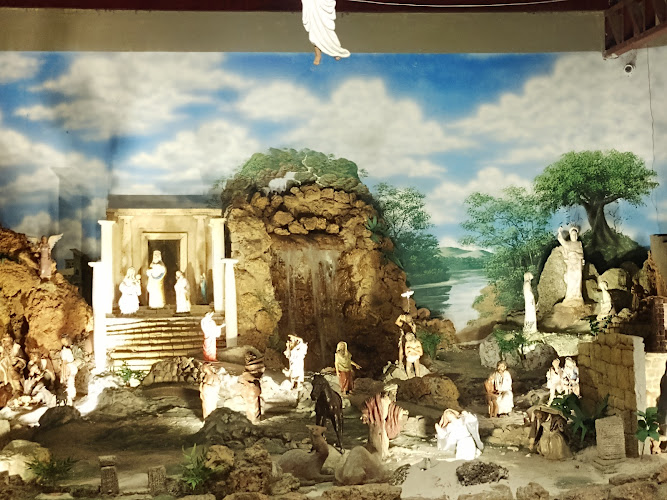
Museu Internacional do Presépio
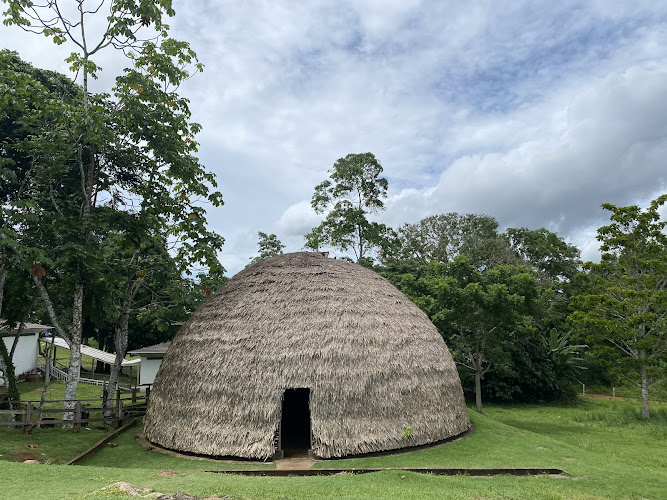
Memorial Rondon
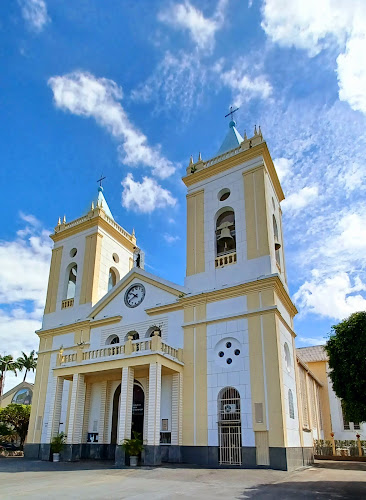
Sacred Heart of Jesus Cathedral, Porto Velho
Find Accommodations Nearby
Recommended Tours & Activities
Visitor Reviews
There are no reviews yet. Be the first one to write one.
Share Your Experience
Have you visited Porto Velho City? Help other travelers by leaving a review.