About Museu Internacional do Presépio

Description

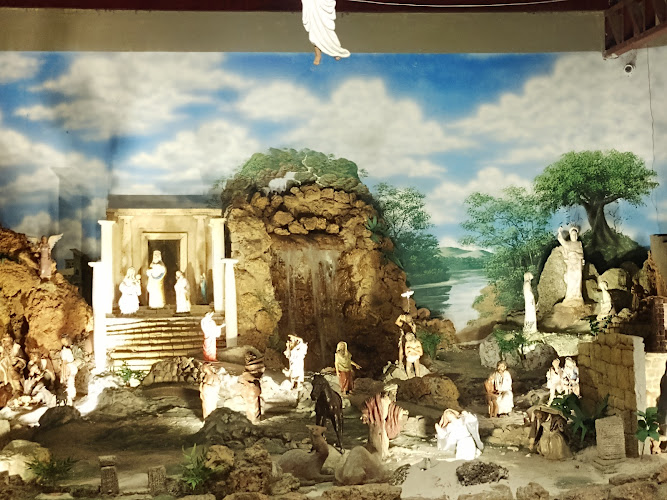
The Museu Internacional do Presépio stands as one of Portugal's most enchanting specialized museums, dedicated entirely to the art and tradition of nativity scenes from around the world. Located in the historic town of Beja, this remarkable museum houses an extraordinary collection that spans continents and centuries, bringing together thousands of presépio displays that showcase diverse cultural interpretations of the Christmas story. I'll be honest – when I first heard about a museum entirely focused on nativity scenes, I wasn't sure what to expect. But after spending time researching and understanding what this place offers, it's clear that this isn't just another religious museum gathering dust in a corner somewhere. The collection here represents genuine artistry and cultural heritage that goes way beyond simple Christmas decorations. The museum features an impressive array of nativity scenes crafted from materials you wouldn't even imagine – everything from traditional wood and ceramic to cork, paper, metal, and even recycled materials. What makes this place truly special is how it demonstrates the universal nature of storytelling through the lens of different cultures and artistic traditions. You'll find nativity scenes from Portugal, naturally, but also from Brazil, Italy, Spain, and countries across Asia and Africa where artists have interpreted the nativity story through their own cultural perspectives. The building itself adds to the experience, though the real magic lies in what's displayed inside. Walking through the exhibition halls, visitors encounter everything from miniature scenes that fit in the palm of your hand to elaborate displays that stretch across entire walls. Some pieces date back several centuries, while others are contemporary works that push the boundaries of what a presépio can be. And here's something most people don't realize until they visit – this museum isn't static. The collection rotates and changes, particularly around the Christmas season when special exhibitions are mounted. The museum has worked hard to remain relevant and engaging, even for visitors who might not consider themselves particularly religious or interested in traditional Christmas displays.

Key Features

The Museu Internacional do Presépio offers several distinctive elements that make it worth adding to your travel itinerary: • Over 2,000 nativity scenes from more than 120 countries, representing one of the most comprehensive collections of its kind anywhere in the world • Wheelchair accessible entrance and restroom facilities, making it genuinely accessible for all visitors regardless of mobility challenges • Restroom facilities available on-site for visitor convenience during your exploration • Family-friendly environment that's particularly good for kids, offering them a chance to see how different cultures interpret the same story • Diverse artistic styles ranging from folk art traditions to high-end craftsmanship, giving you a real appreciation for the skill involved • Temporary exhibitions that change throughout the year, meaning there's always something new to discover even for repeat visitors • Historical pieces dating back centuries alongside contemporary interpretations that challenge traditional notions • Educational displays that provide context about the cultural and artistic significance of different presépio traditions • Cork nativity scenes that showcase Portugal's traditional cork-working craftsmanship in unique ways • Interactive elements that help younger visitors engage with the material in age-appropriate ways

Best Time to Visit

Timing your visit to the Museu Internacional do Presépio can significantly impact your experience. The museum operates year-round, but certain times offer distinct advantages depending on what you're looking for. The Christmas season, from late November through early January, is when the museum truly comes alive. Special exhibitions are mounted, the collection is displayed at its fullest, and the atmosphere carries that seasonal magic that makes nativity scenes particularly meaningful. But – and this is important – this is also when you'll encounter the most visitors. Portuguese families make this a holiday tradition, and tour groups frequently include it in their December itineraries. If you prefer a quieter, more contemplative visit, the shoulder seasons of spring and fall offer excellent opportunities. April through June and September through October provide comfortable weather for exploring Beja itself, and you'll have more space to appreciate the intricate details of each display without crowds pressing around you. The museum staff also tends to have more time to answer questions and share insights during these periods. Summer months can be scorching in Beja, with temperatures regularly exceeding 35°C (95°F). However, the museum's indoor environment provides welcome air-conditioned relief from the heat, making it an ideal midday activity when exploring outdoor sites becomes uncomfortable. Just be aware that some Portuguese families visit during summer holidays, so weekday mornings offer the best chance for a peaceful experience. Winter outside the holiday season – particularly January through March – means you'll practically have the place to yourself. The trade-off is that some temporary exhibitions might be in transition, and the town of Beja itself is quieter, which some travelers love and others find a bit too sleepy. One insider tip: try to avoid Saturday afternoons when local families tend to visit. Tuesday or Wednesday mornings typically offer the most serene viewing conditions.

How to Get There

Getting to the Museu Internacional do Presépio requires a bit of planning since Beja isn't exactly on the main tourist trail, but that's part of what makes visiting feel like discovering something special. By car, Beja sits about 180 kilometers southeast of Lisbon, roughly a two-hour drive along the A2 motorway. The journey takes you through the rolling landscapes of the Alentejo region, which honestly makes the drive part of the experience. Parking in Beja is generally straightforward, and the museum area has street parking available within walking distance. Public transportation is definitely doable but requires more patience. Rede Expressos operates bus services from Lisbon to Beja several times daily, with the journey taking around two and a half to three hours depending on stops. The bus station sits reasonably close to the town center, and from there it's either a pleasant walk or a short taxi ride to the museum. Train service exists between Lisbon and Beja, operated by Comboios de Portugal, though departures are less frequent than buses. The train journey takes roughly the same time as the bus and offers scenic views of the Alentejo countryside. The train station is a bit further from the center than the bus station, so factor in additional transit time. If you're basing yourself in the Algarve, Beja makes an excellent day trip or stopover on your way north to Lisbon. From Faro, it's about 150 kilometers, roughly an hour and forty-five minutes by car. Once you're in Beja, the town is compact and walkable. The museum is situated within the historic center, and you'll likely want to explore other sites in the area as well. Local taxis are available and affordable for getting around if you prefer not to walk.

Tips for Visiting

Making the most of your visit to the Museu Internacional do Presépio involves a few practical considerations that'll enhance your experience significantly. First off, plan to spend at least 90 minutes to two hours here if you genuinely want to appreciate the collection. I know it might sound like a lot for a museum focused on one subject, but rushing through defeats the purpose. The beauty lies in the details – the tiny carved figures, the creative use of materials, the way different cultures interpreted the same narrative. You need time to really see what's in front of you. The museum is good for kids, as the facilities indicate, but here's my honest take: children under about seven or eight might get restless unless they have a particular interest in miniatures or Christmas themes. Older children and teenagers, especially those interested in art or world cultures, tend to find it fascinating. If you're traveling with younger kids, maybe frame it as a treasure hunt – challenge them to find nativity scenes from different countries or made from unusual materials. Photography policies vary, so check with staff when you arrive. Generally, personal photography without flash is permitted, but verify before you start snapping pictures. And trust me, you'll want photos of some of these intricate displays. Since the museum doesn't have a restaurant on-site, eat before or after your visit. Beja offers excellent Alentejo cuisine at various restaurants within walking distance. The local food is hearty, traditional, and absolutely worth experiencing while you're in town. Accessibility is genuinely good here with wheelchair accessible entrances and restrooms, which unfortunately can't be said for all Portuguese museums. If you or anyone in your party has mobility concerns, this museum has made real efforts to accommodate everyone. Consider visiting the museum as part of a broader exploration of Beja. The town has a castle, Roman ruins, and lovely architecture that most tourists never see because they stick to Lisbon, Porto, and the Algarve. Combining the museum visit with these other sites makes the journey more worthwhile. Check the museum's schedule before traveling, particularly if you're visiting outside peak season. Opening hours can vary, and occasionally the museum closes for exhibition changes or special events. Nothing's worse than making the trek to Beja only to find the doors locked. Bring layers of clothing regardless of season. Portuguese museums can be surprisingly cool inside even during summer, and the climate control necessary to preserve delicate artifacts means the temperature might not match outdoor conditions. Finally, approach your visit with an open mind. Even if you're not religious, even if Christmas isn't your thing, the artistry and cultural diversity represented here offers something genuinely valuable. These aren't just religious displays – they're windows into how different communities across the world have expressed creativity, faith, and storytelling through tangible art forms. That's worth experiencing regardless of your personal beliefs or interests.

Key Features

  • Extensive collection of nativity scenes from Brazil and around the world
  • Handcrafted figures and varied materials showcasing regional folk art
  • Historic link to Paróquia São Tiago and Associação São Tiago Maior
  • Exhibits that combine religious devotion with ethnographic context
  • Accessible neighborhood location with ties to local cultural events

More Details

Updated January 16, 2026

Description

The Museu Internacional do Presépio stands as one of Portugal’s most enchanting specialized museums, dedicated entirely to the art and tradition of nativity scenes from around the world. Located in the historic town of Beja, this remarkable museum houses an extraordinary collection that spans continents and centuries, bringing together thousands of presépio displays that showcase diverse cultural interpretations of the Christmas story.

I’ll be honest – when I first heard about a museum entirely focused on nativity scenes, I wasn’t sure what to expect. But after spending time researching and understanding what this place offers, it’s clear that this isn’t just another religious museum gathering dust in a corner somewhere. The collection here represents genuine artistry and cultural heritage that goes way beyond simple Christmas decorations.

The museum features an impressive array of nativity scenes crafted from materials you wouldn’t even imagine – everything from traditional wood and ceramic to cork, paper, metal, and even recycled materials. What makes this place truly special is how it demonstrates the universal nature of storytelling through the lens of different cultures and artistic traditions. You’ll find nativity scenes from Portugal, naturally, but also from Brazil, Italy, Spain, and countries across Asia and Africa where artists have interpreted the nativity story through their own cultural perspectives.

The building itself adds to the experience, though the real magic lies in what’s displayed inside. Walking through the exhibition halls, visitors encounter everything from miniature scenes that fit in the palm of your hand to elaborate displays that stretch across entire walls. Some pieces date back several centuries, while others are contemporary works that push the boundaries of what a presépio can be.

And here’s something most people don’t realize until they visit – this museum isn’t static. The collection rotates and changes, particularly around the Christmas season when special exhibitions are mounted. The museum has worked hard to remain relevant and engaging, even for visitors who might not consider themselves particularly religious or interested in traditional Christmas displays.

Key Features

The Museu Internacional do Presépio offers several distinctive elements that make it worth adding to your travel itinerary:

• Over 2,000 nativity scenes from more than 120 countries, representing one of the most comprehensive collections of its kind anywhere in the world

• Wheelchair accessible entrance and restroom facilities, making it genuinely accessible for all visitors regardless of mobility challenges

• Restroom facilities available on-site for visitor convenience during your exploration

• Family-friendly environment that’s particularly good for kids, offering them a chance to see how different cultures interpret the same story

• Diverse artistic styles ranging from folk art traditions to high-end craftsmanship, giving you a real appreciation for the skill involved

• Temporary exhibitions that change throughout the year, meaning there’s always something new to discover even for repeat visitors

• Historical pieces dating back centuries alongside contemporary interpretations that challenge traditional notions

• Educational displays that provide context about the cultural and artistic significance of different presépio traditions

• Cork nativity scenes that showcase Portugal’s traditional cork-working craftsmanship in unique ways

• Interactive elements that help younger visitors engage with the material in age-appropriate ways

Best Time to Visit

Timing your visit to the Museu Internacional do Presépio can significantly impact your experience. The museum operates year-round, but certain times offer distinct advantages depending on what you’re looking for.

The Christmas season, from late November through early January, is when the museum truly comes alive. Special exhibitions are mounted, the collection is displayed at its fullest, and the atmosphere carries that seasonal magic that makes nativity scenes particularly meaningful. But – and this is important – this is also when you’ll encounter the most visitors. Portuguese families make this a holiday tradition, and tour groups frequently include it in their December itineraries.

If you prefer a quieter, more contemplative visit, the shoulder seasons of spring and fall offer excellent opportunities. April through June and September through October provide comfortable weather for exploring Beja itself, and you’ll have more space to appreciate the intricate details of each display without crowds pressing around you. The museum staff also tends to have more time to answer questions and share insights during these periods.

Summer months can be scorching in Beja, with temperatures regularly exceeding 35°C (95°F). However, the museum’s indoor environment provides welcome air-conditioned relief from the heat, making it an ideal midday activity when exploring outdoor sites becomes uncomfortable. Just be aware that some Portuguese families visit during summer holidays, so weekday mornings offer the best chance for a peaceful experience.

Winter outside the holiday season – particularly January through March – means you’ll practically have the place to yourself. The trade-off is that some temporary exhibitions might be in transition, and the town of Beja itself is quieter, which some travelers love and others find a bit too sleepy.

One insider tip: try to avoid Saturday afternoons when local families tend to visit. Tuesday or Wednesday mornings typically offer the most serene viewing conditions.

How to Get There

Getting to the Museu Internacional do Presépio requires a bit of planning since Beja isn’t exactly on the main tourist trail, but that’s part of what makes visiting feel like discovering something special.

By car, Beja sits about 180 kilometers southeast of Lisbon, roughly a two-hour drive along the A2 motorway. The journey takes you through the rolling landscapes of the Alentejo region, which honestly makes the drive part of the experience. Parking in Beja is generally straightforward, and the museum area has street parking available within walking distance.

Public transportation is definitely doable but requires more patience. Rede Expressos operates bus services from Lisbon to Beja several times daily, with the journey taking around two and a half to three hours depending on stops. The bus station sits reasonably close to the town center, and from there it’s either a pleasant walk or a short taxi ride to the museum.

Train service exists between Lisbon and Beja, operated by Comboios de Portugal, though departures are less frequent than buses. The train journey takes roughly the same time as the bus and offers scenic views of the Alentejo countryside. The train station is a bit further from the center than the bus station, so factor in additional transit time.

If you’re basing yourself in the Algarve, Beja makes an excellent day trip or stopover on your way north to Lisbon. From Faro, it’s about 150 kilometers, roughly an hour and forty-five minutes by car.

Once you’re in Beja, the town is compact and walkable. The museum is situated within the historic center, and you’ll likely want to explore other sites in the area as well. Local taxis are available and affordable for getting around if you prefer not to walk.

Tips for Visiting

Making the most of your visit to the Museu Internacional do Presépio involves a few practical considerations that’ll enhance your experience significantly.

First off, plan to spend at least 90 minutes to two hours here if you genuinely want to appreciate the collection. I know it might sound like a lot for a museum focused on one subject, but rushing through defeats the purpose. The beauty lies in the details – the tiny carved figures, the creative use of materials, the way different cultures interpreted the same narrative. You need time to really see what’s in front of you.

The museum is good for kids, as the facilities indicate, but here’s my honest take: children under about seven or eight might get restless unless they have a particular interest in miniatures or Christmas themes. Older children and teenagers, especially those interested in art or world cultures, tend to find it fascinating. If you’re traveling with younger kids, maybe frame it as a treasure hunt – challenge them to find nativity scenes from different countries or made from unusual materials.

Photography policies vary, so check with staff when you arrive. Generally, personal photography without flash is permitted, but verify before you start snapping pictures. And trust me, you’ll want photos of some of these intricate displays.

Since the museum doesn’t have a restaurant on-site, eat before or after your visit. Beja offers excellent Alentejo cuisine at various restaurants within walking distance. The local food is hearty, traditional, and absolutely worth experiencing while you’re in town.

Accessibility is genuinely good here with wheelchair accessible entrances and restrooms, which unfortunately can’t be said for all Portuguese museums. If you or anyone in your party has mobility concerns, this museum has made real efforts to accommodate everyone.

Consider visiting the museum as part of a broader exploration of Beja. The town has a castle, Roman ruins, and lovely architecture that most tourists never see because they stick to Lisbon, Porto, and the Algarve. Combining the museum visit with these other sites makes the journey more worthwhile.

Check the museum’s schedule before traveling, particularly if you’re visiting outside peak season. Opening hours can vary, and occasionally the museum closes for exhibition changes or special events. Nothing’s worse than making the trek to Beja only to find the doors locked.

Bring layers of clothing regardless of season. Portuguese museums can be surprisingly cool inside even during summer, and the climate control necessary to preserve delicate artifacts means the temperature might not match outdoor conditions.

Finally, approach your visit with an open mind. Even if you’re not religious, even if Christmas isn’t your thing, the artistry and cultural diversity represented here offers something genuinely valuable. These aren’t just religious displays – they’re windows into how different communities across the world have expressed creativity, faith, and storytelling through tangible art forms. That’s worth experiencing regardless of your personal beliefs or interests.

Key Highlights

  • Extensive collection of nativity scenes from Brazil and around the world
  • Handcrafted figures and varied materials showcasing regional folk art
  • Historic link to Paróquia São Tiago and Associação São Tiago Maior
  • Exhibits that combine religious devotion with ethnographic context
  • Accessible neighborhood location with ties to local cultural events

Location

Places to Stay Near Museu Internacional do Presépio

Find and Book a Tour

Explore More Travel Guides

No reviews found! Be the first to review!

Traveler Reviews for Museu Internacional do Presépio

There are no reviews yet. Be the first one to write one.

Share Your Experience

Have you visited Museu Internacional do Presépio? Help other travelers by sharing your review.

Nearby Attractions

Paróquia São Tiago (local parish associated with the museum) Centro Histórico de Porto Velho (historic downtown area) Mercado Cultural or other municipal cultural spaces in Porto Velho

Find Accommodations Nearby

Recommended Tours & Activities

Visitor Reviews

There are no reviews yet. Be the first one to write one.

Share Your Experience

Have you visited Museu Internacional do Presépio? Help other travelers by leaving a review.