
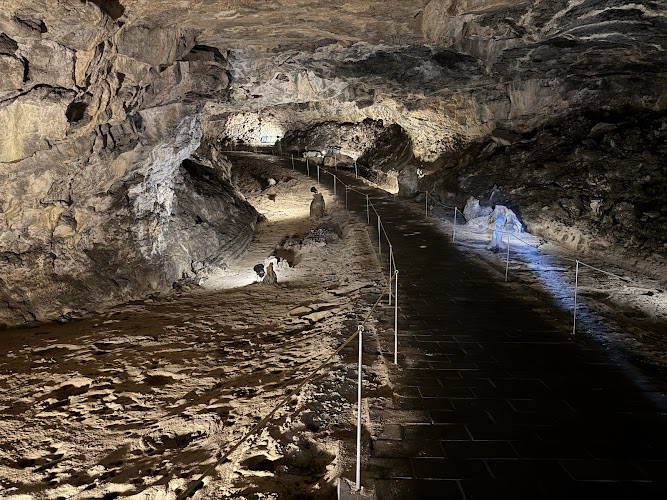
Ssangyong Cave
About Ssangyong Cave
Description
Ssangyong Cave stands as one of those natural wonders that somehow manages to surprise even seasoned travelers who think they've seen it all. The name itself translates to "twin dragon cave" and once you step inside, you'll understand why locals chose such a mythical reference. This limestone cavern system has been quietly doing its thing for millions of years, carving out chambers and passages that feel almost otherworldly. I've always found that the best caves are the ones that don't try too hard to be tourist attractions, and Ssangyong Cave strikes that balance pretty well. Sure, there are walkways and lighting systems installed for safety, but the cave largely speaks for itself. The formations here took their sweet time developing—we're talking geological timescales—and the result is a underground landscape that photographs simply cannot do justice. What really gets me about this place is how accessible they've made it without destroying the natural character. The cave management has done a decent job ensuring that visitors with mobility challenges can actually experience this natural wonder. And that's not something you can say about every cave system out there. The wheelchair accessible entrance and parking lot mean that families don't have to leave anyone behind, which honestly should be standard practice everywhere but sadly isn't. The cave maintains a constant cool temperature year-round, which your body will appreciate especially if you're visiting during warmer months. That natural air conditioning is just one of those pleasant side effects of being deep underground. But don't let that fool you into thinking this is just a quick stop to cool off—the cave deserves more attention than that.Key Features
The real magic of Ssangyong Cave lies in its distinctive characteristics that set it apart from your average tourist cave. Here's what makes this underground marvel worth your time:- Spectacular stalactite and stalagmite formations that have developed over countless millennia, creating natural sculptures that range from delicate soda straws to massive columns that connect floor to ceiling
- The twin dragon formations that give the cave its name—these natural rock structures genuinely resemble dragons when viewed from certain angles, and no, that's not just tourism marketing talking
- Multiple chambers of varying sizes that each have their own character and geological features, making the journey through the cave feel like you're discovering different rooms in nature's mansion
- Well-maintained pathways and lighting that illuminate the formations without being overly dramatic or artificial, striking a good balance between safety and authenticity
- Natural acoustics that make the cave feel almost cathedral-like in certain sections—the sound of water droplets echoing through chambers is oddly meditative
- Underground streams and water features that are still actively shaping the cave, reminding visitors that this isn't just a static museum but a living geological process
- Educational signage that actually teaches you something about cave formation without being too technical or boring—they've found that sweet spot
- Climate-controlled environment maintaining consistent temperatures that make visiting comfortable regardless of the weather outside
- Family-friendly infrastructure including restrooms and facilities that recognize people need practical amenities, not just natural beauty
- Photography opportunities throughout the cave system, though you'll want to bring a decent camera because phone cameras struggle in the lower light conditions
Best Time to Visit
Here's where Ssangyong Cave gets interesting from a planning perspective. Unlike outdoor attractions that are completely at the mercy of seasons and weather, caves maintain their own little microclimate. The temperature inside stays relatively constant throughout the year, hovering in that cool range that feels refreshing in summer and surprisingly mild in winter. That said, timing still matters for reasons that have nothing to do with the cave itself and everything to do with other humans. Weekends and public holidays can get crowded, and trust me, experiencing the serene beauty of underground formations while surrounded by large tour groups kind of diminishes the experience. The echo in those chambers works both ways—yes, it amplifies the peaceful drip of water, but it also amplifies the chatter of fifty people trying to get the same photo. If you've got flexibility in your schedule, weekday mornings are your friend. You'll often have entire chambers practically to yourself, which is when the cave really shows its personality. There's something almost spiritual about standing in a space that took millions of years to form while it's quiet enough to hear your own breathing. Summer months see increased visitor numbers because people are looking for that natural air conditioning effect. Can't blame them—stepping into the cave when it's sweltering outside feels like finding an oasis. But autumn and spring offer the best of both worlds: moderate temperatures outside and smaller crowds inside. Winter visits have their own charm too. The contrast between cold outside air and the cave's stable temperature creates interesting atmospheric effects near the entrance, and you'll definitely be sharing the space with fewer tourists. Plus, if you're combining this with other outdoor activities in the area, winter landscapes have their own appeal. Weather doesn't really affect the cave experience itself, but it does impact your journey to and from the site. Heavy rain can make parking areas muddy and paths slippery, so keep that in mind when checking forecasts.How to Get There
Getting to Ssangyong Cave requires a bit of planning, but it's not exactly an expedition either. The cave is accessible enough that families with young kids and elderly members regularly visit, which tells you something about the feasibility of the journey. If you're driving, which honestly is the most convenient option, you'll find dedicated parking facilities that can accommodate regular vehicles. The parking lot is paved and includes accessible spaces close to the entrance, which the cave management clearly put some thought into. GPS coordinates work reliably for this location, and most navigation apps will get you there without too much drama. Public transportation is possible but requires more patience and possibly some walking. Local buses serve the general area, though you might need to do that last bit on foot depending on where the bus stops. It's worth checking current bus schedules before you commit to this route because frequency can vary depending on the day and season. For international travelers staying in nearby cities, organizing transportation through your accommodation often makes sense. Many guesthouses and hotels are familiar with the cave as a destination and can arrange rides or point you toward reliable transportation options. Some even offer package deals that include admission, though you'll want to compare prices because sometimes doing it independently works out cheaper. The approach to the cave entrance is straightforward once you're in the parking area. Signage guides you along the path, and the wheelchair accessible route doesn't involve steep grades or challenging terrain. It's clear that accessibility was considered in the design, not just tacked on as an afterthought. Allow extra time for the journey if you're unfamiliar with the area. While the cave isn't exactly in the middle of nowhere, it's not in the city center either. That remoteness is part of its charm, but it also means you can't just hop on any random bus and expect to get there quickly.Tips for Visiting
Alright, let me share some practical wisdom that'll make your Ssangyong Cave experience smoother. First off, wear proper footwear. I cannot stress this enough. Those cute sandals or brand new hiking boots you haven't broken in yet? Leave them in your hotel. The cave floors can be damp and slippery in sections despite the walkways, and you'll want shoes with decent grip. Comfortable sneakers or broken-in walking shoes are your best bet. Bring a light jacket or long-sleeved shirt even if it's scorching outside. The cave temperature drops significantly once you're inside, and what feels refreshing for the first ten minutes can get chilly during a full tour. You don't need winter gear, but bare arms and legs might leave you uncomfortable. Camera enthusiasts should prepare for low-light photography. The cave's lighting system illuminates the formations but isn't exactly studio-quality bright. If you're shooting with a phone, don't expect miracles—the results will be mediocre at best. A real camera with manual settings will serve you much better. And please, for the love of geology, turn off your flash. It bothers other visitors and doesn't actually improve your photos in this environment. The cave accepts both credit and debit cards for admission, which is convenient, but having some cash on hand never hurts. There might be small vendors or donation boxes that prefer physical money. Timing your visit matters more than you'd think. Budget at least an hour for the cave itself, maybe more if you're the type who likes to read every information plaque and really absorb the space. Rushing through defeats the purpose. This isn't a checkbox attraction—it's an experience that rewards those who slow down and pay attention. Kids generally love the cave because it feels like an adventure, but prepare them for the darkness and enclosed spaces beforehand. Some children get nervous underground, and knowing what to expect helps. The good news is the pathways are secure and well-maintained, so safety concerns are minimal if everyone follows the rules. Don't touch the formations. I know this seems obvious, but apparently it needs repeating. The oils from human skin damage the rock and disrupt the slow growth process. Some of these formations grow less than an inch per century, so yeah, keep your hands to yourself. Restroom facilities are available, so use them before entering the cave. There aren't bathrooms underground, obviously, and the tour route doesn't really allow for quick exits and re-entries. Check if guided tours are available when you visit. Sometimes having a knowledgeable guide explaining the geological processes and pointing out formations you might miss makes the experience richer. Other times you might prefer exploring at your own pace. Both approaches have merit. The cave environment is naturally humid, which can affect electronics and camera lenses. Keep your gear protected, and maybe bring a lens cloth if you're serious about photography. Finally, respect the space. Ssangyong Cave has been forming for millions of years and will hopefully continue attracting visitors for generations to come. That only happens if everyone treats it with care. Stay on designated paths, follow the rules, and leave nothing behind except maybe some appreciation for the incredible geological processes that created this underground wonder.Key Features
- Designated Natural Monument and representative Jeju lava tube
- Approximately 400 meters in length with accessible, well-maintained paths
- Distinct twin-arch entrances that inspired the name 'Ssangyong' (twin dragon)
- Clear interpretive signage and family-friendly layout
- Located within Hallim Park, allowing easy combination with gardens and coastal sights
More Details
Updated January 17, 2026
Table of Contents
Description
Ssangyong Cave stands as one of those natural wonders that somehow manages to surprise even seasoned travelers who think they’ve seen it all. The name itself translates to “twin dragon cave” and once you step inside, you’ll understand why locals chose such a mythical reference. This limestone cavern system has been quietly doing its thing for millions of years, carving out chambers and passages that feel almost otherworldly.
I’ve always found that the best caves are the ones that don’t try too hard to be tourist attractions, and Ssangyong Cave strikes that balance pretty well. Sure, there are walkways and lighting systems installed for safety, but the cave largely speaks for itself. The formations here took their sweet time developing—we’re talking geological timescales—and the result is a underground landscape that photographs simply cannot do justice.
What really gets me about this place is how accessible they’ve made it without destroying the natural character. The cave management has done a decent job ensuring that visitors with mobility challenges can actually experience this natural wonder. And that’s not something you can say about every cave system out there. The wheelchair accessible entrance and parking lot mean that families don’t have to leave anyone behind, which honestly should be standard practice everywhere but sadly isn’t.
The cave maintains a constant cool temperature year-round, which your body will appreciate especially if you’re visiting during warmer months. That natural air conditioning is just one of those pleasant side effects of being deep underground. But don’t let that fool you into thinking this is just a quick stop to cool off—the cave deserves more attention than that.
Key Features
The real magic of Ssangyong Cave lies in its distinctive characteristics that set it apart from your average tourist cave. Here’s what makes this underground marvel worth your time:
- Spectacular stalactite and stalagmite formations that have developed over countless millennia, creating natural sculptures that range from delicate soda straws to massive columns that connect floor to ceiling
- The twin dragon formations that give the cave its name—these natural rock structures genuinely resemble dragons when viewed from certain angles, and no, that’s not just tourism marketing talking
- Multiple chambers of varying sizes that each have their own character and geological features, making the journey through the cave feel like you’re discovering different rooms in nature’s mansion
- Well-maintained pathways and lighting that illuminate the formations without being overly dramatic or artificial, striking a good balance between safety and authenticity
- Natural acoustics that make the cave feel almost cathedral-like in certain sections—the sound of water droplets echoing through chambers is oddly meditative
- Underground streams and water features that are still actively shaping the cave, reminding visitors that this isn’t just a static museum but a living geological process
- Educational signage that actually teaches you something about cave formation without being too technical or boring—they’ve found that sweet spot
- Climate-controlled environment maintaining consistent temperatures that make visiting comfortable regardless of the weather outside
- Family-friendly infrastructure including restrooms and facilities that recognize people need practical amenities, not just natural beauty
- Photography opportunities throughout the cave system, though you’ll want to bring a decent camera because phone cameras struggle in the lower light conditions
Best Time to Visit
Here’s where Ssangyong Cave gets interesting from a planning perspective. Unlike outdoor attractions that are completely at the mercy of seasons and weather, caves maintain their own little microclimate. The temperature inside stays relatively constant throughout the year, hovering in that cool range that feels refreshing in summer and surprisingly mild in winter.
That said, timing still matters for reasons that have nothing to do with the cave itself and everything to do with other humans. Weekends and public holidays can get crowded, and trust me, experiencing the serene beauty of underground formations while surrounded by large tour groups kind of diminishes the experience. The echo in those chambers works both ways—yes, it amplifies the peaceful drip of water, but it also amplifies the chatter of fifty people trying to get the same photo.
If you’ve got flexibility in your schedule, weekday mornings are your friend. You’ll often have entire chambers practically to yourself, which is when the cave really shows its personality. There’s something almost spiritual about standing in a space that took millions of years to form while it’s quiet enough to hear your own breathing.
Summer months see increased visitor numbers because people are looking for that natural air conditioning effect. Can’t blame them—stepping into the cave when it’s sweltering outside feels like finding an oasis. But autumn and spring offer the best of both worlds: moderate temperatures outside and smaller crowds inside.
Winter visits have their own charm too. The contrast between cold outside air and the cave’s stable temperature creates interesting atmospheric effects near the entrance, and you’ll definitely be sharing the space with fewer tourists. Plus, if you’re combining this with other outdoor activities in the area, winter landscapes have their own appeal.
Weather doesn’t really affect the cave experience itself, but it does impact your journey to and from the site. Heavy rain can make parking areas muddy and paths slippery, so keep that in mind when checking forecasts.
How to Get There
Getting to Ssangyong Cave requires a bit of planning, but it’s not exactly an expedition either. The cave is accessible enough that families with young kids and elderly members regularly visit, which tells you something about the feasibility of the journey.
If you’re driving, which honestly is the most convenient option, you’ll find dedicated parking facilities that can accommodate regular vehicles. The parking lot is paved and includes accessible spaces close to the entrance, which the cave management clearly put some thought into. GPS coordinates work reliably for this location, and most navigation apps will get you there without too much drama.
Public transportation is possible but requires more patience and possibly some walking. Local buses serve the general area, though you might need to do that last bit on foot depending on where the bus stops. It’s worth checking current bus schedules before you commit to this route because frequency can vary depending on the day and season.
For international travelers staying in nearby cities, organizing transportation through your accommodation often makes sense. Many guesthouses and hotels are familiar with the cave as a destination and can arrange rides or point you toward reliable transportation options. Some even offer package deals that include admission, though you’ll want to compare prices because sometimes doing it independently works out cheaper.
The approach to the cave entrance is straightforward once you’re in the parking area. Signage guides you along the path, and the wheelchair accessible route doesn’t involve steep grades or challenging terrain. It’s clear that accessibility was considered in the design, not just tacked on as an afterthought.
Allow extra time for the journey if you’re unfamiliar with the area. While the cave isn’t exactly in the middle of nowhere, it’s not in the city center either. That remoteness is part of its charm, but it also means you can’t just hop on any random bus and expect to get there quickly.
Tips for Visiting
Alright, let me share some practical wisdom that’ll make your Ssangyong Cave experience smoother. First off, wear proper footwear. I cannot stress this enough. Those cute sandals or brand new hiking boots you haven’t broken in yet? Leave them in your hotel. The cave floors can be damp and slippery in sections despite the walkways, and you’ll want shoes with decent grip. Comfortable sneakers or broken-in walking shoes are your best bet.
Bring a light jacket or long-sleeved shirt even if it’s scorching outside. The cave temperature drops significantly once you’re inside, and what feels refreshing for the first ten minutes can get chilly during a full tour. You don’t need winter gear, but bare arms and legs might leave you uncomfortable.
Camera enthusiasts should prepare for low-light photography. The cave’s lighting system illuminates the formations but isn’t exactly studio-quality bright. If you’re shooting with a phone, don’t expect miracles—the results will be mediocre at best. A real camera with manual settings will serve you much better. And please, for the love of geology, turn off your flash. It bothers other visitors and doesn’t actually improve your photos in this environment.
The cave accepts both credit and debit cards for admission, which is convenient, but having some cash on hand never hurts. There might be small vendors or donation boxes that prefer physical money.
Timing your visit matters more than you’d think. Budget at least an hour for the cave itself, maybe more if you’re the type who likes to read every information plaque and really absorb the space. Rushing through defeats the purpose. This isn’t a checkbox attraction—it’s an experience that rewards those who slow down and pay attention.
Kids generally love the cave because it feels like an adventure, but prepare them for the darkness and enclosed spaces beforehand. Some children get nervous underground, and knowing what to expect helps. The good news is the pathways are secure and well-maintained, so safety concerns are minimal if everyone follows the rules.
Don’t touch the formations. I know this seems obvious, but apparently it needs repeating. The oils from human skin damage the rock and disrupt the slow growth process. Some of these formations grow less than an inch per century, so yeah, keep your hands to yourself.
Restroom facilities are available, so use them before entering the cave. There aren’t bathrooms underground, obviously, and the tour route doesn’t really allow for quick exits and re-entries.
Check if guided tours are available when you visit. Sometimes having a knowledgeable guide explaining the geological processes and pointing out formations you might miss makes the experience richer. Other times you might prefer exploring at your own pace. Both approaches have merit.
The cave environment is naturally humid, which can affect electronics and camera lenses. Keep your gear protected, and maybe bring a lens cloth if you’re serious about photography.
Finally, respect the space. Ssangyong Cave has been forming for millions of years and will hopefully continue attracting visitors for generations to come. That only happens if everyone treats it with care. Stay on designated paths, follow the rules, and leave nothing behind except maybe some appreciation for the incredible geological processes that created this underground wonder.
Key Highlights
- Designated Natural Monument and representative Jeju lava tube
- Approximately 400 meters in length with accessible, well-maintained paths
- Distinct twin-arch entrances that inspired the name ‘Ssangyong’ (twin dragon)
- Clear interpretive signage and family-friendly layout
- Located within Hallim Park, allowing easy combination with gardens and coastal sights
Location
Places to Stay Near Ssangyong Cave
Find and Book a Tour
Explore More Travel Guides
No reviews found! Be the first to review!
Traveler Reviews for Ssangyong Cave
There are no reviews yet. Be the first one to write one.
Have you visited Ssangyong Cave? Help other travelers by sharing your review.
Nearby Attractions
You Might Also Like
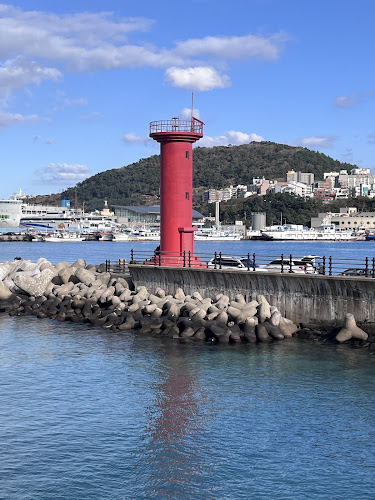
Red lighthouse
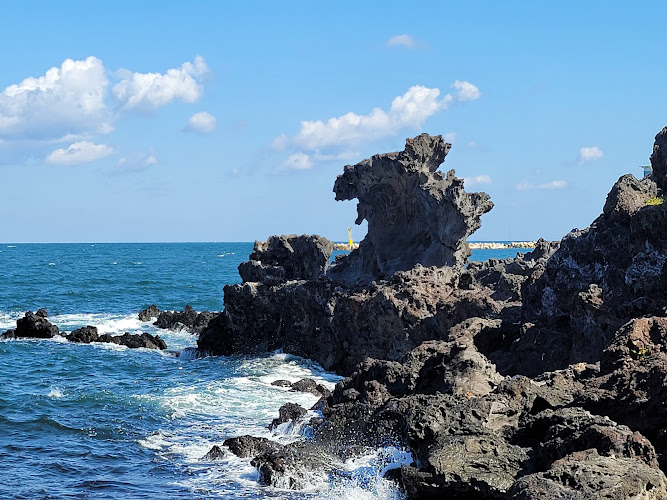
Yongduam Rock

Hallasan National Park
Find Accommodations Nearby
Recommended Tours & Activities
Visitor Reviews
There are no reviews yet. Be the first one to write one.
Share Your Experience
Have you visited Ssangyong Cave? Help other travelers by leaving a review.