
Edelweiss Museum
About Edelweiss Museum
Description
The Edelweiss Museum offers visitors something quite unexpected – it's primarily a technology museum with a fascinating twist that celebrates confectionery heritage. This isn't your typical stuffy museum where you walk quietly past roped-off exhibits. Instead, travelers find themselves immersed in an interactive experience that showcases the intersection of industrial innovation and sweet-making traditions that have shaped local culture for generations. I've always found it interesting how certain museums manage to capture both the technical side of production and the human stories behind beloved products, and this place does exactly that. The museum takes you through the evolution of confectionery manufacturing, displaying vintage machinery alongside modern equipment that demonstrates how far the industry has come. You'll see everything from early hand-operated tools to sophisticated automated systems that produce thousands of treats daily. What makes this destination particularly appealing for travelers is how accessible it is for different types of visitors. The museum has clearly put thought into making sure everyone can enjoy the experience, whether you're traveling with young children who are fascinated by how their favorite sweets are made or older family members who might have mobility considerations. The exhibits are arranged in a way that tells a coherent story without overwhelming you with information – though fair warning, some sections can feel a bit crowded during peak times based on visitor experiences. The technology museum aspect really shines through in the detailed explanations of manufacturing processes, quality control innovations, and the engineering challenges that confectioners faced throughout different eras. But it never gets too technical or boring – there's enough hands-on elements and visual interest to keep even those who aren't particularly tech-savvy engaged throughout their visit.Key Features
The Edelweiss Museum stands out from other museum experiences with several distinctive characteristics that travelers should know about: • Comprehensive wheelchair accessibility throughout the facility, including both entrance areas and restroom facilities, making it genuinely inclusive for all visitors • Interactive technology displays that demonstrate the evolution of confectionery manufacturing from historical methods to contemporary automated processes • Kid-friendly exhibits designed to engage younger visitors while still providing substantive content for adults to appreciate • Historical machinery collection showcasing vintage equipment that tells the story of industrial development in the confectionery sector • Educational components explaining the science behind candy making, chocolate production, and other sweet manufacturing techniques • On-site restroom facilities available for visitor convenience during their museum exploration • Opportunities to observe how traditional craftsmanship merged with technological advancement over the decades • Documentation of local confectionery heritage and its cultural significance to the region • Exhibits suitable for various age groups and interest levels, from casual tourists to technology enthusiasts • Well-maintained displays that preserve both the equipment and the stories of the people who operated themBest Time to Visit
Timing your visit to the Edelweiss Museum can make a real difference in your experience, and I'd recommend doing a bit of planning before you go. The museum tends to be quietest on weekday mornings, particularly Tuesday through Thursday. If you're someone who prefers exploring at your own pace without bumping into tour groups every few minutes, those early weekday slots are your best bet. Weekend visits are definitely busier, especially Saturday afternoons when local families often make museum trips part of their routine. That said, weekends also tend to have a more energetic atmosphere that some travelers actually prefer – there's something nice about experiencing a place when it's buzzing with other curious visitors, even if it means occasionally waiting your turn at popular exhibits. Advance ticket purchasing is strongly recommended regardless of when you plan to visit. This isn't just a suggestion – the museum has limited capacity in certain exhibit areas, and showing up without pre-booked tickets might mean you're turned away or face significant wait times. I know it's tempting to keep your travel plans flexible, but for this particular attraction, locking in your tickets ahead of time will save you potential disappointment. Seasonal considerations matter less here than at outdoor attractions, which makes the Edelweiss Museum an excellent rainy day destination or a pleasant escape during particularly hot or cold weather. The climate-controlled environment means you'll be comfortable year-round, though summer vacation periods and school holidays naturally bring increased visitor numbers. For travelers with children, mid-morning visits around 10 or 11 AM often work well – kids are awake and engaged but not yet approaching the cranky pre-lunch phase. And honestly, if you're visiting with little ones, timing your exit before anyone gets too hungry or tired will make the whole experience more enjoyable for everyone involved.How to Get There
Getting to the Edelweiss Museum requires a bit of planning, but it's definitely manageable for most travelers. The museum is accessible by various transportation methods, though your best option depends on where you're staying and your personal preferences. If you're driving, you'll find that parking is available in the general area, though spaces can fill up during peak visiting times. Many travelers recommend arriving at least 15-20 minutes before your scheduled entry time to account for parking and the short walk to the entrance. GPS coordinates work reliably for finding the location, so punching the museum name into your navigation system should get you there without much fuss. Public transportation serves the area reasonably well, particularly if you're coming from nearby cities or major towns. Local bus routes connect to stops within walking distance of the museum, though schedules can be less frequent on weekends and holidays. Check current timetables before you set out because route timings do change seasonally in some cases. Taxi services and ride-sharing apps operate in the region, making them convenient options if you're staying at accommodations without easy public transit access. The fare from most nearby hotels tends to be reasonable, and having a driver drop you directly at the entrance is particularly helpful if you're traveling with young children or have mobility limitations. For those staying at hotels in the surrounding area, some accommodations offer shuttle services or can arrange transportation to popular attractions – it's worth asking at your hotel desk whether they provide this option. Walking to the museum is possible from certain nearby locations, but verify the distance first because it might be farther than it initially appears on a map.Tips for Visiting
After researching visitor experiences and considering the museum's unique characteristics, here are practical tips that'll help you make the most of your Edelweiss Museum visit. First things first – buy those tickets in advance. I can't stress this enough. The museum explicitly recommends advance booking, and from what visitors report, this isn't just a revenue strategy. The facility genuinely manages capacity to ensure everyone has a good experience, and walking up without tickets can mean missing out entirely. Plan to spend about two to three hours exploring the museum thoroughly. Sure, you could rush through in an hour, but why would you? There's enough content here to justify a leisurely visit, and trying to speed through means you'll miss details that actually make the experience memorable. Some sections invite you to slow down and really observe the intricate mechanisms on display. The wheelchair accessibility is genuinely comprehensive, which is something worth noting for travelers who need it. Both the entrance and restrooms accommodate wheelchairs, and from visitor accounts, the museum has done a proper job with accessibility rather than just meeting minimum requirements. If you have specific accessibility needs beyond wheelchair access, calling ahead to discuss your requirements might be helpful. Bring snacks and water, especially if you're visiting with children. The museum doesn't have an on-site restaurant, and while there are restrooms available, you can't count on food service within the facility. Having some provisions means you won't need to cut your visit short because someone gets hungry or thirsty. Photography policies vary in different museums, so check current rules when you arrive. Some areas might restrict photos to protect proprietary information or preserve delicate historical items. Better to ask upfront than accidentally violate museum policies and face awkward conversations with staff. Engage with the interactive elements – that's where the museum really comes alive. The static displays are interesting enough, but the hands-on components help you understand the technology in ways that just reading descriptions never could. Kids especially benefit from these interactive opportunities, turning what could be a passive observation experience into something genuinely educational. If you're visiting with children, the museum rates well for kid-friendliness, but that doesn't mean every exhibit will captivate every age group. Younger children might lose interest in highly technical displays, so be prepared to move through certain sections more quickly while lingering at others that catch their attention. The confectionery angle definitely helps maintain kid interest more than a purely technical museum would. Consider timing your visit to avoid overlapping with large tour groups if possible. While the museum can't always predict when groups will arrive, calling ahead to ask about scheduled group visits might help you choose a quieter time slot. Wear comfortable shoes because you'll be standing and walking more than you might expect. Museum floors can be surprisingly tiring, and there's enough to see here that you'll want to explore thoroughly without your feet complaining halfway through. Lastly, approach your visit with realistic expectations. Reviews show that most visitors enjoy the experience – the distribution leans positive overall – but not everyone leaves completely wowed. This is a specialized museum focusing on technology and confectionery heritage, so it appeals most to people genuinely interested in those subjects or families looking for an educational activity. If you're expecting a blockbuster attraction with constant entertainment, you might feel underwhelmed. But if you appreciate industrial history, technological innovation, or just want to understand how beloved treats are made, you'll likely find the Edelweiss Museum well worth your time.Key Features
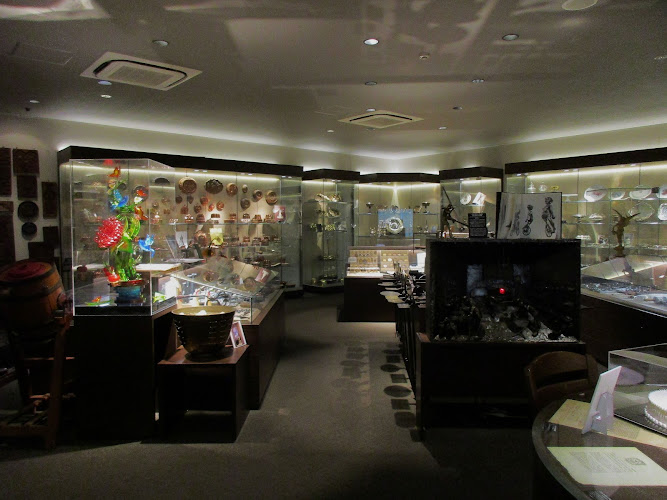
- Collection of European 19th–20th century baking and pastry tools
- Exhibits on confectionery manufacturing technology and factory equipment
- Displays of company-produced showpieces and historical artifacts
- Guided tours providing technical and historical explanations
- Located within an active factory/office complex (Edelweiss Center Office & Factory Lab)
More Details
Updated January 18, 2026
Table of Contents
Description
The Edelweiss Museum offers visitors something quite unexpected – it’s primarily a technology museum with a fascinating twist that celebrates confectionery heritage. This isn’t your typical stuffy museum where you walk quietly past roped-off exhibits. Instead, travelers find themselves immersed in an interactive experience that showcases the intersection of industrial innovation and sweet-making traditions that have shaped local culture for generations.
I’ve always found it interesting how certain museums manage to capture both the technical side of production and the human stories behind beloved products, and this place does exactly that. The museum takes you through the evolution of confectionery manufacturing, displaying vintage machinery alongside modern equipment that demonstrates how far the industry has come. You’ll see everything from early hand-operated tools to sophisticated automated systems that produce thousands of treats daily.
What makes this destination particularly appealing for travelers is how accessible it is for different types of visitors. The museum has clearly put thought into making sure everyone can enjoy the experience, whether you’re traveling with young children who are fascinated by how their favorite sweets are made or older family members who might have mobility considerations. The exhibits are arranged in a way that tells a coherent story without overwhelming you with information – though fair warning, some sections can feel a bit crowded during peak times based on visitor experiences.
The technology museum aspect really shines through in the detailed explanations of manufacturing processes, quality control innovations, and the engineering challenges that confectioners faced throughout different eras. But it never gets too technical or boring – there’s enough hands-on elements and visual interest to keep even those who aren’t particularly tech-savvy engaged throughout their visit.
Key Features
The Edelweiss Museum stands out from other museum experiences with several distinctive characteristics that travelers should know about:
• Comprehensive wheelchair accessibility throughout the facility, including both entrance areas and restroom facilities, making it genuinely inclusive for all visitors
• Interactive technology displays that demonstrate the evolution of confectionery manufacturing from historical methods to contemporary automated processes
• Kid-friendly exhibits designed to engage younger visitors while still providing substantive content for adults to appreciate
• Historical machinery collection showcasing vintage equipment that tells the story of industrial development in the confectionery sector
• Educational components explaining the science behind candy making, chocolate production, and other sweet manufacturing techniques
• On-site restroom facilities available for visitor convenience during their museum exploration
• Opportunities to observe how traditional craftsmanship merged with technological advancement over the decades
• Documentation of local confectionery heritage and its cultural significance to the region
• Exhibits suitable for various age groups and interest levels, from casual tourists to technology enthusiasts
• Well-maintained displays that preserve both the equipment and the stories of the people who operated them
Best Time to Visit
Timing your visit to the Edelweiss Museum can make a real difference in your experience, and I’d recommend doing a bit of planning before you go. The museum tends to be quietest on weekday mornings, particularly Tuesday through Thursday. If you’re someone who prefers exploring at your own pace without bumping into tour groups every few minutes, those early weekday slots are your best bet.
Weekend visits are definitely busier, especially Saturday afternoons when local families often make museum trips part of their routine. That said, weekends also tend to have a more energetic atmosphere that some travelers actually prefer – there’s something nice about experiencing a place when it’s buzzing with other curious visitors, even if it means occasionally waiting your turn at popular exhibits.
Advance ticket purchasing is strongly recommended regardless of when you plan to visit. This isn’t just a suggestion – the museum has limited capacity in certain exhibit areas, and showing up without pre-booked tickets might mean you’re turned away or face significant wait times. I know it’s tempting to keep your travel plans flexible, but for this particular attraction, locking in your tickets ahead of time will save you potential disappointment.
Seasonal considerations matter less here than at outdoor attractions, which makes the Edelweiss Museum an excellent rainy day destination or a pleasant escape during particularly hot or cold weather. The climate-controlled environment means you’ll be comfortable year-round, though summer vacation periods and school holidays naturally bring increased visitor numbers.
For travelers with children, mid-morning visits around 10 or 11 AM often work well – kids are awake and engaged but not yet approaching the cranky pre-lunch phase. And honestly, if you’re visiting with little ones, timing your exit before anyone gets too hungry or tired will make the whole experience more enjoyable for everyone involved.
How to Get There
Getting to the Edelweiss Museum requires a bit of planning, but it’s definitely manageable for most travelers. The museum is accessible by various transportation methods, though your best option depends on where you’re staying and your personal preferences.
If you’re driving, you’ll find that parking is available in the general area, though spaces can fill up during peak visiting times. Many travelers recommend arriving at least 15-20 minutes before your scheduled entry time to account for parking and the short walk to the entrance. GPS coordinates work reliably for finding the location, so punching the museum name into your navigation system should get you there without much fuss.
Public transportation serves the area reasonably well, particularly if you’re coming from nearby cities or major towns. Local bus routes connect to stops within walking distance of the museum, though schedules can be less frequent on weekends and holidays. Check current timetables before you set out because route timings do change seasonally in some cases.
Taxi services and ride-sharing apps operate in the region, making them convenient options if you’re staying at accommodations without easy public transit access. The fare from most nearby hotels tends to be reasonable, and having a driver drop you directly at the entrance is particularly helpful if you’re traveling with young children or have mobility limitations.
For those staying at hotels in the surrounding area, some accommodations offer shuttle services or can arrange transportation to popular attractions – it’s worth asking at your hotel desk whether they provide this option. Walking to the museum is possible from certain nearby locations, but verify the distance first because it might be farther than it initially appears on a map.
Tips for Visiting
After researching visitor experiences and considering the museum’s unique characteristics, here are practical tips that’ll help you make the most of your Edelweiss Museum visit.
First things first – buy those tickets in advance. I can’t stress this enough. The museum explicitly recommends advance booking, and from what visitors report, this isn’t just a revenue strategy. The facility genuinely manages capacity to ensure everyone has a good experience, and walking up without tickets can mean missing out entirely.
Plan to spend about two to three hours exploring the museum thoroughly. Sure, you could rush through in an hour, but why would you? There’s enough content here to justify a leisurely visit, and trying to speed through means you’ll miss details that actually make the experience memorable. Some sections invite you to slow down and really observe the intricate mechanisms on display.
The wheelchair accessibility is genuinely comprehensive, which is something worth noting for travelers who need it. Both the entrance and restrooms accommodate wheelchairs, and from visitor accounts, the museum has done a proper job with accessibility rather than just meeting minimum requirements. If you have specific accessibility needs beyond wheelchair access, calling ahead to discuss your requirements might be helpful.
Bring snacks and water, especially if you’re visiting with children. The museum doesn’t have an on-site restaurant, and while there are restrooms available, you can’t count on food service within the facility. Having some provisions means you won’t need to cut your visit short because someone gets hungry or thirsty.
Photography policies vary in different museums, so check current rules when you arrive. Some areas might restrict photos to protect proprietary information or preserve delicate historical items. Better to ask upfront than accidentally violate museum policies and face awkward conversations with staff.
Engage with the interactive elements – that’s where the museum really comes alive. The static displays are interesting enough, but the hands-on components help you understand the technology in ways that just reading descriptions never could. Kids especially benefit from these interactive opportunities, turning what could be a passive observation experience into something genuinely educational.
If you’re visiting with children, the museum rates well for kid-friendliness, but that doesn’t mean every exhibit will captivate every age group. Younger children might lose interest in highly technical displays, so be prepared to move through certain sections more quickly while lingering at others that catch their attention. The confectionery angle definitely helps maintain kid interest more than a purely technical museum would.
Consider timing your visit to avoid overlapping with large tour groups if possible. While the museum can’t always predict when groups will arrive, calling ahead to ask about scheduled group visits might help you choose a quieter time slot.
Wear comfortable shoes because you’ll be standing and walking more than you might expect. Museum floors can be surprisingly tiring, and there’s enough to see here that you’ll want to explore thoroughly without your feet complaining halfway through.
Lastly, approach your visit with realistic expectations. Reviews show that most visitors enjoy the experience – the distribution leans positive overall – but not everyone leaves completely wowed. This is a specialized museum focusing on technology and confectionery heritage, so it appeals most to people genuinely interested in those subjects or families looking for an educational activity. If you’re expecting a blockbuster attraction with constant entertainment, you might feel underwhelmed. But if you appreciate industrial history, technological innovation, or just want to understand how beloved treats are made, you’ll likely find the Edelweiss Museum well worth your time.
Key Highlights
- Collection of European 19th–20th century baking and pastry tools
- Exhibits on confectionery manufacturing technology and factory equipment
- Displays of company-produced showpieces and historical artifacts
- Guided tours providing technical and historical explanations
- Located within an active factory/office complex (Edelweiss Center Office & Factory Lab)
Location
Places to Stay Near Edelweiss Museum
Find and Book a Tour
Explore More Travel Guides
No reviews found! Be the first to review!
Traveler Reviews for Edelweiss Museum
There are no reviews yet. Be the first one to write one.
Have you visited Edelweiss Museum? Help other travelers by sharing your review.
Nearby Attractions
You Might Also Like
Tomatsu Shrine
Kukuchi 1
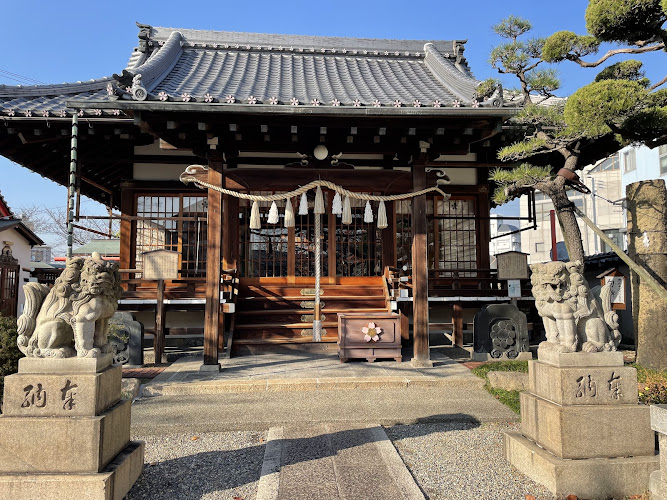
Sakurai Shrine
Find Accommodations Nearby
Recommended Tours & Activities
Visitor Reviews
There are no reviews yet. Be the first one to write one.
Share Your Experience
Have you visited Edelweiss Museum? Help other travelers by leaving a review.