
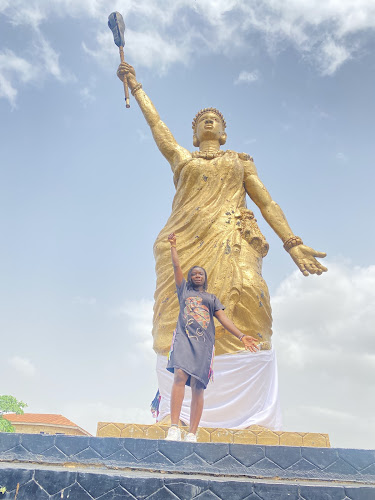
Moremi Statue Of Liberty, Ile-Ife
About Moremi Statue Of Liberty, Ile-Ife
Description
The Moremi Statue of Liberty stands as one of Nigeria's most intriguing modern monuments, rising impressively in the ancient city of Ile-Ife. This towering statue pays tribute to Queen Moremi Ajasoro, a legendary figure in Yoruba history whose courage and self-sacrifice saved her people from enslavement centuries ago. When I first heard about this monument, I'll admit I was skeptical about how it would compare to other historical sites in Ile-Ife, but the reality exceeded expectations in ways I hadn't anticipated. Standing at approximately 42 feet tall, this bronze and copper monument depicts Queen Moremi in regal attire, her arms raised towards the heavens in a pose that captures both strength and grace. The statue was unveiled in 2017, making it relatively new compared to Ile-Ife's ancient relics, yet it has quickly become an essential stop for travelers seeking to understand Yoruba culture and history. The monument sits on the Ife-Ede road, positioned strategically where visitors can easily incorporate it into their exploration of this cradle of Yoruba civilization. What makes this statue particularly meaningful is the story behind it. Queen Moremi wasn't born royalty but became one of the most celebrated figures in Yoruba mythology through her bravery. She volunteered to be captured by the Igbo raiders who were terrorizing her people, married their king, discovered their military secrets, and then escaped to share this intelligence with her community. The price she paid was steep - according to legend, she had to sacrifice her only son to fulfill a vow she made to the river goddess Esimirin. This tale of maternal sacrifice and patriotic dedication resonates deeply with visitors, transforming what could have been just another statue into a powerful symbol of female heroism. The monument serves multiple purposes beyond being a photo opportunity. It's an educational center where young Nigerians and international visitors alike can learn about pre-colonial African history, a period often overlooked in mainstream historical narratives. The sculptural work itself demonstrates impressive craftsmanship, with attention to detail in the traditional beadwork, crown, and ceremonial dress that Queen Moremi wears.Key Features
The Moremi Statue offers several distinctive features that enhance the visitor experience:- The monument stands as one of the tallest statues in Nigeria, creating an imposing presence that's visible from various points along the main road
- Intricate bronze and copper work showcasing traditional Yoruba royal regalia, including detailed beadwork and crown elements that reflect historical accuracy
- A well-maintained surrounding area with landscaped grounds suitable for photography and relaxation
- Educational plaques and information boards detailing Queen Moremi's story and her significance in Yoruba history
- Family-friendly environment that welcomes children and provides an accessible introduction to Nigerian heritage
- Proximity to other significant historical sites in Ile-Ife, making it convenient for comprehensive cultural tours
- Security presence ensuring visitor safety throughout the day
- Adequate parking facilities for those arriving by private vehicle
- The statue's positioning allows for impressive photographic angles, particularly during golden hour when the bronze catches the sunlight
Best Time to Visit
Timing your visit to the Moremi Statue requires considering both weather patterns and cultural events in Ile-Ife. The dry season, running from November through March, offers the most comfortable conditions for outdoor exploration. During these months, travelers will encounter clear skies and moderate temperatures that make standing outdoors for extended periods much more pleasant than during the rainy season. Early morning visits, between 8 AM and 10 AM, provide several advantages. The lighting during this time creates beautiful photographic conditions, and you'll avoid the intense afternoon heat that characterizes this region of Nigeria. Plus, morning visits typically mean fewer crowds, giving you more space to appreciate the monument and take unobstructed photographs. The period around December and January sees increased tourist activity as Nigerians in the diaspora return home for holidays. This can be both an advantage and disadvantage - while you'll experience more energy and possibly encounter cultural events, you'll also face larger crowds and potentially longer waits for photographs. If you're particularly interested in Yoruba culture, consider planning your visit to coincide with the annual Edi Festival, which celebrates the legacy of Queen Moremi herself. During this time, Ile-Ife comes alive with traditional ceremonies, dances, and cultural displays that provide deeper context for what the statue represents. But be prepared for significant crowds during festival periods. Weekdays generally offer a more peaceful experience compared to weekends when local families and domestic tourists tend to visit. However, weekends also bring a certain energy and social atmosphere that some travelers prefer. It really depends on whether you want quiet contemplation or a more communal experience. Avoid visiting during the peak rainy season months of June through September unless you don't mind potential weather disruptions. The monument itself will still be there, of course, but muddy grounds and sudden downpours can put a damper on the experience.How to Get There
Reaching the Moremi Statue requires some planning, but the journey is part of the adventure when exploring this historic city. Ile-Ife is located in Osun State, roughly 218 kilometers northeast of Lagos. Most international travelers will arrive through Murtala Muhammed International Airport in Lagos, though the closer Akure Airport serves as an alternative entry point. From Lagos, travelers have several transportation options. Road travel by private vehicle takes approximately four to five hours depending on traffic conditions and the route chosen. The drive offers glimpses of southwestern Nigerian landscapes, passing through several towns that provide their own cultural interest. Many visitors choose to hire a driver familiar with the route, which eliminates navigation stress and allows passengers to enjoy the scenery. Interstate buses and coaches run regularly between Lagos and Ile-Ife, with companies offering varying levels of comfort and pricing. This option appeals to budget-conscious travelers who don't mind a more communal travel experience. The journey takes about five hours under normal conditions, though delays can occur during peak travel periods or due to road conditions. Once in Ile-Ife, the statue's location on the Ife-Ede road makes it accessible by taxi, motorcycle taxis (known locally as okada), or ride-sharing services where available. Local drivers are generally familiar with the monument and can take you directly there. For those staying in the city center, the monument is approximately a 10-15 minute drive depending on traffic. Travelers coming from other Nigerian cities like Ibadan, Osogbo, or Akure will find relatively straightforward road connections to Ile-Ife. The town's position as an important cultural center means it maintains decent road links with surrounding areas, though road quality can vary. Walking to the statue isn't recommended for most visitors due to distances and the tropical climate, though adventurous souls who enjoy long walks in warm weather might attempt it from nearby accommodations. Just remember to bring water and sun protection if you choose this approach.Tips for Visiting
First-time visitors to the Moremi Statue should come prepared for a quintessentially Nigerian cultural experience. Dress comfortably but respectfully - this is a monument honoring a revered historical figure, after all. Light, breathable clothing works best in the climate, but avoid anything too revealing out of cultural sensitivity. And honestly, comfortable walking shoes make a difference even though you won't be doing extensive hiking. Bring cash in Nigerian Naira for any entrance fees, tips, or purchases from vendors who might set up near the monument. While some locations in Nigeria accept card payments, it's not reliable everywhere, and you don't want to miss out on local snacks or crafts due to payment limitations. Photography enthusiasts should pack appropriate equipment, including extra batteries and memory cards. The statue presents excellent photographic opportunities, and you'll probably take more pictures than initially planned. A wide-angle lens helps capture the monument's full height, while zoom lenses can isolate interesting details in the sculpture work. Hydration cannot be overstressed when visiting outdoor monuments in this climate. Carry bottled water and drink regularly, even if you don't feel thirsty. Dehydration sneaks up quickly in tropical heat, particularly for visitors not accustomed to such conditions. Consider hiring a local guide who can share deeper historical context about Queen Moremi and the monument's significance. These guides often provide stories and perspectives that you won't find in guidebooks, enriching your understanding of what you're seeing. Plus, supporting local guides contributes directly to the community's economy. Combine your visit with other historical sites in Ile-Ife to maximize your cultural experience. The ancient city houses numerous important locations including the Ooni's Palace, Ife Museum, and various sacred groves. Creating an itinerary that includes multiple sites gives you comprehensive insight into why Ile-Ife holds such importance in Yoruba civilization. Respect is paramount when visiting cultural monuments. This statue represents genuine historical and spiritual significance to many people, not just a tourist attraction. Observe how local visitors interact with the space and follow their lead regarding appropriate behavior. The surrounding area might have vendors selling refreshments, crafts, or souvenirs. Feel free to browse and purchase, but polite bargaining is expected in most informal Nigerian markets. Don't be afraid to negotiate prices, but do so respectfully and with good humor. Security is generally good at the monument, but maintain standard travel precautions. Keep valuables secure, stay aware of your surroundings, and avoid displaying expensive equipment unnecessarily. Most visits occur without incident, but sensible caution never hurts. Finally, take time to simply sit and absorb the experience. Beyond the photographs and the historical facts, the Moremi Statue stands as a testament to African women's strength and the enduring power of sacrifice for community. That message transcends tourism and speaks to universal human values worth contemplating during your visit.Key Features
- Large-scale statue depicting Queen Moremi Ajasoro holding a firebrand
- Located near the Ooni’s palace and central Ile-Ife cultural sites
- Symbolic connection to the annual Edi/Moremi Festival and local oral history
- Photogenic vantage points for skyline and palace views
- Accessible public monument with informational plaques and local storytelling
More Details
Updated March 30, 2026
Table of Contents
Description
The Moremi Statue of Liberty stands as one of Nigeria’s most intriguing modern monuments, rising impressively in the ancient city of Ile-Ife. This towering statue pays tribute to Queen Moremi Ajasoro, a legendary figure in Yoruba history whose courage and self-sacrifice saved her people from enslavement centuries ago. When I first heard about this monument, I’ll admit I was skeptical about how it would compare to other historical sites in Ile-Ife, but the reality exceeded expectations in ways I hadn’t anticipated.
Standing at approximately 42 feet tall, this bronze and copper monument depicts Queen Moremi in regal attire, her arms raised towards the heavens in a pose that captures both strength and grace. The statue was unveiled in 2017, making it relatively new compared to Ile-Ife’s ancient relics, yet it has quickly become an essential stop for travelers seeking to understand Yoruba culture and history. The monument sits on the Ife-Ede road, positioned strategically where visitors can easily incorporate it into their exploration of this cradle of Yoruba civilization.
What makes this statue particularly meaningful is the story behind it. Queen Moremi wasn’t born royalty but became one of the most celebrated figures in Yoruba mythology through her bravery. She volunteered to be captured by the Igbo raiders who were terrorizing her people, married their king, discovered their military secrets, and then escaped to share this intelligence with her community. The price she paid was steep – according to legend, she had to sacrifice her only son to fulfill a vow she made to the river goddess Esimirin. This tale of maternal sacrifice and patriotic dedication resonates deeply with visitors, transforming what could have been just another statue into a powerful symbol of female heroism.
The monument serves multiple purposes beyond being a photo opportunity. It’s an educational center where young Nigerians and international visitors alike can learn about pre-colonial African history, a period often overlooked in mainstream historical narratives. The sculptural work itself demonstrates impressive craftsmanship, with attention to detail in the traditional beadwork, crown, and ceremonial dress that Queen Moremi wears.
Key Features
The Moremi Statue offers several distinctive features that enhance the visitor experience:
- The monument stands as one of the tallest statues in Nigeria, creating an imposing presence that’s visible from various points along the main road
- Intricate bronze and copper work showcasing traditional Yoruba royal regalia, including detailed beadwork and crown elements that reflect historical accuracy
- A well-maintained surrounding area with landscaped grounds suitable for photography and relaxation
- Educational plaques and information boards detailing Queen Moremi’s story and her significance in Yoruba history
- Family-friendly environment that welcomes children and provides an accessible introduction to Nigerian heritage
- Proximity to other significant historical sites in Ile-Ife, making it convenient for comprehensive cultural tours
- Security presence ensuring visitor safety throughout the day
- Adequate parking facilities for those arriving by private vehicle
- The statue’s positioning allows for impressive photographic angles, particularly during golden hour when the bronze catches the sunlight
Best Time to Visit
Timing your visit to the Moremi Statue requires considering both weather patterns and cultural events in Ile-Ife. The dry season, running from November through March, offers the most comfortable conditions for outdoor exploration. During these months, travelers will encounter clear skies and moderate temperatures that make standing outdoors for extended periods much more pleasant than during the rainy season.
Early morning visits, between 8 AM and 10 AM, provide several advantages. The lighting during this time creates beautiful photographic conditions, and you’ll avoid the intense afternoon heat that characterizes this region of Nigeria. Plus, morning visits typically mean fewer crowds, giving you more space to appreciate the monument and take unobstructed photographs.
The period around December and January sees increased tourist activity as Nigerians in the diaspora return home for holidays. This can be both an advantage and disadvantage – while you’ll experience more energy and possibly encounter cultural events, you’ll also face larger crowds and potentially longer waits for photographs.
If you’re particularly interested in Yoruba culture, consider planning your visit to coincide with the annual Edi Festival, which celebrates the legacy of Queen Moremi herself. During this time, Ile-Ife comes alive with traditional ceremonies, dances, and cultural displays that provide deeper context for what the statue represents. But be prepared for significant crowds during festival periods.
Weekdays generally offer a more peaceful experience compared to weekends when local families and domestic tourists tend to visit. However, weekends also bring a certain energy and social atmosphere that some travelers prefer. It really depends on whether you want quiet contemplation or a more communal experience.
Avoid visiting during the peak rainy season months of June through September unless you don’t mind potential weather disruptions. The monument itself will still be there, of course, but muddy grounds and sudden downpours can put a damper on the experience.
How to Get There
Reaching the Moremi Statue requires some planning, but the journey is part of the adventure when exploring this historic city. Ile-Ife is located in Osun State, roughly 218 kilometers northeast of Lagos. Most international travelers will arrive through Murtala Muhammed International Airport in Lagos, though the closer Akure Airport serves as an alternative entry point.
From Lagos, travelers have several transportation options. Road travel by private vehicle takes approximately four to five hours depending on traffic conditions and the route chosen. The drive offers glimpses of southwestern Nigerian landscapes, passing through several towns that provide their own cultural interest. Many visitors choose to hire a driver familiar with the route, which eliminates navigation stress and allows passengers to enjoy the scenery.
Interstate buses and coaches run regularly between Lagos and Ile-Ife, with companies offering varying levels of comfort and pricing. This option appeals to budget-conscious travelers who don’t mind a more communal travel experience. The journey takes about five hours under normal conditions, though delays can occur during peak travel periods or due to road conditions.
Once in Ile-Ife, the statue’s location on the Ife-Ede road makes it accessible by taxi, motorcycle taxis (known locally as okada), or ride-sharing services where available. Local drivers are generally familiar with the monument and can take you directly there. For those staying in the city center, the monument is approximately a 10-15 minute drive depending on traffic.
Travelers coming from other Nigerian cities like Ibadan, Osogbo, or Akure will find relatively straightforward road connections to Ile-Ife. The town’s position as an important cultural center means it maintains decent road links with surrounding areas, though road quality can vary.
Walking to the statue isn’t recommended for most visitors due to distances and the tropical climate, though adventurous souls who enjoy long walks in warm weather might attempt it from nearby accommodations. Just remember to bring water and sun protection if you choose this approach.
Tips for Visiting
First-time visitors to the Moremi Statue should come prepared for a quintessentially Nigerian cultural experience. Dress comfortably but respectfully – this is a monument honoring a revered historical figure, after all. Light, breathable clothing works best in the climate, but avoid anything too revealing out of cultural sensitivity. And honestly, comfortable walking shoes make a difference even though you won’t be doing extensive hiking.
Bring cash in Nigerian Naira for any entrance fees, tips, or purchases from vendors who might set up near the monument. While some locations in Nigeria accept card payments, it’s not reliable everywhere, and you don’t want to miss out on local snacks or crafts due to payment limitations.
Photography enthusiasts should pack appropriate equipment, including extra batteries and memory cards. The statue presents excellent photographic opportunities, and you’ll probably take more pictures than initially planned. A wide-angle lens helps capture the monument’s full height, while zoom lenses can isolate interesting details in the sculpture work.
Hydration cannot be overstressed when visiting outdoor monuments in this climate. Carry bottled water and drink regularly, even if you don’t feel thirsty. Dehydration sneaks up quickly in tropical heat, particularly for visitors not accustomed to such conditions.
Consider hiring a local guide who can share deeper historical context about Queen Moremi and the monument’s significance. These guides often provide stories and perspectives that you won’t find in guidebooks, enriching your understanding of what you’re seeing. Plus, supporting local guides contributes directly to the community’s economy.
Combine your visit with other historical sites in Ile-Ife to maximize your cultural experience. The ancient city houses numerous important locations including the Ooni’s Palace, Ife Museum, and various sacred groves. Creating an itinerary that includes multiple sites gives you comprehensive insight into why Ile-Ife holds such importance in Yoruba civilization.
Respect is paramount when visiting cultural monuments. This statue represents genuine historical and spiritual significance to many people, not just a tourist attraction. Observe how local visitors interact with the space and follow their lead regarding appropriate behavior.
The surrounding area might have vendors selling refreshments, crafts, or souvenirs. Feel free to browse and purchase, but polite bargaining is expected in most informal Nigerian markets. Don’t be afraid to negotiate prices, but do so respectfully and with good humor.
Security is generally good at the monument, but maintain standard travel precautions. Keep valuables secure, stay aware of your surroundings, and avoid displaying expensive equipment unnecessarily. Most visits occur without incident, but sensible caution never hurts.
Finally, take time to simply sit and absorb the experience. Beyond the photographs and the historical facts, the Moremi Statue stands as a testament to African women’s strength and the enduring power of sacrifice for community. That message transcends tourism and speaks to universal human values worth contemplating during your visit.
Key Highlights
- Large-scale statue depicting Queen Moremi Ajasoro holding a firebrand
- Located near the Ooni’s palace and central Ile-Ife cultural sites
- Symbolic connection to the annual Edi/Moremi Festival and local oral history
- Photogenic vantage points for skyline and palace views
- Accessible public monument with informational plaques and local storytelling
Location
Places to Stay Near Moremi Statue Of Liberty, Ile-Ife
Find and Book a Tour
Explore More Travel Guides
No reviews found! Be the first to review!
Moremi Statue Of Liberty, Ile-Ife is a prominent attractions located in Ife.
Visit us at: FHJ5+F7R, 220101, Ife, Osun, ナイジェリア.
Traveler Reviews for Moremi Statue Of Liberty, Ile-Ife
There are no reviews yet. Be the first one to write one.
Have you visited Moremi Statue Of Liberty, Ile-Ife? Help other travelers by sharing your review.
Nearby Attractions
You Might Also Like

Ife

The OASIS

Ikoyi mountain
Find Accommodations Nearby
Recommended Tours & Activities
Visitor Reviews
There are no reviews yet. Be the first one to write one.
Share Your Experience
Have you visited Moremi Statue Of Liberty, Ile-Ife? Help other travelers by leaving a review.