
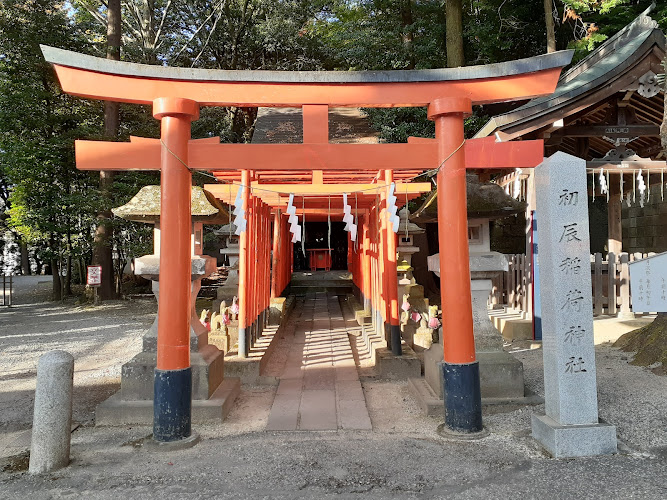
Utsunomiya Futaarayama Shrine
About Utsunomiya Futaarayama Shrine
Description
Utsunomiya Futaarayama Shrine stands as one of those places that just gets under your skin in the best possible way. I've wandered through countless shrines across Japan, and there's something about this one that feels genuinely different – maybe it's the climb up those weathered stone steps, or the fact that locals treat it less like a tourist attraction and more like their spiritual living room. This Shinto shrine has been watching over Utsunomiya for well over a thousand years, and you can feel that history in every wooden beam and moss-covered stone lantern. The shrine complex itself stretches across the grounds with that confident ease of a place that's earned its spot in the community. People don't just come here for Instagram shots (though you'll definitely get some good ones). They come for blessings, for quiet reflection, and during October, for the spectacular Rei-sai thanksgiving festival that transforms the entire area into a celebration of harvest and gratitude. And here's a fun bit of trivia that catches most visitors off guard – Utsunomiya is actually Japan's gyoza capital, so you're essentially visiting a sacred shrine in a city obsessed with delicious dumplings. That juxtaposition of the spiritual and the culinary is pretty much Japan in a nutshell. What really makes this shrine special though is how it remains deeply integrated into daily life here. You'll see businesspeople stopping by before important meetings, students praying before exams, and elderly couples who've probably been visiting together for decades. It's not preserved in amber like some historical sites – it breathes and moves with the rhythm of the city.Key Features
The Futaarayama Shrine complex offers visitors several distinctive elements that make the journey worthwhile:- The Stone Stairway Approach – That initial climb up the stone steps isn't just about getting to the shrine; it's part of the whole experience. Each step literally and figuratively separates you from the city noise below. The steps have been worn smooth by countless pilgrims over centuries, and there's something humbling about adding your footsteps to that long procession.
- Rei-sai Festival in October – This isn't your average matsuri. The thanksgiving festival draws huge crowds and features traditional performances, processions, and rituals that haven't changed much in hundreds of years. The energy during this time is absolutely electric, with the smell of festival food mixing with incense smoke.
- Main Worship Hall – The architecture here showcases classic Shinto design principles without the over-restoration that sometimes makes historic sites feel fake. The wood has aged naturally, and the craftsmanship in the joinery and carvings shows the skill of builders who worked without modern tools.
- Sacred Trees and Natural Elements – Ancient trees dot the grounds, some wrapped in sacred shimenawa ropes. These aren't just decoration – they're considered divine in their own right, and walking among them feels like stepping into a different era entirely.
- Restroom Facilities – Look, I know it's not glamorous to mention, but clean restroom facilities at a historic shrine complex deserve recognition. Too many beautiful sites fall short on this basic necessity, so it's worth noting when a place gets it right.
- Fortune-telling Papers and Ema Boards – The omikuji fortune slips here come with English translations, which is thoughtful for international visitors. And the ema boards where people write their wishes and prayers offer a fascinating glimpse into what matters to folks – everything from exam success to finding love.
- Seasonal Celebrations – Beyond the October festival, the shrine hosts various ceremonies throughout the year, each tied to agricultural cycles and traditional observances that urban life usually obscures.
Best Time to Visit
Timing your visit to Futaarayama Shrine can really shape your experience, and honestly, there's no single "best" time because it depends what you're after. If you want the full cultural immersion with maximum energy, October during the Rei-sai festival is unbeatable. The shrine comes alive with activity, traditional music fills the air, and you'll witness ceremonies that connect directly to Japan's agricultural heritage. But fair warning – you won't be alone. The crowds can be intense, and that quiet contemplative shrine experience goes right out the window. Which might be exactly what you want, or might be your worst nightmare depending on your travel style. For those seeking tranquility and that classic shrine atmosphere where you can actually hear yourself think, early mornings on weekdays throughout spring or autumn work beautifully. I've found that arriving around 7 or 8 AM means you'll mostly encounter locals doing their daily worship routines. There's something special about watching someone's genuine spiritual practice rather than being surrounded by tour groups. The autumn months of September and November offer comfortable temperatures and gorgeous foliage that frames the shrine buildings perfectly. Summer brings its own character – cicadas screaming in the trees, that thick humid air, and fewer tourists because honestly, Japanese summers test your commitment to sightseeing. But if you don't mind sweating through your shirt, the summer greenery is lush and intense. Winter visits have their charm too, especially if you catch snowfall dusting the shrine roofs and stone lanterns. The cold keeps crowds minimal, and there's something purifying about the crisp winter air in a sacred space. Weekends versus weekdays makes a huge difference here. Saturdays and Sundays naturally draw more visitors, especially families with children who come for blessings and celebrations. Weekdays offer a more meditative pace where you can take your time without feeling like you're holding up a queue.How to Get There
Getting to Utsunomiya Futaarayama Shrine is refreshingly straightforward, especially if you're already exploring the greater Tokyo region or traveling the Tohoku area. Utsunomiya itself sits along the JR Tohoku Shinkansen line, making it easily accessible from Tokyo in about 50 minutes via bullet train. From Tokyo Station or Ueno Station, hop on a Yamabiko or Nasuno shinkansen heading toward Sendai or Koriyama, and get off at Utsunomiya Station. The regular shinkansen ticket runs around 5,000 yen one way, though if you've got a JR Pass, you're golden – just use that and save yourself some cash. Once you're at Utsunomiya Station, you've got options. The shrine sits roughly 2 kilometers from the station, which is walkable if you're feeling energetic and want to see the city streets. It'll take about 25-30 minutes on foot, and you'll pass through some interesting neighborhoods and probably catch the smell of gyoza shops calling to you. But most people opt for the local bus system. From the western exit of Utsunomiya Station, several bus routes head toward the shrine area. Look for buses bound for Futaarayama Jinja-mae – the stop name literally means "in front of Futaarayama Shrine" so you can't miss it. The ride takes roughly 10 minutes and costs a few hundred yen. Bus schedules run frequently during daytime hours, though they thin out in the evenings. Taxis are always available at the station if you're traveling with a group or carrying luggage. The fare shouldn't break the bank for such a short distance, maybe 1,000-1,500 yen depending on traffic. Drivers know the shrine well – just say "Futaarayama Jinja" and you're set. If you're driving yourself, parking exists near the shrine complex, though spaces can fill up during festivals and weekends. The stone steps approach is the traditional entry, but there are access points that accommodate different mobility levels.Tips for Visiting
A few practical pointers can transform your visit from good to genuinely memorable, based on what I've learned through my own trips and watching countless other visitors navigate the experience. First off, wear comfortable shoes with good grip. Those stone steps aren't treacherous exactly, but they can get slippery when wet, and nobody wants to eat it on sacred ground. Plus you'll be doing more walking than you think, especially if you explore the full grounds properly. Bring cash. This cannot be stressed enough. While Japan gradually adopts more electronic payment, shrines run on coins and bills. You'll need money for offerings, omikuji fortunes, purchasing omamori protective charms, and any donation you want to make. There's no ATM inside the shrine complex, so come prepared. Learn the basic etiquette before you arrive – it'll make you feel less awkward and shows respect for the space and people using it for genuine worship. The standard routine: bow when entering through the torii gate, purify your hands and mouth at the temizuya water basin (left hand, right hand, rinse mouth, clean the dipper), approach the offering box, toss in a coin (5 yen coins are considered lucky), bow twice, clap twice, pray, bow once more. But don't stress if you mess it up – intentions matter more than perfect execution. Photography is generally permitted in the grounds, but be mindful about shooting during active worship or ceremonies. Nobody wants to be someone's Instagram content while they're having a genuine spiritual moment. And some areas might have restrictions, so watch for signs or ask if unsure. Consider combining your shrine visit with Utsunomiya's famous gyoza scene. Seriously, you're in the gyoza capital – it would be a shame to visit the shrine and bail without trying the local specialty. The contrast between spiritual contemplation and dumpling consumption somehow works perfectly. If you're visiting during the October festival, arrive early to stake out a good viewing spot for processions and performances. Bring water and maybe some snacks because once you're settled in a good location, leaving means losing your spot. Don't rush it. I see too many travelers tick off shrine visits like items on a checklist – snap a photo, ring the bell, done. Give yourself at least an hour to really absorb the atmosphere, watch how locals interact with the space, sit quietly for a bit, and notice the small details in the architecture and natural surroundings. The restroom facilities are clean and available, so use them if needed rather than holding it and making yourself miserable. They're located within the complex for visitor convenience. Finally, approach your visit with openness rather than expectations. Futaarayama Shrine might not be Kyoto's Fushimi Inari with thousands of red gates, or Nara's deer-filled Kasuga Taisha. What it offers instead is authenticity – a working shrine that serves its community while welcoming respectful visitors. That genuine quality is increasingly rare, and it's worth appreciating on its own terms rather than comparing it to more famous counterparts.Key Features
- Designated ichinomiya of former Shimotsuke Province
- Historic shrine buildings and torii-lined approaches
- Site of major local festivals and seasonal rituals
- Central location in Utsunomiya, easy access from the city
- Photogenic shrine precincts and cultural atmosphere
More Details
Updated March 30, 2026
Table of Contents
Description
Utsunomiya Futaarayama Shrine stands as one of those places that just gets under your skin in the best possible way. I’ve wandered through countless shrines across Japan, and there’s something about this one that feels genuinely different – maybe it’s the climb up those weathered stone steps, or the fact that locals treat it less like a tourist attraction and more like their spiritual living room. This Shinto shrine has been watching over Utsunomiya for well over a thousand years, and you can feel that history in every wooden beam and moss-covered stone lantern.
The shrine complex itself stretches across the grounds with that confident ease of a place that’s earned its spot in the community. People don’t just come here for Instagram shots (though you’ll definitely get some good ones). They come for blessings, for quiet reflection, and during October, for the spectacular Rei-sai thanksgiving festival that transforms the entire area into a celebration of harvest and gratitude. And here’s a fun bit of trivia that catches most visitors off guard – Utsunomiya is actually Japan’s gyoza capital, so you’re essentially visiting a sacred shrine in a city obsessed with delicious dumplings. That juxtaposition of the spiritual and the culinary is pretty much Japan in a nutshell.
What really makes this shrine special though is how it remains deeply integrated into daily life here. You’ll see businesspeople stopping by before important meetings, students praying before exams, and elderly couples who’ve probably been visiting together for decades. It’s not preserved in amber like some historical sites – it breathes and moves with the rhythm of the city.
Key Features
The Futaarayama Shrine complex offers visitors several distinctive elements that make the journey worthwhile:
- The Stone Stairway Approach – That initial climb up the stone steps isn’t just about getting to the shrine; it’s part of the whole experience. Each step literally and figuratively separates you from the city noise below. The steps have been worn smooth by countless pilgrims over centuries, and there’s something humbling about adding your footsteps to that long procession.
- Rei-sai Festival in October – This isn’t your average matsuri. The thanksgiving festival draws huge crowds and features traditional performances, processions, and rituals that haven’t changed much in hundreds of years. The energy during this time is absolutely electric, with the smell of festival food mixing with incense smoke.
- Main Worship Hall – The architecture here showcases classic Shinto design principles without the over-restoration that sometimes makes historic sites feel fake. The wood has aged naturally, and the craftsmanship in the joinery and carvings shows the skill of builders who worked without modern tools.
- Sacred Trees and Natural Elements – Ancient trees dot the grounds, some wrapped in sacred shimenawa ropes. These aren’t just decoration – they’re considered divine in their own right, and walking among them feels like stepping into a different era entirely.
- Restroom Facilities – Look, I know it’s not glamorous to mention, but clean restroom facilities at a historic shrine complex deserve recognition. Too many beautiful sites fall short on this basic necessity, so it’s worth noting when a place gets it right.
- Fortune-telling Papers and Ema Boards – The omikuji fortune slips here come with English translations, which is thoughtful for international visitors. And the ema boards where people write their wishes and prayers offer a fascinating glimpse into what matters to folks – everything from exam success to finding love.
- Seasonal Celebrations – Beyond the October festival, the shrine hosts various ceremonies throughout the year, each tied to agricultural cycles and traditional observances that urban life usually obscures.
Best Time to Visit
Timing your visit to Futaarayama Shrine can really shape your experience, and honestly, there’s no single “best” time because it depends what you’re after.
If you want the full cultural immersion with maximum energy, October during the Rei-sai festival is unbeatable. The shrine comes alive with activity, traditional music fills the air, and you’ll witness ceremonies that connect directly to Japan’s agricultural heritage. But fair warning – you won’t be alone. The crowds can be intense, and that quiet contemplative shrine experience goes right out the window. Which might be exactly what you want, or might be your worst nightmare depending on your travel style.
For those seeking tranquility and that classic shrine atmosphere where you can actually hear yourself think, early mornings on weekdays throughout spring or autumn work beautifully. I’ve found that arriving around 7 or 8 AM means you’ll mostly encounter locals doing their daily worship routines. There’s something special about watching someone’s genuine spiritual practice rather than being surrounded by tour groups. The autumn months of September and November offer comfortable temperatures and gorgeous foliage that frames the shrine buildings perfectly.
Summer brings its own character – cicadas screaming in the trees, that thick humid air, and fewer tourists because honestly, Japanese summers test your commitment to sightseeing. But if you don’t mind sweating through your shirt, the summer greenery is lush and intense. Winter visits have their charm too, especially if you catch snowfall dusting the shrine roofs and stone lanterns. The cold keeps crowds minimal, and there’s something purifying about the crisp winter air in a sacred space.
Weekends versus weekdays makes a huge difference here. Saturdays and Sundays naturally draw more visitors, especially families with children who come for blessings and celebrations. Weekdays offer a more meditative pace where you can take your time without feeling like you’re holding up a queue.
How to Get There
Getting to Utsunomiya Futaarayama Shrine is refreshingly straightforward, especially if you’re already exploring the greater Tokyo region or traveling the Tohoku area.
Utsunomiya itself sits along the JR Tohoku Shinkansen line, making it easily accessible from Tokyo in about 50 minutes via bullet train. From Tokyo Station or Ueno Station, hop on a Yamabiko or Nasuno shinkansen heading toward Sendai or Koriyama, and get off at Utsunomiya Station. The regular shinkansen ticket runs around 5,000 yen one way, though if you’ve got a JR Pass, you’re golden – just use that and save yourself some cash.
Once you’re at Utsunomiya Station, you’ve got options. The shrine sits roughly 2 kilometers from the station, which is walkable if you’re feeling energetic and want to see the city streets. It’ll take about 25-30 minutes on foot, and you’ll pass through some interesting neighborhoods and probably catch the smell of gyoza shops calling to you.
But most people opt for the local bus system. From the western exit of Utsunomiya Station, several bus routes head toward the shrine area. Look for buses bound for Futaarayama Jinja-mae – the stop name literally means “in front of Futaarayama Shrine” so you can’t miss it. The ride takes roughly 10 minutes and costs a few hundred yen. Bus schedules run frequently during daytime hours, though they thin out in the evenings.
Taxis are always available at the station if you’re traveling with a group or carrying luggage. The fare shouldn’t break the bank for such a short distance, maybe 1,000-1,500 yen depending on traffic. Drivers know the shrine well – just say “Futaarayama Jinja” and you’re set.
If you’re driving yourself, parking exists near the shrine complex, though spaces can fill up during festivals and weekends. The stone steps approach is the traditional entry, but there are access points that accommodate different mobility levels.
Tips for Visiting
A few practical pointers can transform your visit from good to genuinely memorable, based on what I’ve learned through my own trips and watching countless other visitors navigate the experience.
First off, wear comfortable shoes with good grip. Those stone steps aren’t treacherous exactly, but they can get slippery when wet, and nobody wants to eat it on sacred ground. Plus you’ll be doing more walking than you think, especially if you explore the full grounds properly.
Bring cash. This cannot be stressed enough. While Japan gradually adopts more electronic payment, shrines run on coins and bills. You’ll need money for offerings, omikuji fortunes, purchasing omamori protective charms, and any donation you want to make. There’s no ATM inside the shrine complex, so come prepared.
Learn the basic etiquette before you arrive – it’ll make you feel less awkward and shows respect for the space and people using it for genuine worship. The standard routine: bow when entering through the torii gate, purify your hands and mouth at the temizuya water basin (left hand, right hand, rinse mouth, clean the dipper), approach the offering box, toss in a coin (5 yen coins are considered lucky), bow twice, clap twice, pray, bow once more. But don’t stress if you mess it up – intentions matter more than perfect execution.
Photography is generally permitted in the grounds, but be mindful about shooting during active worship or ceremonies. Nobody wants to be someone’s Instagram content while they’re having a genuine spiritual moment. And some areas might have restrictions, so watch for signs or ask if unsure.
Consider combining your shrine visit with Utsunomiya’s famous gyoza scene. Seriously, you’re in the gyoza capital – it would be a shame to visit the shrine and bail without trying the local specialty. The contrast between spiritual contemplation and dumpling consumption somehow works perfectly.
If you’re visiting during the October festival, arrive early to stake out a good viewing spot for processions and performances. Bring water and maybe some snacks because once you’re settled in a good location, leaving means losing your spot.
Don’t rush it. I see too many travelers tick off shrine visits like items on a checklist – snap a photo, ring the bell, done. Give yourself at least an hour to really absorb the atmosphere, watch how locals interact with the space, sit quietly for a bit, and notice the small details in the architecture and natural surroundings.
The restroom facilities are clean and available, so use them if needed rather than holding it and making yourself miserable. They’re located within the complex for visitor convenience.
Finally, approach your visit with openness rather than expectations. Futaarayama Shrine might not be Kyoto’s Fushimi Inari with thousands of red gates, or Nara’s deer-filled Kasuga Taisha. What it offers instead is authenticity – a working shrine that serves its community while welcoming respectful visitors. That genuine quality is increasingly rare, and it’s worth appreciating on its own terms rather than comparing it to more famous counterparts.
Key Highlights
- Designated ichinomiya of former Shimotsuke Province
- Historic shrine buildings and torii-lined approaches
- Site of major local festivals and seasonal rituals
- Central location in Utsunomiya, easy access from the city
- Photogenic shrine precincts and cultural atmosphere
Location
Places to Stay Near Utsunomiya Futaarayama Shrine
Find and Book a Tour
Explore More Travel Guides
No reviews found! Be the first to review!
Utsunomiya Futaarayama Shrine is a prominent 神社 located in Utsunomiya.
Visit us at: 1 Chome-1-1 Babadori, Utsunomiya, Tochigi 320-0026, Japan.
Traveler Reviews for Utsunomiya Futaarayama Shrine
There are no reviews yet. Be the first one to write one.
Have you visited Utsunomiya Futaarayama Shrine? Help other travelers by sharing your review.
Nearby Attractions
You Might Also Like
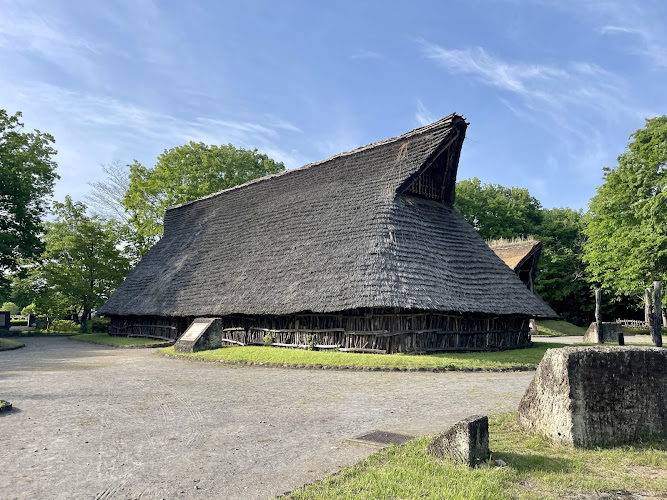
Utsunomiya ruins of Square museum
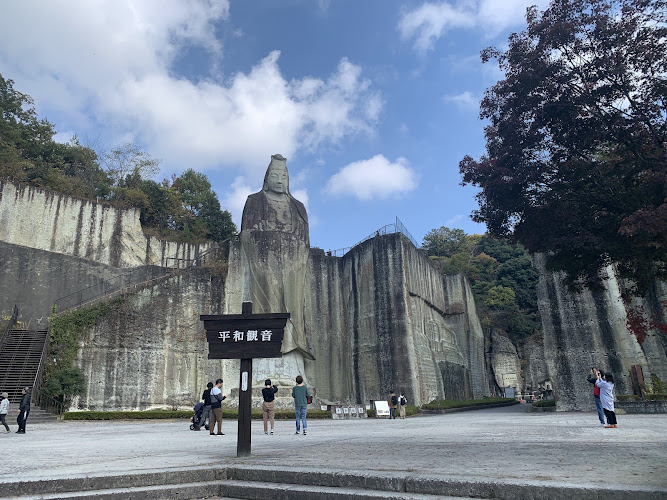
Heiwa Kannon
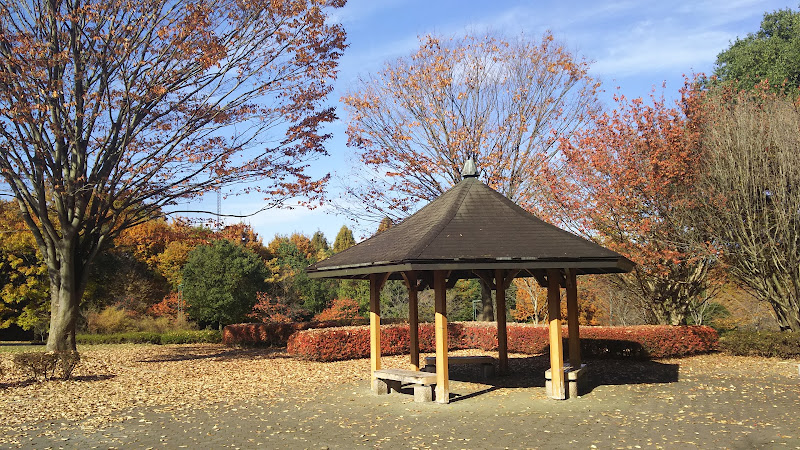
Nagaoka Park
Find Accommodations Nearby
Recommended Tours & Activities
Visitor Reviews
There are no reviews yet. Be the first one to write one.
Share Your Experience
Have you visited Utsunomiya Futaarayama Shrine? Help other travelers by leaving a review.