
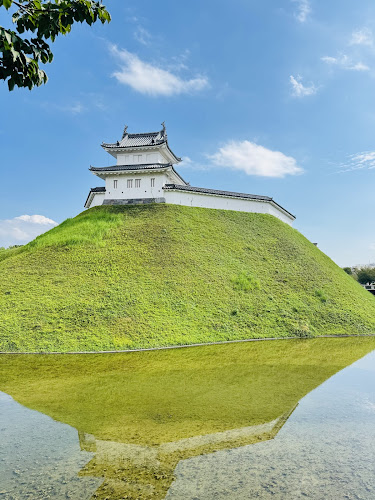
Utsunomiya Castle Ruins Park
About Utsunomiya Castle Ruins Park
Description
Utsunomiya Castle Ruins Park stands as a fascinating blend of history and modern recreation in the heart of Tochigi Prefecture's capital city. The original castle, built in the 11th century, played a crucial role in Japanese feudal history before meeting its end during the Meiji Restoration. What visitors find today is a thoughtfully reconstructed version that gives you a real sense of what once stood on this strategic hilltop position. Walking through the grounds, you'll notice the careful attention paid to historical accuracy in the restoration work. The earthen walls and wooden structures transport you back several centuries, even though they're relatively recent reconstructions. And here's something interesting – unlike many castle sites across Japan that feel overly commercialized, this one maintains a more intimate, local character that honestly makes it more appealing for certain types of travelers. The park isn't massive by any means, which actually works in its favor. You can explore the entire area in about an hour or two without feeling rushed, making it perfect for those with limited time in Utsunomiya. The castle's strategic hilltop position offers decent views of the surrounding cityscape, creating an interesting juxtaposition between feudal architecture and modern urban development. It's this blend that makes the site particularly photogenic, especially during cherry blossom season when the contrast becomes even more striking.Key Features
- Reconstructed Castle Structures: The main tower and surrounding fortifications have been rebuilt using traditional construction methods, giving visitors an authentic feel of Edo-period castle architecture without the crowds you'd encounter at more famous sites like Himeji or Osaka Castle
- Cherry Blossom Paradise: Spring transforms the park into one of Utsunomiya's premier hanami spots, with numerous sakura trees creating a pink canopy that locals absolutely treasure for their annual picnics
- Earthwork Fortifications: The original moats and earthen ramparts remain largely intact, providing military history enthusiasts with genuine historical elements to examine and photograph
- Family-Friendly Facilities: A dedicated playground area keeps younger visitors entertained while parents explore the historical aspects, making this one of those rare sites where everyone in the family finds something worthwhile
- Accessible Design: The park management has done commendable work ensuring wheelchair users can access most areas, including designated parking and entrance ramps
- Pet-Friendly Environment: Dog owners will appreciate that their four-legged companions are welcome, though keeping them leashed is obviously expected
- Public Restrooms: Clean facilities are available on-site, which might seem like a small detail but trust me, after visiting countless Japanese historical sites, this convenience shouldn't be overlooked
- Educational Displays: Information boards scattered throughout explain the castle's history and strategic importance in regional conflicts, though I'll be honest – English translations can be somewhat limited
Best Time to Visit
Let me share something from my own experience visiting castle parks across Japan – timing really can make or break your visit. For Utsunomiya Castle Ruins Park, the absolute peak season runs from late March through early April when cherry blossoms reach full bloom. The sight is genuinely spectacular, but here's the catch: you'll be sharing the experience with seemingly half of Utsunomiya's population. Families stake out prime picnic spots early in the morning, and by afternoon on weekends, finding a quiet corner becomes nearly impossible. If you're specifically chasing that perfect sakura shot for Instagram, then brave the crowds and go during peak bloom. But if you prefer a more contemplative experience where you can actually hear yourself think, consider visiting in early autumn instead. October brings cooler temperatures and some nice foliage colors without the overwhelming crowds. The castle structures photograph beautifully against autumn leaves, and you'll have much more space to wander and explore at your own pace. Summer months get hot and humid – we're talking that sticky Japanese summer heat that makes walking around in direct sunlight feel like a endurance test. Morning visits during July and August work better than afternoon ones, though honestly, unless you're already in Utsunomiya for other reasons, I'd skip summer entirely. Winter presents an interesting option that most tourists overlook completely. The bare trees and crisp air create a stark, almost meditative atmosphere around the castle ruins. You'll practically have the place to yourself on weekdays, and if you're lucky enough to visit after a snowfall, the photographic opportunities become exceptional. Just bundle up properly because that hilltop position means the wind cuts right through you. Weekday mornings year-round offer the best compromise if your schedule allows flexibility. You'll avoid weekend family crowds while still enjoying pleasant conditions for exploration. The park opens early, and those first couple hours after opening provide the most peaceful experience.How to Get There
Getting to Utsunomiya Castle Ruins Park proves surprisingly straightforward, especially if you're already familiar with Japan's excellent public transportation system. From Tokyo, the journey begins at either Tokyo or Ueno Station where you'll catch a JR Tohoku Shinkansen or a regular JR Utsunomiya Line train. The shinkansen gets you there in about 50 minutes, while the regular line takes closer to two hours – your choice depends on whether you value time over money since the shinkansen costs significantly more. Once you arrive at Utsunomiya Station, you've got several options. The most convenient is probably the city bus system, which runs regularly from the station's west exit. Look for buses heading toward the city center – several routes pass within walking distance of the park. The ride takes approximately 10-15 minutes depending on traffic. But here's a pro tip: if weather's decent and you enjoy walking, the park sits only about 20-25 minutes on foot from the station. This walk actually gives you a nice feel for downtown Utsunomiya, passing through shopping districts and residential areas that most tourists never see. Taxi services are readily available outside the station if you prefer direct transportation. The fare runs reasonable for Japanese standards – expect to pay somewhere around 1,000-1,500 yen depending on traffic conditions. For groups of three or four splitting the cost, this option makes pretty good economic sense while saving time and navigational energy. If you're driving, the park offers dedicated parking facilities with wheelchair-accessible spaces. From the Tohoku Expressway, take the Utsunomiya Interchange and follow signs toward the city center. Parking fees apply but remain affordable. Weekend parking fills up quickly during cherry blossom season though, so arriving early becomes essential if you're driving.Tips for Visiting
Planning ahead makes any travel experience better, and Utsunomiya Castle Ruins Park has its own quirks worth knowing before you arrive. First thing – don't expect Osaka Castle or Nagoya Castle scale here. Some visitors show up with outsized expectations based on the word "castle" and end up disappointed. This is a reconstructed ruin on a smaller scale, valued more for its local historical significance and community atmosphere than for jaw-dropping architectural grandeur. Bring your own refreshments if you're visiting outside peak seasons. While vending machines dot the area providing the usual array of Japanese beverages, food options within the park itself are limited. During cherry blossom season, temporary food stalls appear selling festival snacks and bento boxes, but don't count on these being available year-round. The surrounding neighborhood has convenience stores and restaurants within a short walk if you need supplies. Photography enthusiasts should know that the best lighting for castle shots typically occurs in early morning or late afternoon when golden hour brings out the warm tones in the wooden structures. Midday sun creates harsh shadows that aren't particularly flattering. And speaking of photos – the view from the upper level of the reconstructed tower offers nice city panoramas, though you'll need to climb stairs to reach it. There's no elevator, so visitors with mobility limitations should keep this in mind. Wear comfortable walking shoes because the pathways include some uneven surfaces and gentle slopes, particularly around the earthwork fortifications. Those instagrammable spots showing the castle walls from dramatic angles often require a bit of scrambling around the perimeter paths. Nothing too strenuous, but definitely not high-heel territory. If you're traveling with kids, the playground area works best for younger children roughly ages 3-8. Older kids might find it a bit basic compared to modern playground standards. The open grassy areas throughout the park offer better entertainment value for energetic children – bring a ball or frisbee and they'll amuse themselves while you soak up the historical atmosphere. Dog owners should bring waste bags and keep pets on leash at all times. Most Japanese visitors are quite strict about pet etiquette, and you'll want to respect local customs. The grassy areas make for pleasant spots to rest with your dog, just clean up after them properly. Consider combining your castle visit with other Utsunomiya attractions to maximize your time in the city. The city is famous for gyoza, so hunting down the best dumpling shops makes an excellent afternoon activity after exploring the castle grounds. Several well-regarded gyoza restaurants operate within walking distance of the park. Finally, remember that this is fundamentally a community park that locals use daily for exercise, relaxation, and socializing. Respect quiet hours if visiting early morning when people practice tai chi or do their morning jogs. The atmosphere here is more neighborhood gathering place than major tourist destination, which honestly forms part of its charm once you adjust your expectations accordingly.Key Features
- Reconstructed stone walls and turrets on the original honmaru
- Scale model and interpretive exhibits about the original castle
- Early-blooming cherry trees that make it a popular hanami spot
- Open lawns and walking paths suited to picnics and casual strolls
- Nighttime illuminations and seasonal events
More Details
Updated March 30, 2026
Table of Contents
Description
Utsunomiya Castle Ruins Park stands as a fascinating blend of history and modern recreation in the heart of Tochigi Prefecture’s capital city. The original castle, built in the 11th century, played a crucial role in Japanese feudal history before meeting its end during the Meiji Restoration. What visitors find today is a thoughtfully reconstructed version that gives you a real sense of what once stood on this strategic hilltop position.
Walking through the grounds, you’ll notice the careful attention paid to historical accuracy in the restoration work. The earthen walls and wooden structures transport you back several centuries, even though they’re relatively recent reconstructions. And here’s something interesting – unlike many castle sites across Japan that feel overly commercialized, this one maintains a more intimate, local character that honestly makes it more appealing for certain types of travelers.
The park isn’t massive by any means, which actually works in its favor. You can explore the entire area in about an hour or two without feeling rushed, making it perfect for those with limited time in Utsunomiya. The castle’s strategic hilltop position offers decent views of the surrounding cityscape, creating an interesting juxtaposition between feudal architecture and modern urban development. It’s this blend that makes the site particularly photogenic, especially during cherry blossom season when the contrast becomes even more striking.
Key Features
- Reconstructed Castle Structures: The main tower and surrounding fortifications have been rebuilt using traditional construction methods, giving visitors an authentic feel of Edo-period castle architecture without the crowds you’d encounter at more famous sites like Himeji or Osaka Castle
- Cherry Blossom Paradise: Spring transforms the park into one of Utsunomiya’s premier hanami spots, with numerous sakura trees creating a pink canopy that locals absolutely treasure for their annual picnics
- Earthwork Fortifications: The original moats and earthen ramparts remain largely intact, providing military history enthusiasts with genuine historical elements to examine and photograph
- Family-Friendly Facilities: A dedicated playground area keeps younger visitors entertained while parents explore the historical aspects, making this one of those rare sites where everyone in the family finds something worthwhile
- Accessible Design: The park management has done commendable work ensuring wheelchair users can access most areas, including designated parking and entrance ramps
- Pet-Friendly Environment: Dog owners will appreciate that their four-legged companions are welcome, though keeping them leashed is obviously expected
- Public Restrooms: Clean facilities are available on-site, which might seem like a small detail but trust me, after visiting countless Japanese historical sites, this convenience shouldn’t be overlooked
- Educational Displays: Information boards scattered throughout explain the castle’s history and strategic importance in regional conflicts, though I’ll be honest – English translations can be somewhat limited
Best Time to Visit
Let me share something from my own experience visiting castle parks across Japan – timing really can make or break your visit. For Utsunomiya Castle Ruins Park, the absolute peak season runs from late March through early April when cherry blossoms reach full bloom. The sight is genuinely spectacular, but here’s the catch: you’ll be sharing the experience with seemingly half of Utsunomiya’s population. Families stake out prime picnic spots early in the morning, and by afternoon on weekends, finding a quiet corner becomes nearly impossible.
If you’re specifically chasing that perfect sakura shot for Instagram, then brave the crowds and go during peak bloom. But if you prefer a more contemplative experience where you can actually hear yourself think, consider visiting in early autumn instead. October brings cooler temperatures and some nice foliage colors without the overwhelming crowds. The castle structures photograph beautifully against autumn leaves, and you’ll have much more space to wander and explore at your own pace.
Summer months get hot and humid – we’re talking that sticky Japanese summer heat that makes walking around in direct sunlight feel like a endurance test. Morning visits during July and August work better than afternoon ones, though honestly, unless you’re already in Utsunomiya for other reasons, I’d skip summer entirely.
Winter presents an interesting option that most tourists overlook completely. The bare trees and crisp air create a stark, almost meditative atmosphere around the castle ruins. You’ll practically have the place to yourself on weekdays, and if you’re lucky enough to visit after a snowfall, the photographic opportunities become exceptional. Just bundle up properly because that hilltop position means the wind cuts right through you.
Weekday mornings year-round offer the best compromise if your schedule allows flexibility. You’ll avoid weekend family crowds while still enjoying pleasant conditions for exploration. The park opens early, and those first couple hours after opening provide the most peaceful experience.
How to Get There
Getting to Utsunomiya Castle Ruins Park proves surprisingly straightforward, especially if you’re already familiar with Japan’s excellent public transportation system. From Tokyo, the journey begins at either Tokyo or Ueno Station where you’ll catch a JR Tohoku Shinkansen or a regular JR Utsunomiya Line train. The shinkansen gets you there in about 50 minutes, while the regular line takes closer to two hours – your choice depends on whether you value time over money since the shinkansen costs significantly more.
Once you arrive at Utsunomiya Station, you’ve got several options. The most convenient is probably the city bus system, which runs regularly from the station’s west exit. Look for buses heading toward the city center – several routes pass within walking distance of the park. The ride takes approximately 10-15 minutes depending on traffic. But here’s a pro tip: if weather’s decent and you enjoy walking, the park sits only about 20-25 minutes on foot from the station. This walk actually gives you a nice feel for downtown Utsunomiya, passing through shopping districts and residential areas that most tourists never see.
Taxi services are readily available outside the station if you prefer direct transportation. The fare runs reasonable for Japanese standards – expect to pay somewhere around 1,000-1,500 yen depending on traffic conditions. For groups of three or four splitting the cost, this option makes pretty good economic sense while saving time and navigational energy.
If you’re driving, the park offers dedicated parking facilities with wheelchair-accessible spaces. From the Tohoku Expressway, take the Utsunomiya Interchange and follow signs toward the city center. Parking fees apply but remain affordable. Weekend parking fills up quickly during cherry blossom season though, so arriving early becomes essential if you’re driving.
Tips for Visiting
Planning ahead makes any travel experience better, and Utsunomiya Castle Ruins Park has its own quirks worth knowing before you arrive. First thing – don’t expect Osaka Castle or Nagoya Castle scale here. Some visitors show up with outsized expectations based on the word “castle” and end up disappointed. This is a reconstructed ruin on a smaller scale, valued more for its local historical significance and community atmosphere than for jaw-dropping architectural grandeur.
Bring your own refreshments if you’re visiting outside peak seasons. While vending machines dot the area providing the usual array of Japanese beverages, food options within the park itself are limited. During cherry blossom season, temporary food stalls appear selling festival snacks and bento boxes, but don’t count on these being available year-round. The surrounding neighborhood has convenience stores and restaurants within a short walk if you need supplies.
Photography enthusiasts should know that the best lighting for castle shots typically occurs in early morning or late afternoon when golden hour brings out the warm tones in the wooden structures. Midday sun creates harsh shadows that aren’t particularly flattering. And speaking of photos – the view from the upper level of the reconstructed tower offers nice city panoramas, though you’ll need to climb stairs to reach it. There’s no elevator, so visitors with mobility limitations should keep this in mind.
Wear comfortable walking shoes because the pathways include some uneven surfaces and gentle slopes, particularly around the earthwork fortifications. Those instagrammable spots showing the castle walls from dramatic angles often require a bit of scrambling around the perimeter paths. Nothing too strenuous, but definitely not high-heel territory.
If you’re traveling with kids, the playground area works best for younger children roughly ages 3-8. Older kids might find it a bit basic compared to modern playground standards. The open grassy areas throughout the park offer better entertainment value for energetic children – bring a ball or frisbee and they’ll amuse themselves while you soak up the historical atmosphere.
Dog owners should bring waste bags and keep pets on leash at all times. Most Japanese visitors are quite strict about pet etiquette, and you’ll want to respect local customs. The grassy areas make for pleasant spots to rest with your dog, just clean up after them properly.
Consider combining your castle visit with other Utsunomiya attractions to maximize your time in the city. The city is famous for gyoza, so hunting down the best dumpling shops makes an excellent afternoon activity after exploring the castle grounds. Several well-regarded gyoza restaurants operate within walking distance of the park.
Finally, remember that this is fundamentally a community park that locals use daily for exercise, relaxation, and socializing. Respect quiet hours if visiting early morning when people practice tai chi or do their morning jogs. The atmosphere here is more neighborhood gathering place than major tourist destination, which honestly forms part of its charm once you adjust your expectations accordingly.
Key Highlights
- Reconstructed stone walls and turrets on the original honmaru
- Scale model and interpretive exhibits about the original castle
- Early-blooming cherry trees that make it a popular hanami spot
- Open lawns and walking paths suited to picnics and casual strolls
- Nighttime illuminations and seasonal events
Location
Places to Stay Near Utsunomiya Castle Ruins Park
Find and Book a Tour
Explore More Travel Guides
No reviews found! Be the first to review!
Utsunomiya Castle Ruins Park is a prominent attractions located in Utsunomiya.
Visit us at: 1-1 Honmarumachi, Utsunomiya, Tochigi 320-0817, Japan.
Traveler Reviews for Utsunomiya Castle Ruins Park
There are no reviews yet. Be the first one to write one.
Have you visited Utsunomiya Castle Ruins Park? Help other travelers by sharing your review.
Nearby Attractions
You Might Also Like
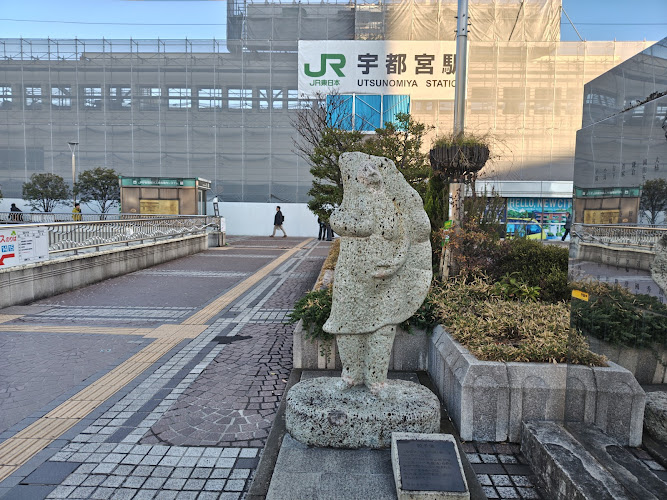
Utsunomiya Gyoza Statue
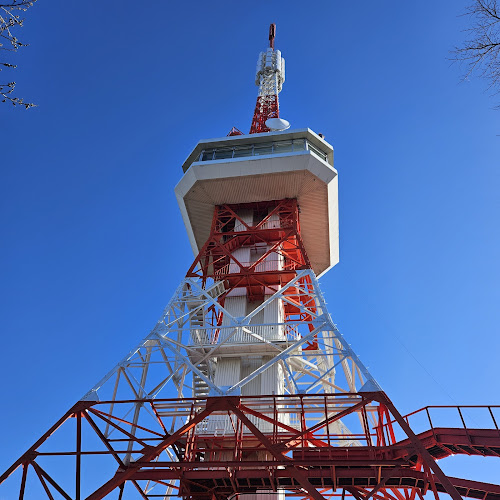
Hachimanyama Park Utsunomiya Tower
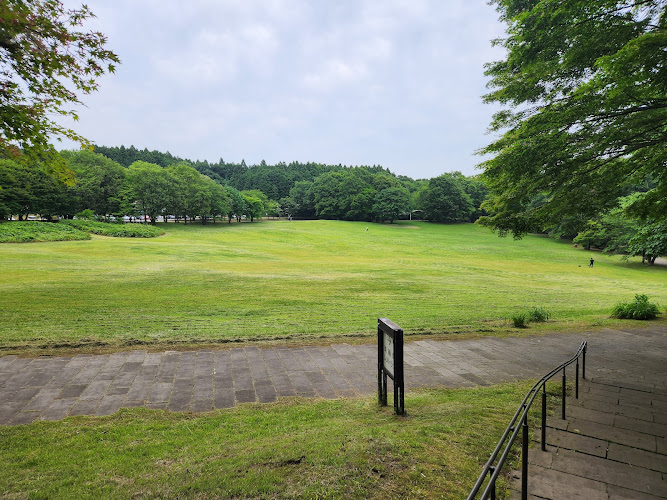
Utsunomiya Cultural Forest
Find Accommodations Nearby
Recommended Tours & Activities
Visitor Reviews
There are no reviews yet. Be the first one to write one.
Share Your Experience
Have you visited Utsunomiya Castle Ruins Park? Help other travelers by leaving a review.