
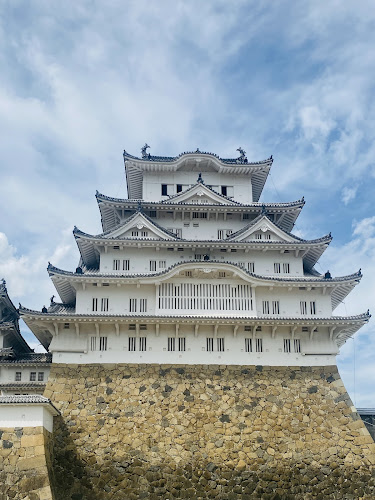
Himeji Park
About Himeji Park
Description
When most travelers think about visiting Himeji, their minds immediately jump to the magnificent white castle that dominates the skyline. And honestly, who can blame them? But here's what I found genuinely surprising during my visit – the park surrounding this UNESCO World Heritage site deserves just as much attention as the castle itself. Himeji Park isn't just some afterthought green space where you snap a quick photo before rushing inside the castle walls. It's actually a destination in its own right, offering visitors a chance to slow down and appreciate Japanese landscape design while getting those Instagram-worthy castle shots from every possible angle. The park sprawls around Himeji Castle with carefully manicured grounds that showcase traditional Japanese aesthetics while providing modern amenities for international visitors. You'll find families spreading out picnic blankets under cherry trees, couples strolling hand-in-hand along stone pathways, and photographers setting up tripods to capture that perfect golden hour shot. It's one of those places where you can feel the weight of history without feeling like you're trapped in a museum. The castle looms overhead – sometimes intimidating, sometimes serene, always beautiful – while the park grounds offer breathing room to process what you're actually looking at. What struck me most was how the park manages to balance preservation with accessibility. This isn't some roped-off historical site where you're constantly worried about stepping on the wrong patch of grass. People actually use this space. Kids run around (carefully, mind you), dogs trot alongside their owners, and elderly visitors rest on benches scattered throughout the grounds. The park feels alive in a way that many historical sites don't, and that's probably why over 89% of visitors rate their experience positively.Key Features
The distinctive characteristics of Himeji Park make it stand out from other castle grounds throughout Japan:- Panoramic viewing areas that offer unobstructed sightlines of Himeji Castle from multiple vantage points, allowing photographers to capture the castle from dawn until dusk in varying light conditions
- Wheelchair accessible entrances and designated parking facilities, making this historical site genuinely approachable for visitors with mobility challenges – something you can't always count on at Japanese historical landmarks
- Designated picnic areas where visitors can spread out and enjoy meals while admiring castle views, creating an opportunity for leisurely visits rather than rushed tours
- Dog-friendly pathways throughout most of the park grounds, recognizing that many travelers want to include their four-legged companions in sightseeing adventures
- Clean, maintained public restrooms strategically positioned throughout the park – a detail that might seem mundane but becomes incredibly important during a full day of exploration
- Seasonal plantings that transform the landscape throughout the year, from cherry blossoms in spring to vibrant autumn foliage, ensuring the scenery never feels stagnant
- Stone pathways and traditional landscaping elements that reflect centuries-old Japanese garden design principles while remaining practical for modern foot traffic
- Open lawn areas that contrast beautifully with the structured castle architecture, providing visual balance and spaces for children to burn off energy
Best Time to Visit
Here's where I'm gonna be honest with you – timing your visit to Himeji Park requires thinking beyond just the weather forecast. Sure, spring brings those famous cherry blossoms that everyone obsesses over, and yeah, they're absolutely stunning. I visited during late March once and the entire park was blanketed in pale pink petals. It felt like walking through a painting. But here's the catch – so did approximately ten thousand other people who had the exact same idea. If you're someone who doesn't mind crowds and wants that quintessential Japanese spring experience, aim for late March through early April. The cherry blossoms typically peak during this window, though climate variations can shift things by a week or two either direction. The park transforms into this ethereal landscape where the white castle rises above clouds of pink blossoms. It's magical, crowded, and absolutely worth experiencing at least once. However, autumn doesn't get nearly enough credit. Late October through November brings cooler temperatures and spectacular foliage. The maple trees scattered throughout the grounds turn shades of red, orange, and gold that complement the castle's white walls in ways that honestly rival spring's popularity. And bonus – you'll encounter roughly half the crowds. I could actually find a decent picnic spot without arriving at 6am to stake my claim. Summer can be brutal if you're not prepared for Japanese humidity. July and August bring temperatures that'll have you melting into the pathways. But if you can handle the heat, early morning visits during summer offer something special – misty mornings when the castle appears to float above the grounds like something out of a dream sequence. Just bring water. Lots of water. Winter gets overlooked by most international travelers, which is exactly why locals seem to prefer it. January and February are quiet, crisp, and occasionally dusted with snow. There's something haunting about seeing Himeji Castle against grey winter skies with bare tree branches framing the view. It's less cheerful than spring, sure, but more contemplative. Weekday mornings generally offer the most peaceful experience regardless of season. The park opens early, and those first few hours before tour buses arrive provide opportunities to explore without constantly dodging other people's selfie sticks.How to Get There
Getting to Himeji Park is refreshingly straightforward compared to some Japanese attractions that require three train transfers and a cryptic bus route. The park sits adjacent to Himeji Castle, making navigation pretty intuitive – just follow the massive white castle, you really can't miss it. From Himeji Station, which is the main railway hub in the area, the park is about a fifteen-minute walk straight north. And when I say straight, I mean it – exit the station's north side, look up, see the castle in the distance, and walk toward it. The broad avenue leading from the station to the castle makes the journey pleasant rather than stressful. You'll pass shops and restaurants along the way if you need to grab supplies for that picnic. If you're coming from major cities, the shinkansen (bullet train) stops at Himeji Station, making day trips from Osaka, Kyoto, or even Tokyo feasible. From Osaka it's roughly 30-40 minutes, from Kyoto about an hour. The train ride costs less than you'd spend on admission tickets to most tourist traps, and honestly the convenience factor alone makes rail travel the smart choice. For visitors with mobility concerns, the wheelchair accessible parking lot provides direct access without requiring that walk from the station. Local buses also run regularly from Himeji Station to stops near the castle and park entrance. The bus system uses both Japanese and English announcements, though the short walk from the station is genuinely manageable for most visitors. Taxis from the station take maybe five minutes and cost relatively little, though during peak seasons you might spend more time waiting for an available taxi than just walking would take.Tips for Visiting
After spending more time at Himeji Park than probably necessary over multiple visits, I've gathered some practical wisdom that guidebooks don't always mention. First off – bring a picnic. I know, I know, it seems obvious given that the park actively encourages picnicking, but so many visitors don't take advantage of this. There are convenience stores and bakeries between the station and the park where you can grab affordable bento boxes or fresh bread. Finding a spot under the trees with castle views, spreading out your snacks, and just existing there for an hour or two transforms this from a checkbox tourist stop into an actual experience. Pack layers regardless of when you visit. Japanese weather can shift surprisingly fast, and the park's open layout means you're exposed to sun, wind, and whatever else nature decides to throw at you. That cute light jacket might not cut it if clouds roll in during winter. Similarly, that tank top won't help when summer sun beats down on those stone pathways. The public restrooms are clean and well-maintained, but they're not everywhere. Make note of where they're located when you arrive so you're not desperately searching later. This advice applies double if you're visiting with children or elderly family members. Don't rush. This is probably my biggest tip and the one most people ignore. The park rewards slow exploration. Those perfectly framed castle views? You'll only find them by wandering around, trying different angles, sitting in different spots. The tourists who sprint from the station to the castle entrance, snap three photos, tour inside, and leave within 90 minutes miss essentially everything that makes this place special. If you're bringing dogs, keep them leashed and be mindful of other visitors. The park welcomes pets but that doesn't mean everyone loves getting jumped on by overly friendly pooches. Also bring cleanup bags – there are disposal areas but the park maintains its beauty through visitors respecting the space. Consider visiting the park before or after touring the castle interior rather than treating it as just a pathway to the main attraction. The grounds take on completely different character depending on time of day and where the sun sits in the sky. Morning light hits the castle from the east, evening light from the west, and both create dramatically different photography opportunities. Bring cash for any purchases near the park, though the park itself doesn't require admission fees. Some vendors around the area haven't fully embraced digital payments despite this being 2024. Finally – and I can't stress this enough – check the weather forecast but don't let imperfect weather cancel your plans. Some of my favorite park memories came during overcast days when dramatic clouds provided backdrop to the castle. Rain creates reflection opportunities in puddles along the pathways. Light fog makes everything mysterious. Perfect blue skies are great, but they're not the only condition worth experiencing.Key Features
- Direct views and photographic vantage points of Himeji Castle
- Cherry blossom (sakura) avenues popular for hanami in spring
- Historic stone walls and sections of the castle’s former outer defenses
- Open lawns, walking paths, and benches for picnics and relaxation
- Seasonal events and local festivals near the castle grounds
More Details
Updated March 30, 2026
Table of Contents
Description
When most travelers think about visiting Himeji, their minds immediately jump to the magnificent white castle that dominates the skyline. And honestly, who can blame them? But here’s what I found genuinely surprising during my visit – the park surrounding this UNESCO World Heritage site deserves just as much attention as the castle itself. Himeji Park isn’t just some afterthought green space where you snap a quick photo before rushing inside the castle walls. It’s actually a destination in its own right, offering visitors a chance to slow down and appreciate Japanese landscape design while getting those Instagram-worthy castle shots from every possible angle.
The park sprawls around Himeji Castle with carefully manicured grounds that showcase traditional Japanese aesthetics while providing modern amenities for international visitors. You’ll find families spreading out picnic blankets under cherry trees, couples strolling hand-in-hand along stone pathways, and photographers setting up tripods to capture that perfect golden hour shot. It’s one of those places where you can feel the weight of history without feeling like you’re trapped in a museum. The castle looms overhead – sometimes intimidating, sometimes serene, always beautiful – while the park grounds offer breathing room to process what you’re actually looking at.
What struck me most was how the park manages to balance preservation with accessibility. This isn’t some roped-off historical site where you’re constantly worried about stepping on the wrong patch of grass. People actually use this space. Kids run around (carefully, mind you), dogs trot alongside their owners, and elderly visitors rest on benches scattered throughout the grounds. The park feels alive in a way that many historical sites don’t, and that’s probably why over 89% of visitors rate their experience positively.
Key Features
The distinctive characteristics of Himeji Park make it stand out from other castle grounds throughout Japan:
- Panoramic viewing areas that offer unobstructed sightlines of Himeji Castle from multiple vantage points, allowing photographers to capture the castle from dawn until dusk in varying light conditions
- Wheelchair accessible entrances and designated parking facilities, making this historical site genuinely approachable for visitors with mobility challenges – something you can’t always count on at Japanese historical landmarks
- Designated picnic areas where visitors can spread out and enjoy meals while admiring castle views, creating an opportunity for leisurely visits rather than rushed tours
- Dog-friendly pathways throughout most of the park grounds, recognizing that many travelers want to include their four-legged companions in sightseeing adventures
- Clean, maintained public restrooms strategically positioned throughout the park – a detail that might seem mundane but becomes incredibly important during a full day of exploration
- Seasonal plantings that transform the landscape throughout the year, from cherry blossoms in spring to vibrant autumn foliage, ensuring the scenery never feels stagnant
- Stone pathways and traditional landscaping elements that reflect centuries-old Japanese garden design principles while remaining practical for modern foot traffic
- Open lawn areas that contrast beautifully with the structured castle architecture, providing visual balance and spaces for children to burn off energy
Best Time to Visit
Here’s where I’m gonna be honest with you – timing your visit to Himeji Park requires thinking beyond just the weather forecast. Sure, spring brings those famous cherry blossoms that everyone obsesses over, and yeah, they’re absolutely stunning. I visited during late March once and the entire park was blanketed in pale pink petals. It felt like walking through a painting. But here’s the catch – so did approximately ten thousand other people who had the exact same idea.
If you’re someone who doesn’t mind crowds and wants that quintessential Japanese spring experience, aim for late March through early April. The cherry blossoms typically peak during this window, though climate variations can shift things by a week or two either direction. The park transforms into this ethereal landscape where the white castle rises above clouds of pink blossoms. It’s magical, crowded, and absolutely worth experiencing at least once.
However, autumn doesn’t get nearly enough credit. Late October through November brings cooler temperatures and spectacular foliage. The maple trees scattered throughout the grounds turn shades of red, orange, and gold that complement the castle’s white walls in ways that honestly rival spring’s popularity. And bonus – you’ll encounter roughly half the crowds. I could actually find a decent picnic spot without arriving at 6am to stake my claim.
Summer can be brutal if you’re not prepared for Japanese humidity. July and August bring temperatures that’ll have you melting into the pathways. But if you can handle the heat, early morning visits during summer offer something special – misty mornings when the castle appears to float above the grounds like something out of a dream sequence. Just bring water. Lots of water.
Winter gets overlooked by most international travelers, which is exactly why locals seem to prefer it. January and February are quiet, crisp, and occasionally dusted with snow. There’s something haunting about seeing Himeji Castle against grey winter skies with bare tree branches framing the view. It’s less cheerful than spring, sure, but more contemplative.
Weekday mornings generally offer the most peaceful experience regardless of season. The park opens early, and those first few hours before tour buses arrive provide opportunities to explore without constantly dodging other people’s selfie sticks.
How to Get There
Getting to Himeji Park is refreshingly straightforward compared to some Japanese attractions that require three train transfers and a cryptic bus route. The park sits adjacent to Himeji Castle, making navigation pretty intuitive – just follow the massive white castle, you really can’t miss it.
From Himeji Station, which is the main railway hub in the area, the park is about a fifteen-minute walk straight north. And when I say straight, I mean it – exit the station’s north side, look up, see the castle in the distance, and walk toward it. The broad avenue leading from the station to the castle makes the journey pleasant rather than stressful. You’ll pass shops and restaurants along the way if you need to grab supplies for that picnic.
If you’re coming from major cities, the shinkansen (bullet train) stops at Himeji Station, making day trips from Osaka, Kyoto, or even Tokyo feasible. From Osaka it’s roughly 30-40 minutes, from Kyoto about an hour. The train ride costs less than you’d spend on admission tickets to most tourist traps, and honestly the convenience factor alone makes rail travel the smart choice.
For visitors with mobility concerns, the wheelchair accessible parking lot provides direct access without requiring that walk from the station. Local buses also run regularly from Himeji Station to stops near the castle and park entrance. The bus system uses both Japanese and English announcements, though the short walk from the station is genuinely manageable for most visitors.
Taxis from the station take maybe five minutes and cost relatively little, though during peak seasons you might spend more time waiting for an available taxi than just walking would take.
Tips for Visiting
After spending more time at Himeji Park than probably necessary over multiple visits, I’ve gathered some practical wisdom that guidebooks don’t always mention. First off – bring a picnic. I know, I know, it seems obvious given that the park actively encourages picnicking, but so many visitors don’t take advantage of this. There are convenience stores and bakeries between the station and the park where you can grab affordable bento boxes or fresh bread. Finding a spot under the trees with castle views, spreading out your snacks, and just existing there for an hour or two transforms this from a checkbox tourist stop into an actual experience.
Pack layers regardless of when you visit. Japanese weather can shift surprisingly fast, and the park’s open layout means you’re exposed to sun, wind, and whatever else nature decides to throw at you. That cute light jacket might not cut it if clouds roll in during winter. Similarly, that tank top won’t help when summer sun beats down on those stone pathways.
The public restrooms are clean and well-maintained, but they’re not everywhere. Make note of where they’re located when you arrive so you’re not desperately searching later. This advice applies double if you’re visiting with children or elderly family members.
Don’t rush. This is probably my biggest tip and the one most people ignore. The park rewards slow exploration. Those perfectly framed castle views? You’ll only find them by wandering around, trying different angles, sitting in different spots. The tourists who sprint from the station to the castle entrance, snap three photos, tour inside, and leave within 90 minutes miss essentially everything that makes this place special.
If you’re bringing dogs, keep them leashed and be mindful of other visitors. The park welcomes pets but that doesn’t mean everyone loves getting jumped on by overly friendly pooches. Also bring cleanup bags – there are disposal areas but the park maintains its beauty through visitors respecting the space.
Consider visiting the park before or after touring the castle interior rather than treating it as just a pathway to the main attraction. The grounds take on completely different character depending on time of day and where the sun sits in the sky. Morning light hits the castle from the east, evening light from the west, and both create dramatically different photography opportunities.
Bring cash for any purchases near the park, though the park itself doesn’t require admission fees. Some vendors around the area haven’t fully embraced digital payments despite this being 2024.
Finally – and I can’t stress this enough – check the weather forecast but don’t let imperfect weather cancel your plans. Some of my favorite park memories came during overcast days when dramatic clouds provided backdrop to the castle. Rain creates reflection opportunities in puddles along the pathways. Light fog makes everything mysterious. Perfect blue skies are great, but they’re not the only condition worth experiencing.
Key Highlights
- Direct views and photographic vantage points of Himeji Castle
- Cherry blossom (sakura) avenues popular for hanami in spring
- Historic stone walls and sections of the castle’s former outer defenses
- Open lawns, walking paths, and benches for picnics and relaxation
- Seasonal events and local festivals near the castle grounds
Location
Places to Stay Near Himeji Park
Find and Book a Tour
Explore More Travel Guides
No reviews found! Be the first to review!
Himeji Park is a prominent attractions located in Himeji.
Visit us at: 68 Honmachi, Himeji, Hyogo 670-0012, Japan.
Traveler Reviews for Himeji Park
There are no reviews yet. Be the first one to write one.
Have you visited Himeji Park? Help other travelers by sharing your review.
Nearby Attractions
You Might Also Like
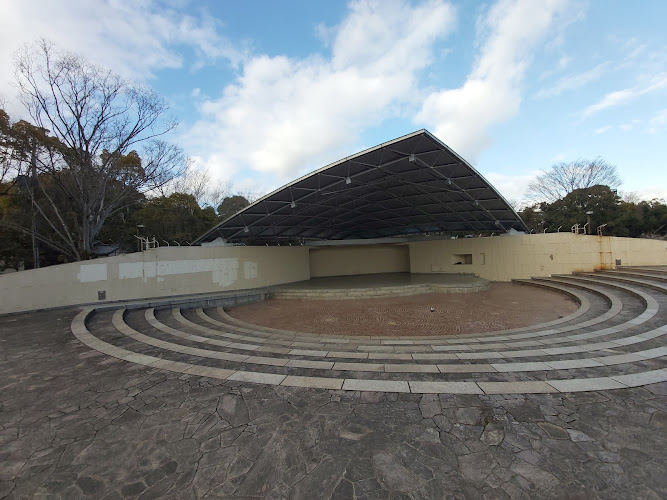
Shirotopia Memorial Park
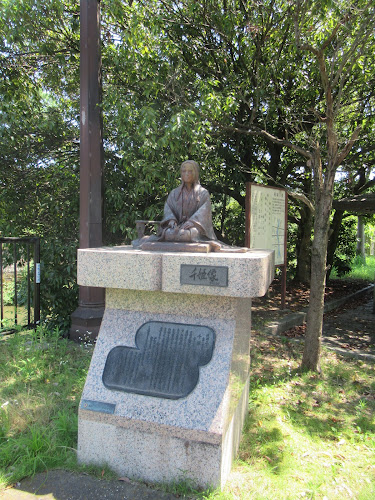
Princess Sen Sedentary Statue
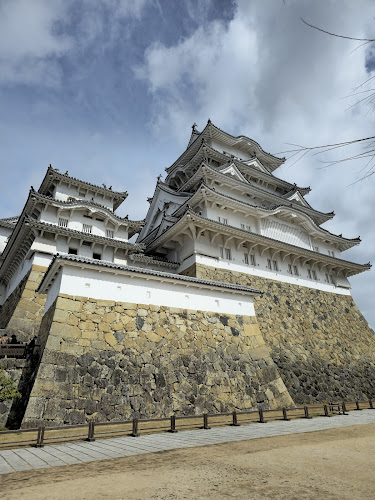
Himeji Castle
Find Accommodations Nearby
Recommended Tours & Activities
Visitor Reviews
There are no reviews yet. Be the first one to write one.
Share Your Experience
Have you visited Himeji Park? Help other travelers by leaving a review.