
Shaxizhen
About Shaxizhen
Description
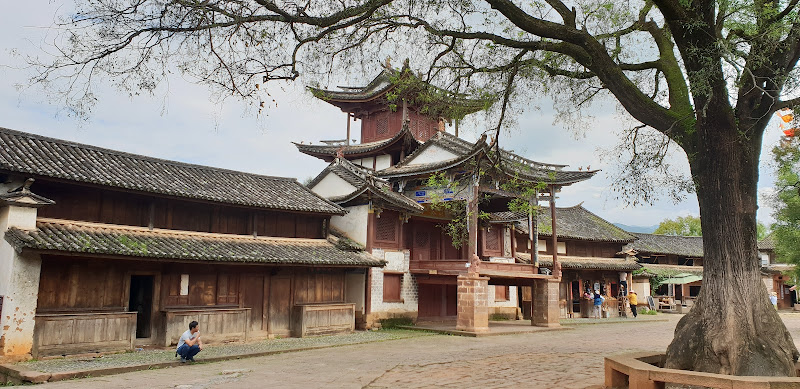
Shaxizhen, more often called Shaxi, is one of those rare towns that feels like time decided to slow down a notch. Tucked away in Yunnan’s Jianchuan County, it sits comfortably between Dali and Lijiang, which makes it a natural stop if you’re wandering through this part of China. What makes Shaxi stand out is its history as a vital hub on the ancient Tea Horse Road, where caravans once trailed through with tea, salt, and horses. You can still sense that energy in the cobblestones of Sideng market square, which was recognized by the World Monuments Watch back in 2001 for its cultural significance.
The town isn’t overly polished, and that’s exactly its charm. Some travelers will find it rustic, even a little rough around the edges, while others see it as refreshingly authentic. Personally, I lean toward the latter. Walking through its narrow alleys, you’ll notice wooden Bai-style homes, fading murals, and locals who still gather in the square like they’ve done for centuries. It’s not a place that tries to impress you with flashy attractions—it’s more about the slow rhythm of life, the smell of fresh noodles steaming in a roadside stall, or the sound of a farmer leading his mule across the stones. There’s a humility about Shaxi that’s hard to find elsewhere.
Key Features
- Sideng Market Square – the heart of the town, with centuries-old stonework and traditional Bai architecture
- Ancient Tea Horse Road heritage – traces of caravan history still visible in the layout and atmosphere
- Local Bai culture – from the food to the festivals, the Bai minority’s traditions are alive and well
- Temples and old theaters – small but meaningful cultural landmarks tucked into the town
- Surrounding countryside – rice fields, terraced hills, and hiking paths that lead to small villages
- Weekly Friday market – a gathering of locals from surrounding villages selling produce, crafts, and livestock
Best Time to Visit
If you ask me, spring (March to May) and autumn (September to November) are the sweet spots for visiting Shaxi. The weather is mild, the fields are either bursting with green or golden with harvest, and the skies are usually clear enough for long walks. Summer can be warm and a little sticky, with the occasional rainstorm that leaves the streets slick and shiny. Winter, on the other hand, can feel quiet—sometimes too quiet—but the crisp air and fewer tourists make it appealing if you’re after solitude. I once visited in late October and found myself sitting in the square sipping tea while the farmers brought in their harvest. It felt like watching a living painting.
How to Get There
Reaching Shaxi requires a bit of patience, but that’s part of the adventure. Most travelers come from either Dali or Lijiang. From Dali, you can take a bus toward Jianchuan and then hop on a smaller local bus or minivan that heads directly to Shaxi. The ride is a couple of hours, winding through mountain roads that sometimes make you question whether you should’ve skipped breakfast. From Lijiang, it’s a similar process—bus to Jianchuan, then transfer. For those who prefer less hassle, hiring a private driver is an option, though it’s pricier. Once you arrive, the town itself is small enough to explore entirely on foot. And honestly, walking is the best way to soak it all in.
Tips for Visiting
First, don’t rush. Shaxi isn’t the kind of place you “do” in a day. Give yourself at least two nights if you can. That way you’ll catch the market day, wander the countryside, and still have time to just sit in a teahouse watching daily life unfold. Second, bring cash. While some guesthouses and cafés might accept mobile payments, smaller vendors often don’t. Also, the cobblestones can be uneven, so comfortable shoes are a must—I learned the hard way when I wore sandals and nearly twisted an ankle.
If you’re into photography, mornings are magical. The light spills into the square in a way that makes even the simplest scenes look cinematic. And if you’re the kind of traveler who likes connecting with locals, learn a few basic words in Mandarin or Bai—it goes a long way. Lastly, remember that Shaxi is still very much a living town, not a museum. Be respectful when taking photos, especially of people, and don’t expect everything to be polished for tourists. That’s what makes it special.
To me, Shaxi feels like a reminder of why we travel in the first place: to slow down, to listen, and to connect with places that carry stories deeper than the surface. It’s not perfect, and that’s exactly why it stays with you long after you’ve left.
Key Features
- Sideng Market Square – the heart of the town, with centuries-old stonework and traditional Bai architecture
- Ancient Tea Horse Road heritage – traces of caravan history still visible in the layout and atmosphere
- Local Bai culture – from the food to the festivals, the Bai minority’s traditions are alive and well
- Temples and old theaters – small but meaningful cultural landmarks tucked into the town
- Surrounding countryside – rice fields, terraced hills, and hiking paths that lead to small villages
- Weekly Friday market – a gathering of locals from surrounding villages selling produce, crafts, and livestock
More Details
Updated September 23, 2025
Table of Contents
Description
Shaxizhen, more often called Shaxi, is one of those rare towns that feels like time decided to slow down a notch. Tucked away in Yunnan’s Jianchuan County, it sits comfortably between Dali and Lijiang, which makes it a natural stop if you’re wandering through this part of China. What makes Shaxi stand out is its history as a vital hub on the ancient Tea Horse Road, where caravans once trailed through with tea, salt, and horses. You can still sense that energy in the cobblestones of Sideng market square, which was recognized by the World Monuments Watch back in 2001 for its cultural significance.
The town isn’t overly polished, and that’s exactly its charm. Some travelers will find it rustic, even a little rough around the edges, while others see it as refreshingly authentic. Personally, I lean toward the latter. Walking through its narrow alleys, you’ll notice wooden Bai-style homes, fading murals, and locals who still gather in the square like they’ve done for centuries. It’s not a place that tries to impress you with flashy attractions—it’s more about the slow rhythm of life, the smell of fresh noodles steaming in a roadside stall, or the sound of a farmer leading his mule across the stones. There’s a humility about Shaxi that’s hard to find elsewhere.
Key Features
- Sideng Market Square – the heart of the town, with centuries-old stonework and traditional Bai architecture
- Ancient Tea Horse Road heritage – traces of caravan history still visible in the layout and atmosphere
- Local Bai culture – from the food to the festivals, the Bai minority’s traditions are alive and well
- Temples and old theaters – small but meaningful cultural landmarks tucked into the town
- Surrounding countryside – rice fields, terraced hills, and hiking paths that lead to small villages
- Weekly Friday market – a gathering of locals from surrounding villages selling produce, crafts, and livestock
Best Time to Visit
If you ask me, spring (March to May) and autumn (September to November) are the sweet spots for visiting Shaxi. The weather is mild, the fields are either bursting with green or golden with harvest, and the skies are usually clear enough for long walks. Summer can be warm and a little sticky, with the occasional rainstorm that leaves the streets slick and shiny. Winter, on the other hand, can feel quiet—sometimes too quiet—but the crisp air and fewer tourists make it appealing if you’re after solitude. I once visited in late October and found myself sitting in the square sipping tea while the farmers brought in their harvest. It felt like watching a living painting.
How to Get There
Reaching Shaxi requires a bit of patience, but that’s part of the adventure. Most travelers come from either Dali or Lijiang. From Dali, you can take a bus toward Jianchuan and then hop on a smaller local bus or minivan that heads directly to Shaxi. The ride is a couple of hours, winding through mountain roads that sometimes make you question whether you should’ve skipped breakfast. From Lijiang, it’s a similar process—bus to Jianchuan, then transfer. For those who prefer less hassle, hiring a private driver is an option, though it’s pricier. Once you arrive, the town itself is small enough to explore entirely on foot. And honestly, walking is the best way to soak it all in.
Tips for Visiting
First, don’t rush. Shaxi isn’t the kind of place you “do” in a day. Give yourself at least two nights if you can. That way you’ll catch the market day, wander the countryside, and still have time to just sit in a teahouse watching daily life unfold. Second, bring cash. While some guesthouses and cafés might accept mobile payments, smaller vendors often don’t. Also, the cobblestones can be uneven, so comfortable shoes are a must—I learned the hard way when I wore sandals and nearly twisted an ankle.
If you’re into photography, mornings are magical. The light spills into the square in a way that makes even the simplest scenes look cinematic. And if you’re the kind of traveler who likes connecting with locals, learn a few basic words in Mandarin or Bai—it goes a long way. Lastly, remember that Shaxi is still very much a living town, not a museum. Be respectful when taking photos, especially of people, and don’t expect everything to be polished for tourists. That’s what makes it special.
To me, Shaxi feels like a reminder of why we travel in the first place: to slow down, to listen, and to connect with places that carry stories deeper than the surface. It’s not perfect, and that’s exactly why it stays with you long after you’ve left.
Key Highlights
- Sideng Market Square – the heart of the town, with centuries-old stonework and traditional Bai architecture
- Ancient Tea Horse Road heritage – traces of caravan history still visible in the layout and atmosphere
- Local Bai culture – from the food to the festivals, the Bai minority’s traditions are alive and well
- Temples and old theaters – small but meaningful cultural landmarks tucked into the town
- Surrounding countryside – rice fields, terraced hills, and hiking paths that lead to small villages
- Weekly Friday market – a gathering of locals from surrounding villages selling produce, crafts, and livestock
Location
Places to Stay Near Shaxizhen
Find and Book a Tour
Explore More Travel Guides
No reviews found! Be the first to review!
Traveler Reviews for Shaxizhen
There are no reviews yet. Be the first one to write one.
Have you visited Shaxizhen? Help other travelers by sharing your review.
You Might Also Like
Diancang Shan
Cangshan Scenic Area
Dali Zhangjia Garden
Find Accommodations Nearby
Recommended Tours & Activities
Visitor Reviews
There are no reviews yet. Be the first one to write one.
Share Your Experience
Have you visited Shaxizhen? Help other travelers by leaving a review.