
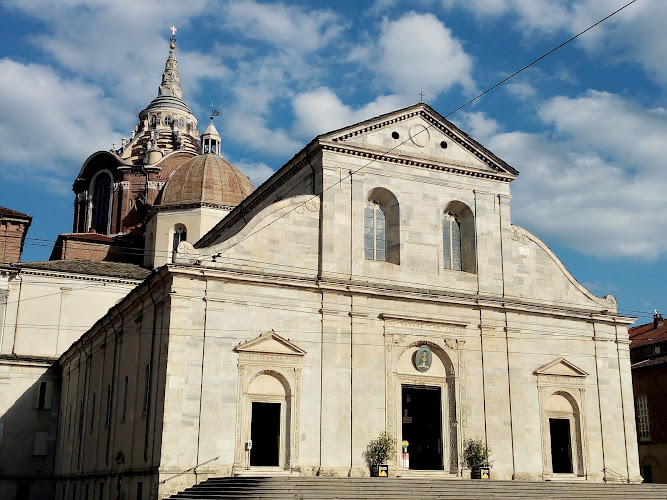
Cattedrale di San Giovanni Battista
About Cattedrale di San Giovanni Battista
Description
The Cattedrale di San Giovanni Battista is one of those places that feels both quietly humbling and larger than life at the same time. Built at the end of the 15th century under the commission of Bishop Domenico della Rovere, it stands today as the main cathedral of Turin and the beating heart of the city’s Catholic tradition. Dedicated to St. John the Baptist, the patron saint of Turin, the cathedral is perhaps most famous for housing the Shroud of Turin, a relic that has fascinated believers and skeptics alike for centuries. Whether you’re here for faith, history, or simply the architecture, this cathedral has a way of leaving its mark on you.
Walking through its doors, you immediately notice the contrast between the plain Renaissance façade and the richness of what lies inside. The cathedral is not overly ornate compared to some Italian churches, but that’s part of its charm. It feels approachable, almost like it’s inviting you to linger, to look closer, to reflect. The adjacent Chapel of the Holy Shroud, designed by Guarino Guarini in the 1600s, is a masterpiece in itself, though it has undergone restorations after a devastating fire in the late 20th century. The bell tower, dating back to the 15th century, watches over the square and adds a striking vertical accent to the skyline.
Visitors often describe the atmosphere as serene and contemplative, though some find it less visually overwhelming than other Italian cathedrals. And honestly, that’s fair—if you’re expecting gilded ceilings and endless frescoes, you might be underwhelmed. But if you lean into the history, the symbolism, and the quiet weight of centuries of devotion, it’s hard not to be moved. Personally, I found myself lingering longer than I planned, just watching how the light shifted across the marble floor and thinking about how many people had stood in the same spot before me.
Key Features
- The Chapel of the Holy Shroud, designed by Guarino Guarini, where the Shroud of Turin is kept (though it is only displayed on rare occasions)
- A Renaissance-style façade that contrasts with the more elaborate interiors of many Italian cathedrals
- The 15th-century bell tower, offering an iconic silhouette against Turin’s skyline
- Accessible entrance and onsite services, making it a welcoming stop for all travelers
- A quiet, reflective atmosphere often described as peaceful compared to the busier churches of Rome or Florence
Best Time to Visit
The cathedral is open year-round, but timing your visit can make all the difference. Mornings tend to be quieter, especially on weekdays, which is perfect if you want to explore without the distraction of large crowds. If you’re hoping to attend a service, Sundays are naturally more lively, though keep in mind that this is an active place of worship, so be respectful of ceremonies. Spring and autumn are particularly pleasant seasons in Turin, with mild weather that makes strolling around the piazza after your visit a joy. In summer, the cathedral offers a cool retreat from the heat, while winter brings a certain solemn charm, especially around Christmas when the city itself feels magical.
Special exhibitions of the Shroud of Turin are rare but extraordinary events that draw visitors from around the world. If you happen to be in Turin during one of these displays, consider yourself lucky—it’s a once-in-a-lifetime experience. But even when the shroud isn’t on view, the cathedral’s connection to it adds a certain gravity to your visit.
How to Get There
Reaching the cathedral is straightforward if you’re already in Turin. It’s located right in the historic center, a short walk from landmarks like Palazzo Reale and Piazza Castello. If you’re staying in the city, you can easily get there on foot or by using local trams and buses, which stop nearby. For those arriving by train, Porta Nuova station is about a 20-minute walk, or a quick tram ride away. Driving isn’t the most convenient option, as parking in the city center can be a headache, but if you must, there are paid garages within walking distance.
Honestly, the best way to approach the cathedral is on foot. Turin’s streets are made for wandering, and you’ll get to soak in the atmosphere of the city as you make your way there. Plus, stumbling upon the cathedral as it suddenly comes into view has a kind of magic that’s lost if you just hop out of a cab right in front of it.
Tips for Visiting
First and foremost, remember that this is not just a tourist attraction but a living place of worship. Dress modestly—shoulders covered, nothing too revealing—and keep your voice down inside. It’s a small gesture, but it goes a long way in showing respect. Photography is allowed in most areas, but avoid flash, especially during services.
If you’re hoping for a quieter experience, aim for early mornings. I once visited just after opening and had the rare chance to sit in near silence for a good half hour before the crowds trickled in. It was one of those moments that stays with you, the kind that makes travel feel deeply personal. And don’t rush—give yourself time to take in the details, from the marble altars to the intricate design of the Chapel of the Holy Shroud.
Accessibility is generally good, with a wheelchair-accessible entrance, which makes it easier for all travelers to enjoy. Families with kids might find the visit shorter, as young ones may not be as captivated by the history, but the open piazza outside gives them space to stretch their legs afterward.
One final tip: combine your visit with nearby attractions. The Royal Palace of Turin and the Palazzo Madama are just a stone’s throw away, and exploring them together makes for a full, rewarding day. Grab a coffee or gelato at one of the nearby cafés when you’re done—you’ll want a moment to reflect and recharge after soaking up so much history.
In the end, the Cattedrale di San Giovanni Battista isn’t the flashiest cathedral in Italy, but it doesn’t need to be. It’s a place of quiet power, of history layered upon history, and of faith that has endured through centuries. Whether you come for the Shroud, the architecture, or just the experience of standing in a place that has seen so much, you’ll leave with something—maybe not a photo-worthy wow moment, but something subtler, deeper, and perhaps more lasting.
Key Features
- The Chapel of the Holy Shroud, designed by Guarino Guarini, where the Shroud of Turin is kept (though it is only displayed on rare occasions)
- A Renaissance-style façade that contrasts with the more elaborate interiors of many Italian cathedrals
- The 15th-century bell tower, offering an iconic silhouette against Turin’s skyline
- Accessible entrance and onsite services, making it a welcoming stop for all travelers
- A quiet, reflective atmosphere often described as peaceful compared to the busier churches of Rome or Florence
More Details
Updated September 24, 2025
Table of Contents
- Description
- Key Features
- Best Time to Visit
- How to Get There
- Tips for Visiting
- Key Highlights
- Location
- Places to Stay Near Cattedrale di San Giovanni Battista
- Find and Book a Tour
- Explore More Travel Guides
- Nearby Places You Might Like
- Traveler Reviews for Cattedrale di San Giovanni Battista
- Share Your Experience
Description
The Cattedrale di San Giovanni Battista is one of those places that feels both quietly humbling and larger than life at the same time. Built at the end of the 15th century under the commission of Bishop Domenico della Rovere, it stands today as the main cathedral of Turin and the beating heart of the city’s Catholic tradition. Dedicated to St. John the Baptist, the patron saint of Turin, the cathedral is perhaps most famous for housing the Shroud of Turin, a relic that has fascinated believers and skeptics alike for centuries. Whether you’re here for faith, history, or simply the architecture, this cathedral has a way of leaving its mark on you.
Walking through its doors, you immediately notice the contrast between the plain Renaissance façade and the richness of what lies inside. The cathedral is not overly ornate compared to some Italian churches, but that’s part of its charm. It feels approachable, almost like it’s inviting you to linger, to look closer, to reflect. The adjacent Chapel of the Holy Shroud, designed by Guarino Guarini in the 1600s, is a masterpiece in itself, though it has undergone restorations after a devastating fire in the late 20th century. The bell tower, dating back to the 15th century, watches over the square and adds a striking vertical accent to the skyline.
Visitors often describe the atmosphere as serene and contemplative, though some find it less visually overwhelming than other Italian cathedrals. And honestly, that’s fair—if you’re expecting gilded ceilings and endless frescoes, you might be underwhelmed. But if you lean into the history, the symbolism, and the quiet weight of centuries of devotion, it’s hard not to be moved. Personally, I found myself lingering longer than I planned, just watching how the light shifted across the marble floor and thinking about how many people had stood in the same spot before me.
Key Features
- The Chapel of the Holy Shroud, designed by Guarino Guarini, where the Shroud of Turin is kept (though it is only displayed on rare occasions)
- A Renaissance-style façade that contrasts with the more elaborate interiors of many Italian cathedrals
- The 15th-century bell tower, offering an iconic silhouette against Turin’s skyline
- Accessible entrance and onsite services, making it a welcoming stop for all travelers
- A quiet, reflective atmosphere often described as peaceful compared to the busier churches of Rome or Florence
Best Time to Visit
The cathedral is open year-round, but timing your visit can make all the difference. Mornings tend to be quieter, especially on weekdays, which is perfect if you want to explore without the distraction of large crowds. If you’re hoping to attend a service, Sundays are naturally more lively, though keep in mind that this is an active place of worship, so be respectful of ceremonies. Spring and autumn are particularly pleasant seasons in Turin, with mild weather that makes strolling around the piazza after your visit a joy. In summer, the cathedral offers a cool retreat from the heat, while winter brings a certain solemn charm, especially around Christmas when the city itself feels magical.
Special exhibitions of the Shroud of Turin are rare but extraordinary events that draw visitors from around the world. If you happen to be in Turin during one of these displays, consider yourself lucky—it’s a once-in-a-lifetime experience. But even when the shroud isn’t on view, the cathedral’s connection to it adds a certain gravity to your visit.
How to Get There
Reaching the cathedral is straightforward if you’re already in Turin. It’s located right in the historic center, a short walk from landmarks like Palazzo Reale and Piazza Castello. If you’re staying in the city, you can easily get there on foot or by using local trams and buses, which stop nearby. For those arriving by train, Porta Nuova station is about a 20-minute walk, or a quick tram ride away. Driving isn’t the most convenient option, as parking in the city center can be a headache, but if you must, there are paid garages within walking distance.
Honestly, the best way to approach the cathedral is on foot. Turin’s streets are made for wandering, and you’ll get to soak in the atmosphere of the city as you make your way there. Plus, stumbling upon the cathedral as it suddenly comes into view has a kind of magic that’s lost if you just hop out of a cab right in front of it.
Tips for Visiting
First and foremost, remember that this is not just a tourist attraction but a living place of worship. Dress modestly—shoulders covered, nothing too revealing—and keep your voice down inside. It’s a small gesture, but it goes a long way in showing respect. Photography is allowed in most areas, but avoid flash, especially during services.
If you’re hoping for a quieter experience, aim for early mornings. I once visited just after opening and had the rare chance to sit in near silence for a good half hour before the crowds trickled in. It was one of those moments that stays with you, the kind that makes travel feel deeply personal. And don’t rush—give yourself time to take in the details, from the marble altars to the intricate design of the Chapel of the Holy Shroud.
Accessibility is generally good, with a wheelchair-accessible entrance, which makes it easier for all travelers to enjoy. Families with kids might find the visit shorter, as young ones may not be as captivated by the history, but the open piazza outside gives them space to stretch their legs afterward.
One final tip: combine your visit with nearby attractions. The Royal Palace of Turin and the Palazzo Madama are just a stone’s throw away, and exploring them together makes for a full, rewarding day. Grab a coffee or gelato at one of the nearby cafés when you’re done—you’ll want a moment to reflect and recharge after soaking up so much history.
In the end, the Cattedrale di San Giovanni Battista isn’t the flashiest cathedral in Italy, but it doesn’t need to be. It’s a place of quiet power, of history layered upon history, and of faith that has endured through centuries. Whether you come for the Shroud, the architecture, or just the experience of standing in a place that has seen so much, you’ll leave with something—maybe not a photo-worthy wow moment, but something subtler, deeper, and perhaps more lasting.
Key Highlights
- The Chapel of the Holy Shroud, designed by Guarino Guarini, where the Shroud of Turin is kept (though it is only displayed on rare occasions)
- A Renaissance-style façade that contrasts with the more elaborate interiors of many Italian cathedrals
- The 15th-century bell tower, offering an iconic silhouette against Turin’s skyline
- Accessible entrance and onsite services, making it a welcoming stop for all travelers
- A quiet, reflective atmosphere often described as peaceful compared to the busier churches of Rome or Florence
Location
Places to Stay Near Cattedrale di San Giovanni Battista
Find and Book a Tour
Explore More Travel Guides
No reviews found! Be the first to review!
Traveler Reviews for Cattedrale di San Giovanni Battista
There are no reviews yet. Be the first one to write one.
Have you visited Cattedrale di San Giovanni Battista? Help other travelers by sharing your review.
You Might Also Like
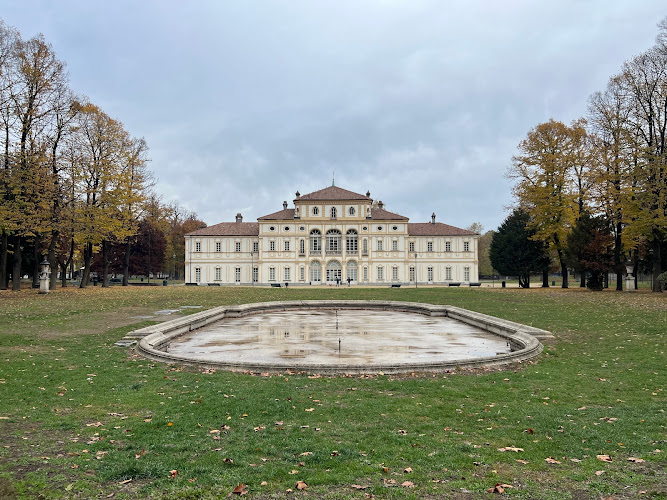
Villa Tesoriera or Sartirana

Piazza Carlo Alberto
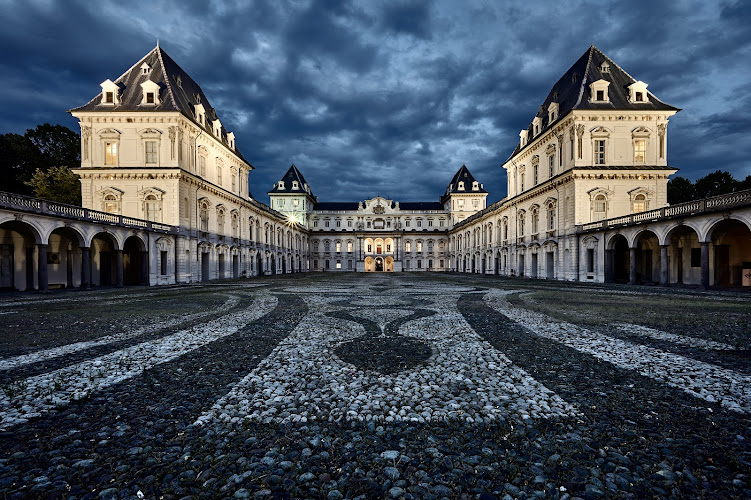
Castello del Valentino
Find Accommodations Nearby
Recommended Tours & Activities
Visitor Reviews
There are no reviews yet. Be the first one to write one.
Share Your Experience
Have you visited Cattedrale di San Giovanni Battista? Help other travelers by leaving a review.