Where to Stay in the Cotswolds: Best Areas & Hotels for Every Budget
Updated December 26, 2025
Picking where to stay in the Cotswolds can get overwhelming—there are just so many villages and country inns to choose from. Some places put you right by the main sights, others are all about peace, stone cottages, and rolling hills.
The best spot for you? It really depends on your style. If you want easy access to everything, Stow-on-the-Wold works well. If you’re after slow, countryside days, try Bibury or Broadway.
Let’s break things down so you can match your plans to the right area. I’ve sorted the region into sections, highlighting what makes each town tick—walking trails, old squares, farm stays, boutique hotels. I’ve done the legwork so you don’t have to spend hours comparing.
Key Takeaways
- Choose a Cotswolds base that matches your pace and vibe.
- Options range from classic inns to unique countryside stays.
- One clear guide to compare top towns and plan your trip fast.
Table of Contents
- Best Areas to Stay in the Cotswolds
- 1. Bourton-on-the-Water
- 2. Stow-on-the-Wold
- 3. Bibury
- 4. Broadway
- Accommodation Types in the Cotswolds
- Country House Hotels
- Luxury Retreats
- Boutique Hotels
- Self-Catering & Unique Stays
- Holiday Cottages
- Manor Cottages
- Campsites
- Family-Friendly & Outdoor Options
- Family-Friendly Activities
- Cotswold Wildlife Park & Model Village
- Cotswold Water Park
- Nearby Towns & City Access
- Cirencester
- Burford
- Bristol
- Historic Sites and Garden Retreats
- Blenheim Palace
- Hidcote Manor Garden
- Westonbirt Arboretum
- Frequently Asked Questions
- What are the top family-friendly accommodations in the Cotswolds?
- Which Cotswolds town offers the most charming and romantic stay for couples?
- Can you recommend the best Cotswolds villages for a weekend getaway?
- Where should I stay in the Cotswolds to enjoy the best walking routes?
- How do I choose the perfect Cotswolds accommodation with convenient parking?
- Which Cotswolds locations offer the quintessential winter stay experience?
- Book Your Dream Experience
- More Travel Guides
Best Areas to Stay in the Cotswolds
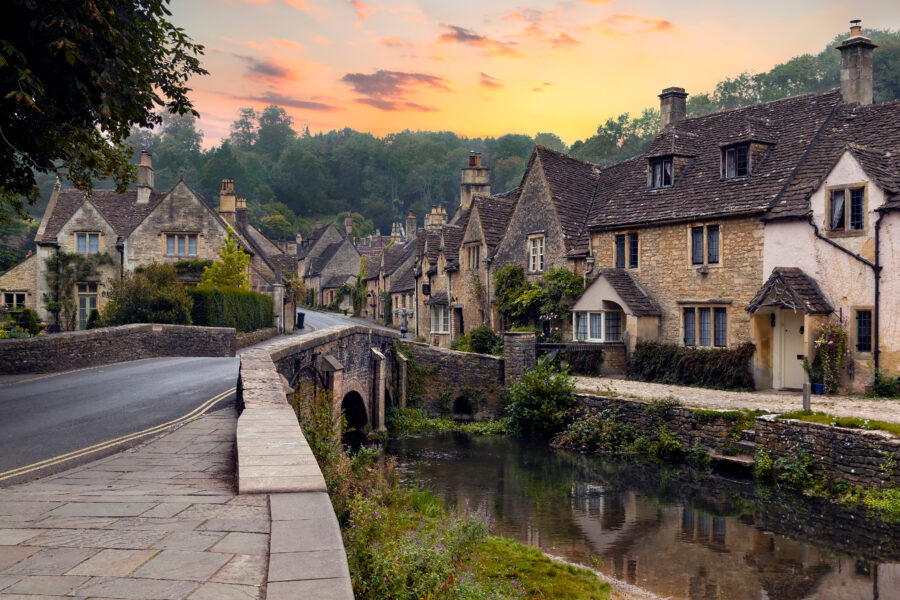
Some towns here are made for lazy mornings and long walks. Others are perfect if you want to hop around by car.
Each spot has its own feel—some buzz with shops and cafés, others sit quietly by winding rivers. Where you stay really shapes your trip.
1. Bourton-on-the-Water
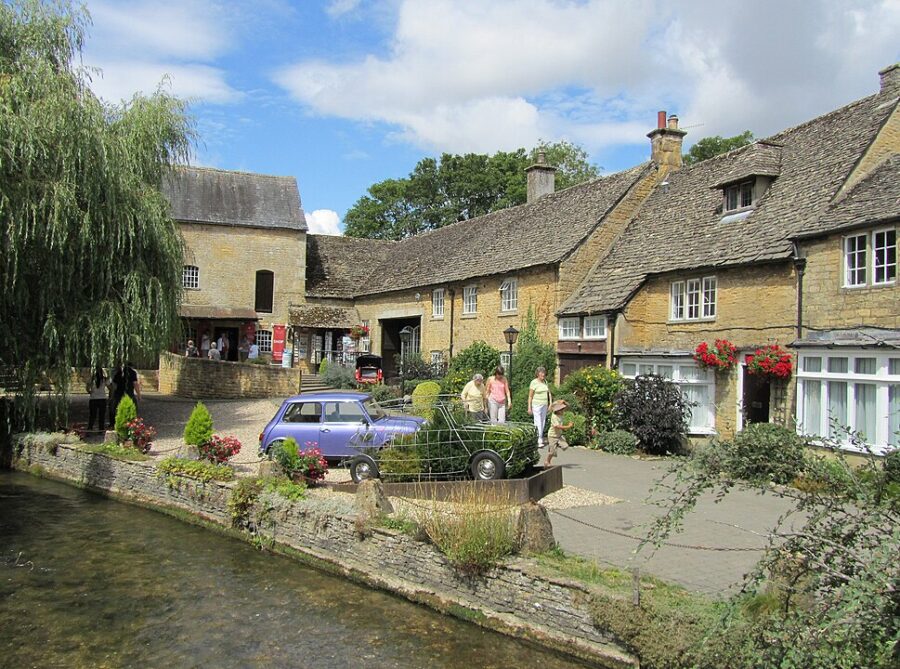
Bourton-on-the-Water hugs the River Windrush—that’s what sets it apart. Those little stone bridges? They’re the reason it’s so famous on postcards.
Mornings here are special, especially before the day-trippers show up. The sound of the river under the bridges is honestly soothing.
You’ll be right in the center of things: museums, tea rooms, family-run inns, all within walking distance. If you can snag a guesthouse along the river, do it. It’s central and easy to reach by car, plus you’re only ten minutes from Upper and Lower Slaughter.
Bourton’s lively during the day but calms down at night. Its location in the northern Cotswolds makes it a breeze to explore market towns nearby.
2. Stow-on-the-Wold
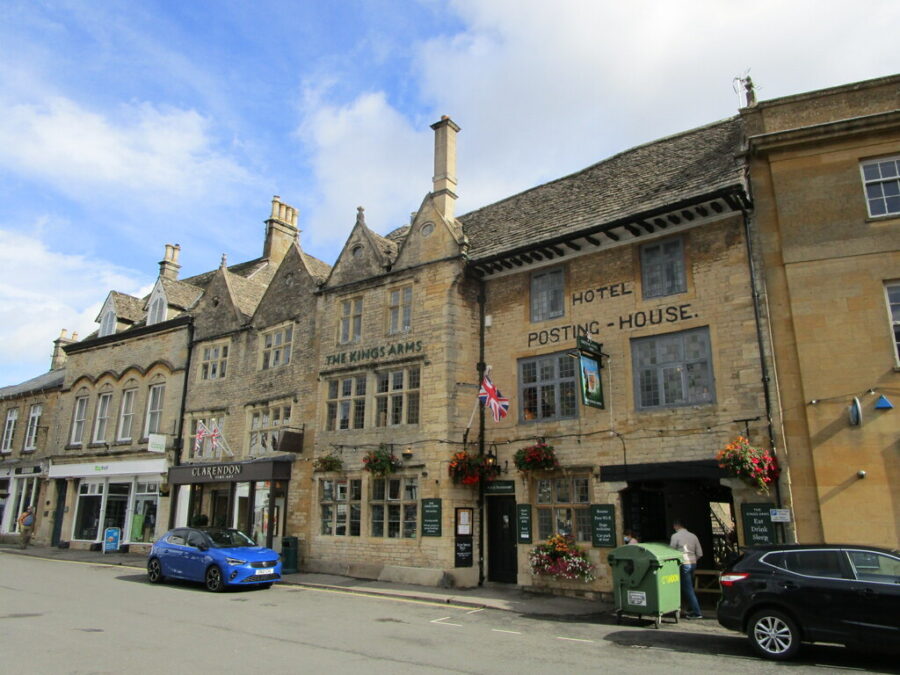
Stow-on-the-Wold stands out for its convenience and old-world charm. It’s one of the highest and most historic market towns here.
I like that everything’s close, but it never feels packed. The main square still has antique shops, bakeries, and pubs that look straight out of the 1800s.
It’s a solid base if you’re driving between villages. Go north to Broadway or south to Bourton in under half an hour. Stow’s central, so you spend more time exploring, less time driving.
Stay in a 17th-century inn with exposed beams or a modern boutique hotel just off the main road. Stow isn’t flashy—it’s steady, comfortable, and just makes sense.
3. Bibury
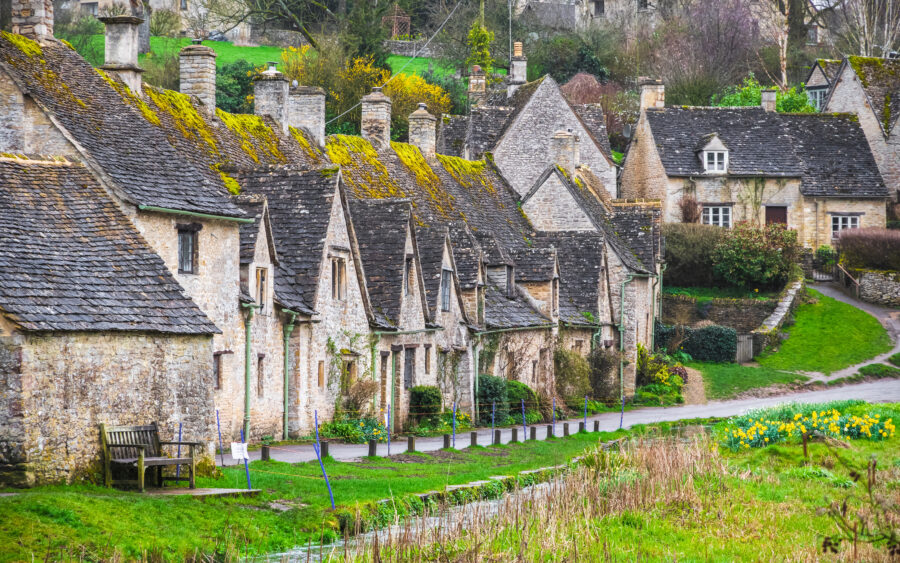
Bibury looks unreal—Arlington Row is one of the most photographed spots in the Cotswolds. The village follows the River Coln and is so small you can cross it in ten minutes. If you want real quiet, this is it.
I see Bibury as a place for slow days. Stay at The Swan Hotel by the river or rent a cottage on the outskirts. There’s not a huge list of things to do, but honestly, that’s the charm.
Bibury works for travelers who want to slow down—read in a garden, take short drives to Cirencester or Bourton, have long, relaxed dinners. It feels untouched, in the best way.
4. Broadway
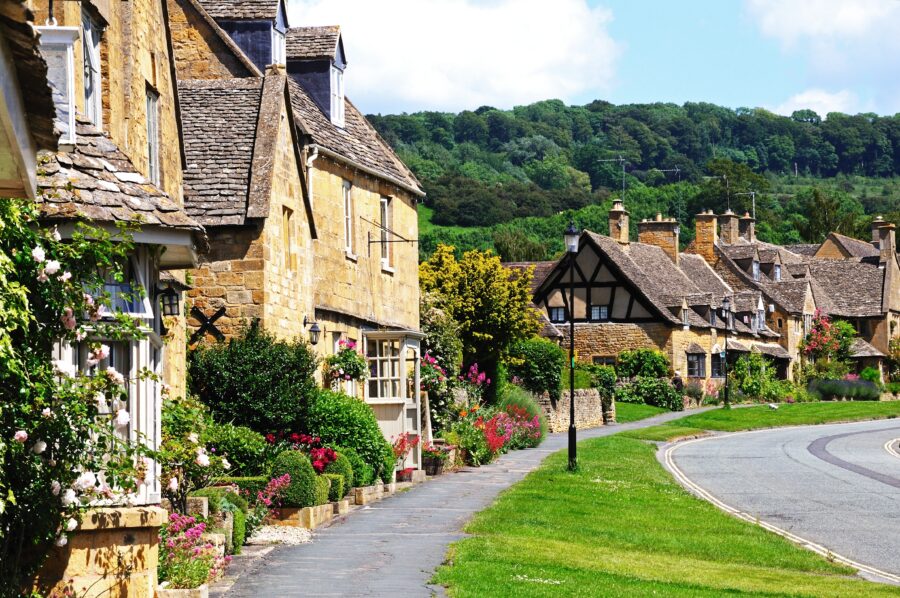
Broadway has a grand feel, more polished than most villages. The long High Street is lined with honey-colored buildings and galleries.
There’s a reason people call it the “Jewel of the Cotswolds.” You get good shopping, solid restaurants, and views all the way to Broadway Tower.
I usually recommend staying just outside the village. The Farncombe Estate has hotels like Dormy House and The Fish, with countryside trails right outside. Broadway connects easily to Chipping Campden and Snowshill, so short drives to sights are simple.
Spend your day in artisan shops, then have dinner by the fire. If you want rustic and refined together, Broadway nails it.
Accommodation Types in the Cotswolds
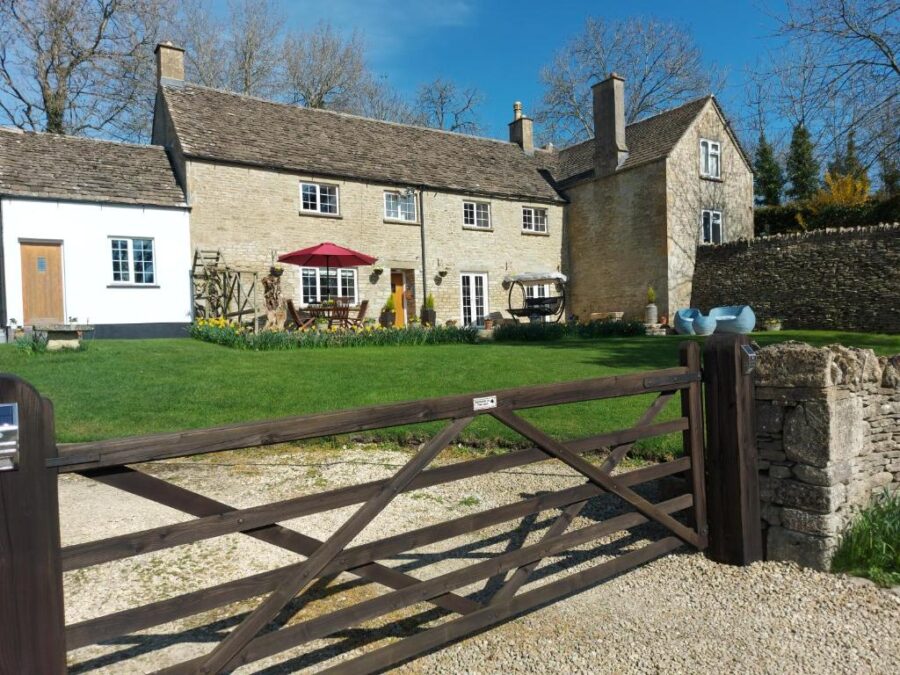
The Cotswolds delivers stays with real character—historic manor houses, small design hotels, and quiet luxury retreats where you can actually switch off. Each type has its own pace, from the buzz of a country estate to the hush of a spa.
Country House Hotels
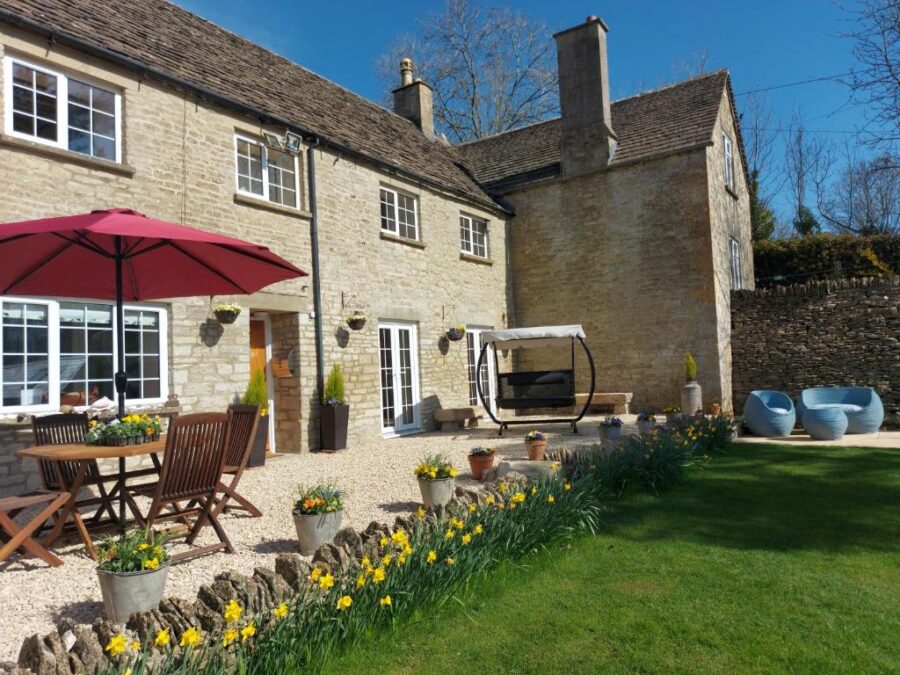
Country house hotels dot the hills and valleys, often converted from grand old homes. You get long drives, big lawns, and those oak-panelled halls that just feel right.
Most focus on local food—Cotswold lamb, cheeses, homegrown herbs. You’ll probably spend a good chunk of time eating or wandering the grounds. If you like places with real history and comfort—where the staff remembers your name by day two—this is your scene.
A couple of top choices: The Lygon Arms and Whatley Manor. Both balance heritage and warmth without being stuffy. For more Cotswolds accommodation, check country hotels online—it’s worth comparing what’s nearby.
Luxury Retreats
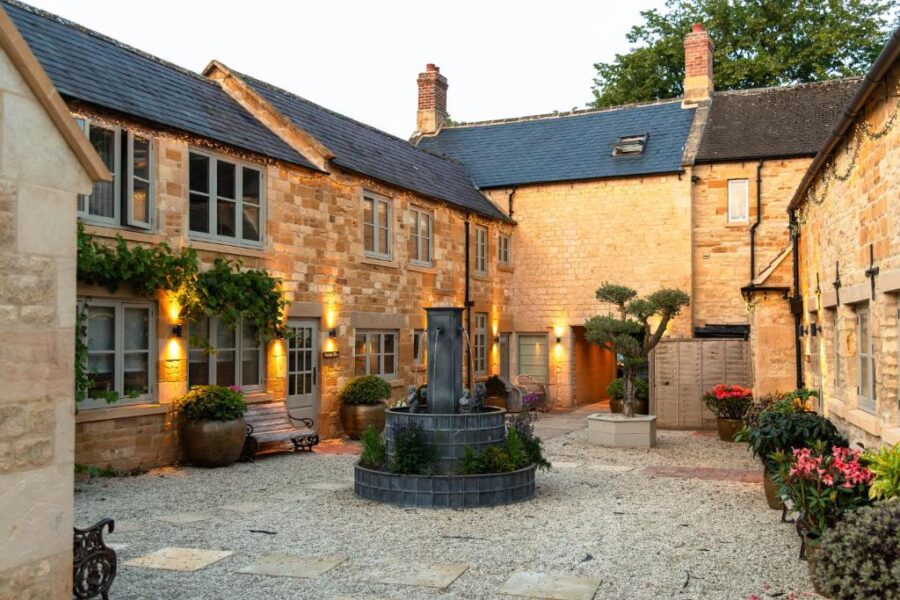
Luxury in the Cotswolds is more about calm and space than fancy décor. Think restored manor houses turned wellness sanctuaries, with outdoor hot tubs or small private spas.
You might find yoga in a converted barn, organic breakfasts, and spa therapists who actually remember you. Many luxury retreats host themed weekends—wine tasting, hiking, slow cooking.
They tend to draw couples or friends who want time away but still care about the details. Most are small enough to feel private, but social enough that you’ll meet people if you want.
Boutique Hotels
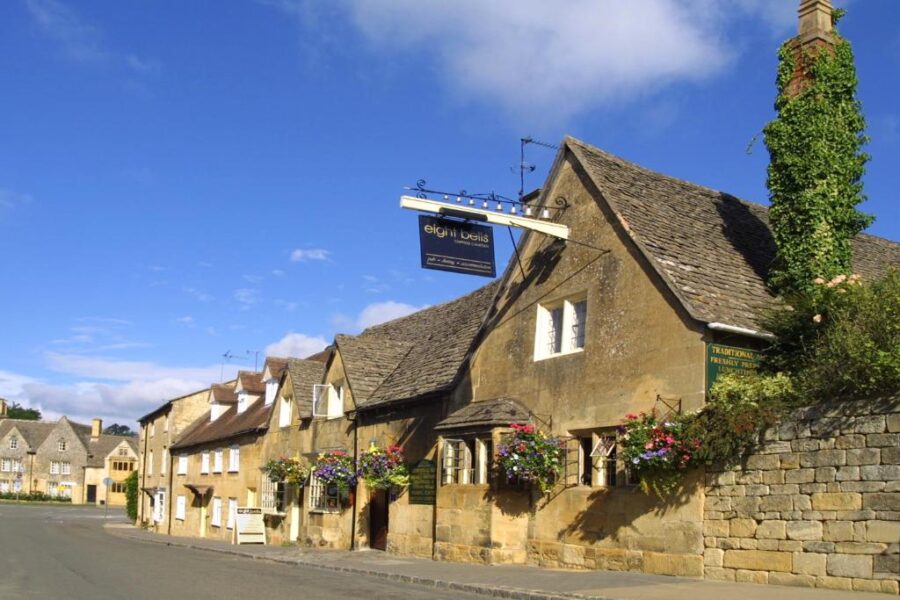
If you want personality, check out the boutique hotels in Cotswold market towns. Fewer rooms, bold interiors, and staff who actually chat with you. Ingleside House in Cirencester is a good example—bright art, strong coffee, and friendly service.
You’ll also spot guesthouses and bed and breakfasts with the same boutique feel, just smaller. They all have their own style: some focus on food and design, others on comfort and evenings by the fire. You end up somewhere that feels like it fits you, not the other way around.
See Related: Historic Castle Hotels in Europe Where Medieval Dreams Meet Modern Luxury
Self-Catering & Unique Stays
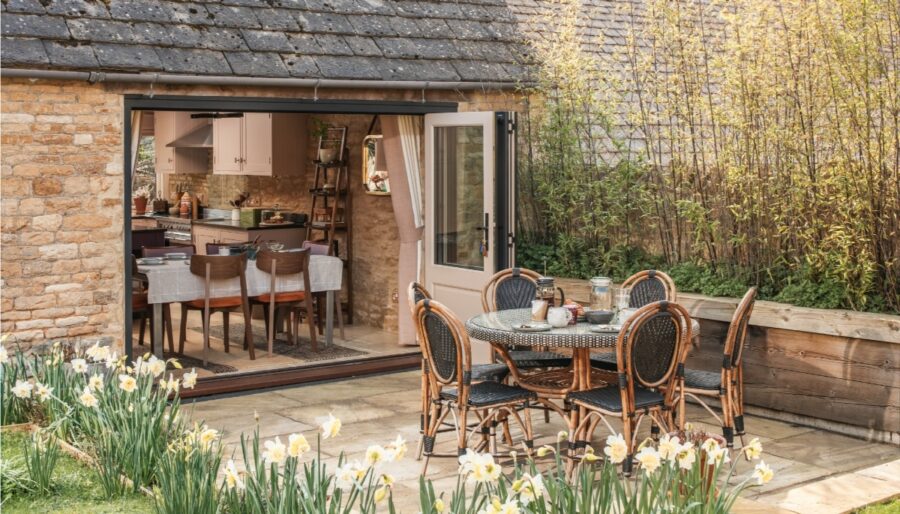
The Cotswolds is packed with self-catering options that feel personal and a little unexpected. Think hillside cottages with pizza ovens, centuries-old manor houses, or simple campsites by the river. You get comfort and independence, which is honestly refreshing.
Holiday Cottages
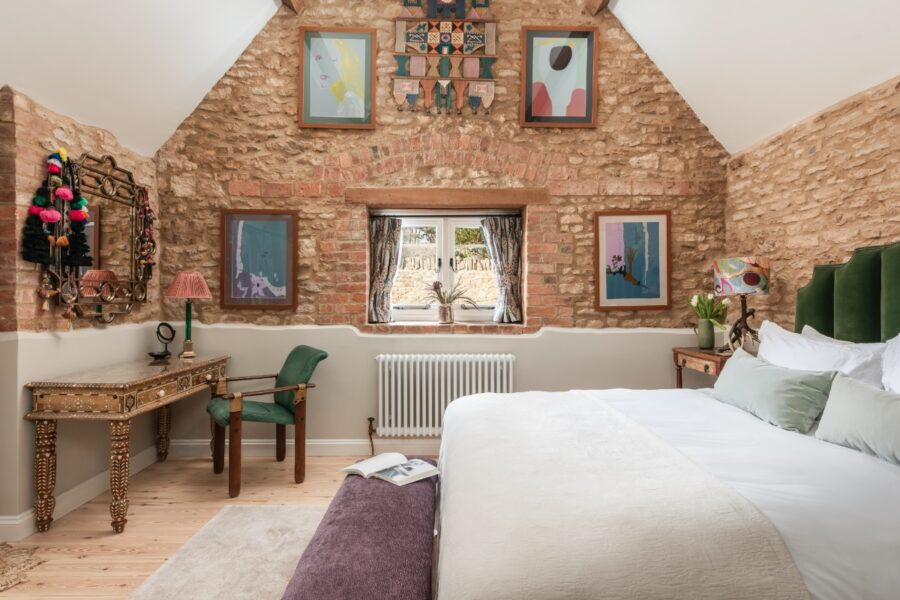
If you want your own space with a bit of luxury, holiday cottages are a great bet. Many are converted barns or shepherd huts now set up as self-catering hideaways.
Expect a blend of modern design and Cotswold stone charm. Some sleep two, others—like The Ruby Barn or The Walled Garden—fit families and come with fire pits, outdoor pools, or pizza ovens. Prices usually start around £1,000 a week, though it varies.
Most have little luxuries—Netflix, garden hot tubs, stocked kitchens. Grab groceries from a local market and you’ll eat better (and cheaper) than eating out every night.
Manor Cottages
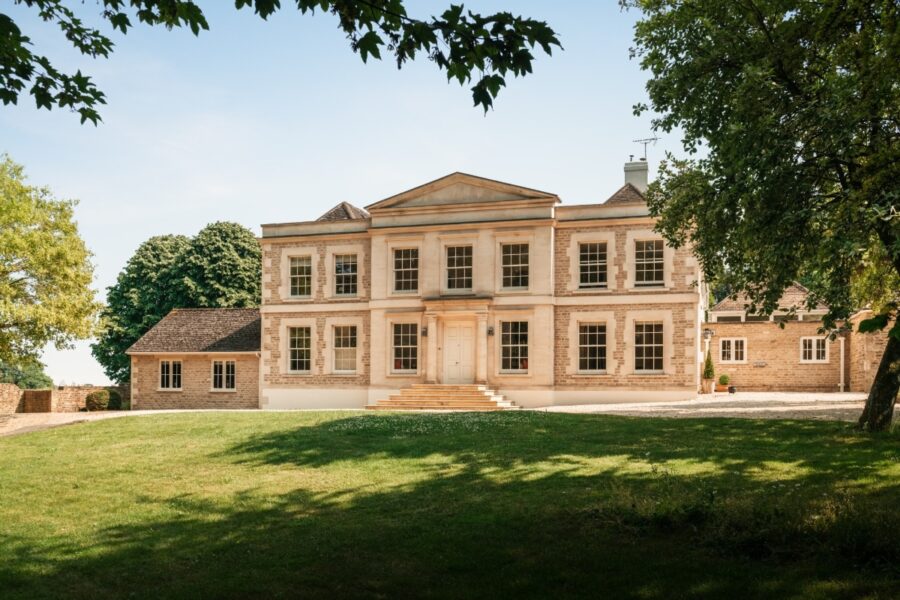
For something that feels straight out of an English novel, manor cottages and big estates stand out. Picture Georgian country houses with tennis courts, indoor pools, or small spa suites. They’re popular for family get-togethers or big celebrations.
Places like The Palladian near Cirencester or Gulliver’s Hall near Stroud are classic: big rooms, grand gardens, and plenty of history. Once you settle in, you might not even need a car—gardens, gym, even cinema rooms are right there.
These rentals work for people who want privacy without hotel formality. Sitting on a stone patio with morning coffee, watching mist roll through the fields? It’s easy to see the appeal.
Campsites
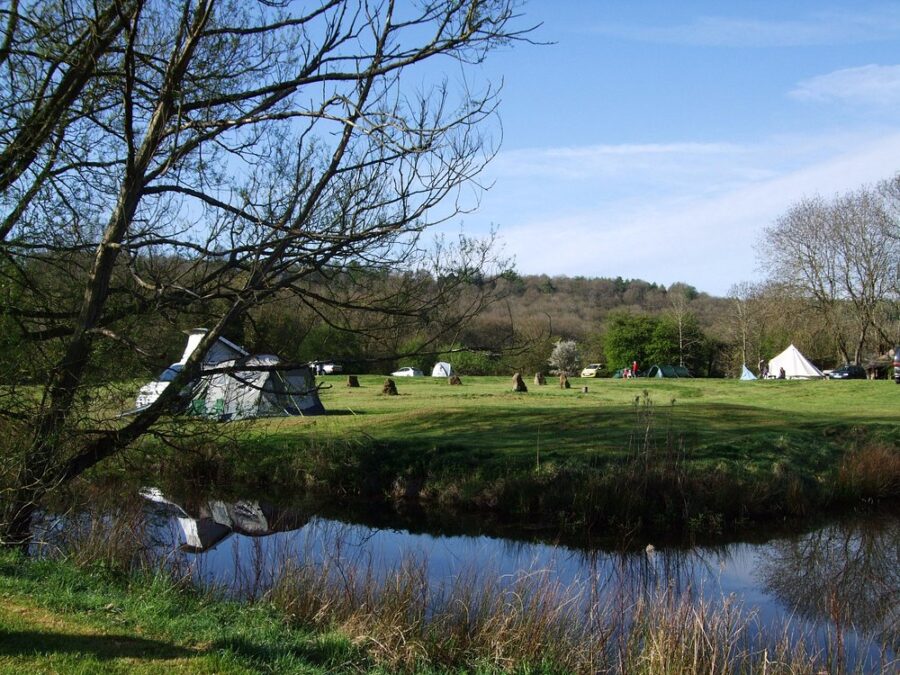
Not all Cotswolds stays come with velvet armchairs. Campsites offer a simpler way to enjoy the countryside. Many sit by lakes or rivers, with decent showers, small cafés, and hiking trails nearby.
One good spot near Chipping Norton lets you pitch beside an orchard. Others offer glamping tents or eco pods if you don’t want to bring your own gear. Even basic sites can surprise you—some have pop-up spas in converted horse trailers, so you can soak in a hot tub under the stars.
Bring sturdy shoes and a flashlight. Nights get dark, but that’s half the magic—quiet, clear skies, and owls instead of traffic. It’s not fancy, but it sticks with you.
Family-Friendly & Outdoor Options
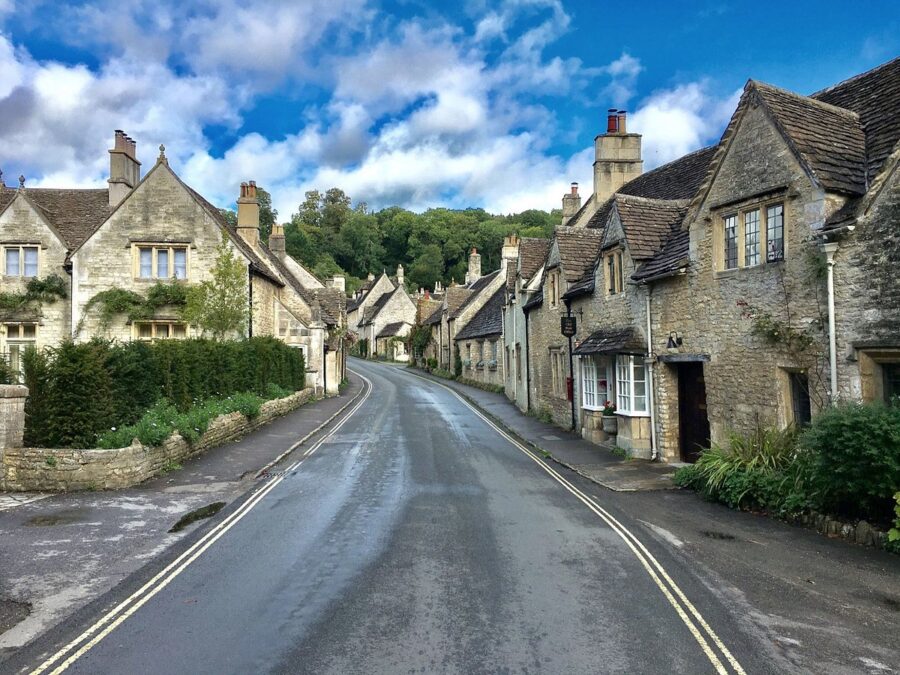
Families head to the Cotswolds for open-air fun and green spaces that invite everyone to explore. Country trails, farm visits, and lakeside parks fill days with the kind of relaxed fun you don’t always get elsewhere.
Family-Friendly Activities
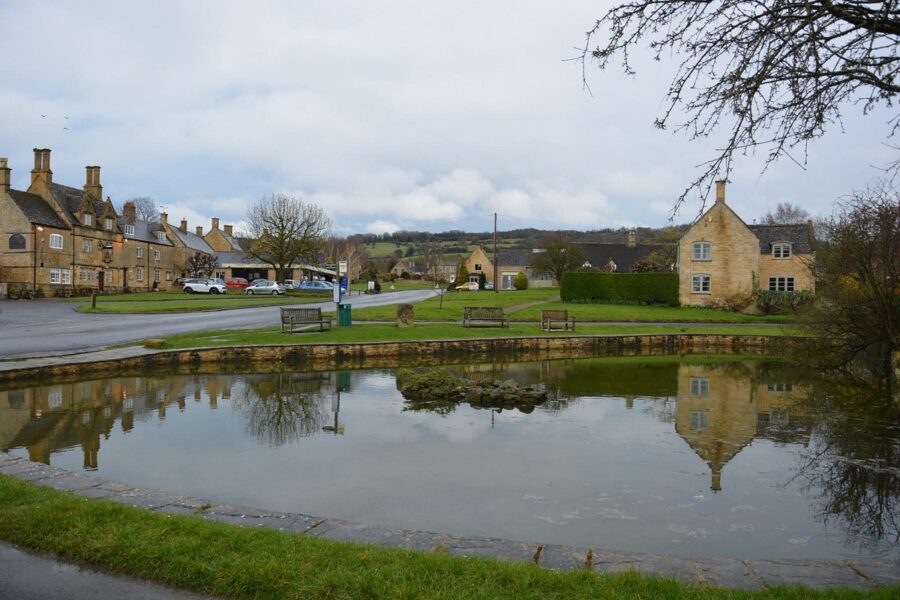
You’ll find plenty of ways to keep kids busy without screens. Many family-friendly hotels lend bikes and hand out maps for easy village routes—Broadway or Bourton-on-the-Water are both good for this.
Some spots offer outdoor play spaces and craft workshops, so your kids can join in safely. You can book activities and tours through GetYourGuide or Viator, with family-focused experiences like guided walks, horse riding, or gentle kayaking.
If your family wants downtime, local tea rooms and village greens are perfect for picnics. Most villages have well-kept playgrounds within a short walk of a café or pub, making afternoons easy and low-stress.
Cotswold Wildlife Park & Model Village
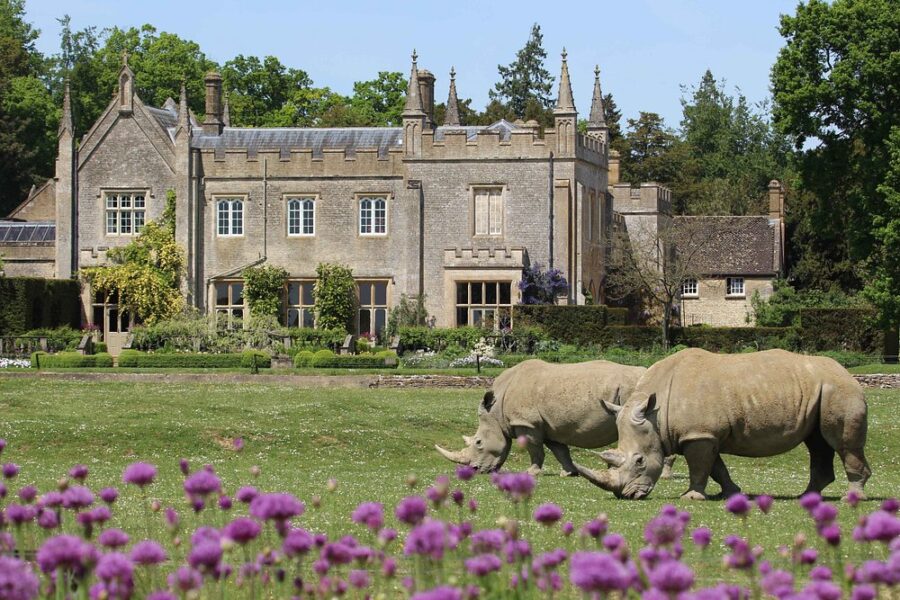
The Cotswold Wildlife Park near Burford offers open lawns alongside close-up animal encounters. Kids can wander among lemurs or hop on the little train that loops the park.
It’s laid-back and refreshingly uncommercial—you won’t feel rushed. Bring snacks, though; the café tends to get swamped on weekends.
In Bourton‑on‑the‑Water, the Model Village shrinks the whole town into a walkable miniature. You’ll find yourself peering into tiny pubs and churches, maybe even laughing at grown-ups crouching for a better look.
Pairing the wildlife park and model village makes for a full day out. Both sit close enough that you can squeeze in a late lunch and still catch a river walk before sunset.
Cotswold Water Park
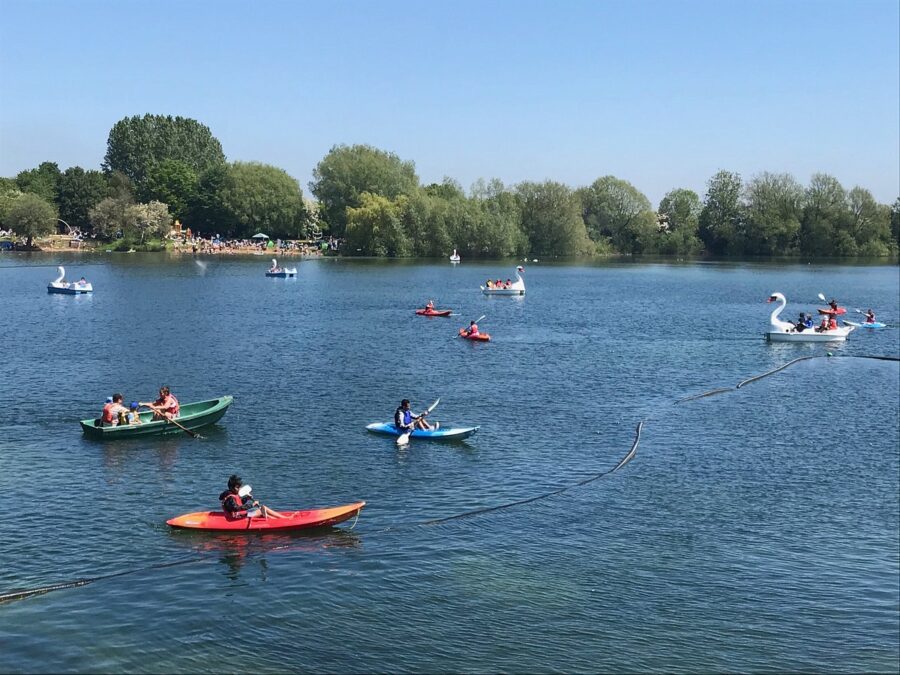
Craving the outdoors but want more than just hiking? The Cotswold Water Park is a sprawling network—over 100 lakes, wetlands, and winding trails. Pack a picnic and try paddleboarding, fishing, or just spotting swans with the kids.
Day passes get you into swimming beaches, and there are low-key cafés for lunch. You can rent kayaks or pedal boats by the hour; the gear’s always in good shape.
If you’re after quieter moments, softer trails wind around hidden lagoons—perfect for an evening stroll. Staying nearby means you’ll catch sunrise on the water, which is honestly worth getting up for.
See Related: Best Places to Visit in Europe This Year
Nearby Towns & City Access
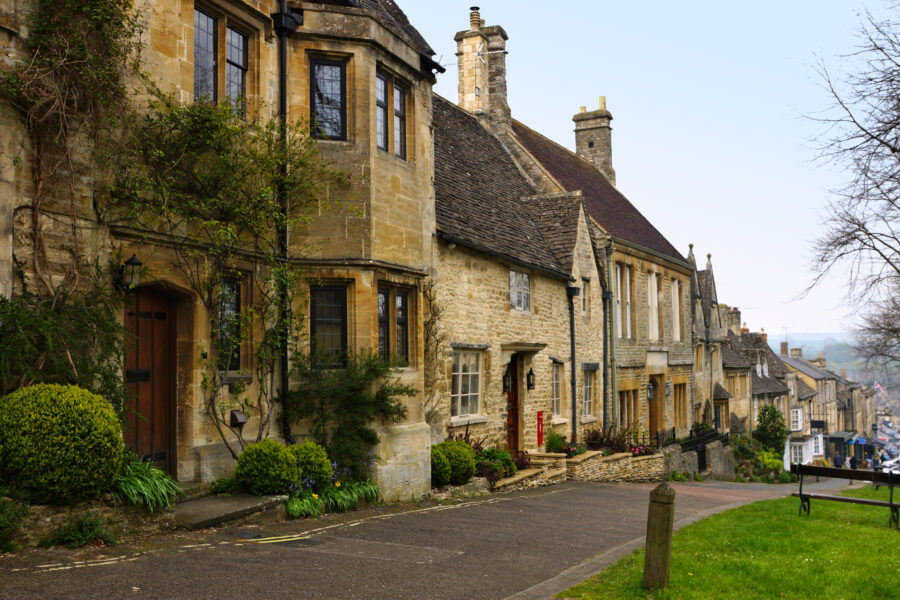
Looking beyond the postcard villages gives you a better read on the Cotswolds’ pace. A few nearby towns open up easy routes for day trips, train links, and a glimpse of local life with modern comforts.
Cirencester
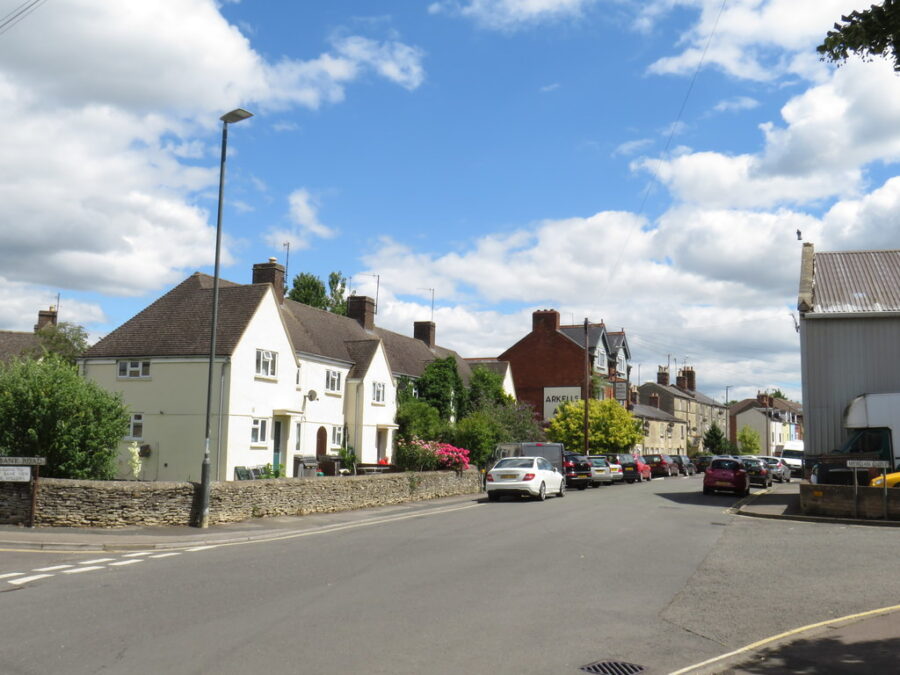
Cirencester sits at the Cotswolds’ southern edge and keeps its market town feel. Wander Georgian-lined lanes, sip coffee by the market square, and pop into the Corinium Museum for a look at the area’s Roman history. The town’s compact enough for strolling, but big enough for all your basics.
Renting a car? Cirencester’s a smart base—roads lead quickly to Bibury, Cheltenham, and Bath. Parking’s usually less of a headache here than in other Cotswold towns, so spontaneous side trips are doable. For arrival planning, check flights and rental cars—the closest airports are Bristol and London.
Food-wise, there’s a solid mix of pubs and modern cafés. Saturdays bring an open-air market that’s worth a wander.
Burford
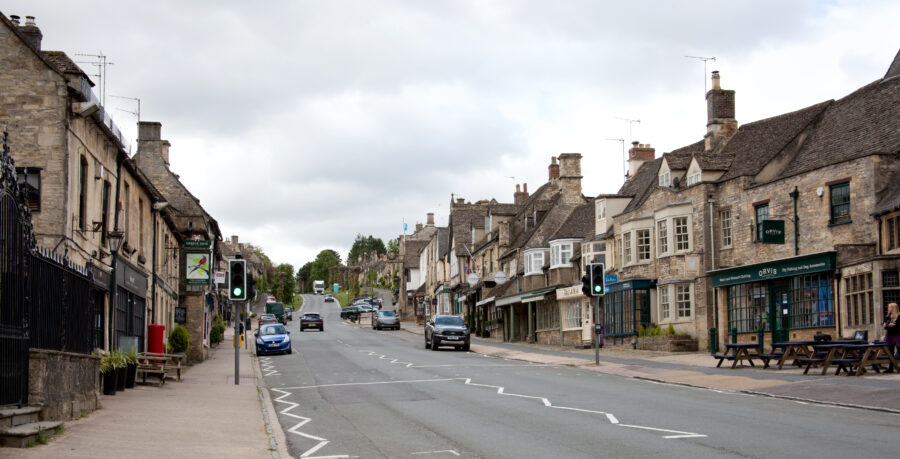
Burford is the Cotswolds distilled into a single, sloping High Street. Every building looks like it belongs in a storybook. The smell of fresh bread from a bakery in the morning is half the magic.
You’ll find antique shops, tiny art galleries, and old timbered inns. Burford sits just off the A40, so it’s handy if you’re driving from Oxford. It gives you countryside views without stranding you in the middle of nowhere.
Nearby footpaths link to villages like Westwell and Fulbrook. For hotel options, Burford leans toward guesthouses and cozy inns rather than big-name hotels—expect a personal, homey vibe.
Bristol
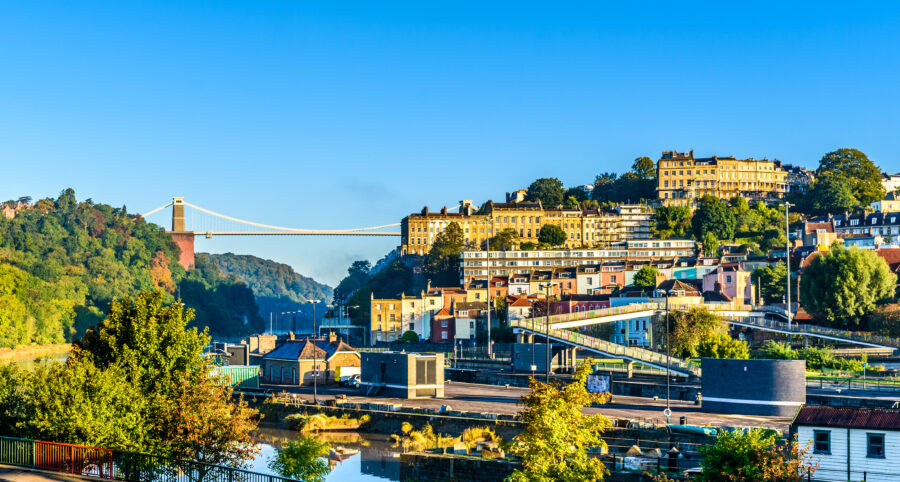
Bristol’s got more going on than most expect—definitely not just a pit stop. It’s under 90 minutes’ drive from a lot of Cotswold villages, and it’s where you’ll find music, street art, and a food scene that’s actually interesting.
The harborside’s packed with converted warehouses now housing restaurants and museums. Banksy started here, so you’ll spot his early murals tucked around corners. The city feels like a total contrast to the Cotswolds’ orderliness.
Bristol connects to main rail lines for London and the coast, and its airport can save you time compared to London’s. It’s urban, but just close enough for a countryside escape between city meals.
Historic Sites and Garden Retreats
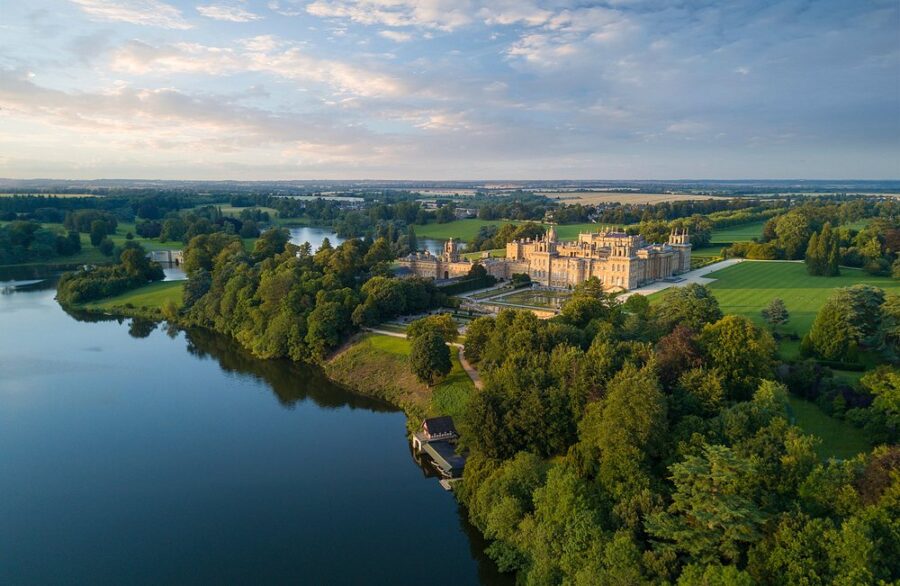
History and nature shape the Cotswolds’ calm. From grand palaces to landscaped gardens designed with painterly care, each spot brings its own kind of quiet beauty.
Blenheim Palace
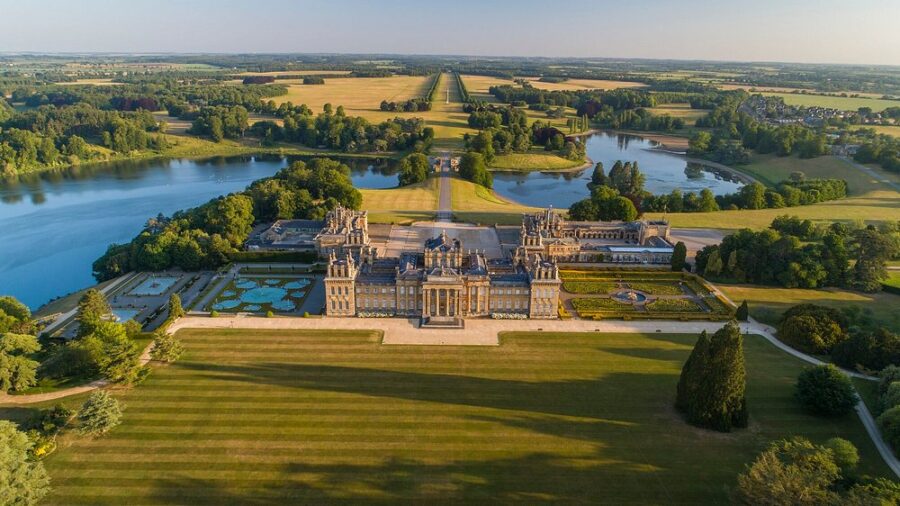
You’ll recognize Blenheim Palace before you’re even at the gates. Its Baroque façade near Woodstock is impossible to ignore.
Built in the early 1700s for the Duke of Marlborough, it’s still every bit as imposing. Inside, you’ll find tapestries, portraits, and vaulted ceilings—plus a Churchill connection (he was born here).
The Formal Gardens—by Capability Brown—frame the palace with water and light. The Great Lake, the Column of Victory, and the secret rose garden each have their own feel.
Catch the lake in mid-morning for the best photos. There’s a café by the walled garden—grab a slice of cake and a decent coffee after trekking around.
| Tip | Detail |
|---|---|
| Location | Woodstock, Oxfordshire |
| Highlights | Baroque architecture, Churchill exhibition, landscaped parkland |
Hidcote Manor Garden
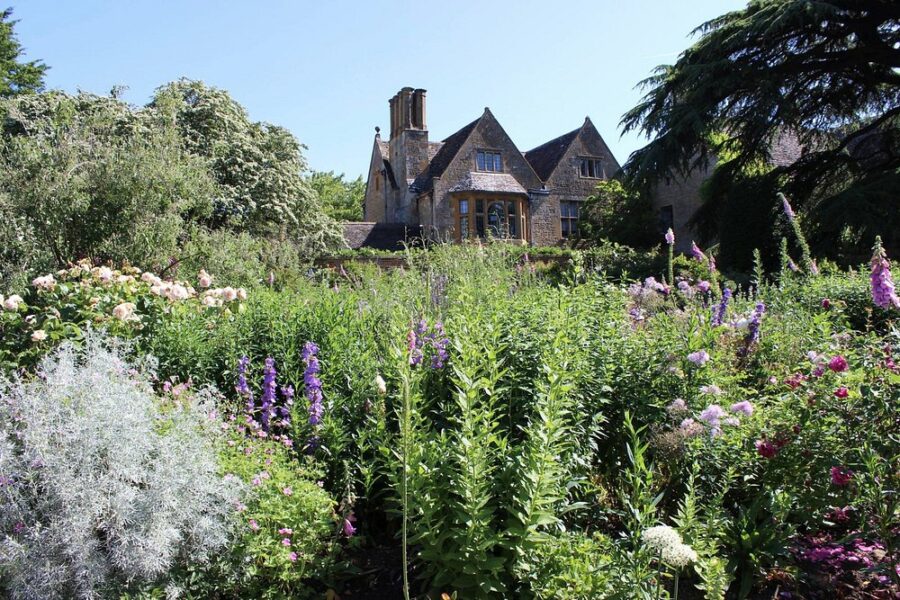
Hidcote Manor Garden feels like stepping into a plant-filled artist’s studio. It’s about composition, not grandeur.
Lawrence Johnston, an American horticulturist, designed it in the early 20th century. Each “garden room” links through stone arches and clipped hedges, each with its own mood.
You’ll wander from the White Garden to the bold Red Borders, then stumble into a quiet nook with a single bench under vines. The way the spaces open and close draws you in—don’t be surprised if you lose track of time.
Practical notes: Parking’s tight on weekends. Wear good shoes; paths get muddy after rain.
Westonbirt Arboretum
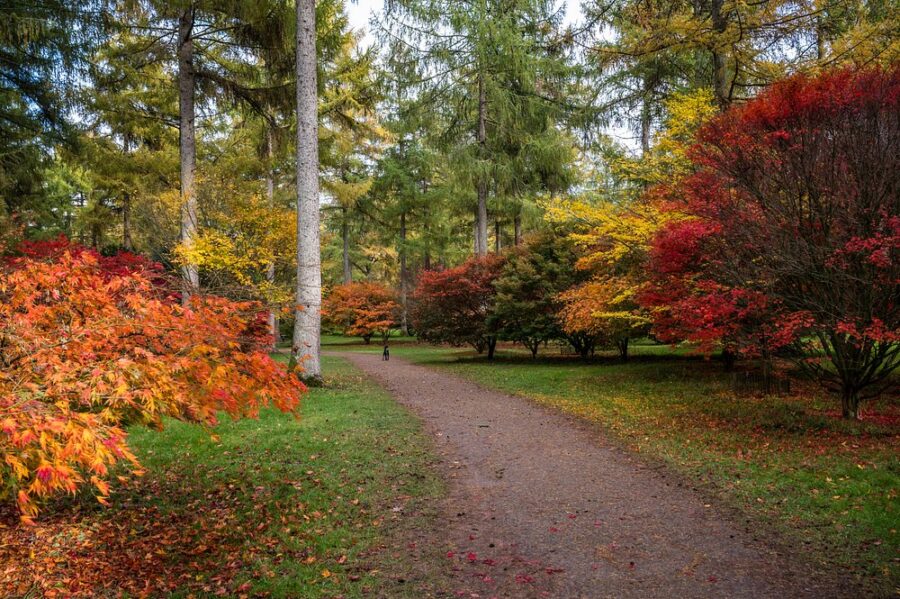
Westonbirt Arboretum near Tetbury is more a living tree museum than a garden. With over 2,500 species from around the world, it’s arranged with enough artistry to still feel wild. In autumn, the maples burn with reds and oranges; even in winter, the branches create a stark, beautiful skyline.
The Treetop Walkway gives you a bird’s-eye view—high enough to thrill, safe enough for anyone. It’s oddly peaceful up there, wind swaying through the canopy.
Trail boards suggest short, themed walks—including one focused just on scent (better than you’d think). Westonbirt feels beautiful without ever trying too hard.
Quick facts:
- Located: Tetbury, Gloucestershire
- Best season: Autumn foliage, but lovely year-round
- Facilities: Visitor centre, café, gift shop, guided walks
See Related: The Most Surreal Places in the World: Where Reality Feels Like a Dream
Frequently Asked Questions
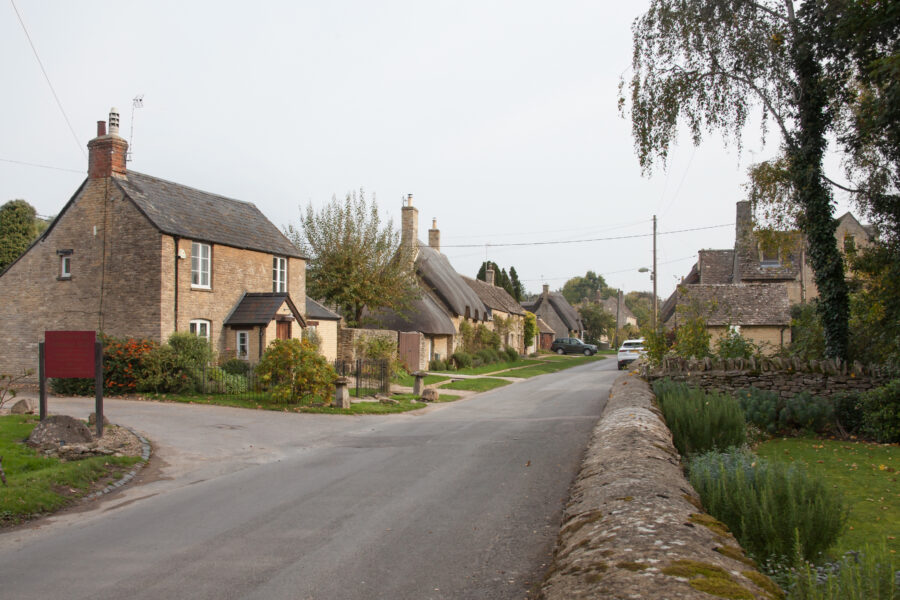
Choosing a base in the Cotswolds depends on your travel style—family trip, couple’s escape, or quick countryside break. Some towns are best for walking, others for scenic drives or cozy winter stays. Each village really does have its own rhythm.
What are the top family-friendly accommodations in the Cotswolds?
Families usually do well in larger inns or converted farmhouses near Bourton-on-the-Water or Stow-on-the-Wold—plenty of space, easygoing atmosphere.
Hotels like The Fish Hotel have treehouses and on-site trails—kids go nuts for it. Self-catering cottages near Broadway or Cirencester often come with extra bedrooms, gardens, and parking, so mornings don’t turn into chaos.
Which Cotswolds town offers the most charming and romantic stay for couples?
For a quiet getaway, Bibury is a classic—riverside views, ivy-draped cottages, and inns that feel timeless.
If you’re after a livelier high street, Broadway has manor houses with spas and good dining. A weekend at Buckland Manor or Thyme Hotel & Spa is about as peaceful and scenic as it gets.
Can you recommend the best Cotswolds villages for a weekend getaway?
For a short trip, pick a central spot like Stow-on-the-Wold or Burford. You’ll have easy access to villages like The Slaughters, Bourton-on-the-Water, and Chipping Campden.
Two nights in Broadway works too if you like antiques and big landscape views. It’s compact and perfect for short scenic drives.
Where should I stay in the Cotswolds to enjoy the best walking routes?
For top walking trails, Winchcombe and Painswick stand out. Winchcombe sits right on the Cotswold Way; Painswick’s got lovely hill walks straight from town. If you want gentle walks with pub stops, Broadway Tower and nearby hills are also worth a look.
How do I choose the perfect Cotswolds accommodation with convenient parking?
Parking’s a pain in smaller villages, so look for places advertising on-site or private parking. Hotels just outside towns—think Moreton-in-Marsh or Barnsley—are usually easiest for drivers.
You’ll save time by staying just outside the busiest areas and walking in for meals or shopping. Most booking platforms list “private parking” or “free parking”—double-check before you book.
Which Cotswolds locations offer the quintessential winter stay experience?
Winter in the Cotswolds means crackling fires, stone cottages, and quiet walks after a frosty morning. Stow-on-the-Wold and Broadway stand out for their inviting inns and small seasonal markets.
If you’re after more peace and a slower pace, look at Painswick or Snowshill. You’ll come across country pubs serving roasts and local ales. One December in Snowshill, I watched the morning mist roll over the hills—worth the trip just for that view.