
Last modified March 27, 2026
London can feel like a maze when you’re squeezing all the sights into three days. You want to catch Big Ben, the Tower of London, Buckingham Palace, and still have time for a decent meal—not spend your trip buried in the Tube.
If you’re in town for a quick sightseeing sprint, base yourself in Mayfair, Covent Garden, or Westminster. These central spots put you close to the action, so you’re not wasting precious time or energy.
Honestly, after bouncing around London over the years, I’ve learned that location beats fancy amenities every single time when you’re sightseeing. You’ll want a neighborhood with easy access to attractions, some good breakfast options nearby, and a way home that doesn’t involve a 30-minute train ride at the end of a long day. So, here’s a breakdown of where to stay, what each area brings to the table, and how to make your three days feel like a real trip—not just a race from one landmark to the next.
Key Takeaways
- Stay in Mayfair, Covent Garden, or Westminster to keep travel time short between major sights
- Pick a hotel that fits your budget and vibe—London’s got everything from plush luxury to family-friendly basics
- Shape your itinerary around your hotel’s location so you actually see more and spend less on transport
Quick Guide: Best Areas to Stay in London for 3 Days
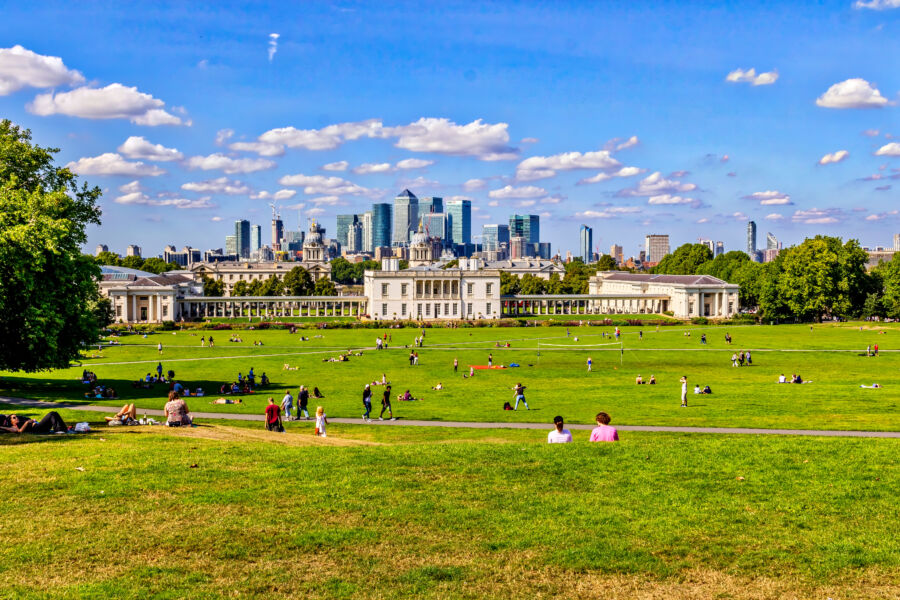
Choosing your London base can make or break the trip, especially on a tight schedule. The right neighborhood means you walk to top sites and spend less time underground.
Overview of Central and Iconic Neighbourhoods
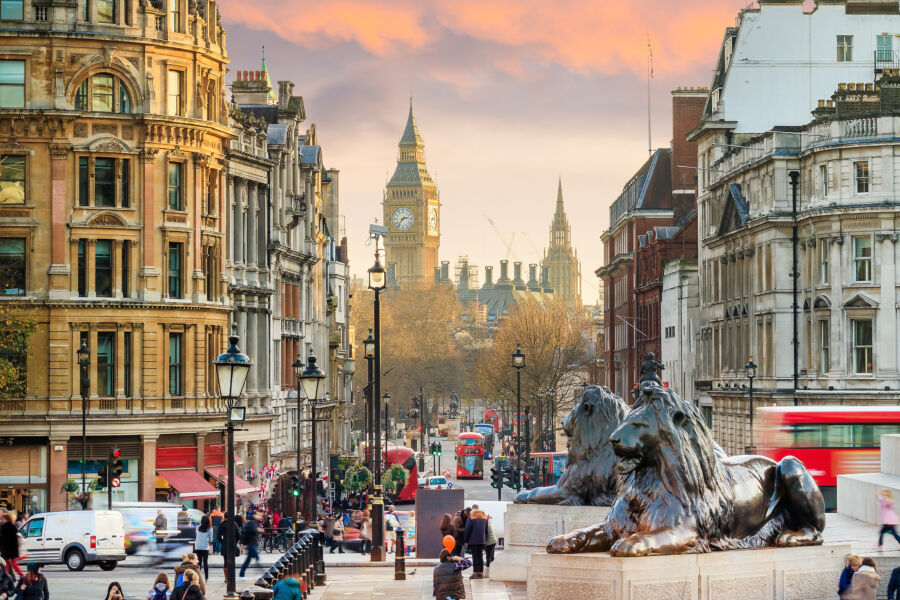
Charing Cross and Trafalgar Square sit smack in the middle of everything you’ll want to see. The National Gallery is right there, and Big Ben is just a 15-minute stroll. Covent Garden spills over with street performers and theater.
South Bank, across Westminster Bridge, gives you the London Eye and those classic Thames views. Honestly, I love this area—you get the “London” vibe without Covent Garden prices. The riverside walk links you to Borough Market and Tate Modern.
The City of London (that’s the old financial heart) centers around the Tower of London and St Paul’s Cathedral. On weekends, when the office crowd disappears, it’s surprisingly peaceful and the hotels are a bit cheaper than the West End.
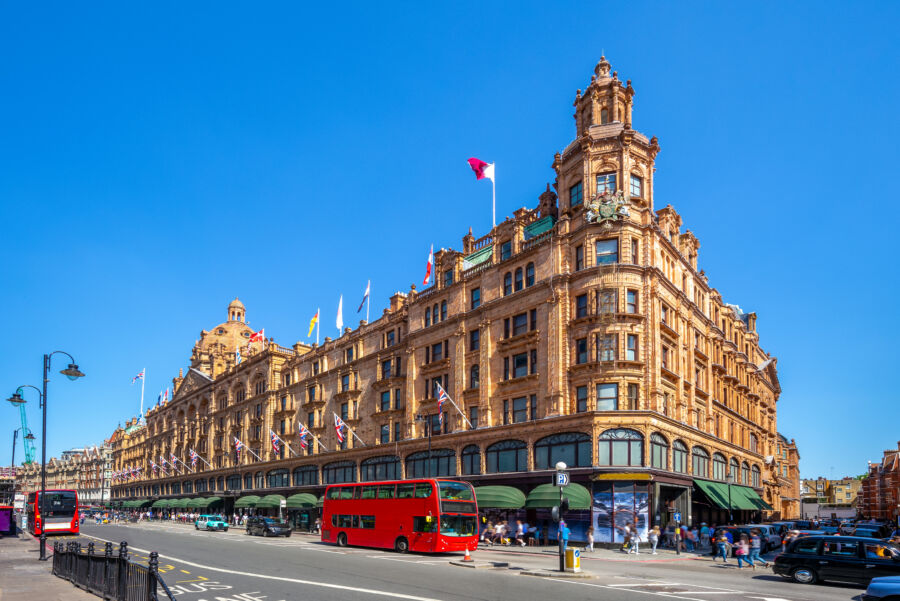
Knightsbridge is for luxury travelers who want Harrods and Hyde Park at their doorstep. But for a quick three-day blitz, you’re paying extra for a spot that’s a little off the main sightseeing grid.
Proximity to Major Attractions

Where you sleep decides how much you’ll actually see on foot. Charing Cross puts you within 20 minutes of Buckingham Palace, Parliament, and the British Museum. You can check off several big sights before lunch, no Tube needed.
South Bank hotels get you right next to Westminster Abbey and the London Eye. Cross the river and you’re in the thick of Westminster. If your feet give up, the number 11 bus runs right through here.
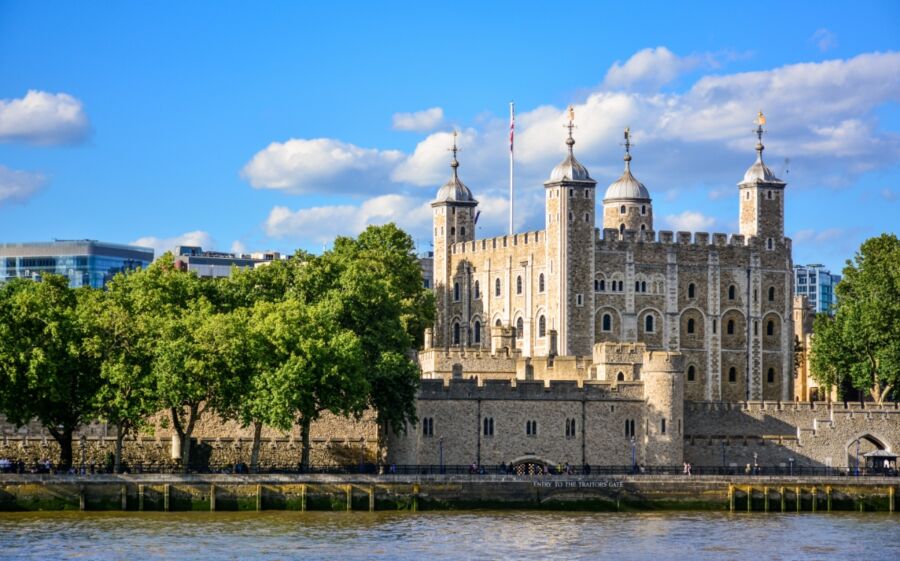
Staying near the Tower works well for Day 2 or 3, when you’re heading east to the Tower of London and Tower Bridge. You’ll already be in position, then can wander back west toward Shoreditch or the City.
But here’s the thing—if you stay in Camden or north of the center, you’ll save money. You just trade it for a 15-20 minute Northern Line ride to get to the main sights. For budget travelers, that’s a fair deal.
Choosing the Right Area Based on Itinerary
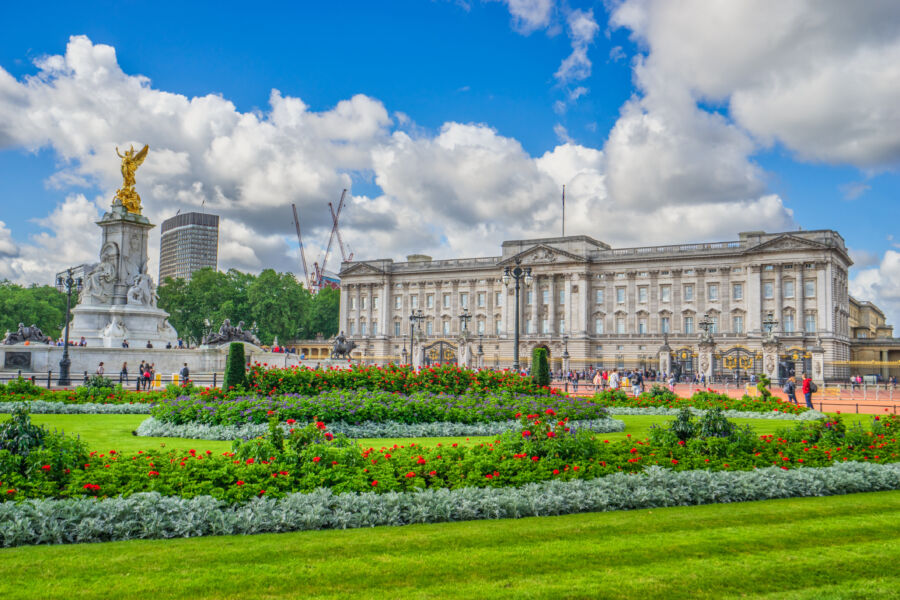
Pick your neighborhood based on what you want to see. If museums and royal sites are your focus, Charing Cross or South Kensington is ideal. The big museums (British Museum, Natural History Museum, V&A) are clustered nearby.
If theater’s your thing, stay in Covent Garden or Soho. You’ll be in the West End, able to walk to shows instead of rushing across town after dinner.
If you’re planning day trips to Windsor, Bath, or Oxford, look for hotels near Paddington or King’s Cross. That way, you skip dragging your luggage across the city on travel days. The Megaro Hotel near St Pancras is great if you’re catching the Eurostar.
Traveling with kids? South Bank is a winner—the London Eye, Sea Life Aquarium, and London Dungeon are all in one walkable cluster. You can skip crowded trains and keep everyone sane. Park Plaza Westminster Bridge has family rooms that aren’t shoebox-sized, which is rare for central London.
| Area | Best For | Walking Distance To |
|---|---|---|
| Charing Cross | First-time visitors, theaters | Trafalgar Square, Covent Garden, Westminster |
| South Bank | Families, budget-conscious | London Eye, Big Ben, Tate Modern |
| The City/Tower | History buffs, fewer crowds | Tower of London, St Paul’s, Tower Bridge |
| Knightsbridge | Luxury stays, shopping | Harrods, Hyde Park, V&A Museum |
Top Neighbourhoods for Sightseeing: Pros, Cons, and Highlights

Every London neighborhood has its own vibe, from Westminster’s royal pageantry to South Bank’s creative riverside buzz.
Westminster & St. James’s: Heart of Historic London
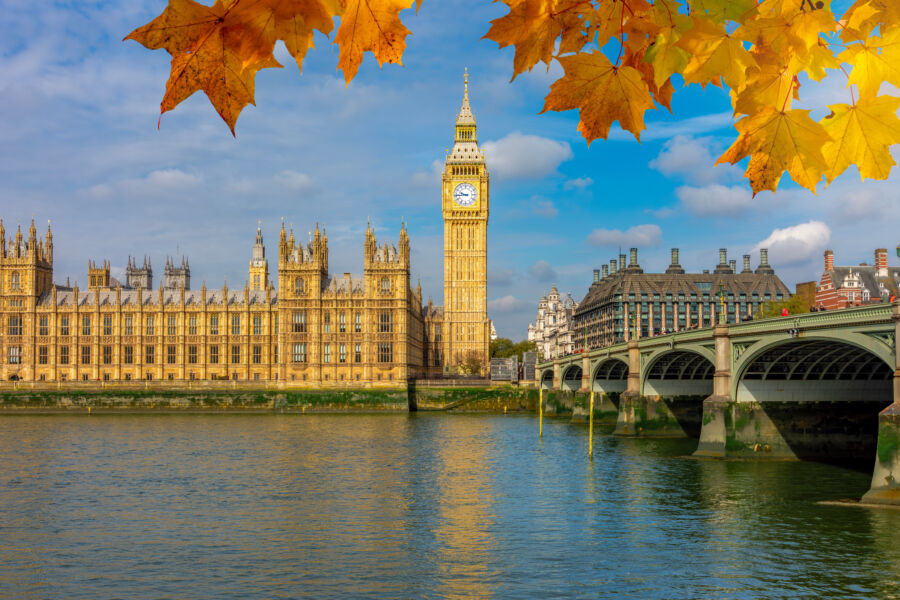
This is classic London—Buckingham Palace, Big Ben (actually the bell inside Elizabeth Tower), and the Palace of Westminster are all within a quick walk.
Parliament Square sits at the center. Snap your Big Ben photos here, away from the crowds on Westminster Bridge. Trafalgar Square is about 10 minutes north, with its lion statues and the National Gallery.
The perks? Everything’s close, and the Tube connections are solid. But it gets swamped with tourists between 10am and 4pm, and hotels here come at a premium.
Quick tip: The Changing of the Guard at Buckingham Palace happens at 11am on Mondays, Wednesdays, Fridays, and Sundays. Get there early if you want a good spot by the railings.
Covent Garden & Soho: Entertainment and Culture
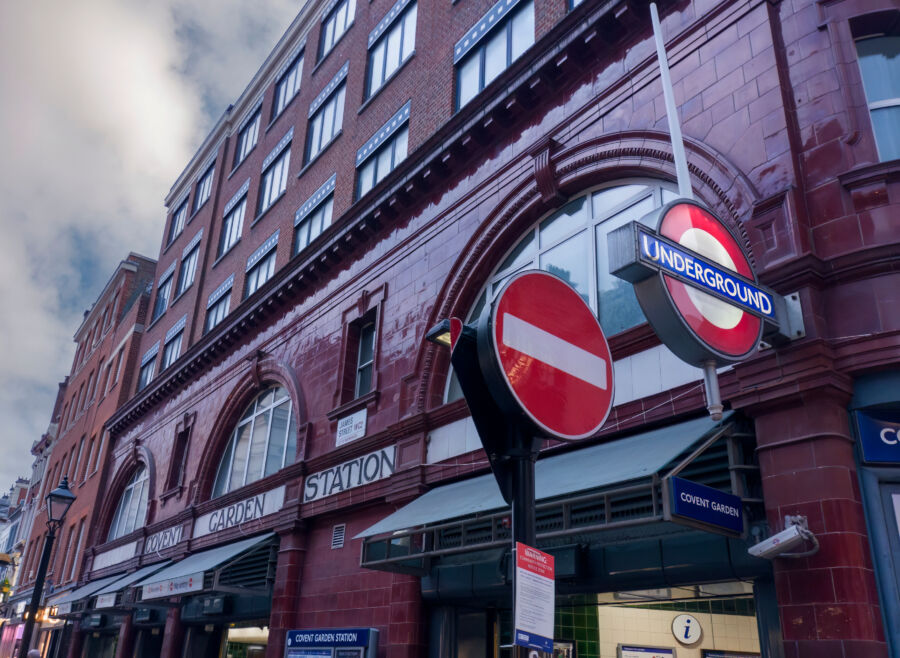
Covent Garden is all about energy—street performers, boutique shops, and the covered market hall. Less about monuments, more about soaking up the atmosphere. The Royal Opera House sits here if you’re up for a show.
Soho is next door with a totally different feel. The West End theaters surround you, and the food scene is wild—pretty much every cuisine you can think of. Chinatown is tucked between Leicester Square and Shaftesbury Avenue.
Nightlife is huge here. Not many traditional “sights,” but the buzz makes up for it. Downside? It’s noisy late into the night, so if you’re an early riser, maybe look elsewhere.
South Bank & Waterloo: River Views and Major Sights
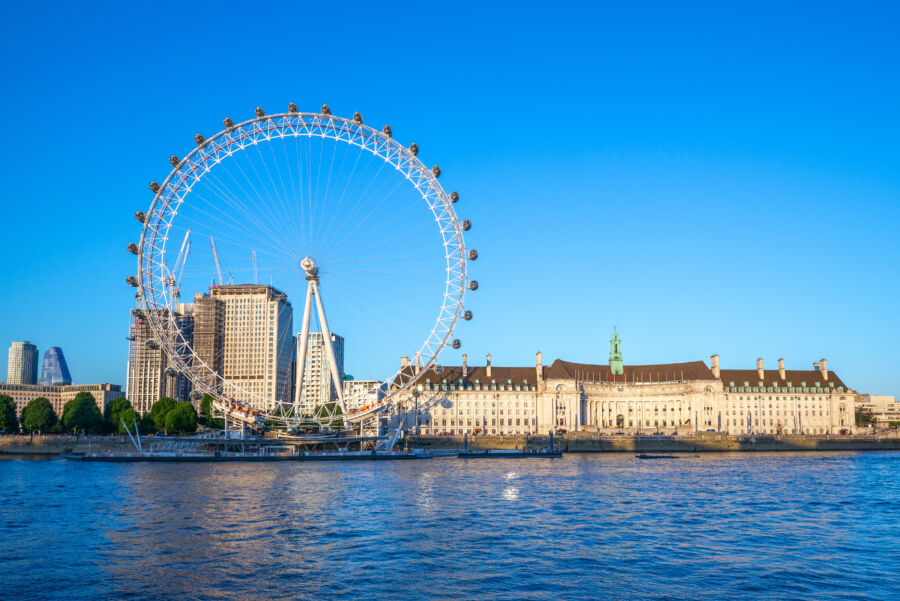
The South Bank gives you the best riverside stroll in London. Start at the London Eye by Waterloo station, then wander east past food stalls and book markets all the way to Tower Bridge.
Shakespeare’s Globe is along the way—a faithful recreation of the original. Borough Market is just inland, perfect for lunch. The Millennium Bridge takes you straight to St. Paul’s Cathedral.
What’s great about this area? You get culture and real London life mixed together. Hotels here are better value than Westminster, and at sunset, the views across the river are magic.
Only downside? The wind can kick up along the river, so maybe bring a jacket.
The City & Tower Hill: Iconic History and Modern Style
The City of London is its own beast—technically a separate district with special rules. Tower Hill marks the eastern edge, home to the Tower of London and Tower Bridge.
Give the Tower at least two hours. The Crown Jewels are cool, but I actually love the medieval towers and the Yeoman Warders’ stories. Tower Bridge is free to cross, though you can pay to check out the high walkways.
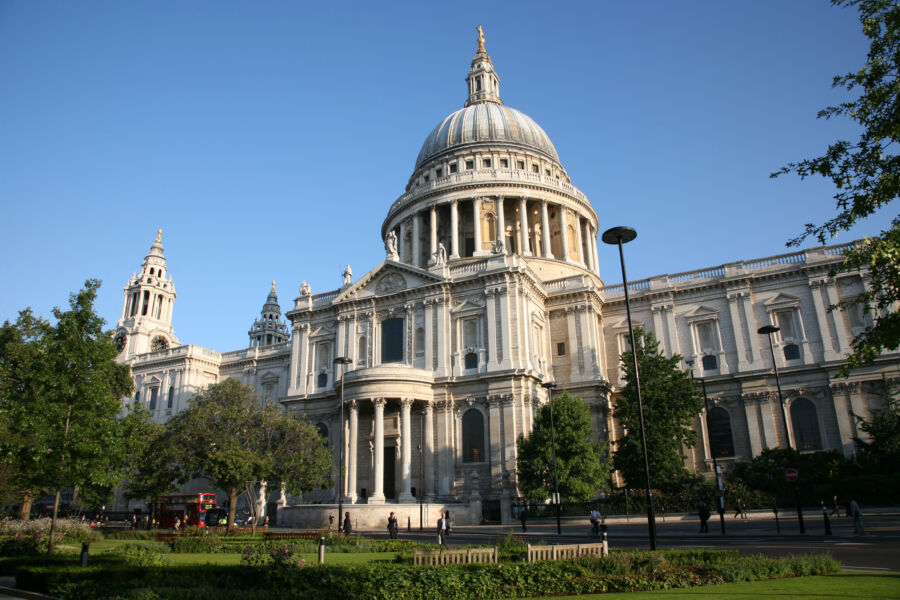
St. Paul’s Cathedral looms to the west. Climb the dome (yep, 528 steps) for killer city views. On weekends, this whole area is almost eerily quiet—great for sightseeing without the crowds, but you’ll find fewer restaurants open.
See Related: The Most Undiscovered Places in the World: Exploring Hidden Gems Off the Beaten Path
Hotel Recommendations by Budget and Style

Where you stay really shapes your London experience. The city offers everything from jaw-dropping luxury with skyline views to quirky budget finds in historic corners.
Luxury Stays with Iconic London Views

If you’re celebrating or just want to go big, London’s luxury hotels don’t hold back. The Shangri-La at The Shard puts you in the clouds—floor-to-ceiling windows with the Thames and Westminster Abbey below. Pricey, but the view’s unreal.
Rosewood London in Holborn nails the classic British luxury vibe without feeling stuffy. The courtyard is a treat, and you’re super central.
In Mayfair, The Connaught and Claridge’s are the places for afternoon tea. Hyde Park’s right there, Harrods is a stroll away, and while the price is high, the service and location are hard to beat for a short trip.
Mid-Range Hotels Near Major Landmarks

This is where most travelers end up, and honestly, it’s the sweet spot. The Laslett in Notting Hill feels boutique and is tucked into one of London’s prettiest areas. Kensington Gardens is close, and you can reach the center easily.
Citizen M Tower of London plants you by the Thames with Tower Bridge practically on your doorstep. The rooms are small but clever, and you’ll walk to most sights instead of living on the Tube.
The Bailey’s Hotel in Kensington gives you old-school English charm for less. You’re near the museums, and Hyde Park is an easy walk when the weather’s good. Over on South Bank, Premier Inn County Hall sits across from Big Ben with that perfect river view.
Best Boutique and Unique Finds

London’s full of quirky hotels that feel like nowhere else. The Zetter Townhouse in Clerkenwell is like staying in your eccentric aunt’s Georgian townhouse—taxidermy, vintage cocktails, the works.
Artist Residence London in Pimlico is exactly what it sounds like. Each room’s different, full of art and vintage touches. It’s close to Victoria Station, so day trips are easy.
The Hoxton Shoreditch channels East London’s creative buzz. The lobby’s always lively, and street art and restaurants are everywhere. For first-timers, you might want a more central base, but if you’ve done London before, this area gives you a fresh angle.
Budget-Friendly Options for Short Stays

Budget doesn’t have to mean miserable in London anymore. Z Hotels have several locations—Holborn and Shoreditch, to name a couple. The rooms are tiny (really, you’ll barely turn around), but they’re clean, modern, and the locations are unbeatable for the price.
Hub by Premier Inn offers a similar setup. Think pod-style rooms: just enough space for a bed, a shower, and a spot to stash your bag. You’ll save cash here, which means more left for experiencing London.
LSE Bankside House is student housing that opens up to travelers during holidays. It’s basic but spotless, and you’ll be right in Southbank near the Tate Modern. Just double-check dates—availability shifts with the university calendar.
If you’re okay with shared bathrooms, The Captain Cook pub rooms in Middlesex Street probably offer the cheapest private rooms in Zone 1. You get character and a great location, even if the stairs are steep and the floorboards creak.
Sample 3-Day Sightseeing Itinerary: Base Yourself Efficiently

Stay in one central spot and you won’t waste time checking in and out of hotels. Pick somewhere near Westminster or South Kensington and you’ll reach most attractions in under 20 minutes by tube.
Day 1: Classic London Landmarks Loop
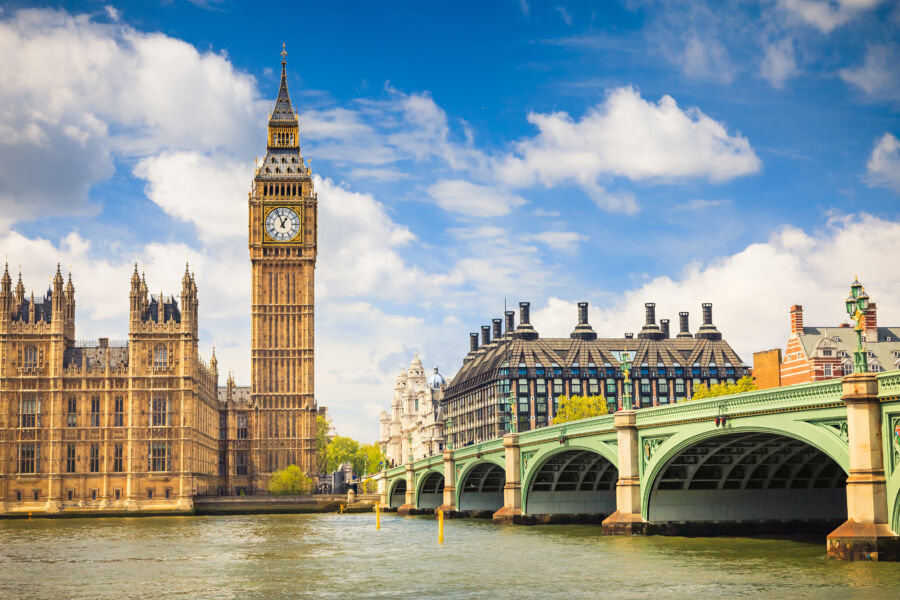
Kick off at Westminster Abbey when it opens at 9:30 AM to dodge the crowds. The Gothic architecture is jaw-dropping and deserves about 90 minutes.
Walk five minutes to Big Ben and the Houses of Parliament. Then stroll through St. James’s Park toward Buckingham Palace. If you’re there between April and July, the changing of the guard happens at 11:00 AM on Mondays, Wednesdays, Fridays, and Sundays.
Head back through Green Park toward Regent Street for lunch and a bit of shopping. You’ll be perfectly placed to walk to the National Gallery at Trafalgar Square. Spend an hour or so with the Van Goghs and Turners, then wander down Whitehall.
Wrap up at Oxford Street if you’re still up for shopping, or grab dinner in Covent Garden. This loop is about three miles, and you’ll see most of the city’s big sights in one day.
Day 2: Museum Districts and the Thames Riverside

Hop on the tube to South Kensington. You’ll pop up right between three top museums. The Natural History Museum opens at 10:00 AM—don’t skip the dinosaur gallery.
Next door, the Victoria and Albert Museum has decorative arts and fashion. Both are free, which still feels a bit wild for museums of this caliber. With kids, stick to Natural History for the interactive stuff.
Walk through Hyde Park to Kensington Palace and tour the State Apartments. Then take the tube over to London Bridge for Borough Market.
Cross the Thames to Tate Modern on the South Bank. The building was once a power station, and the Turbine Hall installations are always changing. Walk east along the river toward Tower Bridge—you’ll pass Shakespeare’s Globe and street performers. Book sightseeing tours ahead if you want to skip the lines.
Day 3: Arts, Markets, and Lesser-Known Gems

Saturday mornings mean Portobello Road Market in Notting Hill. Get there by 9:00 AM before the Instagram crowd shows up. The antiques section wraps up around 1:00 PM.
Head north to Camden Town for a totally different vibe. Camden Market sprawls through several buildings with vintage clothes, international street food, and quirky craft stalls. It’s packed after noon, so arrive hungry around 11:30 AM.
If you’re still game, take the DLR to Greenwich. The Old Royal Naval College has painted ceilings that feel more like Rome than London. Walk to the Cutty Sark tea clipper and stand on the Prime Meridian at the Royal Observatory.
But honestly? Wandering local activities in neighborhoods like Shoreditch or Brixton is just as fun. The British Museum is another solid backup if you skipped it earlier—it’s open until 5:30 PM most days.
Practical Tips for Your Stay: Getting Around & Booking
London transport runs smoothly, but costs sneak up if you don’t plan ahead. Knowing your airport transfer options and which passes actually save money will make your three days feel less frantic—and keep more cash for the good stuff.
How to Get to and from London Airports
Most international travelers land at Heathrow, about 15 miles west of central London. The Elizabeth Line gets you to Paddington Station in about 30 minutes for around £12.80. It’s the easiest option if you’re staying anywhere central.
Gatwick serves a ton of budget airlines and connects to Victoria Station via the Gatwick Express in 30 minutes (£19.90). The regular Southern Rail service costs half that and only takes 10 minutes longer.
Stansted and Luton mostly handle European flights. The Stansted Express goes to Liverpool Street in 47 minutes. Luton requires a shuttle bus to the station, then a train to St Pancras. You can compare flight options from different airports before booking.
National Express coaches serve all airports for less than trains, but expect more time in traffic. Black cabs from Heathrow to central London run £50-70—worth it if you’re splitting with three or four people.

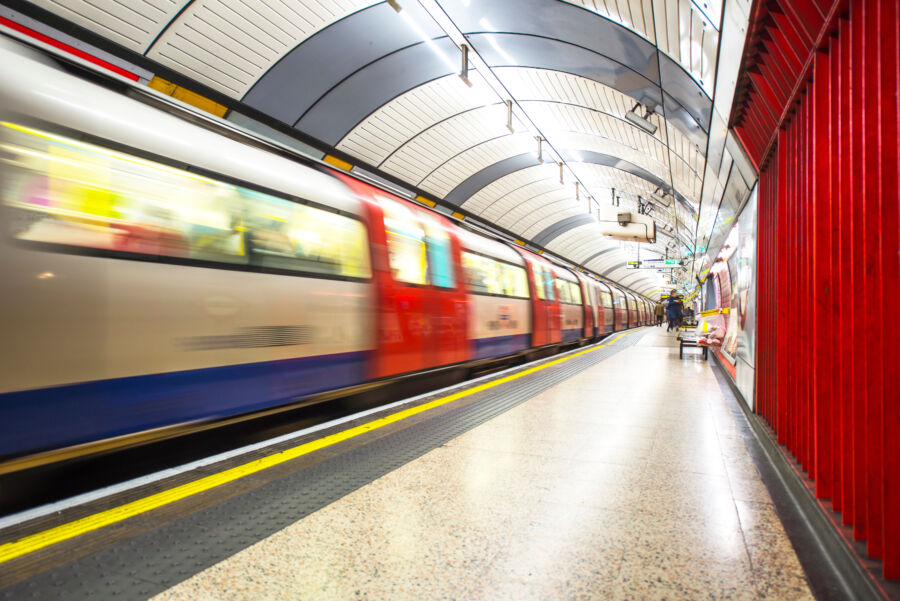
The Tube is the backbone of London transport, with eleven color-coded lines. Zone 1 covers most big sights, Zone 2 stretches out to spots like Notting Hill and Greenwich.
Download Citymapper before you arrive. It’s better than Google Maps for London, and even tells you which Tube car to use for the fastest exits.
Buses are great for short hops and you’ll actually see the city. Night buses take over when the Tube shuts around midnight. The Thames Clipper river boats count as regular transport and accept the same payment as buses and trains.
Often, walking between attractions beats the Tube. By the time you’ve navigated escalators and platforms, you could have strolled from Westminster to St. Paul’s Cathedral in 25 minutes—and seen the Thames along the way.
Oyster Card, London Pass, and Skip-the-Line Strategies
You don’t really need an Oyster card anymore if you’ve got a contactless credit card or Apple Pay. Just tap on the yellow readers and pay the same fares—daily cap is £8.90 for Zones 1-2.
The London Pass costs £189 for three days and covers over 100 attractions. If you’re planning Westminster Abbey (£29), Tower of London (£34.80), St. Paul’s Cathedral (£23), and Windsor Castle (£30), you’ll save about £100 per person. The pass includes a hop-on hop-off bus ticket, handy for your first day.
Skip-the-line tickets matter most at the Tower of London and Westminster Abbey—summer queues stretch 45 minutes or more. The London Pass includes fast-track entry at some sites. For others, buy timed tickets online at least a week ahead.
Many top museums are free. The British Museum, National Gallery, Tate Modern, and Victoria & Albert Museum all let you walk straight in.
Booking Accommodation in Advance

London hotels fill up quickly, especially in summer and during big events. Booking three months ahead usually saves 20-30% over last-minute rates. You can search for accommodations across multiple platforms to compare prices.
Stay in Zone 1 or inner Zone 2 to keep transport time down. South Kensington, Westminster, and London Bridge are all solid bases. Budget travelers should check King’s Cross or Paddington for decent hotels near major stations.
Aparthotels with kitchenettes help keep food costs down—eating out every meal in London adds up fast. Even a basic breakfast in your room beats paying £12-15 at a café.
Read recent reviews and filter by “couple” or “family” depending on your group. Pay attention to noise comments—London streets stay lively late. Ground floor rooms on main roads rarely offer the quiet sleep you’ll want after a packed day.
See Related: Best Cities in Europe to Enjoy Winter Without the Crowds
Special Considerations: Family, Groups, and Thematic Stays
Different travelers need different things from their London base. Families need space and kid-friendly amenities, theater fans want the West End nearby, and couples might trade convenience for a little extra charm.
London with Kids: Family-Friendly Hotels and Areas
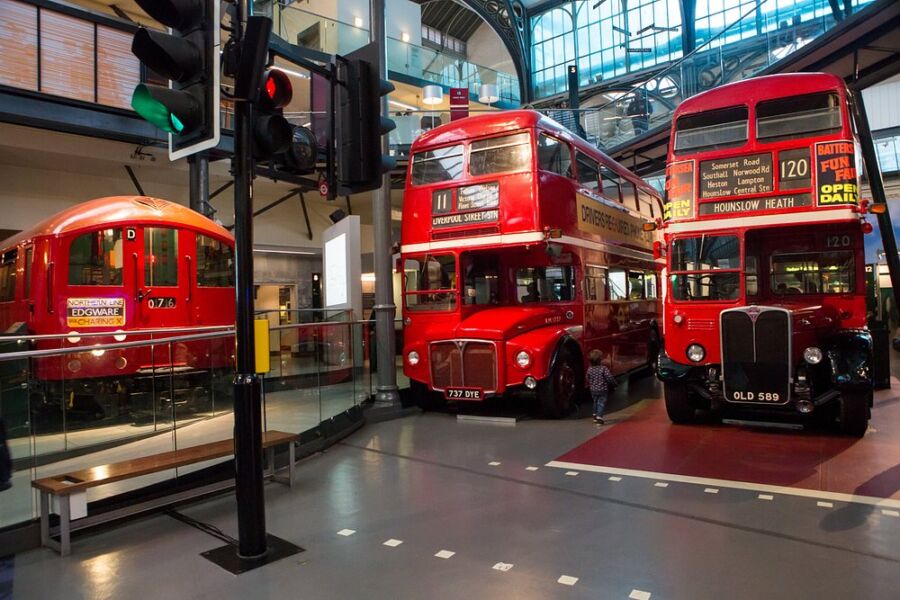
South Kensington is probably the best family base in London. You’re walking distance from three major attractions kids actually like: the Natural History Museum, Science Museum, and Sea Life London aquarium at Southbank.
The London Transport Museum in Covent Garden is another great family stop. Kids can climb on old buses and tube trains—it’s genuinely interactive.
Hotels like The Ampersand have family rooms with kitchenettes and free soft drinks. They even toss in activity packs and kids’ bathrobes. St. James Hotel has a children’s concierge and lets kids stay free with a two-night minimum.
Budget-minded families should look at aparthotels in Zones 1-2 for more space and the option to make simple meals. Wilde Aparthotel is good for groups needing multiple beds.
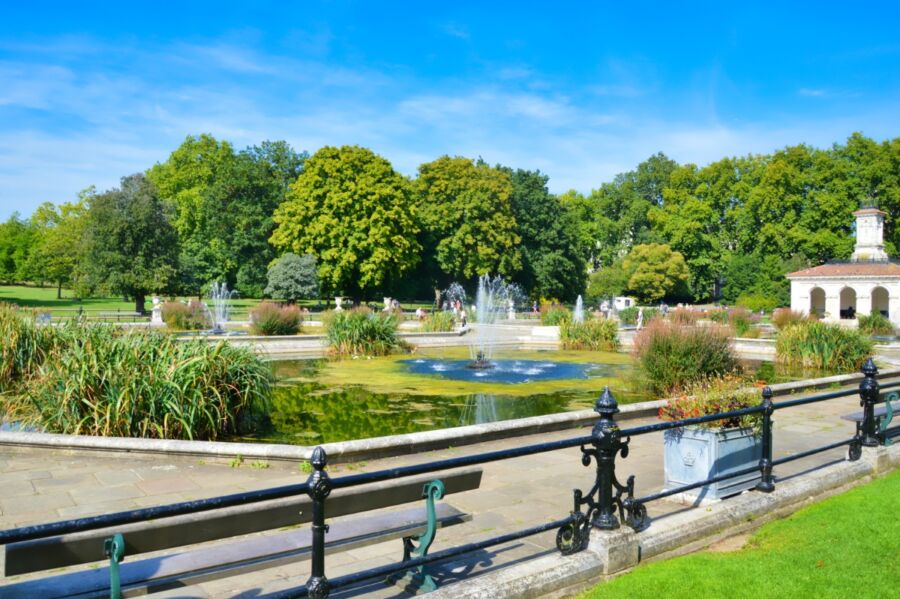
Kensington Palace sits in Kensington Gardens, which has playgrounds and plenty of space for kids to run off steam after sightseeing.
Theatres, Nightlife, and West End Shows
Stay near Covent Garden or Leicester Square and you’re right in the thick of London theatre. Most West End shows are within a 10-minute walk.
Book a matinee if you’ve only got three days—sightsee in the morning, catch a 2:30pm show, then dinner. The Ned hotel caters to nightlife seekers with multiple bars and late-night food.
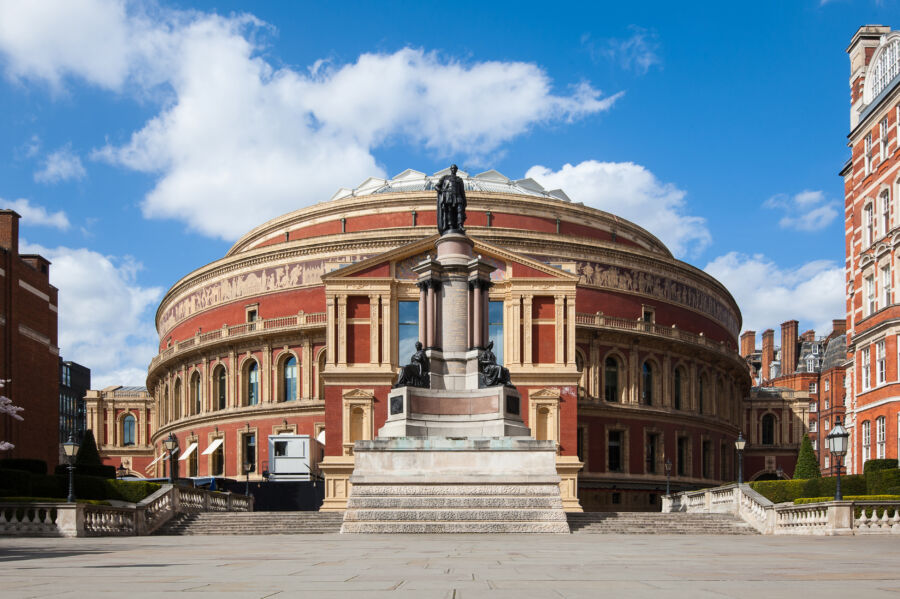
The Royal Albert Hall in South Kensington hosts concerts year-round. If you’re staying near Exhibition Road, you can walk there in under 10 minutes. Shoreditch is a different world, with indie venues and bars that stay open late.
Day-of-show tickets at TKTS in Leicester Square are much cheaper. Get there when it opens at 10am for the best choice. Hotels in Fitzrovia let you access the West End without the tourist crowds at night.
Romantic, Historic, and Unique Stay Experiences
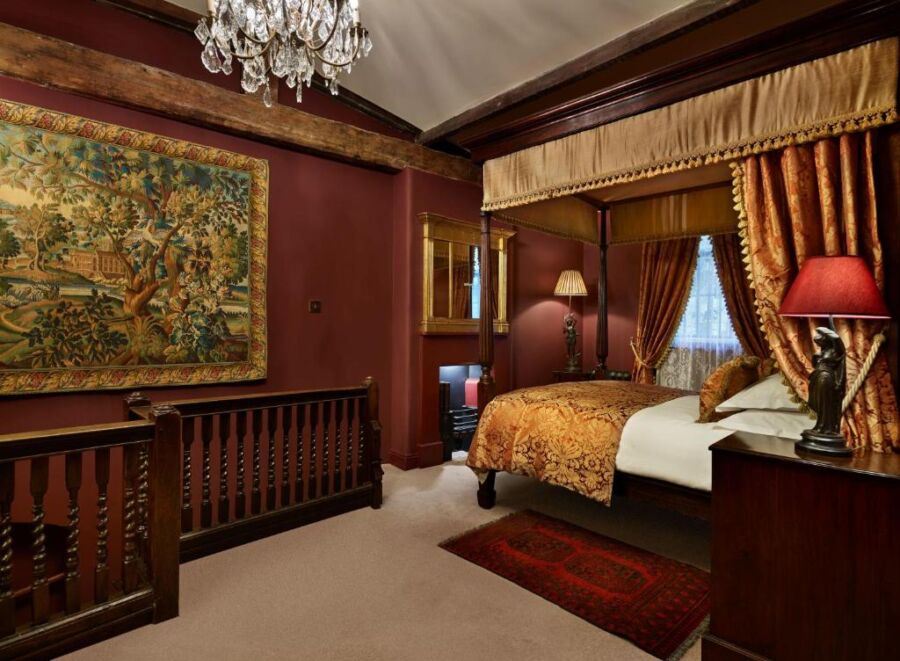
The Rookery hotel near Clerkenwell feels like stepping into another era—four-poster beds, open fireplaces, real atmosphere.
Shangri-La at The Shard puts you above the city with floor-to-ceiling windows. The bathtub views are worth the splurge if you’re celebrating. Watching the city light up from your room? Hard to beat.
For something wild, Gir Lion Lodge at London Zoo lets you sleep over with the animals. You get after-hours zoo access, a two-course dinner, and maybe even wake up to lions roaring. Kids love it, but honestly, adults do too.
The Blackbird Hotel in Earl’s Court is quirky and charming without the luxury price tag. Rooms come with free fridge goodies, and the pub downstairs serves a proper British breakfast.
Historic townhouses turned hotels are everywhere in Kensington and Chelsea. Number Sixteen offers contemporary luxury on a quiet street, plus RikRak linen spray to help you sleep after a long day.
See Related: Best Places to Visit in Europe This Year
Frequently Asked Questions
Central London zones 1-2 put you closest to the main sights, while West London neighborhoods offer family-friendly options with solid transport links. Budget travelers can find good value in King’s Cross or Paddington without losing convenience.
What are the top neighborhoods for quick access to London’s must-see attractions?
West End puts you in the thick of it. You can wander to the British Museum, Covent Garden, or Leicester Square in just a few minutes. Everything feels close—sometimes almost too close, but that’s London.
Mayfair gets you right next to Green Park, Buckingham Palace, and those ultra-fancy shops on Bond Street. Sure, it’s pricier, but you’ll skip a lot of time on the tube.
South Bank works great if you want to focus on the Thames. The London Eye, Big Ben, and Westminster Abbey are all a short stroll away. Plus, waking up to those river views? Not bad at all.
Can you recommend centrally located hotels suitable for a 3-day sightseeing itinerary?
The Ampersand Hotel near South Kensington sits perfectly between three major museums. You could almost roll out of bed and land at the Natural History Museum, Science Museum, or Victoria and Albert Museum.
Shangri-La at The Shard has views that’ll make your Instagram pop, but more importantly, you’re close to Tower Bridge, Borough Market, and the Tower of London. If you want value, the Blackbird Hotel near Earl’s Court comes through with free fridge snacks and a breakfast that actually fills you up.
Z Hotels are a lifesaver for budget travelers who just want a clean bed in a central spot. They’re dotted around zone 1, so you’re never far from a tube or a big sight.
Which areas in London offer convenient public transport options for tourists on a three-day visit?
King’s Cross and St Pancras connect you to six tube lines. That’s your golden ticket to almost anywhere in London within about 20 minutes.
Victoria’s another big hub. You’ve got the District, Circle, and Victoria lines, plus trains to Gatwick Airport—super handy if you’re flying out.
Paddington links you to the Heathrow Express. Four tube lines run through here, so getting around is a breeze. The neighborhood’s improved a lot lately, with new cafes and restaurants popping up everywhere.
The Rookery in Clerkenwell feels like you’ve stepped into a Victorian novel. It’s tucked away near Farringdon—a spot most tourists miss—but you’re still only ten minutes from St Paul’s Cathedral.
Wilde Aparthotel in Covent Garden gives you a real kitchen, which is a blessing when you’re tired of eating out. Sometimes you just want toast and tea in your pajamas, right?
Number Sixteen in South Kensington hides on a quiet street. There’s a secret garden out back where you can unwind after a long day. And that RikRak linen spray? Oddly luxurious and actually helps you sleep.
What are the best value areas to stay in that are still within easy reach of London’s major sights?
Pimlico sits just south of Victoria Station. Hotels here cost about 30% less than Westminster, but you’re only a 15-minute walk from Big Ben.
Earl’s Court used to have a rough edge, but it feels safe now. Prices are reasonable and you get direct tube access to South Kensington’s museums and the West End theaters. If you’re searching for affordable flights to London, you might even save enough to upgrade your room.
Bayswater, right by Hyde Park, nails that balance between price and location. You can stroll through the park to Kensington Palace, and Paddington station is right there when you need to hop on the tube.
How does staying outside the city center compare in terms of travel convenience for a compact sightseeing schedule?
If you stay in zones 3-4, you tack on 20-30 minutes to every trip. That might seem manageable at first, but when you’ve only got three days, it eats into your sightseeing time pretty quickly.
You end up spending more of your trip riding the tube instead of actually exploring. And honestly, after a long day wandering museums and monuments, that extra ride back to the hotel just feels like a slog.
The money you think you’re saving on accommodation? It usually disappears on transport anyway. A 3-day travel card for zones 1-6 costs a lot more than just sticking to zones 1-2. And let’s be real—when you’re wiped out, you’re probably going to splurge on a taxi instead of squeezing in another tube ride.


