
Last modified August 17, 2026
Picking between Perast in Montenegro and Hvar Town in Croatia? It’s definitely not a straightforward choice. If you’re after quiet baroque charm and a slower pace, Perast is your spot. If you want nightlife, beaches, and that lively island vibe, Hvar Town’s the one. Both towns have history, jaw-dropping views, and gorgeous waterfronts, but honestly, the vibe couldn’t be more different.
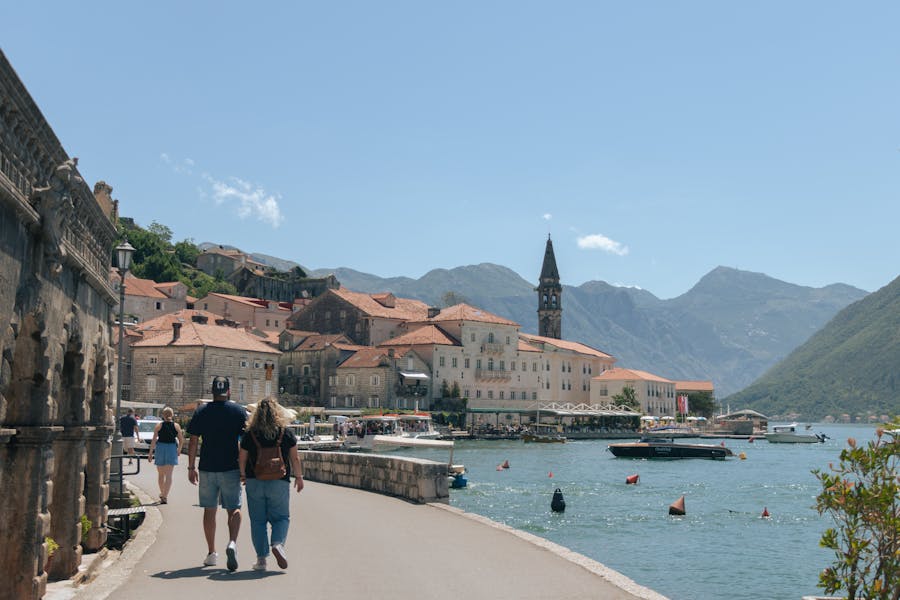
I’ve wandered both, and the contrast really jumps out at you. In Perast, you stroll a one-kilometer waterfront lined with faded palaces and old churches, with the islands of Our Lady of the Rocks glinting offshore.
Hvar Town, meanwhile, gives you Venetian architecture, bustling squares, and boats zipping out to the Pakleni Islands for a swim-and-sun fix.
So, what’s it going to be? Peaceful retreat with timeless charm, or a buzzing island hub where the party never seems to end?
Key Takeaways
- Perast is all about a quiet, historic waterfront
- Hvar Town mixes culture, nightlife, and beaches
- It really comes down to whether you want calm or lively energy
Perast vs Hvar Town: Quick Comparison
Both Perast and Hvar Town perch along the Adriatic, but wow, do they offer different trips. One’s a sleepy waterfront village with centuries of seafaring stories, the other’s a lively island hotspot known for nightlife and beaches.
Location and Accessibility

Perast nestles into the Bay of Kotor, just 20 minutes from Kotor and about 30–40 minutes from Tivat Airport. If you’re already on Montenegro’s coast, just hop in a car or bus. Once you arrive, you’ll do almost everything on foot.
Hvar Town, on the other hand, sits out on the island of Hvar in Croatia. You’ll usually fly into Split, then catch a ferry or catamaran across the sparkling Adriatic. The trip takes longer and, honestly, you’ll need to plan ahead—especially in high season when ferries fill up fast.
Atmosphere and Vibe
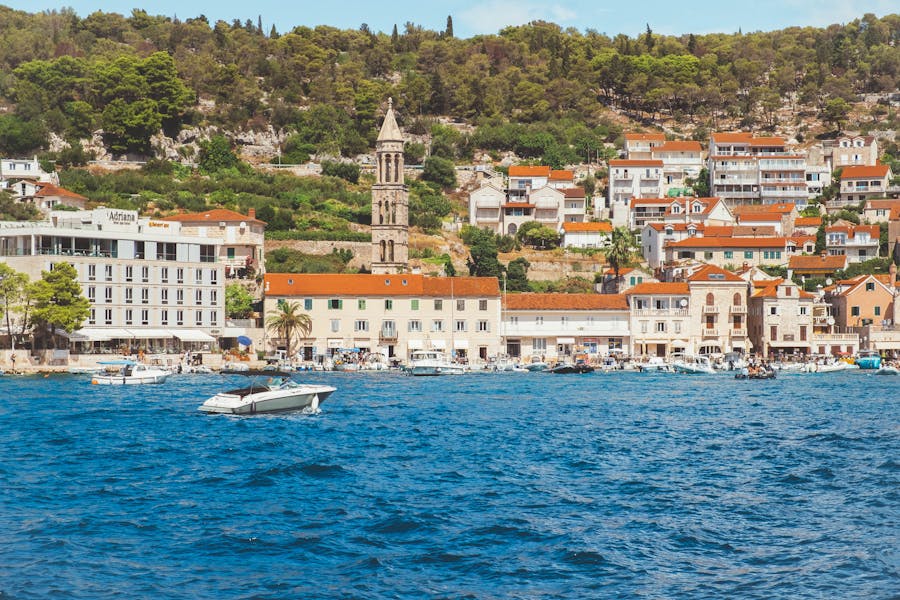
Perast feels calm, almost dreamlike sometimes. With just a few restaurants, a small beach, and historic palaces, it’s more preserved village than tourist magnet.
Even in the height of summer, it’s noticeably slower than nearby Kotor.
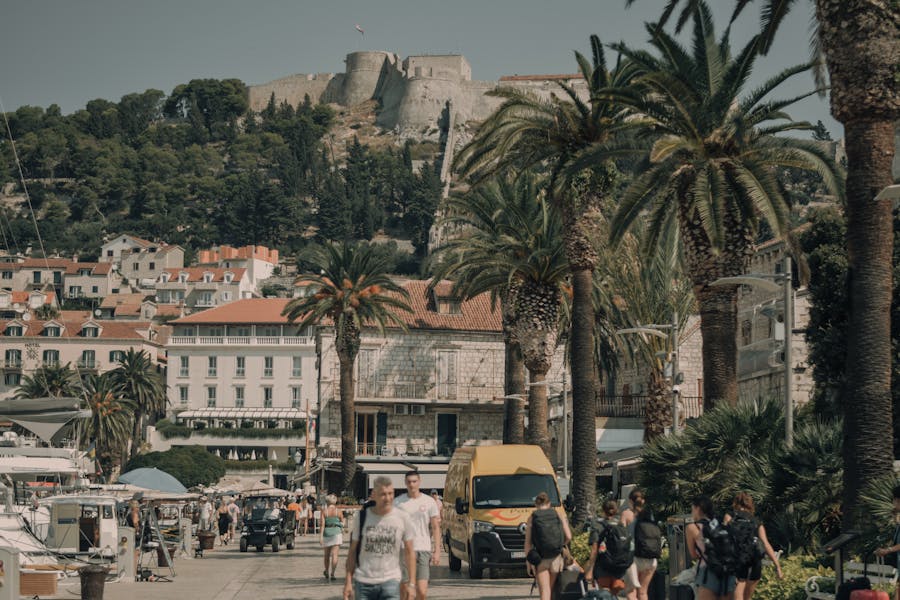
Hvar Town is the total opposite. Picture beach clubs, cocktail bars, and yachts lined up in the harbor. It’s beautiful, sure, but also busy and social. Nightlife? Hvar has it in spades. Prefer quiet evenings by the water? Perast is where you want to be.
I’ll never forget sipping Montenegrin wine in Perast, church bells echoing across the bay. Then there’s Hvar, where I somehow ended up dancing till sunrise at a beach bar. Completely different worlds, both unforgettable.
Best For: Types of Travelers
Looking for peace and authenticity? Go for Perast. Craving a lively island scene? Hvar Town is calling.
Historical and Cultural Highlights
Both Perast and Hvar Town have tangled histories shaped by empires, sailors, and faith. Their streets and landmarks echo centuries of cultural exchange, from Venetian palaces to Orthodox churches.
You can feel those stories as you wander.
Perast’s Rich Maritime Heritage
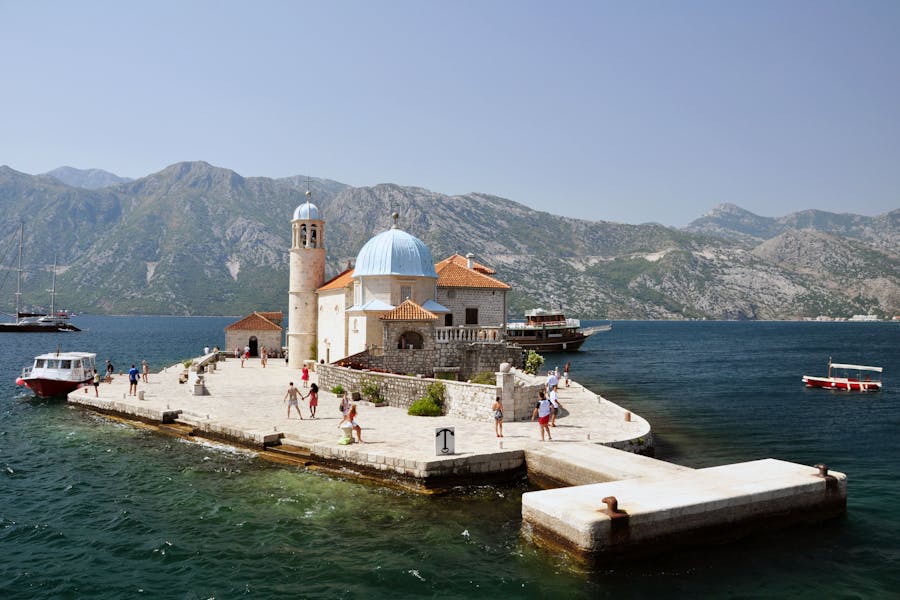
Perast may be tiny, but it once played a huge role on the Adriatic. Perched in Montenegro’s Bay of Kotor, the town thrived under the Venetian Republic, when seafaring families built grand Baroque palaces to flaunt their wealth.
You’ll spot these, like the Bujović Palace, lining the waterfront with their weathered stone faces.
Step inside the Perast Museum, tucked right into that palace, and you’ll find artifacts from the town’s naval glory days. Old maps, ship models, and portraits of captains tell the story of how Perast trained sailors for the Venetian navy.
That detail always gets me—imagine, this tiny place helped man fleets that sailed the Mediterranean.
Religion shaped the town, too. Perast once boasted over a dozen Catholic churches and a couple of Orthodox churches, all hidden down narrow lanes.
Hop on a boat and you’ll reach Our Lady of the Rocks, a man-made island church built stone by stone by local sailors. Standing there, it almost feels mythical.
Hvar Town’s Venetian and Dalmatian Roots

Hvar Town, over in Croatia, serves up a different flavor, though the Venetian Republic left its mark here too. The architecture says it all: stone loggias, the grand St. Stephen’s Cathedral, and a fortress keeping watch over the town.
The Venetians didn’t just shape the buildings—they set the pace of life.
Walk through the main square and you’re literally tracing the footsteps of centuries of traders, sailors, and noble families.
The town blends in Dalmatian culture, which you’ll notice in the music, dialect, and even the food. Once, I stumbled into a local festival—klapa singers belting out harmonies in the square. It felt like stepping into another century.
Hvar’s culture isn’t all about big monuments. Duck into the Franciscan Monastery by the sea for a quiet cloister and some Renaissance art.
Or climb up to the Spanish Fortress for views that make it clear why so many powers fought to control this island.
UNESCO World Heritage Status
When it comes to global recognition, both towns connect to the UNESCO World Heritage Site network, but in their own ways.
Perast falls inside the Natural and Culturo-Historical Region of Kotor, which protects the bay’s medieval towns, fortifications, and landscapes. You’re not just visiting a town—you’re walking into a living heritage zone.
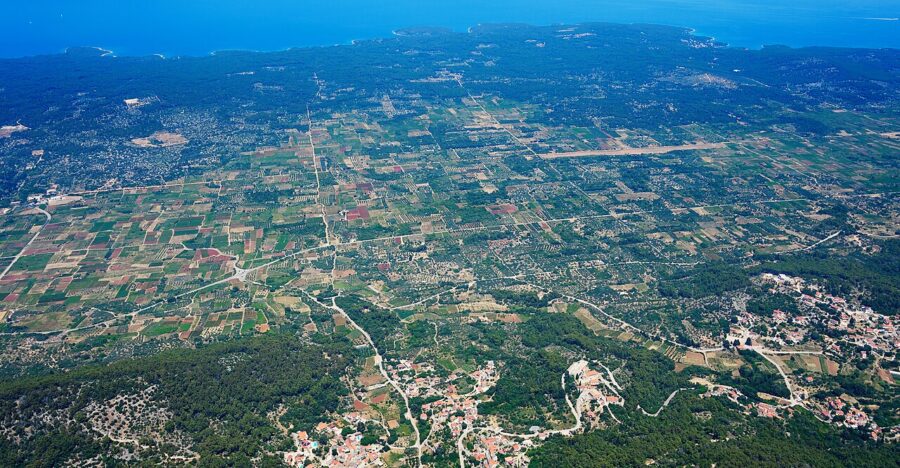
Hvar Town links to UNESCO thanks to its Stari Grad Plain, an agricultural landscape mapped out by ancient Greeks way back in the 4th century BC. Farmers still use the same grid of stone walls and paths. That kind of continuity is rare, and you can really feel how deep the island’s roots run.
So, while Perast tells its story through maritime museums and palaces, Hvar’s recognition comes from both Venetian town planning and ancient rural traditions. In both places, history isn’t just something you see—it’s still alive.
Iconic Landmarks and Attractions
Perast and Hvar Town might be small, but wow, are they packed with landmarks. You’ll stumble on grand churches perched on tiny islands, Venetian palaces with centuries of stories, and fortresses that still keep watch over the coast.
Each spot gives you a different window into the Adriatic’s past—and its living culture.
Our Lady of the Rocks and Island Churches
If there’s one postcard image for Perast, it’s that blue-domed church floating on the water. Our Lady of the Rocks (Gospa od Škrpjela) sits on a man-made island, built stone by stone after sailors found an icon of the Madonna and Child on a rock back in 1452.
It’s a quick boat ride out, and honestly, the view back toward the mountains is worth it alone.
Inside, you’ll find frescoes, silver offerings, and paintings by Baroque artist Tripo Kokolja. The blend of art and legend makes it feel more like a living memory than just another church.
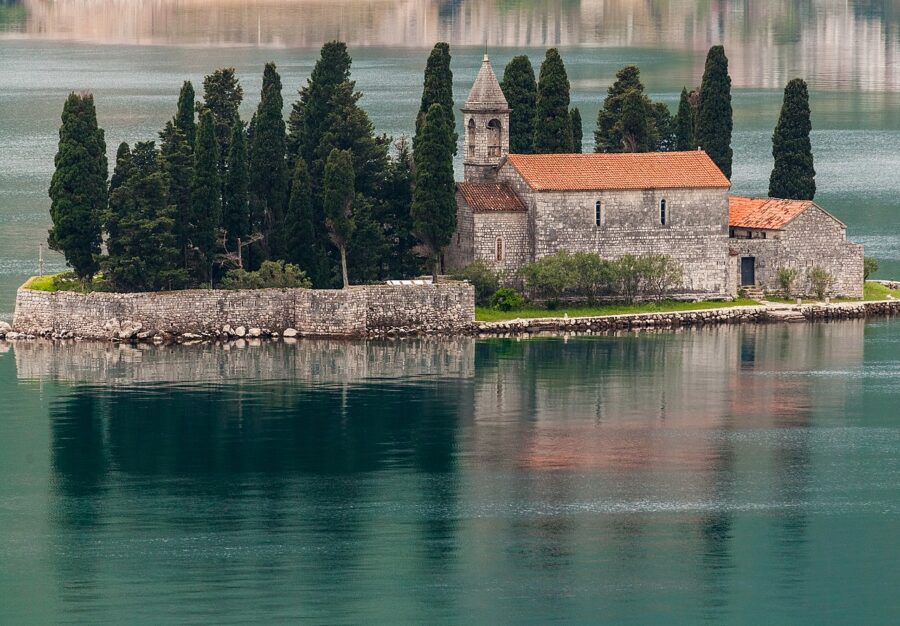
Next door is Sveti Đorđe, a natural island with a 12th-century Benedictine monastery. You can’t actually set foot there, but drifting past its cypress trees and stone walls gives you a sense of Perast’s deep religious roots.
If you’re into sightseeing with a dash of adventure, it’s easy to book day trips to both islands.
Perast Museum and Palaces
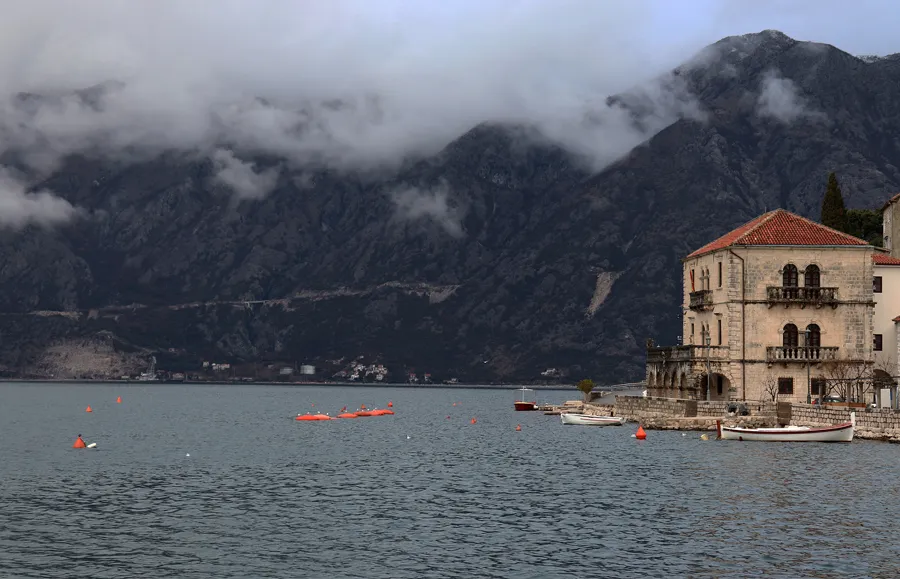
Perast, for all its size, is lined with Baroque palaces that once belonged to wealthy seafaring families. The standout is the Bujović Palace, all grand staircases and carved stone. Stand outside and you can almost picture Venetian nobles sweeping in and out.
The Perast Museum, inside Grgurina Palace, is small but packed with ship models, old maps, and portraits of naval captains. I always linger over the maps—they show just how important Perast was when Venice ruled the Adriatic.
Other palaces like Smekja and Zmajević aren’t open to visitors, but their facades are worth a slow stroll along the waterfront. If you love architecture, this stretch feels like an open-air gallery.
Hvar Town’s Fortresses and Squares
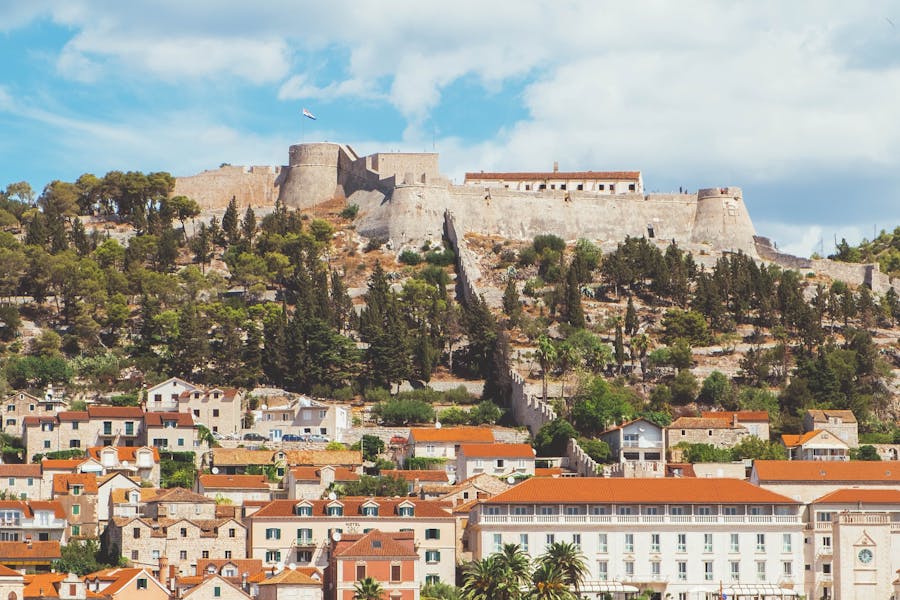
Hvar Town brings a different energy—livelier, more social. The star attraction is the Fortica Fortress (locals call it Španjola), perched on the hill above town. The climb is a bit of a workout, but the view over the harbor and Pakleni Islands is unbeatable.
You’ll understand why locals built it in the 16th century to fend off Ottoman attacks.
Down below, the main square (Trg Sv. Stjepana) is one of Dalmatia’s biggest. The Cathedral of St. Stephen and Renaissance palaces frame the space, and cafés spill onto the stone. I’ve lost count of the evenings I’ve spent people-watching with a coffee in hand.
You’ll also find the Arsenal, once a shipyard, and the oldest public theater in Europe. If you want to dive into history without missing the vibe, guided tours will take you through the fortress, square, and harbor, stories and all.
Natural Beauty and Waterfront Experiences
Perast and Hvar both hug the Adriatic, but your experience of the water is totally different. One is all about calm bays cupped by mountains, the other about open coastlines, beaches, and hopping from island to island.
Both reward you with scenery you won’t forget, just in their own way.
Bay of Kotor and the Adriatic Coast
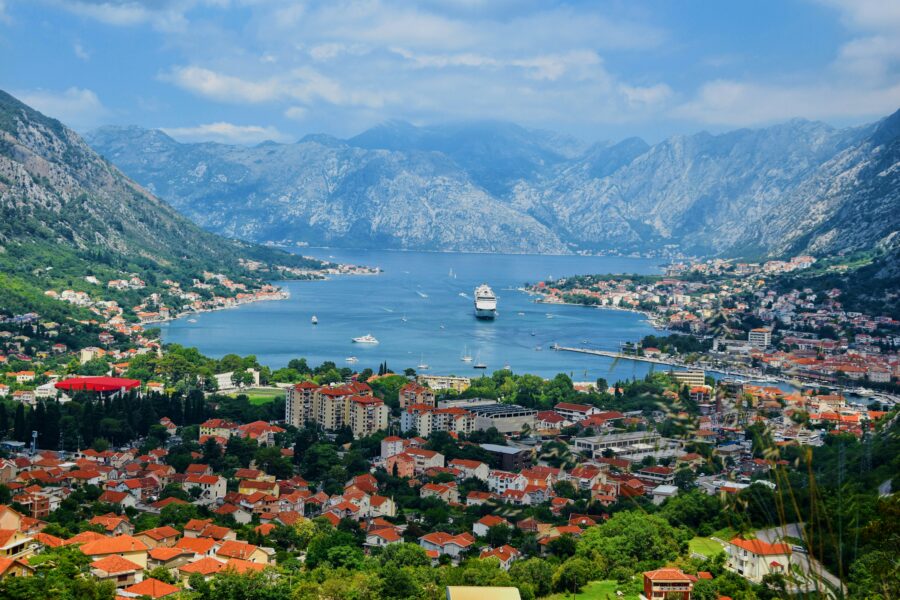
Stand in Perast and you’re not just gazing at the sea—you’re looking at the Bay of Kotor, which people love to call a fjord (technically, it’s a ria, but who’s counting?). The mountains shoot up so steeply from the water, you almost feel wrapped in a natural amphitheater.
As you wander the two-kilometer seaside street, you’ll see stone palaces and old churches pressed right up to the water’s edge.
You won’t find sandy beaches here, but you can swim off stone jetties or hop on a boat to the nearby islets.
The Adriatic in this corner of Montenegro stays calm, not wild like the open coast. It’s perfect if you love quiet boat rides, photography, or just sitting with a coffee as the light shifts over the hills.
Time slows down, and honestly, that’s the magic.
Verige Strait Views

Perast hits you right away with the Verige Strait. This narrow pinch in the bay—just 300 meters across—pulls your eyes and your imagination. I love standing at the water’s edge, watching ships squeeze through, the steep green hills crowding in on both sides.
But honestly, it’s not just about the view. There’s a weight of history here that you can feel. Back in the Venetian days, they built towers and fortresses to guard this bottleneck; it was the key to the whole bay. If you’re up for a walk above town, you’ll spot the old stone ruins still clinging to the hills.
One late afternoon, I sat by the water and watched the sun slide behind those hills while little fishing boats floated through the strait. Time seemed to slow down, and I just soaked it all in. If you crave a landscape with a bit of drama, this is it—and you barely have to leave your café chair.
Hvar’s Beaches and Seaside Promenades

Hvar is a whole different mood. The Adriatic feels endless here, with beaches, hidden coves, and those dreamy Pakleni Islands tempting you from offshore. If you want that swim-and-sunshine fix, Hvar’s got you covered.
The town buzzes with life along its palm-lined promenade. Cafés spill out toward the boats bobbing in the marina, and at night, the fortress glows above it all. Walking here after dark is one of those simple joys that sticks with you long after you leave.
Unlike Perast’s stone platforms, Hvar gives you sandy and pebbly beaches just a stroll away. Water taxis zip you out to secret coves or the Pakleni Islands, where the water’s so clear you’ll want to stay all day.
Hvar always feels more social to me. It’s about lazy beach afternoons that roll right into lively evenings. You can swim, nap, and then find yourself in a packed square by nightfall. The contrast with Perast’s slow pace makes the comparison even more fun.
Local Life, Cuisine, and Festivals
Life in Perast and Hvar Town seems to move to its own rhythm. Sometimes it’s church bells ringing over the Bay of Kotor; sometimes it’s music drifting from a festival stage by the sea. Food, celebrations, and the gentle pace of village life reveal more about these places than any guidebook possibly could.
Traditional Events and Festivities
Perast clings to its sea and religious traditions. The big one is Fašinada in July, when locals row out in decorated boats to drop stones around Our Lady of the Rocks island. It’s not just a show—it’s a ritual that’s been going for centuries, and you can really feel the history.
Religious holidays matter here. Easter and Christmas bring processions through the old lanes, with church choirs adding to the atmosphere. In Montenegro, and especially towns like Perast, these events are for the locals—but you’re welcome to watch and join in.
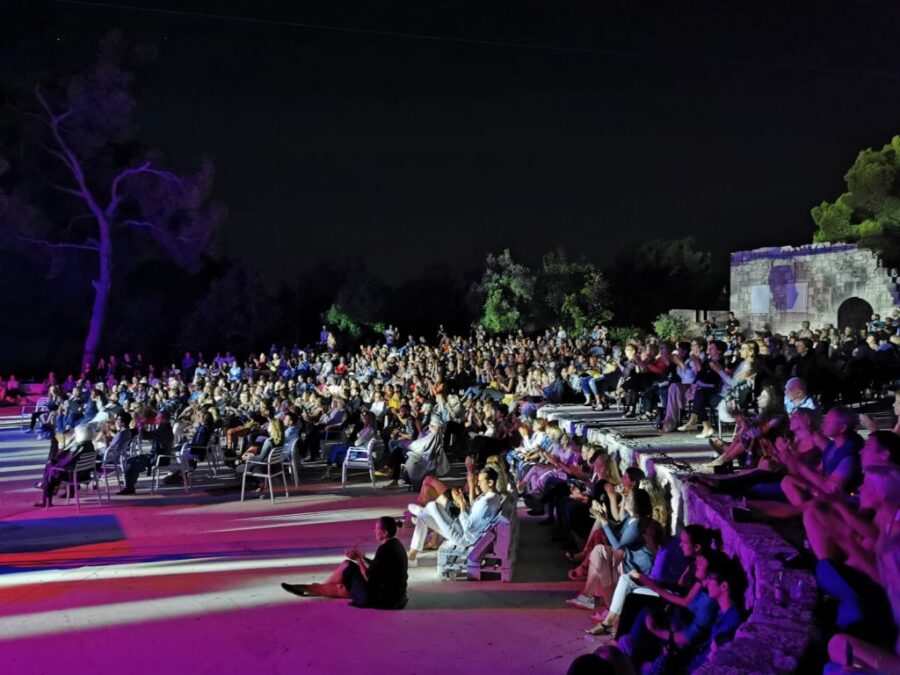
Hvar Town leans more into culture and the arts. The Hvar Summer Festival runs from June to September, filling historical venues with concerts, theater, and dance. You might catch a show in a centuries-old courtyard or even inside the old arsenal. If you’re lucky, you’ll hear traditional klapa singing—haunting and beautiful, honestly.
Dining and Culinary Experiences

Perast’s food is simple and hits the spot. Expect lots of seafood—grilled fish, octopus salad, black risotto. I always recommend the local wines from Tivat and the Montenegrin coast; they’re a bit under the radar but pair perfectly with the fresh, salty flavors.
Meals here stretch out. You sit at a waterside konoba, order a carafe of white, and let the plates keep coming. It’s unfussy, but after a day wandering stone streets, it’s exactly what you want.
Hvar Town, meanwhile, has a flashier dining scene. Trendy spots serve gregada fish stew or squid-ink risotto, and the island’s Plavac Mali wines are worth a try. Here, it’s as much about the setting—sunset terraces, candlelit courtyards—as the food. Want to go deeper? Check out this guide to Hvar cuisines.
Authentic Village Vibes

Perast feels like you’ve stepped back in time. There’s just one main street hugging the waterfront, lined with old stone houses that once belonged to sea captains. You’ll find a handful of cafés and family guesthouses, so life stays quiet and personal.
Every morning, you see the same faces—fishermen fixing nets, women chatting outside church, kids diving off the pier. If you want authenticity, Perast gives it to you, no effort required. It’s unpolished, but that’s the charm.
Hvar Town brings a totally different energy. The harbor and main square, Pjaca, are the heart of everything, with St. Stephen’s Cathedral keeping watch. Locals and travelers mingle in cafés, markets, and wine bars. Even in summer crowds, you’ll catch slices of real life—old men playing cards in shaded corners, families shopping at the market.
Slip away from the tourist drag and you’ll stumble into pockets that feel more village than resort. That mix of local life and international buzz is what keeps Hvar Town interesting, as you’ll read in this overview of Hvar’s culture.
Travel Logistics and Insider Tips
Perast and Hvar Town both perch on the Adriatic, but getting around, the best times to visit, and where to stay? Totally different stories. The little things—like ferry times or your choice of guesthouse—end up shaping your trip way more than you’d expect.
Getting Around and Day Trips
In Perast, you’ll walk everywhere. The town’s tiny, and cars aren’t allowed along the waterfront. For day trips, hop on a boat to Our Lady of the Rocks or take a short drive to Kotor or Tivat. Buses connect these towns, but honestly, they don’t run all that often.
Hvar Town gives you more options. Ferries from Split bring you right in, and buses connect you to Stari Grad and Jelsa. Some folks rent scooters or bikes, and water taxis make it easy to find hidden coves.
If you’re bouncing between towns and islands, I suggest comparing flights, hotels, and car rentals ahead of time. It saves stress, especially if you’re juggling connections along the coast.
Best Times to Visit
Perast shines in late spring and early autumn. July and August can get packed when cruise ships show up, but May, June, September, and early October bring warm weather without crowds. I love evening walks along the waterfront in the shoulder season.
Hvar Town is famous for its nightlife, so summer is wild. If you want beach clubs and buzzing bars, July and August are for you. For something quieter, late May or mid-September gives you sunshine and perfect swimming weather.
Just a heads up: ferries run less often in the off-season. Always double-check schedules—one missed boat can cost you half a day.
Accommodation Options

Perast keeps it simple but lovely. Most places are boutique hotels or stone guesthouses with bay views. Many are family-run and fill up fast in summer. If you want peace, Perast makes a great base, but don’t expect loads of budget options.
Hvar Town has everything—apartments, flashy waterfront hotels, you name it. Booking.com lists plenty for every budget, from private studios to luxury suites. Stay central for nightlife, or pick a hillside rental for quiet evenings.
Whichever town you pick, pack light and practical. Cobblestones and steps will eat your rolling suitcase alive, so grab a sturdy backpack and a few essentials from travel gear shops. Trust me, overpacking can ruin your island groove faster than you think.
Frequently Asked Questions
Perast and Hvar Town feel worlds apart, even though both are on the Adriatic. One’s tiny and peaceful, with a handful of historic sights; the other is lively, social, and packed with food, nightlife, and day trips.
What are the unique attractions to visit in Perast compared to Hvar Town?
In Perast, you can’t skip u003cstrongu003eOur Lady of the Rocksu003c/strongu003e, a man-made island and church you reach by boat. Climb the bell tower of St. Nicholas for panoramic bay views, or wander past Venetian palaces lining the 1.5 km waterfront u003ca href=u0022https://www.adventurouskate.com/perast-montenegro/u0022 target=u0022_blanku0022 rel=u0022noreferrer noopeneru0022u003elike this guide showsu003c/au003e.u003cbru003eu003cbru003eHvar Town is much bigger. You’ll want to hike up to the u003cstrongu003eSpanish Fortressu003c/strongu003e for epic views, stroll the old town’s stone streets, or catch a boat to the u003cstrongu003ePakleni Islandsu003c/strongu003e. The scale and vibe are totally different.
How does the nightlife in Hvar Town differ from that in Perast?
Hvar Town lives for nightlife. Beach clubs, open-air bars, and late-night parties draw travelers from all over Europe. You can easily find yourself out until sunrise—if that’s your thing.u003cbru003eu003cbru003ePerast is the opposite. Nights are about quiet dinners by the water or a glass of Montenegrin wine at a cozy bar. The “lively” spot is Pirate Bar, which feels more like a relaxed beach hangout than a party.
What are the transportation options for traveling between Perast and Hvar Town?
No direct ferry connects Perast and Hvar Town. You’ll need to mix and match—usually a drive or bus from Perast to Dubrovnik, then a ferry to Hvar.u003cbru003eu003cbru003eIt takes some planning. If you’re short on time, flying into Split and catching a ferry to Hvar is much easier than trying to link up from Montenegro.
Can you compare the culinary experiences between Hvar Town and Perast?
In Perast, you’ll feast on traditional Montenegrin seafood—mussels, oysters, grilled fish, and cakes like u003cstrongu003ePeraška Tortau003c/strongu003e. The scene is small, personal, and most spots are right on the water u003ca href=u0022https://www.adventurouskate.com/perast-montenegro/u0022 target=u0022_blanku0022 rel=u0022noreferrer noopeneru0022u003eas noted in travel guidesu003c/au003e.u003cbru003eu003cbru003eHvar Town brings more variety. You’ll find everything from fine Mediterranean dining to casual pizza joints. The crowd is younger and more international, so the food scene feels modern compared to Perast’s old-world simplicity.
What is the best time of year to visit Hvar Town versus Perast for weather and local events?
Hvar Town peaks in July and August—hot weather, festivals, and big crowds. If you love nightlife, that’s the time to go. For something calmer, late May, June, or September still offer sunshine and swimming without the chaos.u003cbru003eu003cbru003ePerast is also gorgeous in summer, but it never feels as crowded. The u003cstrongu003eFavižanau003c/strongu003e festival happens in July, when locals toss rocks into the bay for tradition’s sake. Spring and fall are perfect if you want cooler hiking weather in the mountains.
What are the accommodation options in Hvar Town like compared to those in Perast?
Hvar Town really spoils you for choice. There are boutique hotels, lively hostels, swanky resorts, and plenty of private apartments tucked into old stone buildings.u003cbru003eu003cbru003eYou can pick a spot right in the middle of the party scene, or maybe you’d rather sneak away to a quieter corner—totally your call.u003cbru003eu003cbru003ePerast, on the other hand, feels like a different world. It’s tiny, and you’ll mostly come across cozy guesthouses, a handful of small hotels, and the occasional boutique stay inside a restored palace.u003cbru003eu003cbru003eThere’s something incredibly charming about the intimacy here, but honestly, the options run out fast. If you’re planning a summer trip—especially July or August—don’t wait too long to book.


