

Last modified August 17, 2026
Picking between Rhodes and Corfu? Yeah, it’s tough—they both serve up loads of sunshine, history, and that irresistible Greek charm. I’ve roamed both, and honestly, they couldn’t feel more different. Rhodes comes at you bold and golden, soaked in sunlight and medieval tales. Corfu’s all about lush green hills, Venetian vibes, and those soft, salty breezes. Craving endless sun and ancient ruins? Rhodes is your place. If you want greenery, elegance, and cooler evenings, Corfu’s the winner.
Rhodes pulses with energy, especially around its old town walls. Corfu, meanwhile, whispers through olive groves and pastel villages. Pack light (but don’t skip the travel gear—it really does make hopping between beaches, ruins, and tavernas way easier).
Key Takeaways
- Rhodes brings more sun and history; Corfu’s got greenery and cooler, breezy charm.
- Each island serves up its own style of beaches, food, and nightlife.
- Knowing what you want from your trip makes picking the right island a lot simpler.
Rhodes vs Corfu: Quick Comparison

Rhodes and Corfu each deliver a unique Greek island experience. One calls you to medieval streets and sun-baked beaches, while the other tempts with Venetian flair and green, rolling hills.
Location and Geography
Rhodes sits out in the southeastern Aegean, part of the Dodecanese islands, and it’s close enough to Turkey that you catch a bit of that eastern flavor. The land feels dry, rugged—think pine forests and endless golden beaches.
Corfu is way up northwest in the Ionian Islands, and it’s a whole different vibe. Green, hilly, covered in cypress and olive trees. The architecture screams Venetian, with a dash of French and British touches for good measure.
These two don’t even look related on a map. Rhodes is sunbaked and ancient. Corfu? Softer, romantic, slower. Rhodes moves to a lively urban beat; Corfu drifts in laid-back, countryside time.
Size and Accessibility
Rhodes is the big one—about double Corfu’s size. That means more beaches, more landscapes, more to explore. Rhodes Town sprawls enough to keep you entertained for days, especially if you’re into wandering old city walls or sipping coffee by the sea.
Corfu’s smaller, and honestly, it’s easier to get around. Most villages and beaches are just a quick drive from Corfu Town, so you won’t spend ages in the car.
Both islands have international airports with direct flights from Europe. Check Skyscanner or KAYAK for deals. Ferries link them to Athens and nearby islands, but Rhodes is farther out, so the boat ride takes longer.
Thinking of staying overnight? Booking.com lists everything from luxury resorts to family-run guesthouses.
Best Time to Visit
Rhodes, being farther south, gets a warmer, drier climate. You can swim from May through October—sometimes even later. I’ve sat on the beach in November and didn’t need a jacket.
Corfu’s summer is shorter and the island stays green for a reason—it rains more in winter and spring. May and June are magic for hiking and sightseeing (everything’s in bloom).
If you’re not a fan of crowds, late spring and early fall are golden. Flights and hotels usually cost less then too. Try CheapOair or Expedia for bargains.
Island Vibes and Atmosphere
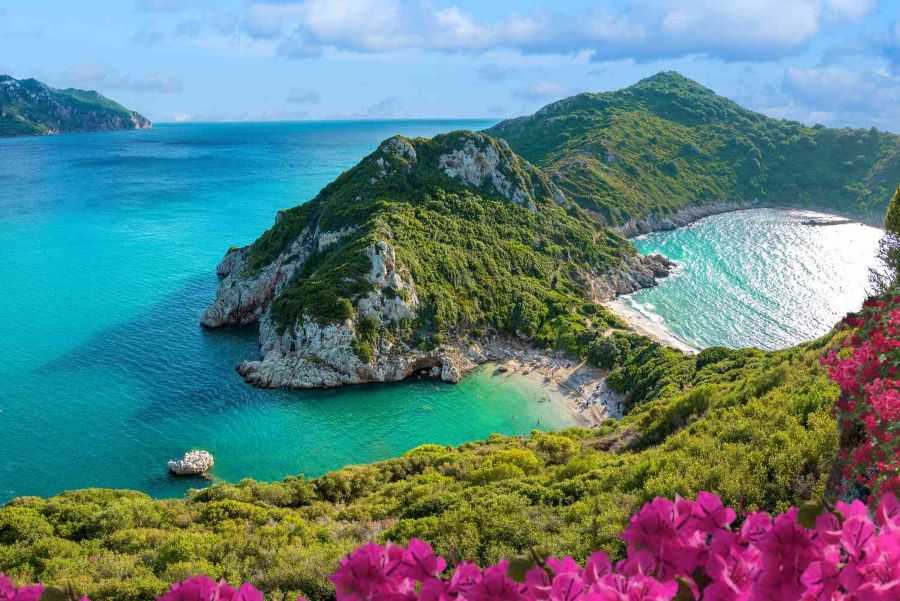
Rhodes gives you bold, sunlit energy. Corfu leans into green, breezy relaxation. Both islands love their food, seaside life, and lazy afternoons—but their personalities? Couldn’t be more different. Rhodes hums with medieval drama; Corfu whispers Venetian romance.
Cultural Influences
Walking through Rhodes Old Town feels like time travel. Cobbled lanes, stone arches, fortress walls—they all tell stories of knights and traders. Turkish and Byzantine flavors linger in the food and buildings. You’ll catch the scent of spices drifting from tavernas serving meze that nod to both Greece and the East.
Corfu Town? It’s got an Italian heart. The Liston Promenade was inspired by Paris, pastel buildings borrowed from Venice. Here, church bells ring out instead of calls to prayer, and locals sip coffee under arcades that could pass for Florence.
| Island | Cultural Blend | Notable Influence |
|---|---|---|
| Rhodes | Greek & Turkish | Medieval heritage, Ottoman traces |
| Corfu | Greek & Venetian | Italian architecture, British touches |
Corfu feels softer and more romantic. Rhodes? Grander, more in-your-face.
Local Lifestyle and Pace
If you’re after a slower pace, Corfu is probably your match. Life moves with the sea breeze. Locals linger over meals, afternoons stretch into evenings, and fishing villages like Kassiopi and Benitses still keep that easygoing charm.
Rhodes moves quicker. Its main town buzzes with shops, cafés, and nightlife, especially by Mandraki Harbor. Still, you can find quiet corners—like Embonas, up in the hills—where everything slows down.
I’ve noticed Rhodes locals are a bit more direct, while Corfiots take a gentler approach. Neither place feels rushed, but Rhodes definitely has a stronger pulse, especially in summer.
Family-Friendliness
Both islands welcome families, just in their own ways. Corfu feels intimate and safe, especially for younger kids. Many beaches slope gently into calm water, and resorts near Gouvia or Dassia are kid-friendly. Kids love exploring old fortresses or watching boats in the harbor.
Rhodes is great for families who want options. Mix up beach days with trips to the Palace of the Grand Master or head out to Lindos for a change of scene. Bigger resorts near Faliraki and Kolymbia have pools, kids’ clubs, and plenty of restaurants.
For something quieter, both islands offer small guesthouses run by families who treat you like you’ve known them forever. That Greek hospitality? It’s real, whether you’re sipping ginger beer in Corfu or catching the sunset on a Rhodes beach.
Want more on the differences? Wandering Our World compares their atmospheres in detail.
Beaches and Swimming Experiences
Both Rhodes and Corfu have crystal blue water, soft sand, and plenty of room to swim or chill. The big difference is in the coastline—Rhodes sits in the Aegean Sea with long, sunny stretches; Corfu faces the Ionian Sea, known for deep green water and sheltered coves. Each island gives you a different beach vibe.
Top Beaches in Rhodes
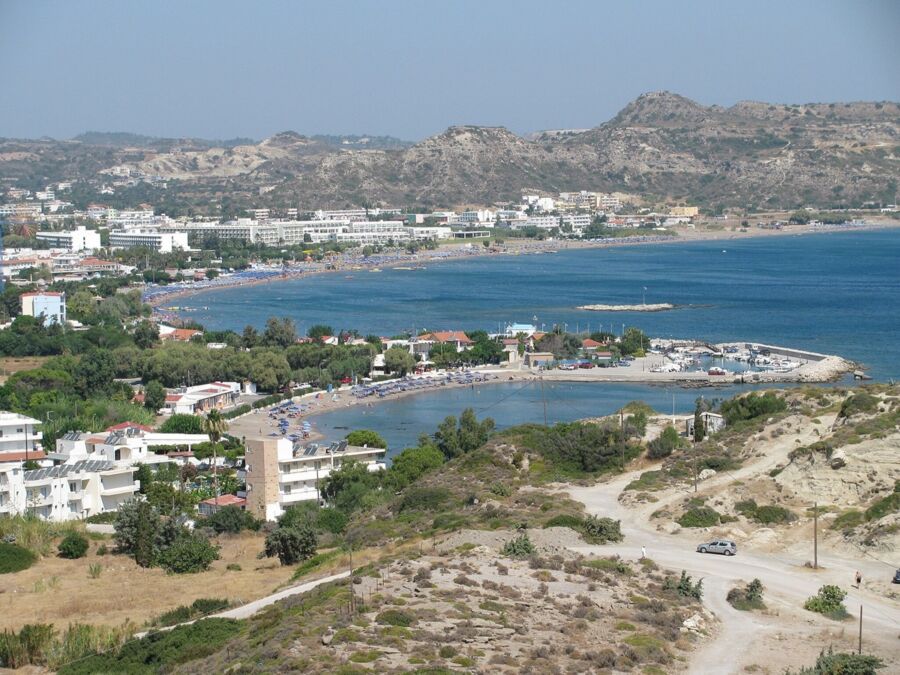
Rhodes’ coastline just begs for long beach days. The east side is calm and sandy; the west is breezier, great for water sports.
Faliraki Beach draws families with shallow water, umbrellas, beach bars, and water activities. If you want something quieter, Tsambika Beach has golden sand and a laid-back feel.
I’m a fan of Anthony Quinn Bay—a tiny cove with rocky cliffs and water so clear you can watch fish darting around your toes. For a remote escape, Agathi Beach near Haraki village is simple and beautiful—no crowds, just gentle waves.
Want more? Rhodes vs Corfu: An Honest Comparison covers the diversity of Rhodes’ beaches.
Top Beaches in Corfu
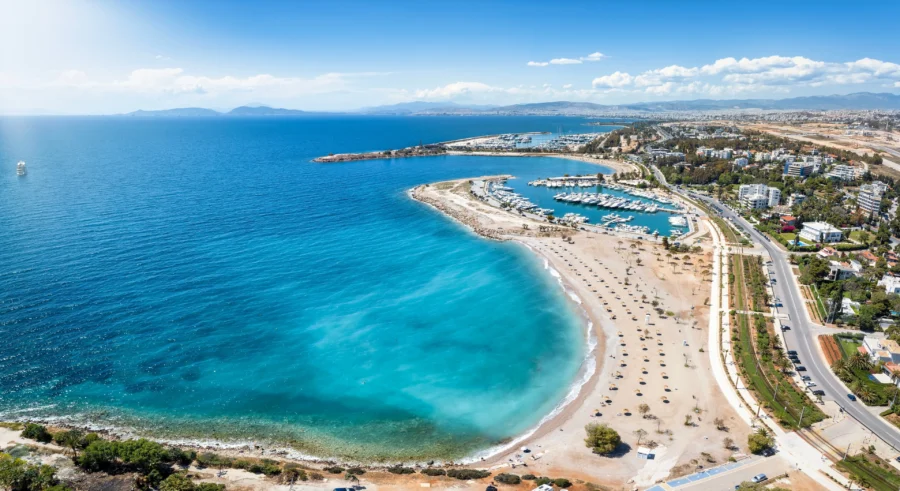
Corfu’s beaches often hide behind green hills and olive groves. The scenery feels softer, almost like a Mediterranean garden.
On the west, Glyfada Beach is a wide sandy bay, perfect for swimming and sunbathing. Locals love it too. Paleokastritsa—probably the most photographed spot—offers turquoise coves, cliffs, and cypress trees. Even in late summer, the water stays cool and clear.
For more, check out the Rhodes vs Corfu travel guide for a good look at what makes Corfu’s coast special.
Swimming Conditions and Water Quality
Swimming feels different on each island, mostly because of the seas. Rhodes, in the Aegean, has slightly saltier, warmer water. The east coast is calm—great for beginners. The west? Sometimes windy, but fun if you like waves.
Corfu’s Ionian Sea is cooler and deeper. On a hot day, that’s a gift. I’ve noticed Corfu’s coves stay clearer because they’re sheltered from strong currents—snorkeling is a treat.
Both islands keep their water super clean. You can usually see the bottom, even out deep. Main resort beaches are especially well-kept and safe.
Hidden Coves and Secluded Spots

Love quiet beaches? You’ll find gems on both islands. In Rhodes, Ladiko Bay and Fourni Beach are small and scenic, with fewer people. You’ll need a car or scooter, but it’s worth it for the peace.
Corfu hides even more secret coves. Porto Timoni has twin bays split by a narrow strip—one side calm, one wild. It’s a short, steep hike down, so bring decent shoes.
I once stumbled on a tiny pebble beach near Kassiopi—just a handful of locals, no shops, just cicadas and the gentle splash of the Ionian. Guides like Corfu or Rhodes: Choose the island that suits your tastes talk about these tucked-away spots as a big part of Corfu’s magic.
If you like exploring, both islands reward you for wandering. The best beaches? Sometimes they’re the ones you find by accident.
Historical and Cultural Landmarks
Rhodes and Corfu both let you walk through history—literally. From sun-bleached ruins overlooking the sea to winding cobblestone streets shaped by centuries of trade and conquest, each island tells its story through its buildings and living traditions.
Acropolis of Lindos and Ancient Sites

If you’re into ancient history, Rhodes grabs you right away. The Acropolis of Lindos towers above the whitewashed village, its columns and temples glowing in the Aegean sun. Standing up there, it’s easy to imagine ships drifting into the bay far below.
I remember climbing those steps early one morning, before the crowds and the heat. In the quiet, I could almost hear the footsteps of priests and traders who once passed through those gates. The place tells its story through its Greek, Roman, and Byzantine ruins—layers that reveal how Rhodes changed with the times.
You’ll also find the remains of Ialysos and Kamiros, two other ancient city-states that predate Rhodes town. Their ruins don’t have Lindos’s polish, but honestly, that’s part of the charm. They feel more like time capsules than museums. You can wander, sit, and soak up the atmosphere without bumping elbows with tour groups. For more, check out the Rhodes Guide on historical monuments for a rundown of the island’s archaeological spots.
Venetian and Medieval Heritage
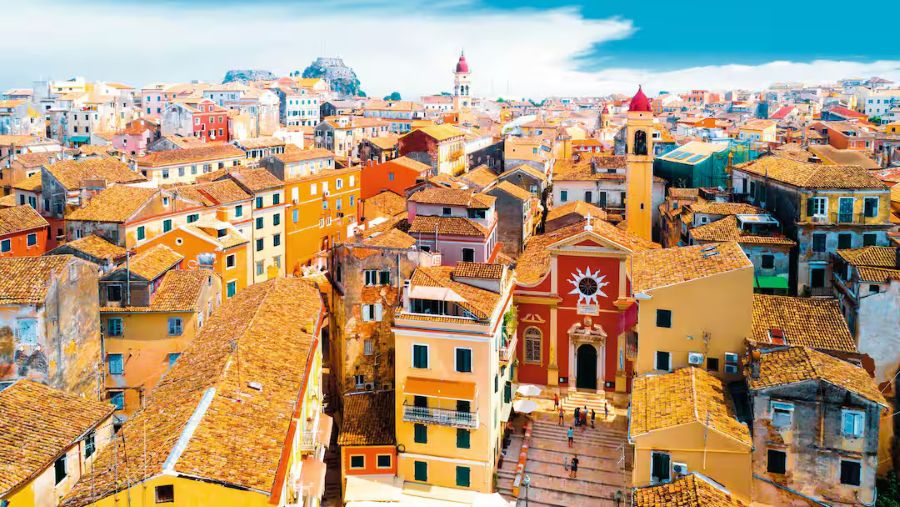
Corfu’s heartbeat is in Corfu Town, a UNESCO World Heritage site molded by Venetian rule. The pastel facades, tangled lanes, and shaded arcades could pass for an Italian port city. The Old Fortress and New Fortress still watch over the harbor, reminders of centuries spent fending off Ottoman attacks.
Stroll the Liston Promenade and you’ll spot French influences—leftovers from a brief but fashionable occupation. And tucked between fortresses, you’ll catch glimpses of British legacy too, like cricket matches or the occasional ginger beer vendor. Travelers on Tripadvisor’s Rhodes or Corfu forum have noticed it as well. It’s a quirky blend that gives Corfu a cosmopolitan edge you don’t find everywhere in Greece.
Rhodes, on the other hand, wears its medieval past on its sleeve. The Old Town of Rhodes, built by the Knights of St. John, is one of Europe’s best-preserved medieval cities. When you walk its stone streets, it feels like you’ve stepped into a living museum—Gothic arches, Ottoman courtyards, and all.
Museums and Local Traditions

Museums on both islands fill in the gaps the ruins and fortresses leave behind. In Rhodes, the Archaeological Museum sits inside a medieval hospital and brings the island’s ancient relics to life. Nearby, small galleries show off local crafts and maritime stories, letting you peek into how people lived between wars and empires.
Corfu’s Archaeological Museum and Museum of Asian Art add another layer. You’ll see Venetian paintings, Byzantine icons, and even collections from Japan and China—a reminder of just how far Corfu’s connections once stretched. For more cultural gems, check Discover Corfu’s culture and history listings.
If you visit during Easter, Corfu’s traditions really come alive. Locals chuck clay pots from balconies to welcome spring—a noisy, wild celebration that says more about the island’s spirit than any museum ever could.
Nightlife and Entertainment

Rhodes and Corfu both wake up after dark, but they do it differently. Rhodes goes big with its resort nightlife and beach clubs. Corfu mixes energetic bars with easygoing taverna evenings. Whether you want to dance until sunrise or just sip wine by the water, you’ll find your spot.
Party Hotspots
If you’re after loud music, energy, and neon lights, Rhodes has you covered. The resort town of Faliraki is the island’s party zone, packed with beach bars and clubs that don’t shut until the sun’s up. The scene is young, wild, and full of house and pop beats right by the water.
Rhodes Town feels a bit more grown-up at night. Rooftop cocktail bars overlook the harbor, and you’ll stumble into lounges tucked inside medieval walls. I once spent a night there bouncing from a jazz bar to a tiny club hidden in an old stone building—it felt like the past and present colliding in the best way.
Corfu’s wildest nightlife is in Kavos, a lively strip of bars, beach clubs, and glowing signs. It’s loud, a bit chaotic, and perfect if you want to dance barefoot in the sand with zero pretension. If you’re more into chill nights, Corfu Town has cozy wine bars and terraces where you can relax and people-watch over ouzo.
Evening Activities Beyond Clubs
You don’t have to be a party animal to love Greek nights. Both islands offer plenty to do after dark. Join a sunset cruise, watch a movie under the stars, or take a night tour through old streets—you can book activities in advance if you don’t want to wing it.
In Rhodes, wandering the Old Town after dark is almost magical. The stone walls glow, and bouzouki music drifts through the alleys. On Corfu, I love walking the Liston promenade at night, where locals gather for gelato and gossip. Simple, but it never gets old.
Small tavernas often host live folk music. Grab a seat, order grilled octopus, and let the night stretch out. No frills—just real Greece: warm, slow, and impossibly charming.
Local Festivals and Events

Greek islands throw a great party. Rhodes hosts summer cultural events in medieval courtyards—think outdoor theater and classical concerts. In August, the Medieval Festival fills the Old Town with costumes and torchlit parades. You can even book tours and day trips that include festival access.
Corfu’s calendar is just as packed. Easter here is legendary—locals hurl clay pots from balconies in a wild, joyful racket. In summer, you’ll stumble onto open-air music festivals and village feasts, where everyone dances in circles under the stars.
Sometimes you’ll luck into a panigiri, a traditional village blowout with food, wine, and dancing that can last till sunrise. Honestly, it’s these moments that make Greek nights unforgettable.
Food, Dining, and Local Flavors
Rhodes and Corfu both celebrate Greece’s love for simple, fresh food, but they each have their own flavor. Rhodes leans into Mediterranean spice and local produce. Corfu mixes Greek and Italian influences—a nod to its Venetian past. Both islands serve food that feels like a slice of their history.
Traditional Dishes of Rhodes

On Rhodes, meals often kick off with pitaroudia, crispy chickpea fritters loaded with onion, tomato, and herbs. There’s also lachanodolmades—cabbage rolls stuffed with rice and meat, simmered in lemony sauce. Good, honest comfort food.
For something heavier, try kapamas—goat or lamb slow-cooked with rice, raisins, and pine nuts. Locals serve it at family gatherings and festivals. If you’ve got a sweet tooth, grab a melekouni—a sesame and honey bar given at weddings for luck.
Rhodes also pours unique drinks like souma (a grape spirit, a bit like grappa) and kanelada, a cool cinnamon soft drink. You can dig deeper into these flavors in this Rhodes food and drink guide.
Corfu’s Unique Cuisine
Corfu’s food stands out thanks to its Italian twist. You’ll taste it in dishes like pastitsada—pasta with beef slow-cooked in a rich tomato sauce—and sofrito, thin veal slices simmered in white wine and garlic. Pure comfort, and not far from what you’d find in Venice.
Seafood is everywhere—grilled octopus, spicy bourdeto stew, fresh sardines. Even the salads pop with local olive oil and lemon. Corfu’s cuisine tells the story of a place shaped by trade and mixing cultures—a plateful of Greek heart and Italian soul.
For more on the island’s culinary scene, check out this Corfu food guide.
Best Places to Eat
In Rhodes, you’ll eat best in small tavernas hidden in old town alleys or by the sea near Lindos. Hunt down family-run spots with hand-written menus—those are usually the winners. I once ducked into a tiny place near the harbor and had the best giouvetsi, straight out of the oven and barely five euros.
Corfu mixes elegant bistros with classic tavernas. The cobbled lanes of Corfu Town hide trattoria-style restaurants serving homemade pasta and local wine. For a solid list, check out the 13 definitive restaurants of Corfu.
Both islands reward curiosity. Wander, ask locals where they eat, and you’ll stumble on meals that tell the story of Greece, one bite at a time.
Frequently Asked Questions
Rhodes and Corfu both give you plenty of reasons to visit—medieval towns, Venetian charm, beaches, food, and easy travel. Each island suits a different traveler, whether you want history, family fun, or just a chill seaside escape.
Which island is better for a family vacation, Rhodes or Corfu?
If you’ve got kids, Rhodes might be simpler. The island has bigger resorts, water parks, and family-friendly beaches like Faliraki. There’s more to do, but you’ll spend more time getting from place to place.u003cbru003eCorfu feels slower and greener. With shorter drives, calm beaches, and friendly villages, it’s great for families who want to take it easy.
What are the differences in expenses when traveling to Rhodes versus Corfu?
Rhodes gives you more choices for where to stay, from u003ca href=u0022https://www.realjourneytravels.com/affordable-travel-destinations/u0022u003ebudget hotelsu003c/au003e to luxury resorts. Prices spike in summer, but you can score deals in the shoulder seasons.u003cbru003eCorfu is usually a bit cheaper for food and local buses. Both islands have affordable guesthouses, and you can stash your bags at u003ca href=u0022https://nannybag.pxf.io/09zYz3u0022u003eluggage storageu003c/au003e spots instead of pricey hotel day rooms.
How do Rhodes and Corfu compare in terms of size and geography?
Rhodes is about twice as big as Corfu, with open landscapes and longer drives between sights. It’s drier, with rolling hills and pine forests.u003cbru003eCorfu is smaller, greener, and more compact. You can drive across it in a few hours, which is perfect if you like short day trips.
What is the best time of year to visit Rhodes or Corfu for optimal weather?
Rhodes has longer, warmer summers. You can swim comfortably from May to October. If you want guaranteed sun, it’s the safer bet.u003cbru003eCorfu stays cooler and greener, thanks to more rain (especially in winter). Late May to early September is your best shot for beach weather before autumn showers roll in.
Can you compare the historical and cultural experiences between Rhodes and Corfu?
Rhodes feels like a walk through a medieval movie set. The Old Town, built by the Knights of St. John, is packed with cobbled alleys and stone arches. You could easily spend a day exploring its walls and museums.u003cbru003eCorfu leans Venetian and British. You’ll spot pastel buildings, elegant fortresses, even a cricket pitch in town. It’s this mix of Italy and Greece that makes it so unique in the islands.
How do the beaches of Rhodes compare to those of Corfu in terms of beauty and facilities?
Rhodes really delivers if you’re after warmer waters and lively, well-organized beaches. You’ll spot plenty of loungers, beach bars, and spots for water sports. Prasonisi, in particular, draws windsurfers and kitesurfers from all over—there’s a real buzz there.u003cbru003eCorfu, on the other hand, feels more laid-back and untouched. Its beaches are shaded by trees, tucked into calm coves, and you can usually wander right in without much hassle. If you’re thinking of jumping into water activities, don’t forget to check out u003ca href=u0022https://visitorscoverageinc.pxf.io/BnkKk9u0022u003einsurance coverageu003c/au003e, especially if you’re traveling during the busy season.