
Last modified August 17, 2026
Picking between Whidbey Island and San Juan Island? Yeah, it’s a real dilemma. If you’re after easy access, lower costs, and a quick getaway, Whidbey Island’s the one. San Juan Island, though, brings a more remote, scenic escape with that slower, dreamy pace. You get stunning views, wildlife, and small-town charm on both, but honestly, the vibe shifts a lot depending on which you pick.
You’ll spot the difference right away—driving onto Whidbey through Deception Pass is a breeze. San Juan? You’re wrangling ferry reservations and spending way more time getting there. But let’s be fair, San Juan pays you back with gems like Lime Kiln Point for orca watching and a more polished, upscale feel in Friday Harbor.
Whidbey keeps it casual. Cozy towns, beaches, and plenty of space to just wander without a schedule. I love that.
Whatever you pick, pack smart—layers, waterproof jackets, and some trusty travel gear make everything more comfortable. The islands move at their own pace, which is honestly why I can’t stay away. Just ask yourself: what kind of pace do you want?
Key Takeaways
- Whidbey is easier and cheaper to reach
- San Juan offers more remote scenery and wildlife
- Both islands provide unique small-town charm and activities
Whidbey Island vs San Juan Island: Quick Comparison

Both Whidbey Island and San Juan Island sit in the Puget Sound of Washington State. But wow, do they give you different experiences. One’s a quick hop and spread out, while the other feels tucked away and a bit more polished, with a pace that slows you down whether you like it or not.
Location and Accessibility

Coming from Seattle? Whidbey Island’s a breeze. You just drive right onto the island via Deception Pass Bridge—it’s free and open all year. Or catch the short ferry from Mukilteo to Clinton, usually under $20 for your car and you.
San Juan Island? That’s a little more of a journey. You’ll need to grab a ferry from Anacortes, and honestly, you’d better reserve ahead. The ride’s beautiful, but it’s longer and costs more—think $70–$85 for a car and driver, depending on what you’re driving.
You could splurge on a seaplane from Seattle to Friday Harbor. It’ll set you back a few hundred bucks one-way, but the views over the Salish Sea? Unreal. If you’re short on time, Whidbey works better for a day trip. San Juan, in my opinion, is best if you can stay overnight.
Size and Population
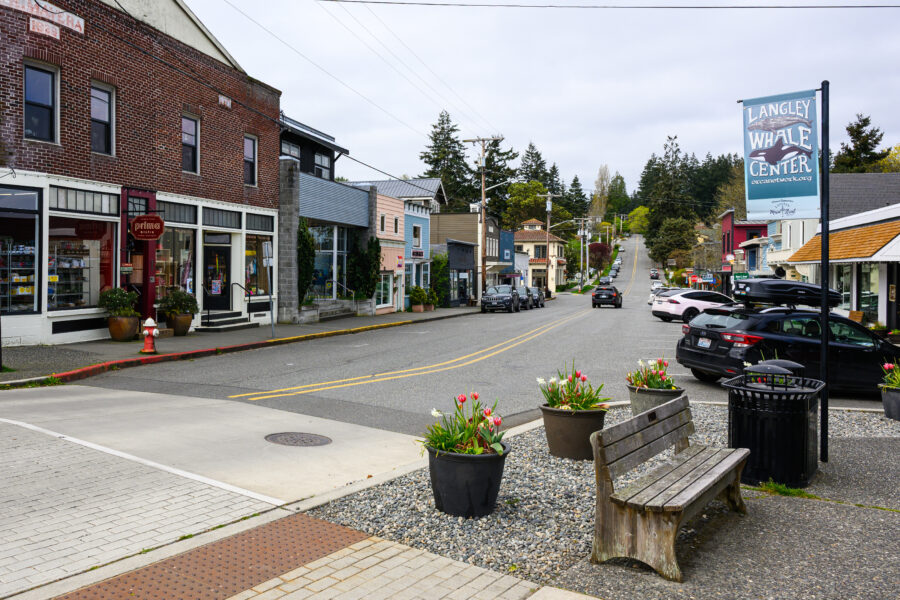
Whidbey Island claims the title of Washington’s largest island, stretching about 55 miles long. Towns like Oak Harbor, Coupeville, and Langley each have their own personality. Because it’s bigger, you’ll find more services, grocery stores, and locals. It feels like a real, working community, not just a vacation spot.
San Juan Island? It’s smaller, with most folks and visitors gathering in Friday Harbor. That’s where the ferry drops you, and it’s packed with restaurants, shops, and places to stay. Outside the town, things get rural fast—rolling farmland, little coves, and quiet roads.
Vibe and Atmosphere
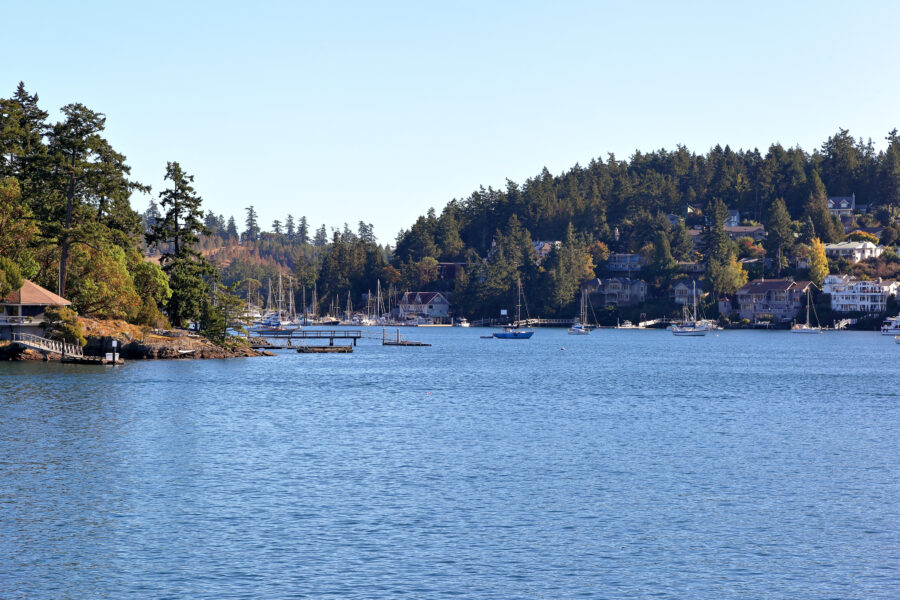
Whidbey just feels lived-in. Locals run errands while visitors snap photos at Deception Pass or grab pizza in Langley. Oak Harbor, especially, has a practical, everyday vibe thanks to the Naval Air Station.
San Juan Island, though, feels a bit more curated. Friday Harbor’s full of boutique shops, art galleries, and restaurants that lean upscale. Out at Lime Kiln Point State Park, you’ll spot folks with binoculars hoping for orcas. The energy’s slower, quieter—like you’ve finally made it to vacation mode.
Want a quick escape from Seattle that still feels connected? Whidbey’s your spot. But if you’re after that “where did the time go?” island pace, San Juan Island delivers.
Getting There: Transportation and Ferry Logistics

Traveling between Whidbey Island and the San Juan Islands takes some planning. You’ll juggle ferries, bridges, and sometimes long waits. But, honestly, the views and the adventure make it all worthwhile.
Ferry Routes and Schedules

Most travelers reach the San Juans by ferry from Anacortes on Fidalgo Island. The Washington State Ferry serves Lopez, Shaw, Orcas, and San Juan (Friday Harbor). The ride itself is gorgeous—you might even spot seals or orcas if luck’s on your side.
Driving on? Make a reservation. Without one, you could wait hours, especially in the summer. Walk-on passengers usually have it easier, and since Friday Harbor’s right in town, you don’t need a car immediately after docking.
Schedules change with the seasons. Early morning sailings are quieter; afternoons can be jammed. I’ve learned—sometimes the hard way—to show up at least 90 minutes before departure if I don’t have a reservation.
You can also ditch the ferry and fly to the islands. Regional airlines and deals on sites like Cheapflights.com can get you to Seattle or Bellingham, where you can catch a seaplane or shuttle.
Driving and Bridge Access
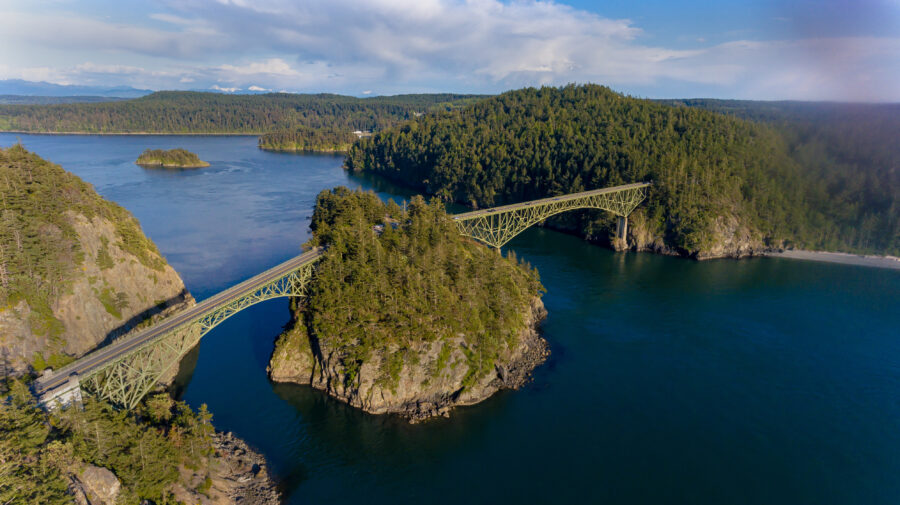
Whidbey Island stands out because you can just drive onto it. The Deception Pass Bridge links Fidalgo Island to Whidbey, and honestly, it’s one of Washington’s most iconic bridges. Coming from Seattle? Take the short ferry from Mukilteo to Clinton on Whidbey’s south end.
Once you’re on Whidbey, you can drive the whole 55-mile stretch without ever waiting for a ferry. That’s a huge perk if you hate lines. From the north end, it’s a quick drive across Fidalgo Island to the Anacortes ferry terminal—where boats head for the San Juans.
Renting a car? Compare prices on KAYAK and decide if it’s worth bringing on the ferry. Personally, I always bring my car—public transport on the islands is limited, and you’ll want wheels if you plan to explore beyond the main towns.
Inter-Island Connections

Once you’re in the San Juans, you can hop between islands using the inter-island ferry. Walk-on passengers ride for free, and it connects Lopez, Shaw, Orcas, and San Juan. The routes are shorter than the mainland crossing, but schedules are limited, so plan your day around ferry times.
If you’re visiting more than one island, start early. Maybe hike on Orcas in the morning, then catch an afternoon boat to Lopez for biking. But don’t assume you can wing it—the last ferry of the day sometimes leaves earlier than you’d guess.
Some folks skip ferries and use seaplanes for inter-island hops. It’s pricier, but you’ll save time and get some wild views over the Salish Sea. If your vacation days are precious, check flights on Skyscanner.
There’s cab service and seasonal shuttles on San Juan Island, but otherwise, you’ll need your own car or bike. The islands are rural, and distances between sights can be surprisingly long.
Top Attractions and Natural Wonders

Both Whidbey Island and San Juan Island offer rugged coastlines, historic landmarks, and some of the best whale-watching in the Pacific Northwest. You’ll stumble into dramatic cliffs, quiet beaches, and towns that feel like they belong in another era.
Deception Pass State Park and Ebey’s Landing

Short on time on Whidbey? Head straight for Deception Pass State Park. The channel under the bridge is famous for swirling currents and jaw-dropping views. If you’re not afraid of heights, walk across the bridge—the wind and water below will stick with you.
The park offers over 30 miles of trails, from forested hikes to beach walks. I’m partial to the Rosario Head trail for a quick, rewarding view of the islands. Families usually hang out at Bowman Bay, which is calmer and perfect for picnics.
A bit further south, Ebey’s Landing National Historical Reserve changes the vibe. The bluff trail runs along fields farmed for generations, with sweeping Olympic Mountain views. On clear days, Mount Baker pops up in the distance.
Wear sturdy shoes—the bluff path gets windy and exposed, but the Strait of Juan de Fuca views? Totally worth it. If you like planning, you can book activities like guided hikes or kayaking tours to really make the most of your visit.
Lime Kiln Point State Park and Whale Museum
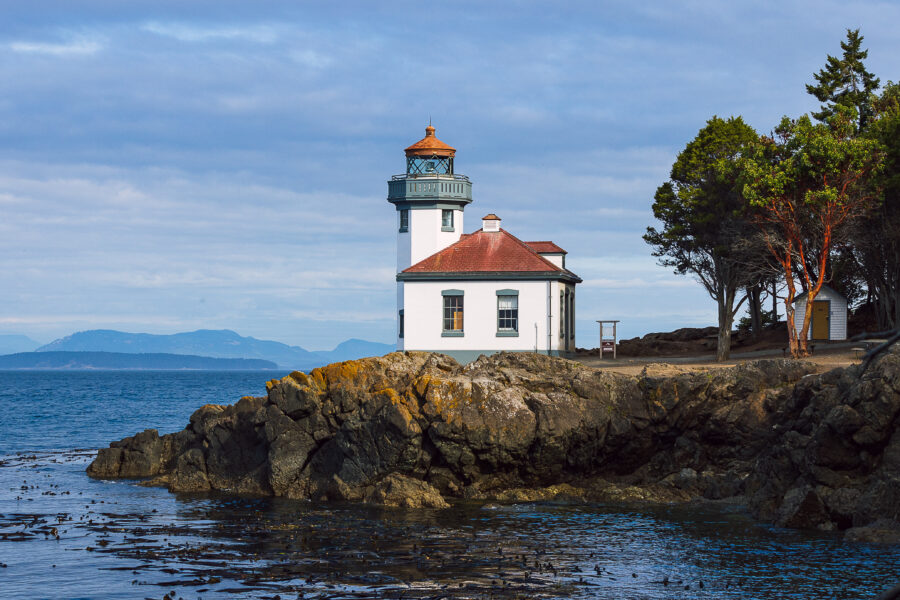
On San Juan Island, Lime Kiln Point State Park is the showstopper—locals call it “Whale Watch Park.” You can stand on rocky cliffs and sometimes spot orcas just a few hundred feet offshore. The lighthouse gives the place a classic postcard vibe, and interpretive signs teach you about the marine life.
I’ve gone late in the day and seen porpoises and seals, even when the orcas skipped the show. That’s wildlife for you—no guarantees, but the setting alone is worth it. Bring binoculars if you’ve got them.
In Friday Harbor, the Whale Museum is a must. It’s small but packed with exhibits about the local orca pods, including family trees and actual whale calls. It’s a neat way to get a deeper feel for whale watching before heading out on the water.
Historic Towns and Local Culture

Whidbey leans hard into its small-town charm. Coupeville is one of Washington’s oldest towns, with boardwalks and historic buildings right on the water. Grab some mussels or chowder at a local tavern, then poke around the antique shops.
Langley, down south, has a more artsy, bohemian vibe. You’ll find galleries, bookshops, and the Langley Whale Center, which posts daily whale sightings. I once wandered into a street fair there and ended up chatting with locals about orca migrations over coffee—one of those perfect travel moments.
San Juan Island’s got its own gems. Friday Harbor is the main hub, packed with restaurants and shops near the ferry dock. Head north to Roche Harbor for a resort village feeling—manicured gardens, a marina full of yachts, and a great spot for sunset drinks.
Outdoor Activities: Adventure and Wildlife

Both Whidbey and the San Juan Islands are packed with ways to get outside. Watch whales and bald eagles, paddle along quiet coves, or drop crab pots off the dock. These islands really balance adventure with those peaceful, slow moments in nature.
Whale Watching and Marine Life
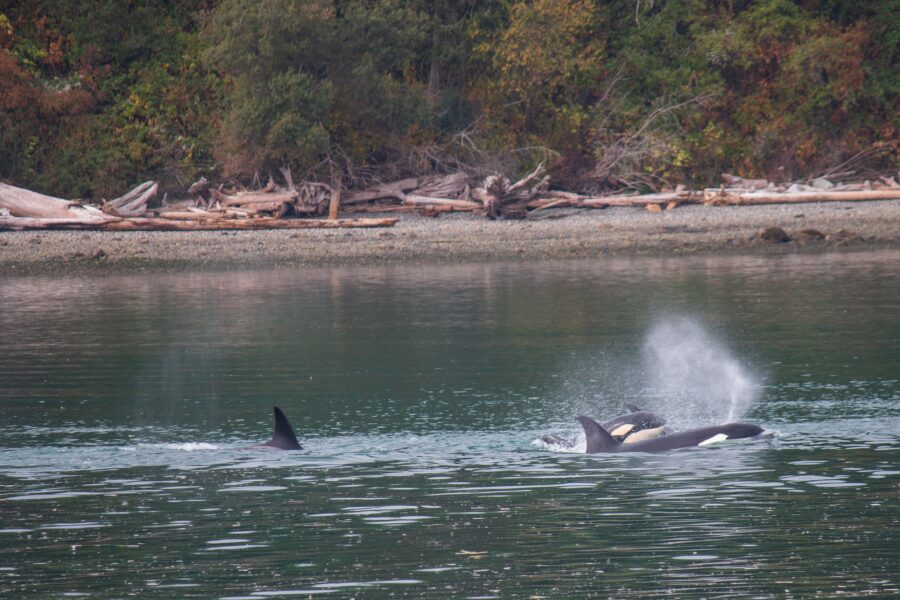
Ever dreamed of seeing orcas in the wild? San Juan Island is honestly one of the best spots in the country for it. Tours head out from Friday Harbor and Orcas Island, and you’ll probably catch sight of humpback whales, porpoises, or sea lions along the way. Bald eagles? Pretty much guaranteed—you’ll spot them perched on driftwood or gliding overhead.
Whidbey Island has its own whale-watching magic, especially when gray whales swing by in spring. They come in close to the shore to snack on ghost shrimp, so you can sometimes just stand on a bluff and watch them surface, no boat needed.
I remember standing near Langley once, watching a gray whale pop up just offshore. Surreal doesn’t even begin to cover it.
If you’re leaning toward a guided adventure, you can book whale watching tours from different harbors. Naturalist guides often tag along, explaining animal behavior and making the whole thing way more interesting than just spotting a fin in the distance.
Hiking and Scenic Trails

Whidbey Island stretches longer and wider, so the hikes offer more variety. Ebey’s Landing stands out for me—a bluff trail with wild views of the Olympic Mountains and Puget Sound. The combo of farmland, cliffs, and open sea makes it feel like three places at once.
San Juan Island’s trails run shorter but don’t let that fool you. The trek up Mount Finlayson dishes out sweeping ocean views, and Lime Kiln Point State Park is an easy stroll with real chances to spot whales from shore. Orcas Island, part of the San Juans, boasts Mount Constitution—the islands’ highest spot, crowned with a stone lookout that feels like a time warp.
Whether you’re in the mood for a quick walk or a half-day hike, both islands step up. Just a heads up, ferries can eat into your hiking time, so don’t forget to factor that in.
Kayaking and Water Sports

Kayaking? The San Juans are where it’s at. The waters around Orcas and San Juan Island stay calm enough for beginners, but there’s enough wildness that you might end up paddling alongside seals—or if you’re crazy lucky, an orca. Sunset tours are next-level, with the water catching every shade of orange and pink.
Whidbey Island’s open water brings a different vibe—windier, a touch rougher, but you’ll find broad beaches for landing and exploring. Penn Cove usually offers gentler conditions, and it’s famous for mussels. I’ve had mornings out there where it felt like the whole cove belonged to me.
Not a kayak fan? Both islands have paddleboarding and sailing options. The smaller bays are perfect for learning or just floating around without dodging big boats.
Camping and Crabbing

Camping on Whidbey Island is refreshingly easy, with state parks offering drive-in campsites right next to the water. Deception Pass State Park draws the biggest crowds—honestly, the bridge views are jaw-dropping, and you can roll out of your tent straight onto a trail.
Camping in the San Juans feels wilder. Spencer Spit State Park on Lopez Island lets you pitch your tent right by the beach, and some sites only let you in by kayak. It’s a bit more work, but the payoff is real adventure.
Crabbing is a highlight on both islands during open season. Grab a license, a crab pot, and some bait—drop your trap off a dock or from a little boat, then come back later hoping for Dungeness. Cooking them fresh at camp? That’s the kind of memory that sticks with you.
Local Flavors: Food, Farms, and Markets
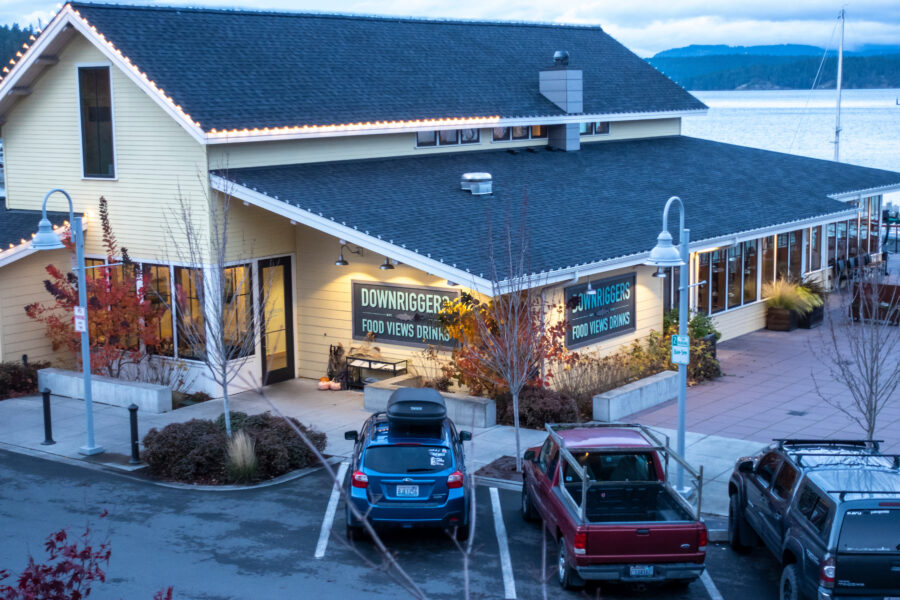
Both Whidbey and San Juan Islands serve up the Pacific Northwest in a way that’s way more personal than just hitting restaurants. You’ll taste seafood fresh from the water, visit farms that actually invite you in, and wander markets packed with goods made by actual locals.
Seafood Experiences and Shellfish Farms

Seafood lovers, you’re in for a treat. On San Juan Island, the waters deliver salmon, halibut, and Dungeness crab. Many spots build their menus around whatever came in that day, so you’re likely eating something that was swimming just hours before.
Whidbey is all about the shellfish. If you’re into oysters or clams, you’ve got to visit Buck Bay Shellfish Farm on the east side. You can buy some to take home or sit at a picnic table and shuck them yourself—super casual, super local.
I still remember slurping oysters there with a splash of lemon, watching boats drift by. Nothing fancy, but that’s the best part. And if mussels are more your thing, Penn Cove on Whidbey supplies a ton of what you’ll see in Seattle’s restaurants.
Farm-to-Table Dining and Wineries

Both islands take farm-to-table seriously, but each has its own twist. On Whidbey, small farms supply seasonal produce to local restaurants, and you’ll find cozy wineries scattered around the island. Towns like Coupeville and Langley have spots where the menu changes weekly, depending on what’s fresh.
San Juan Island goes for a similar vibe but often pairs farm meals with wine or cider tastings. You might end up at a long-table dinner where everything—from the veggies to the bread—comes from just down the road. It feels like you’re eating at a friend’s place, not a business.
If you can, squeeze in a winery visit on either island. Whidbey’s wineries are mostly small and family-run, while San Juan’s tend to double as event spaces, so they come off a bit more polished. Either way, you’ll taste local wines you won’t find in the city.
Markets and Artisan Shops

Markets are where the islands’ personalities really shine through. Whidbey’s farmers’ markets buzz with energy—produce, cheeses, baked treats, even handmade chocolates. The Whidbey Island Grown Eat Local Guide is a great way to hunt down farm stands or seasonal happenings.
San Juan Island’s markets run smaller but focus on artisans. You’ll find handmade soaps, woven goods, and preserves that make for perfect souvenirs. I’ve picked up jars of blackberry jam there that brought back summer every time I opened one.
Traveling with kids? Markets are a relaxed way to explore. Grab a snack, catch some live music, and chat with the farmers. It’s a slower pace than a sit-down meal, and honestly, sometimes just more fun.
Choosing the Right Island for Your Trip

Whidbey Island and San Juan Island both have their own kind of magic. One gives you easy access and small-town warmth; the other rewards you with rugged scenery, rich history, and a slower pace—if you’re up for a little extra effort to get there.
Best for Families

Traveling with kids? Whidbey Island makes things simpler. You can just drive over Deception Pass Bridge, skipping the whole ferry hassle. If you’ve got little ones in the backseat, that’s a game-changer.
Whidbey’s beaches are usually more family-friendly, with less to worry about. Fort Casey State Park has bunkers for kids to explore, and Joseph Whidbey State Park’s shoreline is calm and perfect for skipping rocks. The towns—Coupeville, Langley, Oak Harbor—have casual eats and ice cream shops that welcome families.
San Juan Island works for families, too, but you’ll need to plan. Booking ferries is a must, and bringing a car gets pricey. Once you’re there, Friday Harbor is walkable and packed with shops and quick bites. If your kids are into wildlife, whale watching tours from San Juan are a huge hit—just know that sightings aren’t always a sure thing.
Best for Nature Lovers

If you’re coming for nature, San Juan Island probably edges out. Lime Kiln Point State Park is legendary for land-based whale watching.
On a clear day, you can see all the way to Vancouver Island, and sometimes orcas cruise by right off the shore. The island’s coves, forest trails, and rugged coastline feel more remote than Whidbey’s.
Whidbey Island still brings a ton of natural beauty, but it feels more accessible. Deception Pass is a showstopper with its cliffs and that turquoise water under the bridge.
You can take short trails for big rewards, or just pull over for a quick viewpoint. Birdwatchers will love Ebey’s Landing, where bald eagles are a common sight.
Best for History Buffs
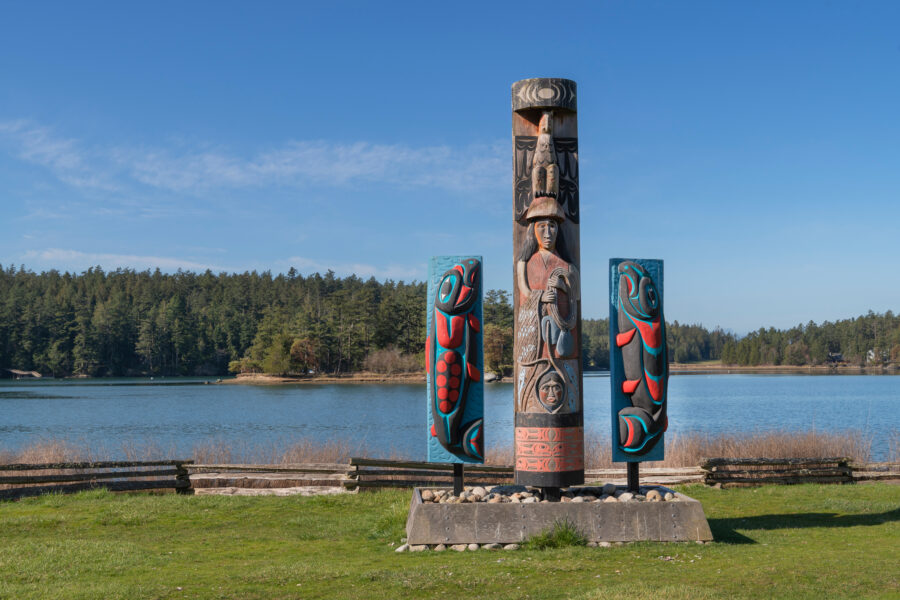
San Juan Island is a dream for history lovers. You’ll find both American Camp and English Camp, two historic sites from the mid-1800s “Pig War” standoff between the U.S. and Britain.
You can wander old barracks, officer quarters, and trails soldiers once patrolled. The two camps feel totally different—one’s wide open, the other tucked into a forested bay.
Whidbey Island isn’t short on history either. Fort Casey is a favorite, with its massive bunkers and decommissioned guns looking out over Admiralty Inlet. Kids can explore tunnels, and history fans will love the preserved details.
Coupeville, one of Washington’s oldest towns, has waterfront buildings from the 1800s. The area around Ebey’s Landing National Historical Reserve protects farms and homesteads that tell stories of early settlers.
In San Juan, you can spend the morning at English Camp, then wander to Lime Kiln Point for whale watching. Whidbey weaves history right into daily life—you might grab lunch in a building older than the state itself.
Frequently Asked Questions

Whidbey Island and the San Juans each bring their own flavor—nature, food, history, and even how you get around. Picking the right one just depends on what kind of trip you’re after.
What unique experiences does each island offer to nature enthusiasts?
On Whidbey, you’ll hike through Deception Pass State Park—think dramatic cliffs, old-growth forests, and that iconic bridge. Kayaking, crabbing, and beachcombing are all on the table.u003cbru003eu003cbru003eSan Juan Island leans more into u003ca href=u0022https://www.realjourneytravels.com/places/san-juan/u0022u003ewildlifeu003c/au003e. Lime Kiln Point State Park is world-famous for watching orcas from shore. You’ll also find lavender farms, u003ca href=u0022https://www.realjourneytravels.com/places/south-shore-nature-centerplenty-of-wildlife-and-sights-to-see/u0022u003etide poolsu003c/au003e, and quiet coves for kayaking.
Can you highlight the differences in culinary scenes between Whidbey and the San Juan Islands?
Whidbey’s all about farm-to-table. Local berries, shellfish, and small family farms selling fresh produce are everywhere. If you like seafood, Coupeville’s Penn Cove mussels are a must.u003cbru003eu003cbru003eSan Juan Island feels a bit fancier. Friday Harbor has boutique restaurants, wine bars, and artisan bakeries. It gets touristy, sure, but the food scene mixes fine dining with laid-back waterfront spots.
What are the accommodation options like on both islands for a weekend getaway?
Whidbey offers everything—cozy inns, rustic cabins, and even military lodges if you have access. Many places hide in peaceful corners, so you can always find somewhere quiet.u003cbru003eu003cbru003eSan Juan Island leans toward boutique hotels, waterfront resorts, and vacation rentals. If you’re planning, check out u003ca href=u0022https://www.booking.com/index.html?aid=2427303u0022 target=u0022_blanku0022 rel=u0022noreferrer noopener nofollow sponsoredu0022u003eBooking.comu003c/au003e for options that fit your vibe and budget.
Could you elaborate on the seasonal activities available on Whidbey Island versus San Juan Island?
Whidbey’s summers are made for beaches, hiking, and kayaking. Fall brings pumpkin patches and harvest festivals, while winter quiets down—great for storm watching along the coast.u003cbru003eu003cbru003eSan Juan Island pops in summer with whale watching and lavender festivals. Spring and fall are quieter, perfect for biking and hiking without crowds. Winters slow to a crawl, but you’ll still find cozy places to hunker down.
How do the transportation options to and around both islands compare?
You can just drive right onto Whidbey Island thanks to u003ca href=u0022https://www.getyourguide.com/seattle-l198/seattle-private-whidbey-island-deception-pass-tour-t428687/?pid=P00057290u0026amp;mcid=42383u0026amp;medium=linku0026amp;campaign=realjourneytravelsu0022 target=u0022_blanku0022 rel=u0022noreferrer noopener nofollow sponsoredu0022u003eDeception Pass Bridgeu003c/au003e. It’s honestly the easiest way to reach an island in the area without getting tangled up in ferry schedules.u003cbru003eu003cbru003eOnce you’re there, you’ll want a car. Whidbey stretches out for miles, and public transportation isn’t exactly robust.u003cbru003eu003cbru003eSan Juan Island? That’s a different story. You’ll need to catch a ferry from Anacortes. The ride is gorgeous—sometimes I wish it lasted longer—but you’ve got to plan for ferry times, and waits can be a little unpredictable.u003cbru003eu003cbru003eWhen you finally set foot on San Juan, a lot of people hop on bikes, and I totally get the appeal. Still, most folks end up renting a car or a scooter, especially if they want to roam beyond Friday Harbor.u003cbru003eu003cbru003eCarrying extra bags? There’s u003ca href=u0022https://www.nannybag.pxf.io/09zYz3u0022u003eluggage storageu003c/au003e near the main transit spots, which can be a lifesaver if you want to wander hands-free for a while.
What are some lesser-known historical attractions on each island worth exploring?
Over on Whidbey, you’ll find Ebey’s Landing National Historical Reserve. Here, you can wander through stretches of preserved farmland and stumble upon old pioneer homesteads—honestly, it feels like you’ve time-traveled.u003cbru003eu003cbru003eIt’s usually much quieter than the state parks, so you get this rare, up-close look at what early settler life might’ve actually felt like.u003cbru003eu003cbru003eSan Juan Island’s got a quirky, almost unbelievable history thanks to the Pig War of 1859. If you’re curious, check out English Camp and American Camp; British and American troops both set up shop here during their standoff.u003cbru003eu003cbru003eIt’s the sort of fascinating, unexpected bit of history you’d never guess existed on a sleepy little island—worth a detour if you ask me.